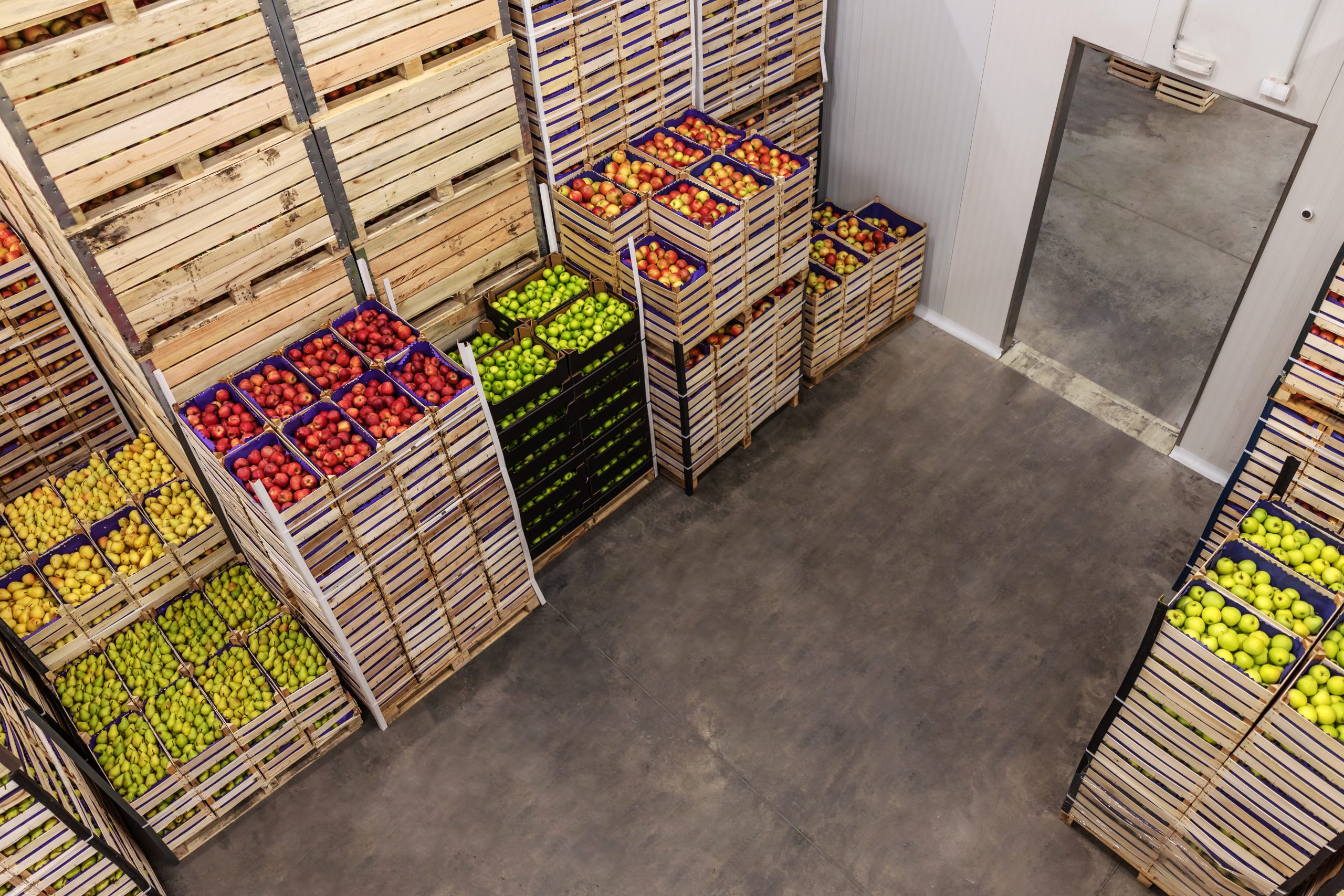
Cold chain fulfillment must meet all the requirements of traditional delivery operations, with enhanced care to keep the product within a target temperature zone. In the past, reliance on refrigerated trucks and a mounted thermostat was all that offered any insight into how cold products were.
Today, companies are investing in new strategies to reduce costs, improve efficiency, and alleviate compliance risks. It’s done through integrated real-time IoT monitoring. From startups to large providers, cold chain logistics services can now do more than ever to speed delivery, reduce costs, and enhance asset safety. Here’s how.
The Key Ingredients in Optimized Cold Chain Fulfillment
True optimization comes from creating a cohesive system that works together. Cold chain logistics services that incorporate the following components offer the greatest advantage for businesses looking to improve operations across the board.
Real-Time Environmental and Conditioning Monitoring
At the heart of successful cold chain fulfillment is ensuring conditions remain within the target zone. Numerous strategies exist to do this, such as using smart sensors and Bluetooth Low-Energy (BLE) beacons. RFID tags are also used in this way in some supply chains. These technologies allow for continuous monitoring, avoiding the risk of what can go wrong between spot checks.
Elements critical to success include:
- An active monitoring parameter setup: It must track key factors important to the product, including temperature, humidity, light exposure, and shock.
- Instant alerts or automated actions: Proper alignment of triggers to send off an SMS or email alert is essential. Some of the most advanced systems will initiate available correction actions. This could include rerouting trucks or adjusting internal temperature settings.
- Predictive maintenance upkeep: Specifically for reefers, predictive maintenance has proven to be a key driver for the success of continuous monitoring.
Real-time monitoring with automated inventory management provides a clear strategy to reduce spoilage of perishables.
Integrate Automated Inventory Management
Also known as AIM (automated inventory management), it links IoT data from smart sensors to Warehouse Management Systems (WMS) and Enterprise Resource Planning (ERP) tools. This ensures that inventory’s static records become far more dynamic, data-filled, and actionable.
Automating First Expired, First Out (FEFO), for example, using IoT sensors, ensures the longest possible shelf life on a product. This can be adjusted based on temperature exposure. Automation allows systems to prioritize shipping out products at higher risk of expiration.
Dynamic inventory allocation allows the system to downgrade at-risk inventory or reassign its delivery to a market that is much closer. This can reduce waste.
Localizing Micro-Fulfillment Centers
Localizing micro-fulfillment centers accelerates the delivery process, but it also reduces the delivery time. This allows for better management of highly strict temperature controls. Localized locations, which have high-tech tools built into them, are typically located within 5 to 10 miles of the largest urban populations. The result means same-day and even under two-hour deliveries become possible, the critical risk zone for perishables.
Advanced Thermal Packaging
Another core component of success in cold logistics is the use of advanced thermal packaging. This includes insulated container liners or phase change materials (PCMs), for example. There are several core benefits to these products. The first is the creation of an unbroken chain of custody. Materials like vacuum insulation panels and PCMs allow for very accurate temperature management for up to 72 hours. Products such as insulated box liners and foam containers can minimize product risk when it comes to changes in external temperature.
The Solution to Cold Chain Fulfillment: Data and Its Use
Implementing a data-driven approach is a necessary step for all cold chain logistics providers. Doing so maintains the highest level of safety while also working to meet increasing consumer demand, even as delivery timeframes continue to shrink.
It is the combination of all these factors working together that makes this possible. With IoT, real-time monitoring, smart inventory management, and advanced thermal packaging, along with localized fulfillment centers, enables businesses to maintain compliance, reduce waste, and meet rising consumer expectations for faster delivery. When these systems work together, companies significantly increase the likelihood of higher profit margins and improved customer satisfaction — while reducing the product losses associated with outdated logistics models.
For many companies today, this transformation is essential.
