Sierraline Cargo Services
  • HOME
  • Services
    • Trade With Us
  • About Us
  • Contact Us
  • private jet
    • BOOK YOUR JOURNEY
  • Track Packages
  • Insurance
  • safekeeping
Services

Logistics Business Conversations – Designing Delivery Networks

by
written by


Are your delivery operations just “good enough,” or are they truly optimized for the future? This question is vital in today’s rapidly evolving logistics landscape, where customer expectations, technology, and sustainability goals are constantly shifting.

In this episode of Logistics Business Conversations, we explore how logistics companies can go beyond traditional methods and transform their delivery networks to stay competitive, efficient, and customer-centric. Drawing insights from industry expert, Gary Rosier-Taylor of Descartes, we delve into practical strategies for rethink delivery networks, leverage technology effectively, and prepare for the future.

Whether you’re managing a small fleet or a sprawling logistics operation, understanding these concepts can help you make smarter decisions today that secure long-term success.

Key Highlights:

  • Rethink Traditional Methods: Avoid the pitfalls of piecemeal growth and explore innovative solutions for a streamlined network.
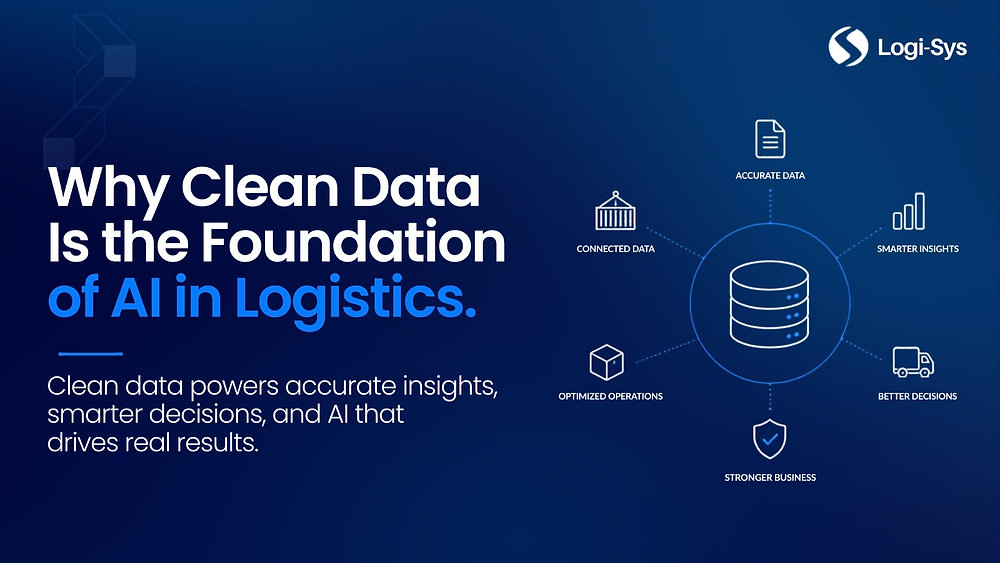
  • Leverage Technology: Learn how AI and machine learning can revolutionize route planning and execution.
  • Embrace Sustainability: Understand the role of electric and alternative fuels in creating a greener logistics landscape.

Gary shares practical tips and real-world examples that can help you transform your logistics operations. Whether you’re a small operator or a large fleet manager, these insights are crucial for staying competitive in today’s market.

Listen now to gain valuable knowledge and take your delivery network to the next level. Embed the player below to tune in directly!


Source link

0 comments
0 FacebookTwitterPinterestEmail
Services

Battle to Control Packaging Costs

by
written by


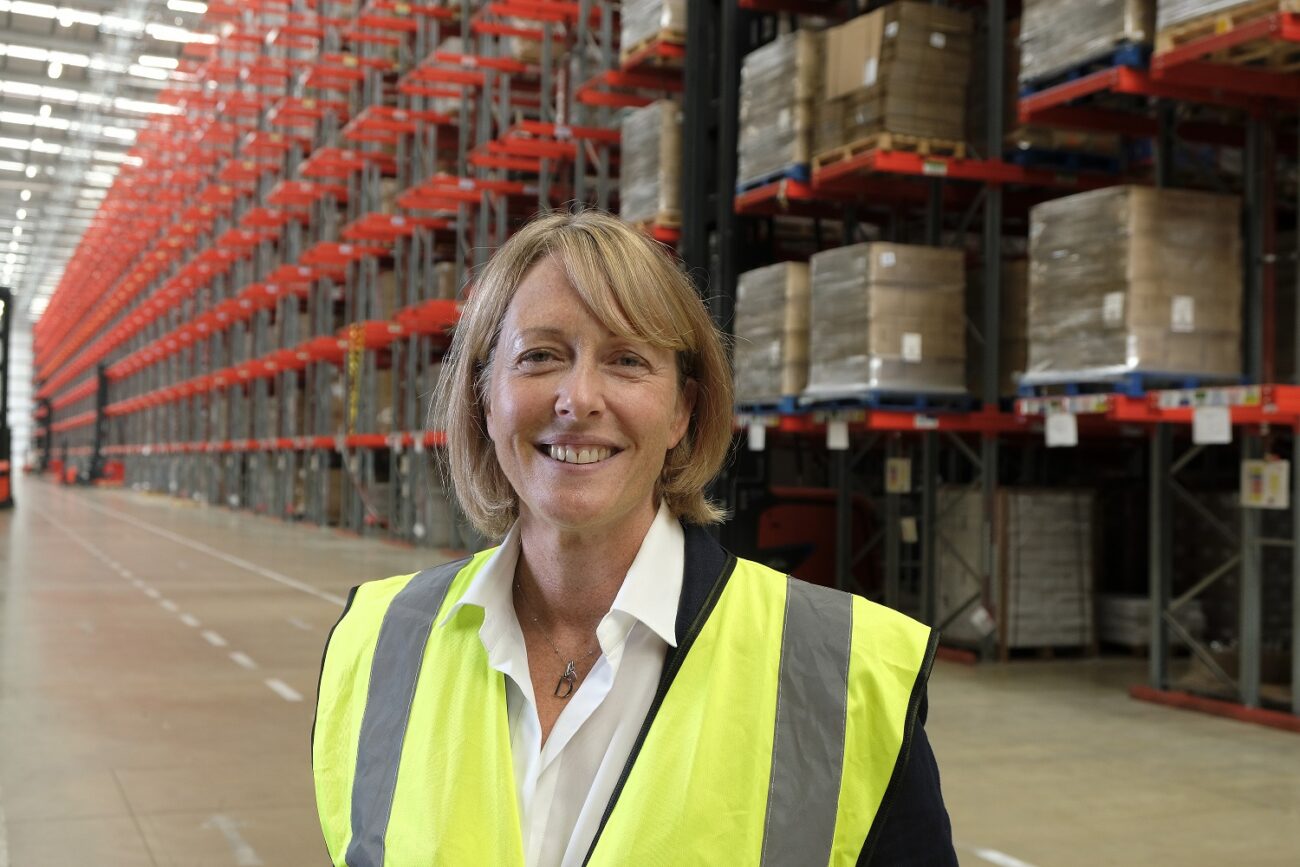
Transit packaging material prices have been severely impacted by the conflict in the Middle East. But unlike other areas of business operation, there are clear ways of mitigating the risks and reducing costs, writes Chris More (pictured, below), UK Sales Director at Packsize.

Conflict in the Gulf has had an immediate, severe, and probably long-lasting impact on packaging material costs and it is easy to feel helpless in the face of this turmoil. However, shippers can take back an element of control in one simple move – by using the right size box.

On manual, or even semi-automated, packing lines when packing an assortment of goods into a single box or carton, the temptation is always to reach for a box that is safely (or too often, grossly) larger than that strictly required. But this is inherently wasteful, and under the present circumstances, increasingly expensive.

However, by exploiting automated ‘right-size’ boxing technology businesses can combat waste and expense on three fronts.

  1. Eliminate plastics
    With many of the familiar void fill products used in transit packaging, such as bubblewrap and Polystyrene shapes, made from plastic materials derived from oil and gas, prices for these products are bound to rise significantly. Since the start of the conflict the benchmark Brent crude has moved from $73 per barrel to well north of $100 and may yet go much further. Availability of these products are also likely to be impacted, as an increasing proportion of world supply now comes from the Gulf oil and gas producing countries themselves – both production facilities and of course shipping through the Straits of Hormuz are, to put it mildly, compromised. So why are businesses cramming these increasingly expensive materials – which are also environmentally unfriendly – into the voids of oversized packages? There is an alternative approach: by right-sizing, shippers can often eliminate the need for void fill – plastic or otherwise.
  2. Use less board
    Fluted board of course doesn’t derive from petrochemicals. But the conversion processes, from timber to pulp, and then into board, are again energy intensive and unless the mills are fortunate enough to have easy access to hydro-electricity, energy bills will inevitably rise and with them the factory gate price of card and board.
    As timber has to be hauled out of often inaccessible locations, and as finished board delivered to users often at a considerable distance, pricing will also reflect increases in road diesel and ships’ bunkers.
    Packsize finds that its clients typically save up to 29% of their board costs by right sizing. Combined with the elimination of void fill, their bill for packaging materials can be reduced by 35% or more.
    It has also been noted that there is a general trend in e-commerce in particular, predating the current conflict or even the ‘cost of living’ crisis, for consumers to place a higher number of smaller orders. That means that packaging – including wasted packaging – tends to form a greater proportion of each consignment.
    In addition, if anyone needed further incentives to reduce packaging material use, the introduction of Extended Producer Responsibility levies on packaging materials in the UK has added another layer of cost to transit packaging materials. Likewise, those operating in the EU or selling to that market will start to feel the impact of the EU’s Packaging & Packaging Waste Regulations when they are applied in August.
  3. Save on transport
    That leads to our third front in the cost control battle. Transport fuel costs are often the very first area to react to this sort of crisis. By right sizing consignments, it is possible to load many more packages onto a single vehicle – in most cases it is volume, not weight, that is the ruling factor. With higher packing density there is greater potential to reduce the number of trucking journeys out of the distribution centre and ‘last mile’ couriers, using smaller vehicles, may be able to carry a full shift’s worth of drops rather than having to return to the depot for reloading.
    What’s more, savings in ‘volumetric weight’, the basis for charging by airlines and many other carriers, can be significant. These are economic and environmental benefits that are important at any time, but especially now.

Packsize’s automated ‘right size’ packaging solutions offer many other benefits, including high throughput, significant labour reductions and reduced scope for error and damage. These attributes ensure that payback is often measured in months rather than years, and in the current cost environment, the ‘right size’ proposition is ever more attractive.


Source link

0 comments
0 FacebookTwitterPinterestEmail
Services

Flabelus Chooses UK Fulfilment Operations Hub

by
written by


Spanish fashion brand Flabelus has gone live with Bleckmann, a specialist in supply chain management for fashion and lifestyle brands, as its exclusive fulfilment partner in the UK. The brand, which manufactures the majority of its products at its factory in Elche, Spain, selected Bleckmann to help reduce lead times to its expanding UK customer base, spanning monobrand stores, retail partners and ecommerce. Bleckmann’s perceived expertise in omnichannel fulfilment excellence, combined with its advanced IT platform, made it a natural choice for this brand.

Authentic style, seamlessly delivered

Founded in 2020, Flabelus has built a loyal following – including a number of high-profile admirers – on the strength of its reputation for quality, craftsmanship and authentic design. That reputation has driven rapid growth over the past five years, with the brand now operating 31 owned stores across Spain, New York, Los Angeles, Paris, Milan, London, Lisbon and Mexico City. In total, Flabelus’ signature espadrille designs are now available at 700 stores worldwide. As María Fernándes-Álva de Zunzunegui, Global Operations Director at Flabelus, explains:

“Prioritising the customer at every stage has been central to our growth, and we hold our partners to the same exacting standard. Bleckmann has demonstrated the ideal balance of logistical expertise and commitment to service excellence.”

Delivery speed is central to this commitment. All of Flabelus’ UK omnichannel fulfilment operations will be run from one of Bleckmann’s in-country distribution centres, in Burton-on-Trent, which is situated within the UK’s ‘logistics golden triangle’. This strategic location enables faster fulfilment times to both ecommerce and retail customers. With an extensive and well-established transportation network in the country, including a dedicated pool of ‘Local Hero’ last-mile partners ensures reliable nationwide reach. This is further supported by full integration with Flabelus’ ecommerce operations and inventory management systems, giving both teams real-time visibility across the entire fulfilment chain. This end-to-end omnichannel set-up gives Flabelus full oversight of the entire delivery cycle, from outbound to returns and exchanges – ensuring that all customer touchpoints can be optimised to reflect the brand’s premium positioning.

Navigating cross-border complexity

As Flabelus’ global footprint has grown, so too has the complexity of its cross-border logistics. Shipping from Spain to the UK brings a significant post-Brexit administrative workload: under current trade agreements, products originating in the EU benefit from zero-tariff treatment, but importers must provide valid proof of origin. Bleckmann’s dedicated customs teams – operating on both sides of the Channel and supported by an integrated customs framework – ensure efficient and compliant declaration filings, streamlining a complex and time-consuming process for the Flabelus team. In addition, Bleckmann’s growing presence in Spain, with established transportation networks and dedicated fulfilment hubs, ensures end-to-end supply chain oversight for all B2B and B2C orders.

Unburdening ambitious brands to focus on growth

The Flabelus launch is a strong example of Bleckmann’s approach to designing fulfilment solutions around the needs of the client – backed by decades of industry-specific experience. Every aspect of the partnership has been shaped to meet Flabelus’ operational requirements, unburdening them fully so they can accelerate their commercial ambitions. For example, warehousing space has flexibility built in, providing room to scale as Flabelus continues to grow its UK presence. As Fernando Sainz Martinez-Vara de Rey, Business Development Director at Bleckmann, said:

“Fast-growing brands need a partner who can manage the full picture – from freight forwarding and customs to warehousing, last-mile delivery and returns – so they can keep their focus firmly on growth. That’s our role.”


Source link

0 comments
0 FacebookTwitterPinterestEmail
Services

Cybersecurity in Logistics isn’t just IT Responsibility

by
written by


For many years, cybersecurity was seen as a technical topic. Something for IT to manage in the background. Firewalls, patches, antivirus software. Necessary, but not strategic. That time has passed, writes Andreas Anyuru (pictured below), CTO of Consafe Logistics.

Today, warehouse management systems and supply chain platforms are deeply embedded in business operations. They control goods flows, automation, robotics, transport bookings and customer deliveries. When they stop, operations stop. Revenue stops. Customer trust is tested.

Cybersecurity in logistics is therefore no longer an IT issue. It is a business continuity issue. A board level issue. A leadership issue.

A new risk landscape for supply chains

We often read about ransomware attacks or large scale data breaches in the news. What is less visible is how these incidents usually begin. They rarely start with a dramatic break in. More often, they begin quietly with a known vulnerability in widely used technology.

A vendor releases a security patch. Some companies update immediately. Others postpone. Operations are running. Peak season is approaching. Testing takes time. The upgrade is moved to the next quarter.
Meanwhile, attackers automate their scans. They look for systems that have not been updated. And they find them.

In supply chain environments, the consequences are amplified. A warehouse management system does not only manage data. It controls physical operations. Conveyors, sorters, robotics, picking flows. Many run 24/7. Stopping them is not like restarting an office application. It can mean delayed deliveries, contractual penalties and reputational damage.

Several automotive manufacturers in Asia and the UK have in recent years had to halt production for weeks following cyber incidents. In some cases, the affected systems were believed to be isolated. The financial impact was significant. The operational impact even more so. The lesson is clear. Isolation is not protection. Complexity is not security.

Is supply chain lagging behind?

Many tier 1 and tier 2 companies in Europe have made impressive investments in automation, digitalization and integration. WMS platforms are connected to ERP, transport management systems, automation providers and cloud services. This connectivity drives efficiency and visibility across the value chain. But connectivity also increases the attack surface.

At the same time, we still see environments running on legacy platforms that are no longer supported. Upgrades are postponed because operations are stable. “If it works, why change it?” is an understandable question from an operational perspective. From a cybersecurity perspective, it is a growing liability.

A recent example illustrates this well. A serious vulnerability was disclosed in a widely used framework behind many modern applications. A patch was released immediately. For companies running supported platforms, the vulnerability could be mitigated as part of normal maintenance. For those on unsupported platforms, there was no patch available. The exposure remained.

The vulnerability itself was not unique. New ones will continue to appear. The real difference was the ability to respond.

Cybersecurity maturity is about response

No company can guarantee that vulnerabilities will never occur. What defines maturity is the ability to act when they do.

This requires more than tools. It requires governance, processes and alignment between IT and operations. It requires clarity on who owns risk. It requires a clear upgrade path and the discipline to follow it.

It also requires recognizing that cybersecurity is a continuous investment, not a one time project.
Standards such as ISO 27001 provide a structured way to work with information security. Regular audits, threat modeling, secure development practices and penetration testing all contribute to reducing risk over time. Real time monitoring of SaaS environments and automated vulnerability scanning help detect suspicious behavior early.

But even the most robust framework cannot compensate for outdated, unsupported software. If a platform cannot be updated, it cannot be secured.

Questions every leadership team should ask

For C level leaders in supply chain intensive businesses, the conversation needs to shift from technical detail to strategic oversight. Some important questions to reflect on:
• Do we know which of our critical supply chain systems are running on supported platforms?
• How quickly can we apply security patches without disrupting operations?
• Is there a clear, funded roadmap for upgrades and modernization?
• Are IT and operations aligned on risk ownership and incident response?
• Do we regularly test our resilience, not only our prevention?
These are not IT questions. They are business resilience questions.

Why this matters now

Supply chains are more digital, more connected and more automated than ever. At the same time, geopolitical uncertainty and organized cybercrime are increasing. Attackers understand the leverage in disrupting logistics. When goods stop moving, the impact cascades quickly across industries.

Trust is hard to build and easy to lose. Customers expect reliability. Investors expect stability. Regulators expect due diligence. Cybersecurity in logistics is therefore about protecting more than systems. It is about protecting operations, reputation and long-term competitiveness.

A shared responsibility

We believe that cybersecurity in supply chain environments must be treated as a shared responsibility between technology providers and customers. Vendors must design secure, updateable platforms and work systematically with security. Customers must prioritize supported environments and continuous improvement.

Together, we can move the discussion from reacting to incidents to building resilience. Because the real question is no longer whether cyber threats will continue to grow. They will. The real question is whether our supply chains are prepared to respond. And that is a leadership decision.


Source link

0 comments
0 FacebookTwitterPinterestEmail
Services

Hydrogen Fuel Cell Powered Warehouse Trucks

by
written by


Hydrogen fuel cell developer Intelligent Energy is supporting the ‘Lighter than Aire’ (LtA) Hydrogen Valley project by powering a fleet of up to 40 warehousing trucks across two major logistics hubs in Yorkshire and Humber.

Backed by the EU through the Clean Hydrogen Partnership, the €20 million LtA project aims to accelerate large-scale hydrogen adoption across logistics, industry and mobility. Centred around the River Aire between Bradford and Leeds and positioned along a key transport route connecting Liverpool and Hull, the project focuses on real world deployment in one of the UK’s busiest logistics corridors.

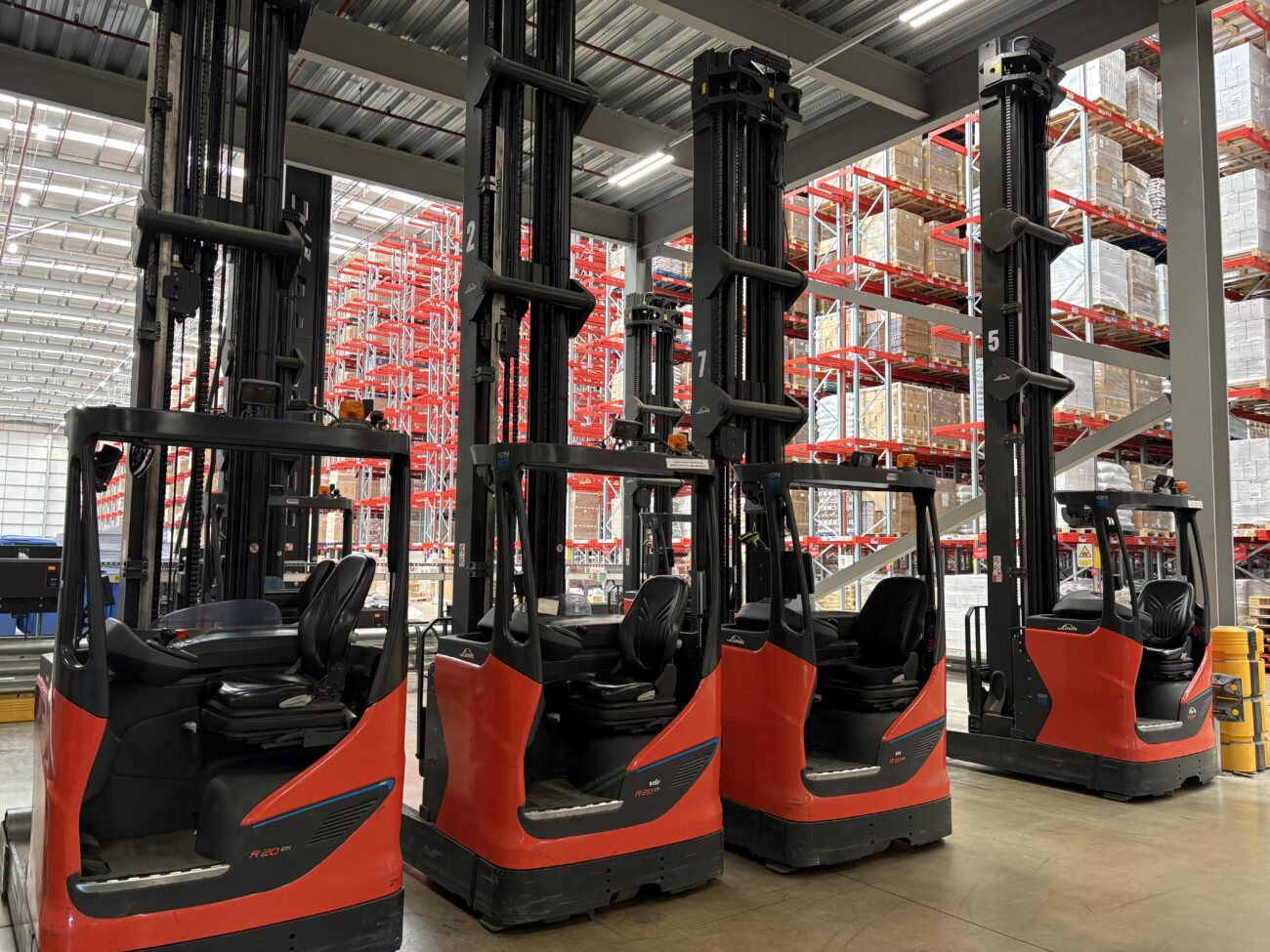
As a programme partner, Intelligent Energy – working alongside Briggs Equipment UK Ltd, a UK distributor for Hyster-Yale Materials Handling – will deploy fuel cell powered forklift trucks equipped with its IE LIFT™ battery box replacement (BBR) units. The trucks will enter operation from June 2028 and will support warehousing across two major logistics hubs in the valley.

IE-LIFT is a drop-in replacement for traditional industrial battery tanks, integrating a fuel cell, buffer battery and hydrogen storage into a single compact unit. Refuelling takes around three minutes, eliminating long charging cycles while retaining the quiet, zero-emission operation of electric drive. IE’s systems are already in commercial use in demanding environments, including BMW’s manufacturing sites in Germany.

Each IE-LIFT system offers more than 30,000 hours of service life and integrates seamlessly into a wide range of standard forklift classes without compromising payload capacity or manoeuvrability. David Fields, Head of Product Line, IE-POWER at Intelligent Energy, said:

“The US market has set the pace in hydrogen intralogistics, with fuel cell-powered forklift trucks operating at Walmart, Amazon and other major organisations over the past decade. Our fuel cells are proven to be robust, durable and efficient, following a successful deployment at BMW’s Leipzig plant since 2023. This project gives us the opportunity to deploy our IE-LIFT technology on home soil, and to demonstrate its value to operators across Europe.”

The LtA Hydrogen Valley aims to remove barriers to hydrogen adoption by linking production, distribution and end use within a single regional ecosystem. In addition to material handling, the project will support the rollout of more than 150 hydrogen passenger transport vehicles, with the aim of achieving near- diesel operating cost parity through centralised supply.

By embedding hydrogen-powered equipment within active logistics sites, the project will demonstrate hydrogen’s potential to cut emissions while improving operational efficiency. For Intelligent Energy, the deployment marks a step towards wider adoption of hydrogen fuel cells in UK warehousing and intralogistics – sectors where fast refuelling, predictable duty cycles and high utilisation make hydrogen a strong operational fit.


Source link

0 comments
0 FacebookTwitterPinterestEmail
Services

Full Occupancy at Alligator Park

by
written by


Logicor has signed a new lease agreement with one of Hungary’s leading IT distribution companies for 5,580 sqm of warehouse space at Logicor Alligator Budaörs, bringing the property to 100% occupancy. Acquired by Logicor in December, 2025, the latest lease signed in quick succession demonstrates the strength of demand in the Budaörs area.

CHS, a nationwide IT distribution company headquartered in Budaörs, selected the facility to support its growing operations and expanding inventory. The proximity of Logicor Alligator to the company’s headquarters made the location particularly attractive, allowing it to increase its storage capacity while maintaining efficient logistics operations close to its main office.

The logistics park comprises approximately 28,000 sqm of warehouse and office space and is located within the M0 Budapest ring road, around 12 kilometres from Budapest city centre. The property benefits from excellent connectivity, with immediate access to the M1 motorway towards Western Europe, the M7 motorway towards the Croatian border, and the M0 ring road, making it ideally suited for both national and international distribution.

Domonkos Joó, Senior Director and Head of Hungary & Austria at Logicor, said:

“This transaction highlights the continued strong demand for well-located logistics space in the western Budapest submarket, despite a more competitive market environment, particularly amongst those focussed on efficient distribution operations. The fact that Logicor Alligator Park has reached full occupancy shortly the acquisition demonstrates both the attractiveness of the location and our customer-centric approach.”

The deal also reflects the evolving role of Budaörs, which has gradually transformed from a traditional industrial area into a mixed-use commercial and logistics hub as the city has expanded around it. Today, the area remains one of the most competitive logistics locations in Hungary due to its proximity to Budapest and its direct access to the country’s key motorway network.

Logicor has been active in Hungary for nearly a decade, managing a major part of its domestic portfolio in and around Budaörs. The company operates 172,000 sqm of space across eight parks located along Budapest’s main transport corridors, providing flexible and well connected facilities for domestic and regional distribution.


Source link

0 comments
0 FacebookTwitterPinterestEmail
Services

8 Ways Fleet Operators Can Boost Performance

by
written by


For businesses running delivery fleets, especially those managing multi-drop routes, route optimisation software is a necessity. Even for companies managing to get by with their current processes, with the rising pressures of fuel prices, amid global conflicts overseas, ongoing driver shortages and sustainability commitments, even the slightest change to the last-mile ecosystem can have a huge knock-on effect on a business’s bottom line. Therefore, it’s more important than ever to offset these challenges before they even occur by improving fleet efficiency.

Businesses that constantly aspire to improve route efficiency, increase delivery capacity and provide reliable service are better positioned to control costs more effectively while maintaining customer satisfaction. For this reason, organisations are increasingly turning to transport optimisation technology. Andrew Tavener (pictured, below), Head of Fleet Marketing EMEA, Descartes, explains how and where transport optimisation software can help businesses improve fleet performance.

  1. Cost Savings from Smarter Planning
    With roads in the UK currently blighted by potholes, increasing vehicle wear and maintenance costs for fleet operators, transport efficiency has become even more critical. Add in fuel and labour costs, and things can start adding up very quickly. Fleet optimisation software can be the solution to this problem by helping plan routes that reduce miles driven, increase delivery density and require less time per delivery. Not only this, but this technology can also aid drivers in adhering to promised time windows and comply with drivers’ hours regulations.

The result is that businesses can reduce costs by cutting fuel spend, overtime, and maybe even the fleet size needed. Some strategic route planning systems even allow you to run “what-if” planning scenarios to explore how changing delivery time windows or fleet composition can impact costs, a valuable tool when you’re under pressure to do more with less.

  1. Removing Guesswork
    Last-mile delivery is arguably one of the most important parts of the supply chain, especially for a customer. It’s also one of the most expensive for many operators, so there’s no room for guesswork. This means managers need to know if routes are being executed in line with the optimised plan. To do this, it’s essential to have optimisation technology that integrates with GPS and telematics solutions to offer real-time tracking and status updates. This way, managers are constantly in the loop. They know where a vehicle is, what it’s carrying and if it’s on schedule. This oversight empowers transport managers to respond to issues like delays or missed deliveries as they happen, not after the fact when they become a potential problem.
  2. Greener Routes, Lower Emissions
    Route optimisation is also a critical sustainability tool. It allows businesses to reduce mileage, decrease vehicle idle time and reduce failed first-time deliveries. Some solutions even include carbon calculators and sustainability dashboards, allowing businesses to track their environmental impact. In 2026, many customers are now on the lookout for environmentally friendly delivery options and, by offering sustainable options, a business may stand out from the competition. Businesses can even incentivise customers with lower-priced deliveries if they choose “green” delivery windows at checkout.
  3. AI and Predictive Analytics
    AI is now also playing a pivotal role in route optimisation. In this instance, it is helping businesses learn from operational data over time. For example, it assesses how long a drop usually takes at specific locations. Using AI and actual route execution data, businesses can produce more accurate routing plans than ever before. These capabilities also enable forecasting and exception handling. This means that if a certain area is prone to congestion on Friday afternoons, for example, the system can proactively reroute or adjust schedules to avoid delays.
  4. Intelligent Depot Selection
    An underrated benefit of route optimisation technology is that it can help businesses select the best depot to dispatch deliveries from. An average system may factor in capacity, proximity and delivery demand. A great system helps a business decide where the journey should start by factoring in customer returns and collections or second visits to different depots. This is invaluable for businesses operating regional hubs or facing tight service level agreements (SLAs).
  5. Seamless Integration with Existing Systems
    It’s important to remember that a good transport optimisation tool doesn’t work in isolation. It also must connect with your transport management system (TMS), enterprise resource planning (ERP) platform, warehouse management system (WMS), and/or driver mobile apps. The reason for this is to ensure fleet data flows smoothly throughout your operations. It also ensures minimal rekeying and an accurate view of fleet operations from planning to proof of delivery and even customer satisfaction surveys. The more connected your tech stack, the easier it is to scale, automate, and adapt to evolving future needs.
  6. Increasing Operational Resilience
    Change in logistics is constant today; however, effective fleet optimisation software allows a business to stress test its operation by simulating different conditions and evaluating how its fleet performs. This kind of resilience planning helps a business be much more proactive in the face of challenges instead of reactive.
  7. Happier Drivers and Customers
    When a solid plan is in place, drivers have a better experience behind the wheel. This means that route optimisation software can help alleviate driver stress, even at the busiest times of the year. This enables better driver retention for a business, which is a big internal benefit while, externally, customers also get the benefit of tighter delivery windows, better estimated time of arrival (ETA) accuracy, and more transparency.

With delivery networks more complex than ever before and customer expectations on the rise, proven and effective route optimisation technology is now crucial for any business looking to stay ahead of the curve. Not only can this technology enable better planning and execution, but it also enhances visibility. Ultimately, this gives businesses better control of fleet costs and the ability to meet sustainability targets while maintaining, if not improving, the quality of service. With more uncertainty ahead in 2026, this technology is no longer a nice-to-have; it’s a strategic priority.


Source link

0 comments
0 FacebookTwitterPinterestEmail
Services

One eHGV Could Save 1000 Tonnes of Carbon

by
written by


Hitachi ZeroCarbon and GRIDSERVE have today published the fourth report from the Electric Freightway project, revealing that a single electric heavy goods vehicle (eHGV) could cut approximately 1,000 tonnes of carbon emissions by 2034, when compared with a diesel equivalent – an amount that would take 50,000 trees a year to absorb. The findings highlight the significant role electric trucks can play in decarbonising road freight, drawing on insights gathered from real-world operations across the UK.

The Electric Freightway project is part of the Zero Emission HGV and Infrastructure Demonstrator (ZEHID) programme, funded by the Department for Transport and delivered in partnership with Innovate UK. The project brings together more than 30 industry partners, led by GRIDSERVE, to accelerate the adoption of electric HGVs and the development of supporting charging infrastructure.

Moving through the gears

The fourth report highlights the progress made during the programme, with eHGVs now deployed across 25 hauliers and operating on real-world logistics routes across the UK. Participating fleets have collectively tracked over two million zero-emission kilometres, generating valuable insights into how electric trucks perform in day-to-day freight operations.

The report also explores the evolving business case for electric freight, showing that eHGVs can achieve cost parity – and potentially cost savings – in certain operating conditions, particularly where fleets operate high annual mileage and optimise charging between depot and en-route infrastructure.

Alongside these operational insights, the report also highlights growing driver confidence, with many reporting positive feedback on vehicle performance and drivability once they gain hands-on experience with electric trucks.

Commenting on their experience as part of the programme, Nick Day, Director of Distribution, UK at ADM Milling said: “As a business, we are constantly seeking more sustainable solutions to service our customers’ needs and have been exploring ways to improve energy efficiency and reduce GHG emissions in our manufacturing processes for many years now.

“Using electric trucks was the natural next step in this process and so we started engaging with a third-party haulier to introduce electric trucks and charging solutions into our fleet and then expanded this capability through the ZEHID scheme. While we still have more work to do to fully embed eHGVs within our operation, we are encouraged by the progress we’ve made so far and the ZEHID project has been a great opportunity for us to gain hands-on experience operating them.”

Meanwhile, Leon Clarke, Head of Operations and Delivery at Hitachi ZeroCarbon commented: “Electric Freightway demonstrates what can be achieved when industry partners come together with a shared ambition to decarbonise road freight. The collaboration between hauliers, infrastructure providers and technology specialists has been key to getting electric trucks on the road and generating real-world insights that will help the industry achieve its long-term net zero goals.”

With the initial deployment phase now complete and electric vehicles operating across multiple fleets, the Electric Freightway project will focus on collecting long-term operational data, refining charging strategies and continuing to support the transition to zero-emission freight transport.

Mike Biddle, Executive Director Net Zero at Innovate UK said: “Electric Freightway, led by GRIDSERVE in collaboration with principal partner Hitachi ZeroCarbon, has been instrumental in supporting the early efforts towards UK road freight decarbonisation, facilitated through the UK government’s Zero Emission HGV & Infrastructure Demonstrator (ZEHID) programme, delivered in partnership with Innovate UK. This report reflects on the project’s extensive findings as it moves beyond the earlier deployment efforts into large scale data collection in real world operations for the next five years.”

Insights from the project will help fleet operators, policymakers and industry stakeholders better understand how to scale eHGV adoption across the UK and build the right infrastructure to help transport and logistics achieve sustainable objectives.


Source link

0 comments
0 FacebookTwitterPinterestEmail
Services

Libiao Robotics Demonstrates AirRob PRO

by
written by


Libiao Robotics, a pioneer in the warehouse automation sector, demonstrated its cutting-edge technology at the LogiMAT trade fair in Stuttgart. Alongside its acclaimed AirRob system, it showed its new AirRob PRO goods-to-person automated warehouse system to visitors.

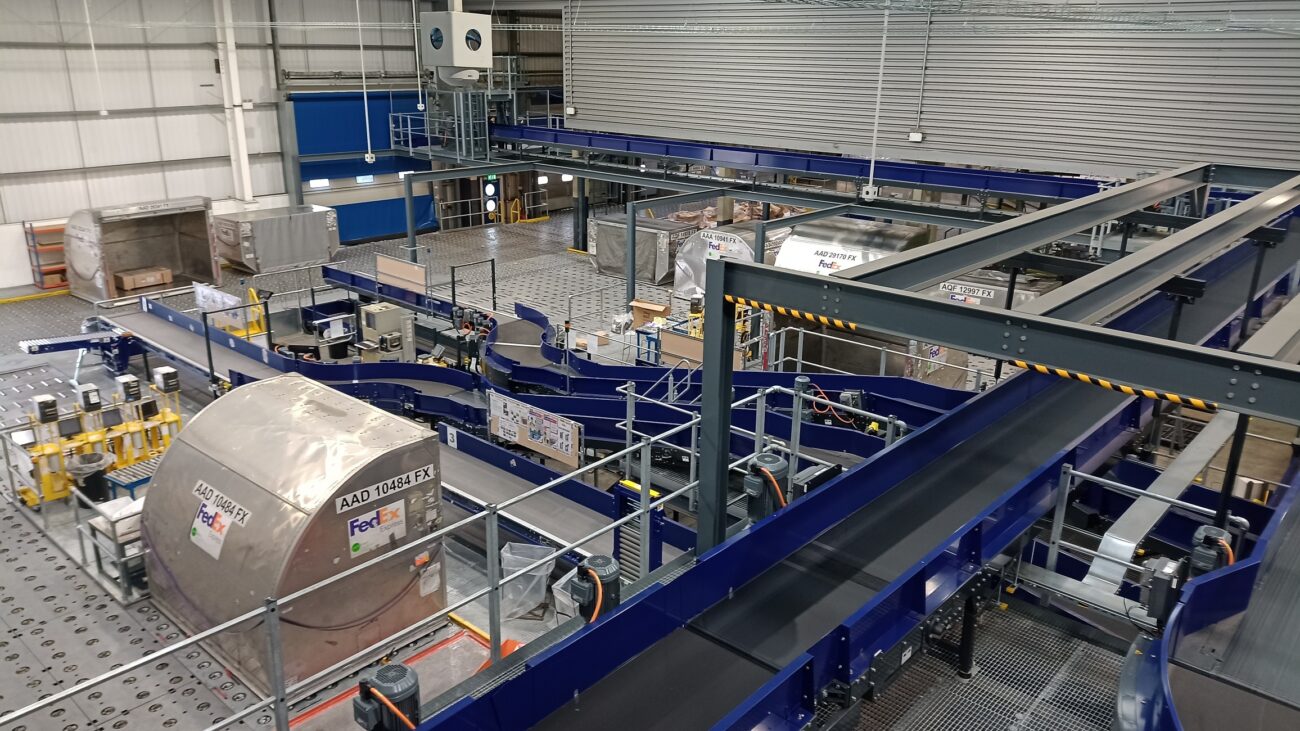
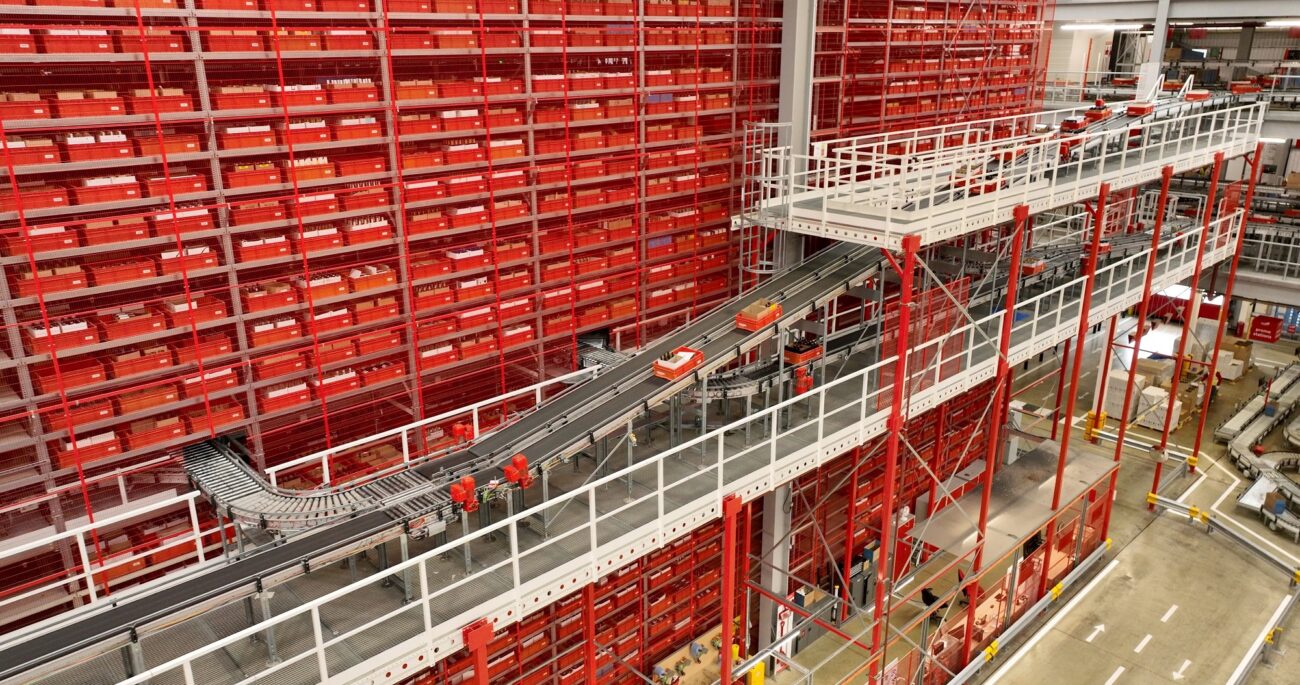
AirRob is a high-density, high-efficiency warehouse automation system that uses coordinated vertical-climbing pick robots and floorbots to deliver goods rapidly to workstations, without requiring major infrastructure changes. Designed for intensive logistics operations, AirRob significantly increases storage capacity and throughput while reducing labour and energy costs, setting a high benchmark for scalable goods-to-person automation.

Widely deployed across multiple sites in Asia, AirRob by Libiao Robotics is now being specified in Europe at warehouses where labour availability is challenging and where high per-square-metre warehouse costs favour a compact, flexible and highly-efficient solution.

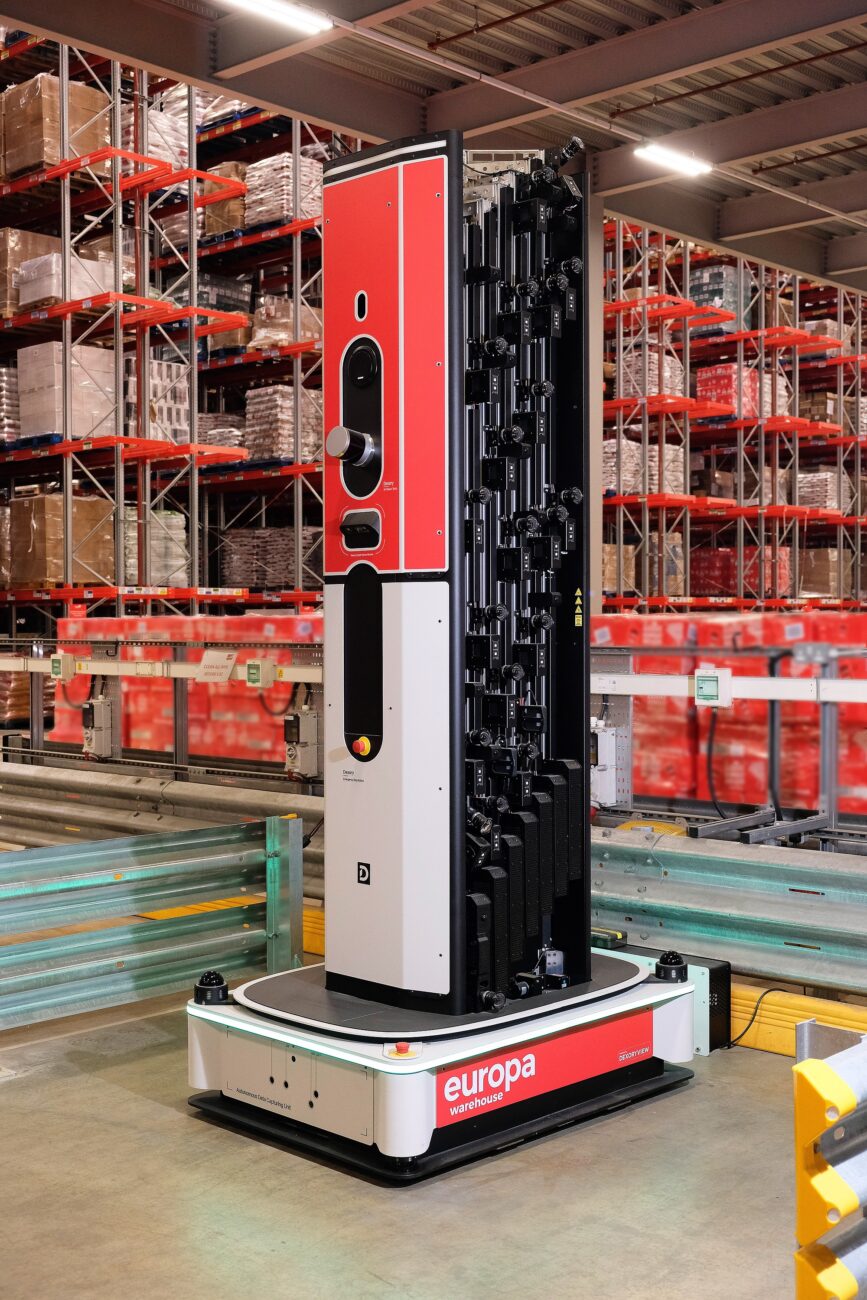
Visitors to Libiao Robotics’ booth will also get a chance to see at close quarters the new AirRob PRO automated system in action. AirRob PRO has been developed to offer fast, efficient and accurate handling of both original ‘raw’ cartons as well as totes, avoiding the time- and resource-consuming decanting of incoming/outgoing goods. Uniquely, the picking arm mounted on the AirRob climbing platform at the heart of the system pivots so that cartons and totes can be picked or dropped on both sides of the warehouse aisle, thus reducing the required number of workstations and in some cases eliminating them altogether.

Libiao’s local sales and technical support personnel were joined by representatives from the company’s senior management team in Stuttgart to greet visitors and demonstrate how its innovative solutions can help warehouse owners and operators make significant efficiency gains to operations where accuracy, reliability and flexibility are among the leading requirements.

Libiao’s Global Head of Sales Ronan Shen said: “Now that AirRob is becoming firmly established in Europe, and customers are seeing the significant benefits it brings, it is a perfect time for us to be at LogiMAT to talk with visitors about the many ways we can help them become more competitive. I’m particularly excited about demonstrating AirRob PRO, which has been developed in close consultation with customers with high-throughput operations who need to efficiently and accurately pick a mix of cartons and totes.”

Established in 2016, and celebrating its 10th anniversary later this year, Libiao Robotics has grown to become a leading player in the global warehouse robotics sector, boasting household name customers across Asia, Europe, Australia and South America, and familiar U.S. brands such as Skechers, Procter & Gamble (P&G) and K-mart.


Source link

0 comments
0 FacebookTwitterPinterestEmail
Services

New Sleeve Wrapper for Transport Packaging

by
written by


Hugo Beck, manufacturer of horizontal film and paper packaging machines, will unveil a brand new machine solution at interpack Dusseldorf – the compact sleeve wrapper paper S for sustainable transport and secondary packaging in paper.

As the packaging industry continues to seek practical alternatives to plastic shrink film and excessive cardboard, the new paper S enables a tight kraft paper wrap with or without tray, providing a secure and resource-conscious transport packaging solution across a range of industries, including FMCG producers and retail-ready packaging operations.

The launch of the new sleeve wrapping solution further expands Hugo Beck’s portfolio of sustainable paper packaging technologies – now with a focus on transport packaging applications. This reflects the company’s ongoing commitment to developing machine concepts that support reduced material consumption without compromising product and transport safety or operational efficiency.

The paper S has been developed as a compact operator and maintenance friendly sleeve wrapping system that can be installed inline within existing production lines or operated as a standalone solution. Its space-saving design makes it suitable for facilities with limited floor space.

The machine wraps products in or without a tray in kraft paper with overlap and optimised hot-melt gluing to ensure a tight and stable pack. This creates bundles for secure transport and handling, helping manufacturers transition away from shrink film or cardboard systems while maintaining product stability throughout the supply chain.

In addition to cost savings on material, the paper S enables energy savings compared to heat-based shrink wrapping processes. Optional add-ons such as digital printing units, labelling systems or additional automation components can be integrated to tailor the machine to specific customer requirements.

The paper packaging solution has been developed in close collaboration with Mondi to ensure reliable processing and a well-matched interaction between paper substrate and machine technology. Therefore, the new sleeve wrapper will be running with Mondi’s Ad/Vantage StretchWrap paper of only 70 gsm on the Hugo Beck stand.

Combined with its very low weight, this uncoated kraft paper offers high puncture resistance and stretch characteristics, which lead to an exceptional tensile energy absorption, while being industrially compostable and recyclable in conventional paper streams.

Visitors to interpack are invited to see live demonstrations of the new sleeve wrapper on the stand and discuss with the experts on site the company’s comprehensive machine portfolio for sustainable film and paper packaging.

“This introduction of the paper S in close collaboration with Mondi as a holistic solution represents a logical next step in our sustainable packaging strategy,” said Jonas Beck, Managing Director at Hugo Beck.

“It builds on our continuous development of paper packaging technologies over recent years. Following the launch of the paper X series targeting multiple industries together with dedicated ecommerce packaging solutions, we have steadily expanded our sustainable offering alongside our established film-based solutions. Our aim is always to support our clients to meet evolving market and regulatory demands in terms of increased sustainability. With the paper S sleeve wrapper we are offering a practical solution for reducing plastic usage and minimising cardboard consumption in transport packaging while maintaining the reliability and performance our clients expect from our technology.“


Source link

0 comments
0 FacebookTwitterPinterestEmail
Newer Posts
Older Posts

Recent Posts

  • Logistics Business Conversations – Designing Delivery Networks
  • Battle to Control Packaging Costs
  • Flabelus Chooses UK Fulfilment Operations Hub
  • Cybersecurity in Logistics isn’t just IT Responsibility
  • Hydrogen Fuel Cell Powered Warehouse Trucks

Recent Comments

No comments to show.

Social Connect

Whatsapp

Recent Posts

  • Logistics Business Conversations – Designing Delivery Networks

  • Battle to Control Packaging Costs

  • Flabelus Chooses UK Fulfilment Operations Hub

  • Cybersecurity in Logistics isn’t just IT Responsibility

  • Hydrogen Fuel Cell Powered Warehouse Trucks

Newsletter

Categories

  • Services (1,103)
  • Uncategorized (41)

@2024 - All Right Reserved. Designed and Developed by Sierraline Cargo services

Manage Consent
To provide the best experiences, we use technologies like cookies to store and/or access device information. Consenting to these technologies will allow us to process data such as browsing behavior or unique IDs on this site. Not consenting or withdrawing consent, may adversely affect certain features and functions.
Functional Always active
The technical storage or access is strictly necessary for the legitimate purpose of enabling the use of a specific service explicitly requested by the subscriber or user, or for the sole purpose of carrying out the transmission of a communication over an electronic communications network.
Preferences
The technical storage or access is necessary for the legitimate purpose of storing preferences that are not requested by the subscriber or user.
Statistics
The technical storage or access that is used exclusively for statistical purposes. The technical storage or access that is used exclusively for anonymous statistical purposes. Without a subpoena, voluntary compliance on the part of your Internet Service Provider, or additional records from a third party, information stored or retrieved for this purpose alone cannot usually be used to identify you.
Marketing
The technical storage or access is required to create user profiles to send advertising, or to track the user on a website or across several websites for similar marketing purposes.
  • Manage options
  • Manage services
  • Manage {vendor_count} vendors
  • Read more about these purposes
View preferences
  • {title}
  • {title}
  • {title}
Sierraline Cargo Services
  • HOME
  • Services
    • Trade With Us
  • About Us
  • Contact Us
  • private jet
    • BOOK YOUR JOURNEY
  • Track Packages
  • Insurance
  • safekeeping

WhatsApp us