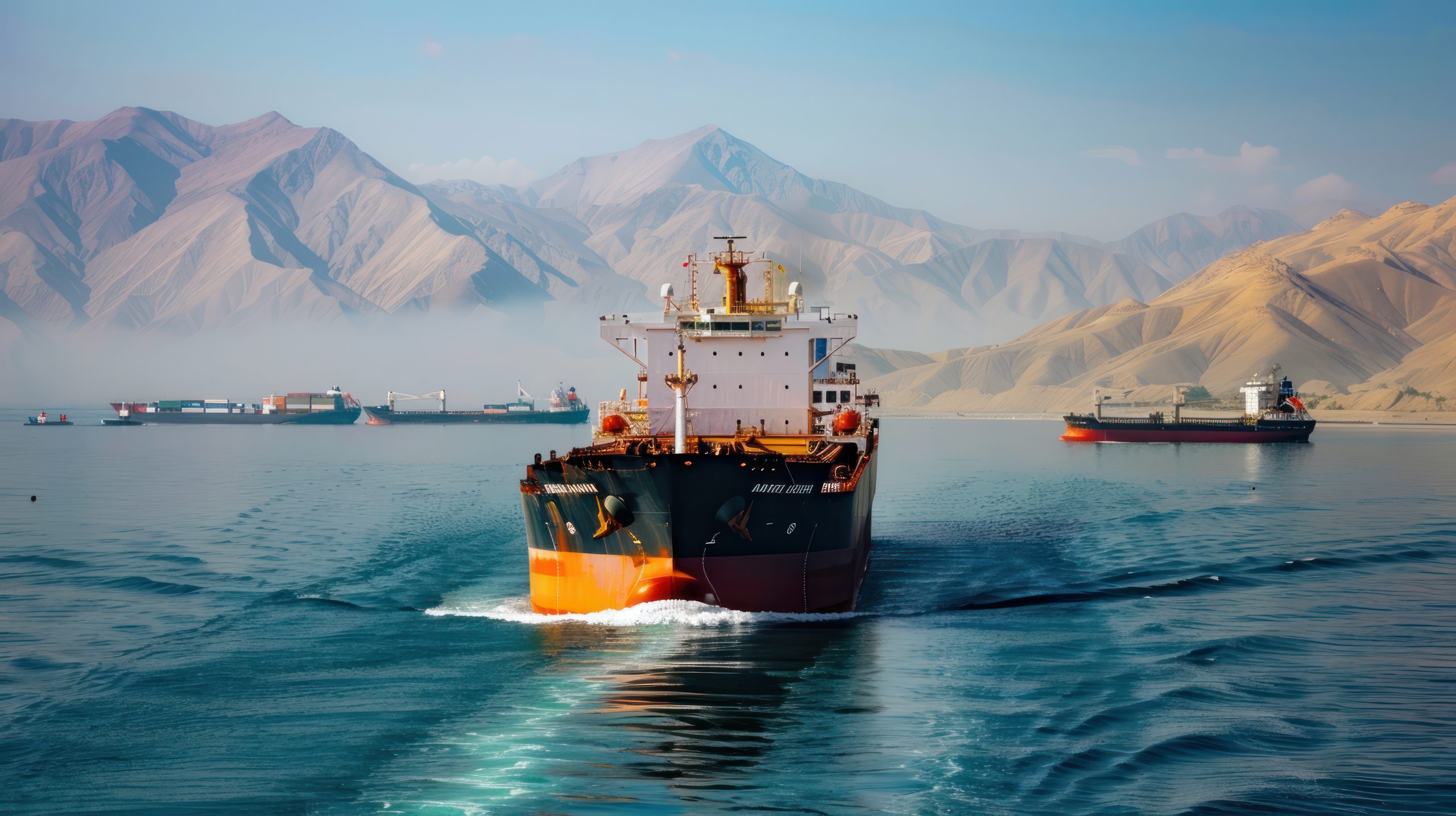
As the conflict involving Iran intensifies, logistics and supply chain networks worldwide are feeling the strain. Rising tensions are once again placing strategic maritime chokepoints such as the Strait of Hormuz under heightened scrutiny, with carriers and insurers monitoring developments closely.
DHL has warned that volatility across Middle Eastern corridors is contributing to longer transit times, elevated insurance premiums and higher fuel costs. The company has indicated that contingency routing and risk mitigation measures are increasing operational complexity for customers.
Meanwhile, container lines are taking decisive action. In a customer advisory issued on 4 March 2026, Maersk announced it is temporarily suspending new cargo booking acceptance to and from several Gulf states – including the United Arab Emirates, most of Oman, Iraq, Kuwait, Qatar, Bahrain and parts of Saudi Arabia – until further notice, with exceptions for essential goods such as food and medicine. The carrier noted that ports including Jeddah, King Abdullah and Salalah remain operational, and advised customers to explore alternative routings or inland gateways where possible.
Maersk has also cautioned customers about elevated risk levels in Gulf waters, highlighting the potential for disruption, schedule adjustments and additional war-risk related costs as insurers reassess regional exposure.
Other major carriers including Hapag-Lloyd, CMA CGM and COSCO have similarly referenced increased insurance premiums and potential war-risk surcharges in affected regions, reflecting the broader risk environment confronting global shipping lines.

While there has been no formal closure of the Strait of Hormuz, vessel traffic patterns have become more cautious. Shipping data indicates slower transit speeds and occasional holding periods as operators await security guidance before entering or exiting Gulf waters. Rather than large visible queues, the disruption is manifesting through staggered departures, extended voyage times and schedule unreliability – factors that ripple quickly through global container and energy supply chains.
The conflict’s impact isn’t confined to sea freight. Air cargo operations across key Gulf hubs including Dubai, Abu Dhabi and Doha have experienced periods of airspace disruption and operational constraints as authorities respond to regional security developments. Even temporary restrictions can reduce available capacity for high-value, time-sensitive goods. This dual disruption across ocean and air lanes has led to wider bottlenecks in sectors ranging from electronics to pharmaceuticals.
Even industries reliant on raw materials are under pressure. Heightened risk around key Middle Eastern transit corridors has raised concerns over the continuity of LNG and fertiliser exports, markets that are highly sensitive to any potential interruption in Gulf shipping flows.
For logistics professionals and supply chain planners, the current environment demands proactive risk management. Companies are revising routing strategies, building inventory buffers, and assessing alternative modes such as rail or air freight where feasible. With geopolitical tensions persisting, logistics leaders are preparing for continued volatility across critical transit points such as the Strait of Hormuz and the Bab el-Mandeb. Even the prospect of disruption is enough to reshape routing decisions, insurance costs and inventory strategies in 2026.
