Sierraline Cargo Services
  • HOME
  • Services
    • Trade With Us
  • About Us
  • Contact Us
  • private jet
    • BOOK YOUR JOURNEY
  • Track Packages
  • Insurance
  • safekeeping
Services

Robotics Powers Knorr-Bremse’s Production and Logistics

by
written by


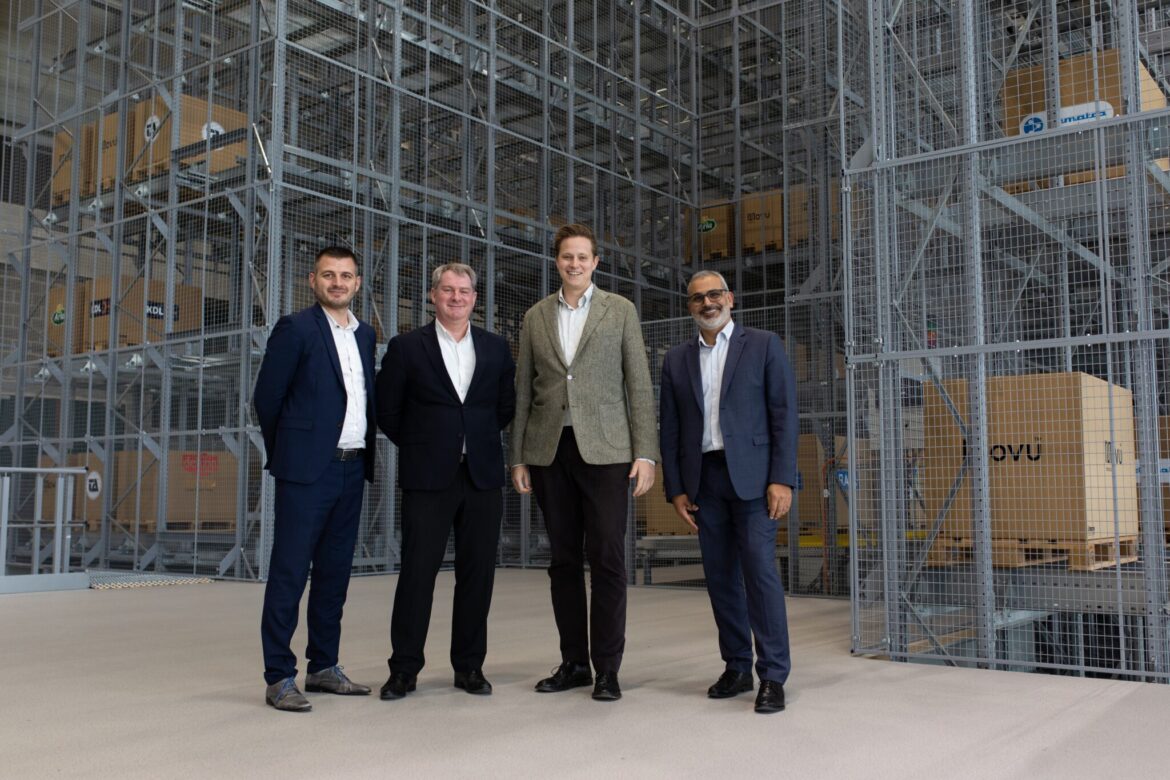
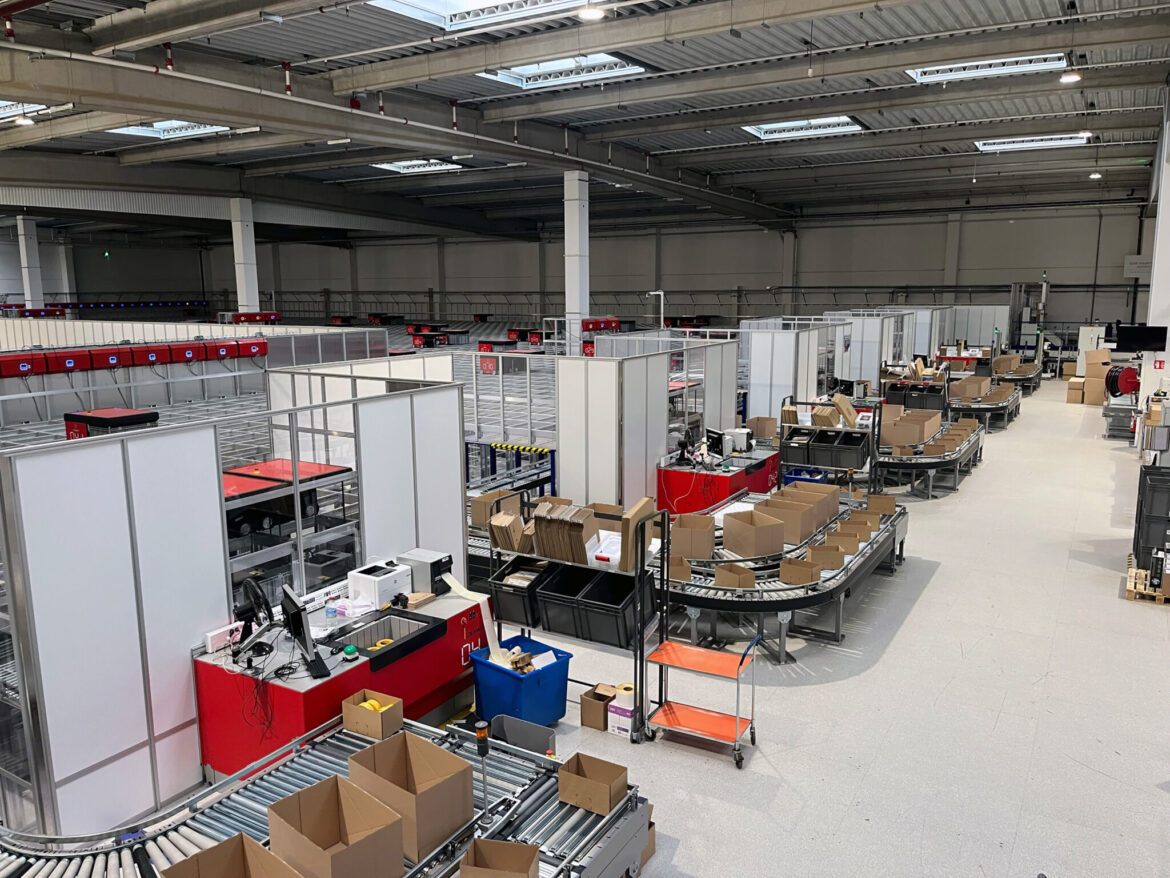
Movu Robotics announces an agreement for a state-of-the-art installation of 10 atlas pallet shuttles, 3 elevators and 4 escala bin shuttles at Knorr-Bremse’s plant in Lisieux, France.

Knorr-Bremse, founded in 1905, is a leading German manufacturer specialising in braking systems for rail and commercial vehicles. With over a century of experience, it stands as one of the world’s largest and most influential companies in its field. Movu’s automation solutions are tailored to enhance Knorr-Bremse’s production efficiency by optimising warehouse automation processes for greater flexibility and responsiveness. Positioned directly upstream of the production lines, these solutions enable real-time parts replenishment, ensuring seamless workflow and minimal downtime.

Delta+ Consulting facilitated this project in close collaboration with Knorr-Bremse and Movu Robotics, underscoring the commitment to innovation and operational excellence shared by all partners involved. The project’s go-live for the installation is scheduled for early 2026.

In a recent visit to Movu Robotics’ Experience Centre in Lokeren, Belgium, Stéphane Devulder, Managing Director of Knorr-Bremse France, expressed his enthusiasm for the project:

“At Knorr-Bremse, we are always innovating to keep our manufacturing and logistic processes efficient and reliable, especially in the automotive industry, where precision is key. This advanced installation will feature two powerful systems working together: the Movu atlas, with space for 5,000 pallets managed by 10 shuttles and 3 elevators, and the Movu escala, handling up to 2,500 bins with 4 shuttles.”

Benjamin Letarouilly, Managing Director at Delta+ Consulting, emphasised the collaborative design approach:

“With the Movu atlas and Movu escala systems working together, we have designed an integrated, modular solution to meet Knorr-Bremse’s needs. This configuration will handle small parts as well as large volumes, ensuring continuous, real-time supply to production lines. Our priority is efficiency and reactivity to meet industrial challenges. We’re proud to be able to contribute to this project and to this wonderful collaboration between Movu Robotics and Knorr-Bremse. Two companies with very different backgrounds but with a shared vision of the future. Knorr Bremse, by exploiting one of the latest cutting-edge technologies in intralogistics, is aiming to increase its operational efficiency through easier automation.”

Francisco Vinals, Sales Director at Movu Robotics, highlighted the adaptability and reliability of Movu’s solutions:

“We’re excited to bring the Movu atlas and escala systems together for Knorr-Bremse. These solutions are designed to operate seamlessly, meeting their demand for reliable low-volume and high-volume part handling. This project is a perfect example of automation driving efficiency, precision, and flexibility. Movu Robotics stands behind its philosophy: “No Warehouse Left Behind.” This project reinforces our dedication to bringing cutting-edge transformative solutions to the industrial world.”

similar news
stow Announces New Robotics Brand: Movu


Source link

0 comments
0 FacebookTwitterPinterestEmail
Services

Manutan ASRS Revamp Doubles Daily Orders Processed

by
written by


Dematic has recently completed a modernisation of an AutoStore™ ASRS system for Manutan, one of Europe’s leading specialists in the distribution of equipment and supplies for enterprises and local authorities. With 25 subsidiaries across 17 European countries, Manutan selected Dematic to be the integrator of its existing AutoStore solution at its Gonesse logistics site, just outside Paris. The system utilises 60,000 storage bins and 68 robots.

Boosting Productivity and Efficiency

Following a 9,000-square-metre extension of its logistics centre in 2021, which included the installation of an AutoStore system and increased the total surface area of its warehouses to 50,000 square metres, Manutan wanted to continue its transformation when it joined forces with Dematic to transform its AutoStore system by boosting site performance and sustainable practices at the location.

“With the revamp by Dematic, we have doubled the number of orders that can be processed daily. The use of robotics also has contributed to improving the safety of our employees, while allowing them to focus on more value-added tasks,” notes Alexis Royer, the logistics director at Manutan Group. According to both Dematic and Manutan, the project marks the first time in AutoStore™ history that a change in integrators has been made during full production with no operational downtime necessary.

“Our work with Manutan has been exceptional in many ways,” says Alain Bussod, president of Dematic France. “They wanted to modernise an existing AutoStore installation but, ideally, with no downtime, which is never an easy proposition. And then there was the challenge of transforming the overall facility into a more efficient and financially feasible one.” Bussod also pointed to the durability of the Dematic Software package and equipment within the Manutan ecosystem delivered by the automation warehouse specialists. “It is proof of our ability to deliver robust, sustainable solutions.”

The project has allowed the site to be thoroughly modernised and has seen other major improvements as well. A technology upgrade including the migration of server, interface and database changeovers as well as the deployment of warehouse control system (WCS) software, a global milestone for an AutoStore system in full production.

Dematic also installed a new conveyor system, an AutoStore CarouselPort™, a workstation that operates with three rotating arms, each carrying a bin. This has facilitated a more rapid and streamlined order picking process. A 300-square-metre mezzanine has also been added to allow for additional equipment and improve operational flow. The installation has also increased productivity as well with dispatch capacity having risen by almost 70 per cent and direct productivity having increased by 60 per cent.

Results That Align with Customer CSR Goals

The project adheres to Manutan’s corporate social responsibility (CSR) goals. With the optimisation of available warehouse space and the modernisation of its equipment, Manutan has initiated new processes and tasks to reduce any unutilised space and the use of unnecessary materials in product packaging. New settings for the carton closers and greater use of envelopes to replace parcels are helping to cut down on the overall volume of shipments. The transport optimisation, with a reduced number of trucks, directly contributes to Manutan’s FRET21 carbon neutrality objective. The storage solution now makes it possible to offer customised value-added services, such as placing a delivery note on the package’s exterior for a better customer experience.

States Bussod, “I was confident that with our experience in AutoStore installations and our overall expertise in modernising warehouses, we would meet all of these requirements. And the promising start of this initial project with Manutan is an encouraging indicator of the growth prospects for them, which we look forward to supporting both in their geographic and commercial expansion.”

similar news

AutoStore Joins Dematic’s Supply Chain Optimisation Portfolio


Source link

0 comments
0 FacebookTwitterPinterestEmail
Services

Container Port Carbon Inset Programme Launched

by
written by


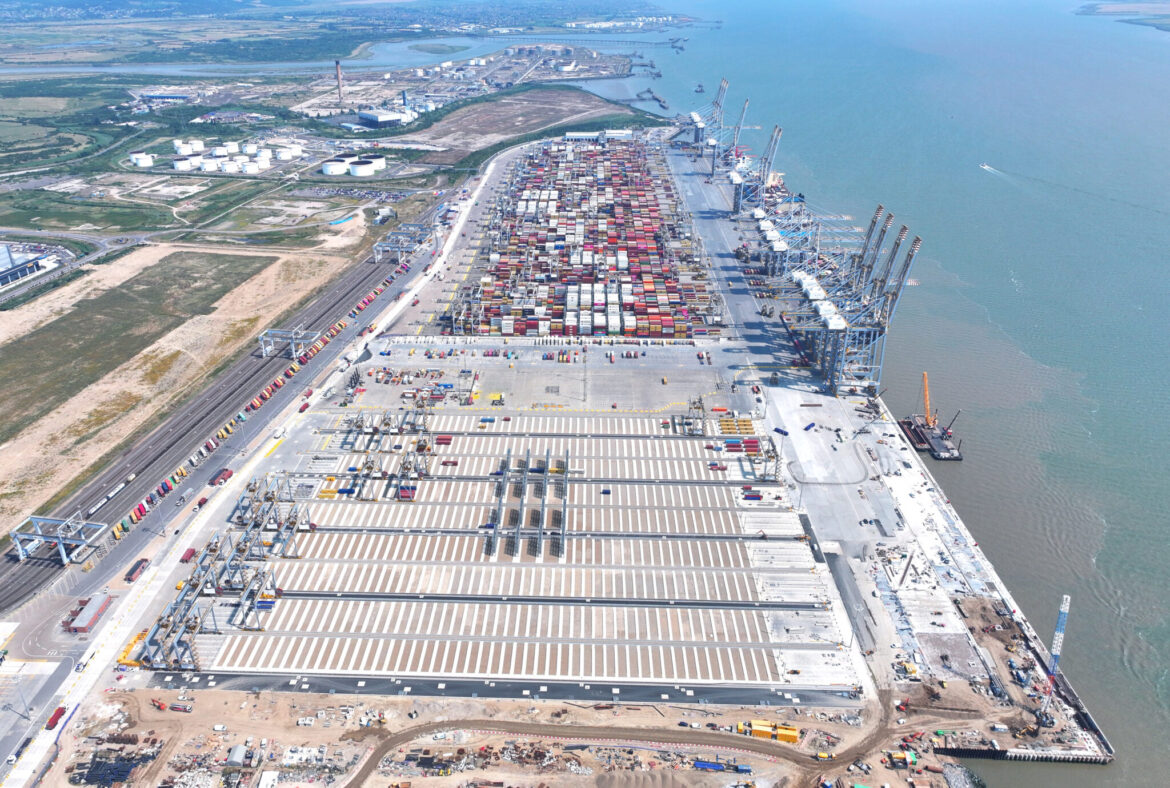
DP World is trialling an innovative carbon reduction programme at its UK logistics hubs, London Gateway and Southampton, aimed at helping cargo importers cut their emissions.

Starting on 1st January 2025 for an initial six-month trial, the Carbon Inset Programme will reward importers with 50kg CO₂e of carbon credits for every loaded import container they move through DP World’s UK terminals. These independently certified credits, issued quarterly, will showcase participating companies’ efforts to reduce the indirect (Scope 3) emissions in their supply chains.

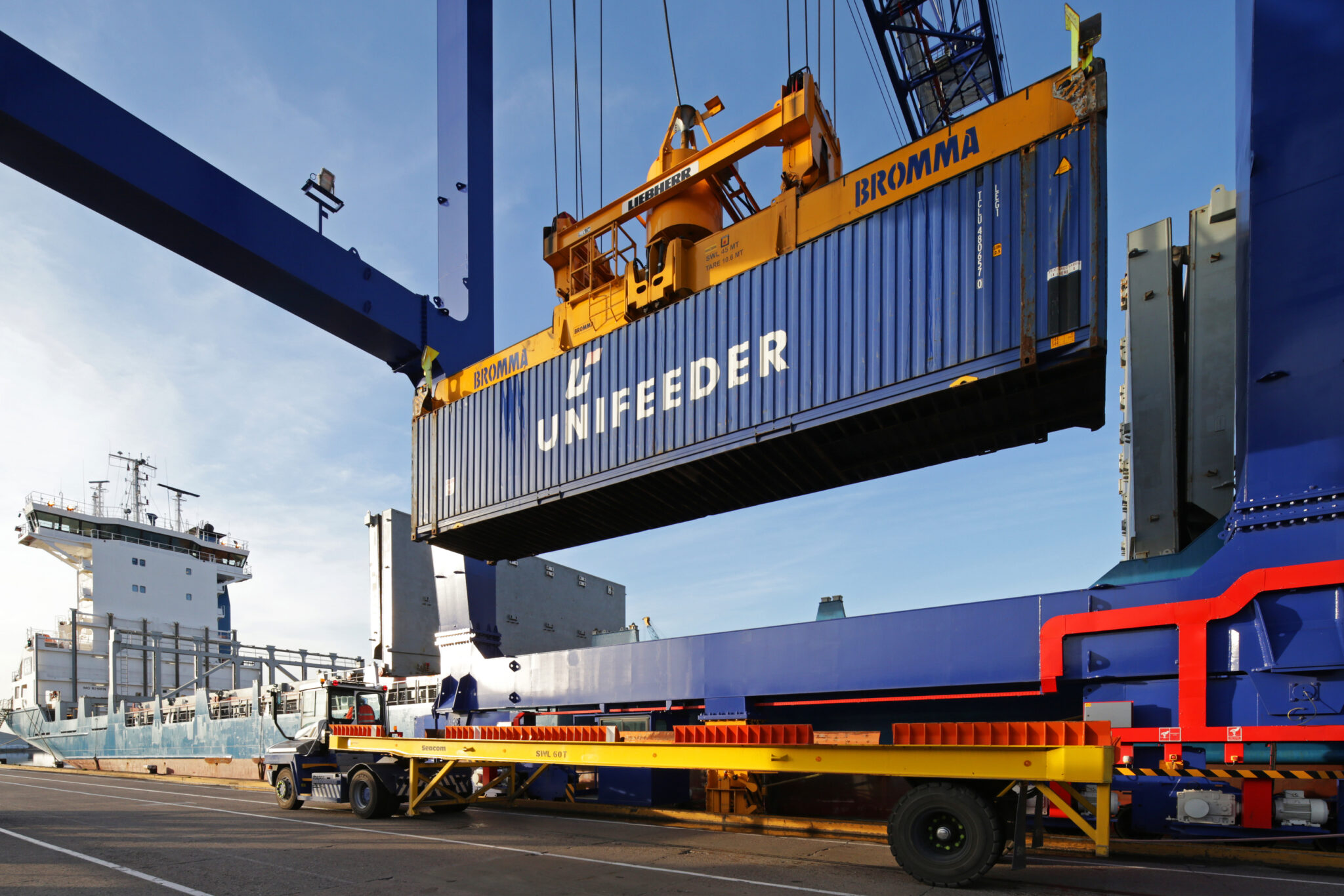
Unlike traditional carbon offset credits, which compensate for emissions through external projects like tree planting, inset credits reflect a tangible reduction in emissions achieved directly in a company’s own supply chain. DP World’s inset credits are generated through its subsidiary, Unifeeder, which deploys incrementally lower-carbon fuels across its Northern European shipping network. These credits are verified and pooled, allowing registered importers to access independently certified carbon credits.

For businesses, this represents a transparent and measurable way to cut Scope-3 emissions – indirectly produced along the supply chain, while demonstrating sustainability commitments to customers. The inset initiative builds on DP World’s award-winning Modal Shift Programme, which reduced emissions for its partners by more than 17,000 tonnes in its first year.

John Trenchard, Vice President – Commercial & Supply Chain, DP World in the UK, said: “At DP World we are constantly exploring ways to reduce carbon emissions across our customers’ supply chains. Insetting carbon emissions is a transparent, direct and pragmatic approach with immediate measurable impact for our customers. By providing easy access to an independently certified inset programme, we aim to create better awareness and encourage the adoption of more sustainable practices. By participating in the trial, a world first, import cargo owners can actively contribute to global decarbonisation efforts while aligning with their own sustainability goals.”

If 50% of import volume participates in the trial at DP World’s UK container terminals, this could replace over 11,000 tonnes of traditional fossil fuel with lower carbon marine fuels, equivalent to the reduction of 10,000 tonnes of carbon dioxide.

Christian Hoepfner, Director Group Decarbonisation at Unifeeder Group, added: “At Unifeeder, we are committed to using alternative fuels to decarbonise our logistics solutions. We are supporting DP World in the UK in their innovative Carbon Inset Programme by contributing verified GHG reductions generated on our vessels operating in Europe.”

similar news

$600m submitted on DP World Trade Finance platform


Source link

0 comments
0 FacebookTwitterPinterestEmail
Services

Manufacturers Choose Regionalisation for Stronger Supply Chains

by
written by


The World Economic Forum, in collaboration with global consultancy Kearney, has released its latest report, Beyond Cost: Country Readiness for Manufacturing and Supply Chains, highlighting that over 90% of manufacturing executives are prioritising regional supply chain strategies.

Firms have learnt to adapt to recent supply disruptions in recent years like Covid and the Suez Canal blockage, but the industrial landscape remains unsettled by a mix of geopolitical and environmental factors – including a year of numerous elections across the globe and the resulting impact of potential protectionist tariffs. As a result, regionalisation is becoming a key tactic to safeguard against global trade disruptions.

The findings from over 300 global operations executives show that nearly two-thirds of manufacturers are adopting a ‘power-of-two’ strategy, having the majority of their spend sourced across two separate regions. This shift moves beyond the traditional focus on best-cost to include holistic factors such as infrastructure, technology, skilled labour, and sustainability.

Foreign direct investment in low-cost manufacturing declines as priorities shift

The shift from ‘best-cost’ to ‘value-driven’ investment strategies is also playing a key role in foreign direct investment (FDI) trends in manufacturing hubs, with traditional low-cost regions losing their appeal. ‘Adapter’ countries such as Brazil and India, characterised by a GDP per capita that sits below the global average and with a limited contribution of the manufacturing sector to GDP, have experienced a 15% decline in FDI attractiveness as cheap labour alone is no longer enough to sustain long-term investment.

In contrast, ‘connectors’ such as Bangladesh and Mexico which (like adapters) have historically traded on their best-cost status but whose contribution of manufacturing to GDP is higher, have seen the appeal of their inward investment improve by 14%.

‘Scalers’ like Singapore and Ireland have, on average, seen steady FDI growth, up 2% thanks to strong infrastructure and favourable regulatory environments. Similarly, ‘convergers’ such as the US and Denmark have also seen an average 2% increase in FDI, attracting long-term investment by focusing on factors like sustainability and infrastructure.

This shift in FDI confidence aligns with actual FDI changes over the same period. Countries with higher GDP per capita have experienced more significant FDI growth, regardless of the manufacturing sector’s contribution to GDP. ‘Convergers’ such as the US and Denmark experienced an average 295% rise in FDI in the last 10 years, while ‘scalers’, like Singapore and Ireland, saw an average 215% increase. On the lower end, ‘connectors’ like Mexico and Bangladesh saw FDI growth of an average 144%, double that of ‘adapters’ like India and Brazil, which recorded just an average of 74% increase.

Manufacturers are adopting a ‘power-of-two’ strategy

Per Kristian Hong, Partner and Americas Strategic Operations and Performance Lead, Kearney, commented: “With over 2 billion voters across 50 countries having cast ballots in 2024, 2025 will be a critical year for every company reliant on cross-border operations. Plans to accelerate a sweeping range of policies, intended to reset global trade through tariffs and export controls, will require businesses to re-assess their network manufacturing footprint beyond merely low-cost alone. A more complex and nuanced decision-making process is needed, that considers flexibility and a country’s ability to deliver environmental change in line with global strategic priorities.”

Kiva Allgood, Head, Centre for Advanced Manufacturing and Supply Chains, World Economic Forum added: “As global value chains undergo a profound transformation, countries and companies have a unique opportunity to redefine their competitive edge. This report highlights how countries that deploy innovative policies and invest across these seven factors can position themselves as leaders in the evolving manufacturing landscape, driving economic growth and societal progress.”

The World Economic Forum and Kearney report identifies seven critical readiness factors that drive private sector decision-making and shape the attractiveness of a country amidst the global rewiring of supply chains. These factors serve as a guide for policymakers and industries, covering:

• Infrastructure
• Resources and Energy
• Technology
• Labour and Skills
• Fiscal and Regulatory
• Geopolitical Landscape
• Environmental, Social and Governance

similar news

Netherlands tops DHL Globalisation Index


Source link

0 comments
0 FacebookTwitterPinterestEmail
Services

The supply chain in 2025: Trends and Challenges

by
written by


2024 was a complicated year for the supply chain; from disruptions to shipping on the Red Sea through to rail strikes, port closures and announced changes to trade tariffs by the leading economic power internationally, the challenges to unhindered trade were many and diverse. So what’s in store for 2025? Simon Thompson (pictured), VP Northern Europe at JAGGAER, delves into a dozen major trends.

1. Cost Savings
Cost management and achieving savings remain a top concern for businesses worldwide. Investments in AI-driven analytics will enable businesses to identify cost-saving opportunities across the supply chain by identifying inefficiencies, optimizing supplier performance, and negotiating better contract terms — ultimately enhancing the bottom line without compromising quality.

2. Risk Management
2024 was a complex year for supply chains globally. It saw disruptions caused by Houthi attacks on vessels in the Red Sea, Canadian rail strikes and the closure of Ningbo Port in China due to a container explosion on the YM Mobility to name a few. Whether geopolitical, economic, or environmental, the vulnerabilities of the supply chain have been evident and savvy businesses have made moves to derisk their operations. Using technology and data to improve transparency and communications all along the chain, it is in fact possible to prevent bottlenecks and rapidly identify alternative routes or suppliers.

3. AI and data quality
It’s becoming a mantra that AI is only as good as the data it uses. As businesses leverage AI automation to make processes more efficient, sourcing error-free timely data from across the supply chain can be a thankless task for both suppliers, inputting information, and buyers, analysing it without automation. As effective AI increases the demand for large volumes of high-quality data with transparent and traceable data sources, it will become crucial to leverage automation to drive efficiency.

4. Blockchain Technology
Blockchain technology is expected to play a crucial role in making supply chains more transparent and traceable. With its decentralized ledger system, blockchain offers unparalleled data integrity, making it easier to track the provenance of goods and ensure compliance with ethical and environmental standards. Although this technology is still at an early stage, we can expect the debate to heat up around blockchain in 2025.

5. Cybersecurity
More use of technology, however, also means more exposure to cyber threats. As businesses place more and more of their data and systems on the cloud, it is becoming more and more complex to protect sensitive customer data as mandated by international regulations. Investing in systems and governance to protect the business across all its international operations is key.

6. Regulatory Compliance
Greater consumer awareness of sustainability and ethical issues along the supply chain, in addition to calls for greater user safety and quality, are driving increasing scrutiny from regulators. The EU Deforestation Act 2023/1115 and the US Uyghur Forced Labor Prevention Act (H.R. 6256) are just two examples of regulations concerning the supply chain. Organizations must stay ahead of the curve by setting up systems to proactively and simply assess their suppliers along the chain to ensure ethical sourcing, anti-corruption measures, and environmental responsibility.

7. Scope 3
As businesses strive to achieve their sustainability goals, Scope 3 emissions — those indirectly resulting from the supply chain — are increasingly coming under scrutiny as they typically account for the majority of carbon footprint. Improving communication channels with suppliers and gathering information regarding their eco-friendly practices, responsible sourcing of raw materials, and reduced energy consumption, is key to ensuring that Scope 3 emissions are curbed. Shifting the focus from cost cutting to creating partnerships for sustainability is key to creating greater transparency and flexibility as well as an environment that fosters sustainable innovation along the supply chain.

8. Supplier relationship management
More resilient supply chains depend on better collaboration between parties. Stronger partnerships are created through transparent communication channels that make transmitting key information on certifications, potential bottlenecks, low stock or by provisioning difficulties in real-time without overburdening the supplier with an enormous admin onus. Providing seamless and streamlined systems to expedite information sharing can create the ideal environment to develop new strategies such as new shipping routes, new raw or component product suppliers or even co-investment in new technologies and innovation to improve end products.

9. Nearshoring, Reshoring
As the new United States president steps into his role on 20th January, the world will be holding its breath to find out whether the tariff increases threatened on international trade will take effect. With Chinese products risking “an additional 10% tariff, above any additional tariffs”, Mexico and Canada an increase to 25% and EU businesses anything between 10% and 20%, it is likely US businesses will be increasingly sourcing from national providers. Closer to home alternatives, such as sourcing from Mexico would shorten the supply chain and enhance control over logistics, as well as reducing environmental impact by reducing the distance goods travel.

10. Sourcing from Emerging Markets
Finally, another strategy to respond to tariff will be sourcing from emerging markets. This strategy, useful to help diversify and thus risk-proof the supply chain, can also benefit sustainability provided regions with lower carbon footprints or renewable energy sources are selected.

Conclusion

The global supply chain has been put under significant pressure in 2024, and response has highlighted vulnerabilities as well as ideal pathways to resilience. Technologies and strategies taking the lead in 2025 will build on these as businesses continue to bolster their supply chain against volatility and disruptions, while strengthening areas of potential exposure with increased intelligence derived from greater transparency along the entire supply chain.

similar news

Tariffs and Trade Barriers as Top Concern of Supply Chain Leaders


Source link

0 comments
0 FacebookTwitterPinterestEmail
Services

Driving Digital Transformation for Cargo

by
written by


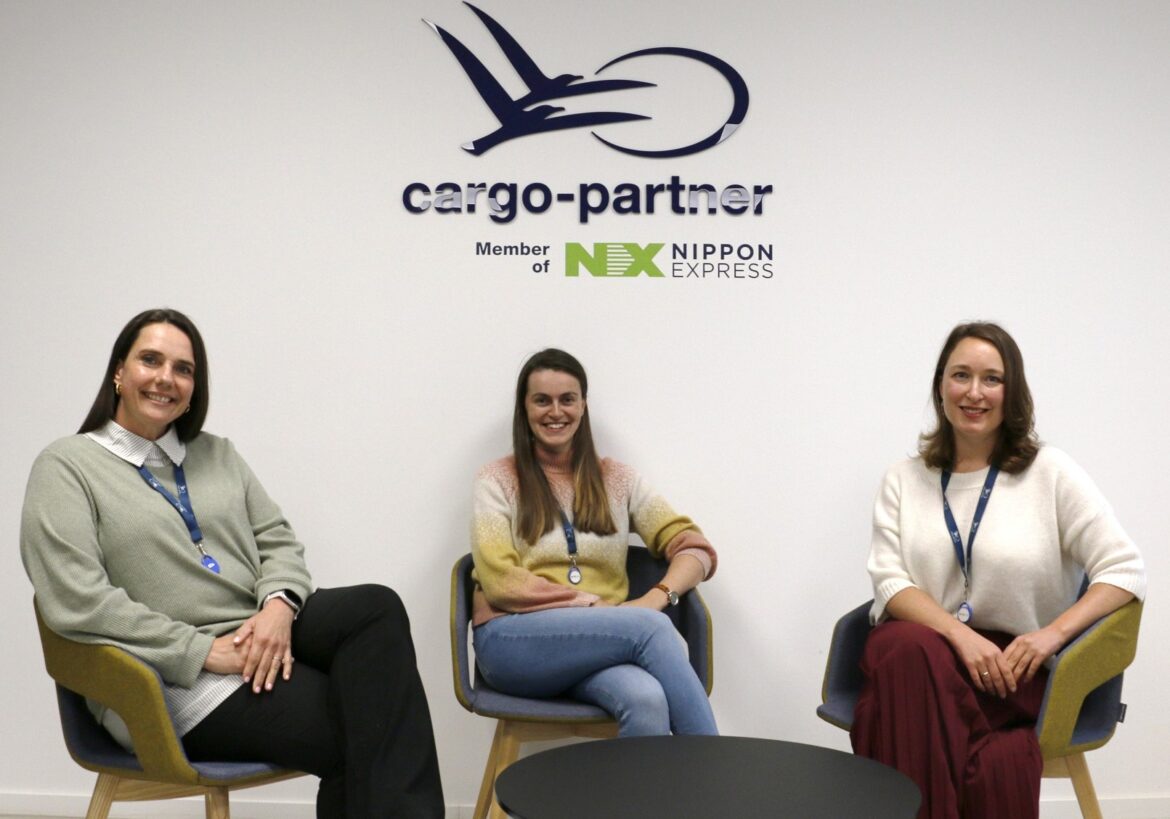
At cargo-partner, a group company of NIPPON EXPRESS HOLDINGS, INC., digitalization is key to shaping the future of logistics and enhancing the customer experience. The company has made significant strides in recent years by integrating advanced digital platforms and data management systems across its organization. Central to this digital transformation is the expertise of cargo-partner’s IT leadership, with women leaders playing an instrumental role in driving these innovations.

Streamlining Logistics Processes

cargo-partner’s commitment to customer-centric digital solutions is evident in its recent developments in IT systems and platforms. “We’ve always aimed to streamline processes and improve efficiency to deliver the best possible experience for our customers,” said Nadezhda Hauer, Head of Business Intelligence & Advanced Analytics at cargo-partner. “One of our key milestones has been the implementation of CargoWise across all global locations. This, alongside our proprietary supply chain management platform, SPOT, has enabled us to integrate data across systems and external data sources, giving our customers faster, more transparent services and better control over their shipments.”

Maximizing Customer Value with Salesforce Integration

But CargoWise is just one aspect of cargo-partner’s recent digital transformation efforts. Liandre Vasco, Team Leader IT Sales Applications, has been instrumental in maximizing customer engagement through Salesforce integration. “Salesforce has allowed us to create a 360-degree view of our customer relationships,” Liandre Vasco explained. “This enables us to proactively address customer needs, enhance communication, and ensure that we deliver personalized, responsive service – critical elements in today’s competitive market.”

Enhancing Financial Operations for Seamless Business

On the financial side, Anna Nowak, Team Leader of Finance Applications, has led efforts to optimize financial processes through digital tools. “We’ve leveraged advanced digital invoicing solutions to streamline billing and payment processes, which have directly benefited our customers by improving accuracy, transparency, and speed,” Anna Nowak said. “These innovations not only support our internal efficiency but also enable us to provide faster and more accurate billing for our customers, in many cases integrated forward with the customers’ ERP.”

Fostering Passion and Confidence

At cargo-partner, fostering gender balance and empowering women to excel in IT are priorities embedded in the company’s organizational culture. Yet, challenges persist, not only within the industry but also within the mindset of potential candidates.

“Our biggest hurdle is that very few women apply for IT positions, and when they do, they often aim lower than their experience warrants,” Nadezhda Hauer explained. “Women need to stop waiting, stop doubting, and start stepping up. Passion is the key. If you love the work, you belong here. Women often try to check every box in job descriptions before applying. But that’s not the point – growth comes from challenging yourself. I’ve seen women diminish their knowledge in interviews or undervalue themselves during salary negotiations. This needs to change. As leaders at cargo-partner, we recognize and address these gaps.”

The IT field offers boundless opportunities, flexibility, and pathways for growth. At cargo-partner, teams across regions already achieve gender parity or even majority-female representation in areas like data processing. “Historically, these roles were undervalued. Today, they’re pivotal, and women must realize they belong in every corner of the IT landscape,” Hauer emphasized. By fostering a diverse workforce, cargo-partner is not only enriching its work culture but also ensuring that the company remains innovative and adaptable to the ever-changing needs of its customers.

similar news

Webinar: Digital Transformation to Optimise Transport Operations


Source link

0 comments
0 FacebookTwitterPinterestEmail
Services

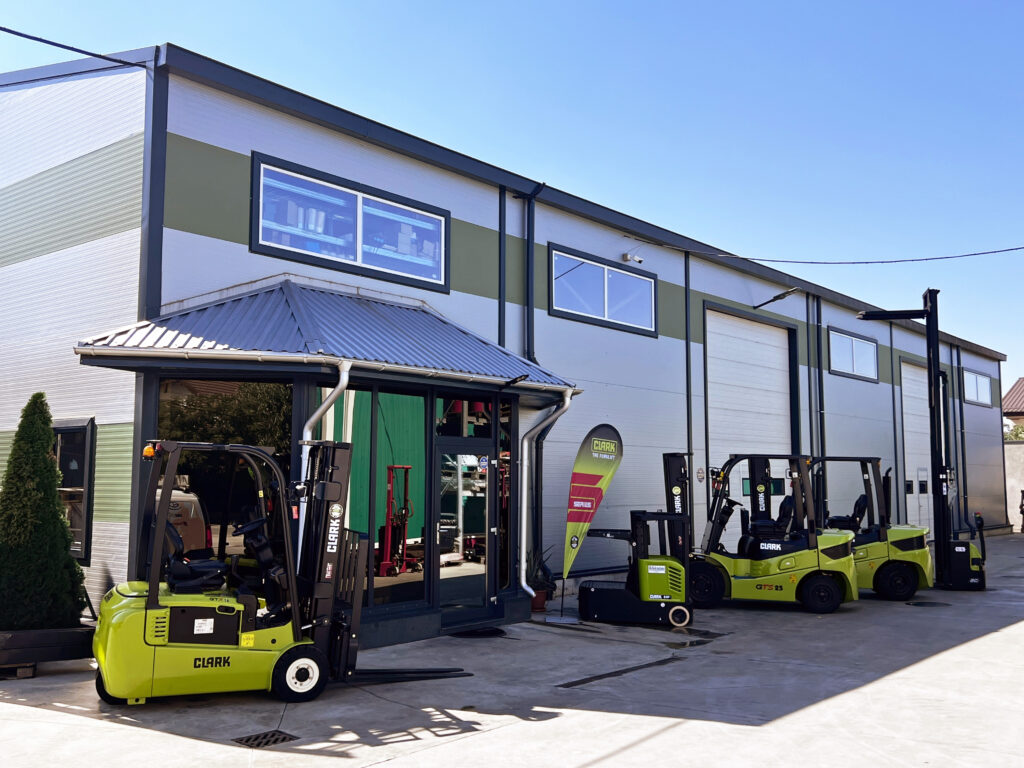
Clark Material Handling adds Dealer in Romania

by
written by


10th December 2024

Logistics BusinessClark Material Handling adds Dealer in RomaniaLogistics BusinessClark Material Handling adds Dealer in Romania

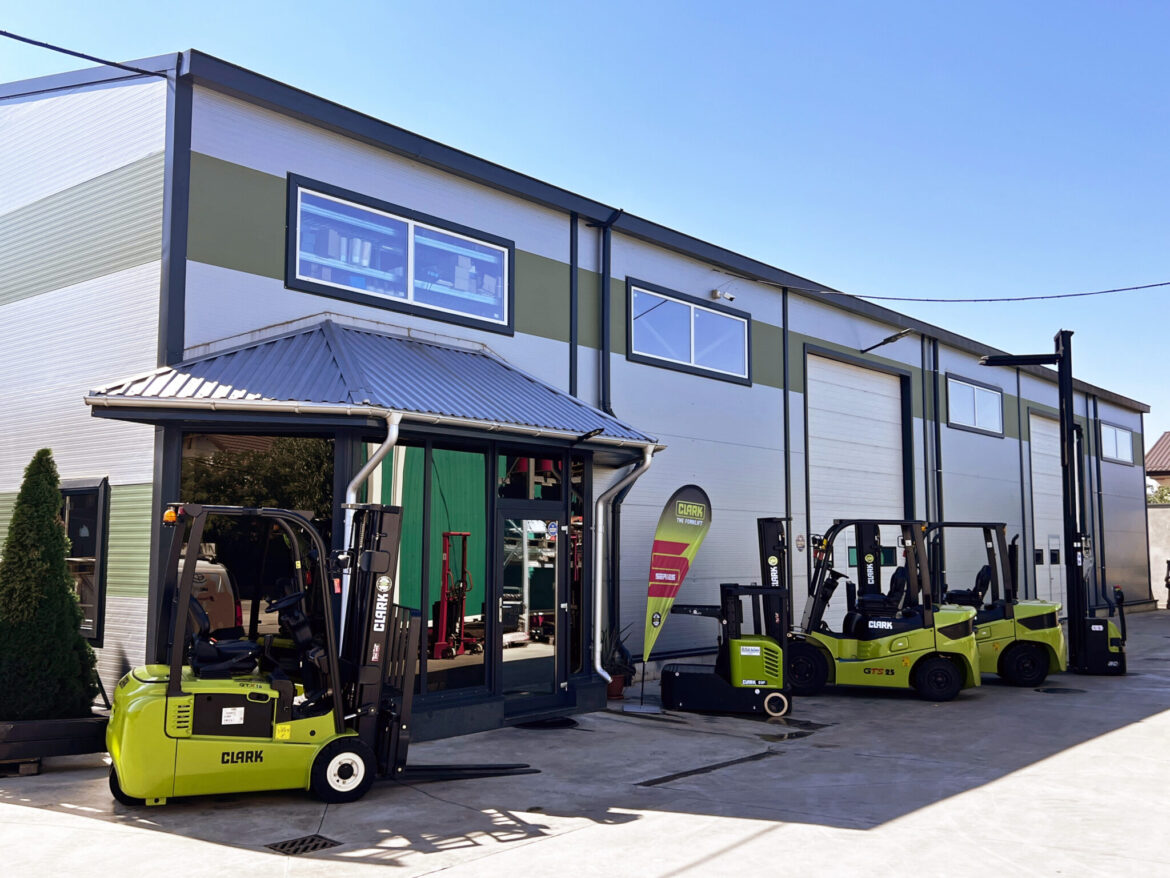
Clark Europe is pleased to announce the partnership with Mecano Valmar, the new authorized dealer for Clark industrial trucks in Romania. The cooperation between Clark and Mecano Valmar marks an important milestone in Clark’s expansion efforts in Eastern Europe and will strengthen the presence of the Clark brand in Romania.

Mecano Valmar was founded in 2003 by Marinela and Marian Mindru in Cornetu-Buda in Ilfov County. The company focused on servicing and reconditioning used forklift trucks. When their son Valentin joined the company in 2016, he expanded the business to include the sale and servicing of new vehicles imported from China. The office building, a workshop and the spare parts warehouse are located on an area of 3500 m2 on 1500 m2. A total of 17 employees work at the Cornetu-Buda site – 9 of them in service alone.

The family-owned company Mecano Valmar has extensive experience in material handling and logistics and will offer the entire Clark Europe product range in Romania in the future. In addition to the sale of all forklift truck classes and warehouse trucks, this also includes the supply of Clark spare parts and accessories, a comprehensive range of services including rental and financing as well as comprehensive service for new and used Clark industrial trucks.

Dealer in Romania

“The partnership with Clark Europe is a great opportunity for us to expand our product offering with high-quality industrial trucks, so that we can offer our customers in Romania first-class products and services in the field of material handling. We look forward to growing together with Clark,” explains Valentin Mindru, Managing Director at Mecano Valmar.

“We warmly welcome Mecano Valmar to the Clark family,” says Rolf Eiten, President & CEO at Clark Europe. “With their expertise and commitment to quality, we are confident that the Clark brand in Romania will be represented in the best possible way by Mecano Valmar in the future and that our customers there will receive excellent service. We wish our new partner every success in this endeavour and will provide the best possible support.”

similar news

Romania terminal reaches construction milestone


Source link

0 comments
0 FacebookTwitterPinterestEmail
Services

Tosca Partners with Avery Dennison to Reduce Emissions

by
written by


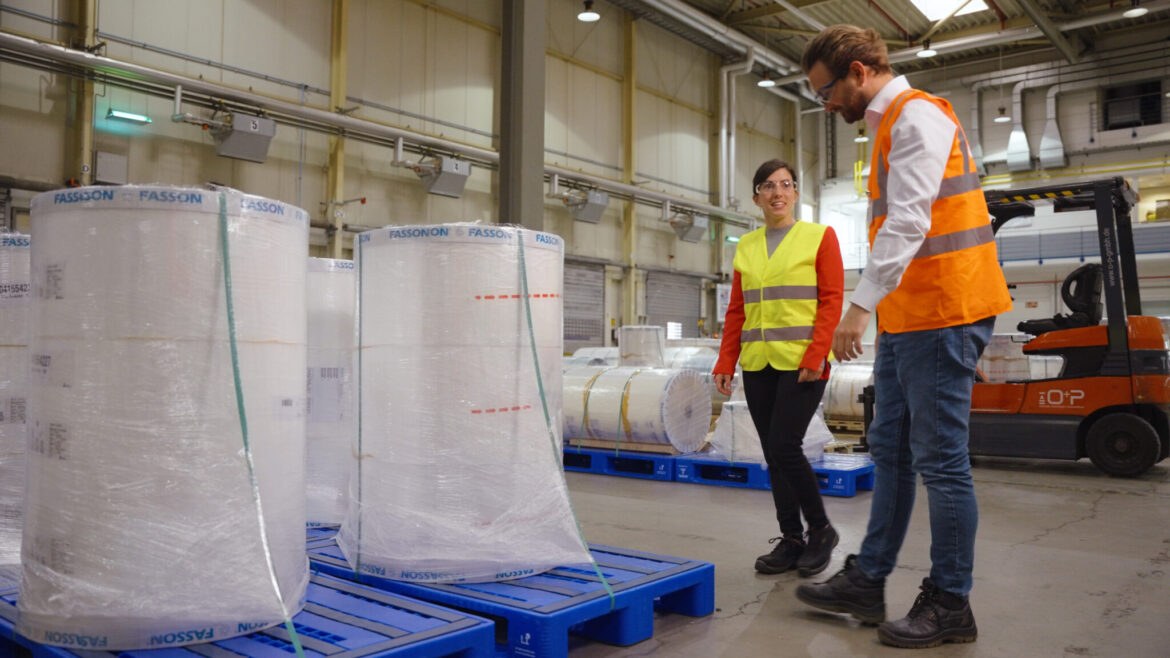
Tosca has partnered with Avery Dennison, a global materials science company, to support its transition to reusable plastic pallets and reduce CO2 emissions across its European supply chain. By adopting Tosca’s innovative pooling model, the collaboration has delivered significant operational efficiencies while cutting nearly 500 tons of CO2 in just one year. This partnership highlights Tosca’s sustainable packaging solutions which drive supply chain efficiency while reducing environmental impact.

The Challenge: Scalable, Sustainable Solutions

Tosca were pleased to support Avery Dennison in their pursuit of a scalable, efficient solution to meet the growing demand for plastic pallets, while aligning with their strong commitment to sustainability. This includes their goal of achieving net-zero greenhouse gas emissions by 2050. Avery Dennison recognised the need to optimise operations due to increasing demand for wooden pallets, especially impacted by the COVID-19 pandemic. By partnering with Tosca, a leader in sustainable packaging and supply chain solutions, they found the solution.

Reusable Plastic Pallets

Tosca has provided the solution to Avery Dennison’s challenge with its durable, reusable L1 plastic pallets, designed to enhance efficiency, reduce waste, and minimise environmental impact. Initially, Avery Dennison aimed to replace their own plastic pallets with a more efficient solution to meet growing demand. This quickly expanded to switching much of their supply chain to Tosca’s plastic pallets.

A key challenge has been convincing Avery Dennison’s customers to accept goods on plastic pallets, as more participation would optimise logistics and enhance sustainability. Both sales teams worked together to demonstrate the operational and environmental benefits of this choice. The official partnership began in 2022, and Tosca’s plastic pallets are now used in 13 Avery Dennison factories and distribution centres, shipping to over 400 customer locations across Europe.

Operational Benefits and Sustainability Gains

The partnership between Tosca and Avery Dennison enhanced efficiency and scalability by supporting the growing demand for plastic pallets, addressing availability issues and providing a more cost effective, reliable alternative to wooden pallets post Covid-19. In addition, Tosca’s reusable plastic pallets offer cleaner, more hygienic solutions for their warehouses. These improvements align with the company’s goal of enhancing operational efficiency while reducing its carbon footprint.

In 2023, 40% of Avery Dennison’s Euro-sized pallets had been converted to plastic, and the company already achieved nearly 500 tonnes of CO2 emissions saved annually — exceeding initial estimates.

Due to the Packaging and Packaging Waste Regulation (PPWR), Avery Dennison is rethinking their transport and sales packaging, which increasingly focuses on reuse and circularity. “Our focus is on the recyclability and circularity of our packaging. By partnering with Tosca, we are moving in the right direction,” said Violeta Gómez Valdivieso, Central Packaging Leader at Avery Dennison. “For example, the PPWR requires that at least 40% of transport or sales packaging be reusable by 2030, and Tosca’s plastic pallets meet these requirements.”

A Strong Sustainability Partnership

Looking ahead, Avery Dennison plans to continue to transition to plastic pallets, with Tosca’s pooling system playing a critical role in achieving both greater efficiency and sustainability in their supply chain. The possibility to use the already integrated RFID tags on Tosca’s plastic pallets for tracking opens improved traceability capabilities and streamlined order management, bringing even greater potential operational benefits in the future.

“At Tosca, we work side by side with our customers in long-term partnerships, and our successful collaboration with Avery Dennison is the perfect example of this. Both companies strongly believe in the concept of continuing the loop,” said Felix Van Ouytsel, Sales Director UK/Ireland at Tosca. The partnership between Tosca and Avery Dennison shows how collaboration can drive significant sustainability advancements, setting a benchmark for the industry.

similar news

Avery Dennison saves on supply chain packaging


Source link

0 comments
0 FacebookTwitterPinterestEmail
Services

Automation in Last-Mile Delivery to Redefine Customer Experience

by
written by


Customer demand has reached a breaking point with the boost in e-commerce, with options like next-day or same-day delivery becoming commonplace, writes Jon White, Chief Commercial Officer EMEA, at InXpress. To meet these demands and have packages delivered in record time, automation is imperative to revolutionise last-mile delivery.

Last-mile delivery is the most critical step in the process when a parcel has moved from a transportation hub toward its final destination. Logistics and supply chains are undergoing a radical transformation with the integration of artificial intelligence (AI) and advanced robotics, working towards reaching customer demands. To meet these growing expectations, logistic providers must optimise aspects of their supply chain and utilise automation at every step. Gartner reports that measuring customer satisfaction will be the most valuable metric for strategic decisions, according to 69% of respondents to its ‘Gartner Future of Supply Chain’ Survey.

Click to doorstep: automation delivered

AI technology and automation in last-mile delivery helps to meet customer needs. Many technologies are being developed and becoming readily available to help speed up the process, reduce costs and manual labour, and keep the process more sustainable. Innovative technologies can help to provide faster and more efficient services in last-mile delivery. AI helps to transform the process while remaining responsive to consumer needs.

Jon White, InXpress

Below are some popular automation solutions and methods that are being used regularly and achieving success across last-mile delivery:

Self-driving robots

Humans can’t do it all. To meet the growing demand for delivery, logistics companies have recruited delivery robots. These autonomous robots have emerged in recent years, giving a glimpse into the future of last-mile delivery and how far it could go. Delivery robots are designed to transport goods over short distances and to reach the recipient in record time once the order has been placed. Each robot is equipped with the right technology so it can be suited to its environment and the task it’s been assigned to. It includes advancements like tracking so that every step can be watched in case of any complications reaching its destination including sensors, cameras, and artificial intelligence capabilities. These self-driving robots aren’t designed to replace humans completely but rather, they distribute the load and cover short distances so logistic providers can focus on delivering other heavier and larger packages.

Automated delivery management platforms

Automated platforms that manage last-mile deliveries take advantage of AI and machine learning to orchestrate and successfully carry out delivery planning. Many logistic providers have incorporated management applications and software into their strategy so they can provide end-to-end automation of the delivery process. It helps to cater to the influx of deliveries, storing the data and ironing out all the logistics so every delivery is in order and on track at the right time. The management platforms can automate tedious tasks such as printing shipping labels, dispatching packages, and delivering them reliably. Streamlining the processes improves delivery times with faster options becoming available and increasing customer satisfaction.

AI-powered real-time tracking

Customers are eager to understand where their packages are once their order has been placed. With real-time tracking, powered by AI and machine learning, it is possible now. Real-time tracking provides predictive analytics, allowing companies to anticipate potential disruptions and streamline operations. Real-time visibility also allows logistic managers to make data-driven decisions, improving efficiency and visibility for customers on the other end. It also pleases the customers as they can watch every step of their delivery, from the warehouse to their front door. The options for automation in last-mile delivery are endless but there is still a lot of work to be done. Logistics providers work relentlessly to discover the latest technology that can tackle this and meet demand.

similar news

Harness AI for Bottom Line Impact in Last-Mile Delivery


Source link

0 comments
0 FacebookTwitterPinterestEmail
Services

Navigating the Christmas Waste Conundrum with AI

by
written by


Artificial intelligence is transforming how retailers prepare for Christmas, turning data into actionable insights for a sustainable celebration, writes Svante Gothe (pictured below) Head of Sustainability at Relex Solutions.

As retailers dive into the bustling Christmas season, a pressing challenge looms – spoilage and waste, particularly for fresh and short shelf-life products like Brussels sprouts. While it may be challenging to address spoilage and waste, there is a critical opportunity for retailers to apply Artificial Intelligence (AI) and Machine Learning (ML) to reduce waste and align with the increasing consumer demand for sustainability.

Retailers, grappling with inflation and economic uncertainty, are finding it increasingly difficult to accurately plan for the seasonal demand. The complexity is exacerbated during occasions like Christmas, where seasonal items such as sprouts have a finite shelf life and an even shorter consumer interest span.

According to the UK Environmental Agency, the UK generates 30% more waste around Christmas time, and this includes waste from Christmas food shopping and dinners. Infact, Business Waste estimates that 17 million Brussel sprouts go to waste each Christmas. However, there may be a shift as consumer consciousness rises — highlighting the potential for AI to help retailers predict the tipping point between consumer wastage and consumer consciousness.

Predictive power in supply chains

Beyond consumer habits, it is the retailers who are under pressure to curtail this waste at its origin — the supply chain. The integration of real-time analytics into the demand forecasting process can make businesses more agile in reacting to unexpected changes, making the system robust against sudden shifts in market dynamics.

The key to achieving this lies in harnessing the predictive prowess of AI and ML. By implementing AI-driven demand forecasting, retailers can capture the nuances of hundreds of demand drivers, translating complex consumer data into actionable insights. This means businesses have visibility into future demand, allowing for improved planning processes across merchandising, supply chain, and operations, ultimately leading to reduced waste.

The challenge, however, is not just in forecasting demand but also in ensuring that this information propels a collaborative effort across the entire supply chain. The decisions on how much to produce for items like Brussels sprouts happen months before Christmas, and so the coordination between retailers and producers is therefore vital. By sharing forecasts and planned orders well in advance, the entire supply network can adjust accordingly, reducing the risk of overproduction and subsequent waste.

Inventory planning

Another critical application of AI in this endeavour is inventory planning. By automating replenishment and allocation tasks in all nodes of the supply chain, AI ensures that the flow of goods is synchronised with real-time demand, reducing the chances of overstocking and the need for deep markdowns that often fail to clear excess inventory. Markdown and clearance optimisation also play a pivotal role in this sustainable orchestration. AI systems can dynamically adjust prices throughout the season, ensuring that products reach consumers before they lose their relevance, thus avoiding the post-Christmas slump that turns potential sales into waste.

Cutting waste for all retailers

The strength of an AI system in retail lies in its ability to be tailored to the specific needs of different business models and scales of operation, ensuring that every retailer, regardless of size, can reduce waste and improve sustainability. With Christmas spending expected to reach £88.3bn this year, and more people participating in the festivities, the opportunity to optimise the supply chain with AI is more significant than ever.

Simply put, the use of AI in retail planning is a strategic imperative in the fight against waste. As we move through the holiday season, the onus is on retailers to adopt these advanced tools and practices to optimise their supply chains and develop a more sustainable retail strategy. As retailers embrace this technology, we edge closer to a future where the holiday waste issue becomes a thing of the past, replaced by smart and data-driven approaches that balance consumer demand with environmental responsibility.

similar news

Express Deliveries “Rise Almost 7000% at Christmas” Claims Research


Source link

0 comments
0 FacebookTwitterPinterestEmail
Newer Posts
Older Posts

Recent Posts

  • Blend of Solutions in Contract Logistics
  • Middle East Conflict Drives Surge in Spot Freight
  • On Another Level – Logistics News
  • Interroll to Acquire Royal Apollo Group
  • Warehouse Property – Essential Partnership

Recent Comments

No comments to show.

Social Connect

Whatsapp

Recent Posts

  • Blend of Solutions in Contract Logistics

  • Middle East Conflict Drives Surge in Spot Freight

  • On Another Level – Logistics News

  • Interroll to Acquire Royal Apollo Group

  • Warehouse Property – Essential Partnership

Newsletter

Categories

  • Services (1,108)
  • Uncategorized (41)

@2024 - All Right Reserved. Designed and Developed by Sierraline Cargo services

Manage Consent
To provide the best experiences, we use technologies like cookies to store and/or access device information. Consenting to these technologies will allow us to process data such as browsing behavior or unique IDs on this site. Not consenting or withdrawing consent, may adversely affect certain features and functions.
Functional Always active
The technical storage or access is strictly necessary for the legitimate purpose of enabling the use of a specific service explicitly requested by the subscriber or user, or for the sole purpose of carrying out the transmission of a communication over an electronic communications network.
Preferences
The technical storage or access is necessary for the legitimate purpose of storing preferences that are not requested by the subscriber or user.
Statistics
The technical storage or access that is used exclusively for statistical purposes. The technical storage or access that is used exclusively for anonymous statistical purposes. Without a subpoena, voluntary compliance on the part of your Internet Service Provider, or additional records from a third party, information stored or retrieved for this purpose alone cannot usually be used to identify you.
Marketing
The technical storage or access is required to create user profiles to send advertising, or to track the user on a website or across several websites for similar marketing purposes.
  • Manage options
  • Manage services
  • Manage {vendor_count} vendors
  • Read more about these purposes
View preferences
  • {title}
  • {title}
  • {title}
Sierraline Cargo Services
  • HOME
  • Services
    • Trade With Us
  • About Us
  • Contact Us
  • private jet
    • BOOK YOUR JOURNEY
  • Track Packages
  • Insurance
  • safekeeping

WhatsApp us