Sierraline Cargo Services
  • HOME
  • Services
    • Trade With Us
  • About Us
  • Contact Us
  • private jet
    • BOOK YOUR JOURNEY
  • Track Packages
  • Insurance
  • safekeeping
Services

Freight Forwarders Urged to Update Trading Conditions

by
written by


With just weeks remaining before new Standard Trading Conditions (STC) take effect, freight forwarders across the UK are being reminded of the importance of ensuring their contractual frameworks are fully aligned with the latest industry standards.

The British International Freight Association (BIFA) has issued a renewed call to action for its members ahead of the 1 January 2026 implementation date, warning that failure to properly incorporate the updated STC could leave businesses exposed to significant commercial and legal risk.

Responding to a changing trading environment

The revised STC, first unveiled in September, replace the previous version last updated in 2021. They have been developed to reflect substantial changes in the UK’s trading landscape, most notably a sharp rise in customs-related activities following regulatory shifts and evolving border requirements.

At the same time, ongoing volatility in global trade – driven by geopolitical tensions, supply chain disruption and fluctuating market conditions – has increased the level of risk faced by freight forwarders in the day-to-day conduct of their operations. Against this backdrop, BIFA says the updated STC are designed to provide clearer protections and greater contractual certainty for its corporate members.

Incorporation is critical

BIFA director general Steve Parker has stressed that simply being aware of the new conditions is not enough. What matters is how effectively they are incorporated into contracts with customers.

The importance of BIFA members ensuring that their incorporation of the BIFA STC into their contracts with their customers is effective cannot be stressed enough,

According to BIFA, ineffective incorporation could leave freight forwarders unprotected against potential claims, undermining one of the core purposes of the STC. This is particularly relevant as freight forwarders take on more complex roles across customs clearance, compliance and multimodal transport coordination.

More than a contractual update

Effective implementation of the new STC goes beyond updating terms and conditions on paper. BIFA is advising members to take a holistic approach that includes:

  • Advising clients of the updated conditions and ensuring they are clearly referenced in all relevant contracts and communications
  • Informing liability insurers of the changes, so cover accurately reflects the revised risk profile
  • Training staff on the updated clauses, particularly those involved in sales, customer service and operations
  • Reviewing internal procedures to ensure operational practices are aligned with the new contractual framework

Parker emphasised that preparation now will help avoid disputes later, particularly as customers increasingly scrutinise contractual terms in a challenging economic environment.

Support available for members

To support freight forwarders through the transition, BIFA has made extensive guidance available to its members, including detailed explanations of the revised clauses and practical advice on incorporation best practice.

There is a huge amount of information about the new STC and how to incorporate them on the BIFA website, and I urge members to visit that section,

Countdown to January 2026

As the January deadline approaches, BIFA continues to encourage all members to review the updated Standard Trading Conditions and ensure they are fully embedded within both contractual documentation and operational processes.

For freight forwarders operating in an increasingly complex and risk-laden trading environment, the message is clear: proactive preparation now is essential to safeguard the business in 2026 and beyond.



Source link

0 comments
0 FacebookTwitterPinterestEmail
Services

Transportation Pulse Report: Inflection Point

by
written by


Transporeon, a Trimble company, has released its annual Transportation Pulse Report, surveying over 230 supply chain and logistics executives across Europe and North America to assess AI’s impact on transportation management and identify how the technology is transforming operations.

The report confirms transportation has reached an AI inflection point: the ways companies respond to the rapid development of AI within the sector may define their competitive edge for years to come.

Adoption accelerates, data quality lags

AI adoption in transportation management is gaining momentum, though most companies remain in early stages:

• Shippers are experimenting across multiple areas: 44% of survey respondents are already using AI in transportation planning and optimisation, with additional applications in freight procurement and real-time visibility.
• Carriers focus on pricing and tracking: 42% are deploying AI for pricing and lane optimisation, with 39% using it for real-time tracking.

The limiting factor? Data quality. Inconsistent data remains the biggest obstacle to AI success, with shippers and carriers both citing it as their primary barrier to adoption.

AI’s top application: planning, pricing, execution

When asked where AI will have the greatest effect over the next 3-5 years, shippers and carriers are using AI to fine-tune transportation planning, pricing and execution. But their priorities differ:

• Shippers prioritise transportation planning and optimisation: 86% expect AI to significantly impact this area.
• Carriers focus on pricing and lane optimisation: 59% identify this as AI’s main value driver.

Respondents note a shift from early-stage experimentation with AI to now focusing on leveraging the technology for measurable efficiency gains.

The rise of AI agents

Survey respondents pointed to distinct opportunities for Agentic AI, autonomous software agents that monitor data, make decisions and execute tasks within defined boundaries:

• For shippers, opportunities to improve workflows through the use of Agentic AI include real-time ETA monitoring (52%), with route/network optimisation and carrier selection and tendering also emerging as priorities.
• For carriers, the priorities are ETA calculation and alerting (59%), with route and fuel optimisation and spot quote negotiation also ranking high on the list.

Despite the potential of automation, two-thirds of shippers and more than half of carriers still see AI’s primary role as augmenting human decision-making rather than replacing it, with most preferring human-in-the-loop approaches.

Still, this marks a turning point: logistics teams are in the early stages of trusting systems to act on their behalf and not just provide insights.

A connected ecosystem boosts AI value

The report emphasises that AI’s full potential emerges within connected ecosystems that enable seamless data exchange, not locked in company silos:

• 43% of shippers cite enhanced predictive capabilities (ETA accuracy, disruption risk management) as the top benefit of combining AI with network-based TMS, while 55% of carriers see the biggest benefit in smarter load matching.

Jonah McIntire, chief product and technology officer, transportation and logistics at Trimble, commented: “The true value of AI lies not just in the technological innovation itself, but how quickly and effectively it can be operationalised and integrated throughout your supply chains. The companies that embrace AI across their systems, partners, and people, will deliver faster, smarter and more efficient operations and better business outcomes.”


Source link

0 comments
0 FacebookTwitterPinterestEmail
Services

European Logistics Outlook: Supply Tightens

by
written by


As warehouse property supply tightens, power has become the new location factor. Prologis Research expects Europe to remain one of the world’s tightest logistics markets in 2026, with vacancy rates projected to fall below 5 percent and demand driven by e-commerce, power-ready facilities and renewed investment in industrial corridors linked to defence and advanced manufacturing.

“Development has slowed as the cycle cooled, but the bigger challenge is structural,” said Eva Van der Pluijm, Vice President, Research & Strategy, Prologis Europe. “It’s simply getting harder to build. Entitlements take longer, power connections are capped, and regulatory complexity continues to grow. That scarcity is what’s driving value.”

Europe’s Vacancy to Fall Below 5 Percent

Across the region, a limited speculative pipeline, high construction costs and planning restrictions will temper new supply through 2026. Leasing pipelines built up in late 2025 are translating into occupancy this year, further tightening availability. Prologis Research estimates that Europe needs around €150 billion of new logistics space to meet current consumption, yet the ability to deliver that supply continues to shrink.

E-commerce to Lead Leasing Growth

E-commerce companies are expected to account for nearly a quarter of all new leasing globally as online sales approach 20 percent of total retail. In Europe, where e-commerce penetration still averages between 10–15 percent, compared with over 30 percent in the UK, adoption continues to rise, creating room for sustained growth. International retailers and parcel operators are expanding their networks to meet rising expectations for speed, sustainability and regional fulfilment, driving demand for well-located, high-specification space.

Power Availability as a Decisive Factor

Power access is moving rapidly up occupiers’ priority lists. As automation, data-intensive operations and electrified transport expand, facilities with reliable power and grid connectivity are increasingly scarce. Developers are responding with on-site generation, micro-grid solutions and higher-capacity infrastructure to future-proof assets. This shift reflects one of the key trends highlighted in Prologis’ global research on the need for power-ready logistics facilities in 2026.

Defence Investment: Early Signs of Activity

Defence-related logistics demand is beginning to emerge in parts of Europe, though activity remains limited. Some markets, including Germany, France and Poland, are seeing early signs of interest linked to national programmes and secure supply-chain priorities. While still a niche segment, it highlights another potential source of future demand within an evolving occupier mix.

Logistics Outlook: Smarter Space, Closer to Demand

According to Prologis, demand for logistics space in Europe will continue to grow, but how that space is used will matter more than ever. The next phase of growth will be defined by facilities designed for efficiency — closer to demand, built for productivity, and optimised for lower energy use and carbon impact.

“The space customers want most is the hardest to build,” Van der Pluijm added. “Operators that can secure modern, power-ready, efficient space will be best positioned for the next phase of growth.”


Source link

0 comments
0 FacebookTwitterPinterestEmail
Services

Further Acquisition for Storage Equipment Firm

by
written by


Palletower, the storage and logistics equipment provider, has continued its growth strategy with the asset purchase from long time competitor Rotom Cargopak Ltd of their rental customers and stock.

The acquisition, along with the purchasing of the remaining metal stock from their operations, is Palletower’s sixth within the last 18 months and follows the decision of Rotom Cargopak to exit the metal sector and focus their UK strategy within the timber and plastic pallet sectors. Both areas where they have made significant acquisitions and progress in the last 5 years.

Palletower, based in Sale, Cheshire and with warehouse operations in Finland and the Czech Republic, has grown to become a large provider of storage and logistics equipment. Recent acquisitions have helped take the business from an established global turnover of over £40m towards sales of £50m and more than 75 employees.

The company manufactures and supplies over 100 product lines including roll cages, trolleys, racking, stillages and plastic pallet boxes. With a 60-year heritage in the sector, it exports to more than 35 countries and its customers include Waitrose, Walmart, REWE Group and DHL.

Matthew Palmer, owner and managing director of Palletower, said:

“Cargopak have been a long established presence within the UK storage and logistics equipment sector. They have an impressive product range and customer base and we are thrilled to have been able to bring this deal together. We are looking forward to working with and developing our expanded customer base over the coming year. This strategic acquisition alongside our recent acquisitions within the industrial racking and shelving industry continues our rapid diversification and growth. We continue to explore acquisition opportunities across the UK to further enhance the services we can provide to our customers across industrial racking and shelving, warehouse design and fit-out, storage and logistics equipment services.”


Source link

0 comments
0 FacebookTwitterPinterestEmail
Services

Beyond the Highway: Heavy Equipment Logistics

by
written by


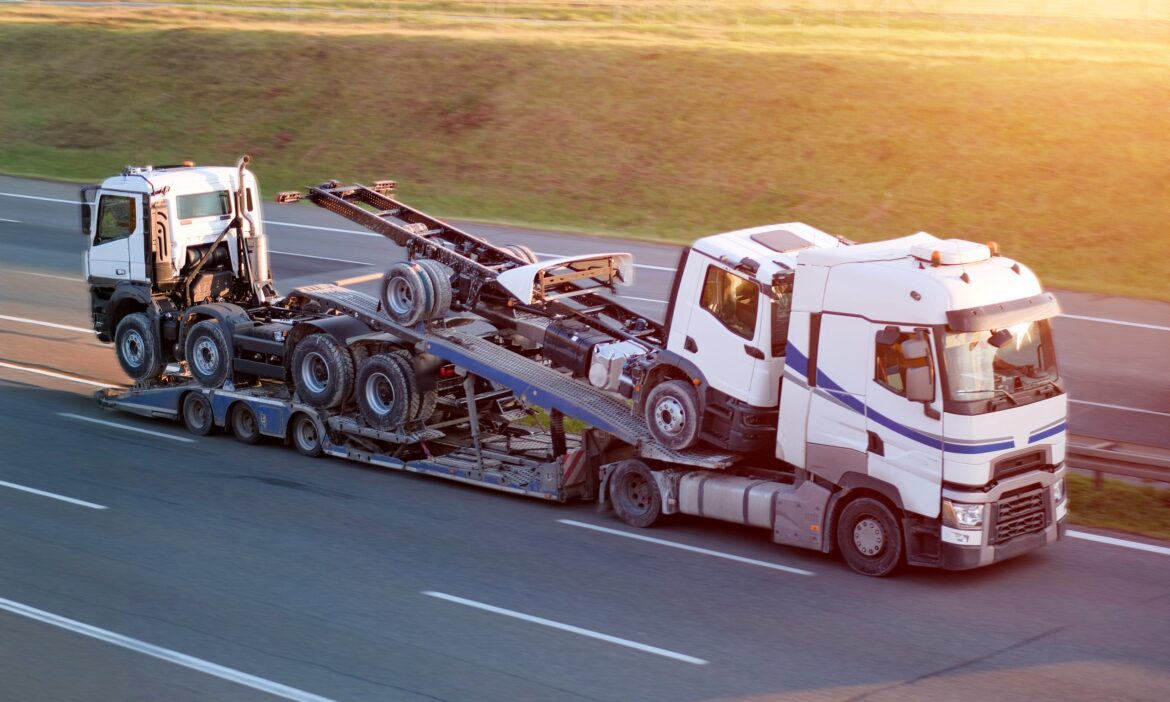
Heavy equipment logistics is more than moving machinery from one point to another. It’s imperative for the success of large projects in many industries, including construction, energy, and manufacturing. Transport delays can lead to setbacks that jeopardize project timelines, drive up costs, and disrupt operational continuity, sometimes placing millions of dollars and valuable reputations at risk.  

Failures in coordination, including missing permit deadlines and overlooking route restrictions or communication issues, can expose organizations to penalties, project overruns, and even client loss. Data-driven route planning and integrating multimodal transport minimize the risk of late and out-of-budget deliveries. 

The True Complexity of Heavy Equipment Logistics  

The logistics of transporting heavy equipment demand expertise with vast machinery weights that could exceed hundreds of tons. Large vehicles often have unusual dimensions and specific project constraints.  

From oversized turbines and massive excavators to delicate modular process systems, each move involves meticulous planning, structural assessment, client expectations, and regulatory scrutiny to ensure everyone on the road remains safe.  

Businesses often require streamlined schedules and transparent tracking, along with minimized delivery risks to keep themselves competitive. Attempting to move large or sensitive assets using a generalized freight approach often leads to dangerous loading errors, infrastructure damage, or costly interruptions that derail projects.  

Specialized equipment hauling services often offer custom solutions, including specialized trailers, route engineering, permitting expertise, and end-to-end risk management tailored to specific industries.  

Advanced Route Planning: Mitigating Delays and Liabilities  

You can significantly mitigate delay and liability in heavy equipment logistics with advanced route planning. It blends industry knowledge with data-driven strategies. Obstacle mapping thoroughly analyzes every part of a route for physical constraints like bridge heights, road grades, weight limits, construction zones, and local regulations, increasing the likelihood of on-time and on-budget deliveries.  

Risk modeling, where planners assess the likelihood and impact of disruptions, including severe weather, traffic congestion, and regulatory checkpoints, is the next step. Planners run simulations to forecast costs, time, and safety exposures. 

The use of technology such as dynamic GPS systems, integrated with fleet management software, delivers real-time updates on road conditions and allows for immediate rerouting to avoid congestion or closures.  

Live data feeds allow companies to plan for multistop shipments, anticipate regulatory requirements, and optimize travel time down to the minute.  

Finally, digital workflow platforms allow automating documentation, dispatch, and compliance tracking. 

These intelligent systems improve reliability and can cut project costs, prevent excess fuel consumption, and drastically reduce the risk of compliance penalties and accidents.  

Contingency planning, when supported by innovative traffic coordination tools, ensures that critical cargo arrives safely and on schedule, even when something unexpected happens.  

Regulatory and Permitting Mastery: Ensuring Compliance and Reducing Exposure  

Regulatory and permitting are critical in heavy equipment logistics, as every move must comply with a patchwork of local, state, and federal rules. Companies face requirements for overweight and oversize permits, each tailored to cargo dimensions, weight, and route specifics that range from single-trip to annual and superload permits that might demand engineering studies or law enforcement escorts.  

Different jurisdictions often require unique documentation, insurance, and timing requirements, which increases the importance of obtaining all approvals and permits prior to mobilizing assets. 

Successful logistics operations combine compliance expertise with legal, operational, and field teams, ensuring all stakeholders coordinate on permit applications, route planning, and regulatory updates. They also use practical strategies and checklists to avoid issues that could delay a move. 

The risks of non-compliance are steep, ranging from hefty fines and project shutdowns to increased insurance costs and reputational damage that can harm future business prospects. Integrated permit management speeds deployment and is vital for safeguarding operational continuity and upholding client trust. 

Multimodal Integration: Optimizing for Scale and Cost 

Multimodal integration is essential for heavy equipment logistics, as no single mode of transport can efficiently satisfy all project requirements. By combining road, rail, and marine assets, businesses can reach locations with infrastructure barriers and navigate regulatory or physical bottlenecks.  

This flexibility allows organizations to optimize for speed and cost, using each mode’s unique advantages, which include:  

  • Trucks for flexible pick-up and delivery 
  • Rail for long-distance bulk moves 
  • Barges for oversize equipment 

For example, shipping a massive generator might involve land transport using a specialized flatbed, and then transfer to a barge to bypass congested highways or bridge limits.  

These strategies lower transportation spend and minimize project delays, in addition to lightening the load on road infrastructure and supporting operational performance. 

Heavy equipment logistics drives the success of high-stakes projects, where businesses must carefully coordinate each move to meet demanding schedules, budgets, and compliance. The constant stream of data and communication enables companies to respond rapidly to unexpected hurdles, maintain safety, and proactively manage complex multimodal transfers.  


Source link

0 comments
0 FacebookTwitterPinterestEmail
Services

Improve ASRS Safety with Interlocks

by
written by


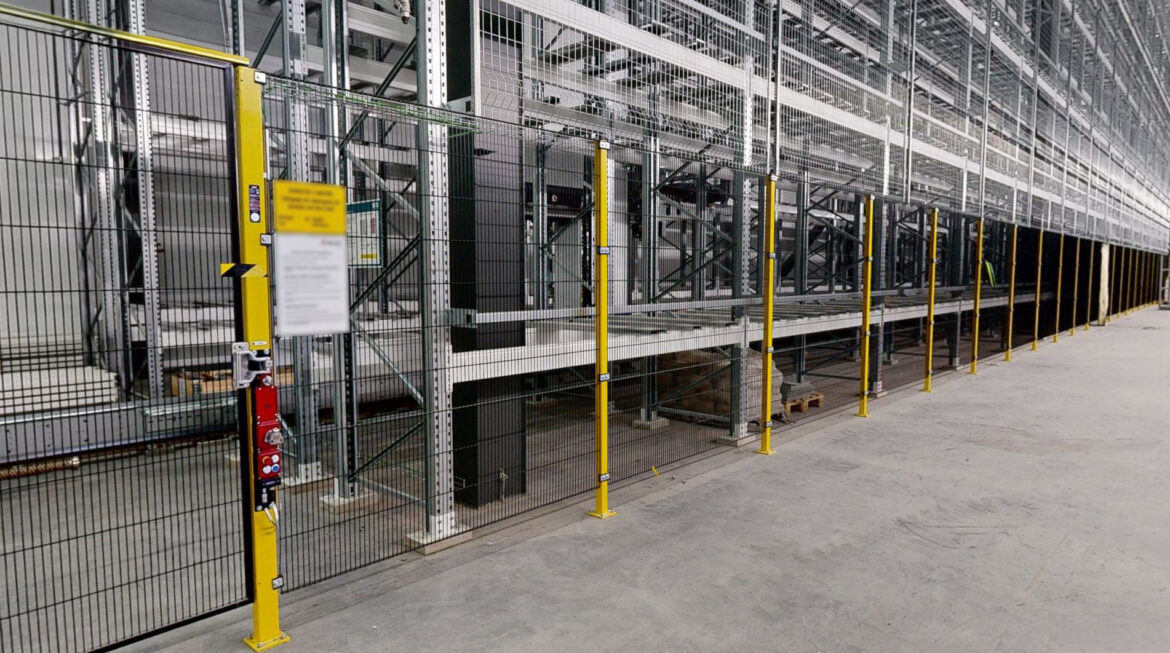
As warehouse automation continues to increase, automated storage and retrieval systems (ASRS or AS/RS) have become essential for optimizing space and reducing labour costs, allowing a more efficient storage and retrieval of items in specific locations. These systems, which include shuttles, cranes, carousels, and vertical lifts, may span across multiple aisles and are widely utilized in manufacturing and distribution facilities.

However, the complexity and scale of ASRS introduce several challenges, particularly around meeting safety standards and preventing system downtime (which can result in reduced overall productivity and financial loss). In addition, their moving parts and automated components pose potential hazards to personnel who may need to access the aisles and therefore appropriate measures to reduce risk must be implemented.

Challenges in Selecting ASRS Safety Solutions

The increase in scale and complexity of ASRS present a range of technical and operational challenges when selecting and integrating the right interlocking solutions. Key considerations include:

• Conformity with globally recognized standards – Identifying the right solutions to meet safety standards can be difficult across regions (e.g., EN 528 – the European standard about rail dependent storage and retrieval equipment). Fortress machinery safety expertise and configurable solutions help organizations meet safety standards wherever they operate.
• User-friendly operations – Ensuring operators can work without unnecessary complexities is essential to enhance workflow efficiency. This can be achieved by integrating key-operated switches, pushbuttons, and other functionalities within the same unit.
• Network integration capability – Many warehouses face challenges integrating safety devices within their existing systems. Whether using PROFINET, EtherNet/IP, or EtherCAT, network-enabled interlocks and control pods can allow for rapid installation, reduced wiring, and simple troubleshooting, minimizing downtime and maximizing productivity.
• Scalability across ASRS environments – As warehouse operations evolve, safety solutions need to adapt to changing business needs and growth. All-in-one ASRS interlocking solutions are highly versatile and suitable for both small-scale and large-scale operations while maintaining optimal performance.
• Durability in demanding settings – Industrial settings call for rugged equipment that can withstand long-term use. Fortress devices are engineered for longevity, with robust, heavy-duty designs that ensure performance over extended periods, reducing maintenance costs and enhancing long-term safety.

Comprehensive Interlocks for ASRS Safety

With over 40 years of experience in machinery safety and interlocking, Fortress Safety has become a trusted provider across all industries and applications, including logistics, warehouse automation, and ASRS.

Interlocking devices for aisle access incorporate essential features for optimal protection and compliance, including:

• Guard locking functionality for enhanced personnel safety
• Escape release for quick exit in case personnel becomes trapped
• Integrated pushbuttons to improve user efficiency and streamline operations
• Network connectivity to enable seamless integration with multiple communication protocols

There are also several optional features that can be configured into each device, such as RFID readers to manage and control access, personnel keys to prevent unexpected start-up, and more. Products are designed with flexibility in mind and can be configured to meet the requirements of each facility.

As automation continues to redefine industries, Fortress remains committed to delivering world-class solutions for ASRS safety that prioritize personnel protection without compromising efficiency. With a dedicated team of experts, international support networks, and configurable options, Fortress facilitates seamless integration into any warehouse environment.


Source link

0 comments
0 FacebookTwitterPinterestEmail
Services

Estonian Logistics Startup Announces Funding

by
written by


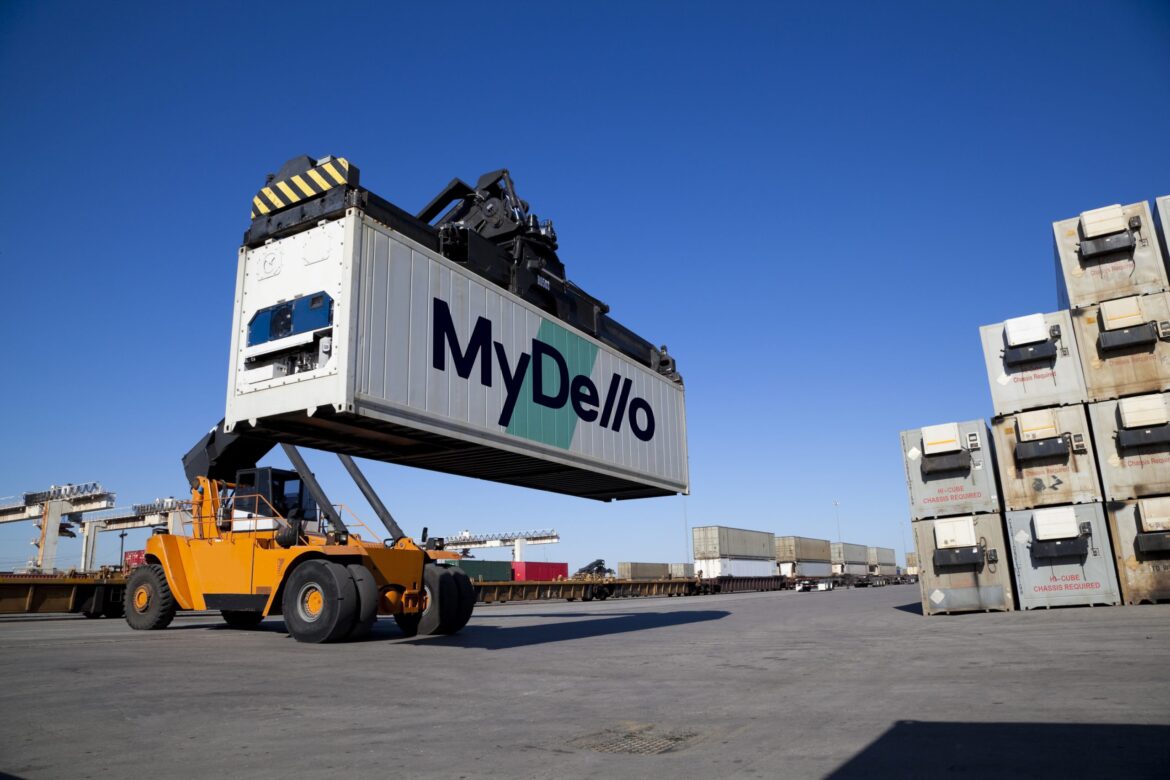
Estonian logistics startup MyDello has raised €3.1 million in new funding. Icelandic VC Frumtak Ventures led the investment round, with participation from existing investor Finnish early stage VC Superhero Capital. Joining the board are Frumtak Ventures general partner Andri Heiðar Kristinsson and (previous investor) Jevgeni Kabanov, President of urban mobility company Bolt, one of Estonia’s best-known scaleups.

The investment will be used to accelerate international expansion, starting with the UK, where customers can use the platform from December. Not content with reforming one of the world’s oldest industries – currently estimated to be worth $6tn globally – MyDello intends to go further, with the aim of fully embedding its AI technology into its systems, to automate most shipment operations by end of 2026.

MyDello is an exclusively B2B company, working directly with clients drawn from sectors such as manufacturing, wholesale, and e-commerce. The company claims to be the first digital freight forwarder to offer instant door-to-door pricing and routing for all freight modes (generated with a single inquiry), from 1 kg all the way up to 10 shipping containers, drawing on agreements with 400+ carriers and partnerships with the likes of DHL, Lufthansa, Maersk, Qatar Airways, and Finnair. This has resonated within the market as since its founding in 2021, the company has onboarded 12,500 businesses from 110 countries to its platform. Following year-on-year growth MyDello is today available across 12 countries in Europe and China, with the company on track to cover every European country by 2027.

MyDello argues that too much of the global freight trade is stuck in the past – with entrepreneurship held back by paper-based systems, negotiations and haggling, and even reliant on faxing critical documents. At the same time, businesses rarely know where their cargo is at any given time. Customers simply enter the origin, destination, dimensions, and weight of cargo and the technology takes care of everything else. All the customer has to then do is choose the most suitable offer from the options presented – and the shipping is arranged. Customers have real-time AI-powered tracking information and countdown to delivery, giving peace of mind that shipments are on track, while it’s free to use for every business customer.

MyDello works extensively on high complexity international long distance freight, such as that in and out of the EU, and has particular focuses on China (the company has an office in Shenzhen) as well as key trading lanes between the Americas and Europe. The company has already facilitated shipments between 120 countries and much of its business is in air, ocean, and rail freight, but the company works across all freight classes.

The decades of logistics experience in the founding team, coupled with proprietary software that has an ever-expanding AI layer, has fundamentally revolutionised a once cumbersome and opaque process. For MyDello users this makes delivering goods simpler, more transparent, and affordable.

Customers such as Rapala Purchasing Manager Kaile Palu are resoundingly positive about the service: “We are extremely satisfied with the freight services provided by MyDello. Their commitment to innovation, timely deliveries, and clear communication has made a huge difference in our supply chain. MyDello’s ERP portal is a game-changer – it accelerates our logistics process, giving us real-time visibility, automated updates, and a full overview over shipments. This makes our operations easier, faster, and more efficient – always on time and hassle-free. We truly value this partnership and look forward to continuing our collaboration.”

MyDello co-founder and CEO Joel Timm told us: “We love logistics – my co-founders and I have decades of experience and know the highs and lows of the industry. When we launched MyDello in 2021 we knew there was a better way for our industry to operate and in just a few years we have facilitated thousands of shipments, built up a deep customer base, and struck partnerships and agreements with hundreds of key carriers and industry peers. However, this is just the start, and we’re overjoyed to welcome Frumtak Ventures, and we thank them and our returning investors for their support.”

Frumtak Ventures general partner Andri Heiðar Kristinsson said: “MyDello is an awesome company: experienced founders with deep industry experience, proven track record, and crystal clear vision for what is next. Being from Iceland, an island in the North Atlantic, we at Frumtak know first-hand how important global logistics and freight forwarding is, while we also remain baffled by the outdated legacy technology and manual processes still dominant in this fragmented industry. MyDello is perfectly positioned to move the industry forward to the AI-age through its ambitious mission of fully automating shipment operations. MyDello also marks Frumtak’s first investment in an Estonian company, a remarkable and thriving tech ecosystem that has created so many success stories.”


Source link

0 comments
0 FacebookTwitterPinterestEmail
Services

When is it worth changing airports to enhance the private jet experience?

by
written by


A choice that affects timing, flexibility, operational costs, and overall trip quality

Why the airport is often the deciding variable on cost

In chartering a private jet, the focus is almost always on the aircraft. In reality, the airport chosen can affect the quality of the flight (and final price) as much as-and sometimes more than-the jet itself.

Changing airports, even by a few miles, can mean:

  1. less flight hours
  2. lower operating costs
  3. increased availability of aircraft

This article explains when and why it makes sense to do so, and when it does not.

The positioning factor: where the jet is really located

A private jet is not “on hold” for every request. It is already located somewhere.

If the departure airport coincides with (or is close to) the aircraft base:

  • the repositioning is minimal or zero
  • the cost drops significantly

Conversely, choosing an underutilized airport for business aviation may force the jet to fly empty to get there.

Better big airports or business-oriented hubs?

Large commercial airports are not always the best choice.

  • They often involve:
  • higher landing fees
  • restrictive slots
  • increased congestion
  • sometimes longer operating times

A secondary airport, but geared toward private aviation, may be more efficient and less expensive, although slightly more distant.

When changing airports saves on private jet charter cost

There are typical situations in which changing airports is absolutely advantageous:

1. Short or medium-range stretches

On European flights of 1-3 hours, even one hour of repositioning less can have a major impact on the total price.

2. Areas with multiple airports close together

Destinations such as:

They offer several alternatives, often with important cost differences.

3. Periods of high demand

In times of high demand, an alternative airport may have:

  1. more jet availability
  2. less demand for ground operations

When it does not pay to change airports

Savings are never automatic.

Changing airports does not pay off if:

  1. Increases the transfer time to the ground too much
  2. Involves logistical costs greater than air savings
  3. Introduces operational restrictions on the timetable

The advantage of choosing a secondary airport must be evaluated on the entire trip, not just the flight.

A practical example
Two flights identical in duration and jet:

  • Departure from large hub
  • Departure from nearby business airport

In the second case:

  • lower taxes
  • jet already in place
  • faster ground operations

The result can be a difference of thousands in costs, with no significant difference on travel comfort.

The real mistake to avoid when chartering a plane

Thinking that the “most important” airport is automatically the best airport.

In private jet flights they count:

  • efficiency
  • flexibility
  • consistency with trafficking

Other variables, such as, for example, annual passenger traffic do not affect the perfect success of your luxury trip.

Alternative airports: when ground transfer pays off

Changing airports makes sense if the savings in flight outweigh the cost (and time) of ground transfer.
In practice it pays off when:

  • the additional distance is contained
  • road or rail traffic is predictable
  • the savings on flight, airport taxes and ground services are significant

On many European routes, an extra 30-60 minutes of transfer time can translate into thousands of euros saved on jet charter.

The most common mistake is to evaluate the transfer as a hassle, without comparing it to the time and cost avoided at the airport.

Slots, restrictions and hidden costs in European hubs

Major European airports can adopt air traffic regulations that directly affect the timing and final price of a private flight.

Among the main ones:

  1. limited or expensive slots
  2. operational restrictions on schedules
  3. congestion lengthening ground time
  4. handling surcharges

These factors are not always considered by the customer evaluating a private jet charter, but they affect:

  1. flexibility
  2. punctuality
  3. total cost

An alternative, less congested airport can provide leaner operations and more predictable costs.

Changing airports is not a shortcut, but can become a strategic choice

Evaluating alternative airports, ground transfers, and operational restrictions allows:

  • reduce real costs
  • avoid unnecessary constraints
  • Improve the overall efficiency of the trip

Please note: When choosing to charter a private jet, savings often come from decisions made before even looking at the final price.


Source link

0 comments
0 FacebookTwitterPinterestEmail
Services

Transport Acquisition Strengthens UK Logistics Capability

by
written by


Premier Logistics has completed the acquisition and merger of Northampton-based WT Transport, creating a larger, more diversified logistics group with increased capacity, operational scale and long-term growth ambitions.

The deal brings together two established, family-run logistics businesses and significantly strengthens their combined position within the UK freight and warehousing market.

Expanded Scale and Capability

Following the acquisition, the combined group now operates a fleet of 110 vehicles supported by a workforce of around 220 employees. Warehousing capacity totals approximately 330,000 sq ft, strategically located close to the M1 corridor, enabling efficient nationwide distribution.

The enlarged operation is expected to generate a combined annual turnover in excess of £30 million, positioning the business to compete for larger contracts while continuing to support existing regional and national customers.

Complementary Networks and Services

Premier Logistics brings strong expertise in regional and national distribution, while WT Transport enhances the group’s service offering through its established pallet network memberships and accredited warehousing operations. Together, the businesses offer a broader range of freight, storage and value-added logistics services, improving flexibility and resilience across the network.

The merger enables shared resources, streamlined operations and greater efficiency, while maintaining the service standards and customer focus associated with both companies.

Shared Values and Leadership Continuity

As family-owned businesses, cultural alignment and leadership continuity have been central to the integration. The combined group will continue to be led by experienced management teams, with a focus on long-term sustainability, investment in people and succession planning.

The acquisition reflects a shared commitment to maintaining strong customer relationships while adapting to the evolving demands of the logistics sector.

Positioned for Future Growth

The move comes amid ongoing consolidation within the UK logistics industry, as operators seek scale, operational resilience and wider service capabilities. By joining forces, Premier Logistics and WT Transport aim to enhance their competitive position while remaining agile and customer-focused.

With increased capacity, broader service offerings and aligned business values, the combined group is well placed to capitalise on future market opportunities and support continued growth across the UK logistics landscape.


Source link

0 comments
0 FacebookTwitterPinterestEmail
Services

Dubai-Iraq Sea Link Ferry Service Starts

by
written by


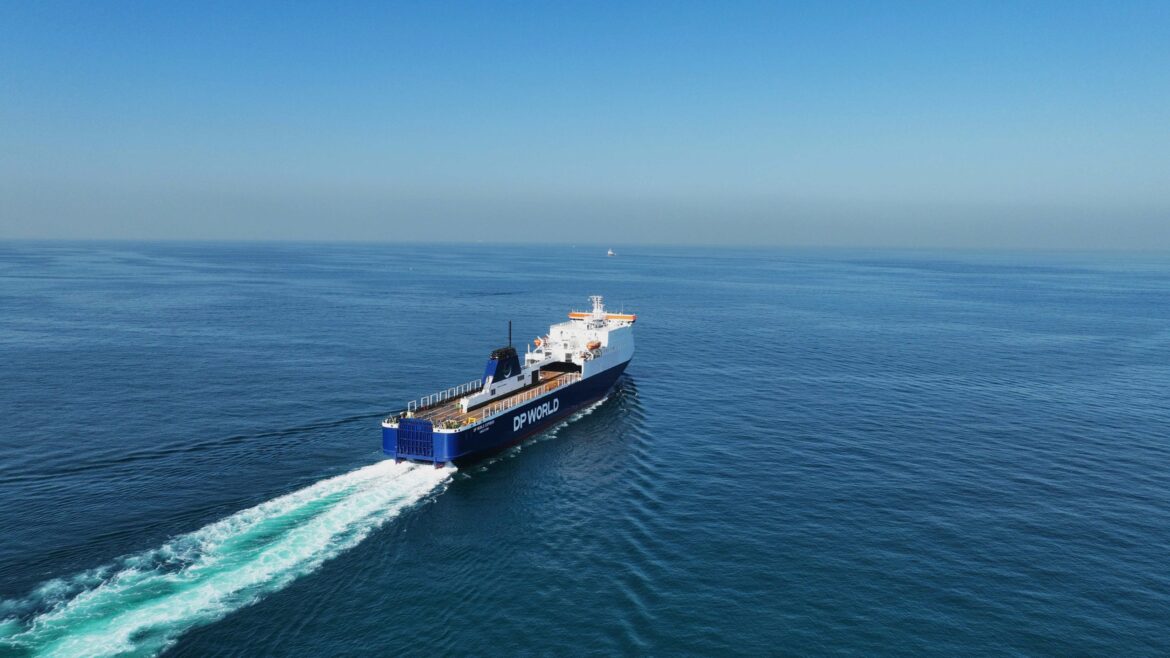
DP World has launched a new 36-hour maritime service between Dubai’s Mina Rashid and Iraq’s Umm Qasr Port, providing a faster alternative to overland trucking and accommodating up to 145 accompanied trailers per sailing.

The service was inaugurated at Mina Rashid with the official welcome of DP World Express – the dedicated RoRo vessel operating the new route. The vessel has recently undergone upgrades at Drydocks World and is scheduled to begin operations this December.

The ceremony brought together senior UAE and Iraqi officials including H.E. Dr. Muzaffar Mustafa Al-Jubouri, Ambassador of the Republic of Iraq; H.E. Sultan Ahmed bin Sulayem, Group Chairman & CEO, DP World; Dr. Abdulla Busenad, Director General of Dubai Customs; Brigadier Nabil Mohammed Algergawi, Assistant Director General – Sea & Land Ports Affairs, GDRFA; Dr. Emad Ali Al-Azzawi, Acting Consul General of the Republic of Iraq; Abdulla Bin Damithan, CEO & Managing Director, DP World GCC; and Shahab Al Jassmi, Chief Commercial Officer – Ports & Terminals, DP World GCC.

The vessel will transport non-containerised, full trailer units with drivers travelling on board, providing customers a direct and secure door-to-door solution between the UAE and Iraq. It will also facilitate onward transit to neighbouring countries, improve reliability and reduce cross-border complexities.
His Excellency Sultan Ahmed bin Sulayem, Group Chairman and CEO, DP World, said: “Our new Dubai-Iraq service will establish a faster and more efficient maritime bridge between Iraq and the UAE to help trade flow across the Middle East. This service gives customers a predictable route that reduces time, cost and complexity and supports long-term economic opportunity on both sides of the corridor.”

The introduction of the service reflects strong market demand for faster, more controlled trailer movements, reducing handling requirements and simplifying planning across key trading sectors. The corridor strengthens access into Iraq’s main commercial centres and supports wider connectivity into Jordan and Syria through established inland routes, boosting regional trade. On the return journey, DP World Express will carry export cargo from Iraq back to the UAE, supporting two-way trade and increasing efficiency across the region’s supply chains.

Abdulla Bin Damithan, CEO & Managing Director, DP World GCC, added: “The shift to accompanied trailers reflects clear customer demand for faster, more reliable cross-border movement. By offering a direct maritime solution from Mina Rashid, we are enabling businesses to plan with confidence, respond quickly to market needs and streamline how goods move across the region.”

The new service enhances DP World’s integrated logistics capabilities and expands direct maritime connectivity for non-containerised cargo. It also promises sustainability benefits by reducing CO2 emissions associated with alternative transport and logistics options.


Source link

0 comments
0 FacebookTwitterPinterestEmail
Newer Posts
Older Posts

Recent Posts

  • Wheels for Steel – Logistics News
  • Driving Efficiency and Innovation in Conveying
  • Milano Linate l’aeroporto ideale per i jet privati
  • Software Migration for Automated Warehouse
  • Yard Management for Smaller Logistics Facilities

Recent Comments

No comments to show.

Social Connect

Whatsapp

Recent Posts

  • Wheels for Steel – Logistics News

  • Driving Efficiency and Innovation in Conveying

  • Milano Linate l’aeroporto ideale per i jet privati

  • Software Migration for Automated Warehouse

  • Yard Management for Smaller Logistics Facilities

Newsletter

Categories

  • Services (1,087)
  • Uncategorized (41)

@2024 - All Right Reserved. Designed and Developed by Sierraline Cargo services

Manage Consent
To provide the best experiences, we use technologies like cookies to store and/or access device information. Consenting to these technologies will allow us to process data such as browsing behavior or unique IDs on this site. Not consenting or withdrawing consent, may adversely affect certain features and functions.
Functional Always active
The technical storage or access is strictly necessary for the legitimate purpose of enabling the use of a specific service explicitly requested by the subscriber or user, or for the sole purpose of carrying out the transmission of a communication over an electronic communications network.
Preferences
The technical storage or access is necessary for the legitimate purpose of storing preferences that are not requested by the subscriber or user.
Statistics
The technical storage or access that is used exclusively for statistical purposes. The technical storage or access that is used exclusively for anonymous statistical purposes. Without a subpoena, voluntary compliance on the part of your Internet Service Provider, or additional records from a third party, information stored or retrieved for this purpose alone cannot usually be used to identify you.
Marketing
The technical storage or access is required to create user profiles to send advertising, or to track the user on a website or across several websites for similar marketing purposes.
  • Manage options
  • Manage services
  • Manage {vendor_count} vendors
  • Read more about these purposes
View preferences
  • {title}
  • {title}
  • {title}
Sierraline Cargo Services
  • HOME
  • Services
    • Trade With Us
  • About Us
  • Contact Us
  • private jet
    • BOOK YOUR JOURNEY
  • Track Packages
  • Insurance
  • safekeeping

WhatsApp us