Sierraline Cargo Services
  • HOME
  • Services
    • Trade With Us
  • About Us
  • Contact Us
  • private jet
    • BOOK YOUR JOURNEY
  • Track Packages
  • Insurance
  • safekeeping
Services

NEXT Distribution Hub gets Lifted

by
written by


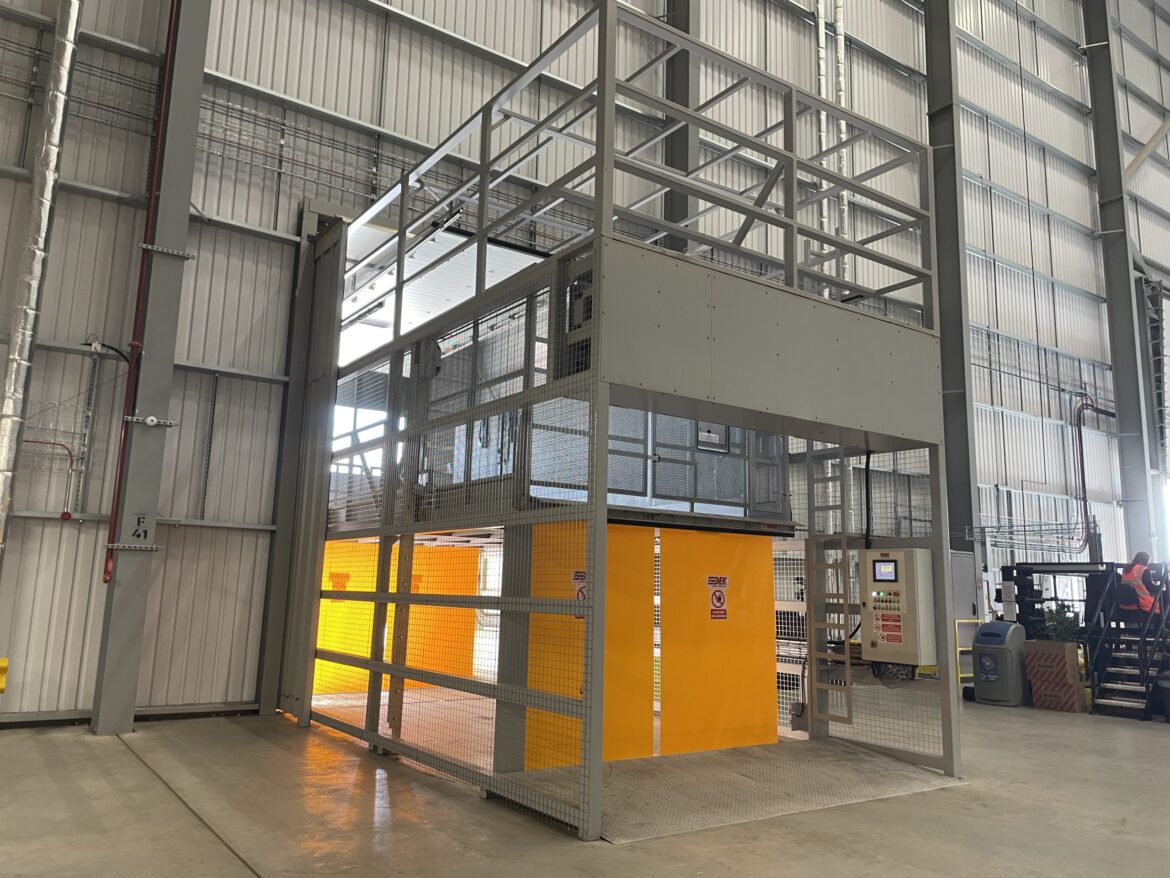
Doncaster-based Hörmann Transdek has successfully supplied and installed a Vehicle-to-Ground (V2G) lift at Next’s South Elmsall distribution centre, near Wakefield. The lift supports a newly built warehouse extension designed to meet the retailer’s growing demand for online fulfilment.

Designed for modern, agile logistics, the V2G lift provides level-access loading and unloading for a full range of vehicles, from small vans to single and double-deck trailers. Its modular, free-standing design makes it suitable for both internal and external use, and its surface-mounted construction eliminates the need for pits or major groundworks, significantly reducing installation time and cost.

Next faced the challenge of installing a loading solution in part of the distribution centre that had a completely flat floor and no existing doors or loading bays. Hörmann Transdek’s V2G lift was the ideal answer, with its rapid delivery and flexible design allowing for installation within weeks. To accommodate the lift, a new opening was created in the warehouse’s external façade, and the lift was installed directly onto the internal floor slab, avoiding disruptive civil works.

The installed V2G lift has a 12-pallet, 5.3 tonne capacity and was supplied without cladding to make use of natural light within the warehouse. Its space-efficient design delivers a sealed, secure loading environment, aligning with Next’s operational and safety requirements.

Tristan Robbins, Project Manager at Next, commented, “The V2G lift from Hörmann Transdek has provided an efficient, flexible solution for a challenging area of the warehouse. The team delivered quickly, and the installation allowed us to maintain our timelines with minimal disruption. The result is a lift that has integrated seamlessly into our operation.”

Key features of the V2G lift include:

• LED traffic light system for safe coordination between vehicle and operator
• Low-gradient loading ramp for safe equipment movement
• Dedicated pedestrian walkway to separate personnel from vehicle movement
• Safety curtain and light beam system to restrict access under the platform
• Interlocked safety gates, fully compliant with UK/EU legislation
• Suitable for ambient, chilled and freezer applications

V2G lifts are available in capacities from 4 to 14 pallets (4 to 12.5 tonnes) and include an MHE-compatible hydraulic bridge plate. For smaller commercial vehicles and vans, the optional ‘Vandango’ bridge plate ensures safe and efficient loading. Watch the video here.

Source link

0 comments
0 FacebookTwitterPinterestEmail
Services

New Reach Stacker is Electric

by
written by


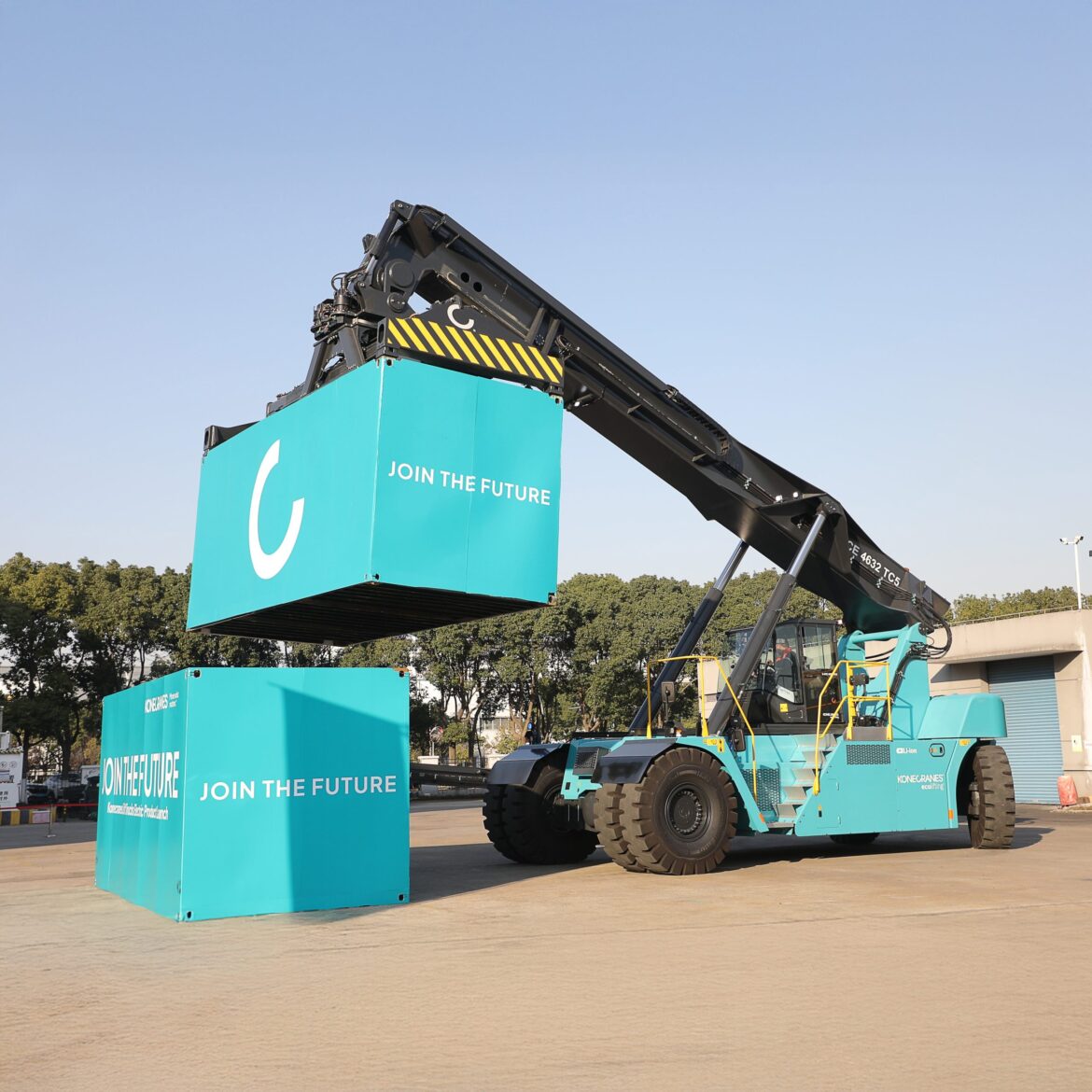
Konecranes has strengthened its lift trucks portfolio with the launch of its new electric reach stacker. Designed for high-intensity operations, the reach stacker delivers up to 16 hours of performance on a single charge, meeting growing global demand for eco-efficient material handling solutions.

With this new reach stacker, which made its debut to a select audience in Shanghai, China last month, Konecranes now offers customers a portfolio of fully electrified lift trucks. The reach stacker is now available across Asia-Pacific, Middle East and Africa as well as South America, with further expansion planned for Europe and North America during next year.

“Our focus remains on delivering lift truck solutions that drive efficiency for customers worldwide. With the introduction of the electric reach stacker, we now offer a comprehensive range of fully electrified lift trucks designed to optimize operations regardless of the location or handling need,” says Andreas Falk, Senior Vice President, Lift Trucks, Konecranes.

The Konecranes electric reach stacker is engineered for maximum productivity, offering up to 16 hours of operation, making it a perfect fit for demanding industries. Its fast-charging capabilities allows a full charge in just 1-3 hours, depending on battery size and charging power. Designed to deliver exceptional performance and reliability, it has significantly faster handling speed compared to diesel models. Key features include advanced safety systems, intelligent controls and durable mechanics.

From the start, it will be available in four robust high-capacity top lift models. The reach stacker boasts a short wheelbase and compact dimensions for effortless maneuvering and to accommodate high lifting capacities across all three container handling rows. With stacking heights of 5/5-high or 6/5-high at 8’6” / 9’6” containers, it promises optimal performance in intensive and challenging environments, ensuring that operations remain efficient.

“Our electric reach stacker features leading electric powertrain technology and intelligent control systems. With load-sensing hydraulics, faster charging and the safest and most spacious cabin the industry, it combines an optimized driving experience with advanced safety features ensuring exceptional productivity for various industries,” says Jeffrey Stokes, Director Product & Technology Management and Quality & Customer Satisfaction, Lift Trucks, Konecranes.

Like all of Konecranes’ Smart Connected Lift Trucks, the Konecranes electric reach stacker uses TRUCONNECT® to collect real-time data including battery charge monitoring, energy consumption, the amount of energy recovered from braking, as well as alarms, alerts and other diagnostics. All this data transmits securely to the yourKONECRANES customer portal to monitor and control the truck’s operational efficiency, productivity, safety and environmental impact.

This launch is part of Ecolifting™, Konecranes’ vision to increase its handprint – meaning the beneficial environmental impact that can be achieved with our product and service portfolio – while reducing customers’ carbon footprints. From eco-optimizing diesel drives, to hybridization and fully-electrified fleets, we will continue to do more with less.

A strong focus on customers and commitment to business growth and continuous improvement make Konecranes a material handling industry leader. This is underpinned by investments in digitalization and technology, plus our work to make material flows more efficient with solutions that support the decarbonization of the economy and advance circularity and safety.


Source link

0 comments
0 FacebookTwitterPinterestEmail
Services

PROCare Increases Order Capacity with ERP

by
written by


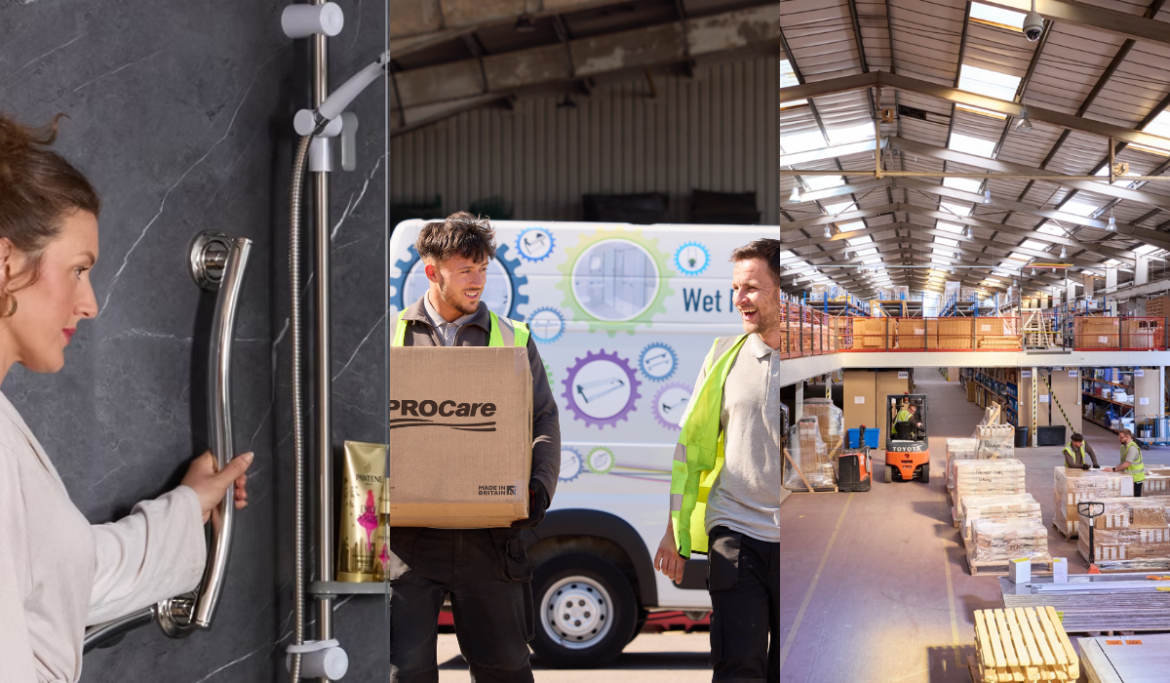
PROCare, British manufacturer of accessible wet rooms, bathrooms and adaptive kitchens, has significantly expanded its operational capacity and warehouse efficiency after implementing Forterro’s ERP and WMS solution Orderwise.

The business increased the number of daily orders it can process from 50 to 200+, boosted picking accuracy to 99%, and scaled its warehouse operations to 75,000 sq. ft. as demand continues to grow nationwide.

Founded in 2001 as a supplier of shower trays, PROCare now supplies adapted bathrooms and wet-room solutions to housing associations, local authorities and contractors across the UK. As its product range and customer base expanded, the company’s manual processes and legacy systems lacked the visibility and control required for sustained growth.

“Before Orderwise, processing 50 orders in a day was time-consuming. Now we’re regularly doing 200+ and handling far more products, all thanks to Orderwise making us more efficient,” said Adam Balmer, IT Manager, PROCare. “Orderwise just works – the prompts, the accuracy, the flexibility. It means we can keep growing without adding more people.”

Manual order entry and paper-based picking meant warehouse teams previously relied on memory to locate and select items. Today, every bathroom order is picked, labelled, and tracked individually using handheld scanners and guided walk routes, a transformation that has drastically reduced errors and driven improved customer satisfaction.

“Our picking errors are so low that even ISO auditors don’t believe us, we’re at around a 99% success rate,” Balmer continued. “Having that level of confidence across the warehouse is game-changing, especially when you’re supplying complex, high-value bathroom components.”

Since adopting Orderwise, PROCare has achieved:
• 300%+ increase in daily orders processed (from 50 to 200+)
• 99% pick accuracy across warehouse operations
• Significant growth in online self-service orders through its trade portal
• Seamless scaling of warehouse capacity to 75,000 sq. ft.

Tom Price, Director at Forterro, said: “PROCare is a strong example of how a modern, scalable ERP and WMS can unlock sustainable growth. By replacing manual processes and legacy systems with Orderwise, they’ve gained the accuracy, speed and control needed to support their expanding national footprint. As the company grows it has everything in place to scale with it.”


Source link

0 comments
0 FacebookTwitterPinterestEmail
Services

Virtual Commissioning of Drive Digital Twins

by
written by


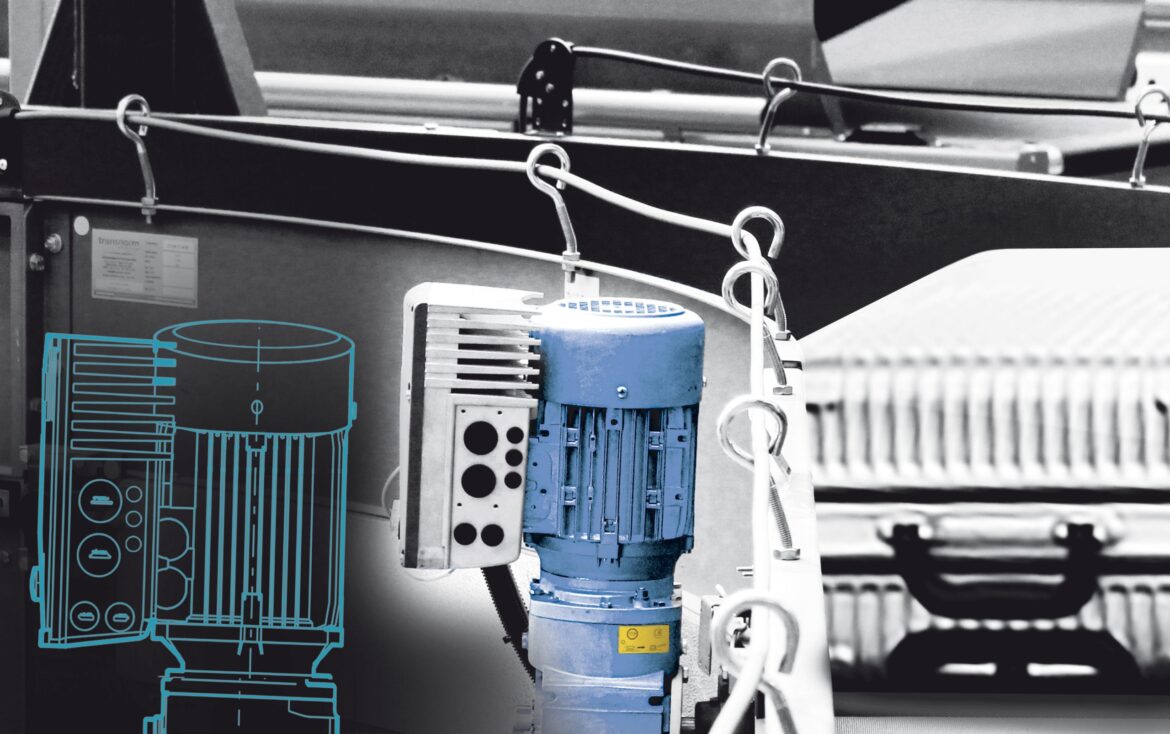
NORD now offers digital twins for system development. Based on a myNORD configuration, it is now possible to request individually created drive systems as simulation models. This allows engineers to verify early in the planning phase whether the drive concept is suitable for the system. Virtual commissioning significantly reduces the project time – even for complex systems.

Since the publication of the FMI (functional mock-up interface) technical standard in 2010, it has become more and more common to work with simulation models in system planning. NORD DRIVESYSTEMS also uses data-based simulations for the development of its components and drive solutions. The system provider is now using this know-how to help its customers achieve greater efficiency and availability of its drive systems even in the planning phase by offering a digital service: With digital twins of its drives, NORD enables virtual commissioning.

Simple online configuration

Users can configure drive systems or components for their requirements as usual via the myNORD customer portal. They select components and their features such as performance, mounting options or outputs. Then, they can request a simulation model for the fully configured drive system. The process was developed by NORD in cooperation with the software company Machineering from Munich, which specialises in virtual commissioning.

Just a few weeks until actual commissioning

The advantage of these digital twins of the NORD solutions is the significantly faster availability of the entire system. The simulation models are inserted into a similarly simulated system. In this environment, the drive configurations can be extensively tested. If adjustments are required, they can be easily implemented based on the data. Errors can be remedied in the early stages of development, avoiding potential later damage. Only once the virtual drive system has been validated by the customer, it will be manufactured and delivered by NORD. As the drives are already functionally integrated into the system control at this point, actual commissioning is possible in a very short time. The overall process from configuration to commissioning is reduced from several months to only a few weeks.

High-efficiency

Virtual commissioning of drive systems is of special interest for any technically demanding solution. Therefore, NORD particularly focuses on components that play a decisive role in automating production processes. The manufacturer is kicking off the virtual commissioning with its range of high-efficiency IE5+ and IE4 motors, along with the corresponding gear units and frequency inverters. Simulation models will then gradually become available for other NORD product areas as well.


Source link

0 comments
0 FacebookTwitterPinterestEmail
Services

Hydrogen Fuel Cells Power BMW AGVs

by
written by


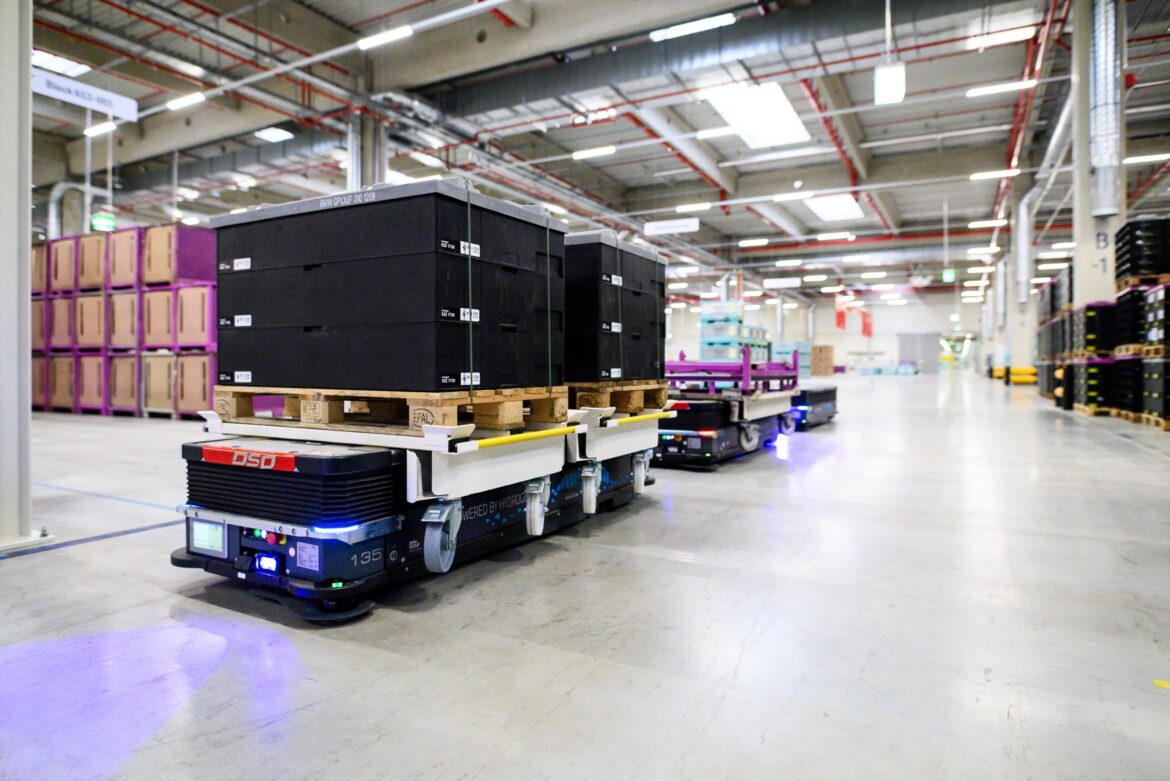
Hydrogen fuel cells developed by Intelligent Energy, fuel cell manufacturers, are at the core of a new fleet of 130 Automated Guided Vehicles (AGVs) commissioned by BMW for its advanced vehicle assembly plant in Leipzig, Germany.

The German plant is BMW’s test bed for pioneering manufacturing automation and employs AGVs extensively in intralogistics – the movement of materials and components throughout the factory.
Developed in collaboration with Austrian autonomous vehicle specialist DS Automotion, the new AGVs are the first to be designed from the ground up around Intelligent Energy’s proprietary IE-POWER™ fuel cell system.

The deployment follows a successful three-year trial in which battery-powered AGVs retrofitted with Intelligent Energy fuel cells showed greater reliability, efficiency and environmental performance.
Powered by green hydrogen, the AGVs operated for longer than their battery predecessors, and their ability to refuel in seconds eliminated lengthy charging stops. With minimal downtime, the hydrogen AGVs offered greater operational flexibility, allowing BMW to reduce the total fleet size by 20%. This was achieved while still delivering zero-emission performance – supporting BMW’s efforts to cut downtime and strengthen its sustainability strategy.

Fifty of the new AGVs have been delivered to Leipzig and are already in use. The remaining units will enter service within the next six months.

“The three-year trial with BMW is the most comprehensive case study yet for our hydrogen fuel cells in an AGV application and the results speak for themselves,” said David Fields, Head of IE-POWER Stationary and Standby Power Solutions at Intelligent Energy. “Fuel cells are well suited to material handling and intralogistics, where uptime and reliability are critical. BMW’s decision to adopt a purpose-built hydrogen fleet powered by our systems at one of the world’s most advanced car plants is a strong endorsement of their efficiency, reliability and performance.”

All Intelligent Energy’s UK-developed fuel cells feature a patented air-cooling system that delivers class-leading energy density in a compact, lightweight package. Its IE-POWER™ fuel cells can also be found in forklifts, access platforms and other warehousing and material handling machinery.

Built in 2005, and backed by €5 billion of investment, BMW Leipzig is one of the world’s most advanced car production plants. The plant employs 6,800 people and produces about 1,300 cars each day.

Dr. Stefan Fenchel, Project Lead Sustainability, BMW Group Plant Leipzig, said: “The fuel cell AGVs proved their value during the trial, particularly in overcoming the recharging downtime that limits battery systems. By removing this constraint, we now have a more flexible fleet that we have been able to reduce in size by 20 per cent – a clear gain in efficiency. This new fleet of hydrogen AGVs marks another step in BMW’s commitment to zero-emission manufacturing technologies and supports our goal of setting the benchmark for sustainable intralogistics.”


Source link

0 comments
0 FacebookTwitterPinterestEmail
Services

Drylock Builds Next-Gen Green Warehouse

by
written by


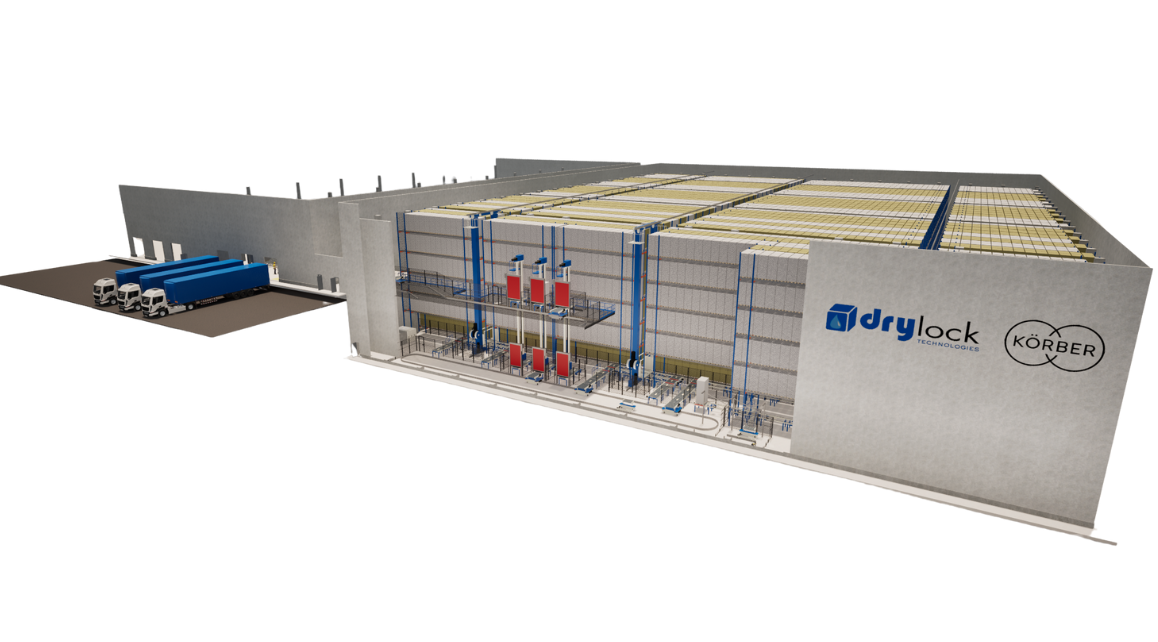
Drylock Technologies, global supplier of sustainable hygiene products, is strengthening its operational infrastructure and expanding its logistics capabilities, with the construction of a new automated high-density warehouse at its production site in Hrádek nad Nisou, Czech Republic.

This initiative marks the second major collaboration between Drylock and Körber, reinforcing a strategic partnership built on trust and focused both on innovation and sustainability.

The new distribution centre for finished goods is the result of a clockwork tailor-made design, combining high-density storage with high-performance. The compact solution minimizes the building footprint while providing additional storage capacity of more than 28,000 pallet locations.

As the solution architect, Körber is responsible for the coordination of engineering efforts and overseeing the seamless integration of structural components, automation and software systems.

For Drylock, an Ecovadis Platinum company, this project represents more than just infrastructure – it is another step towards the future of a sustainable supply chain. Aligned with this vision, the new warehouse incorporates eco-responsible materials and technologies, as it will be built using low-emission steel, and it will be equipped with state-of-the-art energy-efficient systems – all in all, reflecting the commitment to minimizing its environmental impact.

“This facility is designed to be sustainable in every sense—environmentally, operationally, and strategically,” says Ruben Benoot, Group Supply Chain Director at Drylock Technologies. “We are proud to once again partner with Körber to turn this vision into reality.”

Beyond sustainability, the new project delivers tangible operational benefits. It enables faster, more flexible inbound and outbound processes, optimizes logistics, and enhances workplace safety and ergonomics. At the same time, it strengthens reliability, ensuring every product reaches customers with the highest standards of quality, speed, and care.

“Our continued collaboration with Drylock is a reflection of our shared ambition to shape the future of supply chains through innovative and sustainable solutions, based on long-term partnerships with our customers” adds Paola Elizalde, VP Marketing & Sales EMEA at Körber Supply Chain, business area Automation.


Source link

0 comments
0 FacebookTwitterPinterestEmail
Services

How to Keep Fleets on the Road

by
written by


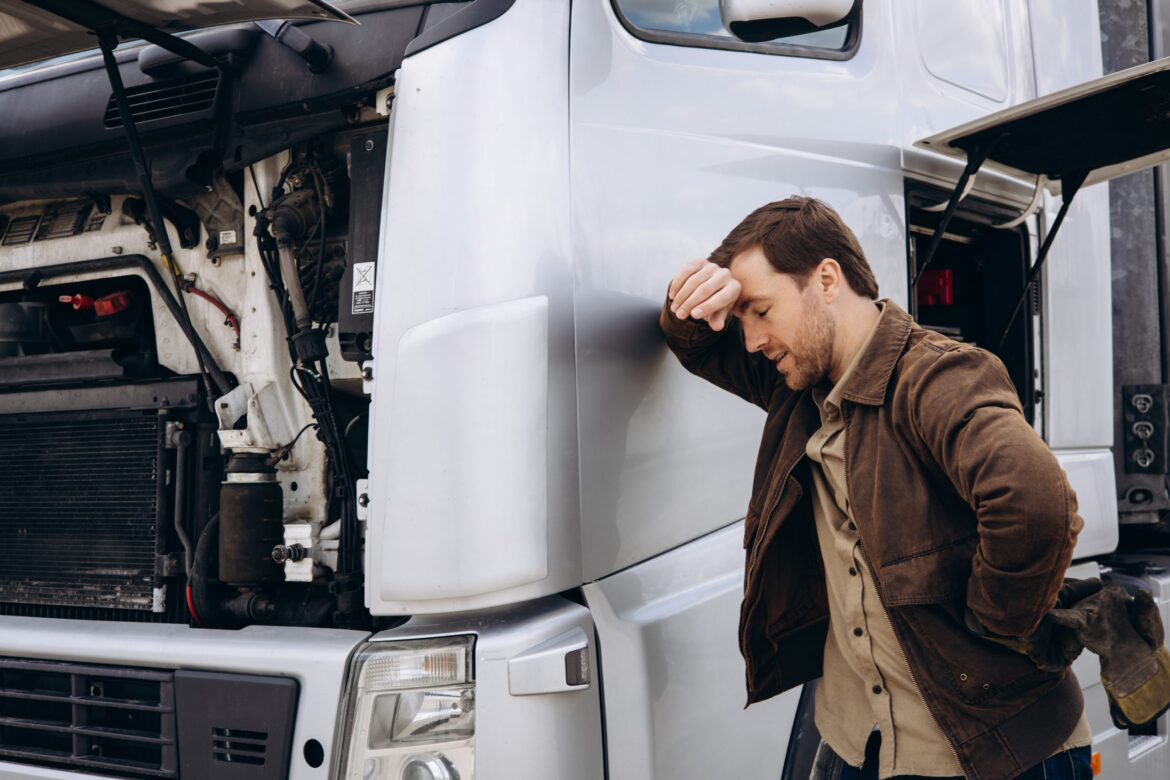
To keep fleet vehicles moving and minimize costly downtime, fleet managers rely heavily on efficient logistics and dependable parts supply. Supply chain delays, global disruptions, and parts shortages can quickly turn routine maintenance into major operational setbacks, sidelining vehicles for days or even weeks. By using strong inventory strategies, predictive analytics, and reliable supplier partnerships, fleets can forecast demand, ensure fast repairs, and maintain on-time delivery performance.

The Cost of Fleet Downtime

Parts shortages significantly strain logistics operations by driving up expenses and limiting vehicle availability. Repair costs and upfitting have risen more than 20% since 2020 due to aging equipment, delayed shipments, higher labour rates, and costlier raw materials. Technicians often search local shops or repurpose parts from other vehicles, underscoring the need for better inventory planning.

One missed part delivery can cause service interruptions, shipment delays, and customer dissatisfaction. Direct losses include out-of-service vehicles, extended labour, rush shipping, and lost revenue. Indirect impacts include reduced logistics reliability and weakened business relationships.

Proactive Inventory Management

Logistics teams can prevent disruptions by shifting from reactive repairs to proactive inventory management. Modern inventory management systems (IMS) automate the tracking of spare parts, alert teams when stock runs low, and help forecast seasonal fluctuations. Key features include low-stock notifications, automated restock reminders, repair-frequency analysis, and purchasing-workflow integration. By improving visibility and eliminating manual errors, IMS tools reduce repair delays and help technicians respond quickly to maintenance needs.

Predictive Analytics for Parts Forecasting

Predictive analytics powered by telematics and historical repair data helps managers anticipate component failures and order parts in advance. By monitoring vehicle sensors and driver behaviour, fleets can:

  • Predict when components are likely to fail
  • Order critical parts early to avoid supply chain delays
  • Allocate inventory efficiently across service locations

This approach reduces emergency sourcing costs and unnecessary stockpiling. Fleets using predictive analytics report up to 15% improved vehicle uptime, better fuel efficiency, and reduced technician hours.

Tracking parts usage and repair patterns also highlights frequently used components and common points of failure. Many fleets build onboard emergency kits based on usage data so drivers can complete minor repairs in the field.

Strengthening Supplier Partnerships

Reliable supplier relationships are essential for maintaining consistent parts availability. Fleet managers should evaluate suppliers based on delivery consistency, flexibility, and quality. Diversifying vendors -using secondary or regional suppliers – helps cover spikes in demand and reduces vulnerability when supply chain disruptions arise. Transparent communication also strengthens forecasting accuracy and negotiation power.

Digital marketplaces expand sourcing options even further by allowing fast access to multiple vendors, including any auto parts seller capable of filling urgent gaps. Predictive insights give fleet managers lead time to secure alternative suppliers and negotiate favourable terms when traditional pipelines face delays.

Real-World Outcomes

Integrating IMS tools, predictive analytics, and diversified supplier networks offers measurable benefits, including:

Reliable parts supply is no longer just a maintenance function – it’s a strategic imperative for logistics leaders dedicated to efficiency, cost control, and uninterrupted fleet operations.


Source link

0 comments
0 FacebookTwitterPinterestEmail
Services

The Gray Zone, “Jet-Sharing”: is private flight sharing legal?

by
written by


“Jet-sharing” and “seat-sharing” have become trendy terms in the world of private flights. The idea is simple: instead of renting the entire jet, you pay only for your seat, making the private flight experience more affordable. But how convenient is it really? And most importantly: is “Jet Sharing” safe and legal? In this article we analyze the costs, benefits, risks and legal aspects of jet-sharing in 2025 point by point.

What is “jet-sharing” (or “seat-sharing”)

“Jet-sharing” is a way of chartering a private jet in which multiple passengers share the same flight by paying only for a single seat, not the entire plane through platforms or operators that arrange shared flights. It was born as a response to the growing demand for low-cost private flights, thanks in part to technology and route optimization.

How convenient is it to share the same private jet for a flight?

Convenience depends on the type of service.

1) “Jet-sharing” authorized (legal)

Operated by companies with commercial certification (AOC). Convenient for those who want the private flight experience without paying the full charter, however, prices are still higher than a business class flight.

2) “Empty Legs” (repositioning flights).

These are the flights that a jet has to make to move from one destination to another

  • Great price, but only for those who are very flexible.
  • Departures and times not guaranteed
  • High probability of cancellation

Read the our articleOn the positioning of private jets

3) Informal “jet-sharing”

Spread on WhatsApp groups, Telegram or forums, informal “jet sharing” often means lower prices, but …Almost always illegal and unprotected.

Private Jet Finder

How safe is shared flying?

Safety depends solely on who is operating the flight.

Safe “jet-sharing”

It is such only if:

  1. the aircraft is certified for commercial transport
  2. the pilot has a commercial license
  3. there is a charter contract
  4. insurance covers paying passengers

This ensures identical standards to a regular commercial private flight.

“Jet-sharing” risky

Shared planes can lead to problems when the flight is registered as private use but seats are sold for a fee

  • the Insurance does not cover
  • The operator does not have AOC

In such cases, this is referred to as “grey charter,” a widespread but illegal and risky practice.

When jet-sharing: is it legal?

“Jet sharing” is legal only when:

  • the operator possesses AOC
  • the flight is a commercial charter
  • an invoice is issued
  • all passengers are properly registered

ILLEGAL “Jet Sharing”

When:

  • a jet owner sells seats
  • A pilot offers seats to “amortize costs”
  • Passengers pay on non-commercial flights
  • organizing is done through private groups or unauthorized platforms

We do not recommend these flights, as passengers are at risk:

  1. absence of insurance coverage
  2. co-responsibility
  3. legal disputes

Authorities (EASA, FAA, ENAC) have been reiterating for years that selling seats on a private jet without a commercial license is prohibited.

How to tell if a “jet-sharing” flight is legal and safe

Quick verification checklist:

  1. The operator has AOC
  2. They show you the license number
  3. Get a charter contract
  4. The invoice comes from certified company
  5. Insurance is commercial, not private
  6. They give you the passenger list
    You pay through official (not private) channels

If even one of these elements is missing, it is not a legal or safe private flight.

Advantages and disadvantages of sharing a private jet with other travelers

Benefits

  • Access to private flight at lower cost
  • Ability to fly on modern, fast jets

Disadvantages

  • Lower level of privacy
  • Fragmented supply and not always reliable
  • Risk of running into unauthorized operators
  • No guarantee on empty legs
  • Prices still higher than business class

Does sharing a private flight pay off?

Only when operated by certified companies. Legal “jet-sharing” offers a compromise between luxury, efficiency and price. However, the market is full of non-compliant offerings that fall into the “Grey Charter” category that exposes passengers to serious risks.

“Jet sharing” may seem like a convenient solution, but in practice it carries operational, legal and insurance risks that the average traveler often does not immediately perceive. Regulations are stringent, safety cannot be improvised, and the line between cost sharing and “Grey Charter” is thin and dangerous.

If you want a safe, legal, and surprise-free luxury travel experience, chartering a private jet through PrivateJetFinder.com is the ideal choice: here you will find clear contractual conditions, fast and secure quotes, and above all the security of relying on a team with a proven track record in the world of private flights to any destination in Europe and around the world.

Private chartering should be synonymous with peace of mind, quality and reliability. Book your next flight on PrivateJetFinder.com and travel truly worry-free to any destination!


Source link

0 comments
0 FacebookTwitterPinterestEmail
Services

Bakery Grows Fleet with Box Van Trailers

by
written by


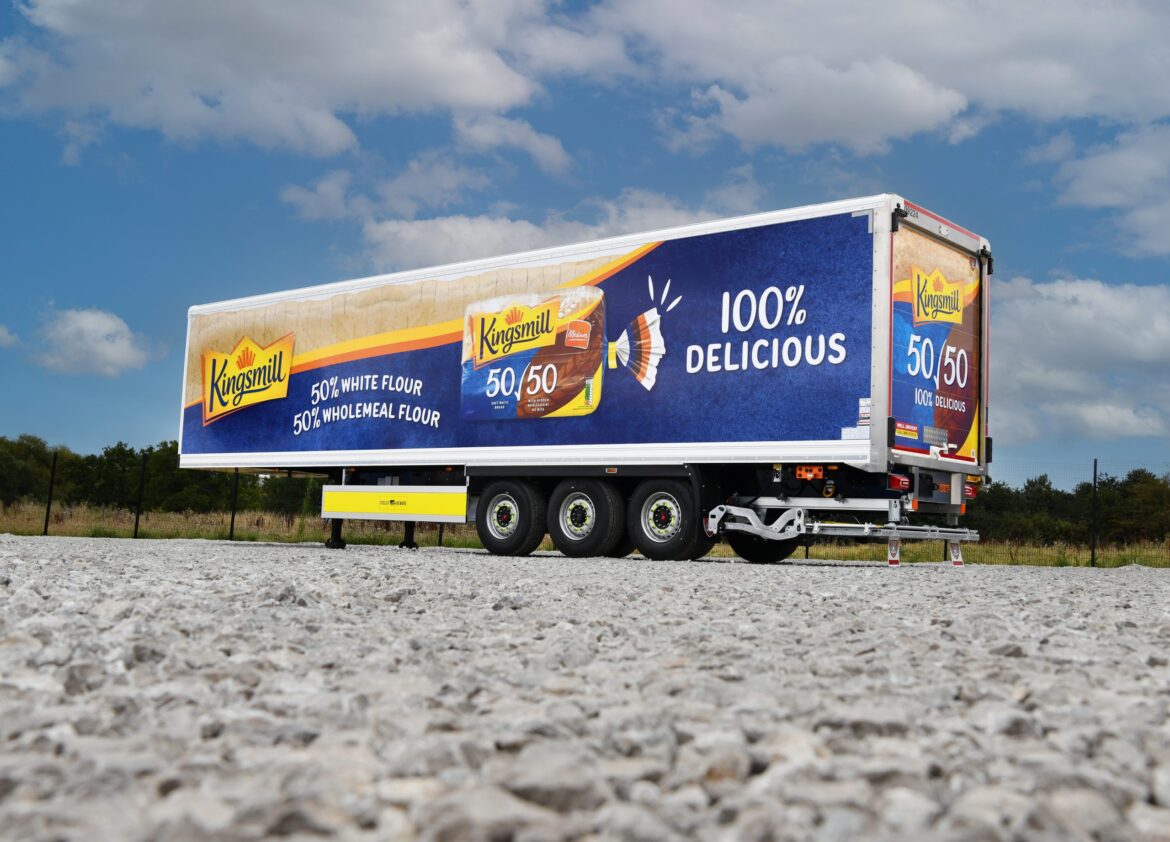
Tiger has designed, manufactured and supplied 15 tri-axle box van trailers to Allied Bakeries, further strengthening the relationship following the OEM’s supply of 36 rigid bodies to the bakery company last year. The trailers were delivered bearing the iconic blue and yellow Kingsmill 50/50 livery.

Dynamic production scheduling and efficient processes enabled Tiger to fulfil Allied’s fleet requirement at short notice, supporting the baker behind the Allinson’s, Kingsmill and Sunblest brands to maintain seamless logistical operations.

Box Van Trailers

Allied Bakeries’ were keen to build on the success of the previous order commenting, “The quality of the rigid bodies Tiger supplied last year was excellent, so we tasked them with delivering our latest fleet trailer requirement to the same standards within an expedient timescale – and the Tiger team delivered.”
With longevity a key factor in the build specification the Engineering teams at both Tiger and Allied Bakeries partnered up to work through design improvements on these trailers, with Tiger utilising 3D modelling to bring them to life for the customer.

Thomas Stott, Tiger Trailers’ Key Account Director, says: “At Tiger we’re very pleased to have supplied Allied Bakeries with trailers for the first time, following the rigid bodies we manufactured for them in 2024. They are a great group of people to collaborate with and we’re proud to have been able to build their latest fleet trailer requirement at short notice for them, fully tailored as always.”


Source link

0 comments
0 FacebookTwitterPinterestEmail
Services

The Supply Chain of Curry

by
written by


New research has been undertaken looking at supply chain resilience using the world of curry. With extreme weather, cyber-attacks, tariffs, and geopolitical instability, supply chain resilience has been one of the hot topics of 2025. Now, researchers at Cranfield University have spiced things up even further by investigating the complex supply chain for one of Britain’s favourite dishes: chicken tikka masala.

Examining a ready meal version of the dinner time dish made by an SME in the UK, Cranfield’s researchers found that it involved sourcing over 20 ingredients and packaging materials with origins that can be traced back to 36 different countries, revealing an intricate supply chain with multiple potential points of failure. Read the full study here.

Kate Jones, PhD student at Cranfield University and lead author on the study, said: “The last 12 months have shown the increasing threats to global supply chains, and as a result, more businesses are showing an increased focus on resilience. While most people understand that the biggest companies will have supply chains that are global, in many cases it’s the small and medium-sized businesses that make up most of those supply chains and can be the first to suffer when things go wrong if they’re a small part of the supplier’s overall business.

“SMEs are often handling hugely complex supply chains, even for things we’d think would be simple to produce such as a ready meal. With so many moving parts it’s vital they have alternatives in place for when things do get disrupted. That resilience is key to getting these products on our shelves, and ensuring consumers can continue to enjoy their curry without worry.”

Three areas crucial to resilient supply chains

The three areas examined in the research framework are:
• Robustness – trying to prevent problems.
• Recovery – how to come back after a problem.
• Reorientation – adapting and changing to improve in the future.

Using surveys, interviews and a workshop that involved people across three levels of the supply chain, researchers found that while robustness and recovery are prioritised, it’s reorientation that often receives less focus from SMEs, in part because it requires additional investment or capacity.

The researchers also reveal how, in this case study of the chicken tikka masala supply chain, power imbalances shape the ability to achieve resilience. SMEs can have limited buying power, especially when they’re dealing with far larger suppliers. During disruptions, these SMEs often find themselves disadvantaged, as large suppliers tend to favour their largest customers.

“What we’ve shown here is that while robustness and recovery are very important elements, it’s reorientation that can have the largest effect on the ability to avoid future supply chain issues,” continued Kate Jones. “But that’s where the smaller companies can struggle as it costs time, money and resource to change the way you do things – when simply getting things working again can be a big challenge.”


Source link

0 comments
0 FacebookTwitterPinterestEmail
Newer Posts
Older Posts

Recent Posts

  • Wheels for Steel – Logistics News
  • Driving Efficiency and Innovation in Conveying
  • Milano Linate l’aeroporto ideale per i jet privati
  • Software Migration for Automated Warehouse
  • Yard Management for Smaller Logistics Facilities

Recent Comments

No comments to show.

Social Connect

Whatsapp

Recent Posts

  • Wheels for Steel – Logistics News

  • Driving Efficiency and Innovation in Conveying

  • Milano Linate l’aeroporto ideale per i jet privati

  • Software Migration for Automated Warehouse

  • Yard Management for Smaller Logistics Facilities

Newsletter

Categories

  • Services (1,087)
  • Uncategorized (41)

@2024 - All Right Reserved. Designed and Developed by Sierraline Cargo services

Manage Consent
To provide the best experiences, we use technologies like cookies to store and/or access device information. Consenting to these technologies will allow us to process data such as browsing behavior or unique IDs on this site. Not consenting or withdrawing consent, may adversely affect certain features and functions.
Functional Always active
The technical storage or access is strictly necessary for the legitimate purpose of enabling the use of a specific service explicitly requested by the subscriber or user, or for the sole purpose of carrying out the transmission of a communication over an electronic communications network.
Preferences
The technical storage or access is necessary for the legitimate purpose of storing preferences that are not requested by the subscriber or user.
Statistics
The technical storage or access that is used exclusively for statistical purposes. The technical storage or access that is used exclusively for anonymous statistical purposes. Without a subpoena, voluntary compliance on the part of your Internet Service Provider, or additional records from a third party, information stored or retrieved for this purpose alone cannot usually be used to identify you.
Marketing
The technical storage or access is required to create user profiles to send advertising, or to track the user on a website or across several websites for similar marketing purposes.
  • Manage options
  • Manage services
  • Manage {vendor_count} vendors
  • Read more about these purposes
View preferences
  • {title}
  • {title}
  • {title}
Sierraline Cargo Services
  • HOME
  • Services
    • Trade With Us
  • About Us
  • Contact Us
  • private jet
    • BOOK YOUR JOURNEY
  • Track Packages
  • Insurance
  • safekeeping

WhatsApp us