Sierraline Cargo Services
  • HOME
  • Services
    • Trade With Us
  • About Us
  • Contact Us
  • private jet
    • BOOK YOUR JOURNEY
  • Track Packages
  • Insurance
  • safekeeping
Services

A Milestone in Forklifts & Heavy Handling

by
written by


The latest episode of Logistics Business Conversations takes listeners inside one of the industry’s most remarkable success stories, as we welcome Martin McVicar, co-founder of Combilift, into our studio for an in-depth and highly engaging conversation.

We explore how a small Irish start-up, born in 1998, grew into a €500m global manufacturer, producing over 100,000 vehicles and supplying customers in more than 85 countries.

Episode highlights:

🎉 The golden 100,000th truck for UNICEF

Combilift is marking this milestone with a gold, fully operational truck raffled for charity—offering one lucky winner a unique machine or a buy-back option.

🚀 From start-up grit to global scale

Martin reflects on the company’s early days, first exports, and the customer-led innovation that shaped Combilift’s multi-directional, articulated and pedestrian ranges.

📦 Growth in key sectors

From warehouse optimisation to data centres and heavy modular handling, Combilift continues to expand into fast-growing markets worldwide.

🎪 The famous ‘dancing forklifts’

We revisit the demonstrations that helped showcase the manoeuvrability of the Combi-CB to global audiences.

📈 A strong 2025

The business reports 11% growth in the UK and continued international expansion.


🎧 Listen now

Hear the full conversation wherever you get your podcasts. Don’t forget to subscribe to Logistics Business Conversations for future episodes delivered straight to your device.


Source link

0 comments
0 FacebookTwitterPinterestEmail
Services

Truckloads of Data – Logistics News

by
written by


Peter MacLeod talks with Transporeon boss Philipp Pfister about how its cloud-based transport management platform can help build resilience in supply chains.

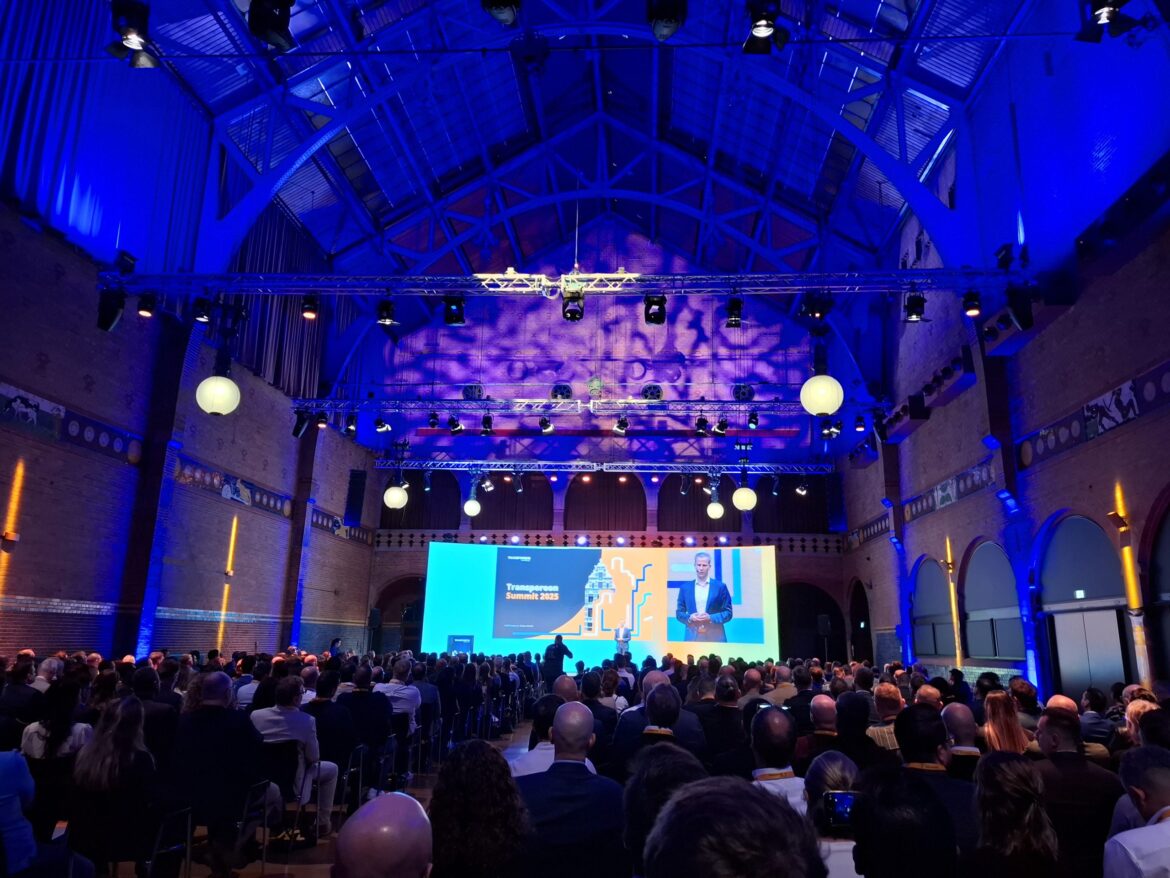
In his opening keynote at the recent Transporeon Summit in Amsterdam, Trimble CEO Rob Painter quoted US General Shinseki saying: “If you don’t like change, you’re going to like irrelevance even less.” It served as an apt theme, coming at a time when AI is sweeping across all areas of our industry, with companies such as Transporeon keen to showcase why it is at the forefront of this change. Later that day, I sat down with Philipp Pfister, Sector Vice President at Transporeon, for an exclusive interview.

The event in the Dutch city brought together hundreds of logistics leaders to discuss digital transformation, collaboration, and the future of transport management under the magnificent roof of the city’s former stock exchange, the Beurs van Berlage. Alongside high-level presentations, Transporeon unveiled new enhancements to its transport management platform.

Pfister, who has been with Transporeon for 13 years, now leads the business within Trimble Transportation. “I joined when the company was around 200 people,” he recalls. “I started as a project manager, building customer solutions on our platform. Over the years I was trusted with more responsibility, leading teams in professional services, support, platform management and freight auditing. At the beginning of this year, following Transporeon’s integration into Trimble, I was asked to take over the whole organisation.”

Navigating Crisis

The logistics sector has been in near-permanent turbulence since 2020. Pfister is clear about Transporeon’s role in helping companies adapt. “Since Covid, we’re seeing multiple crises all the time – Covid itself, the war in Ukraine, capacity shortages, inflation, and now Germany’s recession. Our solutions help customers stabilise. We remove manual work, automate processes, share information, and foster collaboration. This enables teams to focus on what really matters in an ever-changing environment.”

Transporeon’s longevity and scale are central to that mission. “We have 25 years of history, the biggest network in Europe, and a customer base that is motivated to collaborate,” Pfister notes. “And with Trimble, we’re uniquely positioned not just in Europe but also expanding strongly in North America.”
One of the Summit’s recurring themes was openness. Pfister explains: “It’s about interoperability. Our platform lives with multiple partners, so we need easy connections and standardised data in the middle to enable smooth collaboration. We take an API-first approach – making it easy to connect – while still respecting data confidentiality. The goal is not to share everything with everyone, but to share with the right partners in the simplest way possible.”

This philosophy underpins the latest platform enhancements launched at the Summit. Highlights include advanced load planning, more efficient dock and yard management, and AI-driven optimisation, all designed to reduce empty miles, increase truck utilisation and cut emissions.

AI in Action

Pfister stresses that AI is no longer just in pilot mode for Transporeon. “What is definitely coming at full force is everything around our data insights and benchmarking tools. We have 110,000 transport slots transacted daily. That data fuels benchmarking, predictive analytics, and AI-driven decision support. Another area is autonomous quotation, bringing spot bidding into the AI era with machine learning and rule-based automation. This is being widely adopted globally.”

Yet AI adoption is not without challenges. “You need good data quality to train models,” he says. “Some companies are still working with ERP systems from 20 years ago. But that’s not a blocker – you can start small, with isolated use cases. The bigger challenge is change management. We can build great tools, but we must help people use them effectively. That’s why our Customer Experience team supports carriers and shippers throughout their digital journey.”

Decarbonisation & Security

The industry’s drive toward sustainability is another focus. “The carbon footprint of transport starts with utilisation,” Pfister argues. “If a truck carries 10 pallets instead of 30, energy is wasted. Our planning tools and procurement solutions help reduce empty mileage, consolidate loads, and cut waiting times at docks. The best reduction of emissions is when a transport can be avoided altogether.”

Cybersecurity, meanwhile, remains non-negotiable. “We deal with very sensitive data and must protect it at all costs. We’re ISO-certified, we run penetration tests, and we train staff against phishing. Security is everyone’s responsibility, not just the IT team.”

On the subject of talent, Pfister is optimistic.

We’re a logistics software company, so we hire both tech specialists and people from the industry. The younger workforce wants purpose. What we do – helping reduce costs, emissions and inefficiencies – has real impact. And we’re already seeing an ‘AI-native generation’ enter the workforce. They’ll supervise AI agents as colleagues in the same way today’s managers lead people.

Competitive Edge

Asked to define Transporeon’s advantage, Pfister points to the power of the network. “We have the largest network and the highest data density in the market. We’re leading in AI capabilities and continuously growing with our customers. Many have been with us for decades and are still expanding their use of our platform. This shows that Transporeon is not just a tool but a long-term partner.”
With resilience, openness, and AI-driven efficiency at its core, Transporeon looks to me to be well positioned as a critical enabler for customers whose supply chains face constant disruption. In Pfister’s words, “Wherever the starting point of their journey is, we need to help them to get on this AI journey while the finishing line is constantly moving”.


Source link

0 comments
0 FacebookTwitterPinterestEmail
Services

3-wheel Forklift with Lithium-ion Battery

by
written by


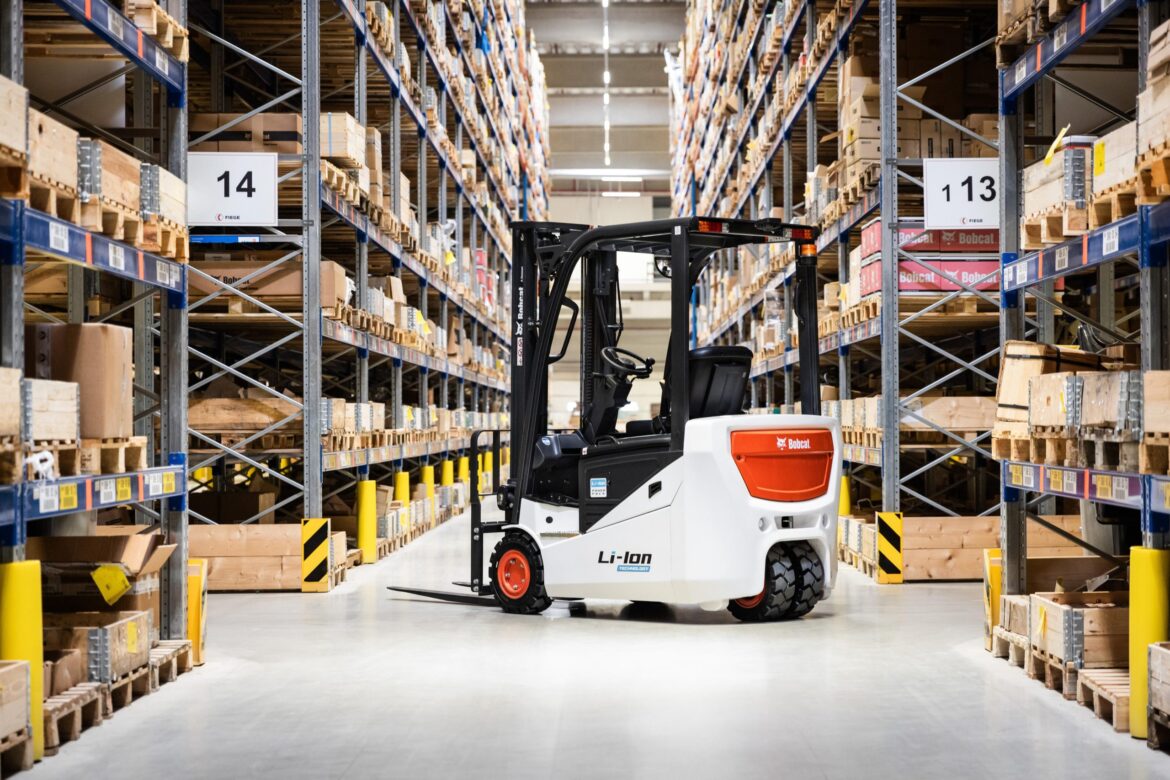
The new B16-20-NT series is the first 3-wheel forklift from Bobcat to be based exclusively on the latest lithium-ion technology. The B16NT, B18NT and B20NT models are specially designed for light to medium-duty use. Thanks to their combination of compact design, high manoeuvrability, and an emission-free drive, the series is a future-proof investment for in-plant logistics.

Features of electric forklifts: agility and ergonomics

The compact 3-wheel forklifts in the NT series offer load capacities of 1.6 to 2.0 tons with a load centre of 500 mm. Equipped with a 4.5 kW dual drive, a 12 kW hydraulic motor and a maintenance-free lithium-ion battery, they boast high performance capabilities. The models are particularly impressive in narrow warehouse aisles thanks to their excellent manoeuvrability and small turning radius.

Ergonomically designed driver’s seats with generous legroom, a low entrance and modern controls – including the intuitive colour display with onboard diagnostics and optional fingertip controls – ensure a high level of comfort and safety in daily use. The electric parking brake including ramp stop completes the safety concept.

Launch of new lithium-ion batteries

Alongside the market launch of the new B16-20-NT series, Bobcat is also introducing its own lithium-ion batteries. These can be ordered as an alternative to the lead-acid energy pack for the existing electric forklift product range. The new batteries are available in 400 and 600 Ah versions – regardless of voltage and series – and can be seamlessly integrated into the forklift’s CAN bus, making a separate display redundant. Lithium iron phosphate (LiFePO4, also known as LFP) is used as the cell chemistry, ensuring high safety and a long lifespan. Thanks to the integrated thermal management system, operation is even possible at temperatures as low as -18°C. The Machine IQ telematics and diagnostics system, which allows important system data to be read out in real time, provides additional transparency and control.

Not only is the service life of Bobcat’s lithium-ion batteries two to three times longer than that of conventional lead-acid batteries, they also require significantly less maintenance and offer higher efficiency. The Bobcat Machine IQ app can be used to easily monitor and analyse operating data, charging cycles and the battery status. The warranty of 5 years, or 10,000 operating hours, is another plus.
 

Smart charging infrastructure

Bobcat has developed its own series of powerful charging solutions for use with the new lithium-ion batteries. These are designed for efficiency and speed. Depending on the model, a full charge takes around two hours at a charging capacity of up to 300 A. The chargers are available for both 51.2 V and 80 V systems and cover capacities from 400 to 600 Ah. Thanks to their flexible connectivity (e.g. 16A/32A plugs) and robust design, they are ideal for a wide range of applications, whether in existing charging premises or distributed throughout the application environment. Thanks to the smart charging electronics, the charging process is always safe and adapted to the current status of the battery, thus extending its service life.

Focus on the future

With the new Li-ion forklifts in the BNT series, the new Li-ion batteries, and the corresponding fast chargers for the existing range, Bobcat is clearly demonstrating its commitment to sustainable and efficient intralogistics. The combination of zero-emission technology, high user-friendliness, and modern energy management makes the B16-20NT series and Bobcat’s Li-ion energy packs the ideal solution for forward-looking companies.

Technical highlights of the B16-20NT series at a glance:

• Load capacity: 1.6–2.0 t at 500 mm
• Dual drive motors (2x 4.5 kW)
• Maintenance-free Li-ion battery (277–412 Ah / 14.18–21.09 kWh)
• Charging time: approx. 2 hours (with 150–200 A fast charger)
• CAN bus integration
• 5-year/10,000-hour warranty on battery
• Standard electric parking brake including ramp stop
• Ergonomic operator cab with optional fingertip system
• Proportionally controlled lift speed


Source link

0 comments
0 FacebookTwitterPinterestEmail
Services

Polish-Chinese Strategic Technology Partnership – Logistics News

by
written by


Libiao Robotics – Sorting Robot – Bin to Person Solution, a European supplier of intelligent intralogistics solutions, and Libiao Robotics, a global innovator in logistics automation technology, have entered into a strategic technology partnership. The collaboration aims to deliver scalable, flexible, and future-ready automation solutions for warehouse operations across Europe.

This partnership combines Europa Systems’expertise in designing and integrating comprehensive intralogistics systems with Libiao Robotics’ advanced AGV/AMR and automation solutions, known for its efficiency, reliability, and seamless integration into existing warehouse infrastructures.

Partnering with Libiao Robotics is a key step in our strategy to shape the smart warehouses of the future. By combining our strengths, we can offer even more agile and effective solutions that meet the evolving demands of Industry 4.0

said Piotr Cieślak, CEO, COO Europa Systems.

“Europa Systems is the ideal partner for us – a company with deep integration know-how and a strong presence in the European market. Together, we can accelerate the digital transformation of internal logistics in the region,” said Huilin Xia, CEO, Libiao Robotics.

The partnership will focus on joint deployments in key sectors such as e-commerce, retail, contract logistics, and manufacturing. Solutions will include AMR/AGV-based sorting systems, intelligent internal transport systems, and integrated fleet management platforms.

Europa Systems is a European provider of intelligent intralogistics solutions, supporting the digital transformation and automation of processes in warehouses and production facilities. The company delivers end-to-end systems – from concept and design to implementation and service.

Libiao Robotics is a global specialist in intelligent logistics automation, specializing in flexible storage and sorting solutions for intralogistics and warehousing. Operating across Asia, North America, and Europe, the company delivers cutting-edge technologies that drive warehouse automation forward.


Source link

0 comments
0 FacebookTwitterPinterestEmail
Services

Master Peak Season – Logistics News

by
written by


In the fast-moving world of fashion and consumer goods, peaks in demand can be both predictable and sudden. Whether it’s the holiday rush, a back-to-school surge or a viral social media trend, warehouses need to be prepared to scale up operation and fast. The key isn’t building for maximum capacity year-round, but designing systems that handle the typical throughput, while also having the ability to scale flexibly when it matters most.

Scaling smart, not overbuilding

Designing your warehouse to handle peak throughput 100% of the time might seem like good planning, but it often leads to wasted resources, excess technology and idle equipment. The smarter approach is to build for typical throughput and ensure your systems can scale efficiently during surges.

That’s the philosophy behind TGW Logistics’ approach: design warehouse solutions to address specific needs. Instead of overloading facilities with technology, TGW Logistics builds scalable systems that deliver the agility needed to respond to market changes, whether they’re forecasted or not.

Tactics for handling peak demand

  1. Inventory ramp-up
    When demand surges, so does the need for on-hand inventory. Modern automation helps manage this increase efficiently. Automated inbound systems streamline the receipt, processing and storage of goods, while Automated Storage and Retrieval Systems (ASRS) maximise space and accuracy while reducing manual labour.
    TGW’s FlashPick® system takes efficiency further by enabling mixed-SKU tote storage and maximising shuttle transport capacity. Though manual item selection may slightly affect throughput, the gain in storage density and order flexibility outweighs the trade-off.
  2. Maintenance and readiness
    Automation is only as effective as its reliability. TGW’s Lifetime Support Services ensure equipment and software operate at peak performance through proactive maintenance, auditing and testing. Regular system checks, professional cleaning and preventive adjustments ahead of high-demand seasons help avoid downtime and disruptions.
  3. Training seasonal staff
    Even the most advanced warehouse needs capable hands. Flexible staffing models are crucial during busy periods, but they only work if temporary staff are trained properly. Preparing ahead, whether by cross-training existing employees or converting packing stations to picking stations, keeps operations running smoothly when volumes spike.

Meeting the demands of Fashion and Consumer Goods logistics

In fashion and consumer goods logistics, change is the only constant. One viral TikTok video can turn an overlooked product into an overnight sensation. Flexible warehouse systems give businesses the agility to respond in real time.

Today’s consumers don’t wait for monthly trend reports. They react instantly to influencers, livestreams, and red carpet moments. For warehouses, that means scaling up without hesitation. Implementing modular, scalable automation enables companies to handle surges in e-commerce and retail demand seamlessly.

Automation that moves with market trends

TGW Logistics equips clients with systems that adapt dynamically rather than sit idle during slower periods. Its modular automation architecture supports omnichannel fulfillment, allowing seamless reconfiguration between e-commerce and retail orders as priorities shift.

Need to pivot overnight? TGW’s software makes it simple to scale operations up or down, reprioritise orders and reconfigure workflows. Ahead of peak periods, TGW’s support teams assist with updates to warehouse management systems, optimising flow patterns and speeds for new demand scenarios.

Always ready for what’s next

TGW Logistics builds peak readiness into every solution. From scalable automation and modular storage systems to proactive service and support, its approach helps businesses stay agile and resilient in an unpredictable market.

With flexible systems in place, warehouses can confidently handle any surge – planned or unexpected – while maintaining efficiency, sustainability, and profitability. Peak season is coming. Is your warehouse ready?


Source link

0 comments
0 FacebookTwitterPinterestEmail
Services

Latin America Welcomes Logistics Cobots

by
written by


DHL Supply Chain has announced this morning a five-year strategic alliance with Robust.AI, a company who specialise in collaborative robotics systems. Following successful deployments in North America, DHL Supply Chain will now introduce Robust.AI’s Carter™ robots in Latin America, with a rollout of 15 units in its retail operations in Mexico. 

The partnership with Robust.AI is a key element of DHL Supply Chain’s strategy focused on identifying and deploying scalable, commercially viable robotic and automation technologies that deliver immediate operational benefits. Robust.AI is one of DHL’s selected strategic partners, with first Carter robots already in commercial use across North America, many more robots signed for near-term deployment and a strong expansion trajectory across The Americas and regions beyond. 

“DHL Supply Chain is committed to building the future of logistics through innovation and technology,” 

said Mario Rodríguez de la Gala, President of DHL Supply Chain Mexico. 

“Our partnership with Robust.AI allows us to integrate flexible, collaborative robotics into our day-to-day operations, driving not only efficiency and accuracy, but also keeping our customers at the center of all that we do. This partnership reflects both our short- and long-term vision to keep reinventing supply chains in Mexico.”

The deployment builds on the proven success of Carter robots in DHL Supply Chain’s North America operations, where Carter is already in commercial use. In those environments, Carter has consistently improved productivity by over 60%, while enhancing safety and operational efficiency. In Mexico, the improvement so far has reached 30%. This is not an isolated application – it signals DHL’s readiness to leverage collaborative robotics in Mexico in a way that creates tangible value for DHL customers, our employees and the business. The robots will be integrated into DHL’s Warehouse Management System (WMS) by 2026, with a phased rollout plan designed for flexible scaling. This approach allows immediate value creation for employees and customers, while gradually advancing toward deeper system integration.

Anthony Jules, Co-Founder and CEO of Robust.AI, added:

“Deploying Carter across multiple DHL facilities, joining a global workforce, and showing value in spaces with varying levels of tech integration, is an important and exciting milestone in our expanding partnership with DHL. Choosing flexible, human-centered, safe automation with a lower barrier to entry is a faster path to ROI – but it also shows your teams you’re putting them first.”

Carter’s modular design makes it particularly well-suited for this approach. It can be introduced with basic functionality – such as motor-assisted movement that reduces physical strain and improves ergonomics – before scaling up to more advanced capabilities like autonomous navigation through integration with DHL’s Warehouse Management System. Carter supports point-to-point operations, enabling dynamic and intelligent, autonomous goods movement within facilities. This flexibility allows DHL to tailor deployments to each site’s level of technological readiness, while also enabling the relocation of robots between operations to support seasonal peaks or shifting customer needs. DHL Supply Chain plans to deploy hundreds of Carter robots across its Americas operations in the coming years, with potential expansion into other regions under review. This cross-country, cross-regional deployment model reflects DHL’s commitment to leveraging automation technologies that are not only scalable and efficient, but also adaptable to the specific needs of each site and market.


Source link

0 comments
0 FacebookTwitterPinterestEmail
Services

COOP Norway Expands Automated DC

by
written by


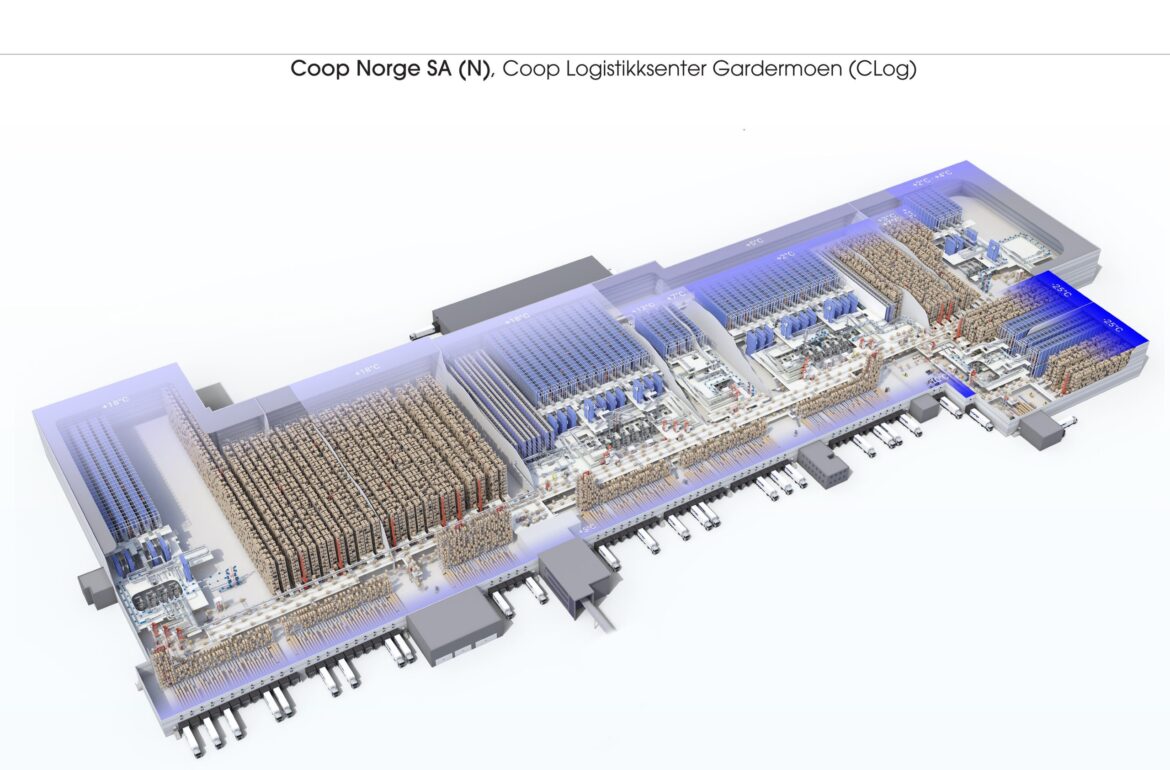
Norwegian grocery retailer COOP Norge SA and WITRON have maintained a successful and trusting partnership for more than a decade. This collaboration is embodied in the full-range logistics centre near Gardermoen Airport in Oslo. Covering 84,000 square meters, the facility currently supplies 1,200 stores with more than 13,000 different dry, fresh, and frozen items.

At its core is WITRON’s OPM system, featuring 42 COM machines operating across all temperature zones. In early November 2025, COOP signed a contract for the project CLog 3.0 to expand its highly automated facility by adding 12 additional COM machines along with all upstream and downstream logistics technology. This third building stage will increase the total COM machine count in the logistics center to 54 and boost throughput to 690,000 picks per day.

The distribution centre, equipped with WITRON solutions OPM, DPS, and CPS, and a fully automated shipping buffer, has been productive since 2014 (building stage 1). The second building stage, completed in 2022, added 11 COM machines.

Now, as part of the third stage, another 12 COM machines will be integrated and become operational in 2028. Installation will largely take place within the existing building infrastructure, following WITRON’s holistic design concept. This approach enables COOP to respond quickly and flexibly to future growth in store numbers, throughput, or product range.

“WITRON systems have helped us save millions of euros annually. It was therefore clear that we would realize this expansion together with WITRON and their leading logistics technology,” explained COOP project manager Ståle Nersund.

The expansion with twelve additional COM machines – increasing the total to 54 – will take place during ongoing operations and cover all temperature zones – dry goods (+18 °C), fruit and vegetables (+2 °C / +7 to +12 °C), and frozen food (-25 °C). It also includes upstream pallet and tray storage (136,000 additional storage locations / 27 additional stacker cranes), extended conveyor systems, five additional depalletizers, and three more stretch-wrappers.

This investment enables COOP to pick an additional 120,000 store-friendly cases daily, raising throughput to 690,000 picks per day – ensuring efficient and sustainable customer service despite rapid growth.


Source link

0 comments
0 FacebookTwitterPinterestEmail
Services

Logistics Network Aids US Retailers in Europe

by
written by


The UK logistics network is powering US retailers expanding into Europe, writes Andrew Scanlon (pictured, below), Head of Sales and Marketing at international logistics specialist Staci.

For Logistics operators, it is crucial to understand the trends of retailers to effectively support their needs both right now and in the future. An emerging trend we are seeing globally is US retailers turning to the UK as a launchpad for European expansion.

This year, US retailers account for 25% of all new store openings across major European cities – up from 14% in 2024. There are a myriad of factors driving this change – from cultural affinity, mature consumer behaviour and economic advantages. But at the heart of this trend lies the UK’s world-class logistics network, which makes it an ideal location for UK brands looking to expand without committing to full European operations.

The growing trend of US brands landing in the UK

We are seeing a clear trend of US brands setting up operations in the UK. The Beauty sector has certainly been a leader, but it’s not the only industry making these moves. We’re working with US brands in industries as diverse as Fitness, Toys and Car care to name but a few.

Just walking down the UK high street, shoppers will notice an array of US brands. Bath & Body Works, Abercrombie & Fitch, and Anthropologie are among the US retailers expanding their footprint across the UK. From flagship stores in London to regional hubs in key urban centres, these brands are building a strong presence supported by experienced logistics and fulfilment partners who understand the challenges of cross-border growth.

This trend is fuelled by several factors: attractive retail property availability in major cities, favourable exchange rates that make investment and leasing more appealing, a consumer base already engaged with American lifestyle brands, and a clear appetite among UK shoppers for new retail experiences and US-inspired trends.

A smart entry into the European market

While the UK is no longer part of the European Union, its geographic proximity, shared time zones, and logistics sophistication make it a valuable entry point. British logistics providers have developed deep expertise in managing customs, tax, and regulatory variations across European markets. In fact, the UK’s position outside the EU can actually provide flexibility for brands wanting to manage different European markets under one operational hub – allowing them to establish a strong foundation in a familiar market before navigating the varied regulatory requirements across the continent.

This combination allows US retailers to test, adapt, and scale their models from a UK base before entering mainland Europe. On top of the promising economic factors linking the US and UK, there are many more varied reasons why the UK is a natural choice for American retailers.

Size and opportunity

British consumers are among the world’s most enthusiastic online shoppers, with UK e-commerce spending reaching nearly £2,000 per capita annually – second only to the USA. So, with many brands opting to sell online before opening brick and mortar stores, the UK is an ideal test market for international expansion.

Cultural compatibility

Shared language, similar shopping habits, and a strong UK affinity for American culture create a natural connection between the two markets. British consumers have a taste for US brands, particularly in fashion, beauty, electronics, and wellness – categories that value quality and exclusivity.

Social media visibility and the influence of US pop culture drive demand even before physical stores open, creating a built-in audience for many entrants.

Regional hubs

The UK is home to a network of regional fulfilment centres which allow high coverage density, enabling next-day delivery for many places across the country and efficient transport into continental Europe. Logistics partners such as Staci, operating nine regional hubs, allow brands to manage UK operations from a single point while scaling seamlessly into neighbouring markets like France and Germany.

Retailers that adapt their offer – through tailored product ranges, packaging, or store formats – and launch online first often gain traction faster by using local fulfilment networks to test demand before investing in physical stores.

At Staci, we work with our client’s data to determine their customer ‘centre of gravity’ – helping them launch their brand in the best location possible using our 60 fulfilment centres throughout Europe.

Sophisticated network

The UK offers a highly sophisticated logistics network, thanks to its robust infrastructure, including major ports like Felixstowe and Southampton, key airports such as Heathrow and East Midlands, and extensive rail links. The network is characterised by its high-tech parcel hubs, regional specialisations, and comprehensive road and rail corridors that connect ports, airports, and industrial centres across the country. This infrastructure supports fast nationwide delivery and smooth access to European markets, providing an ideal foundation for international retailers looking to grow quickly and efficiently.

What comes next for cross-border retail expansion

The UK’s position as a European entry point is shifting from a single-market gateway to a connected regional hub. Its blend of cultural alignment, digital sophistication, and strong logistics infrastructure provides US retailers with a reliable base for testing, refining, and expanding across diverse European markets.

For US brands, the UK remains a dependable route into Europe. Partnering with the right logistics provider enables retailers to scale efficiently across borders and strengthen customer connections across the region.


Source link

0 comments
0 FacebookTwitterPinterestEmail
Services

Why Disability Inclusion Matters in Logistics

by
written by


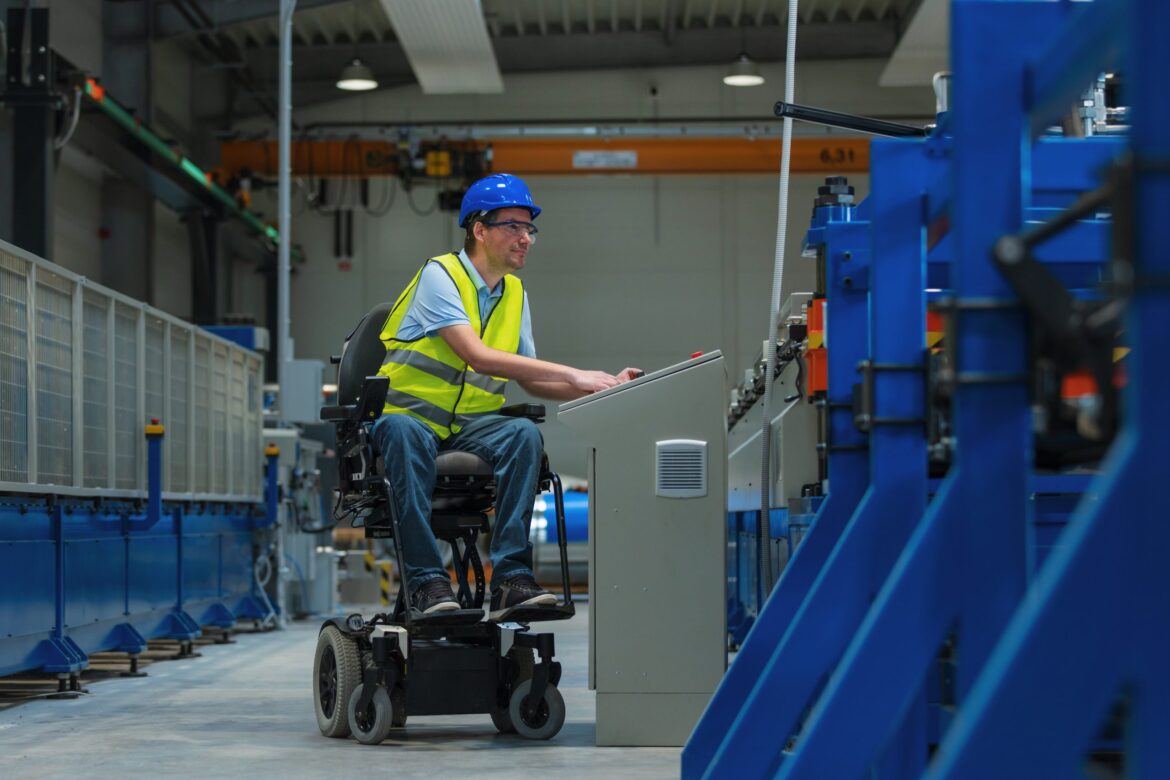
As the world marks the International Day of Disabled People on 3 December, the logistics sector is reminded of its responsibility and opportunity, to drive greater accessibility across global supply chains. As an industry that keeps economies running, logistics has a powerful platform to champion inclusion and ensure disabled people are not overlooked.

A Critical Workforce Opportunity

Labour shortages, rising skills demands and rapid digitalisation continue to shape the sector. Broadening access to disabled talent is not only the right thing to do, it supports resilience, innovation and long-term competitiveness.

Disabled people remain underrepresented in many areas of logistics, yet the industry’s breadth of roles means there is huge potential for greater participation.

Improving Accessibility on the Ground

Warehouses, transport hubs and distribution centres can become more inclusive through relatively straightforward adjustments. Wider walkways, adjustable workstations, clearer visual cues, improved lighting and accessible welfare facilities all contribute to safer, more efficient workplaces.

Such improvements don’t just benefit disabled workers, they enhance operations for all staff, including an ageing workforce.

International Day of Disabled People

Inclusive Recruitment for a Modern Sector

Today’s logistics industry includes far more than traditional warehouse or driving jobs. With the rise of automation, data-driven operations and remote monitoring, many roles – such as planning, analytics, customer support and IT can be adapted for flexible or hybrid working.

Inclusive recruitment practices, clearer job descriptions and fair workplace adjustments help open the door to skilled disabled professionals who can bring fresh perspectives to the sector.

Technology as an Accessibility Enabler

The ongoing technological shift in logistics offers major opportunities for inclusion. Automation reduces physical strain, wearable devices support workers with mobility or sensory needs, and AI-powered systems make communication easier. Remote-control operations and digital monitoring also allow for roles that can be performed off-site.

When implemented thoughtfully, technology becomes a powerful enabler of accessibility and not a barrier.

Driving Inclusion Across the Supply Chain

As a global industry employing millions, logistics can set a strong example by placing inclusion at the centre of long-term strategy. This means designing accessible workplaces, training staff on inclusive practices, ensuring disabled voices are represented and building accessibility into digital transformation plans.

A more inclusive logistics sector is not just fairer – it is more resilient, innovative and better equipped for the future.


Source link

0 comments
0 FacebookTwitterPinterestEmail
Services

Warehouse Performance Enhanced in Ohio

by
written by


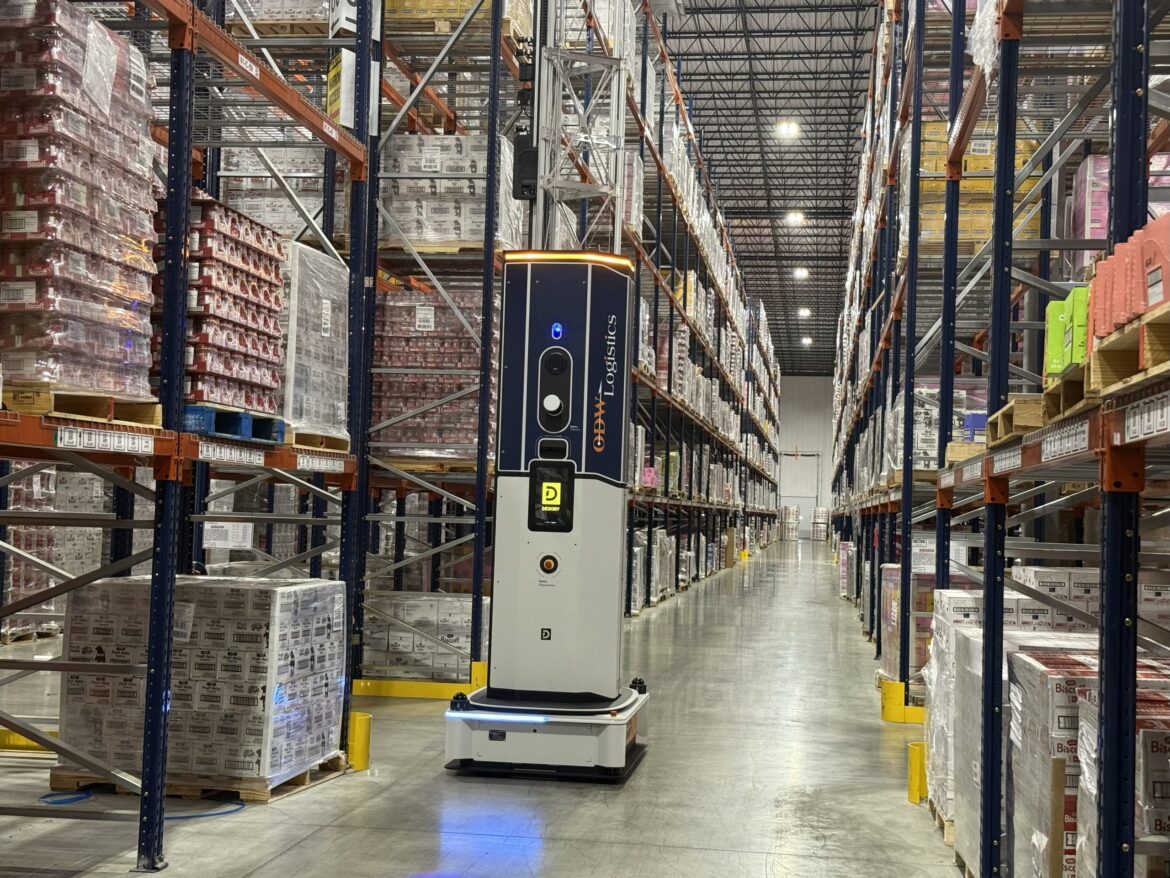
Dexory today announced that, through its strategic partnership with Raymond Storage Concepts, it has deployed its robotics and data intelligence technology at an ODW Logistics distribution center in Columbus, OH. This implementation underscores ODW Logistics’ commitment to advancing automation in their facilities and driving innovation in inventory management.

At the Columbus, OH facility, Dexory’s autonomous robot and digital twin platform, DexoryView, delivers end-to-end visibility by scanning and analyzing warehouse data in real time. The solution enables ODW Logistics to detect and resolve inventory discrepancies sooner through frequent automated scans, accelerate reconciliation, and reduce labor hours spent on manual checks. It also supports pallet auditing for CHEP and PECO pallets to reduce chargebacks, captures and analyzes over 20,000 storage locations per mission, and completes full-facility scans multiple times per week, fully autonomously and without disrupting operations.

DexoryView’s intuitive interface provides ODW Logistics teams with visual confirmation of location data, trend analysis and actionable insights that support faster decision-making. By integrating with existing systems, the technology allows ODW Logistics to refocus its teams from searching for discrepancies to correcting them, improving both accuracy and efficiency.

“We are proud to see the impact Dexory’s technology is making at ODW Logistics,” said Todd Boone, Vice President North America, Dexory. “Through our collaboration with Raymond Storage Concepts, we’re empowering warehouse teams with instant visibility and intelligent automation, enabling them to achieve new levels of operational performance.”

“This project with ODW Logistics demonstrates the power of partnership and innovation,” said Chris Orsog, Division Sales Manager, Engineered Solutions, Raymond Storage Concepts. “By combining our intralogistics expertise with Dexory’s real-time data and automation technology, we’re helping our customers make their warehouses smarter, faster and more efficient.”

“DexoryView has transformed how we manage inventory and identify process issues,” said Kayla Watson, Sr. Inventory Manager, ODW Logistics. The ability to complete autonomous scans, capture detailed data, and act on insights in real-time has allowed our teams to work more efficiently, with fewer discrepancies and faster problem resolution. It’s a game-changer in our pursuit of automation and supply chain excellence.”

Dexory delivers a data intelligence platform that transforms warehouse visibility with unprecedented speed and impact. By combining autonomous robots, AI and digital twin technology, DexoryView provides warehouse and supply chain operators with full operational visibility and real-time insights from day one, unlocking value far faster than conventional solutions.

Designed to integrate seamlessly with autonomous, hybrid, and manual operations, DexoryView doesn’t replace existing systems – it elevates them, improving the quality and effectiveness of processes already in place. This speed to market, paired with the depth of Dexory’s technology, gives businesses a unique advantage in optimising the present, de-risking the future, and uncovering opportunities across every stage of the product journey. The platform is used by logistics leaders such as GXO, Maersk and DHL amongst many others; manufacturers including Stellantis and GE Appliances; and customers across pharmaceuticals, retail, and eCommerce.

ODW Logistics is a 3PL provider specializing in integrated logistics solutions. We help companies make smarter choices about warehousing, e-commerce fulfillment, and transportation decisions so they can streamline costs and operate more efficiently. We take a strategic approach to logistics planning and find solutions to control costs and get your product to your customers as efficiently as possible. Our commitment to partnership and combination of technology, team, and process allows us to deliver on our promises. Gain visibility into your supply chain and realize the operational efficiencies that will help your company grow. See how we ‘Deliver the Difference’ and help you reimagine your supply chain.


Source link

0 comments
0 FacebookTwitterPinterestEmail
Newer Posts
Older Posts

Recent Posts

  • Wheels for Steel – Logistics News
  • Driving Efficiency and Innovation in Conveying
  • Milano Linate l’aeroporto ideale per i jet privati
  • Software Migration for Automated Warehouse
  • Yard Management for Smaller Logistics Facilities

Recent Comments

No comments to show.

Social Connect

Whatsapp

Recent Posts

  • Wheels for Steel – Logistics News

  • Driving Efficiency and Innovation in Conveying

  • Milano Linate l’aeroporto ideale per i jet privati

  • Software Migration for Automated Warehouse

  • Yard Management for Smaller Logistics Facilities

Newsletter

Categories

  • Services (1,087)
  • Uncategorized (41)

@2024 - All Right Reserved. Designed and Developed by Sierraline Cargo services

Manage Consent
To provide the best experiences, we use technologies like cookies to store and/or access device information. Consenting to these technologies will allow us to process data such as browsing behavior or unique IDs on this site. Not consenting or withdrawing consent, may adversely affect certain features and functions.
Functional Always active
The technical storage or access is strictly necessary for the legitimate purpose of enabling the use of a specific service explicitly requested by the subscriber or user, or for the sole purpose of carrying out the transmission of a communication over an electronic communications network.
Preferences
The technical storage or access is necessary for the legitimate purpose of storing preferences that are not requested by the subscriber or user.
Statistics
The technical storage or access that is used exclusively for statistical purposes. The technical storage or access that is used exclusively for anonymous statistical purposes. Without a subpoena, voluntary compliance on the part of your Internet Service Provider, or additional records from a third party, information stored or retrieved for this purpose alone cannot usually be used to identify you.
Marketing
The technical storage or access is required to create user profiles to send advertising, or to track the user on a website or across several websites for similar marketing purposes.
  • Manage options
  • Manage services
  • Manage {vendor_count} vendors
  • Read more about these purposes
View preferences
  • {title}
  • {title}
  • {title}
Sierraline Cargo Services
  • HOME
  • Services
    • Trade With Us
  • About Us
  • Contact Us
  • private jet
    • BOOK YOUR JOURNEY
  • Track Packages
  • Insurance
  • safekeeping

WhatsApp us