Sierraline Cargo Services
  • HOME
  • Services
    • Trade With Us
  • About Us
  • Contact Us
  • private jet
    • BOOK YOUR JOURNEY
  • Track Packages
  • Insurance
  • safekeeping
Services

Heated hangars: an essential ground service in cold destinations

by
written by


Heated hangars provide efficiency, punctuality and protection for private jets in cold destinations. Find out why they are an essential service in winter.

In the luxury oil sector, when operational precision and passenger comfort must be guaranteed in all conditions, heated hangars are a valuable ground service offered by the best airports, especially those in the Nordic countries.

Often invisible to the eyes of the traveler, these hangars play a crucial role in keeping the aircraft protected, efficient and ready for takeoff, even on the harshest days of the year.

Why heated hangars are critical in private aviation

When a private jet is parked outdoors in the winter, it is exposed to a number of hazards: ice on surfaces, snow accumulation, and intense temperature fluctuations that put stress on delicate materials and components.

The heated hangar eliminates most of these critical issues, providing a safe and constant environment that positively affects every aspect of flying.

Reducing de-icing: less delay, more efficiency

The de-icing is essential when the aircraft is exposed to the weather, but involves additional time and operational complexities.

Parking the private jet in a heated hangar means:

  1. Reduce the need for private jet wing de-icing procedures,

  2. Improve punctuality during take-off,

  3. ensure a much faster turnaround.

For those who choose business flights and cannot afford schedule changes, this difference is crucial.

Protection of private jet before takeoff

Very low temperatures affect fluids, batteries, sensors and hydraulic parts.
With a heated hangar:

  • materials are not subjected to thermal shock,

  • engineering controls are more effective,

  • the aircraft remains in optimal condition even during waves of severe cold.

Faster ground operations and more efficient crews

The heated environment improves the work of pilots and technicians, who can operate without slowing down and with greater precision. This results in smoother takeoff and more timely on-board assistance.

Can hangarage affect the cost of private jet charter?

Although it represents an often “behind-the-scenes” service, theheated hangar can affect the overall cost of chartering a private jet. The reason is simple: hangar parking entails additional services-aircraft protection, heating, facilitated maintenance, and immediate availability-that the operator must provide, especially in destinations subject to frigid temperatures.

More than an ancillary cost, however, the customer perceives the real benefit: the private jet always efficient, no delays in de-icing operations, and faster ground operations, even during the coldest days of the year.

Where heated hangars really make a difference in private flights

Heated hangars are particularly in demand at airports in destinations located in areas where winters are long and harsh, such as:

At many alpine and northern airports, the heated hangar is in such demand during the ski season that it is a premium service that must be booked in advance.

A “silent” service that enhances the private jet flying experience

The passenger often does not witness the operations that take place around the jet before takeoff, but he or she feels the effects: flawless aircraft, short times, on-time departure. Much of this work is made possible precisely by the use of a heated hangar, an unobtrusive but critical facility for maintaining high standards.

  • When chartering private jets to cold northern European destinations, heated hangars are not just an optional extra-they are a strategic component of private flight operations.

They enable operators to ensure safety, efficiency, and punctuality, while for the passenger they provide a tangible benefit that results in a smoother and more reliable travel experience.




Source link

0 comments
0 FacebookTwitterPinterestEmail
Services

Europe’s most scenic route in winter: Zurich/Geneva → St. Moritz by private jet

by
written by


The route from Zurich, o Geneva, to St. Moritz is one of the most popular among travelers who choose to charter a private jet to the most exclusive destinations in the Alps. Samedan-St. Moritz , the highest in Switzerland, is the ideal airport for a “signature approach” landing after traveling one of Europe’s most fascinating and scenic routes.

Taking off from Zurich in the direction of St. Moritz is like opening a curtain. A short flight-a handful of minutes, 35 from Zurich, a little more from Geneva-but enough to traverse a whole world of light, snow and suspended silences. As the plane pulls off the runway and points eastward, the city recedes behind us like a blurry detail. Ahead, however, the first dance of the mountains immediately begins: profiles emerging one after another, as if they had been waiting for that very moment to show themselves. The Alps never show up all at once; they reveal themselves in layers, with a grace that only those who fly over them in winter can truly understand.

We fly over the Tödi massif and then the Bernina. Each ridge has a different character: some severe, others soft as frozen dunes; all interwoven with veins of ice that glisten like silver threads. In the cabin, the silence is almost total: the engines work quietly, the fuselage glides through the cold air as if it was designed specifically to traverse this alpine corridor.

As we begin the descent into the Engadine valley, the panorama widens: frozen lakes, snow-covered forests, perfect lines drawn by the ski slopes. The jet glides along the approach path like a brush on a blank canvas. It is at that moment that, even for someone who has been flying for years like me, it becomes obvious why this is considered Europe’s most scenic route in winter: short, technical just the right amount, and visually unparalleled

Then, suddenly, Engadin Airport or Samedan appears: small, elegant, perfectly set in the snow. It is one of the most beautiful approaches one can make, not because it is difficult, but because it is harmonious. A precise, smooth conclusion to a flight that feels more like a poetic interlude than a transfer.

Every time we land here, I know that the passenger has just experienced the rarest of luxuries: not only arriving in St. Moritz, but doing so by flying over the winter from above, like a painter viewing his completed canvas for the first time

Why the Zurich-St. Moritz route is the most spectacular in Europe

The description sums up what makes this route unique: flying over the Bernina massif is a unique combination of technique, excitement and scenery.

Flying over glaciers and Alpine ridges in the wintertime offers passengers one of the most striking views in Central Europe. The Zurich/Geneva – Samedan – St. Moritz route is characterized by bright contrasts: pink and gold lights at dawn, deep blue shadows over the valleys, lakes that look like sheets of opaque glass.

And then there is the landing: entering theEngadine Valley is considered a “signature approach,” a maneuver that requires experience but pays off with unparalleled views.

Unforgettable landings: The “signature approach” of Samedan – St. Moritz

The approach to the Samedan-St. Moritz is considered one of Europe’s most fascinating signature approaches: a unique entry procedure that is the airport’s “signature,” its most recognizable feature. Before landing, the jet descends between the peaks of the Bernina massif, following the natural curve of the Engadine valley. The runway appears only in the last moments, nestled at an altitude of 1,707 meters between snowy forests and frozen lakes.

This is not a difficult approach: it is a scenic approach, designed to take the passenger inside the landscape rather than simply flying over it. It is this combination of natural harmony and precision flying that makes the signature approach of Samedan – St. Moritz an experience in itself, a perfect prelude to the luxury of the destination.

The destination: St. Moritz, absolute icon of European winter.

As we have seen, Samedan is the gateway airport to St. Moritz, the undisputed queen of Alpine resorts. Winter here is characterized by luxury, elegance, and lifestyle: historic hotels such as Badrutt’s Palace, starred restaurants, exclusive events, and some of the most fascinating slopes in the Alps.

That is why routes to St. Moritz are always among the most popular at Christmas time and during the ski season. Even in the Easter weeks for the last skiers of the season, private jet bookings to Alpine destinations reach high peaks every year.

The ideal type of private jet to reach the peaks of the Alps

Given the lay of the valley and the altitude of the airport (1,707 meters), not all jets are suitable.
The most popular are:

Light Jets (most recommended)

  • Pilatus PC-24 – the king of this route
  • HondaJet HA-420
  • Cessna Citation CJ2/CJ4

Reasons:

  1. excellent management of short tracks
  2. rapid ascent
  3. Exceptional performance in cold air conditions
  4. Safe landings even in moderate side winds

Midsize Jets

Preferable in perfect weather conditions and with low weight.

Recommended moments to take off to St. Moritz while flying over the alpine landscape

  • At dawn: the Bernina massif is shrouded in pinkish light, creating a “cosmic postcard” landscape.
  • At sunset: the sky turns amber and the snow-capped peaks sparkle like crystals.
  • After a snowfall: muffled atmosphere and perfectly even landscapes, one of the most exciting times to photograph from the window.

FBO and dedicated services for VIP passengers

Europe’s most luxurious destinations in the wintertime always reserve an unforgettable welcome for visitors passing through their airports. Both Zurich and Geneva and St. Moritz are top-tier destinations for very discerning travelers.

Zurich and Geneva Airports

  • Private lounges
  • Confidential check-in
  • Customized catering
  • Quick customs
  • Dedicated transfers in limousines and luxury cars

Samedan Airport

  • Air-conditioned hangars
  • Concierge for St. Moritz
  • Transfers in 10 minutes to the ski slopes
  • Support winter luggage and sports equipment
  • Private helicopter for heliskiing

Rent a private jet from Zurich/Geneva to St. Moritz with PrivateJetFinder

Contact privatejetfinder.com now to charter a private jet to St. Moritz, and you’ll receive a personalized quote quickly, with the ability to customize every detail of your flight: from departure time to the most scenic routes, from gourmet catering to full baggage handling.

PrivateJetFinder ‘s staff will guide you through the planning process, offering professional and discreet support for every aspect of your trip, so that you can enjoy maximum comfort and flexibility, worry-free as you fly over the snowy peaks of the Alps or to any destination in the world.


Source link

0 comments
0 FacebookTwitterPinterestEmail
Services

Michael Jordan flies beyond luxury with 70 million custom Gulfstream G650ER

by
written by


Michael Jordan will always remain the first true legend of world basketball, a timeless cultural icon, a living brand, the symbol of excellence that surpasses sporting and business records, an ambassador of wealth who makes luxury his lifestyle. His latest feat came not on a parquet floor, but in the skies: he purchased a $70 million custom Gulfstream G650ER, a masterpiece of style, technology, and identity. A private jet that not only flies but also tells a story. Air Jordan‘s.

From “Air Jordan” all the way up in the sky: the passion for flying comes from afar

I remember vividly-as does everyone in my generation-the first time Jordan really seemed to fly.
It was February 6, 1988, during the Slam Dunk Contest, when MJ took the momentum from the free throw line, soared through the air and dunked with gravity-defying lightness. That instant was not only the iconic image of the 1980s: it was the baptism of the myth. “Air Jordan” which, from then on, was no longer just a slogan, but a statement of identity.

Some would say that even then his passion for flying was evident. But no one could have imagined how stylishly Michael Jordan would fly into the future.

A $70 million jet that is more than a vehicle: it is a piece of his legend

The Gulfstream G650ER is one of the world’s highest performing and most desired private aircraft. It reaches 1,112 mph and covers nonstop intercontinental routes, but what bears Jordan’s signature goes far beyond the technical specifications. This plane is an extension of his personal brand.

An iconic detail on the tail: the symbol that made N.B.A. basketball history.

An unmistakable detail stands out on the tail of the plane: the Jumpman symbol and the number 23, which Air Jordan turned into a planetary icon. It is not just an aesthetic detail. It is a seal. A mark. A reminder to everyone who is the true king of the skies (and luxury).

Colors, references, style: a jet that speaks the language of Micheal Jordan

The jet livery recalls the Air Jordan palette : white, black, red. An understated but charismatic design, elegant but aggressive, just like the player who inspired it. Inside, predictably, we enter a world that only very few can imagine: full custom interiors:

  • finishes in selected materials
  • custom leather seating
  • adaptive lighting
  • private suite
  • state-of-the-art silent technologies
  • Satellite WiFi
  • Lounge and business area

Luxury that does not flaunt: it dominates.

Gulfstream G650ER: power, range and technology at the highest level

The Gulfstream G650ER is the world standard for those seeking the highest level in luxury and performance in a private jet. To travel faster than anyone, farther and in more comfort than anyone else. It is the model of choice for athletes, heads of state, tech billionaires and global icons like Michael Jordan for one very simple reason: it is the best in its class.

Record-breaking speed

The Gulfstream G650ER can fly at a top speed of Mach 0.925, touching the sound barrier. With so much power, Micheal Jordan can cover such routes as:

Those fortunate enough to fly aboard a G650ER gain valuable hours each trip – a luxury that, by itself, justifies the cost of a Gulfstream private jet

Infinite autonomy

The abbreviation ER stands for Extended Range.

With a range of 7,500 miles (13,890 km), the jet can connect almost any pair of cities on Earth in a single flight with no stopovers for refueling. Basically, it is the ideal aircraft for those who wish to fly without ever stopping.

Unprecedented flight comfort

The cabin design is the result of years of research into the quality of travel:

  • wider and taller than average cabin
  • Low cabin pressure, equivalent to 1,800 meters altitude (less fatigue, less jet lag)
  • advanced anti-turbulence systems
  • industry-leading quietness

The journey becomes so smooth that, even after a 12-hour flight, passengers land refreshed, rested and immediately operational to live their days to the fullest.

Technology in the cockpit

The G650ER is equipped with the Gulfstream PlaneView II system, which makes the cockpit look more futuristic than ever:

  • super advanced weather radar
  • synthetic view of the optimal terrain
  • Dual HUDs for both drivers
  • all-digital controls

The result? Absolute safety even in the most extreme conditions, and control so precise that this giant of the skies feels as light as a private sports jet.

Interior environment of pure elegance

To please Micheal Jordan, the cabin was transformed into a veritable temple of luxury and comfort:

  • four living areas
  • seats convertible into full-flat beds
  • custom-made sofas
  • A lounge area perfect for meetings or relaxation
  • fine finishes, selected leather, rare woods
  • superfast satellite connection
  • 4K monitor and premium sound system

Every flight aboard this super jet is a private, exclusive and incredibly quiet experience-just what you would expect from a $70 million plane designed for a global icon like MJ.

Customizing private jets is the latest frontier in ultra-luxury

Micheal Jordan did not simply purchase a Gulfstream: he turned it into a high-flying personal branding effort.

This highlights a trend that is redefining the world of private flights: extreme customization.

Until a few years ago, owning a private jet was the ultimate status symbol. Today it is no longer enough. The new elite – sportsmen, entrepreneurs, tech tycoons – now demand planes that are simultaneously:

  • a business card
  • an aesthetic manifesto
  • a part of one’s identity

Micheal Jordan figured it out before others did, as he always does. He turned his Gulfstream G650 ER private jet into an extension of the Air Jordan myth, arriving where, after all, it always was: beyond all limits.

How much would it cost to charter a private jet like the Gulfstream G650 ER customized to Micheal Jordan levels?

The Gulfstream G650ER is one of the most exclusive aircraft in the world not only for those who own it, but also for those who wish to rent it for a special trip. Of course, it is not possible to rent Michael Jordan’s private jet, but one can fly aboard the same model or an aircraft of the same level, more or less customized according to personal tastes and needs.

It is clear that in order to provide a quote one would have to study the details first, however, approximately, the rental of a Gulfstream such as the G650 ER or an extra-luxury private jet with similar characteristics can range from 1000000 to 200000 euros for a 10/12 hour intercontinental flight.

The G650ER is an extreme choice: fast, luxurious and futuristic. A private jet born for those who always want the ultimate, just like a top performer.

Private jet customizations most requested by PrivateJetFinder customers

Micheal Jordan and other super VIPs such as singer Drake, or soccer players such as Cristiano Ronaldo, Lionel Messi and many others, with their customized private jets, have once again raised the bar for extreme luxury, but even without reaching those levels and owning a personal plane, even those who rent a jet can have an experience that is completely tailor-made.

Most frequent customizations among PrivateJetFinder clients:

  • Customized interiors for special needs such as business meetings or particularly relaxing trips.
    Typical requests:
  • Customized circadian lighting to eliminate the effects of jet leg
  • infinite cabin configurations
  • Exclusive entertainment sets to spend the flight in front of a screen
  • Fine catering for all tastes, special menus accompanied wines, champagnes and premium drinks
  • Dedicated customizations for pets on board such as premium bunks and luxury carriers
  • Identity details for events or brands such as custom upholstery and pillows with logos or color palette of your choice
  • Special arrangements (anniversaries, honeymoons, wedding proposals)

In the world of extra-luxury private flights, the watchword is one: uniqueness.

Do you want to fly like Micheal Jordan? Contact us to find your ideal private plane

Whether you want to experience flying on a Gulfstream G650ER or charter a private jet for an exclusive event, privatejetfinder.com is here precisely to turn every flight into a luxury experience to any destination.

Contact us today for a personalized quote and to design your ideal flight. Flying is an art. And we help you do it in style.


Source link

0 comments
0 FacebookTwitterPinterestEmail
Services

Noise Monitoring in Logistics – Logistics News

by
written by


Pack it in or monitor the noise in the warehouse, says Tim Turney, Global Marketing Manager at Casella, a global monitoring equipment manufacturer, who explains the risk of excessive noise exposure in logistics hubs and the benefits of implementing an effective noise monitoring programme.

Noise is often an overlooked operational risk in logistics, overshadowed by output, efficiency optimisations and time restraints. However, the Health & Safety Executive’s (HSE) recent investigatory campaign uncovered ‘serious gaps’ in noise safety knowledge among employers and employees in noisy workplaces. Logistics hubs are often subjected to levels over the safe prescribed limits as a result of machinery, manual handling equipment and commercial vehicles which, over a long period of time, can cause irreparable hearing loss to employees.

Too often, logistics managers will simply provide hearing protection to employees without considering the risks associated with over-attenuating PPE that can actually bring about additional risk, or considering other control measures in the hierarchy of controls.

Unmanaged noise can expose organisations to regulatory penalties, worker health claims, reputational damage, and hidden productivity losses that quietly erode margins and most importantly, leaves employees permanently suffering from partial to complete deafness. Consumer habits and market demands are creating busier logistics hubs which translates to a noisier working environment for employees.

The UK enforces management through the Control of Noise at Work Regulations 2002, which state that employers must reduce noise exposure, provide noise control measures and personal hearing protection if noise is at a level that may cause hearing loss. Employees must have personal hearing protection made available to them at an action level and must wear hearing protection at the next exposure hearing level. This assumes that the correct hearing protection wear is effectively fitted, worn at all times and maintained in good condition.

In the UK, the HSE has set an exposure limit of 85 dB(A) over an eight-hour time-weighted average, where hearing protection should be always worn, between 80 dB(A) and 85 dB(A), hearing protection is optional.

The Business Case

Chronic exposure to elevated noise levels contributes to fatigue, heightens stress, and degrades situational awareness. Elevated ambient noise can mask alarms and verbal warnings, increasing the likelihood of collision or handling incidents which in turn increases absenteeism and reduces productivity. Studies have shown that those working in loud environments are also more likely to seek alternative employment at quieter sites with turnover and sick days directly correlating to the noise levels in a worksite .

The compound result of the stress caused by excessive noise often manifests in disruptive ways. A recent survey found that a quarter of workers have ‘snapped’ at either a co-worker or manager with 20% quitting due to the noise. However it impacts employees, it is likely to cause delays in processing, transferring and day to day tasks like packaging and palletising.

The starting point for any health and safety programme is identifying the sources and quantifying the levels of hazard. By conducting a comprehensive risk assessment across the site, breaking down activities by task family and environment to understand how noise fluctuates depending on area and task, employers can deploy noise measurement and control measures cost effectively. Consider how exposure accumulates across shifts, overtime, and seasonal peaks when facilities run hotter and longer. This mapping enables targeted, defensible interventions that reduce exposure without compromising throughput or service levels.

Measurement

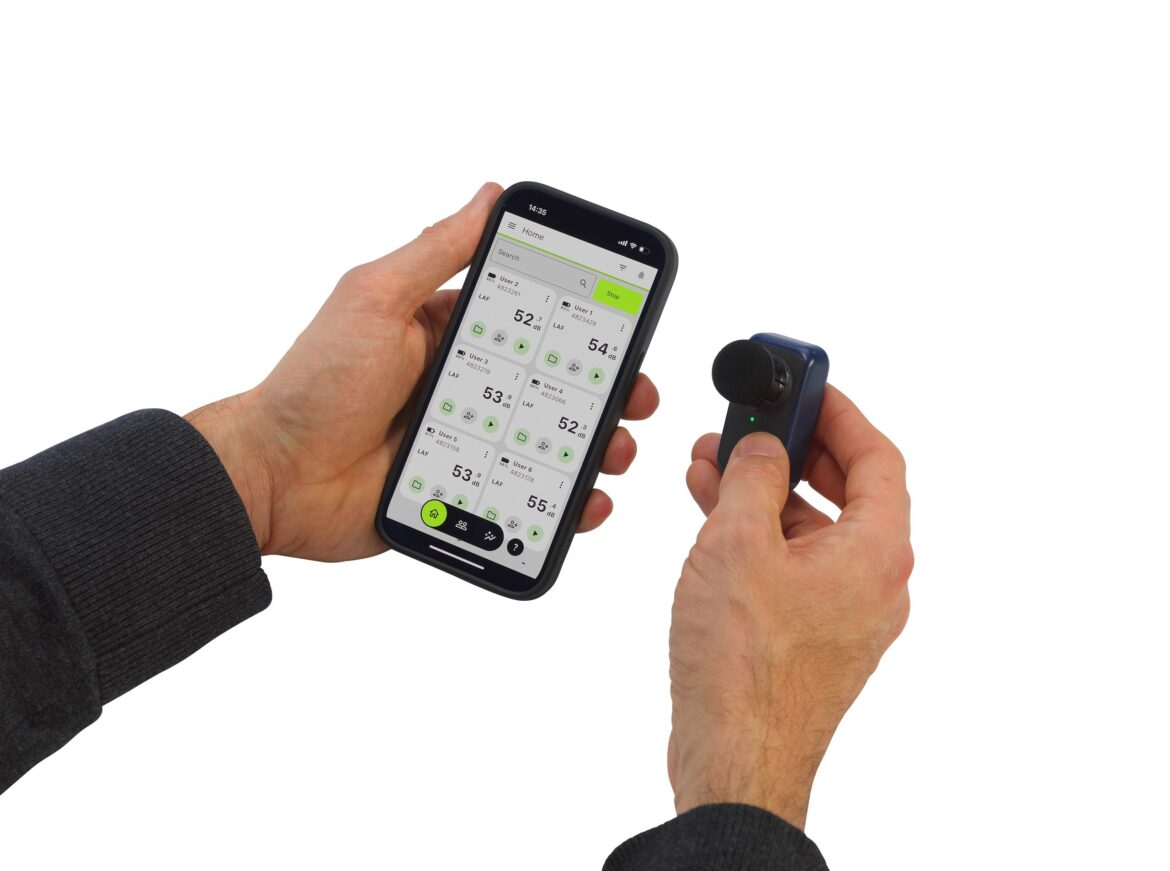
Sound level meters (SLMs) and noise dosimeters can be used to quantify sound levels in a workplace. Sound level meters are handheld devices, ideal for spot measurements noise at specific locations or tasks. Ideal for commissioning new equipment, diagnosing hotspots at loading docks, comparing alternative alarm types, or validating the effect of engineering controls like barrier mats or dampers.

Always calibrate before and after surveys and modern instruments will record any deviations, take notes and include information about the location, people working there, the noise environment and any control measures in place, including PPE.

Noise dosimeters serve a purpose by measuring personal exposure over a full shift. Tasks in logistics environments are by their nature mobile, so a bodily worn device may be the best way to monitor exposure. They account for worker movement, task variation, breaks, and can identify any, providing a realistic time-weighted average for specific roles such as pickers, dock associates and maintenance technicians.

To use dosimeters effectively, position the microphone in the hearing zone near the shoulder, ensuring it is unobstructed by clothing or PPE. Modern noise dosimeters are often easy to set up and can stream real-time data directly to employers’ phones or tablet so readings can be checked remotely through the day without disturbing the wearer. Repeat measurements during known peak seasons to capture worst-case scenarios that could trigger additional controls. Using both SLMs and dosimeters creates a clear picture that supports prioritisation and investment.

Control

Once the levels of sound are understood across the facility, control strategies can be implemented that follow the hierarchy of controls. At the source, employers can select low-noise wheels and tires for material handling equipment, specify quiet conveyor rollers, add soft-close pallet stops, implement variable-speed drives, and adopt other sound dampening tools to reduce total noise output.

It’s often recommended to install barriers and sound absorber around particularly noisy static machinery.
Administrative controls can then minimise exposure by scheduling noisy tasks away from busy areas, creating quiet zones for precision work, and structuring maintenance windows outside of peak hours to confine noisy activities.

PPE should always be the final refuge for employers once all engineering controls and administrative controls have been considered. Hearing protection should be selected that matches the noise profile without over-attenuating as this can lead to unnecessary accidents where employees miss sound cues from vehicles or warnings from colleagues. Being struck by a moving vehicle is the second most frequent cause of workplace fatalities, according to the HSE.

Finally, conducting regular noise monitoring to calculate any changes in ambient noise levels allows employers to be agile in noise management, control and solutions. Allowing resources to be allocated when necessary, reducing overspend. At a minimum, noise surveys should be conducted every two years or whenever there are major changes to equipment, processes or working patterns. More frequent monitoring is also necessary if health surveillance reveals a decline in employee hearing quality. Where unsure, it is always recommended to consult expert advice and guidance.

Rock and roll ain’t noise pollution

Ultimately, a durable noise program depends on culture. Educating staff and managers on the dangers of long-term noise exposure and implementing a culture of responsibility will lead to better practice and caution when working in noisy environments. Logistics leaders who prioritise noise risk management create a calmer, safer, and more productive site, while also avoiding reputational and compliance penalties.


Source link

0 comments
0 FacebookTwitterPinterestEmail
Services

Sion Airport (SIR): the ideal airport for private jets to luxury destinations in the Swiss Alps

by
written by


Reaching the most exclusive destinations in the Alps by private jet is an essential requirement for winter travel in the utmost luxury. Uncrowded, efficient, and remarkably close to Switzerland’s best ski resorts, Sion Airport (SIR) is the ideal airport to land within easy reach of Verbier, Crans-Montana, and Zermatt.

Ultimately, for VIP travelers, away managers, and ski enthusiasts traveling by private jet, Sion is the ultimate alpine airport.

Sion Airport (SIV) – the airport with alpine charm, ideal for private flights

Established in 1935, Zion Airport now performs both civilian and military functions, ensuring high operational efficiency in all seasons.

Its main features include:

  • 2,000-meter paved runway, perfect for light, medium and super-midsize jets. 
  • IGS and RNP approaches, ideal for managing conditions typical of alpine valleys. 
  • Altitude of 482 meters, which facilitates operations compared to mountain airports located higher up. 
  • Dedicated private jet terminal with VIP lounges and personalized services. 

Due to the airport’s small size and reduced traffic compared to Geneva or Zurich, the traveler’s experience is extremely fast: checks, transfers, and boarding procedures are handled in minutes.

Dedicated services for business customers and private jets

Landing in Sion by private jet means you can count on an impeccable level of care designed to meet the needs of those traveling for business, pleasure or to quickly reach the most exclusive Alpine resorts. Every detail-from arrival to takeoff-is taken care of by specialized staff to ensure discretion, speed and superior comfort. Here are the main services available to private jet passengers and crews.

  • Complete handling for private jets (refueling, pushback, hangarage, technical support, light maintenance). 
  • De-icing, essential during the alpine winter. 
  • VIP lounges, reserved lounges and direct access to aircraft. 
  • On-site customs, fast and no waiting. 
  • Dedicated parking spaces for private aircraft, with varying availability in peak season. 
  • Premium catering upon request, from gourmet options to customized menus. 

The competitive advantage: Sion is very close to the best ski resorts

Sion Airport’s prime location in the heart of the Valais region makes it easy to reach the most prestigious ski resorts in the Alps in a short time. This allows travelers to drastically reduce transfer times and arrive on the slopes with an unparalleled level of convenience, turning every trip into a truly exclusive experience. Here are the distances to the most popular resorts.

Distances to major luxury destinations in the Swiss Alps:

  • Crans-Montana – 25 min 
  • Verbier – 45 min 
  • Nendaz – 4 Vallées – 30 min 
  • Saas-Fee – 1 h 10 min 
  • Zermatt – 20 min by helicopter 
  • Gstaad – 1 h 15 min

Many travelers choose Sion precisely because it allows for quick transfers, often directly by helicopter, drastically reducing time compared to larger commercial airports.

Especially efficient in winter

During the ski season, when demand for private flights peaks, Sion Airport stands out for its above-average reliability among Alpine airports. Its organization, dedicated equipment, and specialized staff allow it to maintain high operational standards even in snow and variable weather conditions. Here are the elements that make Sion one of the best performing airports during winter.

  • Fleet of the latest generation of de-icing vehicles, 
  • Personnel specialized in private aircraft operations during the snowy months, 
  • runway kept continuously operational even during snowfall. 

This makes Zion a preferred choice by pilots and operators making VIP seasonal flights.

The most frequently used private jets to reach Zion

Sion Airport’s 2,000-meter paved runway is ideal for most light, medium and super-midsize private jets, ensuring safe operations even in the alpine environment. Its technical features allow passengers to choose from a wide range of performance aircraft designed for quick and comfortable access to resorts in the Valais. Here are the most popular models used to fly to Sion.

Light Jet for Sion

  • Embraer Phenom 300 
  • Cessna Citation CJ4 

Midsize Jet for Sion

  • Cessna Citation XLS+ 
  • Hawker 800XP 

Super-Midsize for Sion

  • Bombardier Challenger 300/350 
  • Embraer Praetor 600 

Turboprop Premium for Sion

  • Pilatus PC-12 – the most efficient in Alpine airports 
  • King Air 350 

Ultra long range (such as Gulfstream G650 or Global 6000) can sometimes operate with limitations, but it is generally preferable to use them at airports such as Geneva and then continue by helicopter.

The most popular routes to reach Zion by private jet

Among the most popular routes for those flying by jet to Sion are:

Winter also sees an increase in charter flights from the Middle East, with VIP families arriving to vacation in the Alps.

An exclusive travel experience by private jet

Sion Airport combines Swiss efficiency, spectacular alpine scenery and impeccable service dedicated to business aviation.

It is the natural choice for those flying by private jet to high-end ski resorts or wishing to quickly enter the heart of the Alps without sacrificing comfort and discretion.

  • check-in in 5-10 minutes, 
  • Direct boarding from one’s own vehicle, 
  • utmost confidentiality, 
  • Quiet lounges with views of the Alps, 
  • Quick transfers to ski resorts. 

For those seeking luxury, privacy and optimized time, Sion is one of the most convenient and prestigious airports in Europe.

Rent a private jet to Sion on Privatejetfinder

If you have chosen to charter a private jet to reach the most exclusive destinations in the Swiss Alps, contact us for a personalized quote. We will help you arrange in detail your luxury flight to Sion, St Moritz and any other destination in the world.

Book your private jet to Zion now and enjoy the freedom to fly on your own schedule, with personalized services and the ultimate travel experience. The Alps are waiting for you: fly in style, fly with PrivateJetFinder.


Source link

0 comments
0 FacebookTwitterPinterestEmail
Services

Revolutionising Warehouses – Autonomous Mobile Robots

by
written by


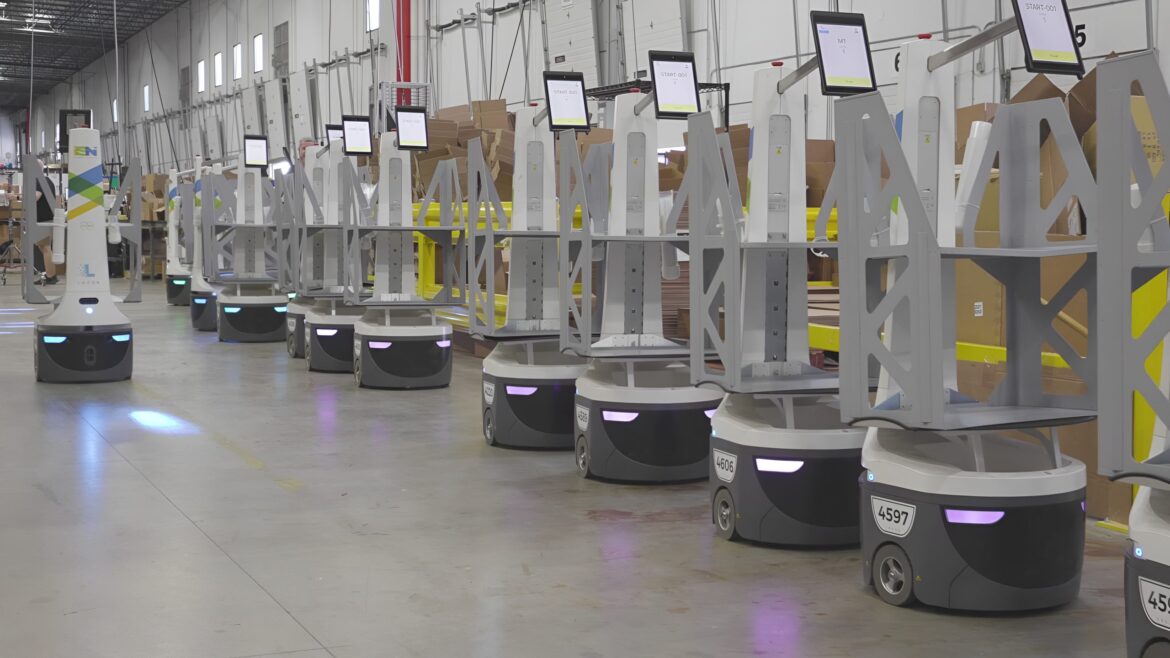
In this engaging Robotics Podcast episode, the spotlight is on the revolutionary impact of Autonomous Mobile Robots (AMRs) in the realm of warehouse automation. Denis Niezgoda, the Chief Commercial Officer of Locus Robotics, joins the conversation to shed light on how AMRs are redefining the logistics landscape. Unlike traditional Automated Guided Vehicles (AGVs), which rely on fixed infrastructure like magnetic stripes, AMRs offer unparalleled flexibility by navigating autonomously in dynamic environments. This flexibility allows warehouses to integrate automation without the need for extensive infrastructure changes, making AMRs a game-changer for businesses looking to enhance efficiency without disrupting existing operations.

Denis elaborates on the benefits of AMRs, emphasizing their ability to adapt to various warehouse processes, from point-to-point transportation to complex picking tasks. This adaptability is crucial for businesses facing fluctuating demands, as AMRs can be scaled up or down to meet seasonal peaks or troughs. The discussion also introduces the innovative subscription model, Robots as a Service, which provides businesses with the flexibility to adjust their automation levels as needed. This model keeps AMRs off the balance sheet, offering a cost-effective solution for dynamic business environments.

The episode further explores the integration of artificial intelligence within Locus Robotics’ operations. Denis explains how AI enhances the navigation and decision-making capabilities of AMRs, enabling them to operate more efficiently and effectively. With over 16,000 robots in operation, Locus Robotics is at the forefront of leveraging AI to drive value for its customers.

Looking ahead, Denis shares insights into the future growth of Locus Robotics, highlighting the untapped potential in regions like North America and Europe. As the company continues to innovate and expand its product offerings, the future of warehouse automation looks promising. This episode provides a comprehensive overview of the evolving landscape of logistics, offering valuable insights for businesses seeking to stay ahead in the competitive world of automation.


Source link

0 comments
0 FacebookTwitterPinterestEmail
Services

Climbing the Complexity Ladder – Logistics News

by
written by


Peter MacLeod hears how Locus Robotics leverages AI and data to optimise warehouse operations, boost efficiency, and deliver measurable ROI.

AI is becoming increasingly embedded in warehouse operations, driving efficiency and delivering measurable return on investment (ROI). It is therefore unsurprising to learn that Locus Robotics, a company renowned for its global deployment of autonomous mobile robots (AMRs), is at the forefront of this transformation, leveraging AI to optimise warehouse workflows and enhance operational performance.

Dr. Oscar Mendez Maldonado, director of AI and data science at Locus Robotics, brings a unique perspective to the table. Having spent a decade in academia running a robotics and AI research lab, Mendez transitioned to the commercial sector two years ago, drawn no doubt by the sheer volume of operational data Locus collects. “Data is the thing that you want. Ninety per cent of AI is just data science – manipulating data, getting data, understanding it, and then building AI on that,” he explains. His academic background informs the company’s sophisticated approach to AI, blending research-grade expertise to create and develop practical warehouse applications.

Within logistics, Mendez is quick to highlight the nuances within the AI sphere: “AI means different things to different people. It’s a bit of a moving goal post, or a marketing term,” he observes. The current buzz around language models and generative AI mirrors earlier waves of excitement in computer vision, he says, with companies initially adopting AI as a black-box replacement for existing processes. “You will get to a point where you have to crack open that black box and inject some domain expertise,” he warns, emphasising that understanding operational workflows is key to extracting genuine ROI.

Performance Gains

At Locus, AI is designed to deliver tangible benefits across the warehouse floor to its customers. One example is System Directed Labour, a software-driven approach that guides associates’ picking routes in real time. “From the user’s point of view, it’s a very small change. All they get is a screen that says, ‘Go to aisle eight,’ or ‘Go to aisle seven,’” Mendez explains. Behind the scenes, a sophisticated AI engine optimises routes based on the location of all robots and personnel, yielding performance increases of five to 10 per cent on deployed sites. Beyond productivity gains, the system also reduces training time for new associates, supporting flexible labour models and accelerating onboarding.

Core Principles

AI’s impact extends beyond picking efficiency. Locus employs AI for obstacle detection, enhancing robot navigation in complex warehouse environments, and for improving responsiveness in customer service by parsing large datasets to enable quicker decision-making. “It ranges from really hard, lines-per-hour increases, all the way to soft benefits, improved robot navigation and improved response times,” says Mendez.

Mendez describes three core principles underpinning Locus’s AI development: physical, trustworthy, and holistic. Physical AI must manifest tangible improvements in operations, directly affecting robot behaviour and interactions within the warehouse. Trustworthy AI ensures explainability and accountability; every component can be tested and understood, avoiding opaque black-box solutions. Holistic AI considers the warehouse as a whole, optimising performance for the site rather than individual pickers. “Sometimes that means a picker might have to walk a longer way, but overall you’re increasing the throughput of the warehouse,” Mendez explains.

“AI Sprinkles”

A key focus for Locus is the ability to be able to demonstrate early ROI. Mendez outlines two strategies: what he calls “AI sprinkles” and climbing the “ROI complexity ladder.” AI sprinkles target specific operational pain points rather than overhauling entire processes. “You build something that is targeted to just fill that gap… that bit in the system that doesn’t have a good analytical or optimal solution,” he says. This approach allows rapid deployment, efficient use of data, and the delivery of immediate value to customers while maintaining system explainability.

The ROI complexity ladder involves layering AI capabilities incrementally, building on smaller interventions to enable more sophisticated applications. A simple object detector, for example, can improve robot navigation and safety, while successive layers of AI can achieve pixel-level segmentation and advanced environmental reconstruction, ultimately contributing to a fully agentic, AI-driven warehouse. “Each one of them is delivering ROI. Each one of them is training your teams. And as you build more of those, they unlock new capabilities,” Mendez notes.

Despite the sophistication of the technology, customers do not need to understand AI to benefit from it. Locus operates on a Robotics-as-a-Service (RaaS) model, delivering performance enhancements without requiring clients to be AI experts. “They don’t need to know about AI. They need to know about their operations, which they do. And then we build them AI that accounts for these things,” says Mendez.

The company’s approach appears to be giving it a competitive edge. Locus currently operates 350 sites with 120 customers and 15,000 robots, collecting continuous operational data. “That gives us a huge advantage when it comes to building AI,” Mendez explains. Compared to industries like autonomous road vehicles, which face a vast open-world problem with far fewer miles of training data, Locus benefits from a controlled yet highly variable warehouse environment and rich contextual information, creating an ideal setting for AI optimisation.

Ongoing Progress

Even as the company achieves milestones, such as recently surpassing six billion picks, Mendez stresses that progress is ongoing. “There are always huge advances to be made when it comes to AI. The field moves incredibly quickly, and there’s always something new around the corner,” he says. The combination of abundant high-quality data and constrained operational environments provides fertile ground for innovation and continuous improvement.

For those hesitant to embrace AI, Mendez offers pragmatic advice: start small. “You don’t have to start with the most complicated, giant AI system you’ve ever heard of. You can start small, with really small bits of AI that unlock tiny bits of value, and build capability from there,” he says. This incremental approach enables companies to realise benefits at every stage, avoiding the risks of wholesale replacement.

One of the most compelling examples of Locus’s AI vision is ARRAY, a platform designed to manage the entire warehouse workflow. It exemplifies what Mendez calls “physical AI,” integrating autonomous robots, AI-driven decision-making, and real-time optimisation across the logistics pipeline. ARRAY demonstrates how a thoughtfully constructed AI system can enhance efficiency, safety, and adaptability while remaining transparent and accountable.

Locus Robotics is one of those companies which appears to be defining what it means to integrate AI in logistics. By combining extensive data, targeted interventions, and a commitment to explainable and holistic systems, the company provides customers with measurable performance improvements while paving the way for increasingly autonomous warehouse operations. As Mendez observes, AI is not a threat but a transformative tool: “It’s here to stay. It’s an incredibly powerful technology, and it’s going to keep giving better ROI to the people that actually engage in it.”


Source link

0 comments
0 FacebookTwitterPinterestEmail
Services

Forklift Fleet Keeps Chiquita Fruit Fresh

by
written by


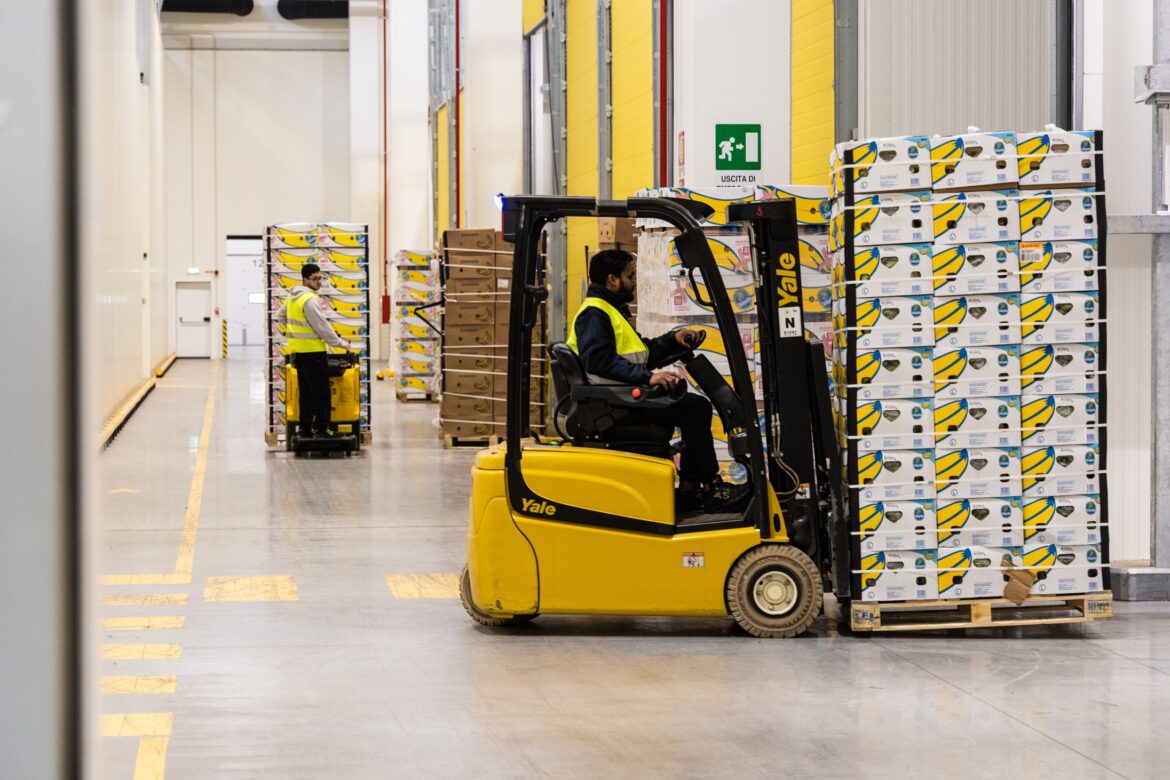
Cold storage conditions place specific demands on materials handling equipment, particularly when it comes to dealing with perishable food products which need specific processing. This insight has been a key element in the successful relationship between Yale Lift Trucks, its local dealer Unicar, and the Chiquita facility in Cortenuova, Bergamo (Northern Italy).

Chiquita, an international company producing and distributing bananas, opened a brand-new warehouse in April 2024. The plant is the biggest ripening centre in Europe, strategically located in the heart of Italy’s logistics operations.

The new site includes nine loading docks and 24 ripening rooms, each with a capacity of 48 pallets, and two packaging lines producing up to 45 trays per minute. The site features the latest cooling techniques, to minimise the dehumidification of internal air and consequently optimise fruit ripening conditions. The packaging operations and pallet handling both take place in a temperature-controlled area to keep bananas in an ideal environment. With loading docks on both sides, Chiquita has designed the optimum flow of daily operations, creating an efficient working environment and supporting site safety processes.

The facility operates 7 days a week running a single shift of 8-10 hours, with temperatures between 14°C and 18°C. Green bananas are received from the port, stored in ripening rooms, and dispatched to customers. The ripening rooms have narrow, off-centre aisles, making pallet handling a complex challenge. Furthermore, loading/unloading operations and the transport of pallets within the warehouse require efficiency and precision.

The primary challenge we face is manoeuvring pallets in and out of the ripening rooms, especially when stocking the upper levels. The narrow and offcentre aisles cause the lifting cylinders to occasionally touch the metal structures, so we needed an ergonomic and compact solution. The Yale trucks are performing well for these tasks, and we are maintaining efficient operational timings.

says Roberto Galdoni, Distribution Centre Manager.

The Yale ERP16VT and ERP20VT 3-wheel electric counterbalance forklifts, are at the heart of Chiquita’s efficient warehouse operations. These versatile machines are ideal for the indoor warehouse applications, which include loading and unloading incoming and outgoing trucks, managing the intricate operations within the ripening rooms, and transporting pallets throughout the warehouse. To meet Chiquita’s needs, these lift trucks have been equipped with clamp attachments to support precise picking and selection tasks and non-marking tyres.

Complementing the forklift fleet are the MP16 and MP20X low lift pallet trucks, with and without an operator platform. These reliable and efficient trucks are essential for horizontal transportation of pallets within the warehouse, enabling smooth and timely movement of goods.

The latest addition to Chiquita’s fleet is the innovative MO20X order picker pallet truck. Designed for optimal performance in confined spaces, this machine excels at picking and placing pallets at various heights within the warehouse. Its compact design and precise controls make it an invaluable asset for efficient order fulfilment.

Strategically deploying these Yale trucks helps Chiquita maximise productivity and minimise downtime within its warehouse. The combination of powerful forklifts, versatile pallet trucks, and efficient order pickers enables the company to meet the requirements of its intense operations while maintaining a high level of precision and adhering to site safety rules.

We selected Yale as our logistics equipment partner because of its reputation for building reliable trucks manufactured in Europe, delivering top-tier quality and longevity,

explains Roberto.

Moreover, their swift and efficient after-sales service was a crucial factor for us, as uninterrupted operations are paramount to our business. Additionally, Yale presented the most compelling return on investment, making it a financially sound decision.

“Our collaboration with Unicar, an experienced and independent Yale dealer, has been exceptionally positive. The service provided has been consistently excellent and highly efficient. This level of support and responsiveness has significantly contributed to our overall satisfaction with Yale,” concludes Galdoni.


Source link

0 comments
0 FacebookTwitterPinterestEmail
Services

New Partnership Set to bring Proactive Fleet Compliance

by
written by


Fresh from unveiling its AI-powered logistics ecosystem at Go Beyond 2025 in London, Samsara has announced a new strategic partnership with VDO, a company they consider to be one of Europe’s most respected names in compliance technology. The collaboration promises to turn one of fleet management’s biggest headaches, compliance, from a reactive task into a proactive advantage.

The move extends Samsara’s philosophy of building an all-in-one connected operations ecosystem, rather than relying on add-ons or bolt-on tools. By combining Samsara’s AI, telematics and safety data with VDO’s proven compliance expertise, the partnership aims to deliver a seamless experience that anticipates issues before they become problems.

From enforcement to foresight

Fleet compliance has long been a reactive process, dominated by manual checks, complex regulations, and data silos. With this partnership, Samsara and VDO are working to automate compliance workflows and integrate them directly into daily operations.

Using Samsara’s intelligent platform, operators can now manage tachograph data, driver hours, and infringements in real time. The system analyses patterns and flags risks before violations occur, helping businesses stay compliant while reducing administrative burden.

As part of its new Smart Compliance suite, the collaboration enables fleets to unify data from vehicles, drivers, and equipment, turning regulatory reporting into a continuous, data-led process.

Data privacy and trust

Samsara was clear at the event: as its ecosystem grows more intelligent, trust and data privacy remain at the core. The company processes over 17 billion minutes of video data per year, much of it used to train and improve safety AI models.

However, customers retain full control of their data. They can configure cameras to operate only at certain times, places, or events, or even switch them off entirely. According to Samsara, many organisations that begin with hesitation soon change their perspective once they see the results.

One compelling example came from VP Brandon Hire, a Samsara customer VP, who recounted how a driver facing up to five years in prison after a motorway collision was exonerated thanks to footage from Samsara’s in-vehicle cameras. The AI-verified video evidence proved the driver was not at fault.

Check out our webinar with Samsara, The RHA and VP Brandon hire from earlier this year: Harnessing data and AI for smarter, safer commercial vehicle operations is almost here

Local intelligence, global insight

Samsara’s approach to AI goes beyond the cloud. Its camera systems process data locally, providing real-time alerts and insights to drivers, even in areas with no network coverage. Once reconnected, this data is synchronised with Samsara’s servers, where it contributes to broader models analysing trends such as weather, hazards, and traffic conditions.

The company operates its own European data centres, ensuring compliance with GDPR while allowing customers to maintain full data ownership. Shared, anonymised data from across the network enhances predictive insights and benchmarking for all users, effectively allowing fleets to learn from one another’s experiences without compromising privacy.

Tackling rising crash rates with AI

Safety remains at the heart of Samsara’s mission. Johan Land, Senior Vice President of Product and Engineering for Safety and AI at Samsara, noted that road incidents are rising rapidly across industries, but that AI is already showing its potential to reverse that trend.

Crashes are increasingly, rapidly increasing… But you can really reverse that trend with AI.

By combining predictive analytics, local AI processing, and proven compliance expertise from VDO, Samsara is positioning itself as a trusted partner in what it calls the “age of intelligence” – where data isn’t just recorded but actively used to keep drivers safer and operations smarter.

For the logistics sector, the message is clear: the future of compliance is no longer about catching mistakes. It’s about preventing them.


Source link

0 comments
0 FacebookTwitterPinterestEmail
Services

Logistics Just Got Smarter – Logistics News

by
written by


Chinese firms are becoming increasingly influential in the world of warehouse tech. Among them, Libiao Robotics is making waves with its AirRob system, writes Peter MacLeod.

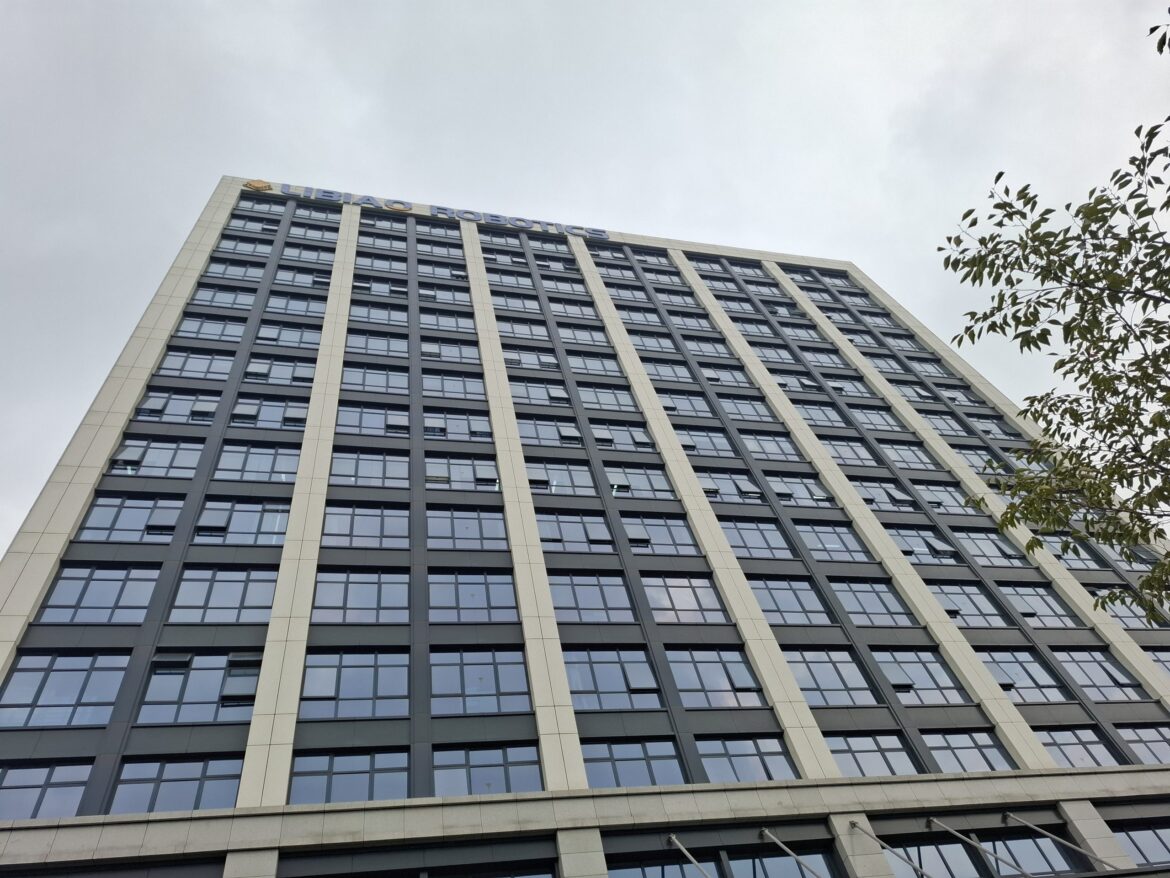
Libiao Robotics, manufacturer of the AirRob robot-based tote handling solution, recently held a global partner conference at its Hangzhou manufacturing facility near Shanghai, to which I was invited. As well as a chance to meet with its engineers to deeper understand the design process behind its automated warehouse systems, I also spent time at CeMAT Asia, where such systems dominated the 10-hall fair.

With over 10,000 robots deployed globally since the previous conference 12 months earlier, it’s taken as read that the performance and reliability of Libiao’s hardware is tried and tested. Where Libiao’s ingenuity comes, though, is in adapting this technology to meet the specific – and changing – needs of the customer, and developing in tandem the software that drives it. In Libiao’s case, this means creating new ways to enable greater storage density without compromising fulfilment speed or efficiency.

Solution Partner

In her opening remarks, company founder and CEO Mrs Xia Huiling highlighted her philosophy of not just providing the best-possible equipment, but insisting that its integration is performed by a local partner who best understands the specific regulations and customer needs. This eliminates the accusation levelled at many fellow Chinese firms, namely that they are equipment suppliers rather than solution partners. With overseas entities in Frankfurt, Singapore and now New Jersey in the USA, Libiao’s ability to serve these markets has taken a big forward leap.

A highlight of the event was to get a first look at a new system being launched to the global market in Q1/2026, namely the AirRob Pro. Whereas the original AirRob raised the bar by combining a climbing robot with a fleet of floorbots to create a highly efficient and dense storage grid, AirRob Pro takes the concept even further. It has been designed for operations where ‘raw’ cartons are inbound. These can be put away directly into racking without the need for decanting into totes, as AirRob Pro comes equipped with a clever double-sucker arm. Why clever? Well, cartons of multiple dimensions don’t always sit neatly in straight rows, so AirRob Pro eliminates this obstacle by ensuring a clean, firm grip and straight positioning and withdrawal of items.

Digital Twin

Where the tech really excels is its swiveling arm, which enables picking from both sides of a single aisle. This effectively removes the need for a second workstation per aisle, freeing up further warehouse space for more value-added activities. AirRob Pro was demonstrated to the Libiao’s partners from all corners of the globe, and the feedback I heard was unanimously positive.

Speaking with Zou ‘Chiz’ Chu, the company’s Overseas Support Manager, I learned that the system has been evaluated using Libiao’s new digital twin technology – also launched at the conference – and the results have been impressive. It increases the double-cycle rate and thanks to the precision of the suction picking system, these gains are further boosted by the ability for cartons and totes to be stored tighter together than previously.

“The solution will be particularly attractive to the grocery sector,” Chiz tells me, describing how the demands of fulfilling high-throughput retail stores in urban areas – where warehouse space is at a premium – can be met by AirRob Pro.

A full day of technical presentations and customer case studies enlightened me about the broad scale and depth of applications possible using Libiao’s automated systems. With a strong pedigree stemming from the post & parcel sector, it is now turning heads in the logistics sector by putting specific customer demands firmly at the heart of product development.

Following the partner conference, I was invited to the ceremonial opening of an extraordinary 5-level multi-user warehouse in Kunshan. Operated by Japanese 3PL GLP and housing an AirRob installation, the scale of the facility blew me away, and illustrates a highly effective solution to overcome a lack of warehouse space around urban hubs. The trip was topped off by a visit to CeMAT Asia in Shanghai, an incredible showcase of technology that exemplified powerfully how companies from the region such as Libiao have now become the leading tech innovators in the logistics sector.


Source link

0 comments
0 FacebookTwitterPinterestEmail
Newer Posts
Older Posts

Recent Posts

  • Wheels for Steel – Logistics News
  • Driving Efficiency and Innovation in Conveying
  • Milano Linate l’aeroporto ideale per i jet privati
  • Software Migration for Automated Warehouse
  • Yard Management for Smaller Logistics Facilities

Recent Comments

No comments to show.

Social Connect

Whatsapp

Recent Posts

  • Wheels for Steel – Logistics News

  • Driving Efficiency and Innovation in Conveying

  • Milano Linate l’aeroporto ideale per i jet privati

  • Software Migration for Automated Warehouse

  • Yard Management for Smaller Logistics Facilities

Newsletter

Categories

  • Services (1,087)
  • Uncategorized (41)

@2024 - All Right Reserved. Designed and Developed by Sierraline Cargo services

Manage Consent
To provide the best experiences, we use technologies like cookies to store and/or access device information. Consenting to these technologies will allow us to process data such as browsing behavior or unique IDs on this site. Not consenting or withdrawing consent, may adversely affect certain features and functions.
Functional Always active
The technical storage or access is strictly necessary for the legitimate purpose of enabling the use of a specific service explicitly requested by the subscriber or user, or for the sole purpose of carrying out the transmission of a communication over an electronic communications network.
Preferences
The technical storage or access is necessary for the legitimate purpose of storing preferences that are not requested by the subscriber or user.
Statistics
The technical storage or access that is used exclusively for statistical purposes. The technical storage or access that is used exclusively for anonymous statistical purposes. Without a subpoena, voluntary compliance on the part of your Internet Service Provider, or additional records from a third party, information stored or retrieved for this purpose alone cannot usually be used to identify you.
Marketing
The technical storage or access is required to create user profiles to send advertising, or to track the user on a website or across several websites for similar marketing purposes.
  • Manage options
  • Manage services
  • Manage {vendor_count} vendors
  • Read more about these purposes
View preferences
  • {title}
  • {title}
  • {title}
Sierraline Cargo Services
  • HOME
  • Services
    • Trade With Us
  • About Us
  • Contact Us
  • private jet
    • BOOK YOUR JOURNEY
  • Track Packages
  • Insurance
  • safekeeping

WhatsApp us