Sierraline Cargo Services
  • HOME
  • Services
    • Trade With Us
  • About Us
  • Contact Us
  • private jet
    • BOOK YOUR JOURNEY
  • Track Packages
  • Insurance
  • safekeeping
Services

Samsara Reports Q1 Financial Results

by
written by


Samsara, the pioneer of the ‘Connected Operations Platform’, has announced its Q1 FY26 financial results, reporting $366.9 million in revenue, representing 32% year-over-year growth. This quarter reflects Samsara’s momentum and success in delivering innovation and a proven ROI for its customers, concluding the quarter with $1.54 billion in Annual Recurring Revenue (ARR). The company also furthered its success in empowering frontline workers and transforming physical operations, having expanded its $100k+ customer count by 154, an increase of 35% year-over-year.

Sanjit Biswas, CEO and Co-Founder at Samsara, comments: “We’re also broadening our integration with OEM telematics. We established an integration with Mobilisights, the data-as-a-service division of Stellantis. Stellantis is one of the world’s largest vehicle manufacturers that covers brands including Alfa Romeo, Citroen, DS Automobiles, FIAT, Jeep, Opel, Peugeot, and Vauxhall. We expect that the integration will enable over 14 million vehicles to connect directly to Samsara’s Connected Operations Platform without the need for additional hardware.”

Sanjit Biswas, CEO

“We delivered a strong first quarter of the new fiscal year with Q1 revenue of $366.9 million, growing 32% year-over-year in constant currency,” added Biswas. “In today’s uncertain macro environment, we are partnering with our customers to help them get more out of their labour, resources, and assets. Our AI-powered platform delivers a clear and fast ROI for our customers and improves the safety, efficiency, and sustainability of their operations.”

“Samsara’s Q1 performance reflects the growing demand for our AI platform and its critical role in strengthening operations,” said Amit Vyas, Chief Revenue Officer at Samsara. “It’s rewarding to see our technology not only making a significant difference in reducing costs for our customers, but also how much frontline workers love and value it. We are energized by this moment and remain focused on delivering innovative solutions to the world of physical operations.”

Solving Critical Challenges with an AI-Powered Platform

Samsara’s platform is essential for organizations looking to reduce costs through enhanced safety cultures and improved efficiency. Its AI-powered platform directly addresses complex, widespread challenges felt by customers, including high safety risks and drains on productivity caused by poor visibility and asset downtime. The company continues to strengthen its platform with key innovations that improve operations:

Advanced AI Safety Features: New Intelligent Safety Inbox and AI-powered Insights for smarter risk identification and coaching, along with enhanced positive recognition tools (Streaks & Milestones, Personalized Kudos, Shared Visibility) deliver improved safety outcomes and boost employee engagement.

AI-Powered Maintenance: Fueled by Samsara’s massive data set, capabilities such as fault code insights, real-time vehicle diagnostics, pre-populated work orders, paperless Driver Vehicle Inspection Reports (DVIRs), and customizable maintenance alerts support improved uptime and longer asset lifetimes.

Expanded OEM Integrations: Partnerships with Hyundai Translead, Stellantis (Mobilisights), and Rivian streamline fleet management by bringing vehicle data directly into Samsara’s platform.

similar news
AI-powered Transport Operations Platform Upgraded


Source link

0 comments
0 FacebookTwitterPinterestEmail
Services

Trailer Loading Automation Made Accessible

by
written by


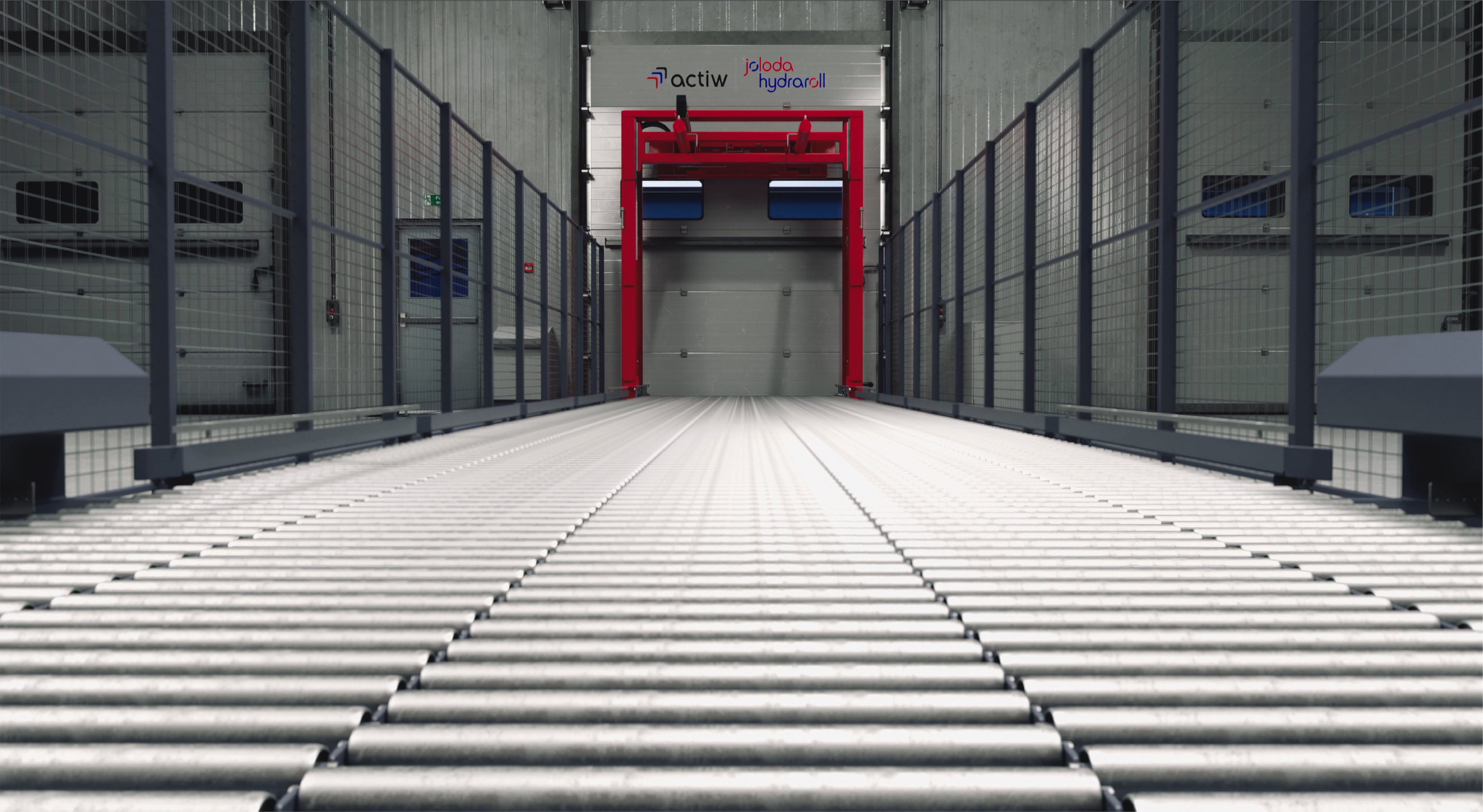
Automated trailer loading systems (ATLS) are often considered the domain of large-scale manufacturing facilities and distribution centres operating shuttle runs between a factory and warehouse. However, new solutions offering more cost and capability options and zero trailer modifications mean a much wider range of businesses stand to benefit – such as those operating in Direct-to-Consumer (D2C) applications where 3PLs will often send any available trailer to transport goods. Tomi Korhonen, Managing Director, Actiw Oy – part of the Joloda Hydraroll Group, explains.

A report by STIQ recently confirmed a rule of thumb that automation needs to deliver return on investment (ROI) in three years or less for a business case to compete with manual flows. In the world of logistics, this is not unique to automated trailer loading systems (ATLS). However, ATLS are proving a good example of how access to automation is changing. Labour shortages, rising operational costs and high throughput demand are universal challenges regardless of size or sector – so while not every business is ready to invest in full automation, or has the business case to make it immediately viable, the majority are under pressure to do more, faster. A greater variety of solutions with different price points and capabilities is helping open up the benefits of automated pallet handling to a far wider range of companies – but they may not be aware.

Expanding the definition of ROI

The benefits of an automated trailer loading system are vast: reduced loading times lead to higher throughput and operational cost savings, in addition to improved safety, accuracy and consistency. However, many logistics operators are still early on in their automation journey. Labour shortages, safety concerns, and rising operational costs may be accelerating interest in automated solutions, but hesitancy remains due to cost, space constraints, and operational rigidity – all of which influence their viability for certain use cases. While the throughput of pallets is high, constrained warehouse footprints, semi-automated or manual upstream operations (such as delivering directly to a customer that uses a forklift truck to unload pallets), or a large distance between two facilities, can make full-scale automation – and the required modifications to existing infrastructure and trailer fleets – more difficult to justify.

It is also the case that ROI in automation isn’t the same for every use case and vertical. While throughput is a key factor, there are many other value drivers that need to be considered – particularly in specialised environments. In cold chain logistics, for example, reducing damage to trailers can be just as critical as speed. In sectors where contamination must be avoided, the quality control offered by automation becomes a central advantage. Safety is another major factor: dock areas are among the most hazardous in the warehouse, and reducing human intervention here can have a significant impact.

What’s needed is a middle ground: solutions that offer a range of costs and capabilities for more businesses to introduce automation into their pallet loading and unloading processes and receive a fast return on their investment.

Filling the market gap

There’s a clear gap in the market for compact, low-commitment automated trailer loading systems that can enable businesses to increase their daily loading capacity without requiring extensive modifications to existing site and fleet infrastructure. New developments are beginning to fill that gap.

Modular, bolt-on systems now exist that allow for a wide range of pallet types and complex load patterns (manual or automated), and integrate with all standard docks. These approaches reduce upfront cost while still improving efficiency, productivity, and safety. The new LoadMatic Lite from Actiw, a subsidiary of the Joloda Hydraroll Group, is capable of loading full, standard, non-modified trucks and trailers in just six minutes. Pallets are staged at the rear or side of the dock using forklifts, electric pallet stackers, or AGVs, queued, and then loaded in one shot with precision.

The price point typically comes in at one-third of the cost of traditional ATLS. Pilot simulations have demonstrated ROI in as little as 13 months – making automated trailer loading systems an increasingly accessible strategy, and allowing more businesses to transition to automation as they grow.

For many companies, trailer loading has remained unchanged for decades. But faced with workforce challenges, rising demand, and a general requirement to achieve more with less, automation is necessary for all businesses to help improve reliability, safety, and resilience. But, of course, only if it is financially viable. For most companies, this means an ROI in less than three years. A broader range of solutions and price points are now available so that growing businesses don’t need to dive straight into fully automated systems but can begin to reap the benefits and evolve their operations over time. In doing so, they build a more sustainable foundation for future automation and competitive advantage.

similar news

Loads of ATLS Solutions


Source link

0 comments
0 FacebookTwitterPinterestEmail
Services

Poor Visibility is Leading Cause of Fulfilment Chaos

by
written by


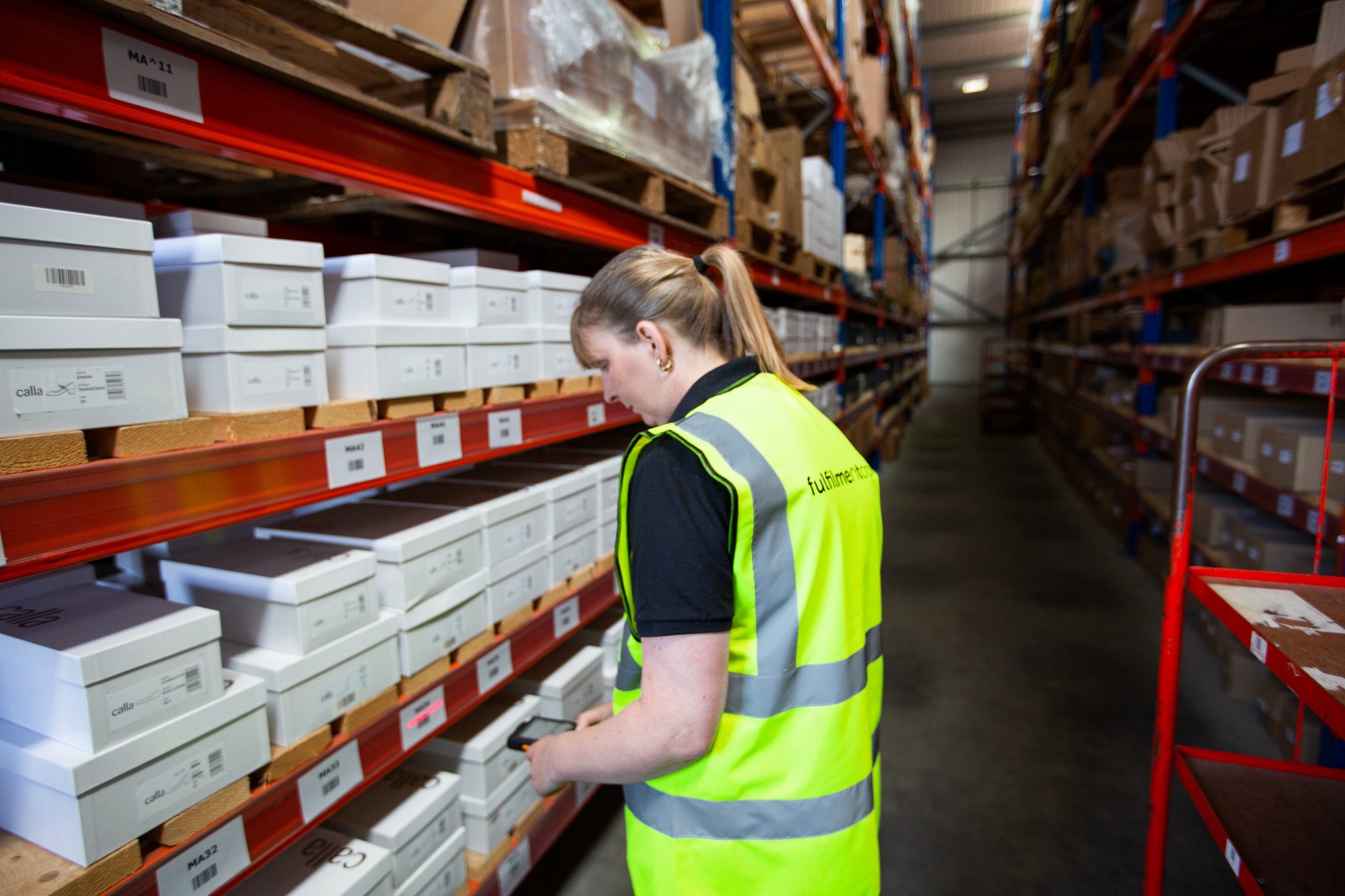
A global fulfilment provider, driven by technology, for high growth omni-channel brands – investigated the most common issues that eCommerce retailers are facing in the current market regarding poor visibility in customer service.

By analysing its own first-party customer service data, and highlighting commonalities and categories from 30,000+ tickets, over the last 12 months, the team was able to draw insights on how omnichannel brands can measure fulfilment and logistics performance via its customer service requirements.

Lee Thompson, CEO at fulfilmentcrowd, added: “eCommerce retailers should seek to implement global fulfilment that leverages technology for better visibility. Trusted by 250+ omnichannel brands, our platform is the backbone for resolving and preventing customer service pain points, empowering brands to scale, grow, and expand globally”.

Lee Thompson, FulfilmentCrowd

Unveiling some year-over-year trends in service-related fulfilment issues as the eCommerce landscape has grown, Chelsea Banister, Head of Customer Operations at fulfilmentcrowd, added: “Our data shows that the majority of conversations (78%) that we have with clients relate to order queries or issues. Other common categories raised included custom orders (9%), inventory transfers (4%), products (3%), and returns (2%). Conversations related to rework and task requests, charges and billing, setup and configuration, and API and integration made up less than 5% of conversations combined.

fulfilmentcrowd’s Chelsea Banister

“The data also revealed that, generally, ticket volume peaks in Q4 (October to December), likely reflecting peak eCommerce season challenges. Throughout the year, we tend to have the most customer service conversations with our Health and Beauty partners – in this sector, we are having regular conversations around how to best manage batch control for items that expire. Other common themes in our recent customer service conversations across all sectors include aspects related to US tariffs, our B2B capabilities, and AI.”

When issues arise, the team also suggests using data analytics to pinpoint recurring issues, consistently review your supply chain for weak spots, and conduct a post-mortem meeting with your team to discuss lessons learned.

Technology can also play a key role in this – Austin Waddecar, Chief Product Officer at fulfilmentcrowd, added: “In many cases, fulfilment chaos is the result of poor visibility. If you don’t know where your stock is or what stage an order is at, how can you fix a problem? Technology is your best friend here. Use it to your advantage. Investing in the right technology can save you time, money, and a whole lot of customer complaints – and that’s where we come in.

“A few examples of our tech solutions include real-time tracking, inventory management software, and shipping rules automation. With real-time tracking, you’ll also notice a huge decrease in customer service enquiries in terms of WISMO (where is my order) / WISMR (where is my return) if you offer a self-service solution. Your team will then have more time to spend on those complex issues that don’t always have an immediate fix.

“Inventory management software can help to reduce stockouts and overselling with better forecasting tools, and shipping rules automation can optimise your shipping rules to avoid delays and errors.”

similar news

Poor Lighting a Risk to Workplace Health, Warns Industry Specialist


Source link

0 comments
0 FacebookTwitterPinterestEmail
Services

Pitacs Enhances ecommerce with ERP & WMS

by
written by


Heating products and electrical cable distributor Pitacs Ltd has selected Forterro’s ERP and Warehouse Management Solution, Orderwise Cloud, to drive automation, improve operational efficiency, enhance ecommerce and support the next stage of the company’s digital transformation.

Founded in 1990, Pitacs is one of the UK’s largest manufacturers and distributors of heating products and electrical cables, with brands including luxury, sculptural heating AEON, trade favourite Ultraheat, Pitacs Heating, Pitacs Cable, TIME Cable and TIME LED.

The business had been using different systems from different vendors for ERP and WMS for many years, but with increasingly disparate processes and mounting inefficiencies, the company recognised the need for a modern, integrated ERP platform.

“Orderwise Cloud gives us a fully connected solution to replace multiple disjointed systems,” said Farrukh Lodhi, Finance Manager, Pitacs. “Our teams had been coming up against challenges around accessing data, making key business decisions and driving automation across each department.

“Orderwise solves these challenges by delivering one single solution which has the functionality and tools to continue to drive the business forward. We’re excited about the potential of the platform to support our ongoing ecommerce growth and position us as a more agile, responsive organisation.”

With ambitions to expand its ecommerce capabilities, Pitacs was looking for a trusted solutions partner with a proven track record of delivering similar projects and working with companies in the same sector. Orderwise Cloud offers the tools and functionality to support these goals while unifying all departments into a single, easy-to-use system.

“Pitacs is a forward-thinking business that needed a scalable, flexible solution to match its growth ambitions,” said Tom Price, Director, Forterro. “Orderwise Cloud gives them the visibility and control they need to streamline operations and deliver on their digital transformation journey.”

Orderwise Cloud is a powerful ERP solution designed for distributors, wholesalers, retailers, and manufacturers. It helps businesses optimise workflows, connect processes, and improve warehouse management. Built on Amazon Web Services (AWS), it provides a secure, future-proof infrastructure with scalable access from anywhere.

similar news

Plant Protection Distributor Drives Profitability with ERP


Source link

0 comments
0 FacebookTwitterPinterestEmail
Services

Barilla Pasta’s Supply Chain Evolution

by
written by


If you’ve ever walked through the pasta aisle of your local supermarket, chances are you’ve come across Barilla, the world’s largest pasta manufacturer. Known for its premium-quality pasta, sauces, and Italian culinary products, Barilla has built a global reputation for excellence since its founding in Parma, Italy, in 1877.

Following the reorganisation of its logistics processes accompanying its exponential growth, Barilla needed to find a centralised technological solution that could integrate its existing systems and facilitate communication between the ecosystem, carriers, and retailers over the long term.

Driving pasta-bilities with Barilla

Each year, the company transports approximately 600,000 tonnes of products, half of which move by road, across more than 100 countries. With around 110,000 full truckload shipments annually, Barilla’s international logistics operations depend on a highly complex and dynamic infrastructure. In 2014, as part of a strategic reorganisation to support its global expansion, Barilla recognised the need to enhance its logistics framework, particularly the process of assigning loads to carriers. The company sought advanced solutions to optimise its transport operations by making them more agile, efficient, and seamlessly integrated with existing IT systems.

Barilla faced several significant challenges:

• Managing delivery volumes across a vast and diverse international landscape.
• Relying on manual processes for assigning shipments such as methods that were time-intensive, error-prone, and cost-inefficient.
• Coordinating a wide variety of carriers and routes, reflecting the company’s expansive global footprint.
• Limited ability to anticipate or respond quickly to carrier availability issues, disrupting service and planning.

Rigatoni on the Road: Logistics Done Right

To tackle the growing complexity of its global logistics operations, Barilla partnered with Transporeon, a modular, neutral, and collaborative global transport management platform. Acting as a digital bridge between Barilla, its carriers, and distributors, the platform seamlessly integrated with existing IT systems, bringing greater visibility, automation, and control to the entire supply chain.

The partnership has delivered significant efficiency gains across key areas of Barilla’s transport and warehouse management such as:

• 20% Reduction in Waiting Times: The early adoption of Transporeon’s Time Slot Management tool has helped streamline loading and unloading operations by optimising dock scheduling, ensuring smoother flows between warehouses and distribution points.
• Automated Transport Assignment: With the Transport Assignment solution, Barilla has eliminated manual shipment allocation. Routes are now automatically assigned based on factors like geographic coverage, carrier suitability, and delivery guarantees, improving accuracy and saving valuable time.
• Real-Time Response to Disruptions: The Rate Management tool allows Barilla to respond instantly to unforeseen events, automatically identifying alternative carriers when needed. This flexible solution covers all of Barilla’s global shipments, maintaining over 95% assignment accuracy across a vast network of routes and partners.
• Smart Centralised Control: All logistics data is centralised at Barilla’s control centre, where routes are assigned using two automated modes: No Touch Order for pre-contracted shipments and Best Carrier for ad-hoc needs.

From Penne to Precision

The result? A more agile, resilient, and digitally connected supply chain. Today, Transporeon’s solutions are used in all of Barilla’s Italian facilities and most of its European factories. After a decade of collaboration, this scalable digital partnership remains a key driver of Barilla’s international growth and innovation.

Gianluigi Mason, Logistics Director Italy, Barilla said, “To support our extensive national and international network, adopting innovative solutions like those offered by Transporeon is essential to effectively manage our logistics volumes, which exceed 600,000 tonnes annually. In an increasingly interconnected world, embracing digitalisation and modern supply chain strategies is key to maintaining our leadership in the global food industry. This commitment also extends to advancing intermodal transport as part of our broader sustainability goals.”

Andrea Chiaravalli, Account Manager at Transporeon, concluded, “The ability to customise every aspect of the transport process is a key value we bring to our partners. Our team has worked, and continues to work, closely with Barilla to develop a tailor-made solution that ensures the right transport capacity is available every day. This is achieved through a precise and intelligent matching of routes and carriers, fully aligned with Barilla’s operational needs. We can’t wait to see how we can continue to support them in the future!”

similar news

Loading Bay Serves up Success for Packaged Pasta Provider


Source link

0 comments
0 FacebookTwitterPinterestEmail
Services

Smarter way to Label Dynamic Warehouses

by
written by


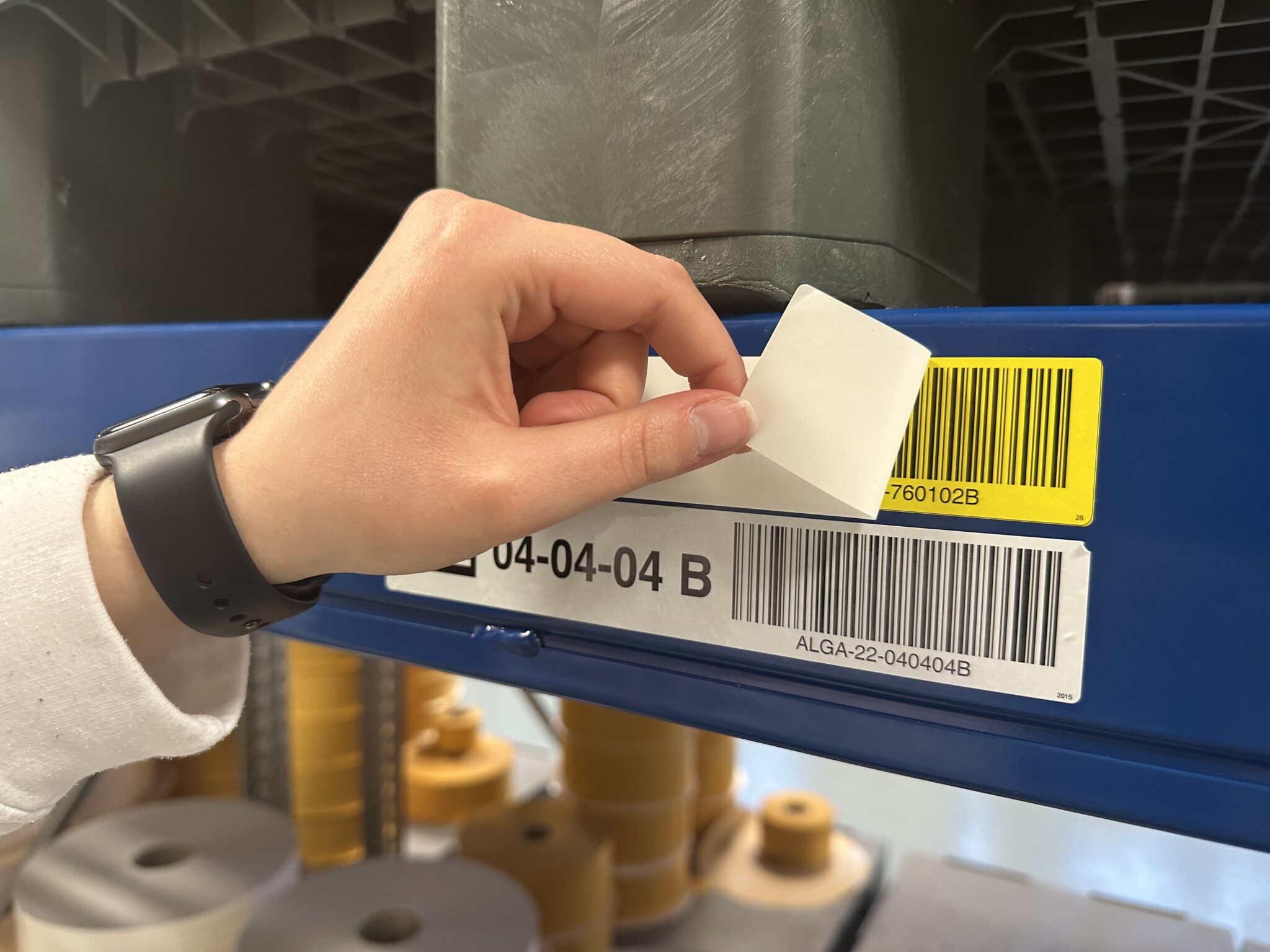
There’s a new warehouse labelling innovation in town: Drytack. It’s a reusable, residue-free alternative to traditional adhesive and magnetic labels – and it is already making waves in warehousing. Championing the Drytack technology in the UK and across Europe is Inotec. To anyone familiar with the labelling specialist, this should come as no surprise. While the technology is not exclusive to Inotec, they are the ones ensuring it sticks… which is really what they claim to do best.

A smarter, reusable solution

Unlike standard sticky labels, Drytack features a unique dry acrylic adhesive that clings securely to smooth surfaces without leaving any residue. It can be applied and removed by hand – and reused repeatedly. Even if the back gets dusty or dirty a quick wipe with a damp cloth restores the adhesive qualities, making it ready to go again.

Drytack offers all the benefits of magnetic labels – such as flexibility and repositioning – without the cost or bulk. It’s a polyester label with a dry-tack adhesive backing, ideal for dynamic warehouse environments where stock and storage configurations change frequently.

Tried and tested in Europe

One of Germany’s largest bicycle manufacturers recently turned to Drytack when launching a new warehouse with 30,000 racking spaces. Ahead of the full warehouse rollout, the company needed to temporarily mark 5,000 locations as ‘blocked’ and sought a solution that was simple, visible, and easy to reverse when required.

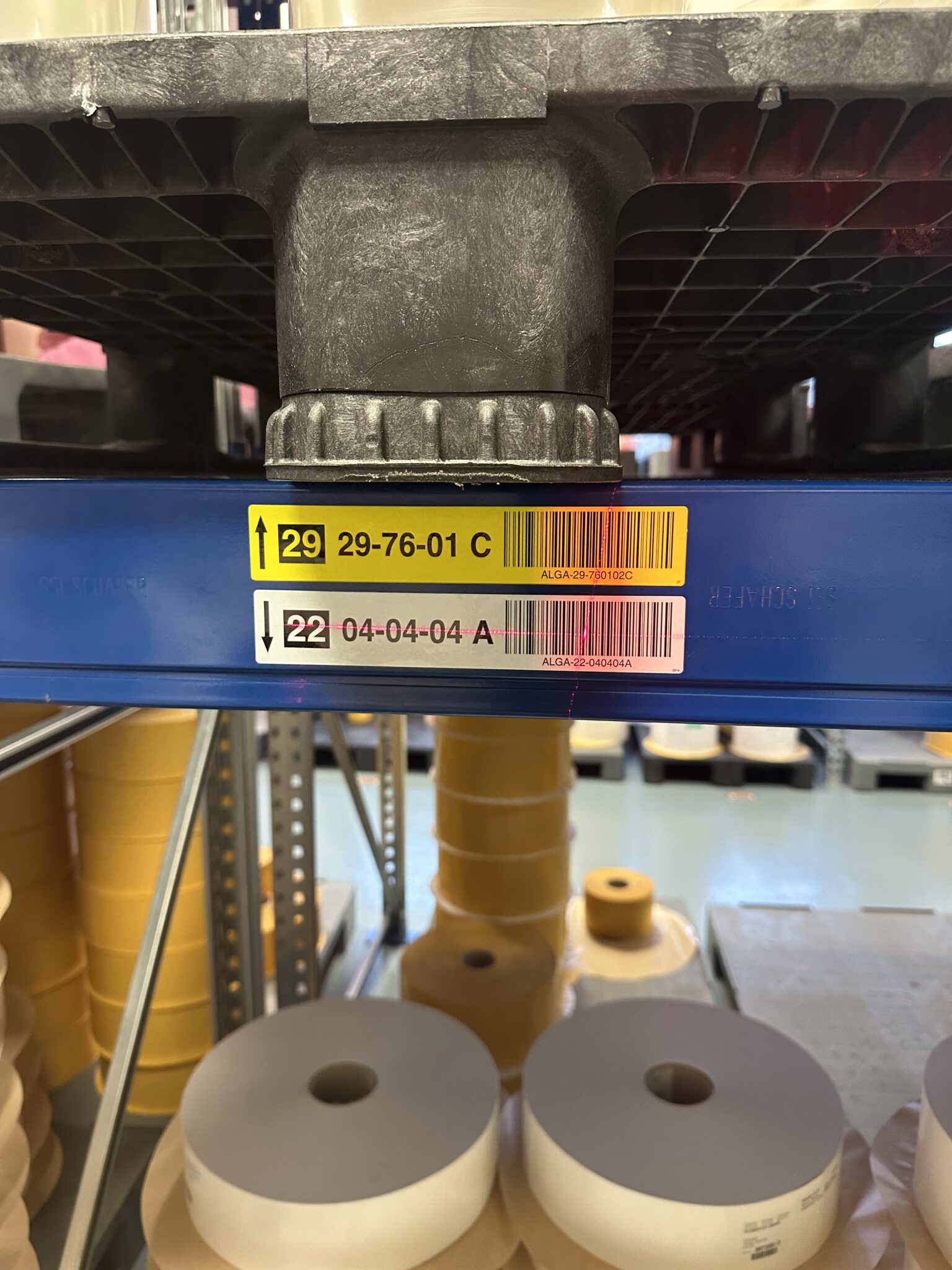
Drytack labels were used to cover existing barcodes, clearly indicating inactive locations while avoiding errors during scanning. Staff could see at a glance which areas were off-limits – and when a location needed to be reactivated, the label could be peeled off in seconds, leaving no trace behind. The customer praised the solution for its simplicity, efficiency, and sustainability.

“With Drytack, Inotec gave us an easy yet highly effective way to label blocked shelf spaces. The handling is straightforward, and the reusability makes it a more sustainable choice,” said the Production Manager of the Bicycle Manufacturer.

Why it matters

Drytack is perfect for operations where shelf or pick locations change frequently, such as seasonal stock rotations. A good example is footwear retailers who shift from flip-flops to winter boots as the seasons change. Drytack makes it easy to relabel quickly, without investing in expensive magnetic alternatives or damaging existing racking with adhesive residue. Available blank, pre-printed, or as thermal transfer-compatible material, Drytack suits a wide range of applications across warehouse, logistics, and retail environments.

similar news

Sustainabile e-commerce Packaging at LogiMAT 2025


Source link

0 comments
0 FacebookTwitterPinterestEmail
Services

Greek Delivery Firm Digitizes Last-Mile Operations

by
written by


Svuum, one of the fastest-growing last-mile delivery companies in Greece, has partnered with FarEye, a global last-mile platform, to digitize and optimize its operations. The result? A 50% reduction in operational costs, 95% first-attempt delivery rate, and 3 million successful orders in just four years. From control towers and route optimization to customer experience, this partnership showcases how Greek companies are leading with logistics innovation and operational excellence.

Established in 2021, Svuum has quickly become a major player in last-mile delivery in Greece. In just four years of operation, they have successfully delivered 3 million orders, with an impressive 95% first-attempt delivery rate. Through their commitment to fast, reliable, same-day, and next-day deliveries, paired with real-time tracking and exceptional customer support, they’ve positioned themselves as one of Greece’s most beloved brands – right up there with Acropolis, a wonder of the ancient world.

What is even more remarkable is that Svuum has managed to scale its business while reducing operational costs by 50%. During its early days, Svuum faced operational bottlenecks that hindered scalability and efficiency. Key challenges included limited system integrations, suboptimal route planning, and inefficiencies in driver and delivery management.

To sustain growth and elevate customer experience, Svuum sought a future-ready last-mile delivery solution — leading to its partnership with FarEye.

Transforming Last-Mile Operations

Nicolas Vassilakis, CEO of Svuum, emphasized the impact of this transformation: “Partnering with FarEye has been a game-changer. Their last-mile solutions have streamlined our operations, enhanced customer experiences, and enabled us to scale effectively. Together, we’re setting new benchmarks for last-mile logistics in Greece.”

FarEye’s advanced last-mile delivery platform has enabled Svuum to streamline operations, optimize resources, and enhance customer satisfaction:

• Seamless System Integrations – FarEye’s API-driven integrations allow Svuum to synchronize its in-house and merchant systems, ensuring real-time visibility, smooth data exchange, and workflow efficiency without operational disruptions.
• Digital Transformation of On-Ground Operations – FarEye has digitized Svuum’s logistics processes, leveraging GPS tracking, proof-of-delivery (POD) capture, and real-time driver location monitoring through its Driver Application.
• Control Tower Implementation – Svuum now has an integrated control tower, offering a centralized view of operations to proactively detect issues, mitigate risks, and drive continuous improvement.
• AI-Powered Route Optimization – By leveraging FarEye’s AI-driven route planning, Svuum has reduced operational costs by 50%, enhanced driver efficiency, and improved same-day and scheduled deliveries.
• Superior Customer Experience – With real-time order tracking, proactive updates, and a self-service customer portal, Svuum has reduced WISMO (Where Is My Order) inquiries by 60%, boosting overall customer satisfaction.

Driving Logistics Excellence in Greece

“Greece’s logistics spend is nearly double the global benchmark at 10% of GDP. Our partnership with Svuum proves that 3PLs can significantly enhance consumer satisfaction while optimizing costs,” said Suryansh Jalan, President, FarEye, highlighting the regional impact. With FarEye, Svuum is pioneering innovation in Greek last-mile logistics, demonstrating how technology-driven solutions can drive efficiency, cost-effectiveness, and customer delight in an evolving eCommerce landscape.

similar news

UK Logistics Provider Expands Services to Spain and Greece


Source link

0 comments
0 FacebookTwitterPinterestEmail
Services

WhatsApp, Chatbots Improve Customer Experience in Logistics

by
written by


The logistics industry is undergoing rapid change, with 87% of logistics operators planning to digitally transform operations in the near future, writes Richard Hanscott (pictured below), CEO at Esendex. Key areas of focus include better route planning and demand forecasting, as well as a wealth of improvements to the vehicle fleet such as predictive maintenance capabilities.

Less discussed, though, is how the customer experience is going to evolve. A 2024 Ofcom report found that over two-thirds (67%) of consumers had run into problems with a delivery in the past six months. Worryingly, more than half are still dissatisfied with the process of contacting delivery firms to discuss an issue, with satisfaction increasing a mere three percentage points since the 2023 report.

Rising customer expectations

For many logistics firms, phone support remains the default method for customer service. However managing call volumes can be challenging, often leaving customers facing long wait times, particularly during peak periods. When customers are getting in touch to report an issue, being kept on hold can often exacerbate their frustration, diminishing trust.

Today’s consumers are not only more demanding, but also more digitally savvy. Customers now expect to engage with businesses on their own terms, using the social media platforms, messaging apps, and communication channels they already use. This shift is driven by a desire for convenience, immediacy, and personalisation in every interaction.

Modernising customer communication

To address these rising expectations, delivery firms need to consider modernising their call centre operations. Evolving communication offerings beyond the simple telephone can help to transform customer interactions, reducing the number of support queries while making it simpler and quicker for them to get help.

Understanding where customers are located or most active is a critical first step. In the UK, WhatsApp is the most-commonly used messaging app, with 76% of adults using the platform within the last three months. Leveraging a familiar platform allows businesses to meet customers where they already are, lowering barriers to engagement and increasing adoption of digital support options.

Advanced digital tools now enable seamless integration of two-way WhatApp messaging and chatbots into existing customer service workflows. Automation allows businesses to rapidly scale support capacity during busy periods without compromising service quality. Initially, chatbots can handle straightforward queries, such as delivery tracking, rescheduling, or FAQs, and gradually take on more complex interactions as their capabilities improve through ongoing optimisation.

Why change your approach to customer communications?

For customer service staff, the shift to a more modern system can make a huge difference. Routine, repetitive queries can be offloaded to automated systems, freeing up agents to focus on complex, high-value customer interactions. This not only elevates the customer experience but also helps reduce stress and burnout among call centre teams – an increasingly important consideration in workforce management.

From the customer perspective, speed and convenience are essential. Delivery recipients often need support outside traditional office hours – perhaps to report a missed delivery after returning home or to reschedule a large furniture shipment on short notice. Rather than having to find a quiet place to make a call and sit on hold, customers can interact with chatbots on-the-go for an instant response.

Richard Hanscott, Esendex

For example, we’ve worked with Rhenus Home Delivery to add a WhatsApp and chatbot functionality to its communications, which replaced the helpline telephone number. Simply put, the change has been remarkable as customers calling the helpline previously had an average wait time of 25-40 minutes. Now, as a result of the chatbot, responses are instant, even out-of-hours.

When human assistance is required, the chatbot can efficiently triage queries to agents, while ensuring that the entire conversation history moves across too. This saves valuable time and means the customer doesn’t need to repeat themselves multiple times – a common source of frustration.

Statistics show six in 10 consumers check the status of their parcel at least once a day. When this information is only available via call centres, it can quickly lead to an overwhelmed support team. With the latest upgrade, tracking updates are provided automatically in real-time, giving customers the information they need before they’ve even had a chance to ask for it.

Building stronger brand loyalty and competitive differentiation

Seamless, responsive communication not only resolves issues faster but also helps build emotional connections with customers. Companies that invest in delivering quick, personalised, and convenient support foster higher levels of trust and loyalty. In the competitive logistics sector, this can be a crucial differentiator that drives repeat business and positive word-of-mouth referrals.
Furthermore, integrating digital communication channels signals innovation and customer-focus – traits that resonate strongly with modern consumers. This can strengthen brand reputation and position a logistics provider as a leader in customer experience.

Future-proofing logistics operations with omnichannel communication

Looking ahead, logistics companies must prepare for an increasingly complex communication landscape. Customers expect to reach out via multiple channels – phone, SMS, WhatsApp, social media, and soon, emerging platforms like voice assistants or augmented reality support. By adopting an omnichannel strategy that integrates these platforms, businesses can provide a consistent, unified experience. This flexibility will become a competitive necessity as customer preferences continue to change. Moreover, investments in AI and machine learning will enable even greater automation, predictive support, and personalised interactions, further enhancing efficiency and satisfaction.

similar news

Next Step in Supply Chain Digital Transformation


Source link

0 comments
0 FacebookTwitterPinterestEmail
Services

Jet privato Embraer Legacy – Private Jet Finder BLOG

by
written by


TheEmbraer Legacy 450 and its “big brother” Legacy 500 represent one of the most innovative and popular solutions in the medium jet segment. Designed and manufactured by the Brazilian Embraer Group, these aircraft combine superior comfort and top-notch performance, making them a preferred choice for business and private customers seeking efficiency and luxury in medium-haul flights. Among the features that make the Embraer Legacy 450 and 500 special are advanced technologies dedicated to comfort, including a particularly efficient cabin pressurization system that makes every flight an even more enjoyable experience.

Cabin design and comfort

One of the most distinctive aspects of theEmbraer Legacy 450/500 is the cabin, which reflects a modern, elegant and functional design. The interior configuration can accommodate 7 to 9 passengers, with wide, adjustable seats in high-quality leather, customizable LED lighting, and large windows that provide natural light and panoramic views during flight.

The cabin is also modular and spacious, with an interior width of about 1.88 meters and a height of 1.83 meters, offering rare space for a medium jet. Advanced sound insulation allows low noise levels to be maintained, making travel comfortable and relaxing even for routes of several hours.

Embraer Legacy private jet

Cabin pressurization: comfort and well-being aboard the Embraer Legacy 450/500

A key aspect that distinguishes the Legacy 450/500 is the cabin pressurization system, which maintains a cabin altitude equivalent to about 6,000 feet (about 1,800 meters) during flight, compared with about 8,000 feet (2,400 meters) for many other jets in the same category.

This lower cabin altitude results in an interior environment with more available oxygen, dramatically reducing fatigue, the feeling of “thin air” and jet lag symptoms, even on relatively long flights. This is a key benefit for business travelers who need to maintain concentration and productivity even immediately after landing.

The pressurization system is also designed to ensure gradual and steady pressure changes, contributing to the well-being of sensitive passengers or those with special medical needs.

Performance and autonomy

Performance-wise, the Embraer Legacy 450 boasts a range of about 3,700 km, while the Legacy 500 extends this distance to 4,630 km, enabling direct flights between major European cities, between Europe and the Middle East, or on shorter transcontinental routes.

The cruising speed is around 850 km/h, which is very competitive in the medium jet segment and ensures fast and punctual transfers.

Advanced Technology

Embraer has equipped these models with a modern cockpit, based on the fly-by-wire control system, which improves maneuverability and flight safety. Rockwell Collins’ “Pro Line Fusion” avionics system, integrated into the Embraer Legacy 450/500, offers pilots an intuitive digital interface with touchscreen displays and state-of-the-art flight management systems.

On the passenger side, in-flight connectivity is provided by advanced Wi-Fi systems, allowing for uninterrupted work or entertainment.

Routes and destinations in Europe particularly suitable for the Embraer Legacy 450/500

With its range of about 3,700 km for the Legacy 450 and 4,630 km for the Legacy 500, coupled with a high cruising speed of about 850 km/h, the’ Embraer Legacy 450/500 is ideal for many business and leisure routes in Europe with average flight times between 1.5 and 4 hours, allowing direct nonstop flights.

Here are some concrete examples:

  • London – Rome (about 1,440 km): direct flight in less than 2 hours, perfect for meetings or business weekends.

  • Paris – Munich (about 680 km): just under 1 hour flight time for fast and efficient business travel.

  • Madrid – Milan (about 1,350 km): about 1 hour and 40 minutes to connect two economic capitals without stress.

  • Zurich – Barcelona (about 1,240 km): just under 2 hours to combine work and relaxation in uniquely charming cities.

These times and distances optimize time, reduce travel fatigue, and provide greater productivity and comfort than commercial flights.

Ideal for.

  • Business Travel – Perfect for managers and businesspeople who travel frequently on intra-European routes or between Europe and the Middle East, thanks to low flight times and comfortable cabin.

  • Private Travel – Suitable for families or small groups seeking comfort and privacy for exclusive relocations or vacations.

  • Operational Flexibility-Thanks to its medium size, it can also land at airports with shorter runways or limitations, expanding destination options.

Rent your Embraer Legacy 450/500 private jet with PrivateJetFinder

TheEmbraer Legacy 450/500 stands out in the medium jet segment for its state-of-the-art pressurization system, which significantly improves comfort and well-being on board. Combined with high performance and a spacious, modern cabin, it is an excellent choice for those needing private medium-haul flights with high quality expectations.

If you want to have an exclusive, comfortable and fast flight experience with the Embraer Legacy 450/500, charter your private jet now with PrivateJetFinder and discover all the destinations available for your travels in Europe and beyond.

Useful Links: also read our article on the risks of pressurization aboard private jets for our pets.


Source link

0 comments
0 FacebookTwitterPinterestEmail
Services

B2B Fulfilment Capabilities Added to ERP

by
written by


Manhattan Associates Inc. has announced the launch of Enterprise Promise & Fulfill™, a cloud-native solution that transforms traditional order management by augmenting existing ERP systems with advanced capabilities to maximise inventory visibility, intelligent order promising, and fulfilment optimisation. Focusing on enhancing a customer’s existing ERP landscape, this solution is positioned to solve a number of fundamental challenges experienced by today’s B2B sellers.

As the expectations of enterprise buyers continue to shift toward consumer-like experiences, traditional ERP order management systems have struggled to keep up. Most were designed for financial transactions, not the dynamic, inventory-intensive demands of today’s supply chains. Enterprise Promise & Fulfill empowers manufacturers, global brand owners, wholesalers, and distributors to elevate their fulfilment performance, drive revenue, and improve customer satisfaction — without costly ERP overhauls.

“Enterprise Promise & Fulfill is purpose-built to meet the growing demand for smarter, faster, and more transparent B2B fulfilment,” said Amy Tennent, senior director of Product Management at Manhattan Associates. “Enterprise buyers today expect the same real-time visibility, flexibility, and control as consumers. This solution closes that gap, driving sales, delivering modern fulfilment intelligence, and operational excellence and agility in close coordination with existing ERP’s.”

Enterprise Promise & Fulfill addresses the most pressing challenges enterprise merchants face, including limited inventory visibility, manual exception handling, inaccurate promising, fragmented order orchestration, and increasing fulfilment costs. It unlocks three critical business outcomes:

• Elevate Sales Revenue – surface more sellable inventory and enable confident delivery commitments at the point of purchase.
• Expand Operational Excellence – provide advanced order routing, consolidation, and automated exception management to cut shipping costs and reduce manual labor.
• Enhance Buyer Experiences – enable personalised fulfilment options, transparent order tracking, and buyer-controlled delivery adjustments.

The solution’s cloud-native, microservices architecture ensures rapid scalability and seamless integration with existing ERP, WMS, TMS, and eCommerce platforms. Its flexible deployment model allows organisations to add modern capabilities without disrupting core systems, making it especially valuable for multi-ERP or legacy ERP environments.

Because Enterprise Promise and Fulfill is built on the Manhattan Active Platform, it works seamlessly with other Manhattan Active applications, including Manhattan Active Warehouse Management, Transportation Management, and Supply Chain Planning.

Now available globally, Enterprise Promise & Fulfill from Manhattan empowers merchants to meet the moment and exceed customer expectations, reinforcing Manhattan’s commitment to innovation and leadership in unified supply chain commerce.

similar news

Software gives edge on Fulfilling Online Orders


Source link

0 comments
0 FacebookTwitterPinterestEmail
Newer Posts
Older Posts

Recent Posts

  • Automation is Transforming Logistics in India
  • Swarm AGVs for Multiple Flows & Pallet Types
  • Contracts Manage Warehouse Construction Risk
  • Why Fragmented Freight Management Systems Are Killing Operational Efficiency
  • Wheels for Steel – Logistics News

Recent Comments

No comments to show.

Social Connect

Whatsapp

Recent Posts

  • Automation is Transforming Logistics in India

  • Swarm AGVs for Multiple Flows & Pallet Types

  • Contracts Manage Warehouse Construction Risk

  • Why Fragmented Freight Management Systems Are Killing Operational Efficiency

  • Wheels for Steel – Logistics News

Newsletter

Categories

  • Services (1,091)
  • Uncategorized (41)

@2024 - All Right Reserved. Designed and Developed by Sierraline Cargo services

Manage Consent
To provide the best experiences, we use technologies like cookies to store and/or access device information. Consenting to these technologies will allow us to process data such as browsing behavior or unique IDs on this site. Not consenting or withdrawing consent, may adversely affect certain features and functions.
Functional Always active
The technical storage or access is strictly necessary for the legitimate purpose of enabling the use of a specific service explicitly requested by the subscriber or user, or for the sole purpose of carrying out the transmission of a communication over an electronic communications network.
Preferences
The technical storage or access is necessary for the legitimate purpose of storing preferences that are not requested by the subscriber or user.
Statistics
The technical storage or access that is used exclusively for statistical purposes. The technical storage or access that is used exclusively for anonymous statistical purposes. Without a subpoena, voluntary compliance on the part of your Internet Service Provider, or additional records from a third party, information stored or retrieved for this purpose alone cannot usually be used to identify you.
Marketing
The technical storage or access is required to create user profiles to send advertising, or to track the user on a website or across several websites for similar marketing purposes.
  • Manage options
  • Manage services
  • Manage {vendor_count} vendors
  • Read more about these purposes
View preferences
  • {title}
  • {title}
  • {title}
Sierraline Cargo Services
  • HOME
  • Services
    • Trade With Us
  • About Us
  • Contact Us
  • private jet
    • BOOK YOUR JOURNEY
  • Track Packages
  • Insurance
  • safekeeping

WhatsApp us