Sierraline Cargo Services
  • HOME
  • Services
    • Trade With Us
  • About Us
  • Contact Us
  • private jet
    • BOOK YOUR JOURNEY
  • Track Packages
  • Insurance
  • safekeeping
Services

Dangers of HGV Driving During the Summer

by
written by


For most people, summer is the best time of year. It means days out on the beach, rural walks, and maybe even a getaway. However, for many, it also means long stretches of travel and hours spent in traffic. With 3.6 million travellers expected to hit the UK roads most weekends, nobody is affected more than HGV drivers.

Across the UK, HGV drivers work up to 56 hours a week, even over the summer. During this time, they are more likely to face challenges from both their vehicles and health-related issues, like dehydration and fatigue, due to extreme temperatures. To help HGV drivers stay safe on the road this summer season, Matthew Briggs, CEO at Right Fuel Card, has offered his expert insight into how they can navigate the roads and protect themselves during summer. Dr Deborah Lee from Dr Fox Online Pharmacy also offered expert insight into the health risks that HGV drivers face during the warmer months, and how they can be prevented.

Vehicle Risks: Traffic-related accidents:

“Summertime is the busiest period for UK roads, with an estimated 27 million leisure trips expected throughout the peak of summer. Consequently, the increased number of cars on the roads means an increased number of accidents, with a 59% increase in speed-related deaths and serious injuries on the UK’s motorways and major A roads during summer,” says Briggs. “While it is important to practice safe driving all year round, it’s important for HGV drivers to have an increased sense of awareness, particularly when drivers on the road are not used to travelling long distances.” The key things to remember while driving during heavy traffic are as follows:

• Avoid tailgating, particularly on long stretches of road.
• Be conscious of blind spots, particularly for inexperienced drivers trying to cut in.
• Try to be predictable for other drivers on the road and avoid sudden changes in speed or lane position.

The ‘Urban Heat Island’

“The ‘Urban Heat Island (UHI) is when cities and urban areas become significantly warmer than their rural counterparts, especially at night. It is a well-documented phenomenon caused by how cities are built and how they function,” says Briggs. “A variety of factors contribute to this, including skyscrapers and narrow streets, which can block wind and trap heat, a lack of trees and plants, as well as roads and pavements which absorb sunlight during the day. These factors lead to a temperature increase of between 3°C and 6°C during the day.

“HGV drivers are particularly affected by this, as long stops in traffic or dense city centres can lead to the cab’s temperature increasing rapidly, especially if the A/C is not effective or fails. To avoid getting caught out by this, try plan your route to avoid built-up areas or city centres. Sometimes this can be impossible depending on your destination, if so, try to take your break when you are out of the suburban area and try to pull over somewhere more rural.”

Mechanical Failures

“HGVs are among the largest vehicles on the road, and as a result, they have many points of failure,” he adds. “The most common mechanical issue drivers can expect during summer is the engine overheating. HGV engines already work hard, and a long period of high temperatures can push the cooling system over the edge. Additionally, if the coolant levels are low or the radiator is clogged, they may begin to steam from the bonnet mid-route. To avoid this, regularly check the coolant levels, fan belts and radiator.”

“Tyres can suffer during the summer, they wear faster, since hot asphalt and long trips increase friction, especially if roads are poorly maintained. A more extreme issue caused by the heat is tire blowouts. This occurs when heat causes the tyres to expand, which is particularly dangerous if they are over-inflated. An easy way to prevent this is to check your tyres at the beginning of each shift. This might sound pedantic, but vehicles are much more susceptible to issues in the summer.”

Health risks during the summer

Dr Deborah Lee from Dr Fox Online Pharmacy offered her expert insight into the increased health risks that HGV drivers face during the summer months.

Heat-related fatigue and dehydration

“Fatigue and dehydration are two of the greatest dangers for any driver. They often occur together, and either one or both can kill. 68% of road accidents are due to driver error, which can be caused by dehydration and fatigue,” she says. “Although many drivers may not realise it, dehydration is a cause of fatigue. In a study by Loughborough University, drivers suffering from dehydration were found to commit as many driving errors as those driving under the influence of alcohol.

“To avoid this, start the journey well-hydrated. Water is the best fluid you can drink, but tea, coffee, fruit juice and squash also count. Be aware that tea and coffee contain caffeine, which is a diuretic. This means it makes you need the toilet more often, which doesn’t help fluid balance. Avoid sugary, fizzy drinks and energy drinks as these are not good at quenching thirst. Take water with you on your journey and sip a little and often. Make sure you have a large, refillable water bottle that’s easy to grab and drink from while driving. You can refill this when you stop for a break or to use the toilet. Take some bottled water in case you need it. You must drink at least 8 ounces (one large cup/glass) of water every hour.”

Sun, Sweat and Safety

“HGV drivers may not be aware that the glass in the car windows does not block UVA and only blocks some UVB radiation. This means drivers are at risk of excess UV exposure, which increases the risk of skin cancers, as well as causing premature ageing of the skin,” Dr Lee explains. “Drivers should use sunscreen with SPF 30 or above, plus at least 4 stars for anti-UVA protection. They should also cover up with long sleeves and wear UV-blocking sunglasses. Always wear a hat and use SPF 50 sunscreen with care.”

Briggs added, “Driving an HGV in extreme heat is no small task – it’s physically and mentally demanding in ways many don’t see. Long hours on the road, sun glare, hot cabs, and the added strain on vehicles all combine to make summer one of the toughest times of year for our drivers. It’s not just about comfort; it’s about concentration, safety, and endurance.”

similar news
Fatigued operators are 7.3x greater accident risk


Source link

0 comments
0 FacebookTwitterPinterestEmail
Services

May 2025

by
written by


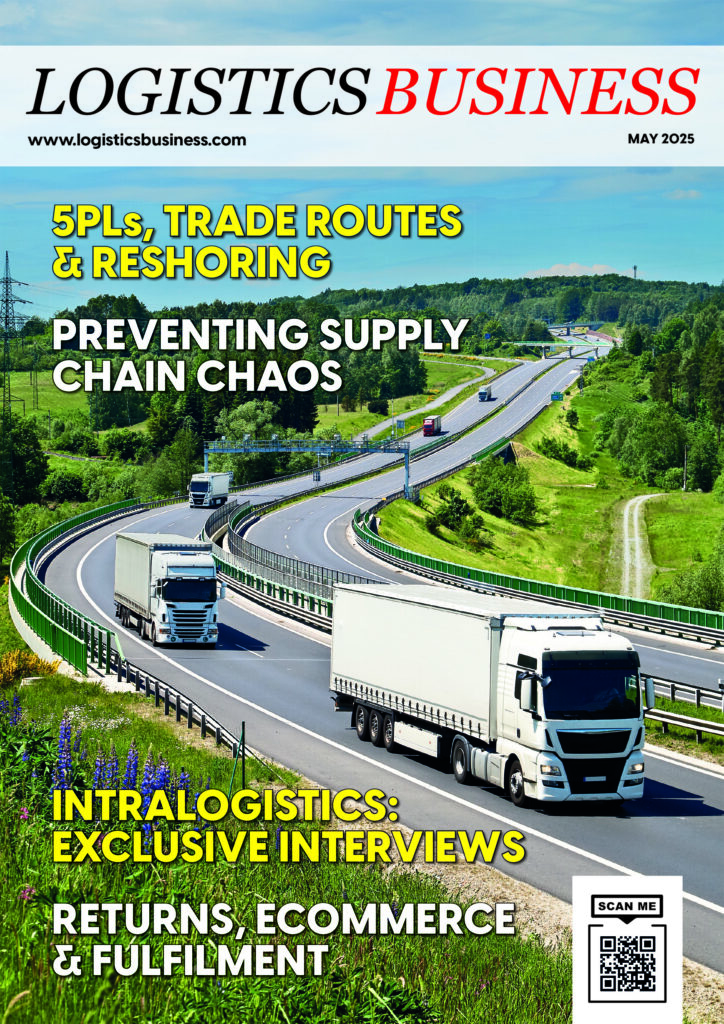
The May 2025 issue of Logistics Business magazine: Insightful and unique content covering the international supply chain, logistics and warehousing sector.

We have exclusive features on Reshoring, Shipping Routes, 5PL Contract Logistics, Returns Management, Customs & Specialist Freight Forwarding, Loading Bay Safety, ERP Software, Supply Chain Transparency, Data & Risk Mitigation, Calculating Costs, Rugged Devices, Parcel Locker Networks, Choosing an Intralogistics Partner, Forklift Reinvention, Flexible Warehouse Systems Integration, Branding, Data & Energy Transmission, Sortation Technology, Scalable ASRS, Drives & Controls, Materials Handling Manufacturing, Robotics KPIs, Warehouse Optimisation & Mapping, AMR Collaboration & Scheduling, Fashion Fulfilment, Industrial Doors, Packaging Automation at the end-of-line, Plastic Pallet Merger.

In-depth interviews, site visits and case studies with DSV, Linde, GAC, Infios, Getac, Beumer, TGW, Clark, Bobcat, Ocado, Bowe, Mecalux, Libiao, Coesia and Hormann.

May 2025 Issue

Our digital issues can be read in any language, or listened to. Simply click on the ‘Freeflow reader’ graphic near the top right corner of each editorial page. To browse all our recent issues click here.

similar news

Logistics Business Latest Issue – Read here


Click here to read this issue


Source link

0 comments
0 FacebookTwitterPinterestEmail
Services

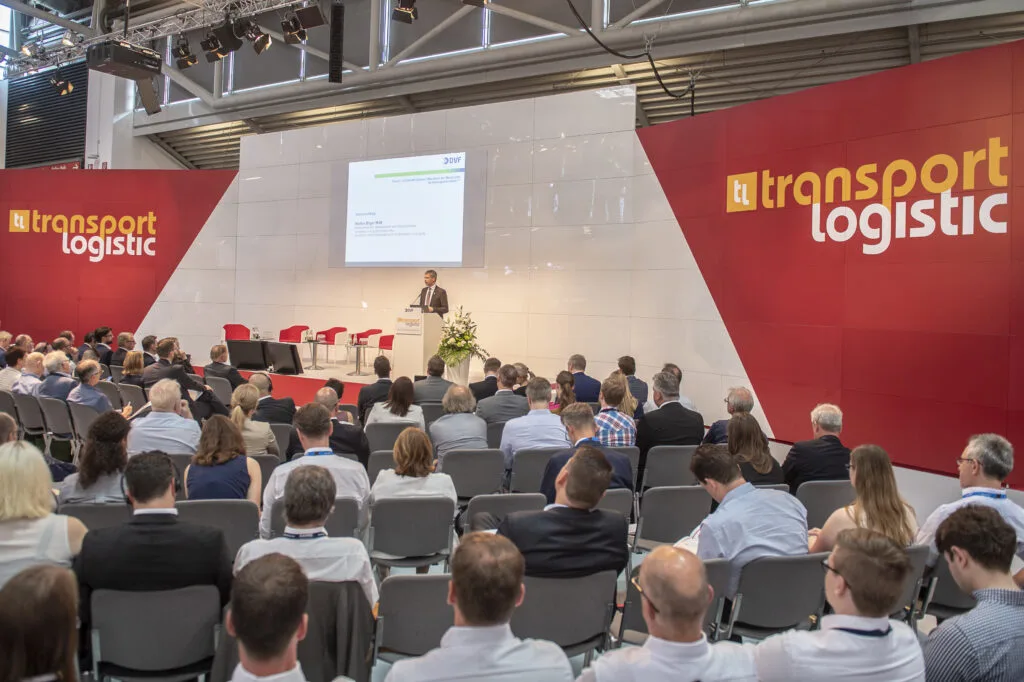
Curated Conference Programme for TL Munich

by
written by


transport logistic 2025 (TL Munich) will take place from June 2 to 5th at the Messe München exhibition centre and will once again be the meeting place for the international logistics industry, with a curated conference. Immediately after the official opening on the first day of the trade fair at 11:00, the conference program will start with around 150 specialist events on current topics from logistics, mobility, IT and supply chain management: the Conference, Campus Plaza, Exhibitor Stage and exhibitor events will provide information on companies, people and the environment. Key topics include cooperation, artificial intelligence, cybersecurity and much more, with constructive ideas about issues such as infrastructure and people bottlenecks. On the whole, the topics show that markets and technologies are changing rapidly, mainly driven by geopolitics, digitalization and sustainability.

Top-class panels

The conference program fills 60 slots in four forums with presentations and discussions across all modes of transport and sectors. A total of 154 large and small logistics brands will present themselves on the stages in Halls A1, A2, A3 and B1. The focus will be on market developments with risks and opportunities, as well as processes and solutions. Many conference presentations will focus on achieving maximum efficiency with minimum emissions.

The perspectives range from deep dives into sectors such as chemicals, automotive and consumer goods to high-level discussions such as talks at the 13th mariLOG conference on changes in maritime logistics chains with Angela Titzrath (CEO of Hamburger Hafen Logistik) and Rolf Habben Jansen (CEO of Hapag Lloyd), among others.

Campus Plaza enters its second round

After its successful premiere, the transport logistic Campus Plaza is now entering its second round. Experts and interested parties will meet in Hall A3.323/424 on the networking platform with short presentations. The topics of cybersecurity, sustainability, artificial intelligence and employers will be examined from different perspectives for one day each. Among the 19 presentations already registered are brands such as Dekra, DP World, Arvato, Dako and Unisys, with more yet to come.

TL Munich conference

With 33 presentations on the Exhibitor Stage (Hall B5.133/234) and 29 events at trade fair stands so far, exhibitors are rounding off the program of transport logistic & air cargo Europe 2025. The participating companies include renowned players such as Kühne & Nagel, Rhenus Logistics, Mercedes-Benz Trucks, AEB, SVG and Gruber Logistics. As part of their activities, initiatives are organizing pitch rounds for startups. The named topics include “Logistics for the future” by Your German Logistics and “Logistics Changers: Startups rock logistics” by Logistik-Cluster Schwaben. The ÖBB Rail Cargo Group will host a locomotive naming ceremony on the open-air site.

air cargo Europe: a high-level meeting

As the world’s largest meeting place for air cargo, air cargo Europe (acE) occupies Halls A1 and A2. With the motto “At the cutting edge”, the industry’s key players will give talks in four panel discussions on topics including the future of AI and sustainability. Another highlight of the acE conference will be a discussion on the “Fight against Greenhushing”, which refers to the concealing of data for fear of false reports. This discussion was initiated by Women in Aviation and Logistics. On June 3 at 18:00, the industry will celebrate the ACW World Air Cargo Awards.

Markets are changing rapidly

At an international level, the world of logistics is preoccupied with “Global supply chains in transition” (BVL), developments such as “My Nation First—Antiglobalization, trade wars, hot wars” (Club of Logistics) and “Future of Air Freight and Freighters”. The continuing wave of insolvencies is causing concern for SMEs. The Federal Association of Freight Transport and Logistics (BGL) will provide a status report on this while the Verkehrsrundschau will pose the question: “Medium-sized transport companies: phased-out model or model for the future?”. The Expert Council on Digital Transformation in Transport and Logistics will discuss “How freight forwarders are mastering change” in a panel. Key players from business and research will comment on market developments, including major brands such as IKEA, Alfred Kärcher, Andreas Schmid Logistik and VDO/Continental.

Key topic: digitalization

Across all modes of transport and logistics markets, companies, researchers and associations are working to digitalize processes and solutions. The primary goal is to achieve maximum efficiency with minimum emissions. Artificial intelligence is seen as an important lever here. Its application scenarios along the supply chain focus on the last mile (German Parcel and Express Logistics Association (BPEX)) or examine their influence on the competitiveness of rail freight transport (Rail Business). Another focus is on forms of cooperation in supply chains. Among other things, the Open Logistics Foundation is moderating two discussion rounds on open-source solutions for electronic delivery bills and zero-emission solutions. The BVL will shed light on the downside of the unhindered flow of data with the topic “Cybersecurity in logistics: How supply chains remain secure in the digital age” based on a recently published study. The Federal Office for IT Security (BSI) will provide deep knowledge in a forum on the particularly vulnerable area of air freight. Innovations on the Exhibitor Stage will offer in-depth insights into practical applications, including multimodal processes and specialist areas such as customs.

Sustainability has a stage

The environment, people and companies are considered to be the pillars of sustainability. They run through many contributions in the conference program: research projects (Logistik Initiative Hamburg), electric mobility (Verkehrsrundschau) or ESG (BVL/DSLV) with emission calculation (IVE). Technologies and applications, especially for transportation management, will be presented on the Exhibitor Stage and at the exhibitor talks. Rail has a place in the conference program and unfolds its potential in combined transport. As an environmentally friendly alternative, it will conquer the stage with several performances. The Forum in Hall A3 is a focal point. Obstacles and opportunities, trends and developments, technologies and sensible investments will be highlighted by the Association of German Transport Companies (VDV), among others, with the question “How can non-craneable trailers be transported by rail?”, while an alliance of industry and sector representatives will clarify why “every meter counts” when it comes to service areas and tracks (LKZ Prien). The German Transport Forum (DVF) is developing ideas for the future: “Reshaping Combined Transport: How do we take combined transport to a new level?”

No logistics without people

The last day of the trade fair will be dedicated to HR topics. Interactive sessions lasting four hours each will focus on employer branding with the Wirtschaftsmacher (Forum Hall A2) and developments in the world of work with a focus on women with LogWorkPINK (Forum Hall A1). In discussions with transport companies, Verkehrsrundschau will examine the best strategies to combat the shortage of trainees and skilled workers. The Chamber of Industry and Commerce for Munich and Upper Bavaria is tackling the shortage of professional drivers with “Immigration — just do it!” and the Augsburg University of Applied Sciences is curbing fluctuation with research results and packages of measures on the subject of “motivating drivers”.

The programme reflects the industry

“The conference program is growing as the industry becomes more significant. We are proud of the great commitment of the exhibitors, media and partners. transport logistic is an important platform for discourse in the logistics community,” says Dr. Robert Schönberger, Global Industry Lead transport logistic & air cargo Europe exhibitions at Messe München. The panel discussions and lectures will be held in German or English and will be translated simultaneously. Attendance at the conference program is included in the ticket price.

similar news

Freight Conference Enlightenment


Source link

0 comments
0 FacebookTwitterPinterestEmail
Services

Navigating Last Mile Chaos

by
written by


Are You Winning or Losing the Final Delivery Battle, asks Nagendra Rao, President of Sales, leads revenue generation and drives business growth at Trigent Software Inc.

Let’s face it: last-mile delivery is logistics’ gritty battleground. It’s messy, chaotic, and, frankly, it’s the ultimate test of your logistical swagger. Even the most battle-hardened logistics vets know there’s no glory in nearly getting it right. When the rubber meets the road — from bustling city streets to suburban cul-de-sacs — the last mile either crowns heroes or crushes reputations. And with customers demanding deliveries faster than ever, there’s zero room for slip-ups. Ready to dive into the reality of today’s last-mile challenges?

Understanding the Core Challenges of Last-Mile Delivery

1. Skyrocketing Customer Expectations
Blame Amazon, blame Uber Eats, blame whoever you want—but the truth is, instant gratification is now standard. According to a Capgemini report, nearly 74% of customers would increase spending with a retailer offering exceptional last-mile delivery experiences, while 55% would switch retailers if a competitor provided faster services. Amazon’s introduction of Prime same-day delivery reshaped consumer expectations, pushing logistics companies into an adrenaline-fueled sprint.

2. Ballooning Operational Costs
The last mile consumes approximately 53% of the total shipping costs. This figure has only risen amid soaring fuel costs, increased labor expenses, and tariff shifts from recent regulatory changes under the Trump administration. These tariffs significantly increased logistics providers’ costs, affecting everything from vehicle parts to packaging materials. Throw congested hotspots like NYC or LA into the mix, where DHL and FedEx regularly battle traffic congestion, and urban fulfillment hubs become survival gear.

3. Real-Time Visibility — Or Lack Thereof
Route optimization seems straightforward—until you hit unexpected detours, failed deliveries, or traffic snarls. Studies reveal that 91% of consumers actively track their packages, with 39% tracking once a day and 19% doing so multiple times daily, highlighting the crucial need for reliable real-time visibility. To address this, UPS integrated On-Road Integrated Optimization and Navigation (ORION) technology to tackle route inefficiencies, underscoring the industry’s ongoing struggle to adapt and optimize.

4. Returns: Logistics’ Unwanted Encore
Returns aren’t just a buzzkill; they’re expensive and unpredictable. US retail returns reached an eye-watering $816 billion in 2022, according to Merchants Fleet. Reverse logistics becomes a thorny, costly sideshow, complicating scheduling, capacity management, and overall operational efficiency.

5. Specialized Materials and Regulatory Compliance
Think refrigerated goods, hazardous chemicals, or flammable liquids: each demands tailored delivery modes and stringent regulatory compliance. Recent regulatory changes, including adjustments in safety standards and material handling protocols, compound these complexities, requiring logistics providers to frequently recalibrate operations.

6. Sustainability Under Pressure
Adopting the green route isn’t just trendy, it’s increasingly mandatory. As highlighted in recent industry analyses, 48% of customers now prioritize brands with clear environmental commitments. Electric fleets, optimized packaging, and reduced emissions are becoming necessities, demanding substantial upfront investments and significant operational pivots. Rivian and Amazon’s electric delivery fleets highlight significant operational pivots necessary for meeting environmental standards.

7. Impact of Poor Delivery Experiences
A striking 70% of consumers are likely to share negative experiences online following late or incorrect deliveries, significantly threatening brand reputation. Nearly 39% of shoppers won’t give retailers a second chance after poor delivery experiences, underscoring the high stakes of last-mile execution.

Why Crushing Last-Mile Challenges Matters

Tackling these hurdles isn’t just about operational smoothness. It’s about protecting your brand reputation and securing lasting customer loyalty. Your final delivery step? It’s your ultimate brand ambassador. Voxware found that 69% of consumers are less likely to shop again with a retailer if delivery promises aren’t met within two days of the expected date. Just ask Domino’s, whose entire brand reputation revolves around reliable last-mile performance.

Optimizing last-mile efficiency also enhances profitability by significantly slashing fuel, labour and maintenance costs. Enhanced API integrations, precise route planning, and optimized resource use aren’t mere cost savers, they’re essential profitability drivers. According to McKinsey, companies that implement advanced tracking and visibility solutions can reduce logistics costs by up to 15% and improve delivery times by 20%.

Tech as Your Secret Weapon

Let’s face it: Last-mile logistics is only getting tougher. It’s time to embrace the grind, innovate relentlessly, and adapt to shifting expectations, tightening regulations, and emerging technologies.
For logistics veterans striving to master the last mile, tech isn’t optional anymore: it’s your survival kit. AI-driven route optimization, predictive analytics, and automated dispatch systems aren’t just buzzwords; they’re critical lifelines. With their strategic tech acquisitions, companies like Walmart showcase how real-time tracking applications and intelligent algorithms maintain a competitive edge. So it’s time to gear up, dig in, and dominate this high-stakes battlefield with the right tech solutions.

similar news

First Pan-European Last-Mile Logistics Platform Targets Single Tenant Assets


Source link

0 comments
0 FacebookTwitterPinterestEmail
Services

Fully-Electric HGV Added to Fleet

by
written by


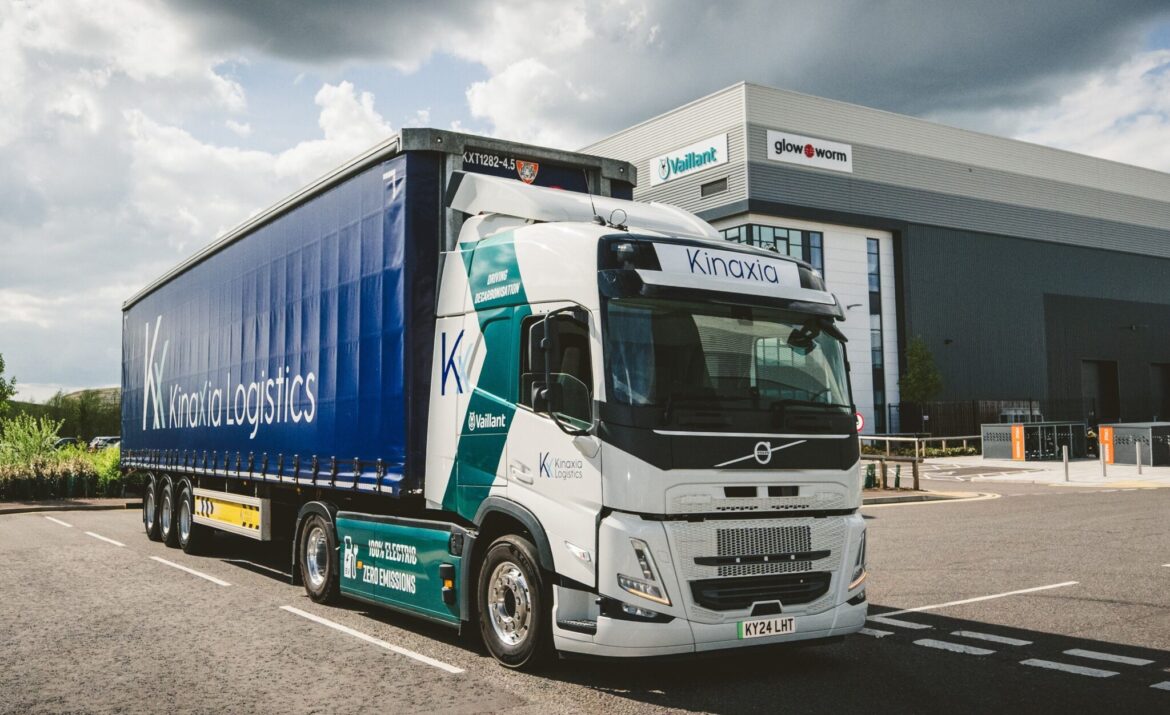
Kinaxia Logistics has added the first fully-electric Volvo HGV to its fleet as the company continues to invest in its environmental and emissions reduction strategy and help customers to decarbonise their supply chains. The new Volvo FM 4×2 tractor unit, which has a range of 200 miles and is powered by six batteries and three electric motors, was supplied by award-winning Volvo dealer Thomas Hardie Commercials.

It is being deployed to move stock for Vaillant, which manufactures heat pumps and high-efficiency boilers to help decarbonise home heating in the UK. The zero-emissions vehicle, which replaces a diesel truck, is being used to transport goods from Vaillant’s manufacturing plant in Belper, Derbyshire, to a national distribution centre seven miles away at Denby.

Kinaxia says the tractor unit will reduce delivery emissions for Vaillant by more than 21,600kg CO2e a year. The electric truck complements other eco-friendly vehicles in Kinaxia’s fleet which are powered by compressed natural gas and hydrotreated vegetable oil, as part of its mission to help customers remove carbon emissions from their supply chains and meet environmental targets.

Simon Nelson, managing director of Kinaxia’s contract logistics operations, said: “We announced at the start of the year that we would be investing further in sustainability measures, and this new electric vehicle sits alongside other recent initiatives, including our greater use of technology and our K-Link distribution network which reduces delivery miles and emissions for customers. This upgrade supports Vaillant’s goal to halve its carbon emissions by 2030 and there are great synergies between both businesses, as we drive decarbonisation of our customer supply chains and Vaillant supports the decarbonisation of home heating through the design and manufacture of low-carbon systems.”

Nick Bennett, supply chain director at Vaillant Group UK & Ireland, said: “We’re delighted to have invested in a more efficient fleet, launching our very first fully- electric lorry which supports us on our journey to net zero. At Vaillant, we are driving the transition to decarbonising home heating with our heat pump technology, so this new vehicle moves us forward in a positive way whilst we consider how we further decarbonise the whole supply chain. Partnering with Kinaxia and Volvo has allowed us all to work together with a shared sustainability vision. We see this as the first of many electric vehicles yet to be introduced into our fleet.”

Kinaxia, which has its headquarters in Cheshire, has 1,600 staff nationwide and operates a fleet of 1,000 vehicles transporting goods for the retail, leisure, food and drink and manufacturing sectors.
The company’s national network of hubs provides a full source-to-shelf logistics service. It has 2.7 million sq ft of strategic national warehousing facilities offering contract packing, e-fulfilment, returns management, storage services and a complete distribution service.

similar news

Jungheinrich helps Vaillant switch to lithium-ion


Source link

0 comments
0 FacebookTwitterPinterestEmail
Services

Deliver Europe Conference Agenda

by
written by


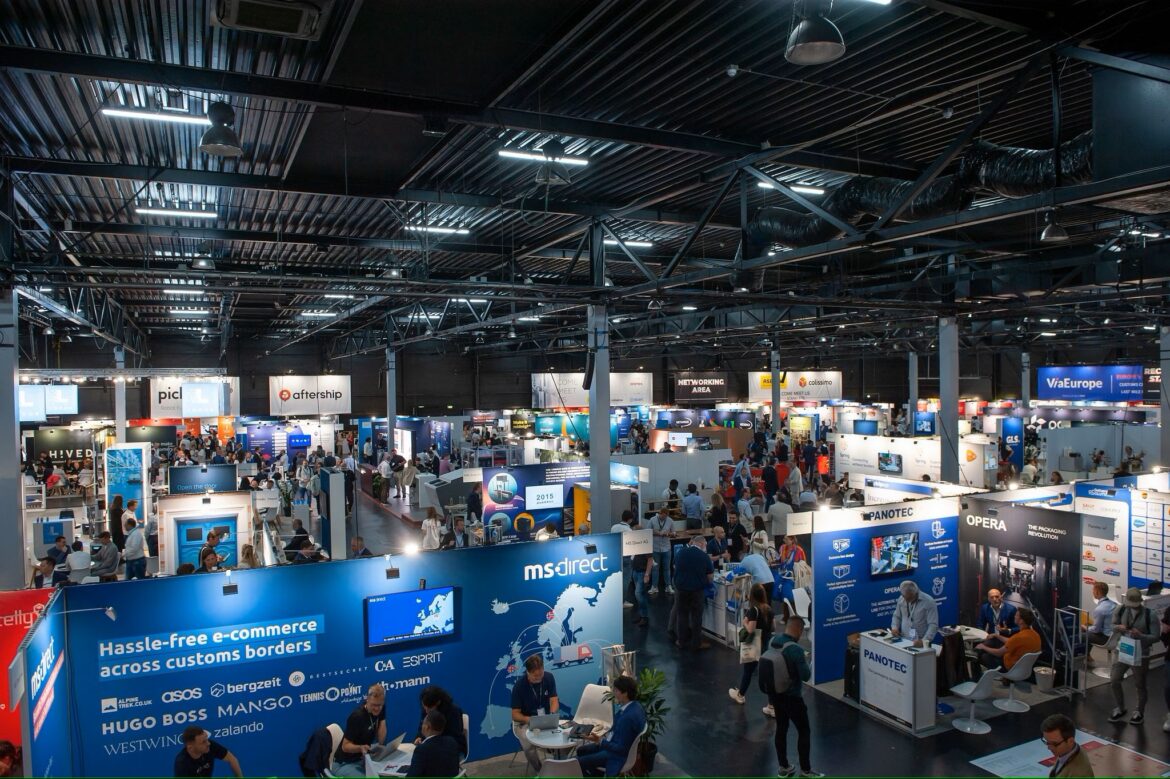
Deliver Europe, an event for retail and ecommerce logistics, returns to Amsterdam on 4-5th June 2025 with its most ambitious edition yet, marking a decade of leadership in shaping the future of supply chain and logistics. This landmark 10th anniversary edition will spotlight cutting-edge innovation, cross-sector collaboration, and global thought leadership.

With record-breaking attendance expected, the 2025 event will welcome over 1,100 C- and D-level retail executives from leading brands including Amazon, H&M, Levi Strauss & Co, Nike, Procter & Gamble, Samsung, Walmart and many more. They will be joined by 150+ pioneering supply chain and technology providers such as Asendia, DSV, DP World, Geopost, GLS, Maersk, Ocado Intelligent Automation, Spring GDS and Swiss Post.

Attendees can look forward to more than 50 hours of curated programming designed to spark insight and drive action across the retail and logistics landscape. Among the highlights are two internationally renowned special guest speakers. Christiana Figueres, Founding Partner of Global Optimism and the key architect of the 2015 Paris Agreement on Climate Change, will address the global retail and logistics community with her compelling call to collaborative climate action.

“I am delighted to be joining Deliver Europe for its 10th Anniversary,” said Figueres. “I’ll be exploring the urgent need for bold, innovative solutions to tackle the climate crisis, how the logistics and supply chain sectors can lead the way, and the critical role of legislation like the Paris Agreement in building a sustainable future. I’m excited to share how each of us can make a difference because only through collaboration, creativity, and commitment can we unlock a greener, more prosperous future for all.”

Jo Malone CBE – one of Europe’s most celebrated entrepreneurs and the creative force behind both Jo Malone London and Jo Loves – will take the Deliver stage on 5th June to share her remarkable journey, offering insights into creativity, resilience, and the art of reinvention.

The keynote theatre will feature an impressive speaker line-up from some of the most influential names in retail and consumer goods. Ajit Sivadasan, President of Global eCommerce at Lenovo, will open the programme by exploring how supply chain can serve as a strategic advantage in the competitive world of ecommerce. Maria Hollins, CEO of Ann Summers, will offer a candid look at revitalising legacy brands, while Tom Killeen, Chief Operations Officer at THG, will examine the critical link between fulfilment and customer loyalty.

In one of the most anticipated sessions, leaders from Jack Wolfskin, Coty, Decathlon and Bonduelle will take the stage for a high-level panel discussion on breaking down silos to unlock value through end-to-end supply chain collaboration. The conversation promises to shed light on how operational integration and cross-functional thinking can drive performance and innovation.

Swagat Choudhury, Global Digital Commerce Director at Mars Wrigley, will turn attention to the future of work, discussing how AI is poised to take on the majority of supply chain tasks and why this should be welcomed, not feared. Meanwhile, Siemens’ VP of Supply Chain Excellence, Alexander Tschentscher, will share how to design a robust and sustainable culture to shape tomorrow’s supply chain. Further insights will come from PwC, who will assess the implications of tariffs on European trade and logistics strategy.

The 2025 conference will showcase 40 dynamic sessions across four thematic stages spotlighting innovation, operations, sustainability, and customer experience. These sessions will feature insights from leading players including Amazon Shipping, DHL, and Colissimo, among many others.

In addition, six exclusive Elite Table discussions will offer retail executives a private, off-the-record environment to tackle critical challenges, exchange ideas, and forge peer-to-peer connections in small-group settings. Topics will cover end-to-end supply chain visibility, retail–logistics alignment, AI-led forecasting and fulfilment, global trade disruptions, sustainable last mile strategies, and innovation through collaboration.

New for Deliver Europe 2025

To mark its 10th anniversary, Deliver Europe is introducing a series of elevated experiences designed to deepen connections and celebrate the power of community across the retail and logistics ecosystem.

On 3 June, the evening of the official opening, an exclusive C-suite Dinner will offer senior retail executives a fully hosted, invite-only evening of high-level conversation in an intimate, off-the-record setting. This will be followed on 5 June by the Women in Retail Breakfast – a curated experience bringing together women from leading retailers and brands to exchange perspectives, share stories, and spark new ideas in a supportive, inspiring space. Both moments aim to go beyond traditional networking, cultivating trust, inclusion, and insight through thoughtful conversations.
Further championing progress, Deliver introduces a new Sustainability Lounge – a dedicated hub for innovators and decision-makers committed to advancing a net-zero future. Opening at midday on 4 June with a special address from sponsor Spring GDS, the lounge will serve as a dynamic forum for collaboration, partnerships, and actionable ideas.

The celebrations will culminate in a spectacular 10th Anniversary Party sponsored by DP World, where attendees will gather for an unforgettable evening of gourmet food, free-flowing drinks, and an electrifying DJ set by French house music icon Bob Sinclar – capping a decade of industry-defining innovation with style, rhythm, and connection.

Together, these additions reflect Deliver Europe’s ongoing commitment to content that matters, meaningful connection, leadership access, and sustainability, while celebrating a decade of innovation at scale. Stéphane Tomczak, Founder and CEO of Deliver, commented: “This year’s programme, with its expanded content and new features, reflects the scale and urgency of the transformation underway in our industry. From climate resilience and AI to trade disruption and collaboration, the themes we’re spotlighting are those that will define the next decade of retail and logistics.”

similar news

Deliver Europe Celebrates 10th Anniversary in June


Source link

0 comments
0 FacebookTwitterPinterestEmail
Services

Jet privati per Amsterdam – Private Jet Finder BLOG

by
written by


Stylish, modern, perfectly connected. Amsterdam is not only one of Europe’s cultural capitals, but also a strategic hub for private air traffic. Its main airport, Schiphol (AMS), is a benchmark in elite aviation, thanks to tailor-made services for discerning passengers, efficient connections, and an ideal location in the heart of the continent.

Private jets to Amsterdam: exclusive travel to one of Europe’s finest cities

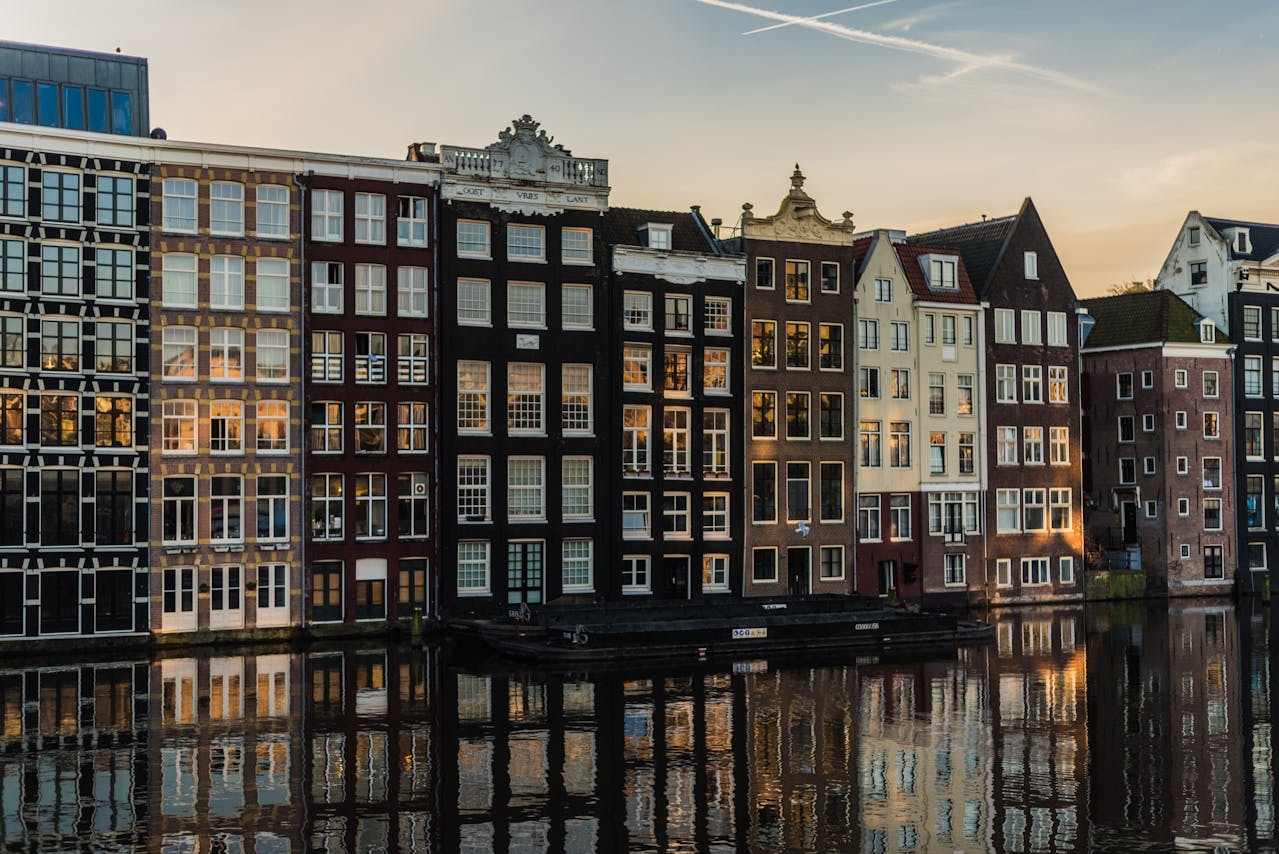
Amsterdam is synonymous with understated elegance, refined culture and cosmopolitan lifestyle. A city capable of seducing with its canals, 17th-century palaces, world-famous art museums, and a vibrant food scene.

Arriving in Amsterdam by private jet is the ideal choice for those seeking comfort, privacy and flexibility. Avoiding crowded terminals, flying at desired times, and accessing dedicated VIP services are key advantages, especially for business travelers, celebrities, and high-end tourists.

Thanks to PrivateJetFinder.com, you can charter the private jets best suited to your needs, choosing from a wide range of models: from light jets for short hauls to long range for intercontinental flights. The service is fully customizable, with dedicated assistance, onboard catering, luxury car transfers, and complete handling of special requests.

Why fly to Amsterdam by private jet?

  • Direct access to the heart of Europe
  • Flexible schedules and immediate departure
  • Maximum comfort and privacy
  • Dedicated private terminals
  • Premium services on request

Amsterdam is also home to major international events-festivals, fairs, meetings-that attract an exclusive clientele. Travel by private jet adds a touch of class and makes every move easier and faster.

private jets Amsterdam Schiphol

Amsterdam Schiphol: ideal airport for private jets

Amsterdam Schiphol International Airport (AMS ) is among the top in Europe in terms of traffic and service quality, and also offers excellence in private aviation. Passengers in private jets do not use conventional terminals, but access top FBOs (Fixed Base Operators) such as:

  • Jet Aviation Amsterdam: private lounges, dedicated customs, personalized services.
  • KLM Jet Center: h24 assistance, exclusive jet parking, VIP reception.

These facilities ensure short boarding and disembarkation times, total confidentiality, as well as the ability to perform refueling, maintenance and hangar operations safely.

Quick connections to the city center

One of the strengths ofSchiphol Airport is its proximity to the center of Amsterdam, which can be reached in:

  • 15-20 minutes by private car or limousine
  • Private helicopter, upon request, for ultra-rapid connections to hotel or meeting.

The best luxury hotels to stay in Amsterdam

Amsterdam boasts a selection of top-notch hotels that are ideal for accommodating private jet travelers:

  • Conservatorium Hotel: refined and artistic, located between the Rijksmuseum and the Van Gogh Museum.
  • Hotel De L’Europe Amsterdam: historic elegance along the Amstel, with spa and starred restaurant.
  • W Amsterdam: modern, cosmopolitan, with rooftop bar and rooftop pool.
  • InterContinental Amstel Amsterdam: classic charm with river views.
  • Steigenberger Airport Hotel: luxury option just minutes from Schiphol, ideal for short stops or corporate meetings.

Many hotels offer personalized concierge services, private transfers, reserved parking for chauffeur-driven cars, and the ability to arrange private dinners or exclusive guided tours.

private jets Amsterdam Schiphol

The most popular routes to land in Amsterdam by private jet

Due to its central geographic location and international reputation, Amsterdam is one of the most served destinations by private flights in Europe. Popular routes include:

Amsterdam is much more than a tourist destination: it is a stylish, central and fully equipped hub for private aviation. Reaching Amsterdam Schiphol by private jet means an exclusive experience, optimizing travel time and access to tailor-made services in one of Europe’s most fascinating cities.

Learn about all the solutions available at PrivateJetFinder.com and arrange your next flight to Amsterdam with the security of an elite, fast and efficient service.

It is also possible to arrange these routes in a very short time, with immediate departure, assistance in choosing the most suitable aircraft and personalized advice for each stage of the trip.

Are you interested in European capitals? Also read our article on how to charter a private jet to Barcelona.


Source link

0 comments
0 FacebookTwitterPinterestEmail
Services

Why Fish Logistics Needs to Move Before the Harvest

by
written by


When September arrived in Norway, so did the salmon. The country’s aquaculture sector, led by its globally dominant salmon industry, always have its busiest season of the year starting from September – hauling over 181,000 tonnes of fish from cold coastal waters in just one month. But as harvest volumes peak, a different kind of bottleneck is formed – on roads, in ports, and across Europe’s refrigerated supply chains. In 2024, a perfect storm of seasonal supply, infrastructure strain, and unpredictable disruptions exposed a painful truth: when logistics planning starts in peak season, it’s already too late.

Supply Outpaces Infrastructure

The seasonality of seafood is nothing new. Salmon, cod, and herring harvests in Scandinavia follow biological rhythms that concentrate production in the warmer months, then taper off in winter. What’s changed is how tight the margins for error have become. Last year, Norway’s salmon production dropped to 125,000 tonnes by December, right on schedule. But as fish poured into processing plants in late summer and autumn, the cold-chain network struggled to keep up. Drivers were scarce, reefer trailers were overbooked, and ports – already burdened by global congestion – delayed shipments critical for air freight deadlines.

Too Much Salmon, Not Enough Trucks

In Poland, Norway’s top salmon importer and processor, the pressure was acute. Polish facilities handled NOK 14.6 billion worth of salmon by August 2024, much of it bound for fast-turnaround exports across the EU. Delays of even a few hours translated into missed deliveries, rebooking fees, and, in some cases, product losses.

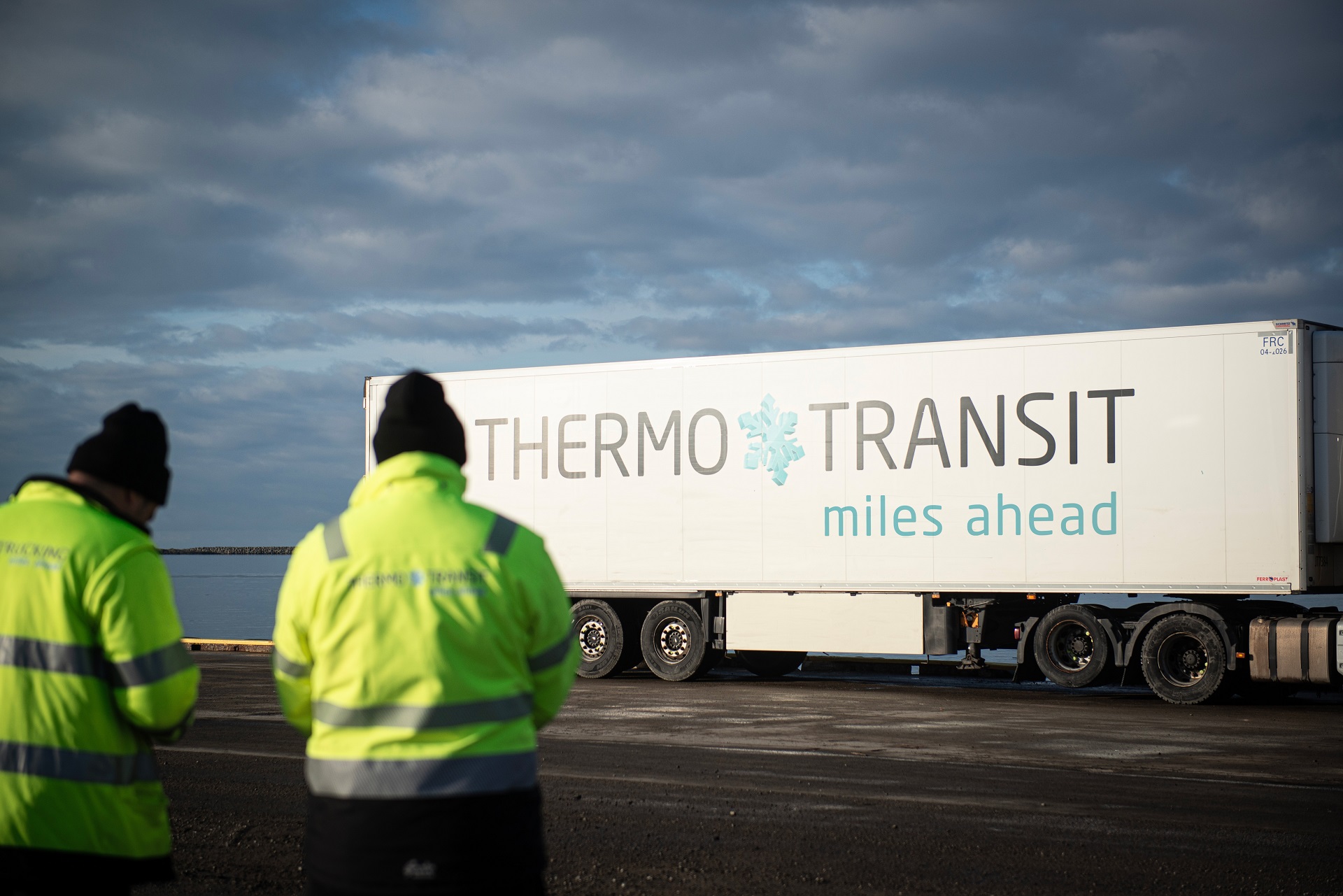
“By the time producers realized trucks were full, there was very little we could do, despite we have extend our terminal services,” said Bjørn Magne Willumsen, Thermo-Transit fish expert, a leading cold-chain logistics firm specializing in seafood transport. “The companies that book in Q1 were the ones still moving smoothly in Q4.”

Proactive Planning as a Competitive Advantage

What separated successful exporters in 2024 wasn’t harvest yield – it was timing. Those who secured logistics resources early in the year were able to buffer against Q3 and Q4 volatility. Their trucks were rolling when others were still negotiating. Their terminals had space. Their shipments reached airports on time. One strategy that gained traction: reducing reliance on subcontracted carriers during low season to maintain a ready fleet in high season. Others prioritized intermodal transport, combining road, rail, and ferry routes to offset driver shortages and reduce emissions.

According to Thermo-Transit, shifting freight through hubs in Padborg (Denmark) and Oslo provided flexibility. Swapping trailers and drivers at these hubs ensured compliance with EU cabotage rules and the Mobility Package, while keeping sensitive product moving.

Global Pressures, Local Lessons

The challenges faced in Norway were mirrored globally. Port congestion in Asia, container shortages, and fuel price spikes left cold-chain transport vulnerable across markets. In the UK, tightened visa rules and crew shortages compounded seafood import declines. And in Indonesia, cold storage inefficiencies showed just how dramatically logistics costs can balloon without infrastructure investment.

What the Scandinavian experience highlighted, however, was the increasing interdependence of fish producers and logistics operators. As consumer demand grows for traceable, responsibly sourced seafood, producers must now deliver not just quality – but consistency. That consistency begins long before the first fish is caught.

Looking Ahead: The Window Is Now

For fish producers, the first quarter of the year is often quieter. The pens are full, but harvest is months away. It’s easy to put off decisions about capacity, scheduling, or routing. But that lull is deceptive. “Q1 and early Q2 is when the smart planning happens,” said Willumsen. “If you wait until the orders come in, you’re reacting, not leading.”

In 2025, supply chain resilience won’t be built in September. It will be built now – by investing in relationships with carriers, forecasting harvest volumes in advance, and securing access to the infrastructure that will be in shortest supply when the season returns. Because as every fish producer knows: you can’t move product that doesn’t have a truck waiting for it.

similar news

Time is ticking once the catch is collected


Source link

0 comments
0 FacebookTwitterPinterestEmail
Services

IMHX Birmingham

by
written by


7th May 2025

Logistics BusinessIMHX Birmingham

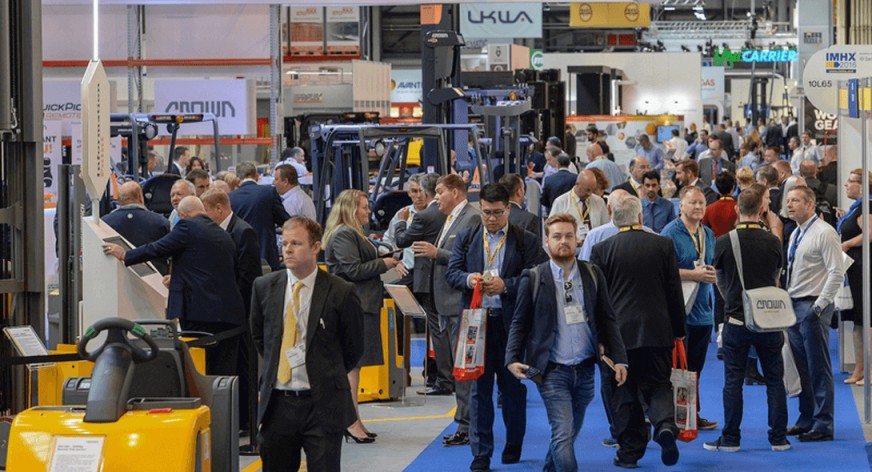
IMHX 2025 is finally back this September, 3 years from the last staging. Connect with the experts, suppliers and like-minded professionals who are equipped to help you increase efficiency, optimise productivity and protect the future of your operations. See the latest tech in action, connect with industry leaders, and find smart solutions to today’s biggest logistics challenges. It’s the UK’s must-attend event for supply chain innovation and networking.

IMHX is the destination for the UK’s supply chain and logistics community to gather and get down to business. Qualified buyers come specifically to see what’s new to the sector, and to engage directly with suppliers and supply chain experts. The IMHX visitor audience is proactive and decisive – in fact, over 70% of them are influential in the procurement process.

Archies Awards

With a 30-year legacy, The Archies is the premier event celebrating excellence in material handling and intralogistics. It honours the people, teams, and innovations that drive the industry forward. Be part of the celebration, showcase your brand and elevate your profile with one of our dynamic sponsorship packages.

One of the most popular feature areas at the last IMHX, was the Green Logistics Zone. We are therefore delighted to see it return for 2025, with a new look. Through a dynamic blend of physical and digital exhibits, expert presentations and cutting-edge analysis, The Future Zone will offer an immersive experience that appeals to intralogistics and supply chain professionals from all sectors.

The IMHX 2025 conference is a great way to network and gain new insights, covering key industry themes and trends. This year’s conference will focus on smart technology, sustainability as well as safety & operational excellence.

similar news

A virtual logistics world at IMHX Sustainability Zone


Source link

0 comments
0 FacebookTwitterPinterestEmail
Services

IWLEX Coventry

by
written by


7th May 2025

Logistics BusinessIWLEX Coventry

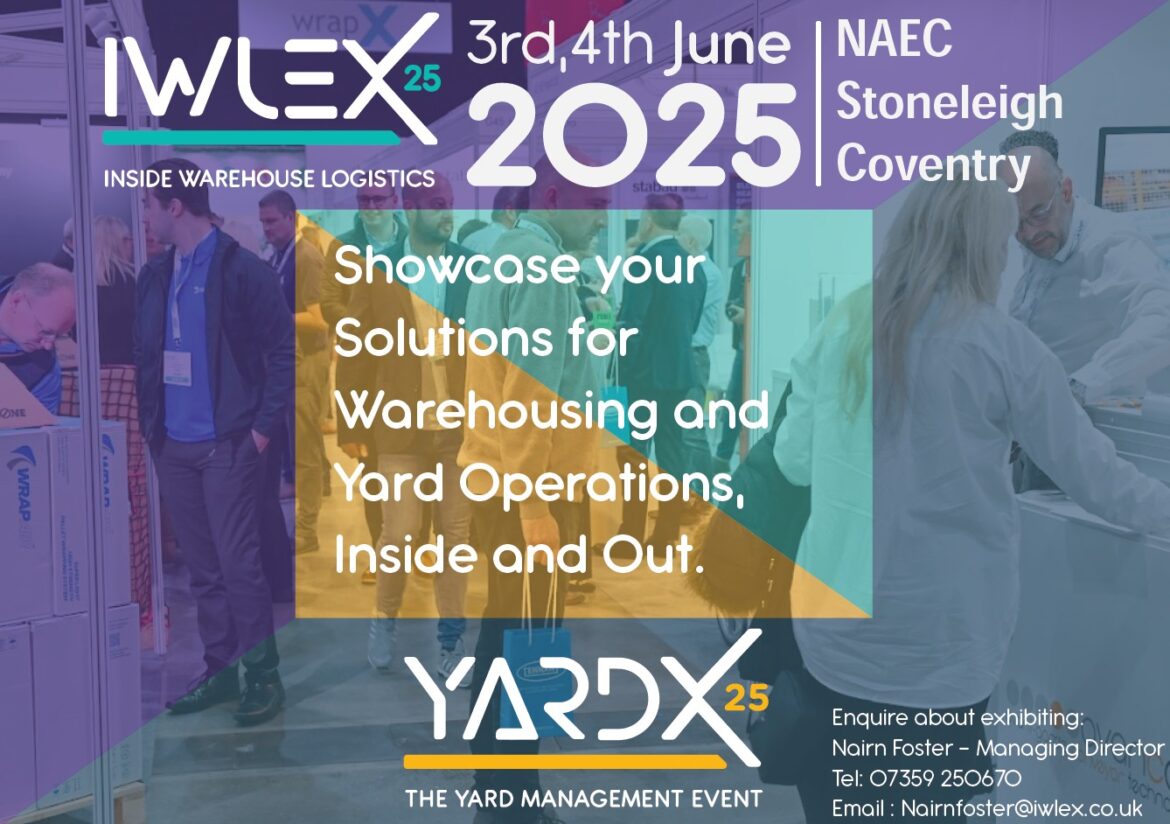
An exhibition representative of today’s world, shaped by the industry, for the industry. A “purpose” focused event which aims not only to provide an unparalleled place to do business but also to support the industry and the professionals within.

Inside Warehouse Logistics Expo (IWLEX 2025) is the UK’s only dedicated warehouse operations exhibition steered by warehouse logistics practitioners for practitioners. IWLEX is the most inclusive annual trade exhibition for the internal logistics and warehousing sector in the UK with a focus on well-being within our sector. This new, differentiated event will once again be FREE to attend and will have multiple FREE Conference streams.

Why should you make time for IWLEX 2025?

Thought-provoking debate and thought leadership
New venue in the heart of the golden logistics triangle.
A chance to be part of a new, inclusive, and fresh community for the sector
Free Conferences with some VIP keynote speakers
Free sessions and access to well-being advisors and mindfulness experts
Free Parking
Make face-to-face connections and meet new suppliers.
IWLEX 2025 will be a relaxing and enjoyable environment to connect with the Warehousing and Logistics community.

IWLEX is thrilled to provide a FREE World Class conference for attendees of the show. If your organisation runs a warehouse and you want to understand how you can improve that operation, this conference is for you. Equally, we will explore external challenges that impact warehouse operations and share examples of how we can overcome them.

A jam-packed conference stream full of unmissable content delivered by leaders from in and around the Warehouse Sector. Shaped by the industry, for the industry, our conference is set to be curated by our advisory board to provide the information you need to know about the warehousing and logistics sector.

similar news

Global Logistics Technology Conference


Source link

0 comments
0 FacebookTwitterPinterestEmail
Newer Posts
Older Posts

Recent Posts

  • Automation is Transforming Logistics in India
  • Swarm AGVs for Multiple Flows & Pallet Types
  • Contracts Manage Warehouse Construction Risk
  • Why Fragmented Freight Management Systems Are Killing Operational Efficiency
  • Wheels for Steel – Logistics News

Recent Comments

No comments to show.

Social Connect

Whatsapp

Recent Posts

  • Automation is Transforming Logistics in India

  • Swarm AGVs for Multiple Flows & Pallet Types

  • Contracts Manage Warehouse Construction Risk

  • Why Fragmented Freight Management Systems Are Killing Operational Efficiency

  • Wheels for Steel – Logistics News

Newsletter

Categories

  • Services (1,091)
  • Uncategorized (41)

@2024 - All Right Reserved. Designed and Developed by Sierraline Cargo services

Manage Consent
To provide the best experiences, we use technologies like cookies to store and/or access device information. Consenting to these technologies will allow us to process data such as browsing behavior or unique IDs on this site. Not consenting or withdrawing consent, may adversely affect certain features and functions.
Functional Always active
The technical storage or access is strictly necessary for the legitimate purpose of enabling the use of a specific service explicitly requested by the subscriber or user, or for the sole purpose of carrying out the transmission of a communication over an electronic communications network.
Preferences
The technical storage or access is necessary for the legitimate purpose of storing preferences that are not requested by the subscriber or user.
Statistics
The technical storage or access that is used exclusively for statistical purposes. The technical storage or access that is used exclusively for anonymous statistical purposes. Without a subpoena, voluntary compliance on the part of your Internet Service Provider, or additional records from a third party, information stored or retrieved for this purpose alone cannot usually be used to identify you.
Marketing
The technical storage or access is required to create user profiles to send advertising, or to track the user on a website or across several websites for similar marketing purposes.
  • Manage options
  • Manage services
  • Manage {vendor_count} vendors
  • Read more about these purposes
View preferences
  • {title}
  • {title}
  • {title}
Sierraline Cargo Services
  • HOME
  • Services
    • Trade With Us
  • About Us
  • Contact Us
  • private jet
    • BOOK YOUR JOURNEY
  • Track Packages
  • Insurance
  • safekeeping

WhatsApp us