Sierraline Cargo Services
  • HOME
  • Services
    • Trade With Us
  • About Us
  • Contact Us
  • private jet
    • BOOK YOUR JOURNEY
  • Track Packages
  • Insurance
  • safekeeping
Services

Real-Time Data to Transform Inventory Management

by
written by


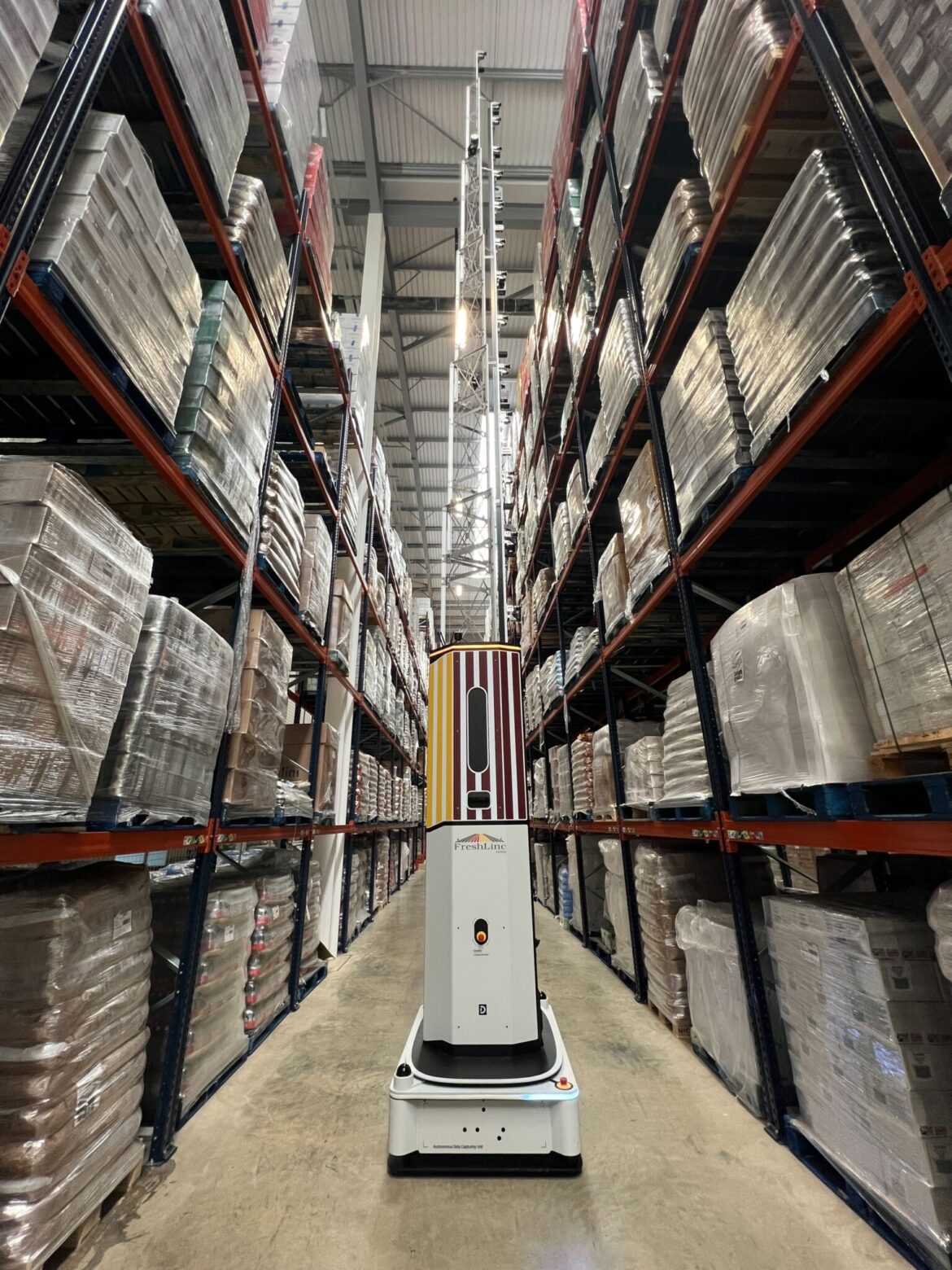
DCL Logistics, a provider of fulfillment and inventory management services for high-growth omni-channel brands, has partnered with Dexory to implement DexoryView, an advanced robotics and data intelligence platform that streamlines and automates inventory audits. Since deploying DexoryView, DCL Logistics has seen a 14% increase in pallet location accuracy and a tenfold improvement in inventory counting speed, enabling the business to save time, costs and eliminate interruptions to its core operations.

DCL Logistics supports brands looking to scale quickly without compromising inventory accuracy. Traditionally, continuous cycle counts required significant hours of manual labour to physically verify stock levels and that goods were stored in the right locations. This was a time-intensive process that could disrupt operations. For many brands, inventory is equivalent to cash and accuracy is paramount for confident decision making and financial reporting. In addition to this, end customers have high expectations for accurate and timely order fulfilment, which in turn is key to customer retention.

By implementing DexoryView, DCL Logistics now has the ability to perform inventory audits on a daily and weekly basis and provide real-time data to its customers so that they are confident in knowing exactly what inventory they have on hand. This consistency allows DCL Logistics’ customers to ensure that their order fulfilment is uninterrupted, and end-customers receive their products quicker, while DCL Logistics is able to save valuable hours of conducting manual inventory checks.

Key results and benefits

Since deploying DexoryView, DCL Logistics has seen the following benefits and impacts to its business:
• 14% improvement in pallet location accuracy – this has resulted in more consistent and trustworthy inventory data.
• Tenfold increase in inventory counting speed – compared to drone-based cycle counting which the company trailed previously.
• 16 hours of labour saved per day – freeing up the inventory team to focus on higher-value planning and strategic initiatives such as warehouse space optimisation and customised customer projects.
• Less reliance on annual physical inventory counts – Greater trust in product availability allows a reduction in costly, time-intensive annual physical inventory counting, eliminating operational disruptions and improving fiscal accuracy.

“DexoryView has allowed us to significantly improve the quality of our inventory accuracy, ensuring that our teams have rich and reliable data at their disposal at the start of every shift ensuring discrepancies are fixed before they have a negative impact on our operations,” says Dave Tu, President at DCL Logistics. “Robotics automation most obviously increases the speed of our daily cycle counting, but it’s the substantial increase in accuracy rates over an accelerated time period that allows our operations to move faster and smarter for our customers, while giving our teams more time focus on higher value initiatives.”

The availability of real-time data from the warehouse ensures that DCL Logistics is able to catch and correct discrepancies before they escalate into business disrupting events. This, in-turn, increases customer satisfaction and confidence that DCL Logistics is the partner of choice for brands looking to scale quickly.

“Operating in an environment where accuracy is key, DCL Logistics has shown how automation and real-time data can elevate inventory management to meet the needs of modern commerce,” says Oana Jinga, Chief Commercial and Product Officer at Dexory. “Together, with DCL Logistics, we are enabling not just the transformation of how data is used in the warehouse but allowing the brands they work with to scale confidently with real-time accuracy.”

similar news
Autonomous Robots, Data Intelligence


Source link

0 comments
0 FacebookTwitterPinterestEmail
Services

Infios Named in Magic Quadrant for WMS

by
written by


Infios, a global player in adaptable supply chain execution, today announced that it has been positioned as a Leader in the 2025 Gartner Magic Quadrant for Warehouse Management Systems (WMS) for the seventh consecutive year. Infios was recognized for its Ability to Execute and Completeness of Vision in the warehouse management space. Infios rebranded in March 2025 and is noted as Infios (Körber) in this report.

The Gartner Magic Quadrant for WMS evaluates, “the WMS products across a range of criteria, including technology, functionality and usability. We consider the depth and flexibility of core capabilities such as receiving, put-away, picking, shipping, replenishment, quality assurance and cycle counting.” Leaders in the WMS market are present in a high percentage of new WMS deals, win a significant number of them and have a large and growing customer base.

“Our team’s unwavering commitment to innovation and customer success are driving the future of supply chain execution at Infios,” said Ed Auriemma, CEO of Infios. “We’re pushing the boundaries of what’s possible, helping our clients navigate increasingly complex global supply chain challenges. Our rise to one of the highest positions on the Ability to Execute axis reflects our mission to deliver solutions that not only meet today’s needs but anticipate tomorrow’s opportunities.”

Infios integrates order management, warehousing and fulfillment and transportation management into a comprehensive suite of solutions, equipping businesses with the tools they need to navigate today’s complex supply chain landscape. Infios is dedicated to its customers, evolving with them to provide scalable, adaptable solutions that meet their changing needs. This flexibility enables customers to optimize every aspect of their operations with versatile, scalable, and future-ready capabilities.


“Infios’s software has a no-limit technology to the kind of creativity we can express in driving efficiency and adding clientele. We look forward to creating things together here… through the combination of what we love doing and Infios enables us to do,” said Julian Van Erlach, SVP Global Supply Chain at FabFitFun. “I would, without reservation, recommend Infios.”

similar news

Körber Supply Chain Software Rebrands as Infios


Source link

0 comments
0 FacebookTwitterPinterestEmail
Services

AntOn Strategic Forklift Partnership

by
written by


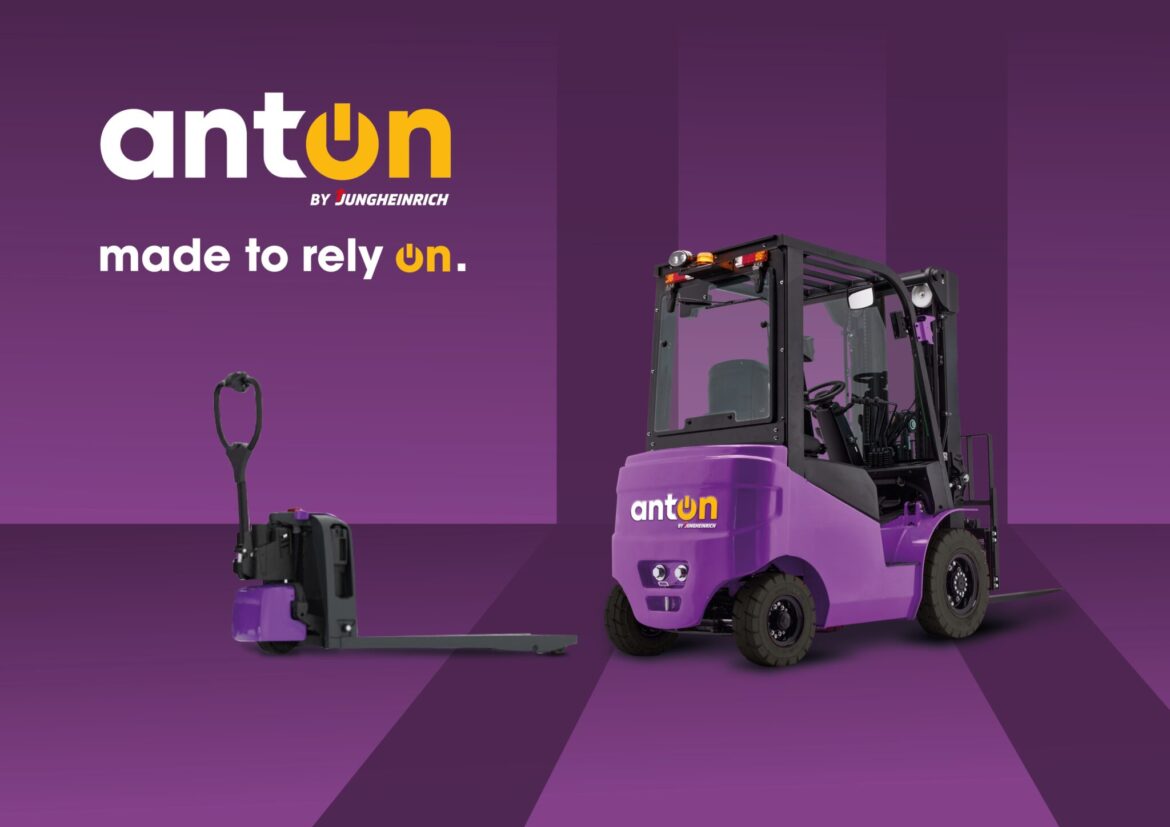
Jungheinrich and EP Equipment have agreed on a strategic partnership under the motto ‘Shaping the future of material handling together’. This collaboration aims to deliver significant benefits to customers worldwide by combining the strengths of both companies to enhance efficiency, productivity, and sustainability in material handling operations globally.

Enhancing product offering

Leveraging their combined expertise, Jungheinrich and EP Equipment will focus on customer-centric and innovative industrial trucks, making both parties more competitive in their product offerings. As a starting point EP Equipment will support the portfolio extension of Jungheinrich with its new Mid-Tech brand ‘AntOn by Jungheinrich’, focussing on electric counterbalance and warehouse trucks. With parallel histories and a shared focus on electric material handling equipment, both companies have, over the last decades, driven innovation and thereby changed the industry.

Dr Lars Brzoska, CEO of Jungheinrich, stated: “We are thrilled to announce our new partnership with EP Equipment, as it will be a significant benefit for our customers. The portfolio extension will be a key part of our Strategy 2030+, in order to strengthen our position in the booming Mid-Tech market. Together with EP, we are able to provide a comprehensive full-liner truck portfolio – simply the right truck for every customer.”

John He, CEO of EP Equipment, added: “The partnership with Jungheinrich is yet another step in our mission to transform the industry from IC forklifts to electric. Together, we will further enhance our economies of scale in production, learn from each other and further strengthen our position as the leading players in lithium-ion powered material handling equipment.”

Combined strengths delivering superior value to customers

EP Equipment is a leading player in lithium-ion-based material handling trucks, shaping the future of the industry through innovative solutions with a clear focus on green energy. EP is active through a global dealer network servicing customers all around the world. Jungheinrich is one of the world’s leading providers of material handling solutions and a trusted partner of customers worldwide, with a strong global footprint and an exceptional direct sales and service network. Since 1953 the company has always focused on highly innovative electric material handling equipment and is the pioneer of lithium-ion technology in its industry.

By combining these strengths and the shared history of electrification and innovation, the partnership promises to deliver superior value to all customers and opens up the potential for further strategic cooperation opportunities along the entire value chain. Both partners are committed to exploring additional opportunities as they move forward.

similar news

EP forklift importer gets finance boost


Source link

0 comments
0 FacebookTwitterPinterestEmail
Services

Maritime Ambassador Programme Launched by Lloyds

by
written by


6th May 2025

Logistics BusinessMaritime Ambassador Programme Launched by Lloyds

Lloyd’s Maritime Academy, a global provider of professional maritime education, is proud to announce the launch of its groundbreaking Ambassadors Programme. This initiative is designed to connect, inspire, and empower learners who are passionate about shaping the future of the maritime industry.

“We believe that the future of maritime depends on the voices and vision of today’s learners,” said David Taylor, Head of Curriculum at Lloyd’s Maritime Academy. “This programme is our commitment to nurturing talent, fostering innovation, and building a vibrant, global maritime community.”

In partnership with ‘Jobs in Maritime’, a UK-based MCA-certified Recruitment and Placement Agency, the Lloyd’s Maritime Academy Ambassadors Programme will provide selected learners with unique opportunities to represent their peers, share their insights, and develop vital leadership and communication skills. Ambassadors will act as liaisons between the Academy and the wider learner community, contributing to course development and championing maritime education both online and offline.

“We are excited to partner with Lloyd’s on this Ambassadors Programme, which will empower the next generation of maritime professionals to lead with confidence and innovation. By connecting learners with real-world industry insights and opportunities, we aim to strengthen the maritime community and support career growth across the sector,” said Sezen Zeki, Managing Director & Founder, Jobs in Maritime.

Applications are now open to all Academy learners.

Lloyd’s Maritime Academy is the only higher education training institution that can trace its roots back to the origins of maritime trade, commerce and insurance in 18th century London, where the Lloyd’s name fist became associated with safety and quality in the maritime world.

similar news

Every parcel should be your brand ambassador


Source link

0 comments
0 FacebookTwitterPinterestEmail
Services

NHS Supply Chain Awards LSP Contract

by
written by


6th May 2025

Logistics BusinessNHS Supply Chain Awards LSP Contract

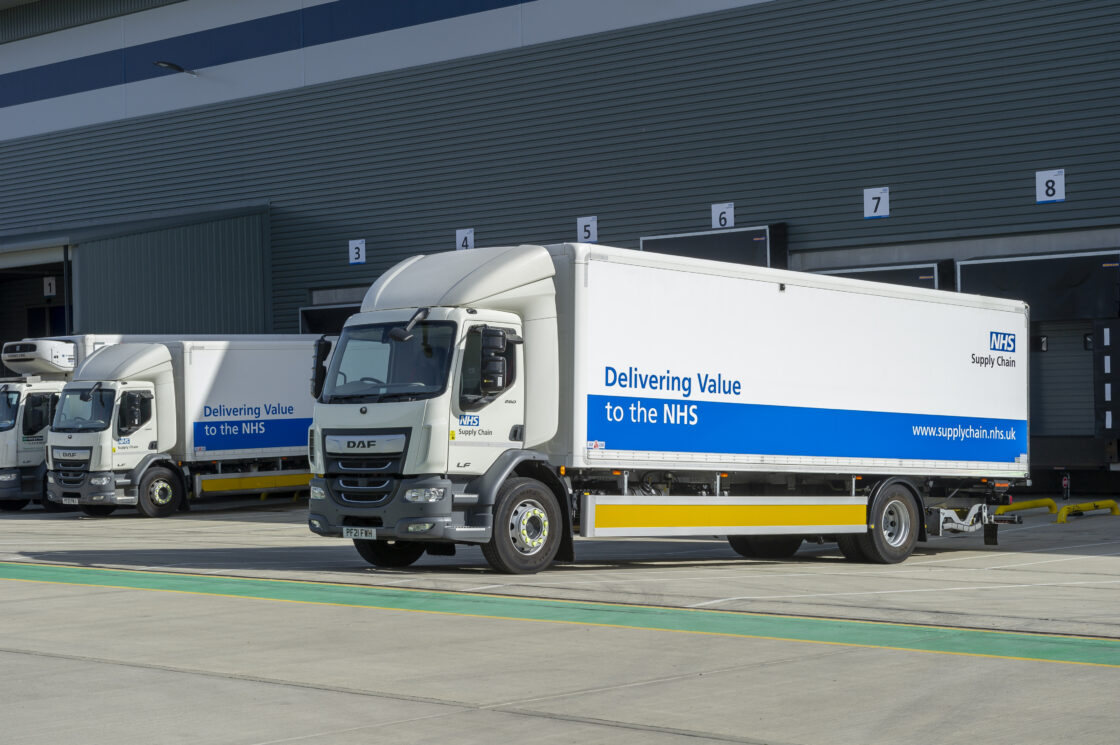
NHS Supply Chain has awarded the contract for the management of its logistics services to GXO. The company will be taking over the contract for storing and delivering healthcare products to the NHS on behalf of NHS Supply Chain from October this year, when the current outsourced Logistics Services Provider’s contract expires. The contract is for an initial period of seven years, with a possible extension of up to 36 months.

NHS Supply Chain chief executive officer, Andrew New said: “We’re pleased to announce GXO as the new service provider for our logistics services. Running our eight distribution centres across England and keeping our significant fleet of more than 300 delivery vehicles on the road is a key part of what we do to supply the NHS with more than 35 million healthcare products every year. We’re an important part of the healthcare system, ensuring the NHS can put patients first. As well as running our normal logistics services, looking forward to the future, we will be developing our logistics services with GXO to best meet the growing needs of the NHS.”

“We are extremely proud to have been selected to serve the NHS as its new logistics partner,” said Gavin Williams, managing director, GXO UK & Ireland. “Combining our sector experience with the technology expertise that supports many of the UK’s leading businesses will optimise the NHS’s logistics services for healthcare providers and taxpayers. We are committed to an excellent quality of service to hospitals and patients at home, increasing productivity and supporting our NHS so that it can focus on patients, its ultimate priority.”

GXO will be contracting with Polar Speed to provide NHS Supply Chain’s Home Delivery Services. There will be a transition period over the next few months to ensure a smooth handover of sites and teams from the current logistics provider to GXO and Polar Speed, ensuring the NHS continues to receive the service it needs.

The role is to source, deliver and supply healthcare products, services and food for NHS trusts and healthcare organisations across England and Wales. Supply Chain Coordination Ltd (SCCL) is the company at the heart of NHS Supply Chain. It provides oversight and operational management for NHS Supply Chain and its service providers. SCCL is the legal entity through which NHS Supply Chain undertakes its procurement services and transacts with customers and suppliers. Whilst its shares are owned by NHS England, SCCL is a separate organisation.

similar news

NHS Supply Chain: Bids for Logistics Services Provider


Source link

0 comments
0 FacebookTwitterPinterestEmail
Services

Difficulties in Attracting and Retaining Logistics Talent

by
written by


The Salón Internacional de la Logística de Barcelona (SIL Barcelona), organised by the Consorci de la Zona Franca de Barcelona (CZFB) dedicated to Logistics, Transport, Intralogistics, and Supply Chain, has conducted the XV Barometer of the Círculo Logístico SIL 2025, which analyses in depth the challenges and needs of companies in the logistics sector, including attracting and retaining logistics talent. The study involved the collaboration of 1.026 professionals holding senior and responsible positions in Logistics or Supply Chain departments in Spain, specialising in different sectors of the industry.

Attracting and retaining talent, the great challenge of the sector

One of the main conclusions of the XV Barometer of the Círculo Logístico SIL 2025 is that attracting and retaining talent remains one of the major challenges that concern companies in the sector. 63.9% of professionals participating in the study state they have difficulties finding qualified personnel, and 28.6% do not always succeed in finding the profile they are looking for. Only 7.5% find it relatively easy to fill vacancies.

Another highlighted conclusion is the emergence of Artificial Intelligence in logistics and the confidence that companies in the sector place in this technology. 91.7% of those surveyed believe that AI can significantly optimise their operations. More specifically, 33,9% believe that AI can greatly contribute to improving their results, while 57,8% trust it can do so considerably.

In the same topic, 76,3% of companies participating in the study are considering incorporating AI into their business. In fact, 44,9% of them already have some AI tool, while 31.4% are in the process of doing so.

Quality, experience and flexibility versus speed

The XV Barometer of the Círculo Logístico SIL 2025 also shows that quality (90,8%), experience (76,1%), and flexibility (74,6%) are not only the most valued aspects by logistics-consuming companies but also increase their interest by 1,4%, 9,7%, and 17,3%, respectively. On the other hand, aspects such as speed lose value, being highlighted by only 28.4% of the professionals surveyed, placing 1.2 points below the results of the previous edition of the study.

Another conclusion of the study is that startups are making their way into the logistics sector, with the support of 77% of the professionals surveyed. 24,8% of the companies participating in the survey already collaborate with one, and 52,2% believe it could be positive to hire or outsource services to emerging companies specialising in logistics. Additionally, 15,9% are still considering it, as they have doubts.

Retaining Logistics Talent

Regarding the concerns of companies, in the XV Barometer of the Círculo Logístico SIL 2025, the quality of service (21,2%), efficiency and optimisation of costs and stocks (15,7%), and punctuality and commitment (14,4%) stand out. In contrast, some historical concerns such as default (0,3%) go almost unnoticed among the professionals surveyed.

Engineers, graduates, and logistics experts: the most sought after

Regarding the most sought-after profiles to fill logistics manager positions, engineers (28%), logistics graduates (25,7%), and logistics experts regardless of their studies (21,4%) remain the most in-demand, although interest in the latter decreases by 6,2% compared to the last study, while interest increases for other profiles such as business administration graduates (11,8%), which stands 2.5 above the result obtained in 2024.

Regarding the commitment to the Sustainable Development Goals (SDGs) by the participating companies in the survey, they identify with: SDG 5 Gender Equality (24.6%), SDG 12 Responsible Consumption and Production (22.5%), SDG 8 Decent Work and Economic Growth (20.5%), SDG 9 Industry, Innovation and Infrastructure (20.3%) and SDG 17 Partnerships for the Goals (12.1%).

Finally, among the aspects considered essential in the logistics of the future, although it drops by 4.8 points compared to the previous year, the automation of operations (26.4%) remains the most prominent, followed by collaboration in transport (18.6%), whose interest towards 2024 also decreases by 8.9%. The consideration given to the exchange of standardised information (19.7%) is also noteworthy, although it also decreases by 2.9, and greater agility in administrative matters (13.3%).

similar news

Communications key staffing and supply chain issues


Source link

0 comments
0 FacebookTwitterPinterestEmail
Services

TMS with AI Feature Demonstrated at Multimodal

by
written by


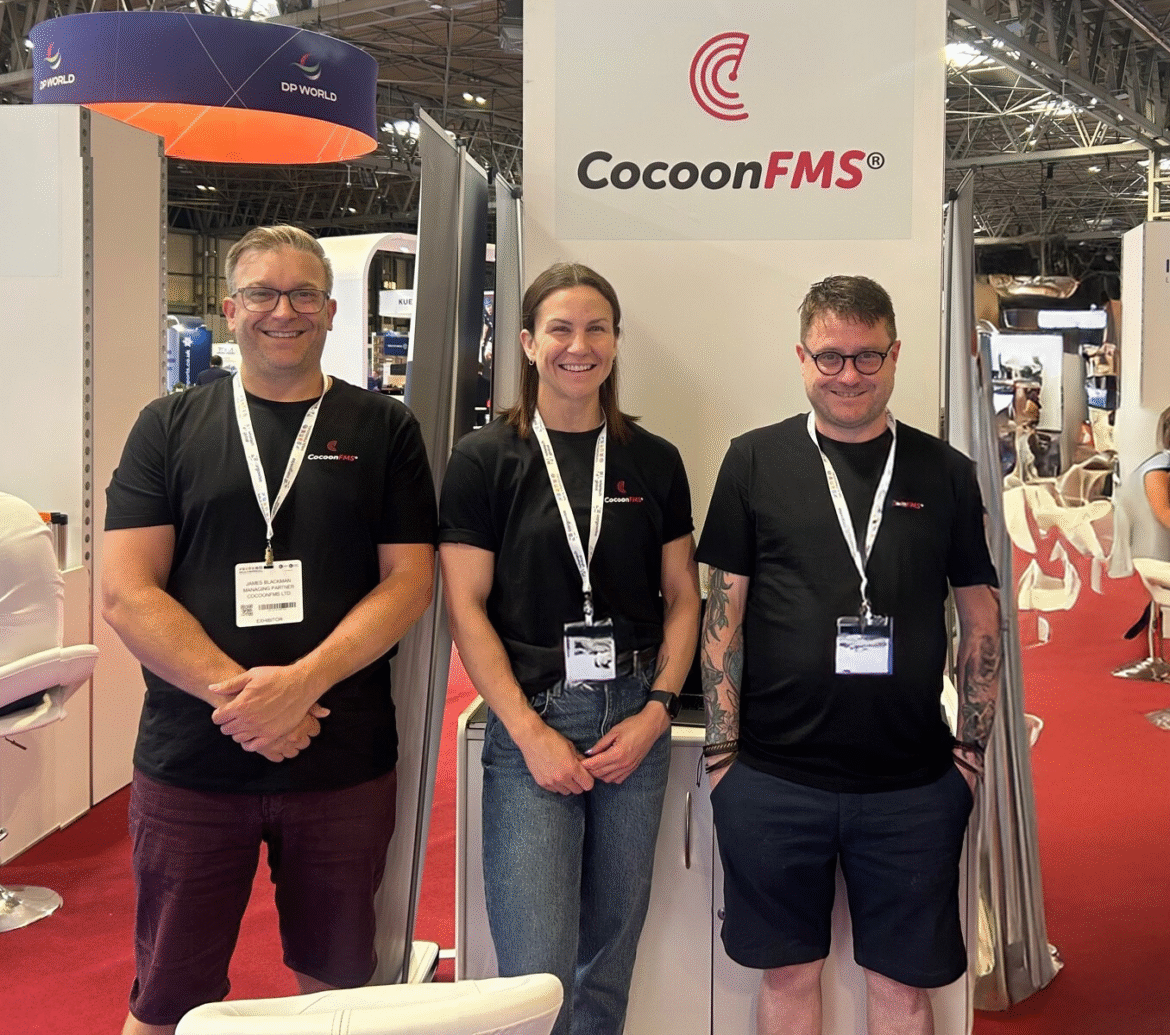
Freight forwarders and logistics businesses will be able to see a game-changing transport management system in action at this year’s Multimodal expo in Birmingham. Logistics solutions provider, CocoonFMS, will be demonstrating its unique cloud-based platform during the three days of the June 17-19th event.

Called CocoonOPS, the innovative system helps freight forwarders streamline operations, cut costs, boost customer satisfaction and reduce their carboon footprint. Since being launched around 18 months ago, CocoonOPS has won industry accolades and attracted positive feedback from new customers who were frustrated with their previous outdated systems and counter-productive processes.

CocoonOPS is intuitive, easy-to-use and can be set up within a matter of days with little to no training – alleviating any fears about long and complicated on-boarding processes. It offers a comprehensive suite of transport management features including real-time tracking of shipments via air, sea, road and rail, demurrage and detention costs and alerts, customs declarations in minutes, configurable workflows and automated tasks, document and quotation generation, customer portal, invoice management, foreign exchange rate calculations, carbon emissions reporting and more.

AI-driven customs automation

This year’s Multimodal also includes a brand new focus on AI, helping businesses learn more about how AI can transform their operations. CocoonOPS, for example, has a strategic partnership with iCustoms.ai which enables customs declarations to be completed in mere minutes. By taking advantage of iCustoms.ai’s cutting-edge AI capabilities, the customs process is significantly improved, boosting efficiency and ensuring compliance with international trade regulations in a fraction of the time.

Measuring carbon emissions with unique calculation tool

Another key benefit of CocoonOPS is the CocoonCarbon reporting tool – which is also available as a standalone product for businesses looking to reduce their carbon footprint. CocoonCarbon simplifies Scope 3 carbon emissions tracking for businesses of all sizes, going beyond traditional transport metrics by calculating emissions from well to wheel. This means the entire lifecycle of a vehicle or fuel can be calculated, through both the production and consumption stages.

Unlike other platforms, payment is per shipping, rather than per leg, so the cost is more affordable and more predictable. Up to 10,000 shipments can be calculated in a single upload. The visual reporting helps businesses identify emissions hotspots in the supply chain, make informed decisions about their chosen transport routes, and potentially reduce costs through optimised routing.
In the last 18 months, CocoonCarbon has calculated more than 1.2 million shipments, with 7.9 million tonnes of carbon tracked.

CocoonFMS managing partner, James Blackman, said: “We’re delighted to be returning to Multimodal this year and showing lots of freight forwarding and logistics businesses how we can make their lives easier. We attended in 2024 when the platform was relatively new – although it was years in the making – and secured a number of new clients as a result. Since then, we’ve made even more improvements to the system, including the absolutely game-changing partnership with iCustoms.ai. Coming from a logistics background myself, I know that so many businesses are stuck using outdated and clunky systems, but they’re afraid to change because of the perceived disruption. However, we want to reassure them that this isn’t the case with CocoonOPS, and this is something we’ll be able to demonstrate in real life for anyone who wants to find out more. We’ll be on stand G4 and look forward to welcoming people.”

similar news

S9 Tech Software to “Revolutionise” Customs Duty and VAT Collection


Source link

0 comments
0 FacebookTwitterPinterestEmail
Services

AI-based Planning Radar at Transport Logistic

by
written by


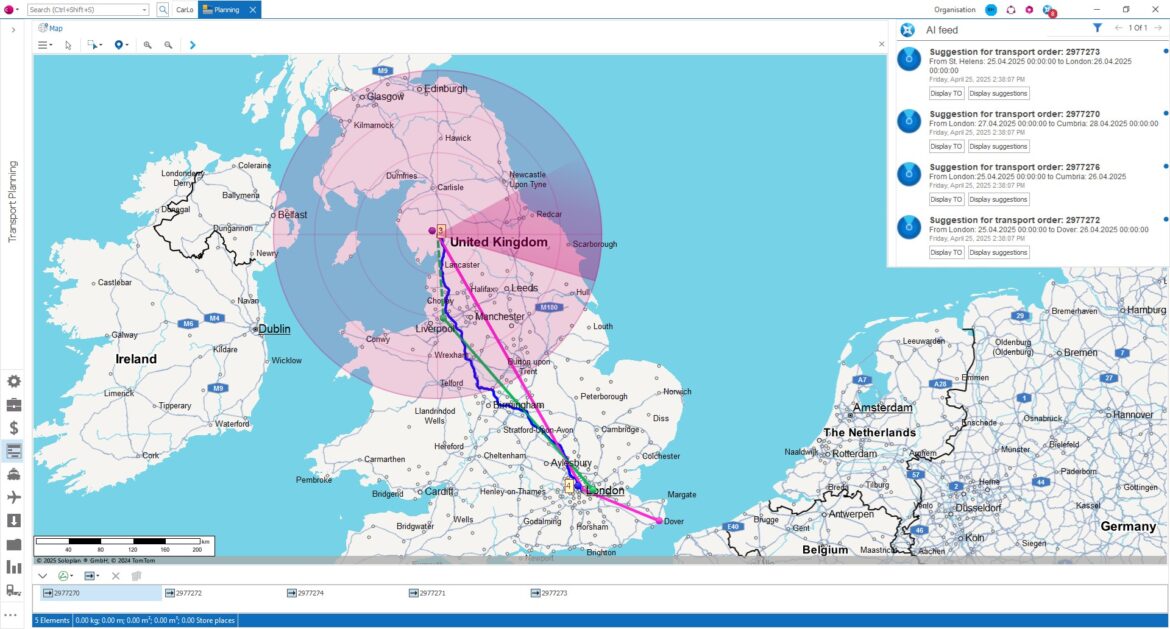
Software company Soloplan, from the Allgäu region, presents the new AI-based planning radar in the transport management system CarLo at the leading international trade fair ‘transport logistic’ in Munich from 2 to 5th June. The functionality supports dispatchers in planning transport orders faster, more efficiently and more intelligently.

Reduced empty distances, optimised vehicle utilisation and less planning effort are only some of the advantages. Another highlight is the proactive suggestions for potential combinations. Soloplan can be found at booth 509/610 in hall B1. At the fair, visitors can experience the planning radar live.

Transport search in real time

The planning radar analyses all open transport orders in real time and displays the best possible combinations directly in the system. Results can be filtered by number and radius. The system automatically recognises appropriate previous and following tours as well as return loads – with only a few clicks.

Return loads at the push of a button

The new customer search automatically suggests clients for whom appropriate return loads have regularly been carried out in the past. If no match is found, freight exchanges such as TIMOCOM or Trans.eu can be connected directly. Here as well, the return load search takes place automatically and with only one click.

Intelligent vehicle search

After planning a tour, the planning radar with its intelligent search functionality assists in finding the most suitable vehicle. Factors such as the proximity to the loading location, the costs per vehicle (weight, fuel consumption, wear and tear, etc.) or the properties of the semi-trailer (dumper, tank, tarpaulin, excess width, etc.) play a role. The transport company has the possibility to specify the cost components per vehicle itself. The vehicles used in the past for similar combinations can be another criterion. This way, AI helps you identify hidden optimisation potential which otherwise may have remained unrecognised.

AI feed and graphic visualisation

The planning radar graphically displays found suggestions on the map. The AI feed creates a window next to the map and checks all open transport orders in CarLo. Subsequently, all transport orders for which suggestions have been found are displayed there.

Numerous advantages

The new AI-based planning radar offers smart assistance in the dispatchers’ decision-making process. This allows even less experienced dispatchers to plan better and more easily – all while avoiding planning errors. The efficiency in forwarding and transport companies is further increased and the staff does not have to deal with the data alone. The prevention of empty distances and the perfect utilisation of the loading capacities also allow for significant cost savings.

Transport Intelligence

The planning radar is part of the new Transport Intelligence initiative by Soloplan. Together with the AI chat bot CarLo Assistant and the Document Intelligence functionality (AI-based reading of documents and automatic creation of orders), the company emphasises its leading role in the integration of artificial intelligence. With this initiative, Soloplan wants to take up its early implementation of artificial intelligence in the logistics software CarLo and present additional new AI functions in the years to come.

similar news

Radar sensors set the pace


Source link

0 comments
0 FacebookTwitterPinterestEmail
Services

Why Do Mid-Sized Forwarders Struggle to Scale—and What’s the Solution?

by
written by


As mid-sized freight forwarders, many firms reach a point where growth feels more like a burden than a goal. Teams are working harder, yet shipments are getting delayed, cost control is slipping, and customer service is stretched thin. So, what’s holding them back?

The truth is: the very systems and workflows that helped them grow to this point are now standing in the way. Let’s break it down.

The Real Bottlenecks Mid-Sized Forwarders Face

  1. Manual Coordination Slows Everything Down

If your teams still rely on spreadsheets, emails, and WhatsApp for shipment coordination, things can spiral quickly—especially during peak season. Booking a single job might involve 5+ tools, scattered follow-ups, and multiple re-entries of the same data. That’s not just inefficient—it’s risky.

  1. Disconnected Teams and Data Silos

Operations, sales, accounts, and documentation often work in silos. The result? Delays, miscommunication, and avoidable mistakes.

For example: a rate promised by sales might never reach the operations team. Or accounts may be chasing invoices for jobs that haven’t even been completed.

A single-database freight management software eliminates this disconnect—ensuring everyone works from the same source of truth, in real-time.

  1. Inability to Track Profitability or Job Status in Real-Time

Without integrated costing, finance, and operations, forwarders can’t track how much they’re spending—or earning—on a job until long after it’s done. And even then, many rely on Excel-based costing sheets, which means delayed insights and manual errors.

What you need is end-to-end job visibility, with automated cost mapping and profitability insights tied directly to operations.

Why Legacy Tools Don’t Scale

Spreadsheets and standalone software might work for smaller setups, but the moment shipment volumes increase, branch count goes up, or customer expectations evolve—these tools start failing.

Signs you’re outgrowing your current setup:

  1. Every job requires repeated data entry across modules

  2. Your teams are constantly on calls to “check status”

  3. You can’t generate a clean report without multiple downloads and cross-checks

  4. Customer updates depend on someone manually replying to emails

Growth becomes unmanageable when systems can’t talk to each other—and that’s exactly where Logi-Sys steps in.

How Logi-Sys Helps Mid-Sized Forwarders Scale with Confidence

Logi-Sys is not just another freight software—it’s a purpose-built, intelligent cloud ERP platform designed for the freight forwarding and logistics industry. Here’s how it addresses scale-related pain points mid-sized forwarders face daily:

  1. End-to-End Freight Operations in One Platform

Logi-Sys covers all freight modes—Air, Sea, Land—across import, export, direct shipments, consol, and back-to-back. Whether you’re handling an AWB or a multi-leg HBL chain, everything flows through a unified platform with no need to jump between modules or copy-paste data.

  1. Integrated Booking, Documentation, and Costing

Every job can be created from a booking and linked automatically to operational and financial documents. Auto-generate AWB, BL, invoices, credit notes, or manifests. Add charges using predefined codes. Link costs and track profitability at the job level without manual reconciliation.

This drastically reduces the time spent per job—and helps you track margins in real-time.

  1. Built-In Financial Accounting

Unlike other freight forwarding tools that rely on external accounting software, Logi-Sys has fully integrated financials. That means:

  • Automated invoice generation and tax handling (GST/VAT compliant)

  • Multi-currency support for international transactions

  • Payment tracking, credit control, and collection reminders

  • Complete audit trail of all financial transactions

This keeps operations and accounts on the same page—reducing revenue leakage and late billing.

  1. Role-Based Access, Workflow Locks & Audit Trails

Logi-Sys helps you set up proper internal controls as you scale. Define operational roles and approvals per department. Lock financial or operational data post-verification. Use custom workflows to assign job-level responsibilities—ensuring no task is missed or delayed.

  1. Real-Time Shipment & Job Visibility

With Logi-Sys, you’re not waiting on someone to update a tracker. Job statuses, shipment documents, and financial milestones are visible live—helping senior managers make timely decisions without chasing reports.

  1. Sales & CRM That Actually Integrates

From lead generation and quotation to sales tracking and customer insights, Logi-Sys offers a complete sales CRM suite:

  • View conversion rates and salesperson performance

  • Create and track quotes with actual rate sheets

  • Tie sales activity directly to job creation

  • Monitor customer engagement and revenue contribution

No more juggling between a CRM tool and your freight system.

  1. Mobile & Cloud-First Design

With mobile apps for approvals, alerts, and dashboards, your team doesn’t need to be tied to office desks. Cloud access means branch expansion or WFH setups don’t need new IT infra—just login and go.

  1. Designed to Scale with You

Whether you’re a 10-user company today or a 500-user company tomorrow, Logi-Sys adapts to your size. Add users, modules, and branches as you grow—with centralized control and consistent performance.

  1. Security and Uptime You Can Trust

Growth means more users, more data, and more moving parts. Logi-Sys keeps everything secure and stable through its centralized cloud platform. With strict access controls, audit trails, and operational locks, your data remains protected—without slowing you down. It also includes built-in disaster recovery across globally distributed servers, so your business stays up and running, even if something goes down.

Final Word: You Don’t Need More Tools—You Need the Right Platform

Mid-sized forwarders don’t struggle because they lack business—they struggle because their processes can’t handle more business. And that’s a solvable problem.

Logi-Sys gives you what freight forwarders actually need to grow:

  • A connected, real-time view of operations

  • Automated job creation, documentation, and costing

  • Integrated finance and customer engagement

  • Control, visibility, and speed at every level

If you’re ready to scale without breaking what’s already working—Logi-Sys is your next step.


Source link

0 comments
0 FacebookTwitterPinterestEmail
Services

Pressione in cabina jet privati

by
written by


When people talk about chartering a private jet, they tend to think of luxury, speed, and privacy. But there is one technical element that profoundly affects the flying experience, although it is often underestimated: cabin pressure. This factor directly affects the physical and mental comfort of passengers, especially during medium to long flights. Let’s find out how to choose the right private jet to charter to travel in maximum comfort and well-being.

What is cabin pressure and how pressurization works

During flight, the external atmospheric pressure decreases dramatically with increasingaltitude. At high altitudes, the air is too thin to allow effective breathing. To overcome this problem, jets are equipped with pressurization systems, which are systems that compress air and regulate it inside the cabin to recreate breathable and comfortable conditions.

Cabin pressure is therefore the result of this process: it allows passengers to breathe normally and maintain a good level of oxygenation even while flying at over 12,000 meters. In modern jets, an automatic system keeps the internal pressure stable, simulating conditions similar to those found at low altitude.

Better pressure regulation results in a lower cabin altitude, that is, an indoor condition comparable to a moderate mountain altitude. This has very positive effects on health and comfort.

Flying better: what it means to have a low cabin altitude

Although a private jet flies at altitudes exceeding 12,000 meters, the cabin interior is pressurized to simulate a much lower altitude. This value, expressed in feet (ft), is known as “cabin altitude.” In practice, when we talk about a cabin altitude of 6,000 feet, we mean that inside the plane you can breathe as if you were about 1,800 meters above sea level, which is like being in Cortina d’Ampezzo.

Better cabin pressure (i.e., lower cabin altitude ) means greater oxygen delivery to tissues, less fatigue, fewer headaches, and an overall sense of well-being.

How cabin pressure affects health and comfort

When cabin pressure is well regulated, the human body works less to oxygenate the blood. This means:

  1. Less fatigue and reduced risk of jet lag
  2. Less dehydration, dry eyes and respiratory discomfort
  3. Increased mental clarity, especially useful for those flying for business

According to a U.S. Air Force study, prolonged exposure to a cabin altitude of 8,000 feet can cause a reduction in mental efficiency of up to 10 percent compared to one at 4,000 feet.

Cabin pressure: comparing the best private jets

Let us now look at some of the most popular private jets and how they perform in terms of cabin pressure. High-end models maintain a much lower cabin altitude, even when flying at over 50,000 feet altitude, providing exceptional comfort.

Gulfstream G650 / G700: While flying at FL510 (51,000 feet), they maintain a cabin altitude between 3,000 and 4,100 feet. They are among the best pressurized jets ever, ideal for long intercontinental flights with maximum comfort.

  • Bombardier Global 7500: its cabin altitude is about 4,500 feet. Excellent balance of range, comfort and technology. It is one of the most chosen models for long-haul business flights.
  • Dassault Falcon 8X: cabin altitude of about 3,900 feet. Highly regarded for its quietness and cabin comfort, as well as its ability to operate on shorter runways.
  • Embraer Praetor 600: cabin altitude of about 5,800 feet. Although it is a medium-sized jet, it offers very good performance in terms of comfort for medium to long routes.
  • Cessna Citation XLS+: cabin altitude around 8,000 feet. It is a light jet, ideal for short flights, but less performant in terms of pressurization.

As can be seen, the higher the level of the jet, the lower its cabin altitude and thus the better the experience on board.

Private jet cabin pressure

Why is it important to consider cabin pressure when chartering a private jet?

Those who choose a private flight want the ultimate in efficiency and comfort. If after a 4- or 5-hour flight you feel fresh and ready for an important meeting or event, then the choice of jet was the right one. And this technical detail can make all the difference.

For frequent fliers, cabin pressure becomes a key criterion. Choosing a jet with advanced pressurization systems means investing in one’s well-being, productivity, and the overall quality of the flight experience.

The quality of pressurization is critical not only for intercontinental flights, but also for very frequent medium-short routes in Europe. Here are some examples:

  • Milan Linate – London Biggin Hill (about 2 hours)
    Flying on a Gulfstream G650 or Falcon 8X allows you to arrive in London fresh, avoiding the fatigue that can arise on less pressurized jets, especially if you leave in the morning for an afternoon business meeting.
  • Paris Le Bourget – Athens (approx. 3h30)
    On routes of this type, where 40,000 feet is often exceeded, a low cabin altitude offered by a Global 7500 can prevent typical altitude-related fatigue symptoms, making the flight much more comfortable.
  • Zurich – Lisbon (approx. 3 hours)
    An ideal route to appreciate the benefits of a jet such as the Praetor 600, which despite being of medium size, offers higher pressurization than the average of its class peers.

These routes, frequent in European business jet charter, demonstrate how even a few hours of flight time can have a different impact depending on the jet model and its pressurization technology.

PrivateJetFinder’s tips for renting the best private jet

The next time you evaluate a private flight, don’t just stop at design or speed. Ask about cabin pressure-it‘s a key indicator of actual comfort on board.

Want to find out which jets offer the best flight experience in terms of comfort? Contact us: we will help you choose the perfect aircraft for your needs, including from this technical standpoint.

  • Do you travel with animals? Read our our article On the risks of flying in the cargo hold of airliners


Source link

0 comments
0 FacebookTwitterPinterestEmail
Newer Posts
Older Posts

Recent Posts

  • Automation is Transforming Logistics in India
  • Swarm AGVs for Multiple Flows & Pallet Types
  • Contracts Manage Warehouse Construction Risk
  • Why Fragmented Freight Management Systems Are Killing Operational Efficiency
  • Wheels for Steel – Logistics News

Recent Comments

No comments to show.

Social Connect

Whatsapp

Recent Posts

  • Automation is Transforming Logistics in India

  • Swarm AGVs for Multiple Flows & Pallet Types

  • Contracts Manage Warehouse Construction Risk

  • Why Fragmented Freight Management Systems Are Killing Operational Efficiency

  • Wheels for Steel – Logistics News

Newsletter

Categories

  • Services (1,091)
  • Uncategorized (41)

@2024 - All Right Reserved. Designed and Developed by Sierraline Cargo services

Manage Consent
To provide the best experiences, we use technologies like cookies to store and/or access device information. Consenting to these technologies will allow us to process data such as browsing behavior or unique IDs on this site. Not consenting or withdrawing consent, may adversely affect certain features and functions.
Functional Always active
The technical storage or access is strictly necessary for the legitimate purpose of enabling the use of a specific service explicitly requested by the subscriber or user, or for the sole purpose of carrying out the transmission of a communication over an electronic communications network.
Preferences
The technical storage or access is necessary for the legitimate purpose of storing preferences that are not requested by the subscriber or user.
Statistics
The technical storage or access that is used exclusively for statistical purposes. The technical storage or access that is used exclusively for anonymous statistical purposes. Without a subpoena, voluntary compliance on the part of your Internet Service Provider, or additional records from a third party, information stored or retrieved for this purpose alone cannot usually be used to identify you.
Marketing
The technical storage or access is required to create user profiles to send advertising, or to track the user on a website or across several websites for similar marketing purposes.
  • Manage options
  • Manage services
  • Manage {vendor_count} vendors
  • Read more about these purposes
View preferences
  • {title}
  • {title}
  • {title}
Sierraline Cargo Services
  • HOME
  • Services
    • Trade With Us
  • About Us
  • Contact Us
  • private jet
    • BOOK YOUR JOURNEY
  • Track Packages
  • Insurance
  • safekeeping

WhatsApp us