Sierraline Cargo Services
  • HOME
  • Services
    • Trade With Us
  • About Us
  • Contact Us
  • private jet
    • BOOK YOUR JOURNEY
  • Track Packages
  • Insurance
  • safekeeping
Services

Cutting Edge Pallet Freight Tracking Tool

by
written by


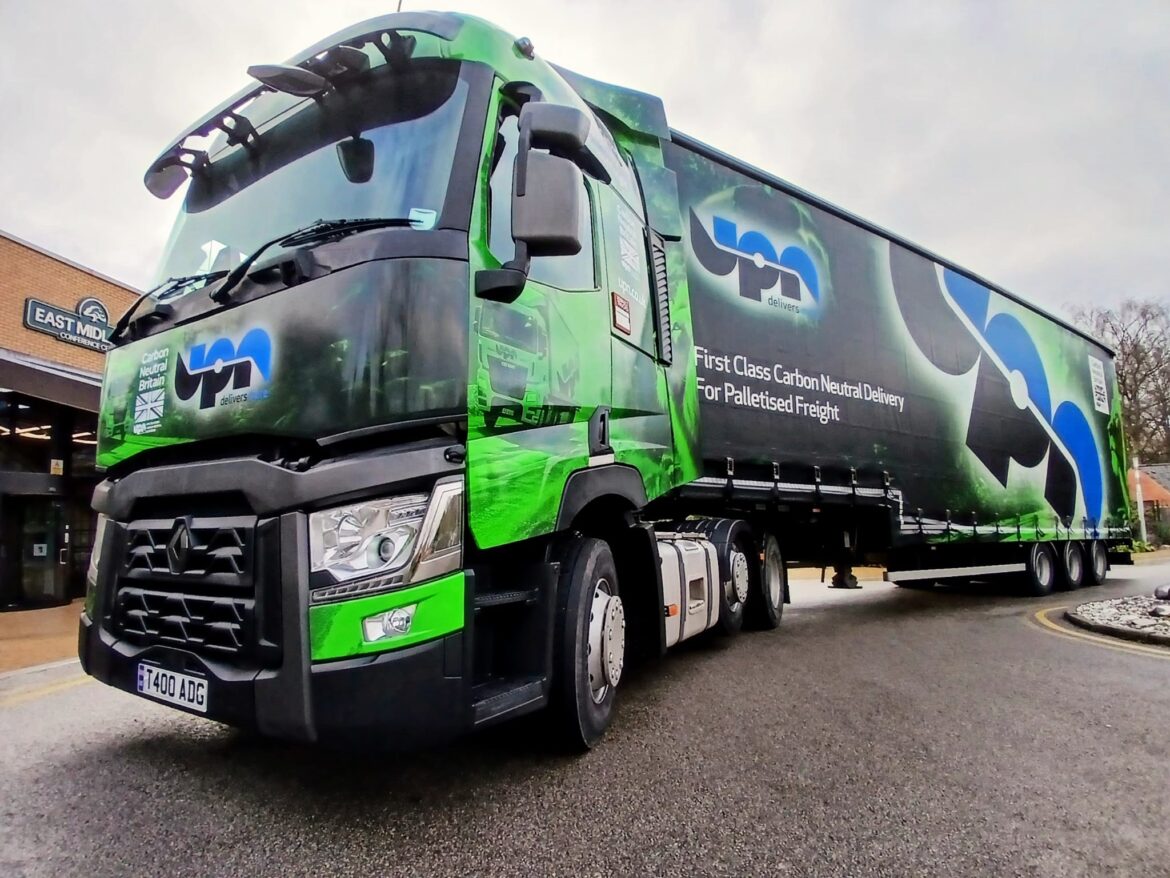
United Pallet Network (UPN) has announced the launch of SmartTRAK, its bespoke new cutting-edge pallet freight tracking tool which enables users to follow their delivery second by second in real time.

SmartTRAK integrates advanced live tracking, dynamic planning tools, and real-time performance monitoring to ensure that all UPN shipments are managed with absolute precision at every stage of their journey.

UPN Clients can now follow their pallet freight delivery second by second via an interactive map which gives clear real time visualisation delivery status and drop number. They will benefit from complete control every step of the way by knowing precisely when each shipment will arrive, reducing guesswork and enabling seamless coordination. “The introduction of SmartTRAK confirms UPN’s ongoing commitment to service excellence and evolution of industry standards”, said UPN Managing Director, David Brown.

At the core of SmartTRAK is an advanced, bespoke algorithm that generates automatic 2-hour ETA windows during planning. These ETAs are continuously refined in real-time using vehicle location updates, current traffic conditions, time required for each delivery, and scheduled driver breaks. “With the launch of SmartTRAK, UPN Service users enjoy complete control over their logistics, with accurate, real-time insights at their fingertips,” commented Joel Miller, UPN’s Director of Information Technology.

UPN leverages state-of-the-art technology to provide significant advantages to clients. By using the latest technology, the SmartTRAK system:

• Continuously updates delivery ETAs based on real-time driver progress and location
• Highlights potential issues such as early or late arrivals with intuitive colour-coded alerts
• Displays live tracking on an interactive map, ensuring complete visibility of every shipment

SmartTRAK is an innovative palletised freight tracking system, providing benefits that empower businesses with unparalleled control over their logistics operations. By homing in on the company’s distinct point of difference within the sector in terms of its bespoke IT support systems and infrastructure, and its quality driven focus on service excellence, UPN has established a unique position in the Pallet Network Sector with its ‘Unique IQ’ initiative.

From April 2024, United Pallet Network went Carbon Neutral. All palletised freight deliveries handled by its members across its UK wide partner network are now undertaken on a Carbon Neutral basis. In a first for the Sector Carbon Neutral Britain provide UPN with full Carbon Neutral Certification for every Member, certifying all UPN deliveries as Carbon Neutral. Established in 2001, UPN has grown strongly and steadily into a high quality palletised freight distribution network. Focussed on growth through member success UPN currently have over 100 members covering the whole of the UK, and European partners providing coverage throughout 26 countries.

similar news
UPN Launch Latest Live Signature Capture App


Source link

0 comments
0 FacebookTwitterPinterestEmail
Services

BMW Group Logistics tests Hydrogen Trucks

by
written by


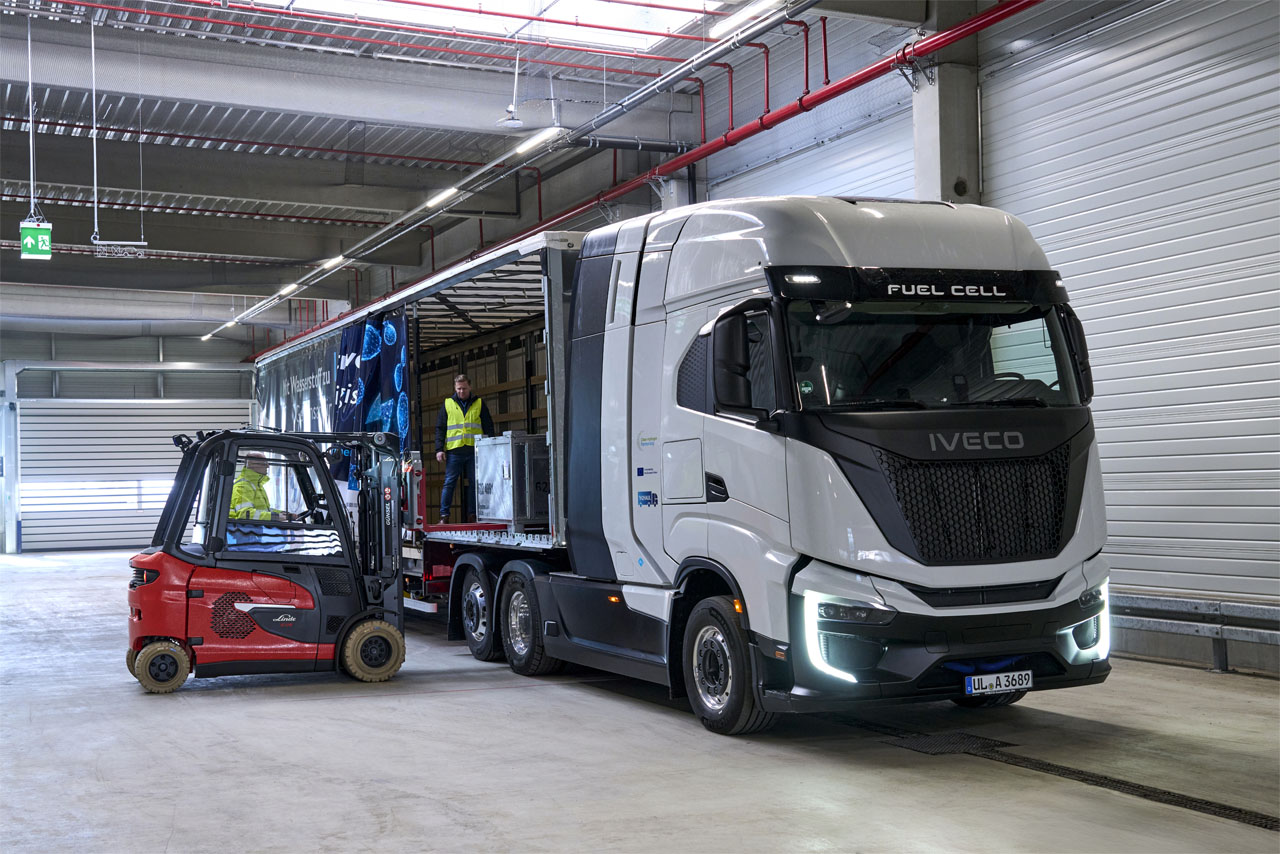
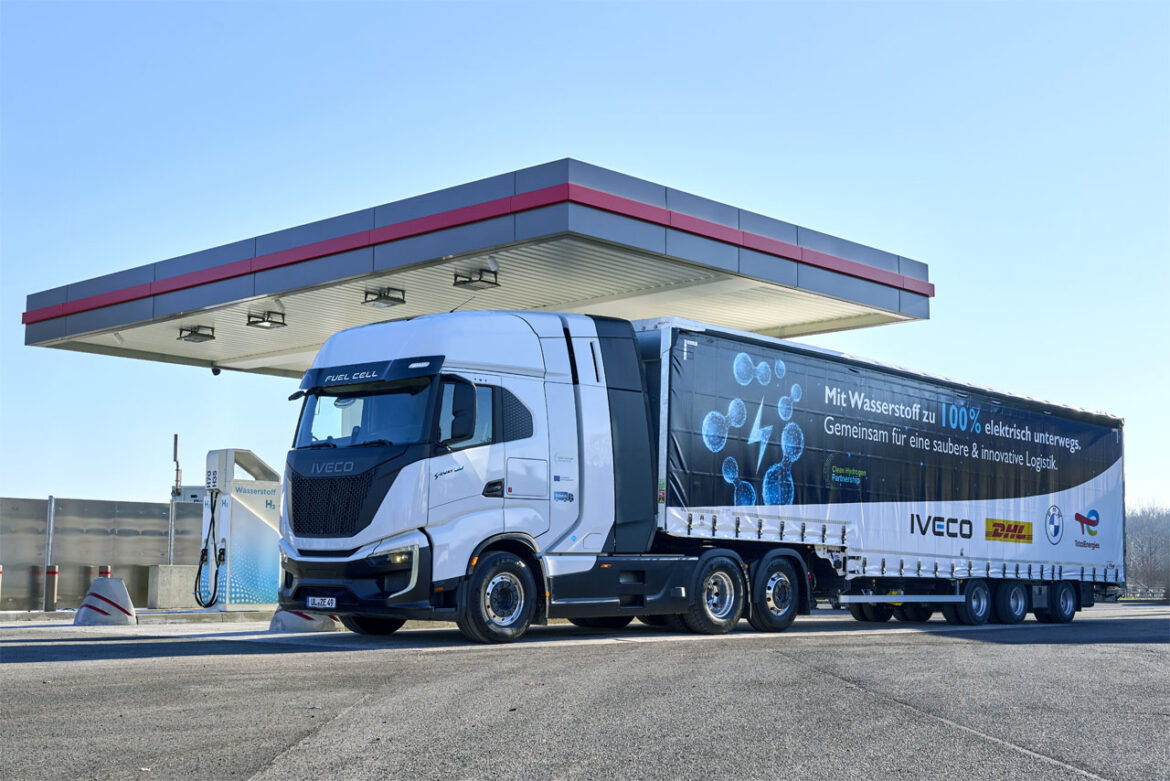
The BMW Group is driving the future of emission-free heavy-duty transport – with pilot operations of the first hydrogen trucks now underway at Plant Leipzig as part of the H2Haul project. Demonstrating its openness to different technologies once again – including in logistics – the BMW Group’s involvement is one component of its more comprehensive hydrogen strategy connecting transport, production and products.

Emission-free Heavy-Duty Transport

The BMW Group is taking the next step towards sustainable transport logistics: two local emission-free fuel-cell trucks are now entering pilot operations. Part of the European H2Haul project supporting hydrogen-powered freight transport, the trucks will travel between Leipzig, Landsberg and Nuremberg to see how their drive technology performs in everyday operations. In addition, state-of-the-art hydrogen filling stations are currently under construction at Leipzig and Hormersdorf (northeast of Nuremberg) to offer the fast refuelling necessary for truck operations to succeed. The project is being realised by the BMW Group in conjunction with Iveco, DHL and TEAL mobility.

“The right choice of transport is important in global logistics, as elsewhere, to keep us future-focused and efficient in our work. So, transport logistics is another area reflecting the BMW Group’s open-minded approach to technologies. For the first time, hydrogen-powered trucks will support series production in German car manufacturing. We have been working on the project for a number of years now and are rolling out this pilot fleet in collaboration with our partners. It’s an important milestone as it will give us experience of how these trucks work in series operations and help us continue enhancing this crucial technology,” says Michael Nikolaides, head of Production Network and Logistics at the BMW Group.

The H2Haul project looks at how hydrogen fuel cell-powered trucks perform in real-world driving and what they can contribute to fossil fuel-free heavy-duty transport. All in all, 16 vehicles are involved, subsidised by the Clean Hydrogen Partnership and operating across Europe. Of those, two are IVECO S-eWay Fuel Cell trucks on the road for the BMW Group. Findings from the pilot project are expected to help enhance the technology and get it market-ready. A valuable addition to the battery-electric trucks already on the road, the hydrogen vehicles are quick to refuel and offer significant range. They are also flexible to use as they are independent of the charging infrastructure or grid development.

The BMW Group’s participation in the H2Haul project is a key cornerstone in its Reduced Logistics Emissions Strategy. This aims to achieve emission-free transport logistics, with a dedicated cross-departmental team developing measures to reduce CO₂ from the BMW Group’s road, rail and shipping transport worldwide. Drive technologies receiving a positive rating are advanced into pilot projects and new plant concepts, whose emissions data is then systematically recoded to enable accurate CO₂ reporting.

Fuel cell technology is not all the BMW Group is testing: it is also involved in the HyCET (Hydrogen Combustion Engine Trucks) project. In the future, this will see two 40-tonne and one 18-tonne truck powered by hydrogen combustion engines join its logistics fleet. Funded by the German Federal Ministry for Digital and Transport (BMDV), the HyCET project is being implemented by the BMW Group in conjunction with DHL, Volvo Trucks, Deutz, KEYOU and TotalEnergies.

By testing H₂ fuel cells and combustion engines simultaneously, the BMW Group is remaining true to its open-minded approach to technologies – including in logistics. While fuel cells work more efficiently, combustion engines are cheaper to produce as they essentially work on the same tried-and-tested principle as a diesel. The EU ordinance classes both hydrogen technologies as zero-emissions, and out on the road they are both being trialled on the same routes and refuelling at the same filling stations. The aim is to determine the best use case for each technology in BMW Group logistics.

Heavy-duty transport is not the only area where the BMW Group uses hydrogen: it also uses it within its own plants. Plant Leipzig is considered a pioneer in this regard, being home to the first indoor hydrogen filling station in Germany since way back in 2013. Today it operates five such facilities as well as one of the largest fleets of fuel cell-powered forklifts and tug trains in Europe. The latest filling station even offers fully automated refuelling – another first.

Innovative solutions are a defining feature in production too, where the BMW Group is the first carmaker in the world to roll out a brand-new type of burner, now on stream in Plant Leipzig. The new bivalent system can be powered by gas as well as hydrogen, and there are currently five such burners operating in contrast roof painting for the MINI Countryman. Further burners are currently being converted for hydrogen, with the longer-term aim of doing away with gas power completely and reducing CO2 emissions further. “Our vision at Plant Leipzig is to largely decarbonise production. We can achieve that, in part, by replacing fossil fuels with hydrogen,” explains Petra Peterhänsel, Plant Director at BMW Group Plant Leipzig, taking a longer view of the plant’s overall direction for the future.

similar news

Agility Wins BMW Gold Award for Excellence in Warehousing


Source link

0 comments
0 FacebookTwitterPinterestEmail
Services

End-to-end Logistics for Farizon Electric Van

by
written by


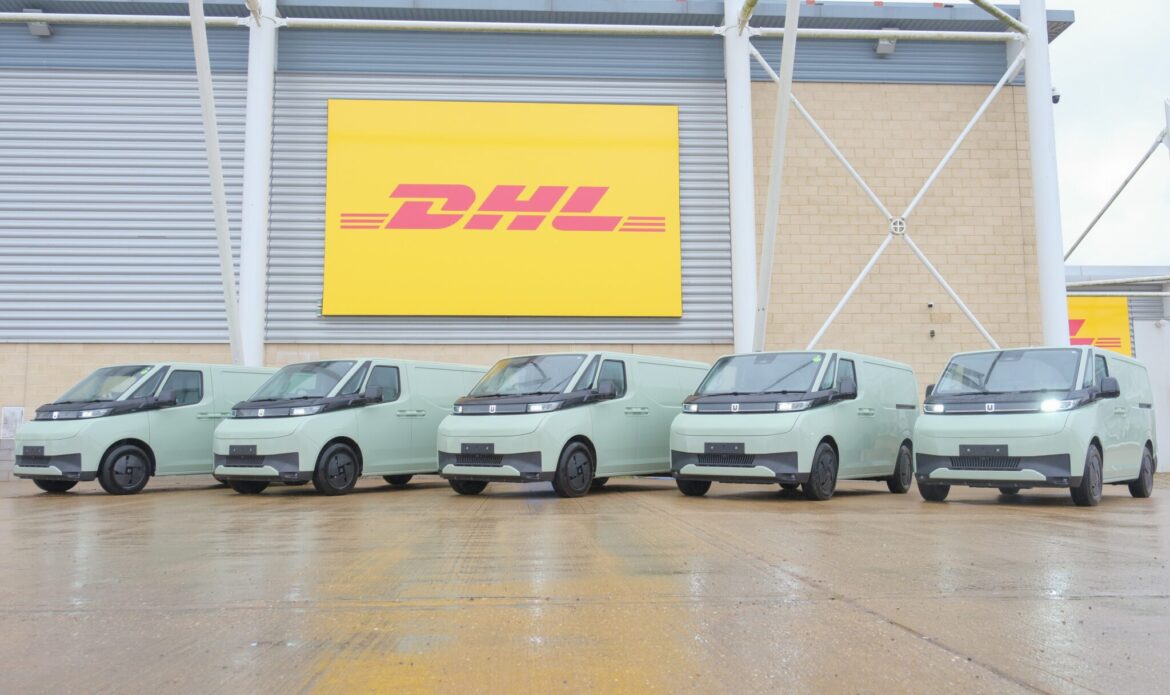
Jameel Motors UK has appointed DHL to handle finished vehicle and aftermarket logistics for the all-newborn-electric Farizon SV large van in the UK. Established in 2016, Farizon is the commercial vehicle division of Geely, China’s largest private vehicle manufacturer. The Farizon SV is being introduced to the UK by Jameel Motors UK, a London-based automotive distribution business and part of Jameel Motors. The SV will be officially launched at the Commercial Vehicle Show at the NEC, Birmingham from 29 April – 1 May.

The Farizon SV sets a new benchmark in the electric van market. It features a host of advanced innovations, including drive-by-wire technology, a unique b-pillarless design, and cell-to-pack battery packaging, which combine to deliver market-leading cargo capacity, payload, range and an ultra-low loading height.

DHL will provide an end-to-end solution by combining the expertise and capabilities of its Supply Chain and Forwarding divisions. DHL Global Forwarding will manage the customs clearance and management of the vehicles and parts on entry into the UK. All Farizon vehicles coming into Felixstowe will then be collected by DHL Supply Chain, taken to its container facility in Stanton for checks, then transported to its finished vehicle site in Peterborough.

DHL Supply Chain will be responsible for the Farizon press and demo fleet, preparing vehicles based on custom specifications and managing delivery. For dealership and customer orders, DHL will manage pre-delivery inspections, software updates, and white glove delivery service, applying the same expertise, speed and professionalism to the commercial vehicles market that it offers across passenger vehicle contracts.

Aftermarket support will operate out of DHL’s facility in Stanton and will serve a growing Farizon dealer network, as well as direct customers across the country. DHL’s automotive logistics expertise is increasingly benefiting manufacturers and distributors aiming to enter the UK for the first time and grow market share, through rapid vehicle accreditation and strong aftermarket support.

Kate McLaren, Head of Marketing and Sales Operations at Jameel Motors UK, said: “As a new brand to the UK and with a new benchmark for the electric van market, we recognise the imperative of leveraging the expertise and experience of the very best partners. Having DHL’s expertise, extensive network and facilities as well as its commitment to quality is crucial to the success of our launch and long-term operations.”

Paul Stone, MD Manufacturing Logistics, DHL Supply Chain, added: “Setting up an entirely new operation is a significant undertaking. By giving Farizon a ready-made network and access to the highest level of automotive logistics expertise, we’re enabling seamless market entry. It’s an exciting time for the automotive industry with more choice and innovation than we’ve seen in decades. We’re proud to be a key part of such a dynamic industry and support our customers’ ambitious growth plans.”

similar news

DHL Supply Chain Invests in its UK Fleet


Source link

0 comments
0 FacebookTwitterPinterestEmail
Services

Unified Commerce = Consumers Spend More

by
written by


New data reveals multi-channel shoppers spend 15% more per order when unified commerce is offered by retailers. Retailers are engaged in an ongoing battle to innovate and adapt to evolving customer demands in an uncertain economy. New data from Manhattan Associates reveals that retailers relying on siloed, outdated systems are struggling, while leaders in unified commerce are gaining a competitive edge by delivering better customer experiences and more efficient operational outcomes. The report shows that blurring the lines between the physical and digital shopping experiences to create a seamless brand journey is becoming more important. Physical stores can no longer rely solely on transactions; they must adapt to serve as fulfilment hubs, service centres, and brand anchors.

Key to growth

“Retailers who’ve embraced unified commerce are seeing impressive results, including a 23% higher inventory turnover and a 22% reduction in customer acquisition costs,” says Craig Summers (pictured), MD UK/VP Northern Europe & MEA, Manhattan Associates. “In today’s competitive market, that’s a significant advantage.”

With 77% of retailers acknowledging that customer acquisition costs have increased substantially, unified commerce offers a solution by driving efficiency and attracting customers through personalised experiences powered by real-time data. This is key, as customers who engage across multiple channels generate 1.5X higher lifetime value, highlighting the potential of unified commerce.

Bridging the channel gap

While a massive 73% of retailers recognise that seamless cross-channel cart and wish list functionality is essential, only 32% can actually deliver it. Summers adds, “This isn’t just about convenience; it’s about meeting customer expectations. Retailers need to invest in platforms that allow customers to start a purchase on their phone, continue it on their laptop, and pick it up in-store seamlessly.”

The connected customer journey is still reliant upon human relationships, however. Using technology enables retailers to extend the reach and impact of their in-store teams, enhancing rather than replacing human expertise. In-store staff remain a crucial part of connecting the physical and online customer experience.

Craig Summers

Furthermore, 69% of retailers recognise that real-time clienteling is key. Summers notes, “Retailers need to equip their staff with devices that connect them to customer data and preferences in real-time, enabling them to provide tailored recommendations, and build lasting relationships that shape their digital experiences too.”

Boosting efficiency and slashing costs

Traditional stores are being crushed under the weight of rising expenses, with labour costs having risen for 63% of retailers. Unified commerce offers a solution by automating inventory, routing orders intelligently, and deploying self-service kiosks, thereby empowering retailers to streamline operations and reduce costs.

Summers explains that; “designing operations to anticipate changes and adapt to customer needs is essential to ensure retailers build resilience into their value chain, while giving time back to sales associates who can focus on higher-value customer interactions, and more strategic decision-making.”

This frictionless efficiency extends to the shopper experience too. Seamless checkout is now a basic requirement, with 57% of retailers recognising its importance. This also necessitates payment experiences that automatically adjust to customer preferences offering options like mobile wallets and buy-now-pay-later. 76% of retailers acknowledge that flexible, mixed payment methods are critical for lowering cart abandonment.

Unified commerce is now a strategic imperative

Summers concludes: “The UK retail sector is at a turning point. By embracing unified commerce, retailers can navigate current challenges and market uncertainty to unlock new opportunities for growth, efficiency, and customer loyalty. Investing in unified commerce is no longer optional; it’s a strategic imperative for long-term success.”

similar news

Manhattan Redefines Supply Chain Planning


Source link

0 comments
0 FacebookTwitterPinterestEmail
Services

Security First for Industrial Real Estate

by
written by


In the competitive world of industrial real estate, safety and flexibility are paramount. Network Space’s Broadheath Networkcentre exemplifies these principles through its innovative design and security features. By partnering with ASSA ABLOY, Network Space has ensured that their new development not only meets but exceeds the expectations of modern businesses.

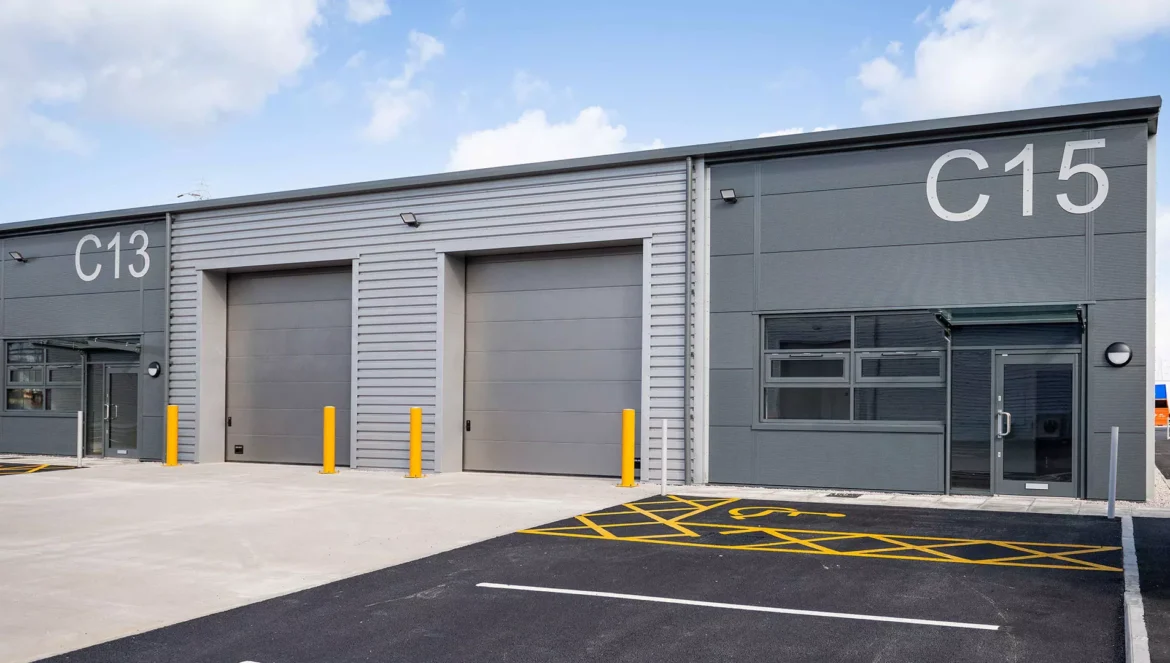
Bespoke Secured by Design sectional doors and large-scale loading bays for real estate developer Network Space helped make their new development a safe, flexible and attractive long-term proposition for tenants. Combining high-quality refurbished units with new construction, Network Space’s Broadheath Networkcentre is a modern industrial development, with 206,000 sq ft of space across 25 units. The Altrincham, Cheshire-based contemporary multi-tenant site has been designed to appeal to a diverse range of businesses.

Secured by Design

This large project was split into smaller individual units. ASSA ABLOY supplied and installed each of the 25 units with an OH1042P Secured by Design Overhead Sectional Door, plus added a range of steel and fire exit doors for additional access and several loading bays. Secured by Design is the official police security initiative that aims to improve the safety and security of buildings and their immediate surroundings. Based on the risks in the local area, the local police conduct a full review of the building and advise on the security rating they’d recommend.

The optimal entrance solution for industrial units, the OH1042P door is designed to keep businesses both safe and efficient. Available with a vision panel which is also security-rated, the OH1042P is four metres wide, with a cylinder safe lock on both sides of the door. Its weather-resistant construction protects against wind and water, making it suitable for both loading dock and level access applications. This new door from ASSA ABLOY meets all safety and security requirements without compromising usability.

Bespoke loading bays

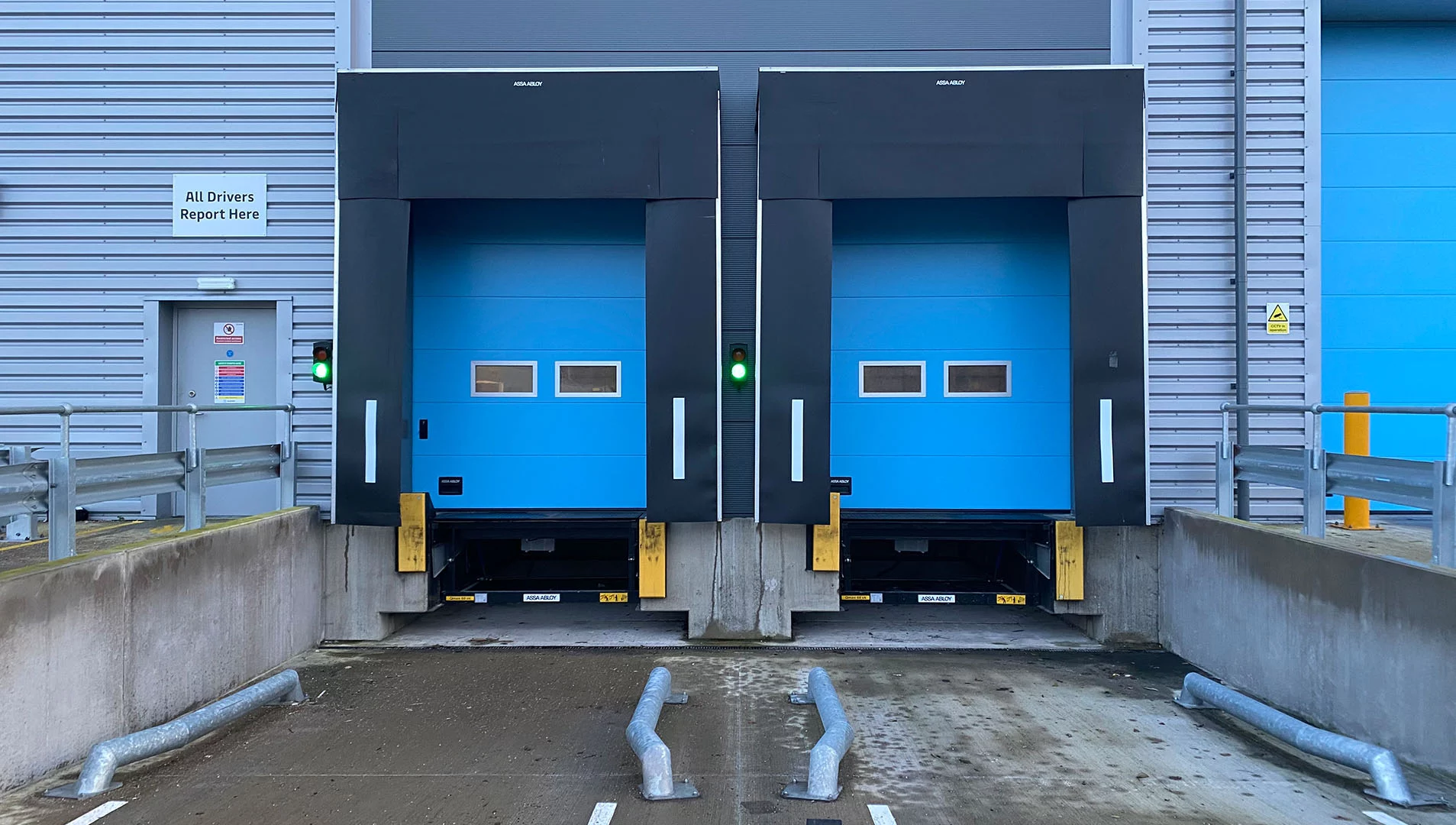
Because Network Space was appealing to a diverse range of tenants, ASSA ABLOY Entrance Systems worked with them to develop a specification for loading docks that could flexibly accommodate all kinds of vehicles and loads. This proactive, future-proofing approach reduces restrictions on tenants, ensuring all of their potential loading requirements are met. This was achieved through fitting longer, telescopic levellers for maximum flexibility, considering the arrangement of the buffers and the size of the shelters to ensure the loading bay can accommodate the maximum size of vehicles and trailers.

A range of high-profile tenants have already chosen to locate their operations in Broadheath Networkcentre. One of the larger units was let in advance of development, which allowed the loading bays to be designed bespoke to this tenant. Their comprehensive entrance solutions included several Crawford OH1042P overhead sectional doors featuring Secured by Design security compliant windows, which were used for both secure level access and dock doors. Their solution also included DL6120T telescopic dock levellers, wheel guides, DS6060P curtain dock shelters, rubber buffers, internal and external traffic lights and dock lights.

This tenant requested a non-standard colour finish to exactly match their brand palette. With no impact on the security rating, the eye-catching colour-matched doors both stand out on the building and provide an elevated customer experience on approach to their unit. The loading bay solution provided by ASSA ABLOY means that Network Space can accommodate different kinds of tenants in these units for years to come, demonstrating a strong commitment to tenant satisfaction and long-term asset management. Tenants can benefit from our service agreements, ensuring consistent maintenance and support for their operations within the units.

similar news

ASSA ABLOY Entrance Systems introduces a revolution in safe and secure truck docking


Source link

0 comments
0 FacebookTwitterPinterestEmail
Services

Packsize to Acquire Sparck Technologies

by
written by


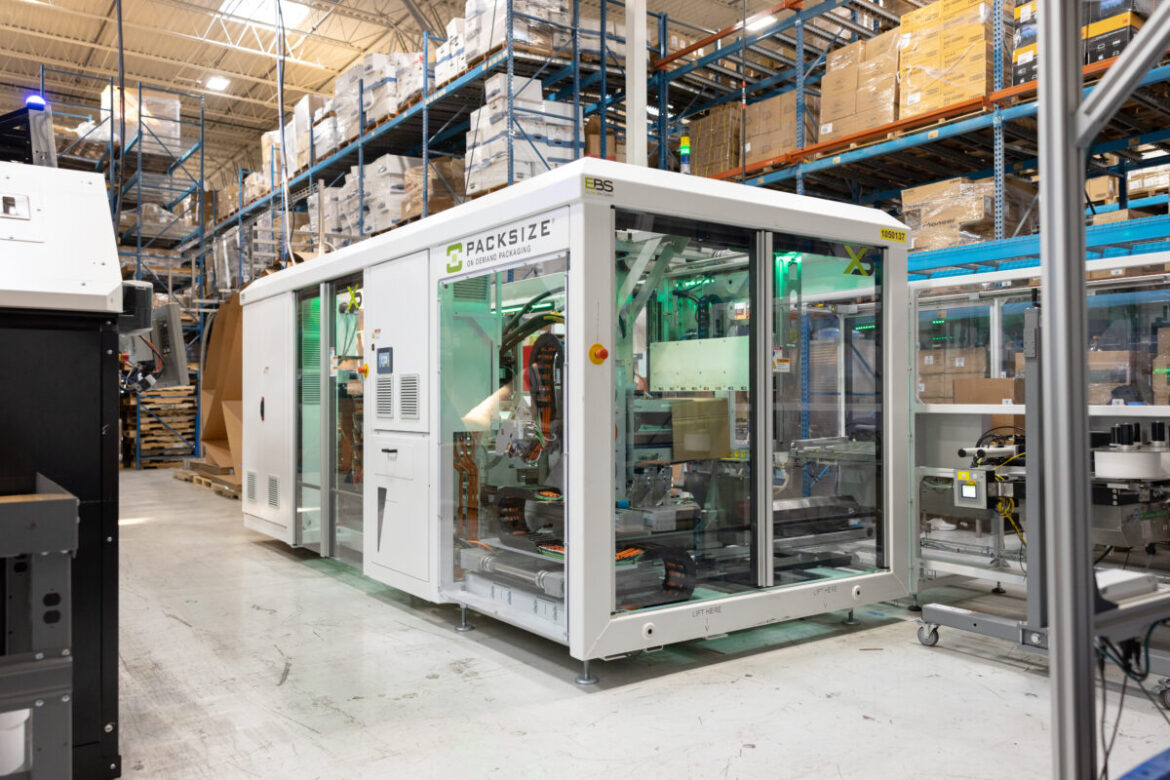
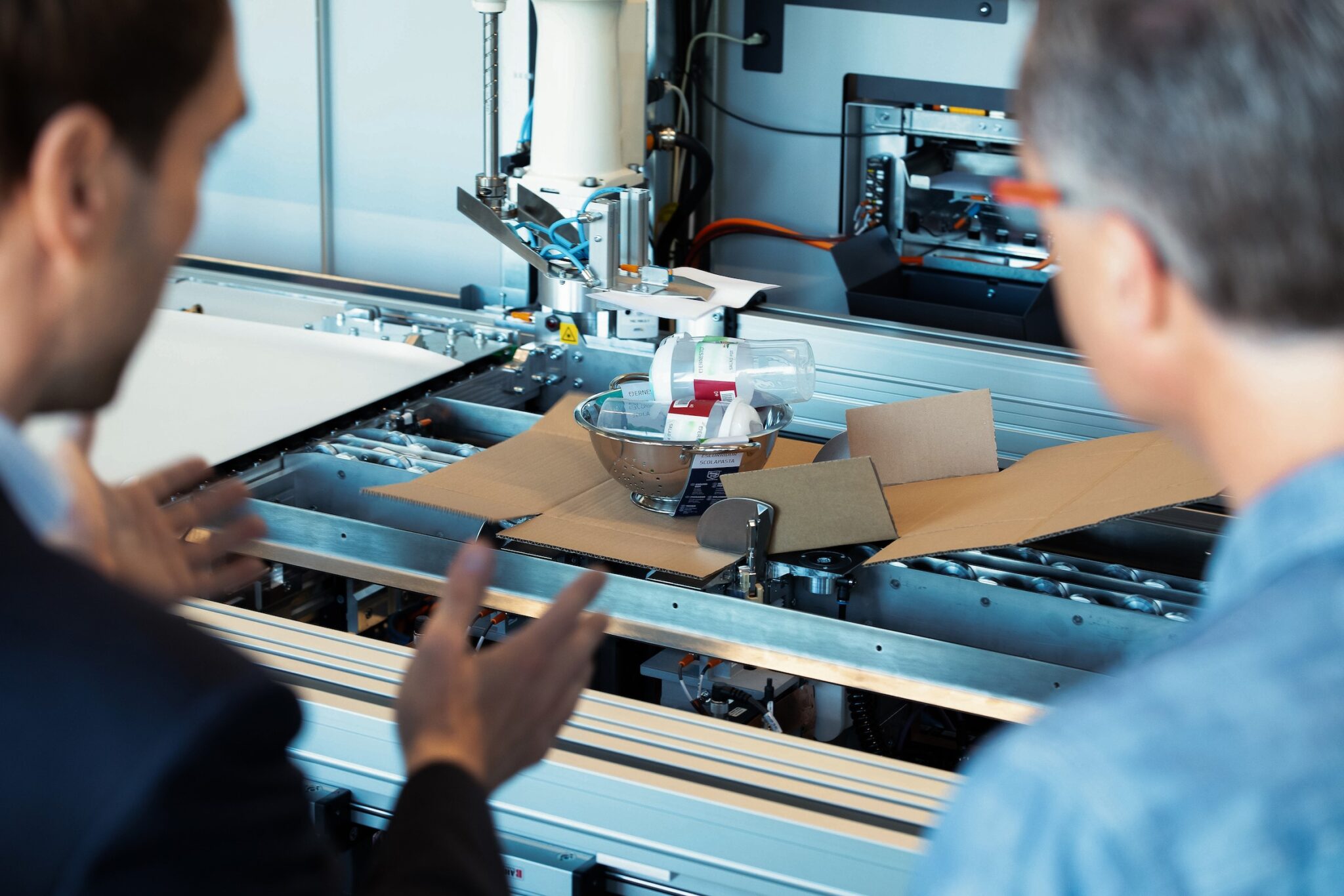
Pacsize, supplier of sustainable, right-sized, on-demand packaging, has announced the company’s completed agreement to acquire Sparck Technologies, a European-based manufacturer of high-throughput, fit-to-size, automated packaging solutions.

The acquisition marks a significant milestone in Packsize’s growth strategy and strengthens its position in the automated packaging industry. By combining Packsize’s technology and service model with Sparck’s best-in-class box last and lid and tray solutions, the company will now provide the industry’s most comprehensive portfolio of solutions to meet evolving customer needs.

“Sparck has long been recognized for its innovation, reliability, and strong commitment to sustainability – values that align perfectly with our own,” said David Lockwood, CEO of Packsize. “Together, our complementary technologies create a more complete product offering for our customers. This acquisition brings us one step closer to realizing our mission of Smart Packaging for a Healthy Planet by accelerating our ability to deliver more sustainable, right-sized packaging solutions to customers around the world.”

“Bringing Sparck into the Packsize team is a strategic move that expands what we can offer our customers – especially in high-volume, high-efficiency environments,” said Brian Reinhart, Chief Revenue Officer at Packsize. “Sparck’s box last and lid and tray solutions allow us to solve a broader range of packaging challenges. This isn’t just about growth – it’s about delivering smarter, more sustainable automation at scale.”

Sparck Technologies, headquartered in Drachten, Netherlands, is best known for its advanced CVP Impack and CVP Everest systems – automated solutions that optimize throughput and reduce waste by creating fit-to-size boxes at scale. “This acquisition is a perfect match,” said Kees Oosting, CEO of Sparck. “It allows us to bring more value to our customers faster and at a greater scale than either company could achieve alone.”

Peak Ecommerce PerformancePeak Ecommerce Performance

Standard Investment has worked closely with Sparck to execute a successful transformation of the activities in Drachten. Originally part of French-listed multinational Quadient, Standard Investment segmented Sparck to become a standalone company in 2021.

Herbert Schilperoord, Partner at Standard Investment, said: “We are very proud of what the Sparck team has achieved with the involvement of Standard Investment, pivoting the organization to a cutting-edge technology leader in the fit-to-size packaging area. We’re confident that together, Packsize and Sparck will continue a strong growth trajectory, delivering fit-to-size technology to global tier 1 customers.”

similar news

Sparck Celebrates 100 years of Innovation


Source link

0 comments
0 FacebookTwitterPinterestEmail
Services

Lack of New Truck Drivers is Critical

by
written by


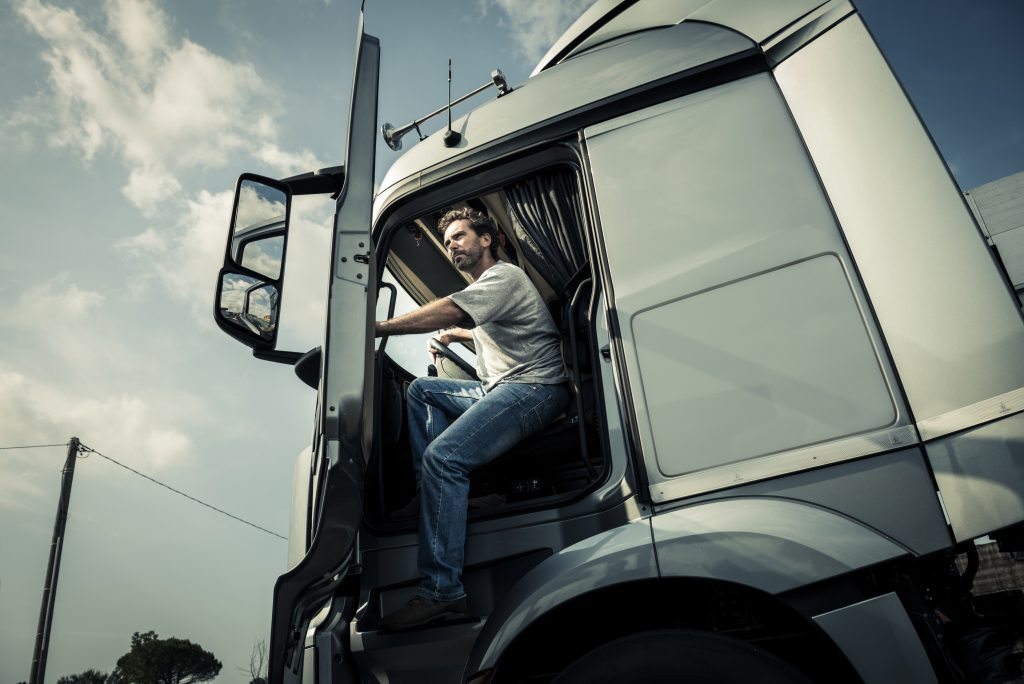
During the pandemic, we got a taste of what a shortage of truck/lorry (HGV) drivers looks like, with empty supermarket shelves, a lack of fuel in petrol stations, and delays in vaccine deliveries. The driver gap has been eased in the last five years with government incentives and proactive solutions.

However, the majority of the industry is over 50 years old, with 55% of all drivers between 50 and 65. These drivers will start to retire in the next five years, potentially leaving a major skills shortage. The solution is clear: the industry needs more young people to consider a career in professional driving, or the situation will become critical.

John Keelan-Edwards, MD of Driver Hire Training warns that the UK could face another shortage if no action is taken, and explains how the industry and the government can prevent it. “There is soon to be a wave of drivers retiring and leaving the industry. There are several factors at play when we discuss why we are at risk of a shortage of HGV drivers again in the near future. We don’t have as many drivers from overseas as we once did so we are more reliant on ‘home-grown’ talent. Recent government initiatives have been useful, but professional driving as an industry still lacks diversity in a big way. And the average age of the current workforce is cause for concern – there is soon to be a wave of drivers retiring and leaving the industry”, he says.

“With little interest from school leavers on careers in HGV, the ratio of those retiring and those entering the industry for the first time is at an imbalance. If this imbalance is not rectified, the situation could become critical, as HGV drivers are vital to every industry and supply chain in the UK and beyond. We need more of the current school age generation to enter the industry, and for them to know the fulfilling and varied careers they could have. Incentives such as sign on bonuses work on a temporary basis to boost the workforce, and this may be necessary again should we have a sudden shortfall. For a sustainable and stable future for the logistics industry, we need more of the current school age generation to enter the industry, and for them to know the fulfilling and varied careers they could have,” says Keelan-Edwards.

“There are many challenges in attracting younger people, but timing and image are two of the big ones. Many people will have already decided on a different career by the time they are able to do their HGV training and gain a professional driving qualification. People also now aspire to different career choices – the glamour of travel and the freedom of the open road are not what they may have been in the past. We need a real focus on the positives, from across the industry and media, ideally reaching people when they are still young, or considering a career change. Better access to well-funded vocational training would also help. Professional driving can offer great flexibility, decent wages, an opportunity to see the world and meet interesting people – the list goes on, he adds.”

“The industry needs to embrace young drivers and ensure a comfortable transition from training to their first role. The industry needs to embrace young drivers and ensure a comfortable transition from training to their first role. Many companies are reluctant to hire younger drivers, either due to insurance concerns or simply because they believe experience is essential to do the job efficiently. With good quality training and rigorous hiring practices, that doesn’t have to be the case. People starting out in their careers are vital to the future of logistics.

“We all have a role to play – the industry, government, insurers, employment advice agencies and training providers. We need to combine our efforts to promote the positives of working in logistics to as broad an audience as possible. If we can make high quality training accessible and affordable through better funding and communication, we should be able to attract a younger, more diverse range of people to work in this industry. There are so many positive reasons to work in logistics, and drivers are essential to the health of our economy. It’s a career choice to be proud of,” he concludes.

similar news

Career Day Focus at Munich’s transport logistic


Source link

0 comments
0 FacebookTwitterPinterestEmail
Services

Lithium Battery Automated Module Assembly Line

by
written by


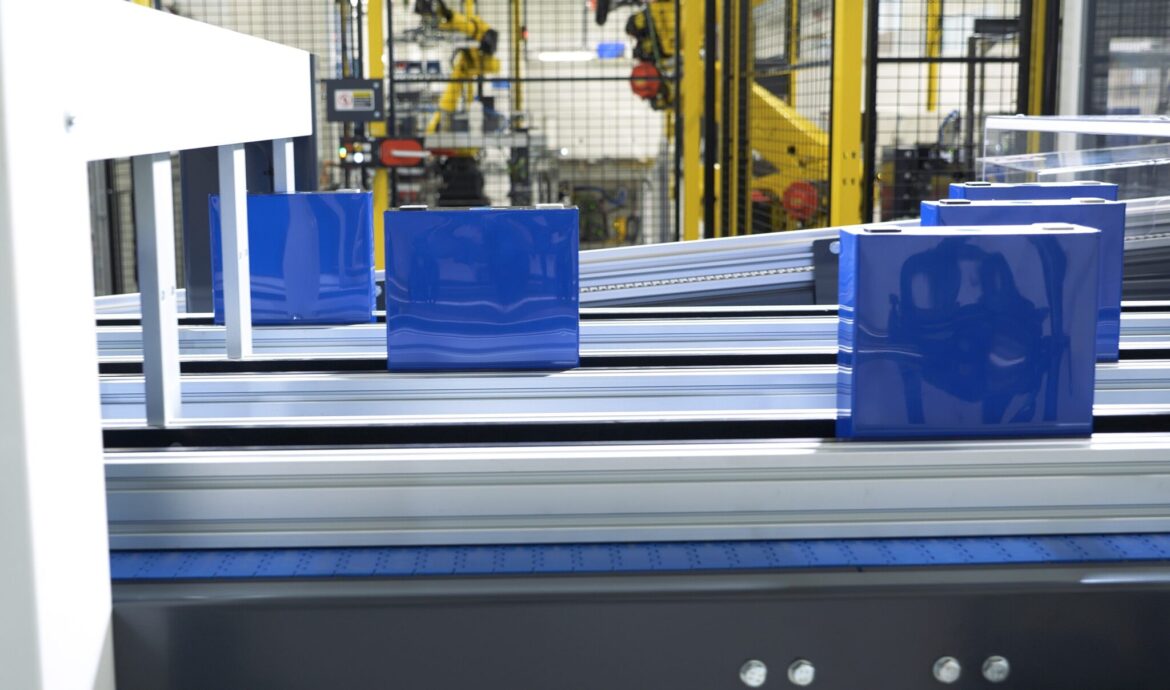
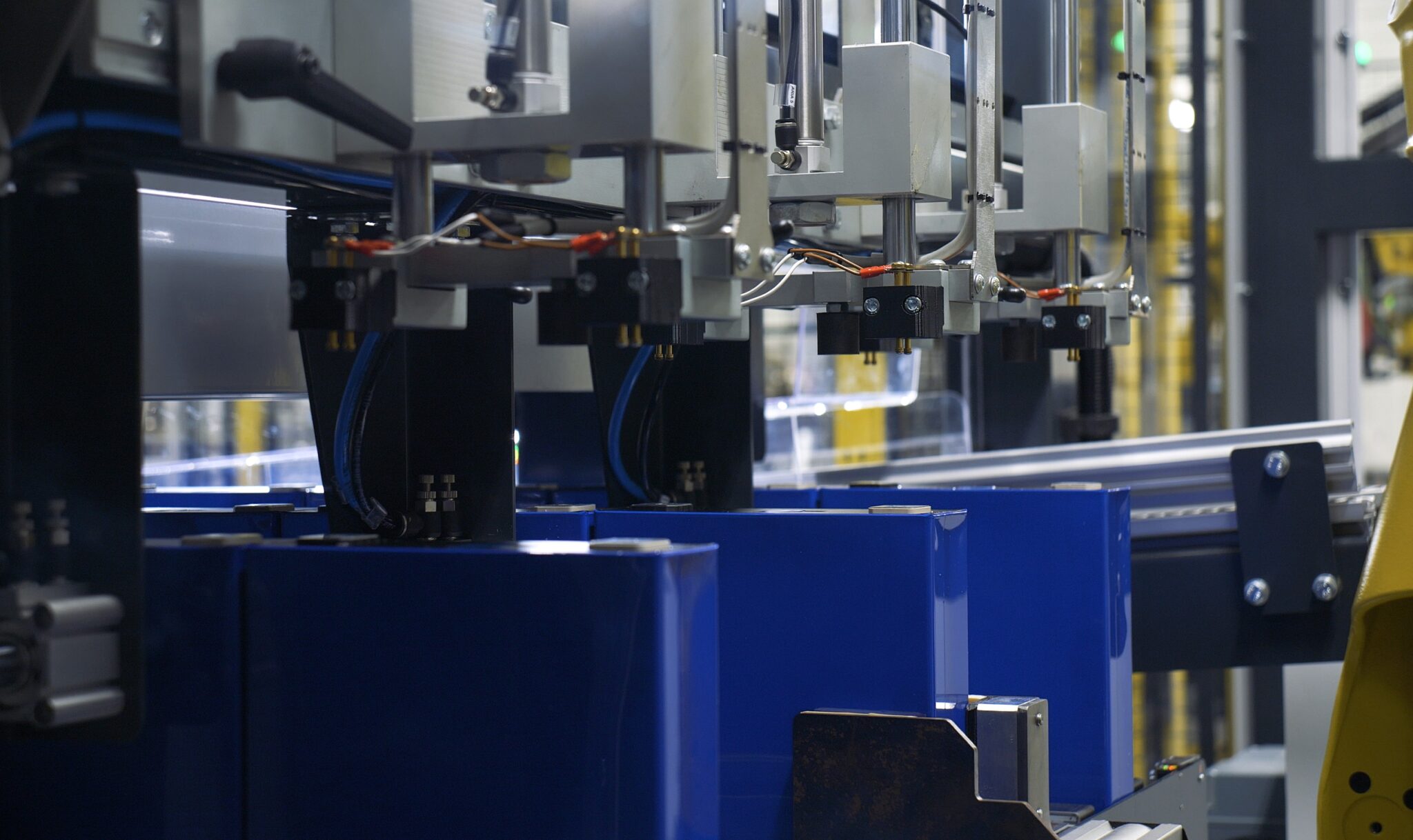
Flash Battery, an Italian company founded in 2012 and specialized in the engineering and production of high-performance lithium batteries for industrial use, has announced the launch of its new laser-welding automated module assembly line, reinforcing its leadership in both the national and international markets. The result of an investment of over €6 million, the new line is the core of the company’s recent headquarters expansion, which added 2,200 square meters dedicated to a fully automated area for battery module assembly. This technologically advanced department is designed to house the entire welding and mechanical integration process within a controlled environment. The annual production capacity reaches 90,000 modules, making this not only the most advanced but also the most productive line in Italy for assembling prismatic cell modules.

Centralized production expertise

Flash Battery has chosen to internalize and develop all key process skills within its HQ: from its proprietary Battery Management System to mechanical and electrical design, process validation, and predictive maintenance. With the integration of this new module assembly line, the company finalizes its in-house production consolidation process, now also directly controlling welding and assembly activities previously outsourced to external suppliers. Except for the cells – sourced from top global manufacturers – every phase is now managed and supervised directly by Flash Battery.

This integrated management model allows the company to deliver fully tailored solutions aligned with each customer’s application needs, maintaining consistent standards of quality and performance, even in complex and dynamic industries. “Bringing battery module assembly in-house means going directly to the source of the supply chain,” said Marco Righi, CEO and Founder of Flash Battery. “For cells, we rely on leading global suppliers, selecting multiple providers for each type in order to increase supply chain reliability and enhance our negotiating power. Recent geopolitical and economic developments have confirmed the importance of having direct control over production to reduce lead times and supply issues.”

Automation and proprietary technology for superior reliability

The new assembly line is engineered to quickly switch between configurations, managing thirteen module variants with changeover times of less than ten minutes. This enables Flash Battery to respond quickly and accurately to even the most specific customer requirements, supporting the creation of optimized electric systems without compromising on time or quality. This adaptive production capability becomes a clear competitive advantage.

Laser welding is also a strategic technological choice: it ensures stronger mechanical and electrical joints, greater resistance to vibrations, and lower energy dispersion. This is essential for achieving stable and reliable performance, particularly in demanding industrial applications.

The line operates through four core automated phases:
1. Cell loading and automated inspection, using optical inspection systems and high-precision sensors;
2. Module formation, with robotic stacking and placement of components into a containment structure for subsequent welding;
3. Laser welding of frames and bus bars, which connect the cells for a durable and efficient electrical connection;
4. Final compliance testing, including safety, insulation, and mechanical resistance tests. Only modules that pass all tests are labeled and sent to the battery pack assembly lines.

“With this new line, we are taking a decisive step toward a more autonomous, efficient, and reliable production model,” concludes Righi. “Integrating production skills allows us to respond promptly to customer needs and deliver tailored solutions with top-tier quality and performance. This is a key competitive advantage in a constantly evolving market.” With this in-house autonomy and the upcoming launch of European gigafactories dedicated to LFP (Lithium Iron Phosphate) cell – a safe, stable, and cobalt-free lithium technology – Flash Battery will soon be able to offer customers a fully European supply chain.

similar news

Flash Battery celebrates strong 2021 revenue


Source link

0 comments
0 FacebookTwitterPinterestEmail
Services

Urban Final-Mile Delivery Firm Launches

by
written by


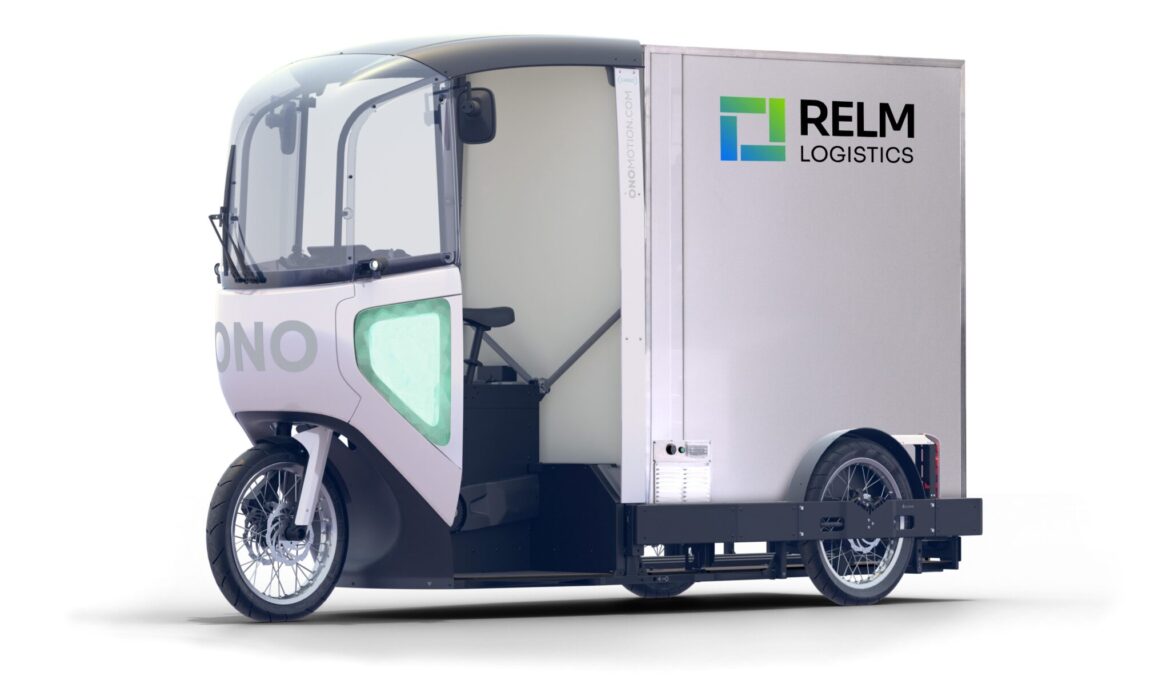
RELM Logistics (Consultants) officially launched this week with a bold mission: to revolutionise final-mile urban delivery by making it cleaner, smarter, and more cost-effective. As congestion, emissions, and operational costs continue to climb in city centres, RELM offers a compelling new model that leverages micro-mobility, containerisation, and data-driven fleet optimisation.

Founded by a team with over 70 years of collective logistics experience, RELM is a specialist consultancy helping logistics operators, retailers, and local authorities navigate the complex realities of urban deliveries. The consultancy draws on real-world results — including eight years of successful cargobike-based 3PL operations — to offer clients tailored solutions that reduce emissions while improving efficiency.

“The logistics sector is under immense pressure to cut costs and emissions, but simply electrifying van fleets isn’t enough,” says RELM founder James FitzGerald. “We’re here to help businesses go beyond compliance — to reimagine the urban supply chain entirely.”

Cleaner Air Through Smarter Logistics

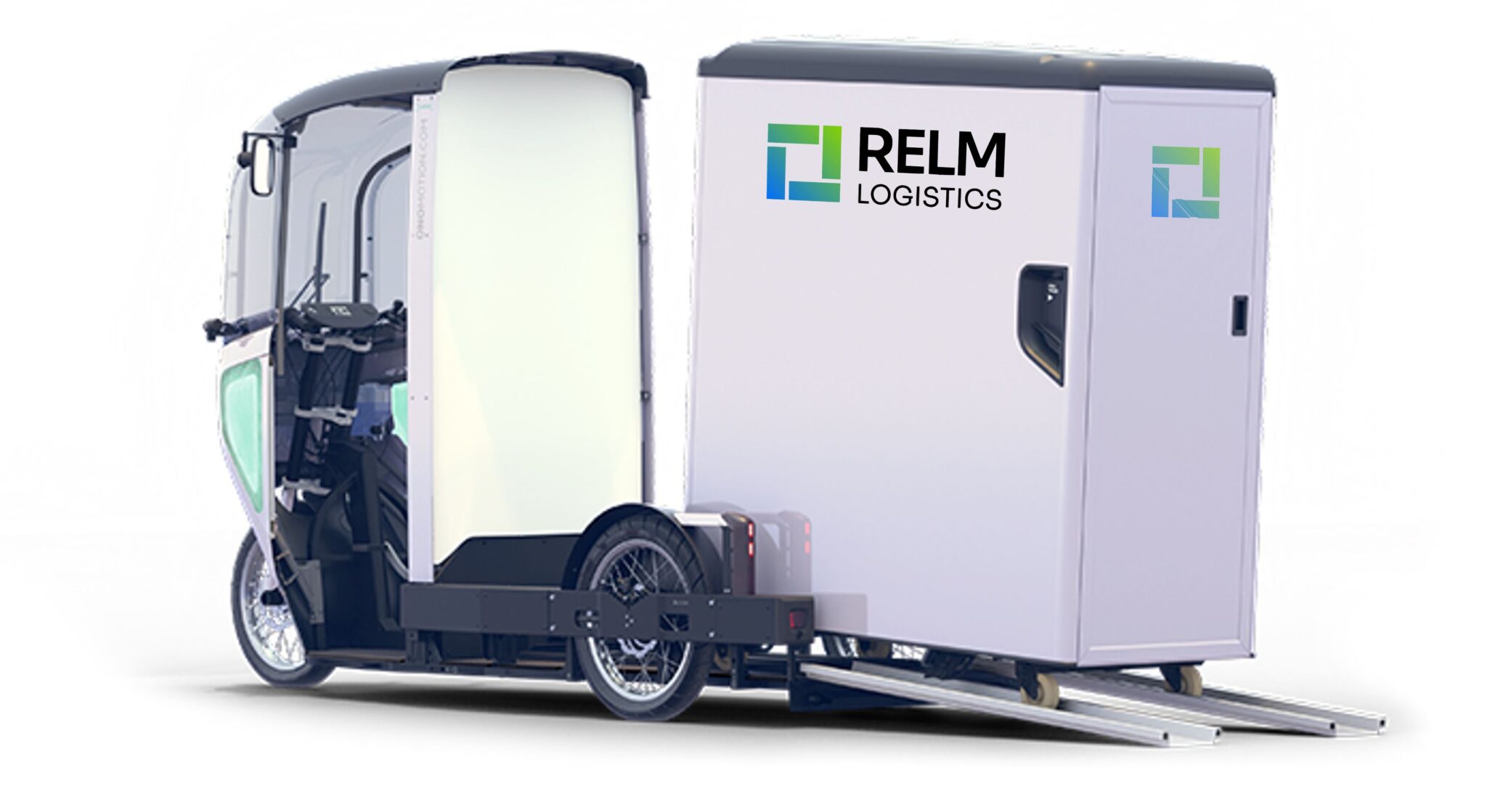
Urban centres now face unprecedented delivery challenges: congestion has driven average city speeds below 10mph; Low and Zero Emission Zones are expanding; and parking restrictions lead to costly PCNs. Meanwhile, over 20% of the UK’s population live or work in just ten dense cities — making sustainable, high-efficiency urban logistics more urgent than ever. RELM’s multi-modal, Swiss Army knife approach replaces ‘van think’ with adaptable, data-led fleet composition. High-capacity cargo bikes — with 2m³ volume and up to 300kg payloads — are central to this shift, often outperforming traditional vans in dense urban environments while cutting emissions and cost-per-drop.

Micro-Containerisation: The Game Changer

RELM highlights micro-containerisation as the future of urban logistics. This innovative model streamlines the entire delivery chain, reducing handling, boosting rider productivity, and enhancing traceability. In recent trials with a national grocery retailer, cargo bikes using pre-packed containers matched — and in some cases surpassed — vans in both speed and energy use, even in demanding ‘pick from store’ models.

For parcel carriers, containerisation offers even greater returns. One national delivery firm recorded a 30–45 minute daily time-saving per driver by shifting overnight packing away from riders. RELM sees this as just the beginning. “Implementing micro-containerisation isn’t just a final-mile fix — it’s a full supply chain upgrade,” says the RELM team. “It enables scalable, repeatable systems that drive down cost and emissions at every stage.”

Hands-On Expertise, Real-World Impact

From cold chain compliance to charging infrastructure, RELM supports every aspect of a successful transition to micro-mobility. Services include:

• Vehicle selection and field trials
• Site audits and logistics benchmarking
• Rider recruitment, training, and ops setup
• Lithium-ion battery safety and charging guidance
• Custom fabrication for specialised goods
• Cold-chain and oversized freight solutions
• New vehicle integration with existing route optimisation software
• Micro-mobility fleet maintenance and workshop facility design and operation

Having worked with past clients including Harrods, Sainsbury’s, Co-op, Ocado Zoom, and multiple London boroughs, the team at RELM bring proven experience to help businesses not just adapt — but lead.

E-Commerce at a Crossroads

UK online retail has surged from 3% of sales in 2006 to nearly 30% today — but RELM argues the ceiling could be far higher if logistics costs weren’t a limiting factor. “Retailers are reaching the limits of cost-efficiency with current models,” says RELM. “Physical stores won’t get cheaper — but online fulfilment can. Real gains lie in operational redesign, not just swapping vans for smaller vans.”

With strategic implementation of containerisation and micro-mobility, RELM believes businesses could push ecommerce penetration to 60% and beyond. “The winners will be those who master this shift. The rest will fall behind.”

similar news

Hybrid Trailer Refrigeration Units Offer Sustainable Option in Urban Areas


Source link

0 comments
0 FacebookTwitterPinterestEmail
Services

Redefining the Silk Road with Modern Logistics

by
written by


The historical trade route that connected the civilizations of China and Europe is undergoing a resurgence in importance. Over the past ten years, trade volumes between China and the European Union have grown more than tenfold, collectively exceeding €730 billion last year. China remains the EU’s third-largest trading partner worldwide, and given the geopolitical situation, trade relations between these countries are expected to strengthen further. This has led to significant challenges in logistics management.

Three modes of transport can be used to facilitate logistics: air, sea, and land transportation. Road transport, once a niche player in this high-volume corridor, is rapidly emerging as a strategic imperative for transport and logistics companies seeking agility, speed, and bespoke solutions. The driving force behind this change is the growing demand for speed and flexibility. In an era of rapid technological advancements, just-in-time inventory models, and explosive growth in e-commerce, the lengthy transit times associated with sea freight are becoming untenable for a significant part of the market.

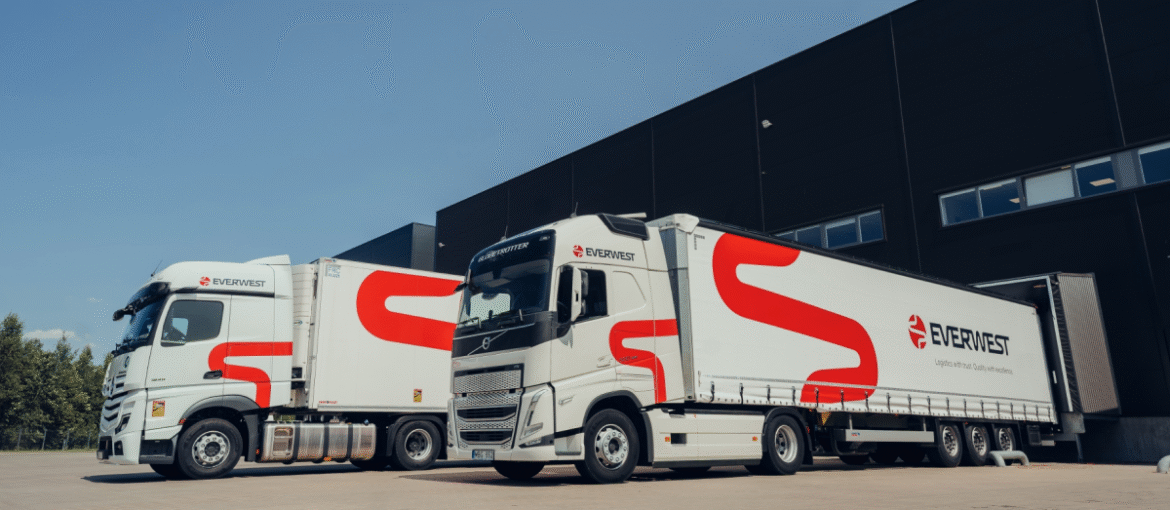
“Road transport is an attractive option, with the potential to reduce delivery times from weeks to days, at the same time it is cheaper compared to air transport, which is a significant benefit for high-value electronics, perishable goods, fashion and urgent shipments. This enhanced agility directly translates into lower inventory holding costs, faster market entry, and improved responsiveness to consumer demand, which are key differentiators in today’s competitive landscape,” says Everwest CEO Pavel Kveten.

Furthermore, the unparalleled last-mile connectivity of road transport provides a logistical elegance that other modes struggle to match. Trucks offer a door-to-door service, eliminating the complexities and potential delays of other modes. This efficient approach enhances cargo security, reduces handling costs, and provides shippers with a single point of contact and greater control over their supply chain. For businesses, particularly SME’s, requiring direct delivery to inland distribution canters or end customers across the EU, road transport offers a level of convenience and efficiency that is increasingly valued.

The ongoing development of infrastructure along the New Silk Road corridors is a critical enabler for this growth. Investments in modern highways, streamlined border crossing procedures facilitated by international frameworks like TIR (Transports Internationaux Routiers), and the establishment of strategic logistics hubs are creating a more efficient and reliable road network. Companies like Everwest Group are strategically leveraging these infrastructure improvements to optimise their routes and minimise transit times. Their investment in modern, well-maintained fleets equipped with advanced tracking technology allows for real-time visibility and proactive management of shipments traversing these evolving arteries of trade.

However, the journey along the China-EU road freight route is far from frictionless. Several significant challenges require careful navigation and strategic mitigation. The sheer distances involved necessitate meticulous planning, efficient route optimisation, and robust driver management protocols to address fatigue and ensure compliance with varying regulations. The complexity and diversity of border regulations and customs procedures across multiple countries require specialised expertise and accurate documentation to avoid costly delays. In response, companies like Everwest are investing in dedicated customs clearance teams and leveraging digital solutions to streamline documentation processes and navigate the intricate regulatory landscape.

In addition, the growing emphasis on environmental sustainability is putting increasing pressure on the road transport sector to adopt greener practices. In response, Everwest is proactively exploring investments in more fuel-efficient vehicles and exploring opportunities for intermodal solutions to minimise its carbon footprint and align with evolving environmental regulations and customer expectations.

In principle, transporting goods by land between China and Europe may appear to be a complex undertaking. This is due to several factors, including border queues, customs procedures in certain countries, political and economic instability, and inadequate road infrastructure development. In addition to these challenges, natural impediments such as snow-blocked roads and sandstorms further compound the situation.

“However, Everwest’s experience and expertise allow it to overcome these challenges. Our approach involves selecting the optimal cargo route using advanced technologies, including AI, and dynamically adjusting routes in real-time based on changing traffic and weather conditions. We also have experience working with official institutions in various countries,” says Kveten.

Recognising the increasing demand for speed and flexibility, the company has strategically invested in building a robust network and expertise in navigating the complexities of this challenging yet promising trade lane.

Similar news

New Silk Road and Trans-Siberian Route Available with Global Provider


Source link

0 comments
0 FacebookTwitterPinterestEmail
Newer Posts
Older Posts

Recent Posts

  • Automation is Transforming Logistics in India
  • Swarm AGVs for Multiple Flows & Pallet Types
  • Contracts Manage Warehouse Construction Risk
  • Why Fragmented Freight Management Systems Are Killing Operational Efficiency
  • Wheels for Steel – Logistics News

Recent Comments

No comments to show.

Social Connect

Whatsapp

Recent Posts

  • Automation is Transforming Logistics in India

  • Swarm AGVs for Multiple Flows & Pallet Types

  • Contracts Manage Warehouse Construction Risk

  • Why Fragmented Freight Management Systems Are Killing Operational Efficiency

  • Wheels for Steel – Logistics News

Newsletter

Categories

  • Services (1,091)
  • Uncategorized (41)

@2024 - All Right Reserved. Designed and Developed by Sierraline Cargo services

Manage Consent
To provide the best experiences, we use technologies like cookies to store and/or access device information. Consenting to these technologies will allow us to process data such as browsing behavior or unique IDs on this site. Not consenting or withdrawing consent, may adversely affect certain features and functions.
Functional Always active
The technical storage or access is strictly necessary for the legitimate purpose of enabling the use of a specific service explicitly requested by the subscriber or user, or for the sole purpose of carrying out the transmission of a communication over an electronic communications network.
Preferences
The technical storage or access is necessary for the legitimate purpose of storing preferences that are not requested by the subscriber or user.
Statistics
The technical storage or access that is used exclusively for statistical purposes. The technical storage or access that is used exclusively for anonymous statistical purposes. Without a subpoena, voluntary compliance on the part of your Internet Service Provider, or additional records from a third party, information stored or retrieved for this purpose alone cannot usually be used to identify you.
Marketing
The technical storage or access is required to create user profiles to send advertising, or to track the user on a website or across several websites for similar marketing purposes.
  • Manage options
  • Manage services
  • Manage {vendor_count} vendors
  • Read more about these purposes
View preferences
  • {title}
  • {title}
  • {title}
Sierraline Cargo Services
  • HOME
  • Services
    • Trade With Us
  • About Us
  • Contact Us
  • private jet
    • BOOK YOUR JOURNEY
  • Track Packages
  • Insurance
  • safekeeping

WhatsApp us