Sierraline Cargo Services
  • HOME
  • Services
    • Trade With Us
  • About Us
  • Contact Us
  • private jet
    • BOOK YOUR JOURNEY
  • Track Packages
  • Insurance
  • safekeeping
Services

Smarter Warehousing in a Labour-Short World

by
written by


Warehouses and supply chains are the backbone of our modern commercial environment, writes Steven Watson (pictured), UK Managing Director of Timewise Systems. However, the warehouse and supply chain sectors are grappling with a persistent labour shortage. As businesses scale and customer expectations continue to rise, many are under pressure to do more with less. Now, with customer expectations at an all time high, there’s frequently less time and often less labour available.

This has led operations teams to an indisputable conclusion. It’s no longer a question of if they invest in automation, but how to do it strategically. Across the industry, forward-thinking warehouse operators are looking to boost productivity, reduce errors and unlock efficiencies. The plot twist is that this needs to be achieved without becoming overly dependent on a workforce that’s increasingly difficult to recruit and retain. This is where smart technology steps in. Not only does smart technology offer a strategic way to streamline day-to-day operations, but it also supports long-term business performance.

Start with the right focus

There’s a common misconception that solving the labour challenge means introducing robotics or full-scale automation across the board. This couldn’t be further from the truth. In reality, the most effective transformations start with something far more targeted. This involves identifying the biggest friction points in your operation and deploying technology to solve them. That might involve replacing paper-based picking processes with voice-directed workflows, or implementing a warehouse system to manage task prioritisation in real time.

These kinds of changes don’t require a full system overhaul. They’re about smart, incremental improvements that make a measurable difference. When technology is introduced with clear objectives and measurable outcomes, the return on investment can be both quick and significant.

Reducing costs while improving performance

Labour shortages often lead to reactive decision-making, such as bringing in temporary workers at a premium, extending shifts or pushing existing teams beyond capacity. This may help in the short term, but it’s not sustainable. Technology helps break that cycle by optimising how work is planned, distributed and executed. By automating routine tasks and reducing manual errors, warehouses can achieve higher and more accurate output without burning out their workforce. More consistent performance leads to fewer missed deadlines, better use of available labour and tighter control over operational costs. In many cases, even a small tech-driven change can reduce labour costs by double-digit percentages.

Empowering your workforce

It’s important to stress that technology isn’t about replacing people. In fact, one of the major benefits technology brings to warehouses is its ability to empower them. When employees are equipped with intuitive, supportive tools, their jobs become easier, safer and more rewarding. Instead of spending time on repetitive manual tasks, they can focus on value-added work like quality control or exception handling. Smart technology also enables better communication, faster onboarding, and more flexibility in task management. For businesses struggling to attract and retain staff, this can be a significant advantage.

Steven Watson

From efficiency to customer satisfaction

At the heart of every warehouse operation is the customer. They may never see what happens on the warehouse floor, but they certainly feel the effects. Delays, stockouts or incorrect deliveries all chip away at trust. When warehouse systems are optimised, customers benefit from faster, more accurate fulfilment. That reliability builds reputation and repeat business, which is essential in today’s competitive market.

A strategic approach to change

The most successful warehouse operations don’t rush to automate everything overnight. They take a strategic approach; prioritising their most pressing challenges and selecting solutions that are scalable and sustainable. With the right planning and execution, it’s possible to navigate the labour shortage while strengthening every aspect of the operation. Smart investment in warehouse technology isn’t about plugging the gaps. Instead, it unlocks new levels of productivity and sets the foundation for future growth.

Steven Watson is the MD (UK) of Timewise Systems. Timewise is a provider of technology solutions that help warehouse and supply chain operations work smarter, faster and more efficiently.

similar news

Automation’s Role in Alleviating Labour Shortage Pressures


Source link

0 comments
0 FacebookTwitterPinterestEmail
Services

Maps Reveal Flood Risk to Warehouses

by
written by


Property investors and owners are facing a fundamental shift in how they understand and manage flood risk, as the UK Environment Agency’s updated flood risk mapping reshapes future development and climate resilience planning.

The UK government has estimated that around 6.3 million properties in England are in areas at risk of flooding. The total number of properties in areas at risk from rivers and the sea or surface water could increase to around 8 million by mid-century. In other words, 1 in 4 properties in England will be in areas at risk of flooding from rivers, the sea or surface water by 2050. Across England, the Environment Agency has estimated the new mapping has resulted in a 43% increase in the number of buildings in areas at risk of flooding from surface water.

Exposed industrial zones

The updated models offer a deeper insight into how even minor elevation changes and surface water behaviours impact buildings and sites. They go far beyond historical flood zones, instead focusing on future risks. These will only increase as climate change intensifies. Industrial sites, some of which sit in the most vulnerable flood risk areas (Flood Zone 3), are some of the most impacted areas.

In some cases, industrial land can provide a level of flood storage in the most extreme events in order to prioritise protection of surrounding more sensitive sites, such as residential properties. Despite this being an understandable priority, it puts pressure on businesses to adapt their assets quickly and meaningfully.

Russell Garnett, head of environmental consultancy at built environment consultant Hollis, notes: “The new maps should provide improved risk assessments, but property owners will have to consider the flood data more during their decision-making. Investors need to be proactive to help protect the value of their investments for years to come.”

Rethinking designs

The design of the building and the surrounding landscape will have a great impact on the flood risk of properties. Previously overlooked factors, like kerb heights or threshold levels, now take on new importance. A kerb that stands just 10cm high could dramatically change how water moves across an industrial estate, protecting a building from serious flood damage in the future.

In hard-standing areas, which are common around logistics and warehousing sites, poor drainage can compound the issue, as stormwater has nowhere to go. Systems installed in the 1980s and 1990s were often designed for storms with return periods of 1-in-30 years. With 1-in-50 and 1-in-100-year events increasing in frequency, many systems are not able to safely remove the stormwater at the volumes required. When drainage fails, surface water accumulates, further increasing the likelihood of flood damage.

Practical steps for flood resilience

Mitigating these risks requires a coordinated approach. Updating flood risk assessments with high-resolution topographic surveys is essential. Site-specific design interventions, such as raising electrical sockets, installing elevated charging points for machinery, or adding modest thresholds to doorways can offer vital resilience.

Design itself is also evolving. In newer industrial developments that are at risk of flooding, offices are being placed on the first-floor level to shield expensive IT equipment from water ingress, with warehouse spaces left at risk on the lower floor, but more easily recoverable. This design shift helps minimise business disruption and reduce long-term costs from repeated claims or repairs. Regular maintenance is also key. On industrial sites, drains frequently clog due to debris. Ensuring these systems are clear at all times significantly reduces the chance of flooding, particularly in intense rainfall scenarios.

Risk profile and insurance under pressure

As flood risk increases, insurability and premium costs will be carefully reevaluated. Sites that now fall into higher-risk zones could face increased scrutiny or even be deemed uninsurable or unsellable. In such cases, proactive flood resilience planning becomes essential for preserving asset value.

Beyond individual sites, the updated flood data influences wider investment decisions. The ability to recover quickly from a flood event and to demonstrate resilience through design could become a key differentiator in an increasingly risk-conscious market. The industry must also prepare for the fact that what is Zone 2 today may become Zone 3 in the future, as sea levels continue to rise, and storms increase in intensity and frequency.

Climate change is accelerating this shift. Winters in the UK are becoming wetter, and summers are no longer immune from flood risk. Saturated ground conditions mean heavy rainfall leads to faster run-off and with drainage infrastructure already under strain, the consequences can be severe.

Garnett explained: “It’s going to cost you money one way or another, so be proactive. By preparing in advance, via the robust assessment of sites and employing mitigation measures, where required, the cost of flood impact on a site can be reduced. Preparing in advance to get a building back up and running quickly after a flood event should be a core part of this process.”

Commercial property owners should look at the new mapping system as an opportunity for more insight, rather than a stress point. These maps are more than just data, they are a guide to futureproofing assets in a world where flood risk is no longer a remote concern, but an immediate one.

similar news

Risk Reduction Specialist in Flood Security Doors Deal


Source link

0 comments
0 FacebookTwitterPinterestEmail
Services

UN Pallet Boxes for Safe Lithium Transport

by
written by


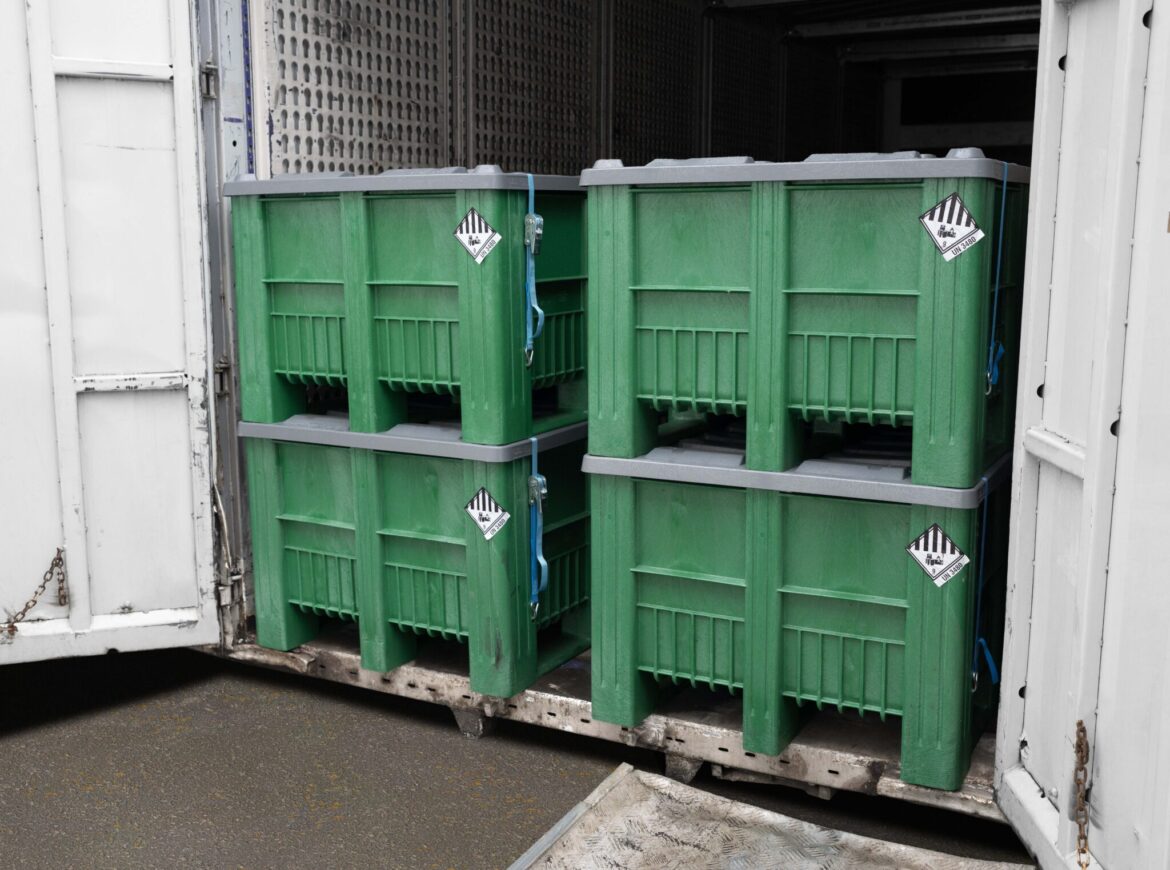
Accumulators and batteries containing lithium require highly sensitive handling in strict accordance with legislation. For logistical processes surrounding production, storage, transport and disposal of dangerous goods, the plastics pioneer Craemer provides safe pallet boxes made of polyethylene (PE). Ideally suited for such logistics processes: The certified and UN-approved boxes for dangerous goods (4H2, 11H2, 50H), injection moulded in one piece and particularly sturdy.

Circular economy and environmental protection in the fields of dangerous goods logistics, battery logistics and recycling only work with reliable containers – such as UN-approved pallet boxes made of high-quality PE from Craemer. The Craemer Group, with its plastics processing since 1958 and its four production sites in Europe, is one of the leading manufacturers of pallets worldwide.

UN Pallet Boxes

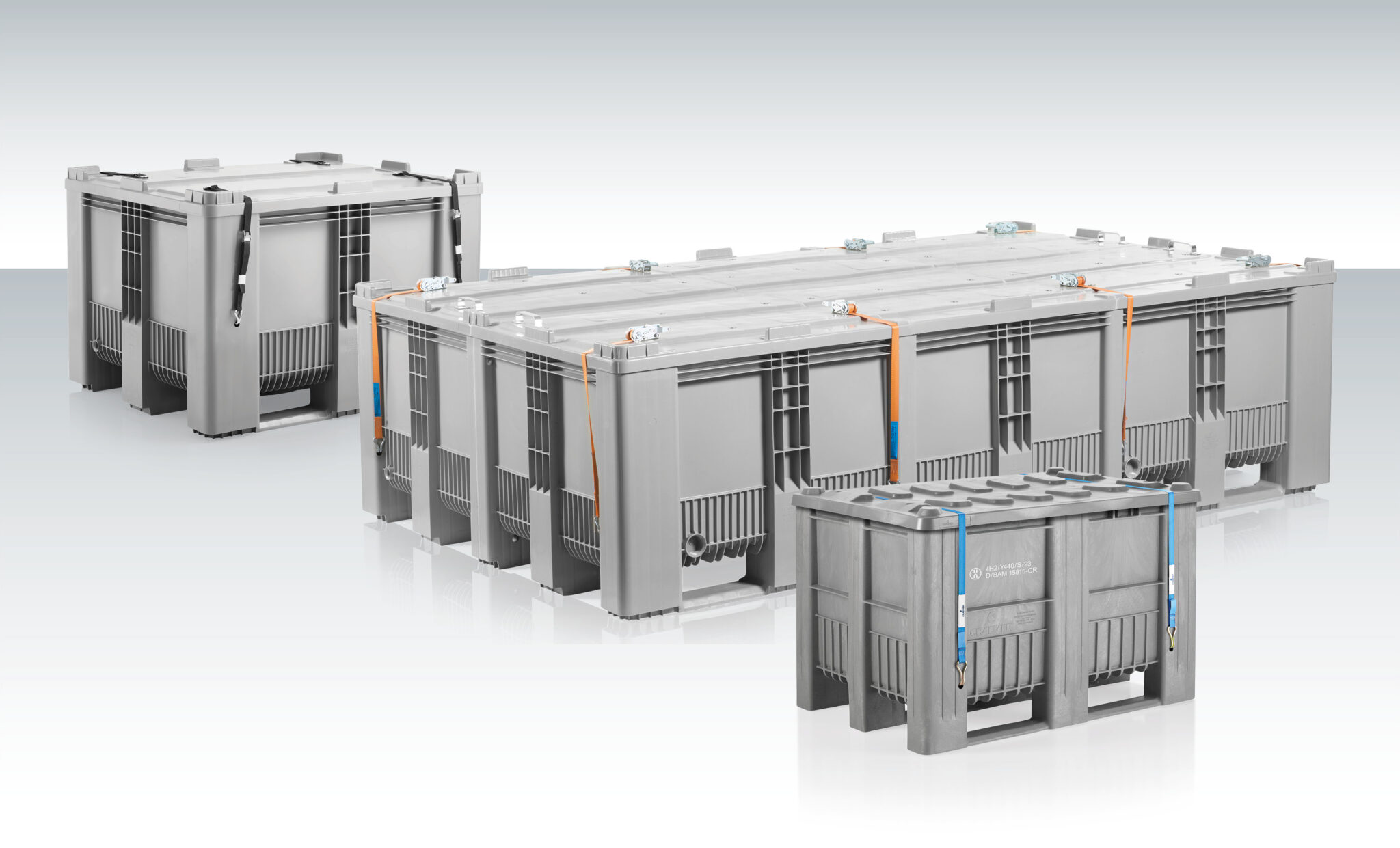
CB and SB3 pallet boxes (outer packaging types 4H2, 11H2, 50H) are certified as being suitable for dangerous goods in transport, storage and disposal of not critically defective lithium batteries and accumulators. The sturdy boxes are available in industrial and Euro dimensions as well as with particularly large volumes – all with closed walls, three longitudinal runners, precisely fitting lids, tensioning straps, dedicated fields, and RFID tag options. The seamless design and smooth inner walls allow easy emptying, cleaning and drying.

With a volume of 470 litres, the CB1 pallet box for dangerous goods in Euro dimensions (external dimensions including the lid: length of 1236 mm x width of 836 mm x height of 766 mm) has a certified maximum gross mass of 437.5 kilograms. With its volume of 610 litres, the CB3 pallet box in industrial dimensions (1237 x 1036 x 766 mm including the lid) has a gross mass of 438.8 kg. The high-walled CB3 High scores with its 1.000-litre volume.

The assets of the SB3 pallet box in industrial and Euro dimensions (1218 x 1018 x 834 mm including the lid) are its 610-litre volume, a maximum gross mass of 600 kg, and a Euro stacking system (all-round stacking level). With volumes of up to 2,988 litres, the larger-sized mega boxes (up to 2,950 x 1,850 mm) are suitable for particularly large lithium batteries or accumulators.

Ideal for packing groups II and III

Even with frequent use, the pallet boxes remain dimensionally stable and maintenance-free as well as resistant to most chemicals and cleaning agents. The prescribed filling materials for the transport of not critically defective lithium (ion) batteries in boxes with UN-approvals 4H2 and 50H can be supplied by Craemer from a German manufacturer.

The UN-certified pallet boxes of the CB and SB3 series all fulfil the provisions of the test requirements for dangerous goods of packing groups II and III. This includes the European Agreement concerning the International Carriage of Dangerous Goods by Road (ADR), requirements concerning the International Carriage of Dangerous Goods by Rail (RID), by sea (IMDG Code), by air (IATA-DGR) as well as the UN Recommendations for Dangerous Goods.

similar news

UN Recognition for Craemer 770-Litre Wheeled Bin


Source link

0 comments
0 FacebookTwitterPinterestEmail
Services

Tariff Response Solution Helps Supply Chains Adapt to Disruption

by
written by


As ongoing tariff pressures and trade uncertainty continue to reshape global supply chains, Kinaxis®, a leader in real-time supply chain orchestration, has launched Kinaxis Tariff Response – a new offering that helps companies simulate tariff exposure, run strategic scenarios, and make data-informed decisions quickly.

Built on the company’s AI-powered Maestro™ platform and delivered by Kinaxis supply chain experts, the service can be live in as few as 21 days, giving planners access to tariff modeling without the cost or complexity of building it internally. The solution meets rising demand for scenario planning – providing a faster, more accessible way for companies to shift from reactive firefighting to proactive orchestration.

While AI-powered what-if scenario planning has long been a core capability of Maestro, Kinaxis Tariff Response builds on that foundation with a focused solution for trade disruption. It combines tariff-specific inputs, sourcing logic, pricing levers, and demand modeling so companies can assess margin risk, test strategies, and evaluate trade-offs in seconds, not days or weeks.

“We’re already using Maestro scenario planning to model the impact of disruptions across our supply chain including tariffs and trade compliance policies,” said Colton Porter, manager, supply chain planning systems at furniture manufacturing and design company MillerKnoll. “It helps us evaluate sourcing options, anticipate risks, and align our team’s strategy before those changes affect our margins or customer delivery commitments.”

“Global supply chains aren’t operating by the old rules anymore,” said Fabienne Cetre, EVP EMEA at Kinaxis. “Tariffs are hitting faster, with broader consequences, and our data shows just how disruptive they’ve become. When trade policies shift overnight, companies need more than spreadsheets. With Kinaxis Tariff Response, they get visibility into cost, demand, and sourcing implications in real time, giving them the confidence to act with speed and precision.”

Supply chain data surging

Many Kinaxis customers already rely on Maestro’s scenario planning to stay ahead of supply chain disruptions. Over the past year, usage spiked significantly around key tariff discussions, showing how companies are turning to simulation to evaluate risks and respond faster:

• 124% scenario usage spike after the June 2024 presidential debate that first mentioned tariffs
• 112% increase following the January 2025 White House tariff memo
• 15% month-over-month rise ahead of the April 2 tariff announcements
• 24% increase in scenario planning usage quarter-over-quarter (Q1 2025 vs Q4 2024), with automotive, oil & gas, and consumer packaged goods leading the surge in anticipatory orchestration
• 4.5x daily activity in the auto sector alone during the final week of March 2025.

similar news

US Trade Tariffs’ Supply Chain Disaster


Source link

0 comments
0 FacebookTwitterPinterestEmail
Services

2000 Tonne Recycling Milestone Reached

by
written by


The team at goplasticpallets, a British provider of sustainable plastic pallets and boxes, is celebrating a big achievement – recycling an incredible 2,000 tonnes of plastic in just six years. This milestone underscores the company’s ongoing commitment to sustainability and supporting the circular economy.

The Eastbourne-based company initially launched its recycling scheme, the first of its kind across the sector, in 2019. Since then, goplasticpallets.com has collected plastic pallets and boxes at the end of their lifespan, transporting them to its recycling centre in Belgium – regardless of the original supplier. To date, over 350 truckloads have been transported to the continent.

In 2019, the team set an original target to recycle 1,500 tonnes of plastic by the end of 2025 but surpassed that goal two years early. In response to this success, goplasticpallets.com set a new and ambitious target to recycle 5,000 tonnes by the end of this decade. By hitting 2,000 tonnes this week, they are firmly on course to smash this long-term aim.

To put the 2,000-tonne milestone into perspective, this achievement is equivalent to recycling an impressive 133,333 units of the popular Qpall 1210 M5R pallet – each weighing 15kg. Stacked vertically, these pallets would form a tower twice as high as Mount Everest. Laid flat, the pallets would cover a surface area of 160,000 square metres, the equivalent to 22 Wembley football pitches, two entire O2 Arenas, or seven times the base area of Rome’s iconic Colosseum. Furthermore, if placed end-to-end, the pallets would stretch precisely 100 miles – the exact distance from London to Birmingham, and over seven times longer than Manhattan.

Jim Hardisty, Managing Director of goplasticpallets.com, said: “We are incredibly proud to reach this important 2,000-tonne milestone, which is down to the tremendous dedication shown by our team, our customers, and our partners. We believe strongly in promoting greener logistics and supporting businesses in their journey towards more sustainable operations. This achievement highlights the critical role recycling plays in building a responsible future.

“The majority of recycled plastic comprises first-generation pallets and boxes, initially introduced years ago. Today’s advanced pallets have significantly improved lifespans, further extending their sustainability benefits. We continue to help businesses across several industries – including retail, construction, manufacturing, food production, automotive and waste management – to green their supply chains. Not only are 93% of the products we supply made from 100% recycled materials, but we also guarantee full responsibility for recycling the plastic pallets and boxes we provide – along with those from other suppliers.”

However, the ambitious team at goplasticpallets.com isn’t stopping here. Hardisty added: “We aren’t finished yet. We have calculated that we’re halfway to filling Central Park – so that’s something to strive for in the coming years!”

similar news

Plastic Recycling Targets Set


Source link

0 comments
0 FacebookTwitterPinterestEmail
Services

Storage and Handling System for Automating Machining Centres

by
written by


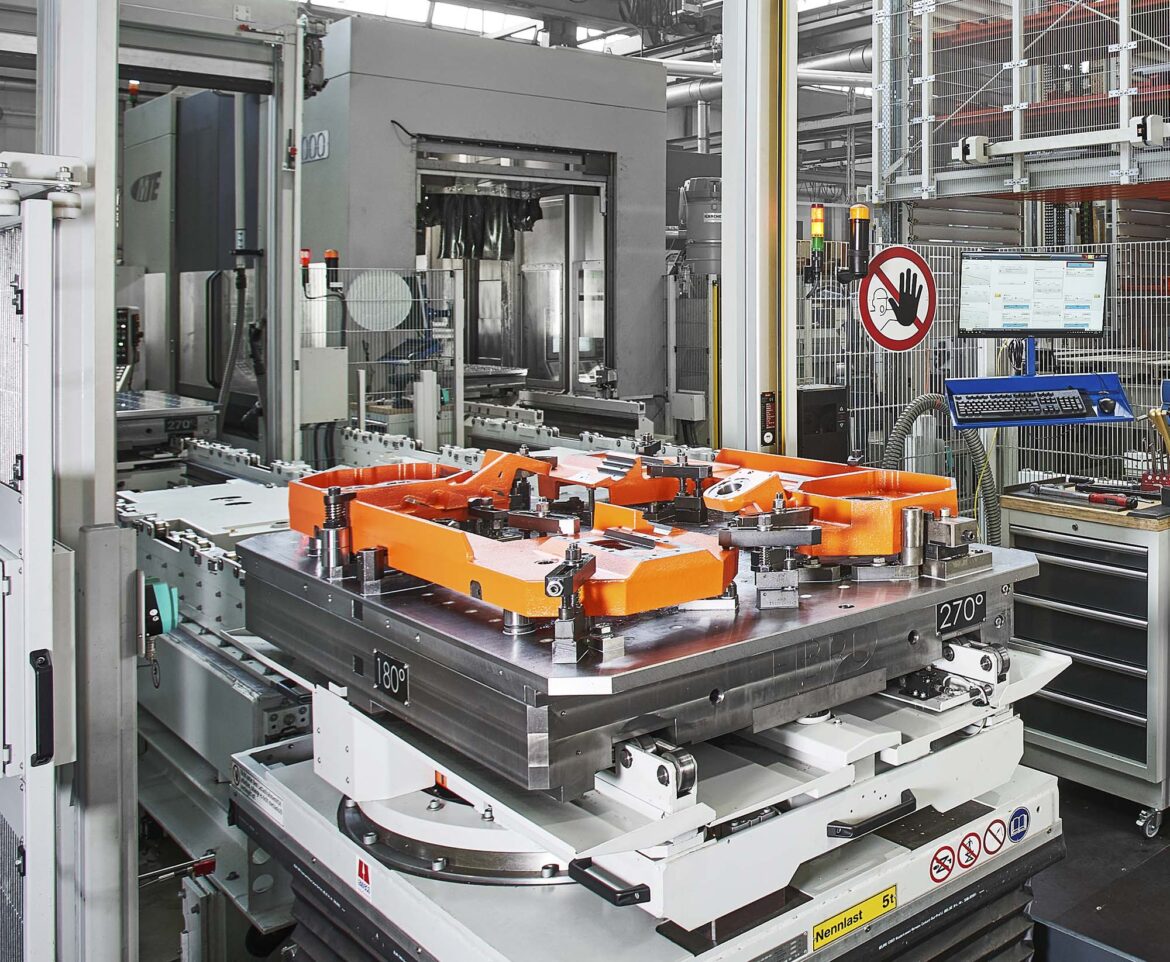
German storage system and sawing machine manufacturer Kasto, through its UK and Ireland subsidiary in Kibworth Harcourt, Leicestershire, has announced its expansion into a new area of activity with the launch of the UNITOWER cnc. The innovative tower storage and retrieval system automates the transfer of plates carrying fixtured workpieces to machining centres, as well as the return of machined components to the store.

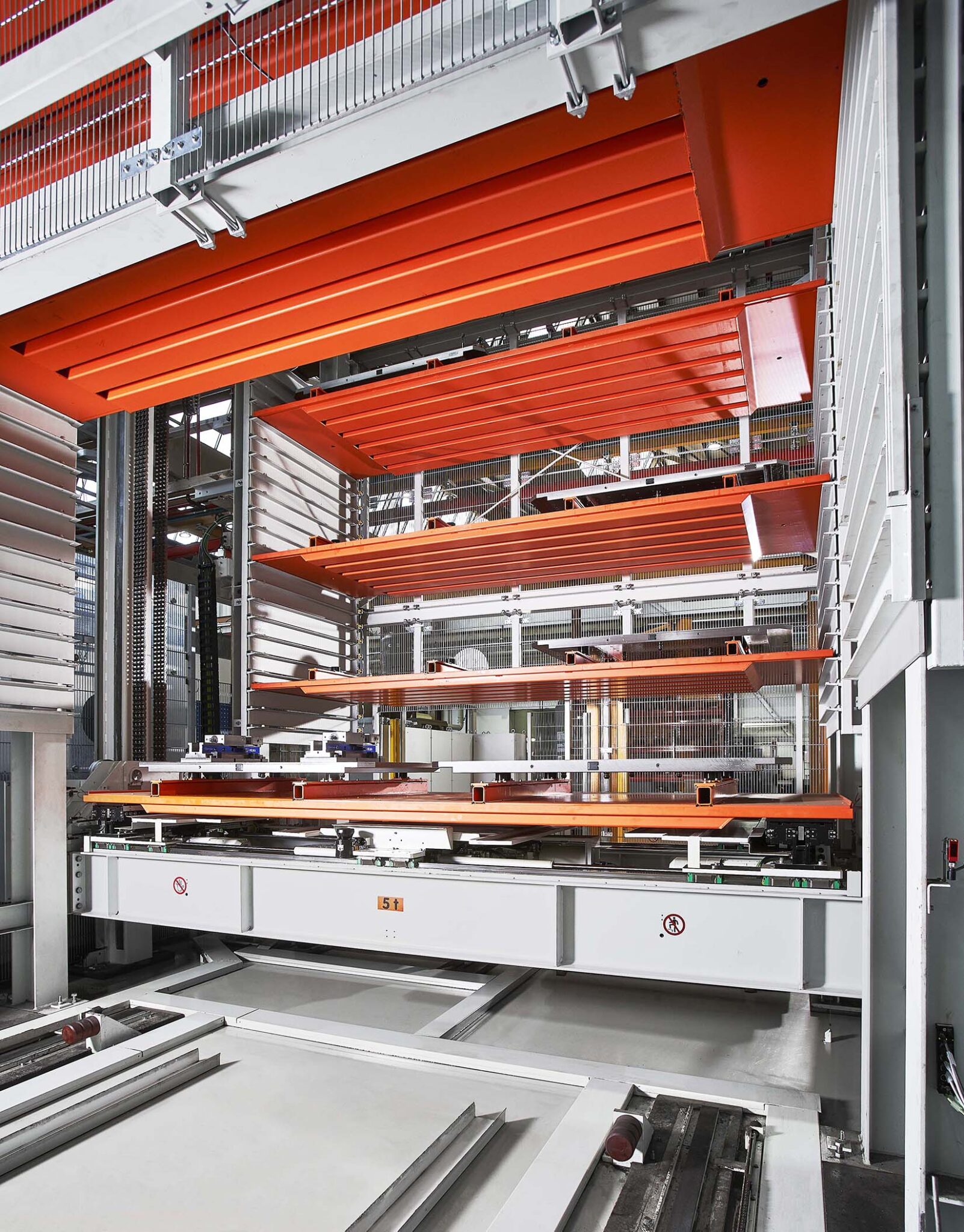
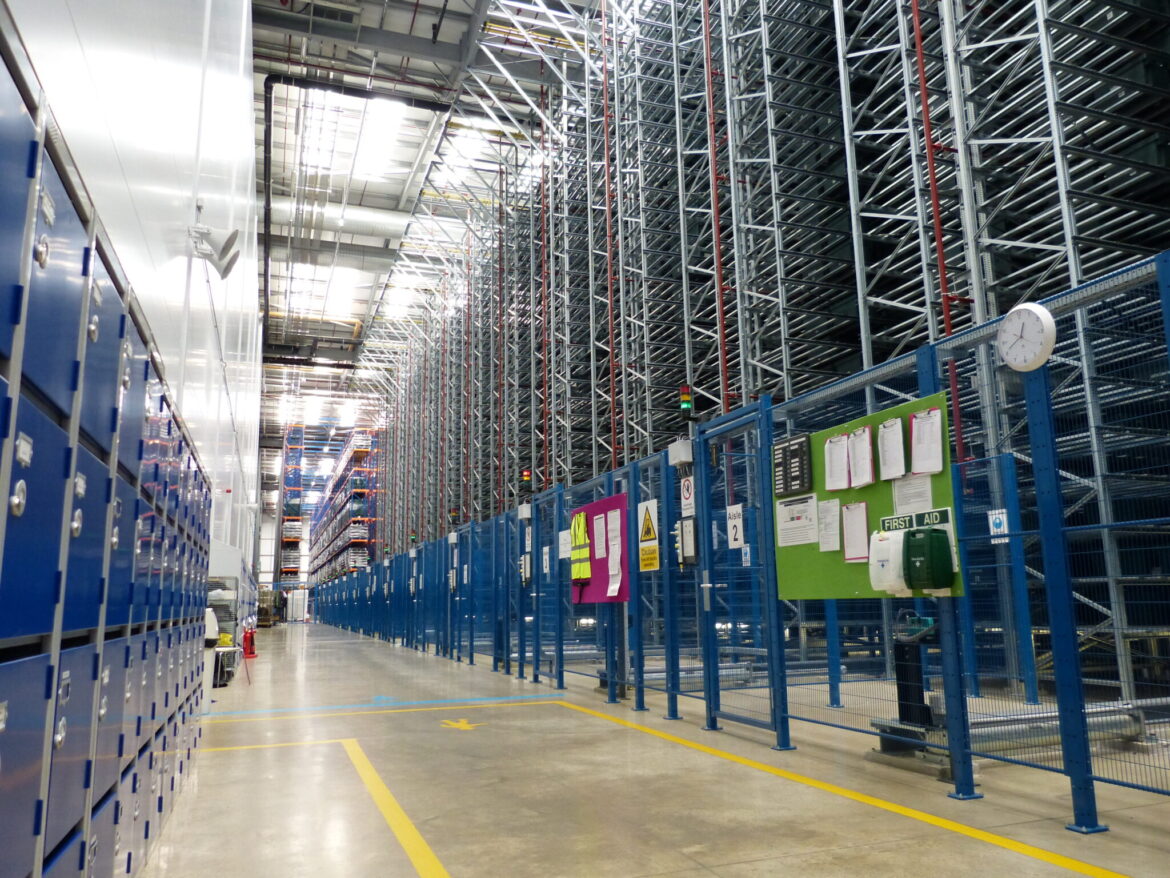
Suitable for automating one or more machines of virtually any make, the tower can hold fixtured components of considerable size on multiple levels in a compact footprint to a height of up to 20 metres. Operators are able to prepare fresh fixtured workpieces on plates at separate adjacent setup stations while machining is in progress. In this way, costly downtime is eliminated and productivity and profitability are raised by allowing the entire system, including high-value machine tools, to operate for extended periods.

Each shelf measuring 3 x 1.5 metres in the tower accommodates one or two plates, depending on the size of the fixtured workpiece, while load height is anywhere up to 1.7 metres, subject to a maximum supported weight per shelf of five tonnes. The plates have a zero-point clamping system on the underside for precise location on the pallets of twin-pallet-change machining centres, which saves the cost of having multiple expensive machine pallets in the system. In any case, their depth would take up more vertical space in the tower than the thinner plates, resulting in fewer parts stored.

An overhead gantry crane in the tower automatically accesses a plate loaded with fixtured workpieces, which is transferred to the locations assigned by the controller via shuttle units and roller tracks configured to suit the application. In comparison to a paternoster system, the gantry crane has the advantage that only the targeted shelf is moved, rather than all of them, ensuring fast access times and saving energy. Before each plate arrives at a machining centre, it is automatically positioned onto one of the machine pallets prior to its entry into the working area. Partially and fully machined workpieces are returned to the tower in a similar manner.

The UNITOWER cnc is managed by KASTOlogic, the manufacturer’s proprietary software for warehouse management and production control. It ensures machines are provided with the workpieces required for each order, checks whether the necessary NC programs and tools are available, monitors production processes, calculates completion dates and determines the optimum sequence for handling orders.

When developing the UNITOWER cnc, Kasto leveraged extensive experience gained in its own factory in Achern, southern Germany. A practical, safe, sustainable automation solution emerged that is suitable for manufacturers in all sectors. As it is of modular design, the storage and handling system can be expanded virtually without limit – a major advantage for growing companies.

similar news

Pallet Control Tower Europe Launch


Source link

0 comments
0 FacebookTwitterPinterestEmail
Services

Zip Technology for High Speed Doors

by
written by


24th April 2025

Logistics BusinessZip Technology for High Speed Doors

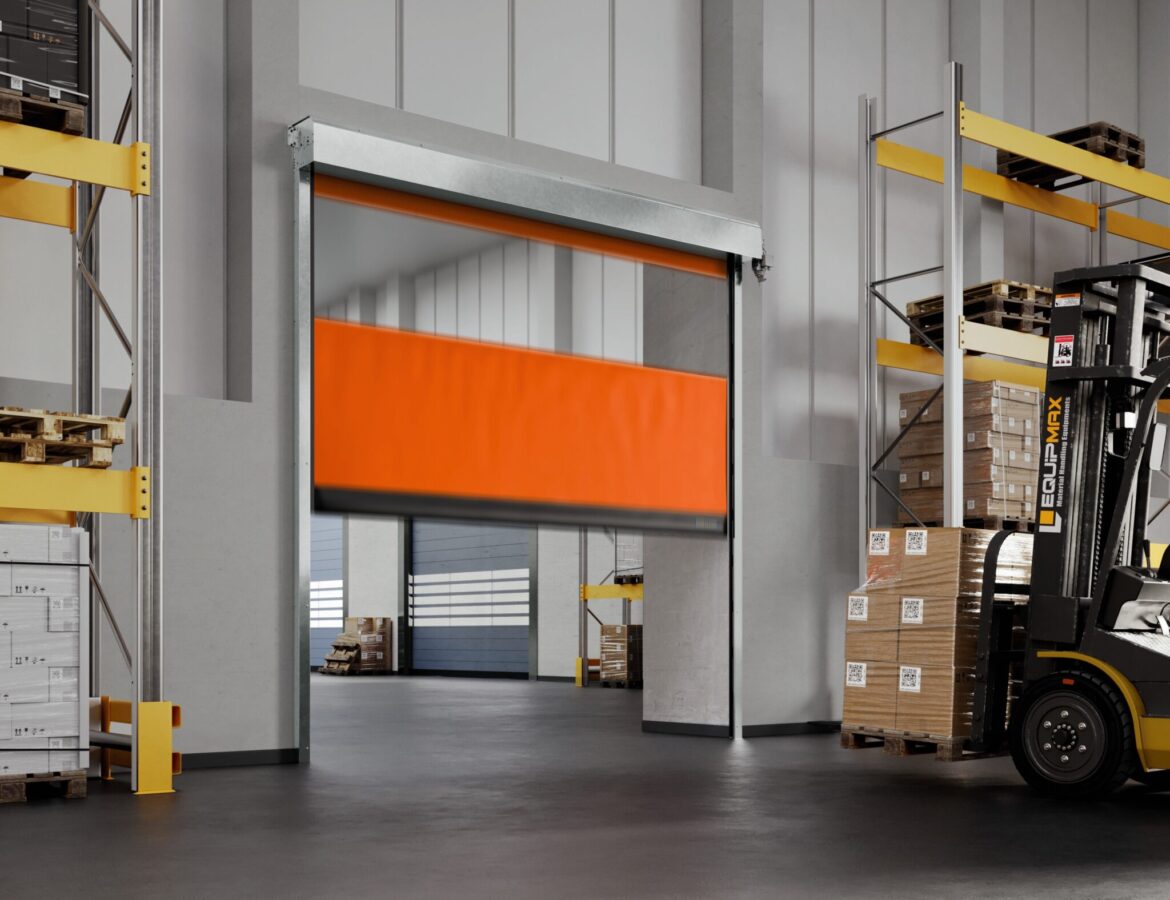
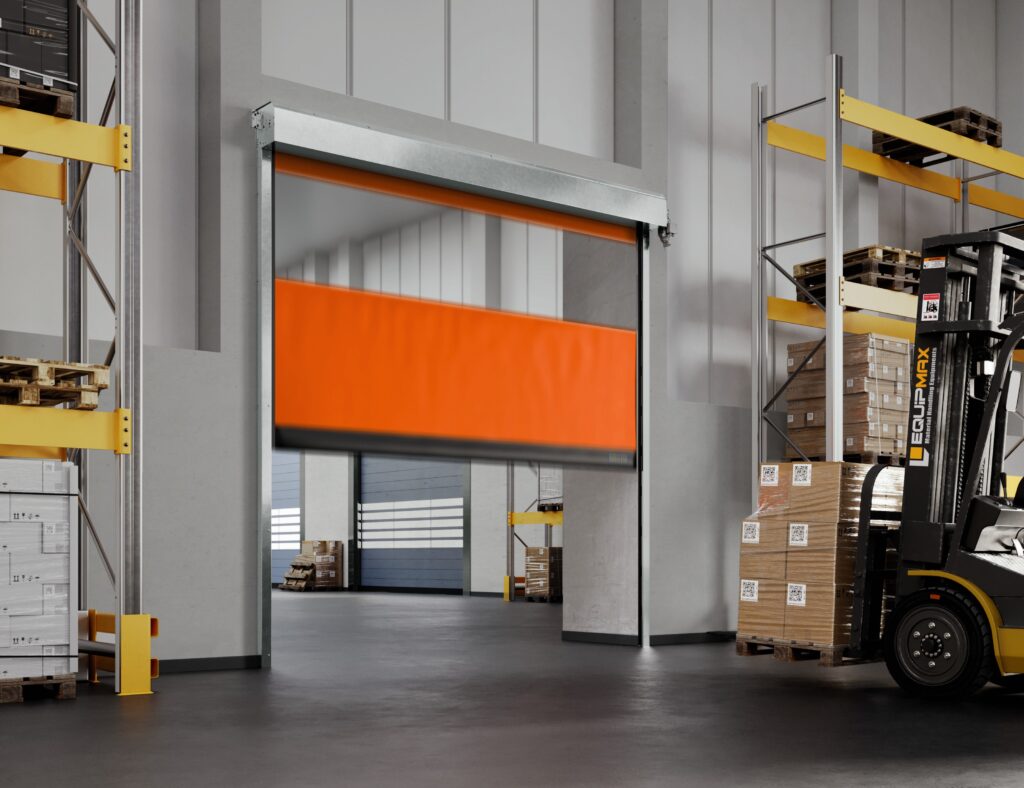
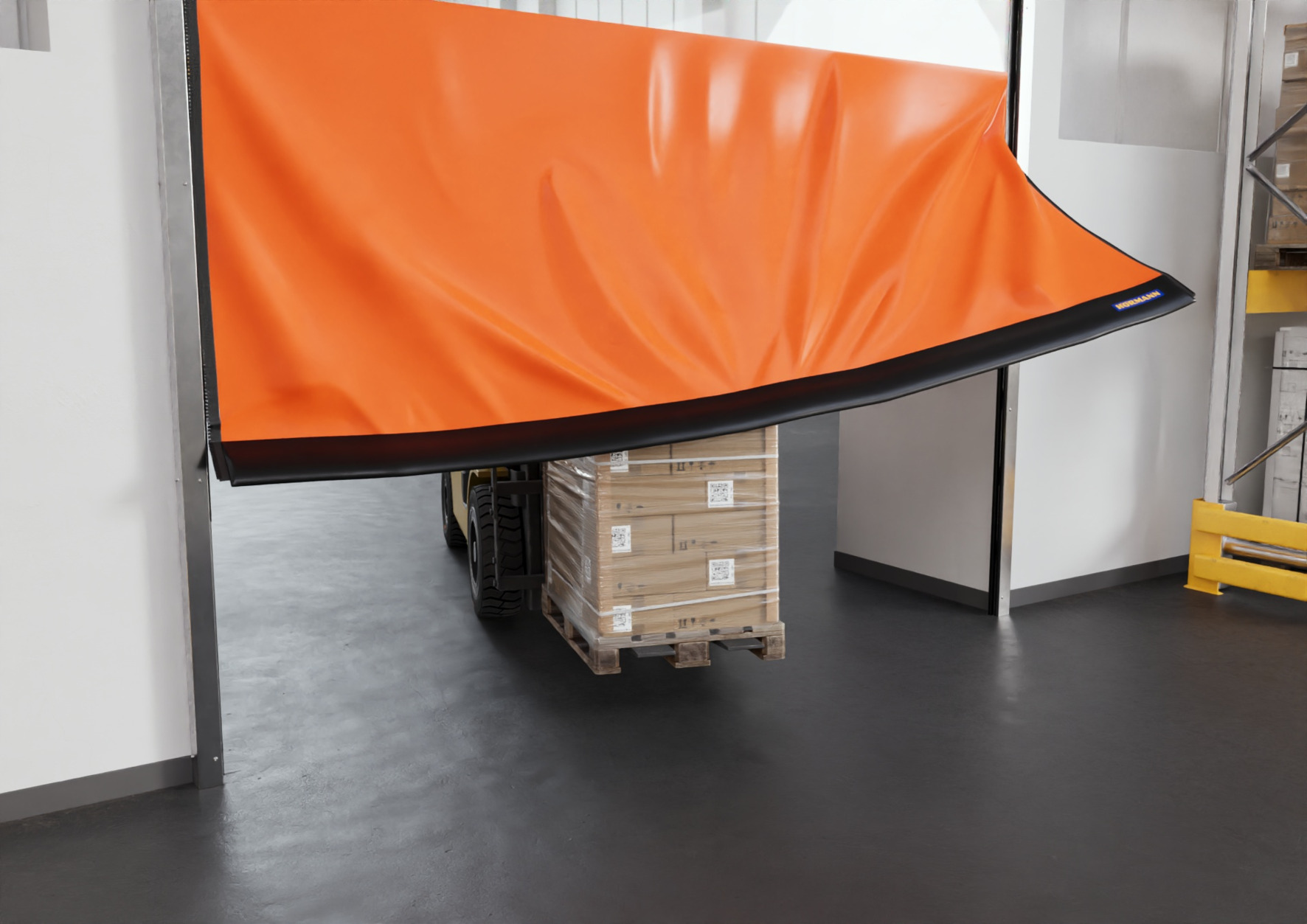
A new flexible, high-speed door has been launched by Hörmann UK which helps reduce downtime caused by damage and is quick to install. The V 5025 Z door is fitted with innovative zip technology and in the event of a collision the door curtain pulls away from the side rail to prevent damage. It is then automatically re-fed into the rail restoring the door curtain to its original position and operation.

The robust construction of the V 5025 Z door make them suitable for both internal and external installation. Manufactured from high quality PVC they are certified to DIN EN 12424-1, with Class 3 wind load resistance, Class 1 air permeability and Class 2 resistance to water penetration. With an opening speed of 2 m/second V 5025 Z doors help to optimise traffic flow and save energy. Their large, clear vision panels also enhance operator safety and help increase light in the working environment. Additional protection is provided by the safety light curtain which is included as standard.

Installation of the V 5025 Z is quick and straight forward with compact fitting dimensions and extensive pre-assembly, with Hörmann‘s unique SNAP cable concept making it easy to connect. Transport is easy and cost effective as the V 5025 high-speed door is delivered with the drive unit, control, and accessories in a single box. The Hörmann BK FU Z control is included as standard.

Doors can be supplied up to a maximum size of 5000mm x 5000mm, and offer an attractive price-performance ratio, impressive service life and have been designed to be low maintenance. The V 5025 Z flexible door can be used in a combination with Hörmann sectional doors, roller shutters and spiral doors, and are suitable for either new build or retrofit installation. They are also available CO2 neutral as an option.

similar news

Door Provider Hörmann UK Celebrates 40 Years


Source link

0 comments
0 FacebookTwitterPinterestEmail
Services

Don’t Leave Climate out of Risk Management Process

by
written by


Can businesses afford to leave climate out of their risk management process? Kevin Vranes, Chief Product Officer of Worldly, is a specialist in climate science data and discusses here the growing risks to supply chains and how businesses are using supply chain data to strengthen risk management, avoid financial losses, and uncover growth opportunities.

While the SEC’s recent decision and EU Omnibus CSRD updates to ease disclosure requirements may have companies rethinking their next steps in measuring their supply chains emissions, it’s critical we remember that a company’s supply chain footprint has always been about more than just compliance. Companies that don’t capture supply chain impact data expose themselves to a much bigger risk: disruption.

Extreme weather, resource scarcity, and geopolitical instability are hammering global supply chains, and the companies failing to integrate climate-related risks into their logistics strategies are the ones facing the most serious financial threats. Adding to that, the latest McKinsey Global Supply Chain Leader Survey suggests companies are easing their focus on supply chain resilience — just as they should be doubling down.

The World Economic Forum’s Global Risks Report ranks extreme weather as the second-most severe risk for 2024-2025, with nearly all environmental threats appearing among the top 10 long-term risks. The truth is in the numbers. Only 28% of companies reported diversifying supplier base to diminish critical exposure to climate risks in their supply chains. Even more problematic? The economic risks of climate change to global trade are projected to reach approximately US$81bn in 2024 alone. To add to that, the sheer scale of potential impacts and the vast infrastructure investments required to mitigate them could overwhelm societies’ ability to adapt, leaving some communities and nations unable to withstand both the immediate and lasting effects of a rapidly changing climate.

Leveraging data to mitigate risk

Traditional risk management approaches often fall short when it comes to logistics. Companies relying on historical trends and broad-stroke contingency plans are being blindsided by increasingly volatile disruptions. The missing piece? Real-time, primary data that provides full visibility across supply chains. Companies have the data they need to understand the impact natural disasters could have on their supply chains – but how can they act on it?

Understanding the potential regional risks to supply chains enables companies to predict the hotspots that could cause issues down the line before they become critical disruptions.

The secret weapon in a corporate toolkit

For businesses operating in an increasingly volatile global landscape, integrating climate-related risk into logistics and supply chain operations isn’t just about avoiding losses — it’s a strategic advantage. Companies that fail to account for these risks face growing threats to profitability, from supply shortages to increased costs and reputational damage. On the other hand, businesses that proactively adapt — by leveraging climate risk data, diversifying supplier networks, and integrating sustainability into their operations — can turn these challenges into competitive strengths.

Beyond risk mitigation, companies that prioritize supply chain visibility can gain a serious competitive advantage. Supply chain disruptions aren’t just a cost center; they’re a direct threat to market position. Companies that treat supply chain data as a strategic asset — not just a compliance requirement — will be the ones that succeed in an increasingly unstable landscape. Climate-related disruptions aren’t a hypothetical future risk. They’re here. And businesses that aren’t using data to build resilience into their logistics operations are already losing ground to those that are.

If the last few years have proven anything, it’s that global supply chains are operating in an era of compounding crises. Compliance deadlines may be shifting, but the financial stakes aren’t. The choice is clear: use data to future-proof logistics — or pay the price for flying blind.

similar news

Building Resilience in the 2025 Supply Chain


Source link

0 comments
0 FacebookTwitterPinterestEmail
Services

Cold Storage and Transport Supply Chain Solution

by
written by


CtrlChain and NewCold are advancing their strategic partnership with the development of a fully integrated, technology-driven solution for the cold storage and transportation industry, designed to transform how supply chain operations are managed across warehousing, transport, and digital systems.

“Through our partnership with NewCold, we are building a connected supply chain ecosystem that not only anticipates risks but also improves demand forecasting and automates operations,” said CtrlChain CEO Giovanni Gubbels (pictured).

As part of this strengthened collaboration, Gubbels has been appointed Vice President of Transport and Digital at NewCold, supporting the seamless integration of the companies’ expertise and accelerating digital transformation across the joint offering. He will work closely with NewCold Founder and CEO Bram Hage and NewCold Executive Vice President Digital Simon Taylor to expand the solution’s capabilities and reach.

“We are pushing the industry toward greater transparency by breaking down barriers and integrating data from all supply chain stakeholders into a single, centralized place,” said Hage. “This allows businesses to manage operations from start to finish in one place, making them more resilient to disruptions and better positioned for future growth.”

In today’s logistics environment, fragmented and disconnected tools create inefficiencies that make it difficult to stay proactive. Managing capacity, adapting to demand shifts, ensuring regulatory compliance, and responding to delays all become more challenging, increasing the risk of missed opportunities.

CtrlChain and NewCold are addressing these challenges by creating a unified solution that integrates warehousing, transportation, and digital systems. This approach enhances visibility and decision-making, helping businesses mitigate disruptions, meet growing customer expectations, and shift their focus from operational firefighting to strategic outcomes.

While tools like transportation management systems (TMS) and control towers already exist, they often operate in silos, forcing companies to rely on multiple applications. By utilizing a fully connected ecosystem including TMS, real-time data, and a control tower currently in development, companies gain complete visibility over their operations. This enables smarter route optimization, inventory management, and cost control, allowing businesses to reduce waste, increase profitability, and stay competitive in a rapidly evolving market.

Since 2022, CtrlChain and NewCold have collaborated to reduce waste and drive innovation in logistics. Together, they offer a comprehensive suite of services, including warehousing, brokerage, managed transportation, and asset-based transport.

similar news

NewCold Expands into Australia with Frozen and Chilled Coldstores


Source link

0 comments
0 FacebookTwitterPinterestEmail
Services

State of the Road Transportation Market

by
written by


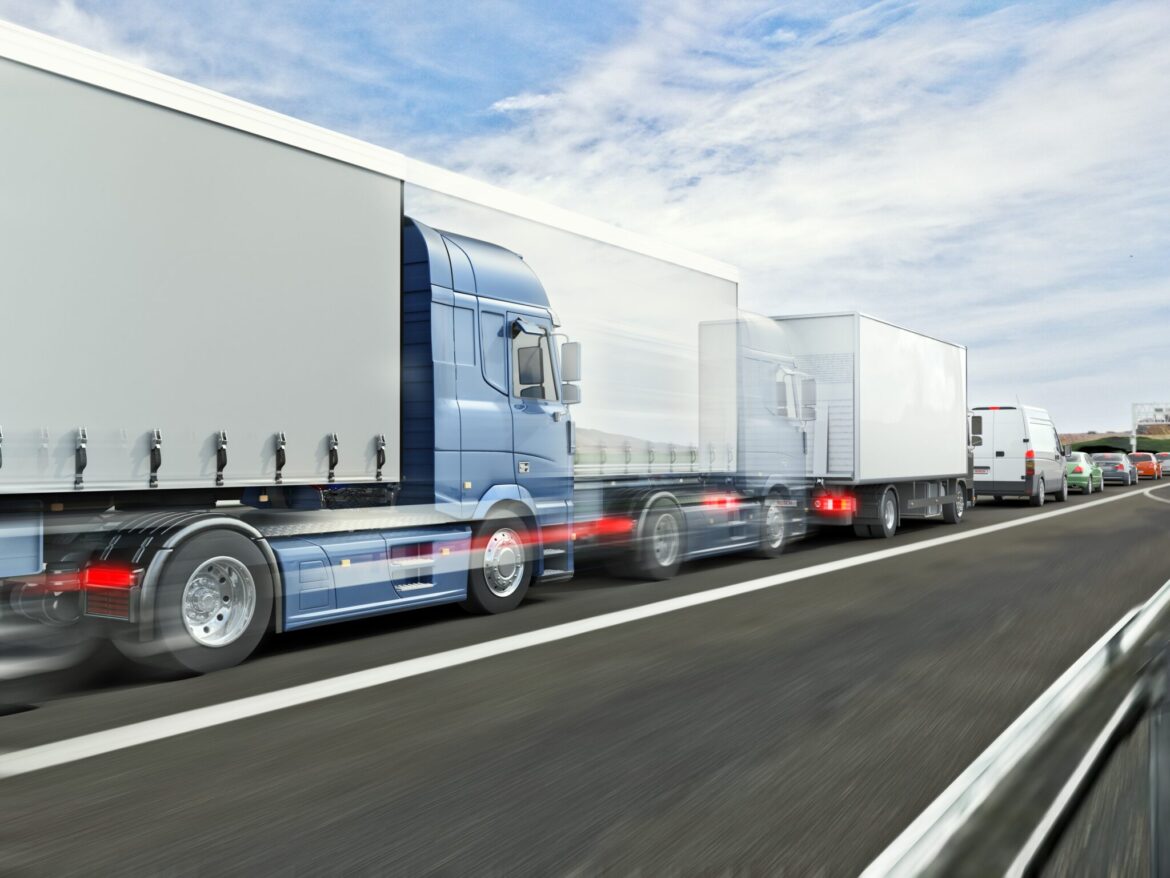
Despite Brexit, the UK continues to maintain strong connections with European markets. And although the UK boasts a robust maritime infrastructure, it relies heavily on road transport for trade with Ireland and mainland Europe, with road freight accounting for more than 80% of domestic cargo movements.

However, in recent years, a combination of factors, such as declines in international trade due to Brexit, rising fuel and operational costs, and labor shortages, has placed considerable pressure on local carriers, resulting in high insolvency rates, especially among smaller carriers. So how does the landscape look just over three months into 2025? Christian Dolderer, Lead Research Analyst at Transporeon, a Trimble Company, explores this further.

Demand characteristics

Our data shows, South East England, including London, is the most significant area for transportation demand, due to its high population density and concentration of industries, as well as its role as a major centre for trade and commerce. Additionally, North West England, with cities like Manchester and Liverpool as well as the Midlands, with a regional centre in Birmingham, are key areas with high transport demand.

However, there was a significant imbalance in UK international transport: inbound transport (75.9%) far exceeds outbound transport (24.1%). In 2024, the main inbound routes originated from Germany, Belgium, Netherlands, Poland and France, while primary outbound routes led to Ireland, Germany, Belgium, and France. But despite ongoing shifts toward a service-dominated economy, road transport demand in the country remains strongly influenced by industrial activity, port operations, and population centres.

Yet, cross-border shipments in the UK are heavily focused on neighbouring European countries and a large portion of transport is facilitated by ferries offering diverse routing options, complemented by the high capacity of the Eurotunnel shuttle system.

Infrastructure characteristics

The UK’s road infrastructure plays a crucial role in its transportation capabilities. The UK has a rather unusual road transport network, with only 3,864 kilometres of high-capacity motorway (19th place in density in Europe) accompanied by a vast network of lower-class main roads. While the UK benefits from well designed motorways, limitations such as congestion levels in urban areas and at key ports continue to rise, impacting the efficiency of freight movement. The supporting infrastructure, including truck stops and loading zones, is causing concern on availability and quality, as well as present need for significant investment in maintenance and upgrades to cope with motorway traffic volumes.

Another market affecting feature of the UK road infrastructure is ferries, enabling cargo to travel to Northern Ireland, minor islands and internationally. To combat the demand, a plethora of ports offer ferry connections, with natural connections going to Ireland from the West Coast and to continental Europe from ports of South-Eastern England.

Capacity characteristics

Capacity within the UK’s road transport market is defined by several factors. The UK registered 37,920 new heavy trucks in 2024, an 8.7% decrease compared to 2023, a notably lower number than the 12% average decrease in Europe. However, the fluctuation of the rejection rate is low, indicating a stable capacity availability after Brexit turbulence.

The UK relies mostly on internal capacity to fulfill domestic demand, as the level of cabotage in the UK was less than 1% of all truck activity, with Polish, Irish and Romanian registered trucks taking the largest share of that small market. Average level of cabotage penetration in the UK is significantly below that of the EU, which makes it harder to fulfill extra demand during short peak periods and might become a strategic concern in future in case of considerable demand increases.

One of the possible solutions to the looming capacity problem might be increasing the share of intermodal road-rail-road capacity on the key north-south routes, but it comes with its own set of infrastructure issues to solve.

Rate characteristics

The grand picture for transport rates in the UK is significantly more influenced by trade imbalances than by market developments. Due to the significant prevalence of imported goods volumes over exports, international transport rates for transports going into the UK from mainland Europe are significantly higher. The discrepancy is sometimes reaching over 100% increase for inbound transports versus outbound. Domestically this effect is also visible, within transports to South West England or Scottish Highlands and islands.

The UK’s road transportation market is characterised by a high domestic focus, significant inbound transport activity and infrastructure attributes specifics. The existing motorway network is densely utilised, the country experiences an imbalance in trade flows and an ongoing decrease in transport activities, but without accompanying capacity increases, as truck registrations are declining, and driver shortage is significant.

However, considerable challenges related to maintenance and congestions also exist. So, while the current domestic market still maintains a stable capacity environment with moderate rate variations, this might gradually change in coming years, as sustained and focused efforts are required to ensure the British road transportation sector can adequately support the broader economy.
While COVID-19 had a short-term impact for cross border transportation, Brexit appears to have instigated a lasting shift. This enduring change in price imbalance is likely due to reduced competition and foreign capacity for outbound transports, as UK specialists absorb operations, leveraging their expertise to navigate administrative complexities. Additionally more business to local UK carriers, operating on a different cost basis compared to continental carriers, have bolstered outbound prices.

Four years on, it seems this reduced imbalance proportion has become the new norm, poised to remain until another external factor disrupts or gradually alters the market. Considerable challenges related to maintenance and congestions also exist. Therefore, although the domestic market maintains a stable capacity environment with moderate rate fluctuations, this may gradually change over time as sustained and focused efforts are required to ensure the British road transportation sector is capable of adequately supporting the broader economy in the coming years.

similar news

Logistics Industry Sees Global Recovery Out of Reach for 2021


Source link

0 comments
0 FacebookTwitterPinterestEmail
Newer Posts
Older Posts

Recent Posts

  • Automation is Transforming Logistics in India
  • Swarm AGVs for Multiple Flows & Pallet Types
  • Contracts Manage Warehouse Construction Risk
  • Why Fragmented Freight Management Systems Are Killing Operational Efficiency
  • Wheels for Steel – Logistics News

Recent Comments

No comments to show.

Social Connect

Whatsapp

Recent Posts

  • Automation is Transforming Logistics in India

  • Swarm AGVs for Multiple Flows & Pallet Types

  • Contracts Manage Warehouse Construction Risk

  • Why Fragmented Freight Management Systems Are Killing Operational Efficiency

  • Wheels for Steel – Logistics News

Newsletter

Categories

  • Services (1,091)
  • Uncategorized (41)

@2024 - All Right Reserved. Designed and Developed by Sierraline Cargo services

Manage Consent
To provide the best experiences, we use technologies like cookies to store and/or access device information. Consenting to these technologies will allow us to process data such as browsing behavior or unique IDs on this site. Not consenting or withdrawing consent, may adversely affect certain features and functions.
Functional Always active
The technical storage or access is strictly necessary for the legitimate purpose of enabling the use of a specific service explicitly requested by the subscriber or user, or for the sole purpose of carrying out the transmission of a communication over an electronic communications network.
Preferences
The technical storage or access is necessary for the legitimate purpose of storing preferences that are not requested by the subscriber or user.
Statistics
The technical storage or access that is used exclusively for statistical purposes. The technical storage or access that is used exclusively for anonymous statistical purposes. Without a subpoena, voluntary compliance on the part of your Internet Service Provider, or additional records from a third party, information stored or retrieved for this purpose alone cannot usually be used to identify you.
Marketing
The technical storage or access is required to create user profiles to send advertising, or to track the user on a website or across several websites for similar marketing purposes.
  • Manage options
  • Manage services
  • Manage {vendor_count} vendors
  • Read more about these purposes
View preferences
  • {title}
  • {title}
  • {title}
Sierraline Cargo Services
  • HOME
  • Services
    • Trade With Us
  • About Us
  • Contact Us
  • private jet
    • BOOK YOUR JOURNEY
  • Track Packages
  • Insurance
  • safekeeping

WhatsApp us