Sierraline Cargo Services
  • HOME
  • Services
    • Trade With Us
  • About Us
  • Contact Us
  • private jet
    • BOOK YOUR JOURNEY
  • Track Packages
  • Insurance
  • safekeeping
Services

Jet privato Cannes Monaco- Private Jet Finder BLOG

by
written by


Every year in May, the French Riviera is transformed into the catwalk of world luxury. Two legendary events, the Cannes Film Festival and the Monaco Grand Prix, attract stars, entrepreneurs and lifestyle enthusiasts from around the world. Arriving by private jet is the best way to experience both events without compromise, with maximum comfort and exclusivity.

Cannes Film Festival 2025, cinema meets the world’s elite

Dates: May 13 – 24, 2025

May 13-24, 2025, Cannes will host the 78th International Film Festival, the world’s most prestigious film event. Created in 1946 with the intention of competing with the Venice Film Festival, the Festival is now an icon of global cinema. The red carpet, which winds its way up the steps of the Palais des Festivals, has seen film legends such as Brigitte Bardot, Sophia Loren, Quentin Tarantino and Leonardo DiCaprio parade.

In the previous edition, the Palme d’Or was awarded to the film Anora, directed by Sean Baker. The jury, chaired by Greta Gerwig, awarded this film for its ability to mix humor and humanity in a contemporary story reminiscent of Pretty Woman. The plot follows a Brooklyn stripper and her love story with the son of a Russian oligarch.

Private Jet Cannes Monaco

In addition to movies, Cannes offers a myriad of exclusive events, such as private parties aboard yachts, and parties at iconic hotels like the Carlton, the Martinez, and the Majestic Barrière. Arriving by private jet allows you to land directly at Cannes-Mandelieu (LFMD), the closest business airport to the city center, which offers top-notch business aviation services. With a private jet or helicopter transfer, you’ll be in your suite on the Croisette within minutes.

Monaco Grand Prix 2025, adrenaline and luxury in the heart of the Principality

Dates: May 22 – 25, 2025 (race on Sunday, May 25)

From May 23-25, 2025, Monte Carlo will host the81st Monaco Grand Prix, the most glamorous and spectacular race on the Formula 1 calendar. The city track, which winds through tight turns, tunnels and breathtaking harbor overlooks, is legendary. Among the stars of the Monaco GP are drivers such as Ayrton Senna, with no fewer than six victories in Monaco, who marked the history of the race with epic feats, such as Ricciardo ‘s impossible overtaking in 2018.

The Monaco GP is synonymous with celebrities, yachts and rooftop parties. The terraces of the Fairmont, Hermitage and Hôtel de Paris hotels offer exclusive views of the track. Private jets land primarily at Nice-Côte d’Azur (LFMN), just 30 minutes from Monaco. From there, a helicopter transfer in just 7 minutes takes you to the heart of the Principality, or alternatively you can opt for a private car with driver, driving along the spectacular Moyenne Corniche.

Best airports to land in Cannes and Monaco by private jet

To best experience exclusive events such as the Cannes Film Festival or the Monaco Grand Prix, the experience begins with the journey. And what better way to get there than aboard a private jet? The French Riviera has some of Europe’s most efficient and popular private aviation airports. Here is an overview of the three main airports:

Nice-Côte d’Azur Airport (NCE)

The region’s main international hub, it is located in Nice about 30 minutes from Cannes and less than an hour from Monaco. It has a separate terminal for business aviation (Terminal Aviation Générale) with top-notch FBO services. Passengers can count on fast track, private lounges, dedicated customs service, gourmet dining, car rental with driver, and helicopter transfers.

Cannes-Mandelieu Airport (CEQ)

Located a few kilometers from downtown Cannes, it is reserved exclusively for private and business aviation. It is the perfect choice during the Festival, when Nice can be congested. FBO facilities (such as Sky Valet) offer complete assistance: dedicated check-in, private hangars, security, and customized transfers.

Monaco Heliport (MCM)

Although not a traditional airport, the Monaco heliport is the fastest way to reach the Principality. Regular helicopter connections to and from Nice (approximately 7-minute flight) are available during the GP and Festival. Companies such as Monacair offer transfers from the jet to the helicopter terminal, flying direct to the hotel or yacht, with a private car upon landing.

Which private jet to charter to land in Cannes and Monaco?

In 2019, Leonardo DiCaprio chose a Gulfstream G650, one of the world’s most exclusive private jets, to attend a red carpet party in Cannes and then a private event in Monaco. With a private flight, DiCaprio was able to move quickly between the two most exclusive locations on the Riviera, avoiding lines and delays.

Recommended jets to Cannes and Monaco:

  • Light jets (Phenom 300, Citation CJ4): Fast and agile, ideal for short flights from Milan, Zurich, Geneva or Paris. Perfect for small groups.

  • Midsize jet (Learjet 75, Challenger 350): Increased range and comfort, for flights from London or Berlin.

  • Heavy jets (Gulfstream G650, Falcon 7X, Global 7500): Ideal for those arriving from New York, Dubai or Moscow, with spacious cabins and luxurious amenities.

Choosing the right private jet gives you total flexibility: tailored schedules, boarding in 10 minutes, arriving directly at the airports closest to events, and the ability to coordinate the flight with helicopter or limousine transfers. A strategic advantage, especially during major events where every minute counts.

Where to sleep, where to dine and how to experience the French Riviera sea in style

The experience is not limited to events: hospitality is also a key part of luxury travel.

Cannes:

  • Hôtel Martinez (part of The Unbound Collection by Hyatt chain)

  • Carlton Cannes (recently renovated with more than 300 million investment)

  • Majestic Barrière (with sea view suites and excellent spa)

Monte Carlo:

Where to charter luxury yachts in Cannes and Monaco

The ports of Cannes and Monaco are the beating heart of luxury boating. You can host parties, overnight stays or just relax, with the crew at your disposal 24/7.

Private jet cannes monaco

Book Now to Secure Your Place

During very high-profile events such as the Cannes Film Festival and the Monaco Grand Prix, the availability of private jets sells out quickly. Rely on PrivateJetFinder to have an experienced broker on your side who can find the perfect aircraft for your needs at the best available price.

With one contact you can:

  • Access to a global network of private jets

  • Receive tailored solutions in minutes

  • Count on 24-hour service and the utmost discretion

  • Arrange helicopter and limousine transfers.

Don’t wait until the last minute: requests for these dates are increasing by the day. Contact us now at PrivateJetFinder.com and secure your place to experience Cannes and Monaco in the utmost luxury and comfort

Do you love luxury planes too? Read our our article On the world’s most expensive private jets!



Source link

0 comments
0 FacebookTwitterPinterestEmail
Services

Belfast Distillery Selects ERP System

by
written by


The Belfast Distillery Company, producer of McConnell’s Irish Whisky, has chosen Forterro’s manufacturing ERP solution, 123Insight, to help streamline its operations, support business growth, and ensure compliance in a highly regulated industry.

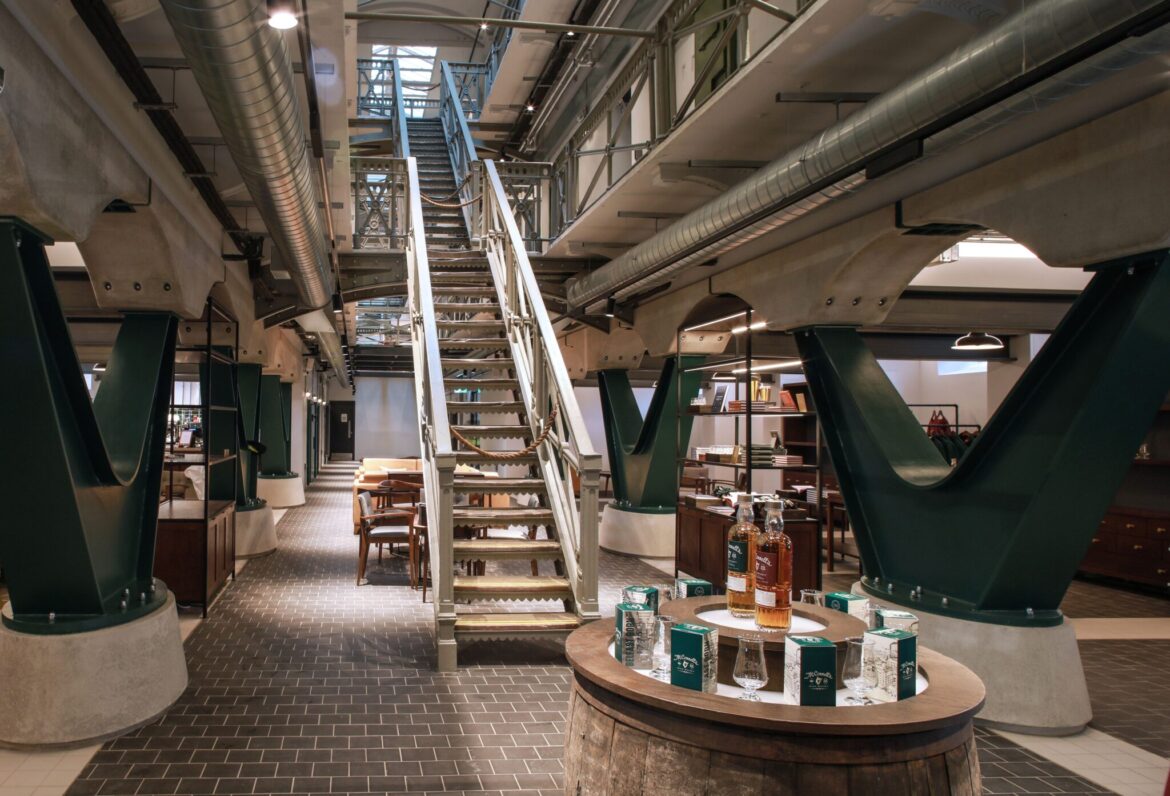
Operating out of the historic Crumlin Road Gaol in Belfast, Belfast Distillery is undergoing a period of significant expansion. With operations ramping up, the team needed a powerful and scalable system to consolidate processes and data into one accessible platform.

“As part of our improvement programme, we needed a solution that would promote transparency, collaboration and efficiency across all departments,” said Joanne Paffey, Supply Chain Controller, Belfast Distillery Company. “123Insight’s features, especially its traceability and ability to handle complex units of measure, make it ideal for a business operating in the alcohol production sector.”

Paffey has 20 years’ experience using 123Insight in previous roles, and brought that understanding of the product and experience to her role at Belfast Distillery, having seen first hand the significant positive impact 123Insight has on business performance. That familiarity helped accelerate the implementation process, with the company going live within just a few weeks.

The team also benefited from Forterro’s experienced support network and strong local presence in the form of the Carrickfergus-based reseller, QMS Insight, whose support included tailoured on-site training. Further help came from trusted partner Solweb Ltd in creating professional, all-in-one reports that consolidate sensitive information from multiple sources.

“The feedback internally has been excellent,” added Paffey. “Colleagues say I make it look easy, but the truth is it’s the power and efficiency of 123Insight. It simplifies complex tasks, reduces manual effort and has a massive impact on productivity.”

123Insight is a scalable manufacturing ERP solution designed with traceability features at its core. Its centralised platform connects and automates workflows to enhance productivity and drive business growth.

“The Belfast Distillery Company is readying itself for growth and 123Insight is a system ideally suited to its needs,” said Laurent Delorme, 123Insight Line of Business Managing Director, Forterro. “123Insight empowers teams with real-time access to data and has traceability features that make it perfect for regulated industries such as alcoholic drinks distillery.”

similar news

Case Study: How Epicor ERP Helped Scotch Whisky Distillery


Source link

0 comments
0 FacebookTwitterPinterestEmail
Services

Truck Driver Expense Software

by
written by


Life on the road can be unpredictable. For thousands of professional drivers crossing Europe daily, access to the right tools, driver expenses and support can make all the difference. From unexpected road tolls to last-minute repairs, managing trip-related expenses has long been challenging – often involving out-of-pocket payments, time-consuming reimbursements, and administrative bottlenecks.

In response to these ongoing challenges, Girteka has implemented a new digital payment system – Payhawk, that transforms how drivers handle work-related expenses. The solution provides both virtual and physical cards, activated specifically for the duration of each trip, allowing drivers to easily cover all pre-approved costs like parking, hotel stays, some of road tolls, washing stations, minor vehicle maintenance, and unpredicted expenses.

Driving Forward with Simplicity and Security

For drivers, the change means less hassle and more confidence. Each transaction is logged via a mobile app, where receipts are uploaded instantly and reviewed by managers in real-time. In case of more significant or unforeseen expenses, drivers can request a limit increase directly through the app – often receiving approval within minutes.

“At first, it took some getting used to it, like with any new thing,” shared Roman, a professional truck driver. “But now, it’s comfortable. I can easily separate business and personal expenses, and it’s resolved much faster when something unexpected happens. I feel more supported by the company.”

This structured process increases security – ensuring all expenses are pre-approved or monitored – and prevents misuse. Limits are set per trip, and approvals are tied to the amount requested, reinforcing accountability without delaying operations.

Impact Beyond the Wheel

The benefits extend well beyond the cab. The new system reduces administrative overhead for Girteka’s operations, HR, and accounting teams by eliminating manual reimbursements and paper-based workflows. With expenses visible online in real-time, financial oversight is tighter, and response times are faster. But first and foremost, it is beneficial for drivers, who now can stop worrying about unpredicted payments.

This approach enables better planning and data-driven decision-making. Trip expense data can now be analyzed to optimize routes, budget forecasts, and service offerings, proving Girteka’s long-term commitment to digital innovation.

Setting a New Standard in Logistics

With over 500 drivers already using Payhawk, the new payment system and usage expanding weekly. By June, more than half of all drivers (6,000) are expected to rely on the digital payment solution daily as the system becomes fully embedded into the company’s operational model.

The initiative is part of a broader strategy to create a digitalized, efficient, and human-centered logistics environment, from improved driver support to more intelligent cost control.

“Technology in logistics should empower people – not complicate their work,” noted Mindaugas Paulauskas, CEO of Girteka Transport Girteka. “This project reflects our commitment to making everyday tasks easier for our drivers while building a smarter and more transparent system for the company.”

In an industry where time, trust, and efficiency are everything, Girteka continues to lead with innovation, care, and a clear vision for the future of transport.

Read Similar…

DHL Suspends High-Value US Deliveries


Source link

0 comments
0 FacebookTwitterPinterestEmail
Services

Remote Monitoring System for Conveyor Components

by
written by


23rd April 2025

Logistics BusinessRemote Monitoring System for Conveyor Components

Rulmeca is proud to introduce the Rulmeca Monitoring System (RMS), a new solution for continuous remote monitoring of conveyor components, now available for Rulmeca Motorized Pulleys. This innovative system enables real-time surveillance of vital parameters such as speed, oil temperature, vibrations, and current draw, allowing users to make informed decisions and avoid costly downtime.

Designed with user-friendliness and efficiency in mind, RMS helps to:

• Reduce downtime
• Improve operational efficiency of conveyor components
• Enhance safety
• Lower maintenance costs
• Track service life
• Optimize maintenance planning

The RMS works through a simple yet powerful architecture:

• A user-friendly platform displays real-time diagnostics and alerts.
• A Cloud system stores and interprets data from the components.
• A Gateway collects information from the field and uploads it to the cloud.
• Sensed motorized pulleys collect key operational data.

RMS is currently compatible with the following Rulmeca Motorized Pulleys: MP 500, MP 630, MP 800, MP 1000. This system is ideal for a wide range of industries where conveyor components are used, including: Mining, Coal and Lignite, Recycling, Crushing and Screening, Ports and Terminals, Steel and Power Plants, Salt and Sugar Plants, Cement, Quarries and Tunneling.

similar news

Rulmeca to Showcase Rollers and Components at PPMA


Source link

0 comments
0 FacebookTwitterPinterestEmail
Services

Automated Projected Signage Makes Workplace Safer

by
written by


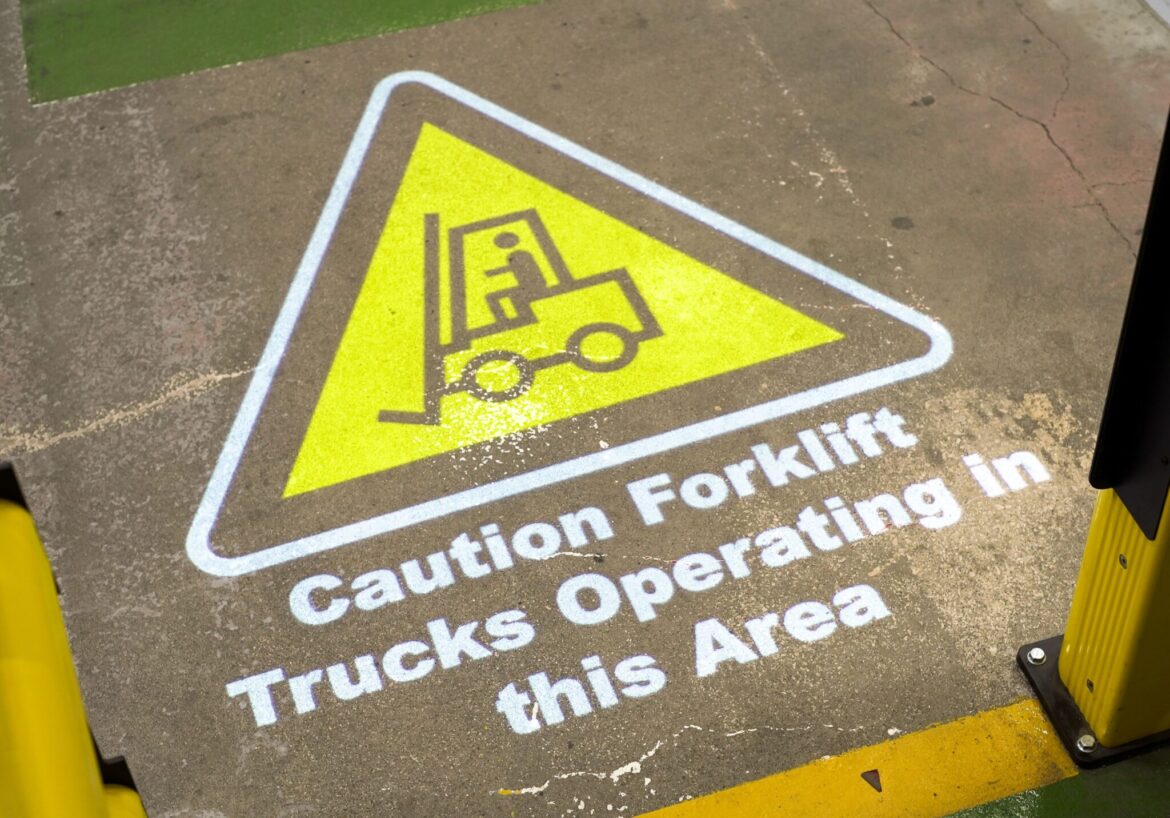
A manufacturer of renewable energy has improved safety in their facilities with an automated projected signage system from specialists, Projected Image. The renewables manufacturer, which specialises in large-scale fibreglass production, required robust health and safety signage for their busy warehouse environment.

As their painted and vinyl floor markings were fading and degrading due to heavy footfall and machinery traffic, they needed a solution which would combat these challenges. Experts in projected safety signs, Projected Image, worked alongside electrical contractors Alan Benfield Ltd to design, supply and install a bespoke automated projected signage solution which provided the manufacturer with bright, durable safety signage.

“Our client needed a new solution to warn pedestrians of forklifts when approaching roller doors as the high volume of traffic in the area meant that traditional signage wasn’t lasting. Their new projected signage is now delivering a brighter, clearer and safer solution,” says Ian Spoors, Managing Director of Projected Image.

Projected Image designed a bespoke projected signage system, featuring 200-Watt gobo projectors which shine bright safety messages onto any surface and are clearly visible even in a well-lit warehouse environment. They created gobos with forklift warning signs in vivid yellow and white colours and scaled them to fit into the designated space on the warehouse floor, ensuring pedestrians could clearly see the health and safety message.

“Since installation, our client has reported that their bespoke signage is clear and bright, which is harder for employees to ignore. This not only stops employees from going ‘sign blind’, but it’s HSE compliant and doesn’t fade or wear too, so doesn’t have to be regularly replaced and is more cost effective over time,” adds Spoors.

‘Sign blindness’ is the act of subconsciously ignoring and not adhering to frequently seen signage within a workplace. The projectors were installed by Alan Benfield Ltd with strategically positioned motion detection to ensure the signage system was fully automated when a forklift was approaching – but not triggered by pedestrians. This means that the signage system only activates when needed to keep operations running smoothly, improving safety in the facilities even further.

“Safety is paramount in busy environments like a manufacturing warehouse. The automated system we provided ensures the right message is displayed at the right time, minimising confusion, improving the flow of pedestrian and forklift traffic and – most importantly – reducing the risk of accidents to make the workplace safer,” says Spoors.

Unlike traditional floor markings which require frequent replacement, durable LED projectors offer up to 50,000 hours of lamp life, providing maintenance-free safety messaging. Projected Image are the only business in the UK who supply both powerful, IP-rated LED projectors and the bespoke gobos which go in them for companies across the country.

“With projected signage, we’re delivering safety messages that won’t fade, wear or be ignored. This project highlights how automated safety signage can make a real difference in high-risk industrial settings and we look forward to helping even more businesses enhance workplace safety in the future,” concludes Spoors.

similar news

Time to winterproof safety signage


Source link

0 comments
0 FacebookTwitterPinterestEmail
Services

DHL Suspends High-Value US Deliveries

by
written by


21st April 2025

Logistics BusinessDHL Suspends High-Value US Deliveries

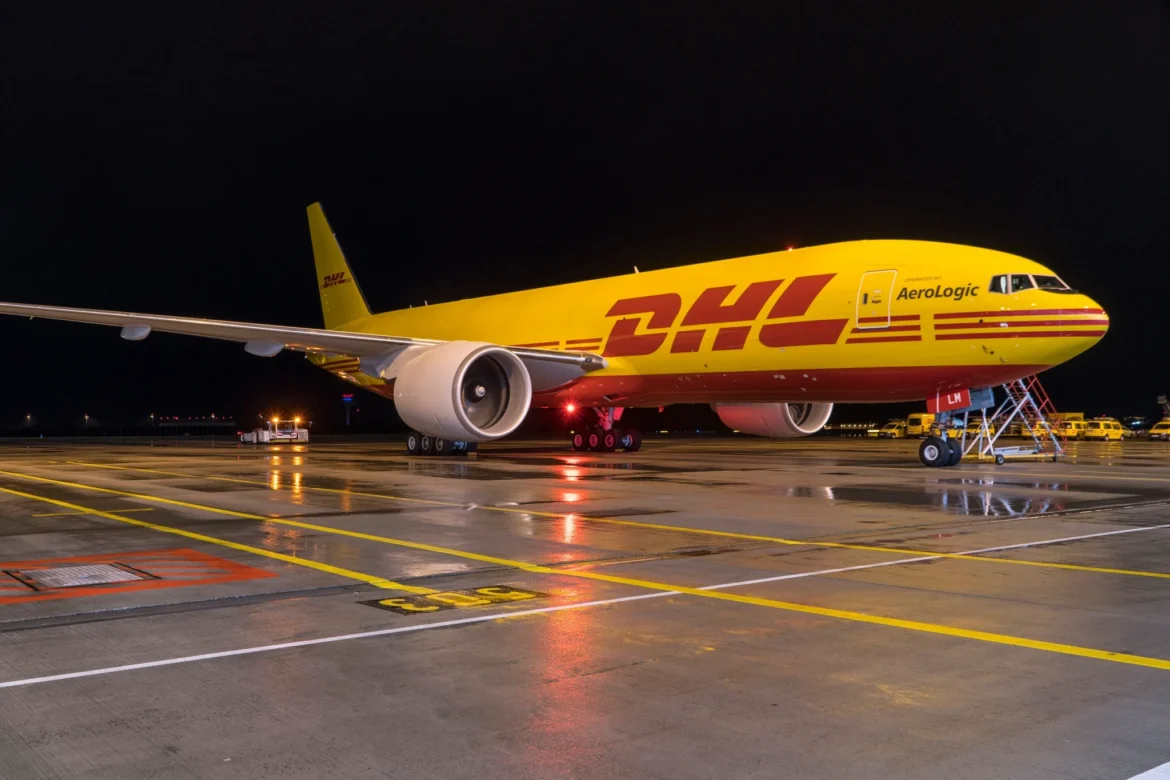
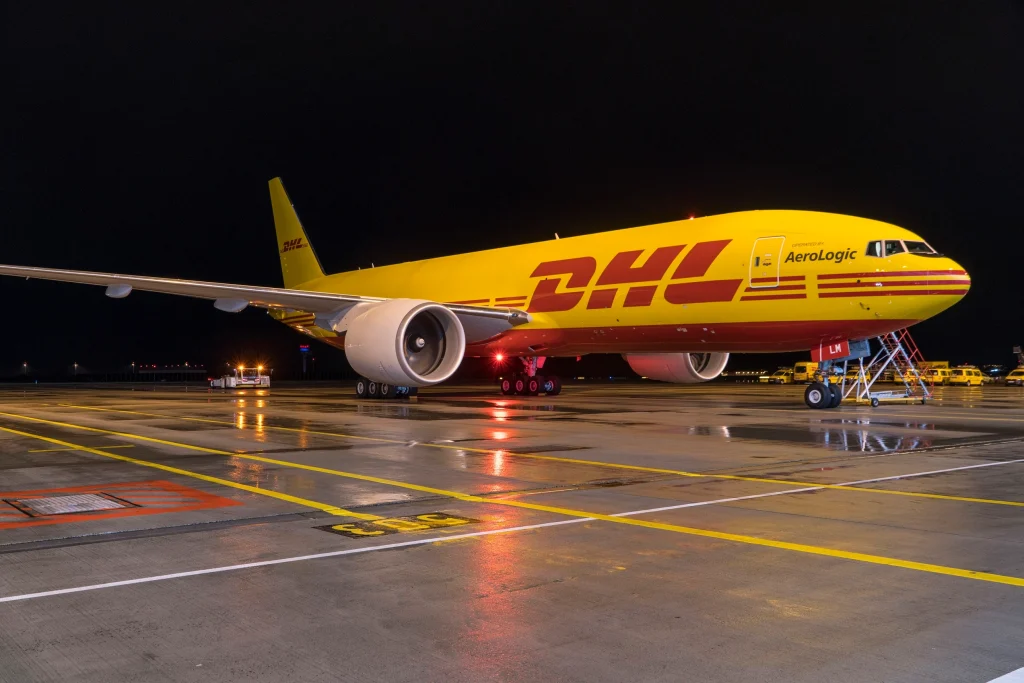
DHL Express has temporarily suspended deliveries of goods worth more than $800 to the United States, citing a “significant increase” in customs red tape linked to new tariff rules introduced by US President Donald Trump.

Starting Today (21st April 2025), the company will halt shipments from businesses in all countries to American consumers for packages above the $800 threshold, stating the move will remain in place “until further notice.” Deliveries between businesses (B2B) will continue but may also experience delays.

Previously, goods valued up to $2,500 could enter the US with minimal paperwork. However, tighter customs checks implemented alongside Trump’s recent tariffs have now lowered that threshold, triggering a spike in formal customs clearances.

DHL said this surge has strained operations:

“While we are working to scale up and manage this increase, shipments worth over $800, regardless of origin, may experience multi-day delays.”

Shipments valued under $800 will still be delivered and continue to face minimal customs scrutiny—for now. But additional changes are on the horizon. On 2 May, the White House is expected to close a loophole that allows low-value packages, particularly from China and Hong Kong, to enter the US without paying duties.

In a related move, Hongkong Post announced it is suspending all sea mail deliveries to the US and will stop accepting any parcels bound for the US starting 27 April. It described the US approach as “unreasonable, bullying and imposing tariffs abusively.”

As global shipping lanes become increasingly entangled with geopolitics and security concerns, logistics providers are facing new challenges in cross-border parcel delivery—particularly into the US.

Read Similar…

US Trade Tariffs Set to Wreak Havoc on Global Supply Chains


Source link

0 comments
0 FacebookTwitterPinterestEmail
Services

Logistics Development Launches Near Huntingdon

by
written by


21st April 2025

Logistics BusinessLogistics Development Launches Near Huntingdon

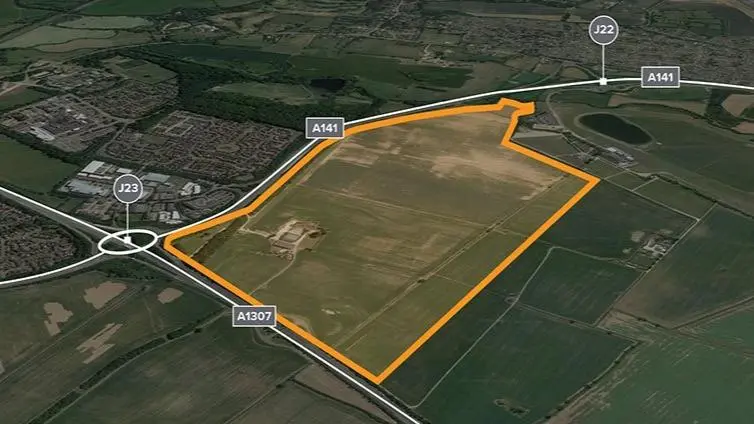
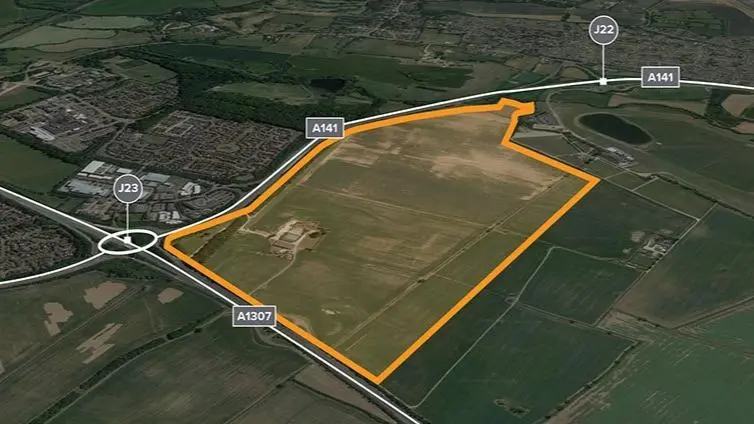
A substantial new logistics and industrial development is underway just outside Huntingdon, bringing with it over 500,000 sq ft of warehousing and distribution space — and it’s happening right on our doorstep.

Located along the A14 corridor — one of the UK’s key freight routes — the site is positioned to attract 3PLs, e-commerce players, and last-mile operators seeking strong transport links between the Midlands, London, and the East Coast ports.

The new development is just minutes from Logistics Business’ office in Huntingdon. As one of the country’s leading media hubs for logistics and supply chain news, we’ll be keeping a close eye on this project — not just as journalists, but as locals.

Huntingdonshire District Council has warned the development could have a “potentially large impact” on the surrounding area. The 1.2 million square metre-site would sit on Brookfield Farm, Ermine Street, in Great Stukeley, which is currently used as arable farmland, but the council has stipulated that height restrictions would be in place at 24 meters.

From a practical standpoint, we anticipate some short-term disruption from construction activity and a potential increase in local traffic once the site becomes operational. The A14 already carries a high volume of freight, and this development could intensify congestion during peak hours, particularly near junctions close to town.

That said, the long-term benefits for the region — including job creation, inward investment, and increased visibility for Huntingdon as a logistics hub — are likely to outweigh the short-term inconveniences.

Read Similar…

Iceland Foods Opens Warehouse


Source link

0 comments
0 FacebookTwitterPinterestEmail
Services

Rethink Supply Chains to Beat Seasonal Shocks

by
written by


Chocolate prices melting under pressure? Retailers must rethink their supply chains to beat seasonal shocks, according to Manhattan Associates. What can businesses can do to stay resilient in the face of raw material shortages and surging seasonal costs?

As chocolate lovers felt the pinch this Easter, with prices soaring by up to 50% according to consumer group, Which? due to a global cocoa shortage, retailers and manufacturers are once again facing questions about how to protect margins and maintain availability during peak demand periods. The supply shock – fuelled by poor harvests in major cocoa-producing nations and exacerbated by inflationary pressures – has become yet another reminder of the fragility of global supply chains when unexpected events strike.

“Seasonal surges should be predictable, but the causes behind pricing spikes like this year’s cocoa crisis are not always within retailers’ control,” commented Martin Lockwood, Senior Director, Manhattan Associates. “What is within their control is how agile and resilient their supply chains are in responding to these shocks.”

Rethinking seasonal strategy

To cope with volatile supply and costs, retailers must avoid outdated forecasting models and siloed inventory planning. Instead, they need unified, real-time insights across the supply chain to quickly respond to disruptions and rebalance stock intelligently. “Chocolate is a symbolic seasonal product, but the same principles apply across any seasonal item – from swimwear to school supplies,” said Lockwood. “Being able to pivot quickly to alternative suppliers, reroute shipments, or dynamically adjust pricing and promotions based on availability is what separates the prepared from the panicked.”

From bean to shelf – closing the gap

Onshoring and friendshoring strategies, already gaining traction due to geopolitical uncertainty, now offer additional value in smoothing seasonal demand cycles. By sourcing closer to home or building more regional fulfilment models, brands can reduce lead times and increase agility – particularly crucial for perishable or trend-driven products. “There’s no magic fix for rising cocoa costs or unpredictable harvests,” continued Lockwood. “But building a smarter, more responsive supply chain can be the difference between empty shelves and Easter success.”

Why this matters for families, not just factories

Chocolate price hikes may make headlines, but they highlight a deeper issue: how fragile global trade networks can impact everyday lives. From higher prices at checkout to product shortages in stores, supply chain volatility is now a kitchen table issue. “Consumers don’t think about supply chains until it hits their wallet – and this Easter, it has the potential to,” Lockwood noted. “Retailers must adapt not just for operational resilience, but because their ability to deliver affordable, accessible products is now a key part of maintaining customer trust.”

similar news

Egemin supplies automated warehouse system with AGVs to Kim’s Chocolates


Source link

0 comments
0 FacebookTwitterPinterestEmail
Services

Forklifts Market Outlook for 2025

by
written by


Today’s forklift industry experiences both as many changes as challenges. Over the last year we’ve seen strong shifts in demand and supply, leading manufacturers that are forced to innovate and change course – fast. But as always, challenges bring opportunities. What can we expect from the year 2025? Where is the material handling equipment industry headed? And which factors will impact the way the forklift industry and supply chain will operate?

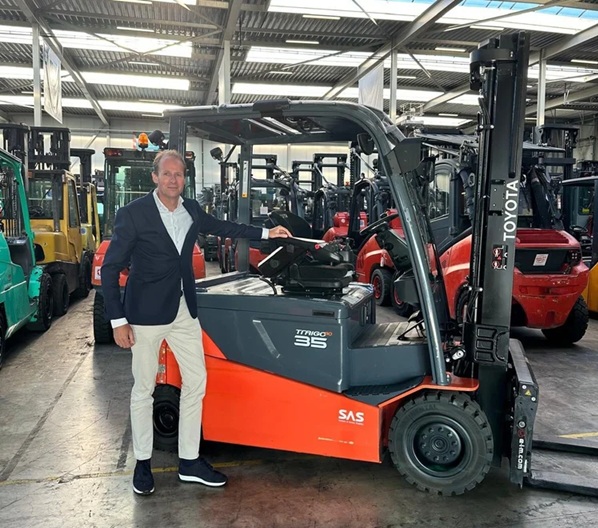
This years’ Market Outlook from Lisman Forklifts, a leading used forklift dealer, sees CEO Koen Lisman (pictured) discuss his expectations and address opportunities and pitfalls that our industry will encounter.

The market for used material handling machinery continues to evolve, shaped by economic conditions, shifting trade policies and changing industry priorities. While global uncertainties remain, overall demand remains strong, with businesses adapting to new challenges and opportunities. As trade regulations shift and buyer expectations evolve, companies operating in this space must navigate a dynamic landscape. From regional market shifts to strategic investments in refurbishment and efficiency, key trends are influencing how businesses approach used equipment.

This market outlook explores the factors shaping demand, offering insights into where the industry is headed next. “There’s a trend change happening on multiple levels and those shifts have been going on for a while now”, Koen Lisman, CEO of Lisman Forklifts, says. “In our ‘line of work’ demand and willingness to invest persist.”

“Primarily the macro-economic expectations aren’t all that bad. Looking back to the same period last year, this years’ outlook is a lot more upward. With the clear exception of Germany and the serious challenges the country is facing, the world economy is cooling off – but only slightly. Despite the election of Donald Trump and the impact of his global trade agenda, the market is persisting. Resulting in more protectionism and a slight increase in interest rates.”

Taxation and import duties

The market is still experiencing a ‘healthy demand’, Koen sees. “Despite the geopolitical tensions and several areas of instability around the world, so far a full-blown crisis has been avoided. So there’s no reason to assume that a crisis will materialize.” But, trade barriers like the ‘Trump Tax’ and the ongoing struggles with China, will trigger change for Europe based companies – like Lisman Forklifts. “The markets will become more dynamic than ever in Europe for us, but surely offering great opportunities.”

One of the instigators of this shift is the increased import taxation on electrical cars from China into EU countries. It’s plausible to assume that these imposed ‘fees’ will also become a factor for the forklift industry. If introduced, mainly the second hand market will benefit from the legislation. “Chinese manufacturers are competing heavily with used (European) forklifts. This can lead to a notable advantage for ‘Europe’, specifically within the industry we’re in.”

Europe’s Advantage over China

That might be a welcome break from the emergence of presence and competition from Asia that Europe is experiencing. The mass production of batteries, the upsurge of dedicated dealerships and distribution hard and the increased availability: Chinese manufacturers mean business. “What we see is that Asian manufacturers are now more focused on building organisations, rather than products. But, the expected additional import duties will reduce the competitive price advantage significantly.”

But that’s not the only reason why European manufactured machines will withstand the competition – especially in the used forklift industry. “The machinery we’re trading, is a segment where China struggles to get a foothold. Western manufacturers are geared towards operator safety. Ergonomic designs, focused on health, and features that reduce the risk of accidents: in markets where drivers, their environment and safety are paramount, European brands have an advantage.”

Robots on the Rise

The growing trend of labour market scarcity highlights the increasing importance of modern employment practices, such as prioritising driver well-being through ergonomics and driver experience, ensuring employee happiness by providing great facilities and working conditions. “An operator that feels safe while working with machines, will be happier and more productive at work. Great workplaces mean great results.” And less need for investing heavily in innovation…

While the shortage of qualified personnel will persist and the evolution of robotisation continues, there’s an important factor to take into consideration. “It is important to acknowledge that the robotisation requires a huge investment of capital. This makes turning your warehouse into something from a Hollywood movie only feasible for larger corporations, like the Amazon’s of this world. The financial barriers are typically far too significant for SMEs.”

The impact of robotisation on Lisman’s line of work will be minimal, Koen expects. “Robotisation primarily targets warehouse machinery rather than the – in the used equipment market – dominant counterbalanced forklifts. Specialised machines substituted by AGVs like order pickers, reach trucks and pallet trucks often lack resale value due to their customised configurations. Add the Chinese price pressure on machines and operations makes that I don’t see big changes taking place.”

However Chinese manufacturers will continue to gain ground in markets where material handling machinery is non-critical for business operations and machine usage is limited, often only occasional. But, there’s a danger here. The famous Dutch saying ‘Going cheap often costs more’ could apply here. “Chinese manufacturers excel in producing electric forklifts powered by lithium-ion batteries, capitalising on the broader industry trend.”

The price of going ‘cheap’

“Customers are increasingly opting for these solutions over traditional lead-acid batteries due to the narrowing price gap. However, this shift sometimes occurs without adequate preparation. While lithium-ion batteries offer fast charging capabilities, lead-acid batteries require service, and complex handling due to swapping batteries. This advantage is offset by the risks and environmental demands associated with lithium-ion technology.”

“Insurers and labour inspectors impose constantly increasing stringent requirements, such as designated machine loading areas, sprinklers and enhanced safety protocols for locations using lithium-ion batteries. Consequently, the initial price and usability benefits are weighed against the significant capital expenditure and space requirements. These demands are becoming so substantial that insurers may eventually refuse coverage – even with safety measures in place.”

Focusing on used material handling machines in today’s world, the proposition becomes more and more appealing. “Carbon footprint has become a significant societal concern for businesses, prompting them to prioritise environmental responsibility. This expectation stems from both self-driven commitments and mandatory requirements, such as ESG policies for larger corporations and the pursuit of carbon neutrality.”

As guidelines and regulations trickle down to smaller businesses, used machinery emerges as a more logical and environmentally sound investment compared to new machines. “Research carried out by Jungheinrich shows that a refurbished machine results in up to 80 percent less CO2 emissions than producing and distributing a new machine. Nowadays, we all realise the importance. And if not, there’s always governments, investors and potential buyers that will.”

Building networks

“Our proposition is becoming appreciated even more over time”, Koen says. “Not just from an economical standpoint, also when it comes to complying with sustainability goals. It’s starting to come alive.” Through light-refurbishment we bring machines in a condition for a second or even a third life. A purpose the machine often would not have had other than scrap metal. Lisman actively searches for markets and applications suitable for these machines, building international networks.

“Yes, it’s our business model, but it’s also something that is appreciated by OEMs in an even more sophisticated but costly manner. They are actively working on increasing capacity of their own refurbishment centres.” They need to. With the decrease in sales markets, extending the lifespan of machines is essential. Moreover, creating refurbishment capacity for end-user ready equipment allows the OEMs to become more competitive, offering tailor-made mixed fleets of refurbished and new equipment to their key accounts. From a business perspective, as well as sustainability requirements, refurbishing returned rentals is not longer ‘nice to have’. It’s a must have. “Which is why Linde, Toyota and Jungheinrich started doing this years ago.”

Need for critical mass

It’s all down to ‘What do you add to the supply chain’, Koen finds. “Everybody sees that expanding the lifespan is necessary – on multiple levels. I firmly believe that the type of trader that’s only in the business for a quick pay-day through passing machines on is a dying breed. In today’s world you are forced to provide more added value through know-how, investment and capital. There’s a need for a critical mass which cannot be achieved by small-scale operations.”

The cake continues to get bigger: experts forecast that by 2035 more than 3 million forklifts are expected to be shipped per year. A far cry from the 700,000 during the crisis time in 2009. OEM initiatives will not be at the expense of Lisman Forklifts. “We are noticing a dual relationship with suppliers. OEMs are concentrated on doing full-refurbishment, dedicated to bringing near-new-state machines back to the market. This serves a different segment of market demand, targeting the end-user directly.”

“What we are noticing in day-to-day activities and customer engagement is that our reseller customer base is willing to pay a premium for machines that they can quickly pass on to their end customers. They’re having more trouble buying machines that require refurbishment. There’s a strong desire to send an invoice as quickly as possible – and a shortage of mechanics and technically qualified personnel worldwide to carry out repairs and maintenance.”

“Ready-for-market machines and service contracts are becoming the new standard. Light-refurbishment is enough to match expectation of the resellers and offers a quick solution where the need is high. We have a multi-brand network and expertise and have economies of scale at our disposal. We’re efficient – in all areas. I still don’t have a crystal ball, unfortunately. But because we have boots on the ground in all parts of the world, working closely with OEMs and SMEs, we have a clear picture of which way trade flows and market trends are moving. My projection? We’re going back to normal – for now.”

While demand for used material handling machinery remains strong, the other side of the equation – the supply side – is just as crucial in shaping the market. Factors such as availability, refurbishment capacity and OEM strategies all play a role in determining what’s on offer.

similar news

Improved Outlook for Sales, Lowered Expectations for Orders


Source link

0 comments
0 FacebookTwitterPinterestEmail
Services

Not All Freight Accounting Tools Are Equal—Here’s the Difference

by
written by


Every freight forwarding transaction involves a chain of variable costs, multiple currencies, fluctuating rates, and third-party vendors. Unlike traditional industries, freight businesses don’t operate on flat pricing or simple income-expense structures. Each shipment is its own project—each with its own profit and loss equation.

As global supply chains become more volatile and customer expectations rise, the pressure on freight finance teams has intensified. You’re expected to quote faster, invoice with zero errors, comply with local and international tax rules, and report real-time profitability across branches, lanes, and verticals.

And yet, many logistics service providers still rely on disconnected accounting tools or generic ERP systems—none of which are equipped to handle the specific financial nuances of the freight business.

Real-World Scenarios Where Freight Accounting Fails

1. The Invoicing Delays Spiral

A freight forwarder completes a multimodal shipment for a high-value customer. Operations close the job, but finance doesn’t receive all the cost inputs—like handling charges, CHA fees, or fuel surcharges—from third parties in time. The invoice is delayed, cash flow takes a hit, and the customer flags the final amount as inconsistent with the quote. This happens more often than most would like to admit.

2. The Invisible Cost Trap

In an air freight job routed through multiple carriers, a forwarder fails to capture two out-of-scope charges from a subcontracted trucking leg. The shipment looks profitable on the surface—but hidden costs eat away margins. Without integrated cost capture, these leakages remain invisible.

3. The Multi-Currency Mayhem

Your Dubai office earns in AED, pays overseas agents in USD, and receives third-party invoices in EUR. The finance team struggles to reconcile exchange rates manually, leading to incorrect entries and skewed profitability metrics across branches.

These are not rare cases—they are industry-wide challenges. And they require a solution that’s built with freight realities in mind.

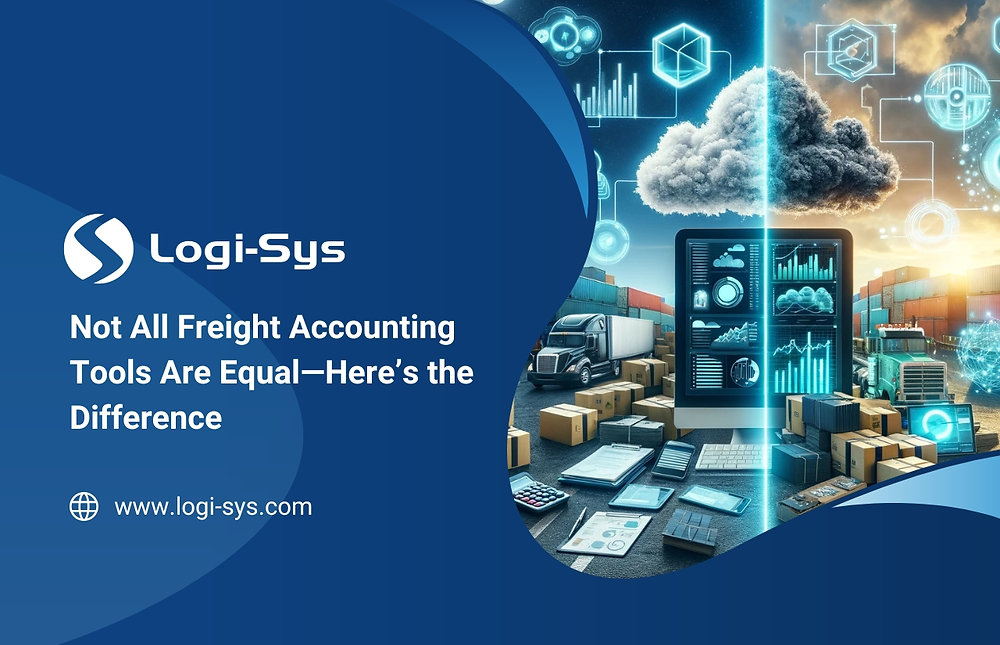
Logi-Sys: Accounting Software Built for Freight

Here’s how it solves the problems freight forwarders face every day:

  1. Built-In Financial Accounting, Not an Afterthought

Unlike standalone tools, Logi-Sys’s financial module is fully embedded into the operational workflow. As soon as a job is booked and executed, the financial impact is automatically mapped—from revenue recognition to third-party costs—eliminating delays, omissions, or guesswork.

  1. Accurate & Timely Invoicing

Invoices are generated the moment jobs are completed, with pre-mapped cost heads, taxes, and customer-specific terms. Whether it’s a local trucking invoice or a complex multimodal shipment, Logi-Sys ensures precision billing—on time, every time.

  1. Shipment-Level Profitability Tracking

Every shipment in Logi-Sys shows its revenue, cost, and net margin in real time. You can filter by customer, branch, sales rep, or route to see exactly where you’re earning and where margins are getting squeezed.

  1. Multi-Currency & Taxation Compliance

Handle vendor payments, receivables, and cost allocations across currencies with automated exchange rate capture. Regional compliance with GST, VAT, and TDS is built in—with system-generated audit trails to satisfy tax authorities.

  1. Robust Audit Controls & Financial Reports

All transactions are backed by system-generated logs and role-based approvals, so nothing slips through. From AR/AP statements to P&L, balance sheets, tax reports, and ledger drill-downs—Logi-Sys equips your finance team with every tool they need.

Designed for Freight. Trusted by Freight Professionals.

Logi-Sys isn’t a generic ERP system that’s been customized for freight. It’s been built from the ground up for freight forwarders, CHAs, and logistics service providers.

That means its accounting software:

  • Speaks the language of jobs, legs, and consolidations—not just ledgers

  • Understands revenue leakage isn’t a concept—it’s a daily risk

  • Knows that one delayed invoice can disrupt your month-end close

And it scales with you. Whether you’re a single-office operator or a global forwarder with operations across 10 countries, Logi-Sys gives you the financial visibility and controls to grow with confidence.

Is It Time to Upgrade Your Freight Accounting?

If your finance team is spending more time reconciling than reporting, if your cash flows are unpredictable, and if your profitability metrics don’t reflect reality—then it’s not just a software issue. It’s a business risk.

Logi-Sys is the industry-specific accounting software for freight that helps you regain control. Accurate billing, real-time profitability, audit readiness, and seamless compliance—it’s all in one place.

Want to see how it works for your business? Book a demo with our experts and explore how Logi-Sys transforms finance from a bottleneck into a growth driver.


Source link

0 comments
0 FacebookTwitterPinterestEmail
Newer Posts
Older Posts

Recent Posts

  • Automation is Transforming Logistics in India
  • Swarm AGVs for Multiple Flows & Pallet Types
  • Contracts Manage Warehouse Construction Risk
  • Why Fragmented Freight Management Systems Are Killing Operational Efficiency
  • Wheels for Steel – Logistics News

Recent Comments

No comments to show.

Social Connect

Whatsapp

Recent Posts

  • Automation is Transforming Logistics in India

  • Swarm AGVs for Multiple Flows & Pallet Types

  • Contracts Manage Warehouse Construction Risk

  • Why Fragmented Freight Management Systems Are Killing Operational Efficiency

  • Wheels for Steel – Logistics News

Newsletter

Categories

  • Services (1,091)
  • Uncategorized (41)

@2024 - All Right Reserved. Designed and Developed by Sierraline Cargo services

Manage Consent
To provide the best experiences, we use technologies like cookies to store and/or access device information. Consenting to these technologies will allow us to process data such as browsing behavior or unique IDs on this site. Not consenting or withdrawing consent, may adversely affect certain features and functions.
Functional Always active
The technical storage or access is strictly necessary for the legitimate purpose of enabling the use of a specific service explicitly requested by the subscriber or user, or for the sole purpose of carrying out the transmission of a communication over an electronic communications network.
Preferences
The technical storage or access is necessary for the legitimate purpose of storing preferences that are not requested by the subscriber or user.
Statistics
The technical storage or access that is used exclusively for statistical purposes. The technical storage or access that is used exclusively for anonymous statistical purposes. Without a subpoena, voluntary compliance on the part of your Internet Service Provider, or additional records from a third party, information stored or retrieved for this purpose alone cannot usually be used to identify you.
Marketing
The technical storage or access is required to create user profiles to send advertising, or to track the user on a website or across several websites for similar marketing purposes.
  • Manage options
  • Manage services
  • Manage {vendor_count} vendors
  • Read more about these purposes
View preferences
  • {title}
  • {title}
  • {title}
Sierraline Cargo Services
  • HOME
  • Services
    • Trade With Us
  • About Us
  • Contact Us
  • private jet
    • BOOK YOUR JOURNEY
  • Track Packages
  • Insurance
  • safekeeping

WhatsApp us