Sierraline Cargo Services
  • HOME
  • Services
    • Trade With Us
  • About Us
  • Contact Us
  • private jet
    • BOOK YOUR JOURNEY
  • Track Packages
  • Insurance
  • safekeeping
Services

Warehouse Fulfillment Operations Intelligence

by
written by


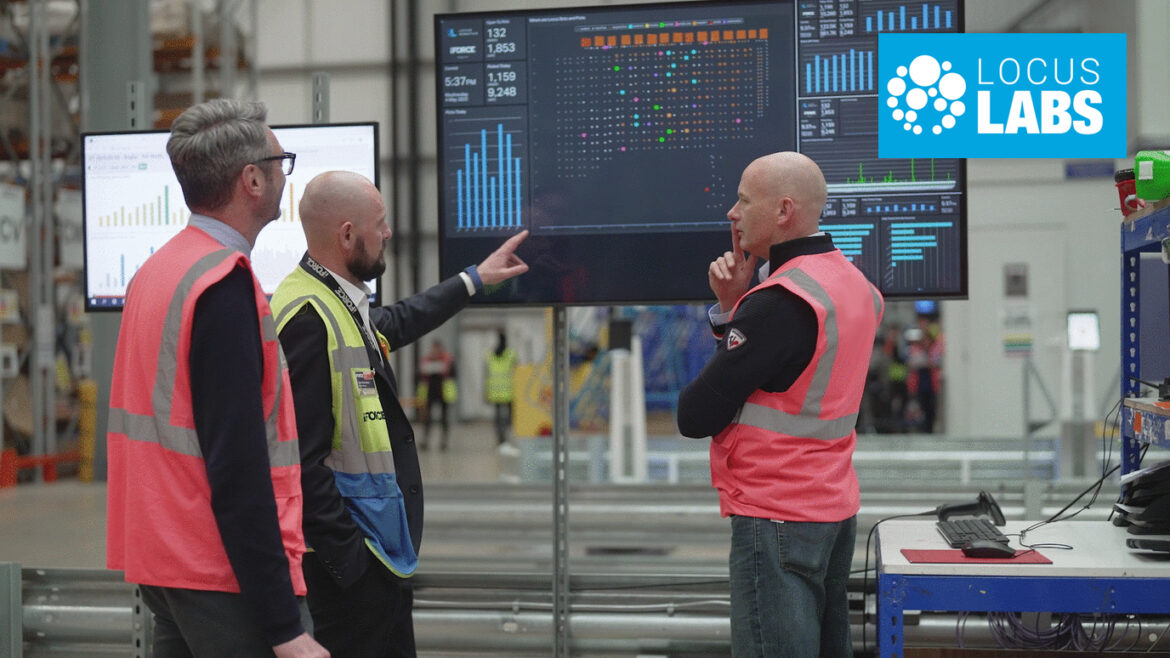
Locus Robotics, a global supplier of mobile warehouse automation, announces ‘LocusINTELLIGENCE’, a powerful, AI-driven business intelligence software layer within the LocusONE™ platform. Designed to provide real-time decision-making, continuous optimization, and deep operational insights, LocusINTELLIGENCE enables fulfillment operations to achieve unmatched flexibility, throughput, and efficiency.

Locus showcased a range of next-generation AI advancements developed through LocusLABS , the dedicated R&D division of Locus Robotics, at LogiMAT in Germany and ProMat in Chicago.

“At Locus Robotics, we are not just deploying robots — we’re delivering intelligence,” said Rick Faulk, CEO of Locus Robotics. “Our investment in AI, software, and next-generation automation technologies sets us apart as the leader in warehouse efficiency and fulfillment innovation. Through LocusINTELLIGENCE and LocusLABS, we are continuously developing solutions that allow our customers to maximize throughput, scale with confidence, and adapt to the evolving logistics landscape.”

The AI Powerhouse

LocusINTELLIGENCE is the advanced AI and analytics engine that powers the LocusONE™ platform, leverages machine learning, predictive analytics, and real-time operational data, LocusINTELLIGENCE continuously adapts and optimizes fulfillment operations at scale.

• AI-Powered Decision-Making – Dynamically manages task allocation, workflow optimization, and multi-robot coordination to efficiently align fulfillment priorities with real-time demand.
• Scalable & Adaptive Performance – Enables LocusONE™ to seamlessly adjust to fluctuating order volumes, seasonal spikes, and labour constraints, ensuring warehouses always operate at peak efficiency.
• Real-Time Operational Insights – Gives operators deep visibility into throughput, worker performance, and predictive maintenance, enabling proactive, data-driven decisions.
• Seamless WMS & ERP Integration – Works natively within existing warehouse management systems, allowing for rapid deployment and immediate productivity gains.

Through LocusINTELLIGENCE, LocusONE™ delivers an even more powerful, AI-enhanced orchestration platform, providing warehouses with an intelligent automation ecosystem that continuously learns, adapts, and improves.

Warehouse intelligence

LocusLABS, the dedicated R&D division of Locus Robotics, is at the forefront of AI innovation, continuously advancing warehouse automation capabilities. At LogiMAT and ProMat 2025, Locus unveiled several AI-driven breakthroughs, including:

• AI Object Detection & Avoidance – Advanced perception AI enables Locus robots to intelligently recognize and react to warehouse assets, ensuring seamless, real-time navigation and workflow optimization.
• System-Directed Labour Optimization – AI-driven optimization engine that intelligently directs associates to the next best task, increasing productivity and fulfillment speed.
• AI-Powered Simulation & Workflow Optimization – Adding the ability to test and refine warehouse layouts, workflows, and robotic interactions before implementation.
• RFID-Based Inventory Accuracy – Integrating RFID technology to deliver greater accuracy for next-level real-time order validation and inventory tracking.
• Large-Item & Non-Conveyable Automation – Flexible large-item conveyance, picking, and putaway, enabling automation beyond traditional, fixed conveyor-based workflows.
• Humanoid Collaboration with Reflex Robotics –Locus and Reflex Robotics are exploring the potential for humanoids to augment existing warehouse automation workflows such as induction, putaway and more.

similar news

Fulfillment Experience Insights Dashboard


Source link

0 comments
0 FacebookTwitterPinterestEmail
Services

Heathrow Airport Closes after Power Station Fire

by
written by


21st March 2025

Logistics BusinessHeathrow Airport Closes after Power Station Fire

The recent events at Heathrow Airport have once again underscored the vulnerability of the UK’s logistics network to unexpected disruptions. As one of the country’s busiest transport hubs, any interruption to operations — particularly on the scale caused by a major power outage — has immediate and far-reaching effects. While passenger inconvenience has dominated headlines, the real and lasting impact on freight and supply chains deserves equal attention.

After the pandemic and Brexit, the British International Freight Association says it thought that there was a better understanding of the critical importance of efficient international supply chains. If the initial mainstream media coverage of the incident at Heathrow is anything to go by, clearly that is not the case, with little mention in the news of the huge disruption to UK supply chains.

The fire at a nearby power station which caused a significant power outage across Heathrow airport has resulted in major disruption with all flights cancelled. The airport is to remain shut until midnight.

PML Seafrigo, whose facilities are unaffected by the fire, is extending an offer to those whose  freight is impacted by the situation, providing a collection service from alternative UK airports where imported  goods have been unexpectedly rerouted. In addition, PML Seafrigo is able to ensure the seamless movement of exported goods to alternative London airports, specifically London Gatwick or Stansted, subject to space and availability.

As expected, most reporting has focused on the immediate impact on flights, terminals and passengers. Regrettably, cargo has been largely overlooked, and the impact will be significant on both import and export movements. Supply chains work based on a consistent flow of goods and this has been severely interrupted – for exports the immediate concern will be that airline sheds will fill up rapidly and be unable to accept fresh freight deliveries, which will then affect other parties. For imports, freight will not arrive at or be diverted from its original final destination.

BIFA says that a big concern for its members is that most cargo is carried in the bellyholds of passenger aircraft and when flights to and from LHR are restored there will be a considerable influx in demand by passengers for seats to continue their journeys. Potentially this will restrict the capacity to move cargo.

Read Similar…

Navigating the Supply Chain Maze


Source link

0 comments
0 FacebookTwitterPinterestEmail
Services

Maximising AI Success in Supply Chain with Clean Data

by
written by


Clean data can maximise supply chain success, writes Mark Holmes, Senior Advisor for Supply Chain at InterSystems.

Artificial intelligence (AI), from traditional machine learning to recent generative AI, holds immense potential to revolutionise global supply chains by enabling adaptive decision-making. The approach refines predictions to meet evolving consumer demands, enhancing demand forecasting, streamlining fulfilment despite supply disruptions, and unlocking a range of innovative possibilities.

The global supply chain AI market is showing strong growth. According to Meticulous Research, it is expected to surge to US$58.55 billion by 2031, growing at a CAGR of 40.4% from 2024 to 2031. Yet, as more organisations implement AI across their supply chain operations, harnessing accurate, clean, and unified data remains a critical challenge. AI is only as effective as the data it processes. Inaccurate or fragmented data leads to flawed outcomes and erodes trust in AI-driven systems.

Achieving Data Quality

The good news is that regardless of where an organisation stands in its AI journey, there is still time to build the necessary data foundations, without the need for a risky rip-and-replace of legacy systems. However, ensuring data quality is not easy. Supply chain data streams originate from many disparate sources, including enterprise systems, IBP applications, suppliers, demand pattern changes, warehousing, and transportation systems. If these diverse sources are not harmonised, AI models may produce flawed outputs that prompt manual checks and redundant oversight, ultimately undermining efficiency.

Real-time data is equally critical. Supply chains involve numerous variables, from supplier availability to weather patterns, that can change rapidly. Analysing delays or disruptions in near-real time and acting swiftly on these insights can mean the difference between effectively managing an issue or missing a critical opportunity. Access to timely data is the first step toward harnessing AI for more accurate forecasts, adaptive planning, and proactive interventions.

The Role of Connective Technology

Creating the right data strategy requires modern solutions that act as a “connective tissue,” linking diverse data sources and formats. When deployed effectively, these solutions consolidate relational, non-relational, and streaming data without forcing a complete overhaul of core systems. This data unification enables immediate analysis, ensuring that AI models have a dependable, comprehensive picture of the supply chain at all times.

Beyond unification, connective technology cleans, standardises, and enriches data before any AI algorithms are applied. Such thorough preparation reduces the risk of inaccurate outputs and helps maintain confidence in AI-driven recommendations.

Evaluating Existing AI Implementations

Even as organisations begin deploying AI for use cases like demand sensing and order fulfilment, it is essential to access the right data in motion or at rest. Inconsistent or incomplete data might cause AI to overlook critical warning signs, produce skewed forecasts, or struggle to align inventory levels with real-world conditions.

Companies should regularly audit their data pipelines to pinpoint errors, such as missing entries or mismatched formats. Addressing any gaps, and ensuring the data remains fresh, can make AI models more robust and reduce long-term costs. By creating transparent feedback loops, supply chain leaders can monitor AI outcomes and measure them against established performance metrics. This approach helps determine whether refinements in data management or the AI models themselves are necessary.

From Foundational Data to Practical Results

After laying a strong data framework, organisations can more confidently progress toward advanced analytics, machine learning, and decision support tools that significantly improve supply chain efficiency. Predictive and prescriptive insights powered by both machine learning and latest genAI, can then be integrated directly into operational processes. Whether the goal is to handle demand fluctuations, optimise supplier networks, or accurately forecast inventory requirements, AI-driven analysis is most effective when powered by unified, trustworthy data.

Looking ahead, AI’s relevance in supply chain management will only grow as technologies evolve and businesses strive to stay flexible. AI can help with data availability, business insights, data-driven actions, etc. By making data integrity a priority, organisations establish a practical base for advanced solutions that yield real value. This means gathering, integrating, and using data in ways that support both present objectives and long-term growth.

Strong data practices ultimately open the door to AI-driven innovations that help supply chain leaders adapt at speed, reduce costs, and enhance customer satisfaction. With a clear focus on maintaining clean, unified information, businesses can transform daily operations and generate measurable returns.

similar news

Research Highlights Untapped Potential of AI to Boost Fleet Safety


Source link

0 comments
0 FacebookTwitterPinterestEmail
Services

Unlock Cost Savings with AI-Powered Truck Loading

by
written by


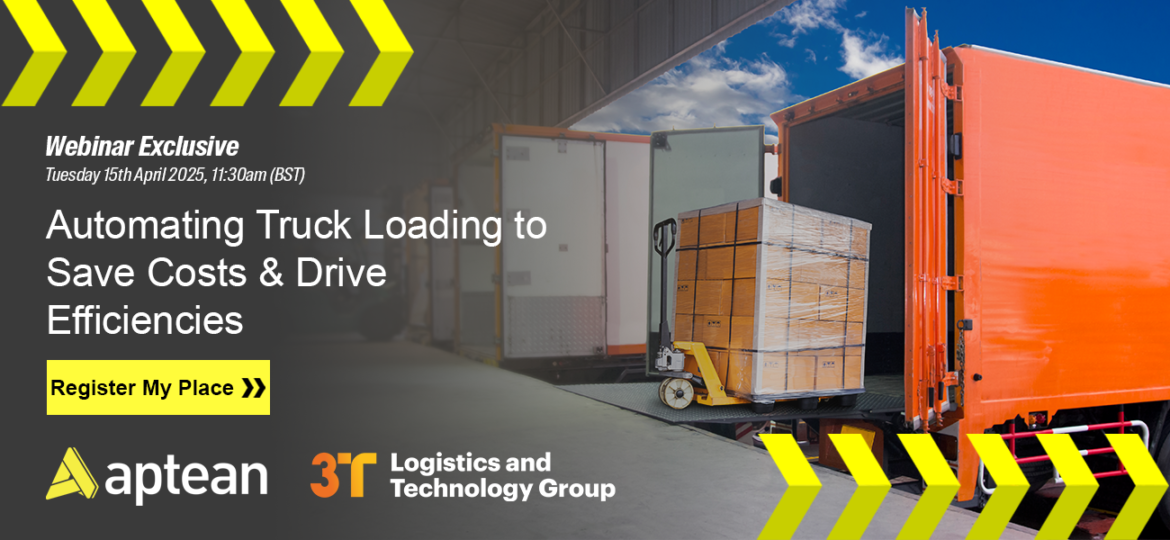
With rising logistics costs, it’s crucial to maintain profitability through highly optimised operations and load planning processes. Logistics Business and Aptean are preparing a Webinar entitled ‘Automating Truck Loading to Save Costs & Drive Efficiencies’.

Join our industry experts on Tuesday 15th April at 1130 BST/UTC, for an open panel discussion where we’ll explore how you can enhance cargo placement accuracy, improve operational efficiency, and reduce transport costs by optimising space utilisation with AI-driven technology.

You’ll learn how:

Optimal planning maximises load capacity and enables efficient equipment selection
Efficient loading boosts savings, speeds up palletising, and increases warehouse throughput
Effective pallet arrangement reduces pallet usage, saving space in the warehouse and during transport
Smart loading decisions enhance vehicle safety and help prevent shipment damage

Truck Loading Webinar

Whether it’s trailers, containers, pallets, or any user-defined space, AI-driven tools can help you deliver maximum efficiency in truck load planning while driving significant savings.

Register your place today to avoid missing out on this eagerly awaited insight coming in April!

Watch some of our recent Webinars here.

Managing your business’s transport network can often feel like trying to solve a Rubik’s Cube blindfolded. With so many moving pieces—freight, carriers, real-time tracking, multiple modes—keeping tabs on each component without slowing down performance or blowing up costs is a major juggling act. That’s where a transport management system (TMS) comes in. You’ve likely heard the term, but may have some questions. Like what is a TMS system exactly and what does it do? Who can use it and how does it differ from other logistics systems like enterprise resource planning (ERP) and warehouse management systems (WMS)? This article will answer all your burning questions.

What Is a TMS?

A transport management system (or TMS) is a software platform specifically designed to streamline and optimise end-to-end transport and logistics operations. In simpler terms, it’s like the command centre for your entire transport network. Think of it as the behind-the-scenes powerhouse that helps you plan, execute and monitor the movement of goods—by land, air and sea.

A TMS solution gives your business a bird’s-eye view of its supply chain network, enabling you to make smarter, data-driven decisions to improve shipping efficiency and reduce costs. From carrier management and freight rate analysis to tracking shipments in real time, a TMS provides the visibility and control you need to keep goods flowing, costs low and customers satisfied, all while balancing sustainability needs.

Within a TMS, you can compare rates, organise shipments and track their journey to delivery. You might be shipping raw materials or finished goods, either way, a TMS keeps track, whether inbound or outbound, domestically or internationally.

How Does a Transport Management System Work?
By automating and improving the movement of goods, a TMS enhances business efficiency and reduces overspending. It can be broken down into a few essential functions. Here’s a quick overview of what goes on under the bonnet:

Order Management Integration: Order management integration (OMS) is the starting point of any TMS journey. This is where the software pulls in shipment details from systems like ERP, ensuring all transport activities are in sync with broader supply chain processes. This includes customer orders, purchase orders or inventory transfers, laying the groundwork for streamlined planning.

Carrier Management: A TMS manages relationships with carriers and logistics providers, offering you insights into carrier performance, cost metrics and service levels. It automates the booking of shipments, allowing you to compare and select carriers based on cost-effectiveness, reliability and speed so that each shipment is handled by the most suitable partner.

Route Planning and Optimisation: A fully integrated TMS uses advanced algorithms to identify the best routes and transport modes, considering factors like distance, historic traffic conditions, delivery timeframes and cost. The system quickly analyses data to choose the most efficient routes, select carriers, consolidate shipments and plan routes—saving you time and fuel costs.

Freight Cost and Rate Management: Freight costs are a significant part of any logistics budget. A TMS solution reconciles freight bills with the actual services provided and enables your business to manage, track and compare freight rates across carriers. This automated process reduces errors and flags discrepancies. With real-time visibility into costs, you can ensure accurate payments, saving time and reducing the financial risks associated with manual audits.

Execution and Tracking: After planning, an advanced TMS takes charge of dispatching shipments and generating the required documents. Here, you have a clear view of the movement of goods and end-to-end visibility of your shipments in transit, their estimated arrival time and details of any delays or reroutes. Your logistics team can then monitor delivery progress, anticipate delays and adapt quickly to disruptions.

Reporting and Analytics: Finally, the best TMS systems provide robust analytics and reporting capabilities, helping you identify trends by giving insight into metrics like cost per mile, carrier performance, on-time delivery rate and fuel usage. These analytics enable data-driven improvements, helping you optimise your transport network over time.

When all these components work together, a TMS system can transform your transport management into a proactive, efficient and transparent operation. It reduces costs, enhances operational efficiency and improves customer satisfaction by ensuring goods are delivered on time and as expected. With a TMS, your logistics professionals will feel prepared and ready to handle any situation.

Who Can Use TMS Software?
The good news is that TMS isn’t just for mega-sized corporations. Businesses of all sizes across a range of industries—from logistics providers and fashion brands to food and beverage organisations, manufacturers and beyond—are discovering the benefits of TMS software for their transport operations.

Small and mid-sized businesses can use TMS to stay competitive by optimising routes, tracking shipments with accuracy and improving cost management. While larger organisations can benefit from huge economies of scale, significantly reducing costs and simplifying complex supply chains. In short, whether you’re moving small parcels or large freight, a TMS provides the flexibility to support your transport needs.

So, let’s break down what types of businesses can benefit from a transport management system and who within your organisation will be using the software.

Types of Businesses That Can Benefit From TMS
Basically, a TMS can benefit any business involved in moving goods across a supply chain. It’s particularly valuable for industries such as:

Manufacturing: To coordinate the transport of raw materials and finished goods across multiple locations, manufacturers rely on TMS solutions to streamline shipping, manage carrier selection, ensure on-time, in-full (OTIF) delivery and reduce transport costs.

Retail and E-commerce: TMS facilitates complex distribution networks for fashion and retail businesses, enabling faster response times to market demands like same-day and next-day delivery—all while maintaining efficiency despite high order volumes.

Food and Beverage: Implementing a TMS system here ensures fresh, safe and timely delivery of consumables and in-demand goods with optimised route planning and visibility, while maintaining strict regulatory compliance and accurate records.

Third-Party Logistics (3PL) Providers: 3PLs and companies managing fleets or carrier networks utilize TMS to optimise routes, select cost-effective carriers and improve delivery accuracy. TMS also aids in reducing fuel consumption, providing shipment tracking and supporting multi-modal transport planning while seamlessly integrating with client systems.

Distribution and Wholesale: These businesses typically manage high volumes of goods on complex delivery schedules. Therefore, a TMS is pivotal to enhance coordination between suppliers, warehouses and customers, ensuring timely and cost-effective deliveries that adhere to retailer requirements.


similar news

Webinar: Digital Transformation to Optimise Transport Operations


Source link

0 comments
0 FacebookTwitterPinterestEmail
Services

Crossover Series Replaces Combustion Engine

by
written by


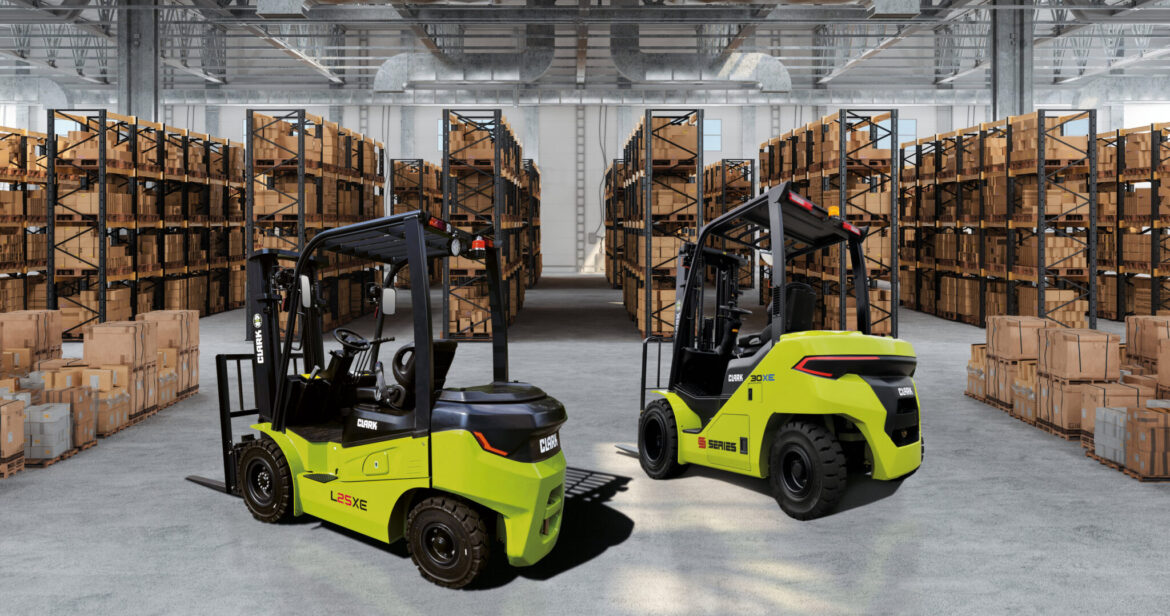
‘Get electrified with crossover technology’ is the motto under which the industrial truck specialist Clark presented the new Crossover series to the public for the first time at LogiMAT 2025 in Stuttgart. The Crossover models combine the advantages of environmentally friendly electric forklift trucks with the versatility and robustness of traditional diesel and LPG forklift trucks. Clark is thus setting new standards in material handling, especially for intensive indoor and outdoor applications. Another special feature: Clark has given product names to forklift trucks again for a long time. For example, the L25-35XE goes by the name “Raider” and the S25-35XE by “Renegade”.

The right crossover model for every application

The two new crossover series L25-35XE and S25-35XE with load capacities of 2.5 to 3.5 tons are the next logical step for Clark in its efforts to further electrify the Clark counterbalance truck product range and increase the performance of electric forklifts to such an extent that they can replace combustion engines in all areas of application.

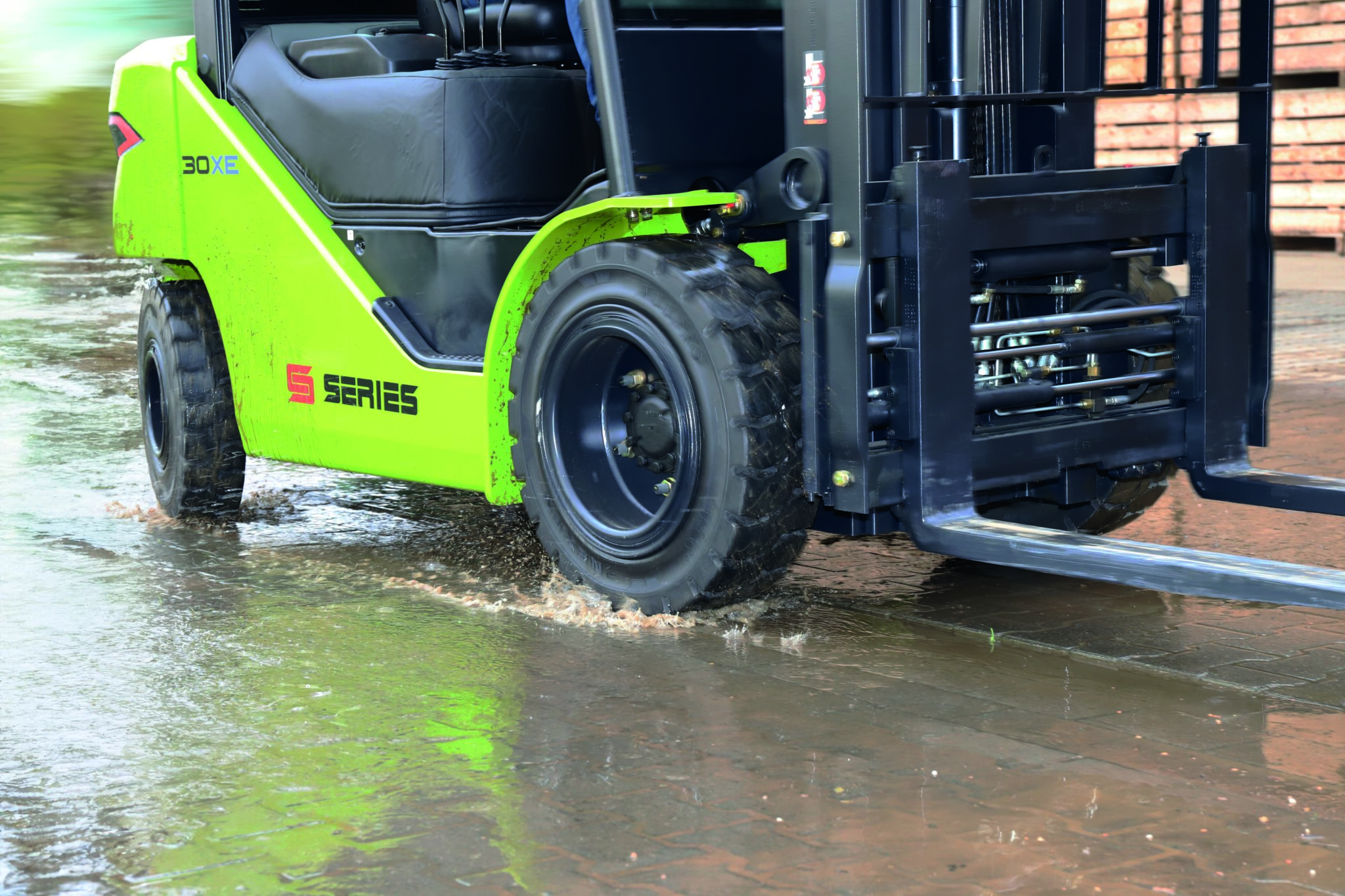
In order to meet this requirement, the Raider and Renegade, for example, are mounted on the proven Clark chassis of IC engine-powered forklift trucks. This has the advantage that the crossover electric forklift trucks not only have the high ground clearance of IC trucks, but also the correspondingly larger and more robust tires and greater legroom for the operator. This equips the vehicles perfectly for outdoor use – especially on uneven terrain or bumps. On the other hand, the crossover trucks also achieve comparable values to combustion engines in terms of driving speed, working aisle width, turning radius and climbing ability. Thanks to water-protected components, such as the IP54 protection (dust and splash-proof) of the drive and hydraulic motor, they can be used in damp working environments or outdoors in bad weather without any problems.

The powerful emission-free lithium-ion batteries based on lithium iron phosphate technology (Li-FePO4) also ensure a powerful drive with long operating times and short charging times. Different battery capacities and chargers are available depending on the power requirement, including an onboard charger integrated into the vehicle. This enables fast and flexible recharging anytime and anywhere – indoors or outdoors. All these features make the Raider and Renegade the ideal choice for demanding indoor and outdoor applications where high efficiency is paramount.

Solid and robust powerhouse for shift work

The Raider series (L25-35XE) opens the door to the crossover segment. It offers operators an environmentally friendly and solid alternative to forklift trucks with combustion engines. The vehicles are characterized by excellent all-round visibility, predictable handling and an ergonomic driver’s seat with generous foot space. The Raider therefore ensures fatigue-free working, even over long shifts. The electric drive ensures powerful acceleration thanks to immediately available maximum torque and optimum power delivery. The robust Raider reaches a maximum driving speed of 19 km/h.

Thanks to the excellent all-round view of the load and the surroundings, safe operation is guaranteed. The intelligent arrangement of the controls reduces the physical strain on the driver and enables easy operation without unnecessary arm and shoulder movements. The fully suspended comfortable seat absorbs shocks and vibrations on uneven ground. The ramp function prevents unintentional acceleration or rolling backwards on ramps and inclines.

The Raider series is equipped with a modern 4.3-inch LCD colour display that provides information on all important driving parameters. Three riding modes are available to adapt the riding characteristics to the application: H (High), S (Standard) and E (Eco). For additional safety, the L25-35XE series is equipped with the Operator Presence System (OPS). The OPS automatically switches off the hydraulic and drive functions when the operator leaves the driver’s seat. The truck can only be moved when the operator is seated and in control of the vehicle.

To adapt the Raider to different applications, Clark offers, for example, different driver’s seats, blue LED warning lights as a visual reversing warning, additional hydraulic functions for attachments, fork positioners with sideshift function.

The powerhouse for demanding customers

The Clark Renegade (S25-35XE) is designed for operators who want the benefits of the Clark S-Series – Smart. Strong. Safe. Built on the proven chassis of the S-Series IC engine-powered forklifts, the models, like the S-Series Electric, have an impressive range of safety features, customizable options and maximum comfort. They therefore offer maximum flexibility for a wide range of indoor and outdoor applications.

As a powerful yet very quiet electric forklift truck, the Renegade combines pioneering Li-ion technology with a robust, ergonomically optimized vehicle frame and tried-and-tested lift masts from our own production with 6-roller fork carriage. Its emission-free and low-noise operation makes the Renegade the ideal choice for applications in mixed areas where the focus is on quiet work processes. The vehicle achieves a sound pressure level at the driver’s ear of less than 65 dB(A). Thanks to its versatile safety functions and extensive options, the S25-35XE can be flexibly adapted to the individual requirements of a wide range of industries and applications. The complete ramp stop ensures safe use on ramps, for example if the vehicle is frequently used for truck loading. The roll-back protection activates the automatic parking brake and thus prevents the vehicle from rolling backwards.

The ergonomic driver’s workplace offers maximum comfort. The slim steering column offers the operator generous legroom, while the optimally positioned step ensures safe and comfortable entry and exit. The hydraulic levers, ergonomically mounted next to the driver’s seat with integrated direction change, enable intuitive and effortless control. The operator enjoys excellent all-round visibility. All these features reduce additional stress factors for the driver and allow safe and efficient work.

The Renegade’s Smart Display provides all important driving parameters at a glance. Among other things, it shows the battery status, error codes and operating hours in a clearly structured manner. The information is available in various languages. The driving characteristics, such as acceleration and braking behaviour, can be individually adapted to the operator’s requirements via the 5-inch colour display. When using a reversing camera, the image is transmitted directly to the colour display. This means that the driver always has an overview of the route and surroundings, even when reversing. The optional load weight display is also shown to the driver via the Smart Display. This increases safety during load handling. Long operating times and short charging cycles thanks to the advanced Li-Ion technology make the Renegade a reliable partner for companies that need a reliable and efficient solution.

The extensive optional equipment of the Renegade series includes different cabs, such as rain protection (steel roof), weather protection (steel roof and windshield), partial (steel roof, front and rear windshield) and full cabs, mini levers integrated in the armrest with direction change or mechanical levers, blue LED warning lights as a visual reversing warning, reversing camera, load weight display, Clark VMS system, USB charging port for charging mobile devices, attachments and additional safety options.

“We are delighted to launch the Raider and Renegade crossover electric forklift ranges, which not only significantly increase efficiency, but also ensure environmentally friendly and sustainable material handling,” explains Thomas Bach, Director R&D at Clark Europe. “The Raider and Renegade crossover electric forklift trucks are the perfect solution for companies that want to remain competitive in an ever-changing logistics world.”

similar news

Electrified Forklifts with Crossover-Technology


Source link

0 comments
0 FacebookTwitterPinterestEmail
Services

Brewing Grolsch and Sustainable Pallets

by
written by


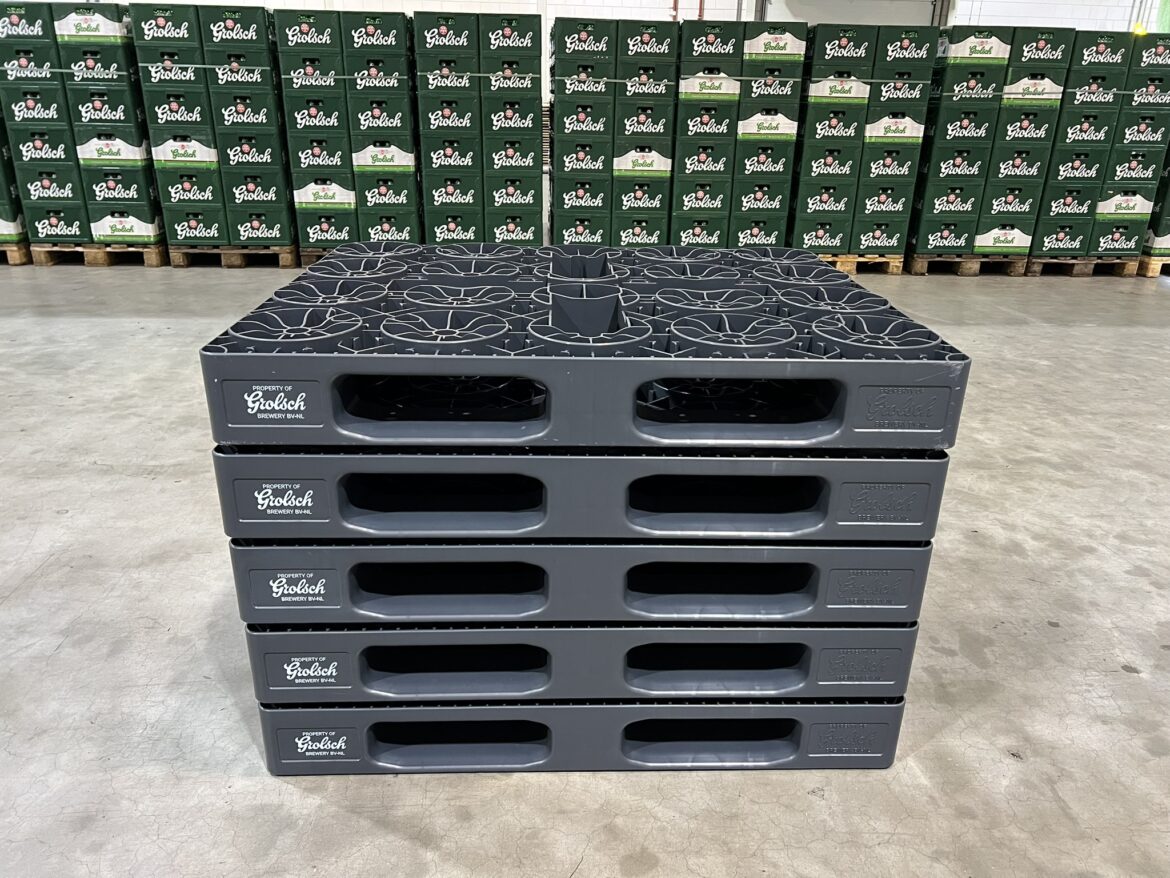
Sustainable reusable packaging specialist Schoeller Allibert and Dutch brewery Royal Grolsch are taking a further step towards a circular economy with their latest joint project: sustainable pallets made from recycled plastic.

The Royal Grolsch brewery in Enschede in the Netherlands combines centuries-old craftsmanship with a forward-thinking approach to innovation. To reach its sustainability targets and address its operational demands, Grolsch has partnered with Schoeller Allibert. The packaging specialist is an expert in material innovations made from recycled plastics – the companies share the common goal of a functioning circular economy.

Old pallets, new problems

The current keg pallets no longer met the company’s needs. Their heavy weight drove up transportation costs and related CO2 emissions, while outdated molds made them harder to source and less reliable. But it wasn’t just about logistics and function – Grolsch also wanted to achieve its ambitious sustainability goals.

“Replacing these pallets was an excellent occasion to consider their environmental implications,” says Joost Nawijn, Packaging Material Development Specialist at Koninklijke Grolsch. “That’s why we wanted a lighter pallet made from recycled material, thus a more sustainable solution.”

Solution for the circular economy

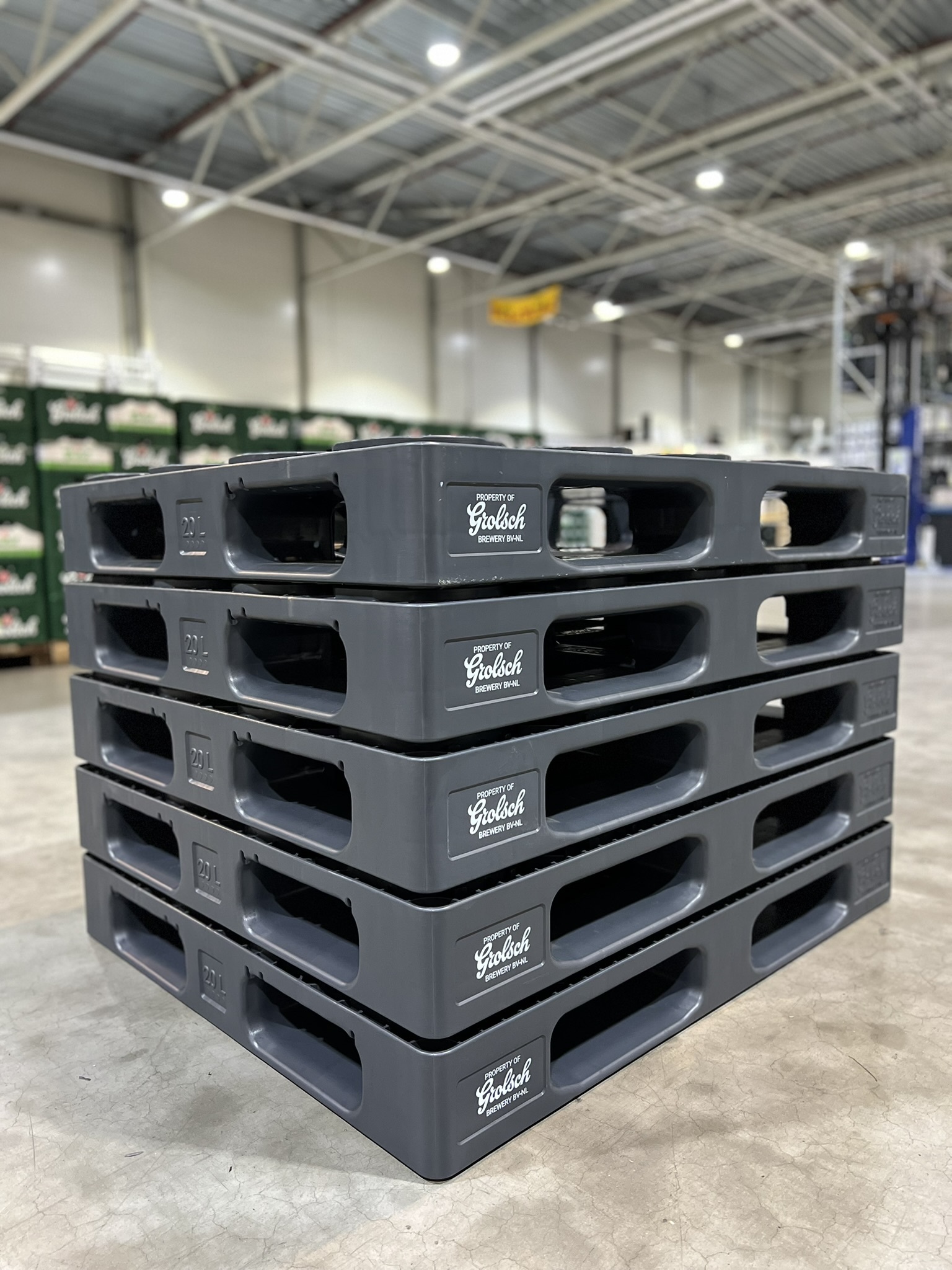
No big task for Schoeller Allibert: the company delivered a tailor-made keg pallet that meets all the brewery’s requirements. The new load carriers are made of 100 percent post-consumer recycled plastic and are also 12 kilograms lighter than their predecessors. Grolsch can therefore significantly reduce the material used.

How has Schoeller Allibert achieved this? The designers achieve the reduced weight of the pallet with the special honeycomb structure, but also through a different production technique. Instead of using a low-pressure process, the experts manufacture the keg pallets using a high-pressure injection molding process. The recycled plastic comes from post-consumer material – i.e. used bottles and packaging that are collected, sorted, cleaned and processed into new products. On the other hand, old pallets (post-industrial material) are also used. This reduces emissions by 83 percent compared to pallets made from virgin materials. Once the load carrier has reached the end of its life cycle, Schoeller Allibert takes it back and recycles it. An example of a functioning circular economy.

Optimum handling, individual design

The new pallet offers even more features for the brewery’s day-to-day operations. The honeycomb structure makes it lighter and stronger. Forklift trucks can also pick it up more easily thanks to the smoother fork entries, which means that hardly any damage occurs. The stackable design enables a seamless transition between old and new pallets, allowing the user to use both versions in parallel. In addition, the stackability reduces the space required for return transportation, which also reduces CO2 emissions – as fewer trips are required.

The new pallets have been in use since January 2025. The close cooperation between Schoeller Allibert and Grolsch resulted in a perfect solution in which improved utilization function, reduced CO2 emissions and cost savings go hand in hand.

“Our intelligent solutions are tailored to the requirements of the Grolsch brewery,” summarizes Vincent Vos, Head of Design at Schoeller Allibert. “To achieve this, our experts listen to what the customer needs, develop a solution and test it until it is successful.”

similar news

Schoeller Allibert Celebrating The Grand Opening Of The New Production Plant


Source link

0 comments
0 FacebookTwitterPinterestEmail
Services

ProMat Debut of AI-Powered Picking Robot

by
written by


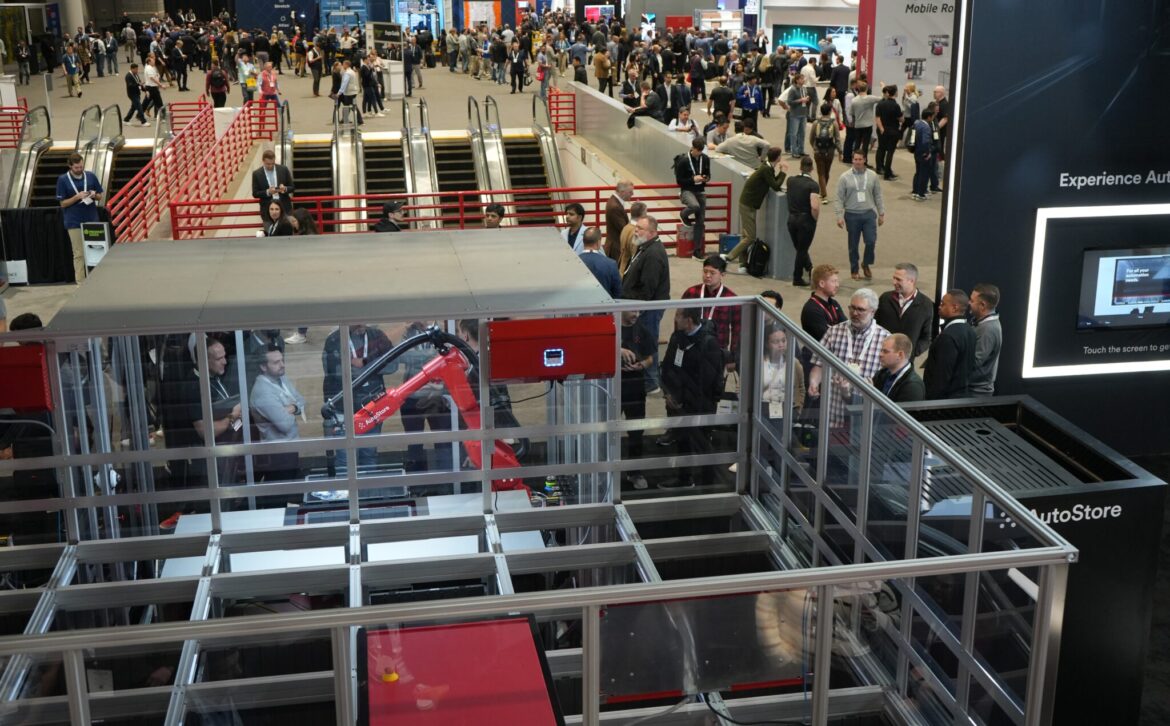
A ProMat Chicago, AutoStore unveiled its first AI-powered picking robot in the U.S. With eCommerce expected to make up 24% of global consumer spending by 2026, businesses must scale quickly to keep up. Consumers now expect seamless shopping experiences and same-day delivery, driving the need for smarter logistics and better inventory management. Meanwhile, labour shortages and rising costs are accelerating automation adoption, with the industrial robotics market projected to grow 14% annually through 2028.

AutoStore’s new robotic piece-picking solution is built for this reality. With near-perfect accuracy and 24/7 operation, it tackles labour-intensive tasks, helping businesses keep pace with demand and compete with retail giants like Amazon. These AI-driven robots learn from every pick, improving over time and sharing knowledge with other machines to boost efficiency.

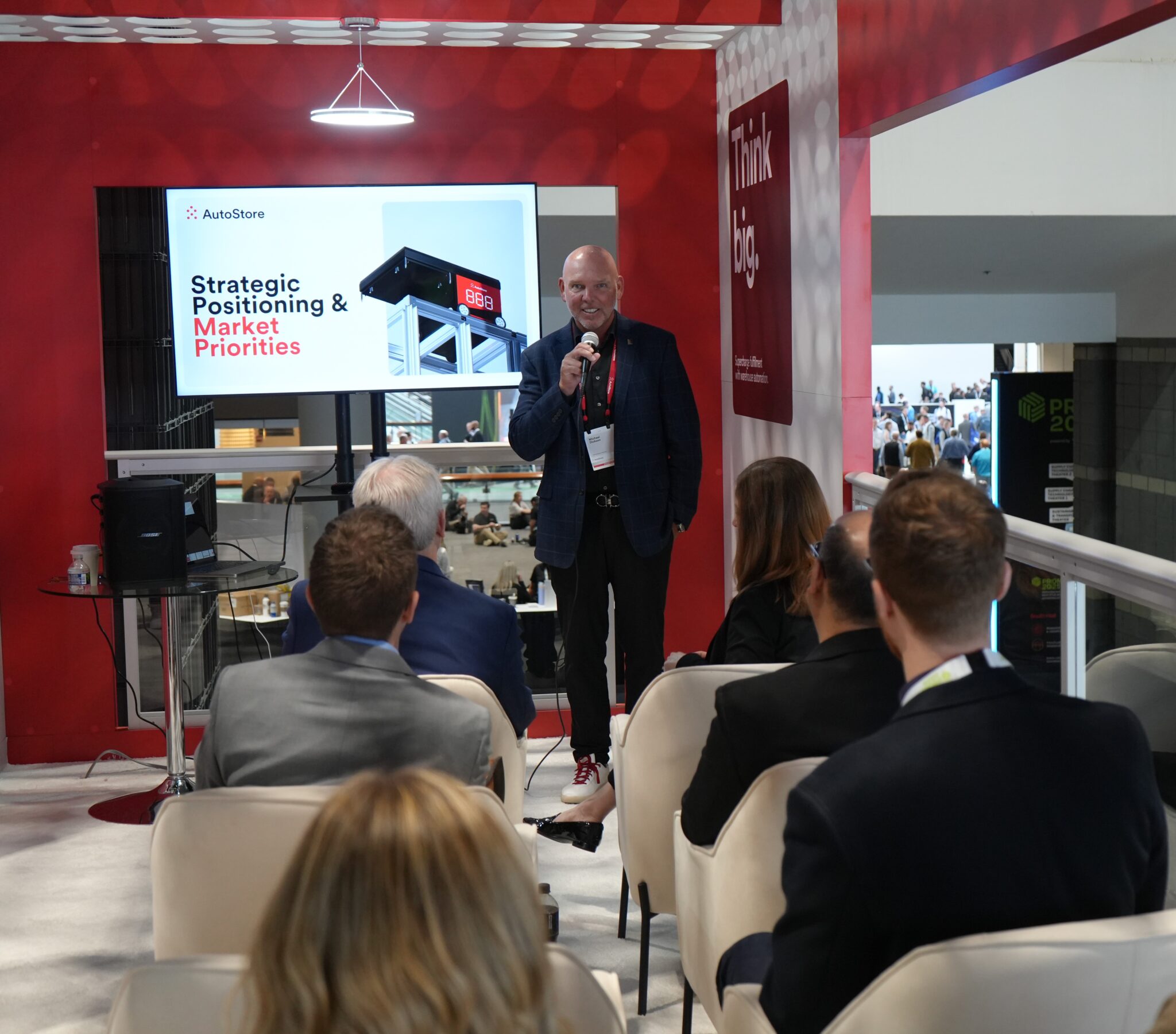
At ProMat, Logistics Business’ Ian Wright spoke with AutoStore SVP of Global Business Developement, Mike Dickson, about the new product lanuches, including the CarouselAI. “It’s kind of the next logical extension of our offering with our extremeley dense cube storage system. Our customers are always looking for ways to drive more efficiency and a better ROI and the Carousel AI, with its piece-picking element, we really think is the next step in that journey for us.”

In terms of the business, Dickson told us, “AutoStore has had a physical presence in the USA since 2017 and we’ve built it up to around 130 people since then and we have high ambitions for the US. We view it as one of our biggest growth market opportunities and we will continue to grow through our partner network here.”

Mike Dickson, AutoStore

“AutoStore continues to lead the industry by driving innovation that enhances customer value and operational efficiency. As companies face increasing demands for speed and efficiency, AutoStore remains committed to delivering transformative solutions that empower our customers, streamline fulfillment, and accelerate digital transformation,” said Mats Hovland Vikse, Chief Executive Officer of AutoStore.

“Last fall, I committed to driving faster and more disruptive innovations as part of AutoStore’s Product 2.0 journey. Today’s unveiling of our latest releases underscores our dedication to customer-centricity, empowering businesses to boost productivity and reduce costs through advanced automation. I’m especially proud of CarouselAI, which leverages automation and AI to better serve our customers, along with a new world-class Essentials Software Package that supports every stage of the customer journey — from pre-sales to system operations and analytics.” said Parth Joshi, Chief Product Officer of AutoStore.

similar news

AutoStore Joins Dematic’s Supply Chain Optimisation Portfolio


Source link

0 comments
0 FacebookTwitterPinterestEmail
Services

How Shippers and Carriers Optimise their Supply Chain

by
written by


In transport logistics, for both shippers and carriers, resources are finite: employee bottlenecks, delays in the yard, external influences on route planning and a lack of transparency force everyone involved in the transport chain to replan at short notice. So, how can shippers and carriers bullet proof their supply chain further? Philipp Pfister (pictured), Sector Vice President at Transporeon, a Trimble company, explores this further.

Continuous Supply Chain Pressures

It’s fair to say that uncertainty is the norm when it comes to working in logistics. And having the ability to adapt quickly in emergency situations is becoming one of the most valuable tricks of the trade. However, with ever changing geopolitical situations, environmental disasters, strikes, and personnel shortages, businesses in the transportation chain will be forced to continue modifying their plans at short notice. Although, when supply chain disruptions occur, it may be necessary to show data across various modes of transportation-and in different time zones-adding additional work and costs and wasting precious time.

Fragmented Systems and Networks

However, the key to solving supply chain disruption lies in digitisation, offering real-time visibility of all shipments across every mode of transportation. But isolated solutions still dominate in today’s modern supply chain, meaning that in a fragmented system, achieving end-to-end transparency or driving efficiency gains remains out of reach.

The more systems in the network have to work with each other, the more difficult it is to exchange information between participants. Large heterogeneous networks therefore require standards that can be recognized, interpreted and processed by different systems – a real challenge. Take telematics systems as an example. With dozens of providers, each tool produces a large volume of data. When shippers or forwarders work with multiple freight companies, systems for analysing different data sources must be integrated.

A resilient, scalable, and forward-thinking solution lies in a cloud-based, transportation management platform. A smart unified platform can bridge shippers, carriers, forwarders, and retailers, allowing them to connect across many channels. It analyzes incoming data from various sources, converts it to a unified standard, and creates a shared pool of data in a standardised format.

Better Interoperability at Dock and Yard

For example, with a dock and yard management tool, businesses can better predict when loads will arrive. In fact, what seem as ad hoc delays, such as strikes or traffic jams, may be part of hidden patterns that are revealed when artificial intelligence (AI) models analyse data over time.

Thus, the leading European logistics service provider LKW WALTER handles over 7,000 FTL (Full Truck Load) transports every day and books around 25,000 time slots per week adopted a smart dock and yard management tool with the aim to simplify the planning complex process for transport partners and drivers. This visibility enhanced the entire supply chain for LKW WALTER. Drivers can now plan their routes more effectively, with knowledge of petrol stations, service areas, and secure parking along the way. Moreover, when all parties — including warehouses — collaborate, time slots can be adjusted in real time. Early arrivals can take the slots of latecomers, and vice versa. This not only simplifies drivers’ tasks but also reduces long waiting times, helping to address the driver shortage problem.

How AI and Machine Learning lend a Helping Hand

By integrating interoperability, data analysis, and using AI and machine learning, companies can make the most efficient use of its resources, all while staying mindful of sustainability. Real-time insights help spot inefficiencies, so companies can reduce empty miles, train employees in eco-friendly driving, and combine transportation resources in smarter ways to cut down on emissions. The magic happens when this is done collectively and carriers can find loads for return trips within the transport management platform, reducing those empty trips.

Today, AI and ML play a significant role in procurement and quotation: Whereas a considerable amount of time was once dedicated to manual research and offer creation, the spot area offer process can now be automated. For instance, companies who utilise a smart autonomous quotation tool allows transportation and logistics providers to prioritise inbound transportation requests and deliver precise spot truck transportation pricing based on forecasted market prices. Quotes are generated according to users’ personalised strategies, with criteria such as margin requirements, transport type or equipment, distance, destination, and pickup and delivery windows. This module relies on a trained forecasting model, enhanced by data science and machine learning algorithms, which continuously improve over time by incorporating the results of previous offers. The more data is transmitted and shared, the more accurate the algorithms become over time.

From freight procurement to transportation processing, dock and yard management, and payment audits, advanced digital solutions powered by AI are already there to help solve specific challenges in logistics. Data hubs on neutral platforms provide valuable insights into logistics processes, market developments and CO2emissions, while visibility tools ensure transparency in supply chains. The challenge is to achieve a global awareness of the need to promote interoperability beyond simple connectivity.

By overcoming technical challenges, setting standards, and enhancing data quality simultaneously, the industry can optimise supply chain interoperability. This enables all stakeholders to concentrate on the key tasks at hand — transporting goods and production materials — and increase customer satisfaction.

similar news

Transporeon Reveals Data-driven Future of Transport Logistics


Source link

0 comments
0 FacebookTwitterPinterestEmail
Services

Beyond Van Racking at CV Show

by
written by


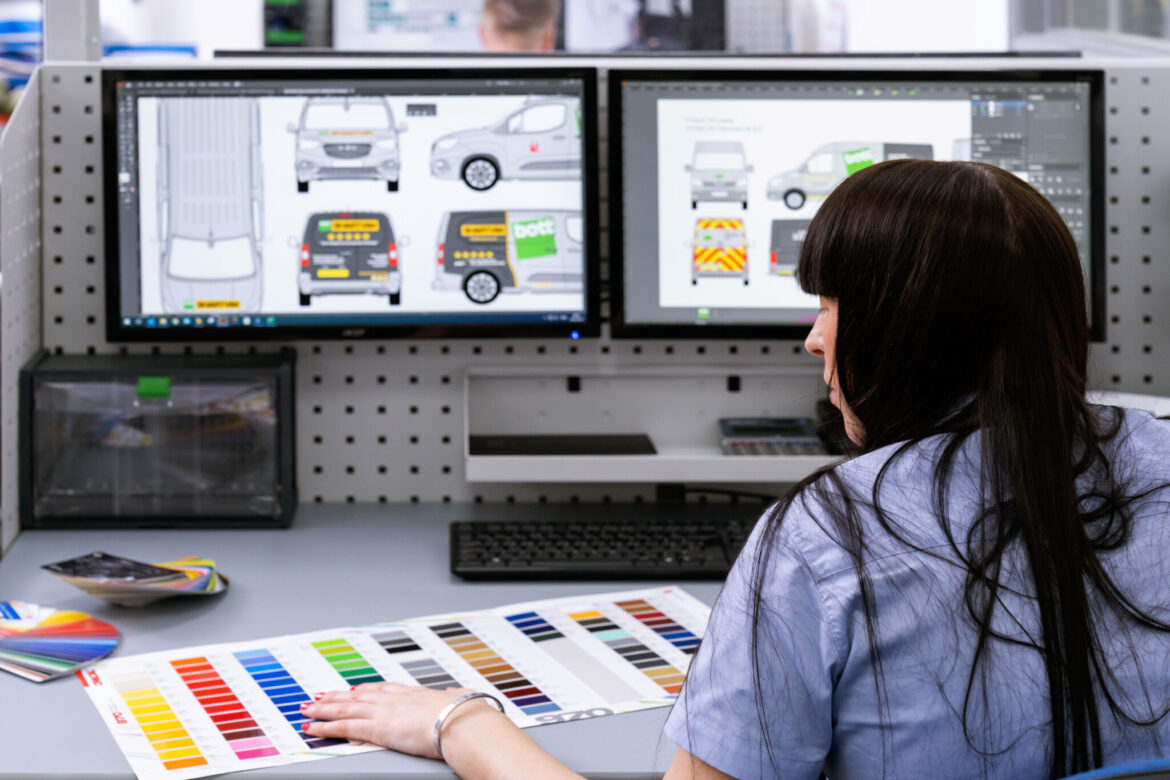
Bott Ltd, specialists in vehicle conversions, is excited to announce its attendance at the Commercial Vehicle Show 2025. With over 45 years of industry experience in the UK, bott is renowned for delivering high-quality, fully integrated vehicle conversion solutions, supporting fleets and trades across all sectors.

Visitors to the bott stand will experience firsthand how the company is redefining vehicle conversions with its innovative approach. While bott is well known for its industry-leading van racking systems, the CV Show presents an opportunity to showcase that bott offers much more – a seamless, end-to-end solution tailored to each customer’s unique needs, regardless of fleet size or industry.

Innovate, integrate, elevate

bott’s expertise extends beyond storage solutions, offering lightweight, crash-tested racking, electrical installations, vehicle graphics, and EV-compatible systems. Supported by a national sales team and a network of accredited fitting partners, bott ensures efficiency, safety, and organisation in every conversion. From consultation and design to installation and aftercare, bott provides a complete service to optimise mobile workspaces for maximum productivity.

Smarter workspaces, stronger fleets

Innovation lies at the heart of bott’s approach. At the CV Show 2025, the company will demonstrate its advanced electrical integration capabilities, featuring power, heating and safety systems, and digital solutions designed to improve efficiency.

Discover the bott toolkit – a digital handover tool that delivers full transparency over fleet conversions, build progress, and centralised management of all vehicle data. With instant job approvals and easy access to digital records, the bott toolkit streamlines processes, reduces errors and enhances efficiency. bott’s integrated solutions help businesses future-proof their fleets, keeping them ahead of industry demands with smart solutions tailored to modern workflows.

Wrap it, brand It, transform it

Each day at the show, bott will be hosting a live vehicle wrapping demo – showing its expertise in action. Visitors can watch as high-quality graphics are applied, highlighting bott’s capability to transform fleet vehicles into powerful brand assets on the road. Also on display are innovative lifestyle conversions, highlighting enhanced vehicle usability.

Meet the Experts

The CV Show is bott’s biggest event of the year – a chance to showcase expertise, engage with customers, and connect with industry partners. The bott team will be on hand to discuss tailored solutions and demonstrate the latest advancements in vehicle conversions. Integrated into their vehicles will be a range of roof storage and security solutions from Van Guard Accessories, as well as CCTV and safety systems from Motormax. These additions boost fleet functionality, security, and driver safety – demonstrating a commitment to providing complete solutions for modern commercial vehicles.

“We’re set to impress at this year’s CV Show, highlighting how we’re pushing the boundaries of what’s possible in vehicle conversions,” said Nick Smith, CEO at Bott Ltd. “This event is not just about showcasing our latest innovations, but also about spending valuable time with our customers, partners, and suppliers. The CV Show is always a fantastic opportunity to strengthen relationships, spark new ideas, and collaborate on the future of fleet conversions. Whether you’ve worked with bott for years or are just getting to know us, we’d love to meet you, hear your thoughts, and explore how we can support your business. See you there!”

similar news

Sustainable Transport Refrigeration at CV Show


Source link

0 comments
0 FacebookTwitterPinterestEmail
Services

Views and Comment from ProMat Chicago

by
written by


Logistics Business’ man in Chicago, Ian Wright, spoke to two CEOs of exhibiting companies at ProMat to take the American materials handling pulse.

Robert McKeel (pictured above), CEO of FORTNA, told Ian: “We continue to grow. We have we’ve grown the business very rapidly from 2020, to today. We’d like to continue that. We think the market still has double digit growth potential over the long term. Obviously, there’s some short term dynamics with the markets that our whole industry is dealing with, in that we’ve looked at ways that we can expand our offerings to customers to meet different needs. So a big focus coming into this year was what I’m gonna call brownfield opportunities. How do we go into existing distribution centres and add more capability for customers so they can get more out of the assets they already own.

“Our partnerships with Packsize and Sitma were one of those initiatives to help go look at their packaging operations, save them transportation costs or increase their throughput through automated packaging. As one example of that, we’ve created some robotic solutions, ‘opti sweep’, that we announced at ProMat two years ago. We’re rolling that out as another brownfield solution to help upgrade, you know, maybe old bomb-bay sorters or tilt tray sorters with robotics and automation to get more throughput.

“So I’ll call, broadly, those asset improvement initiatives to get more utilization and existing assets, and then we’re still looking at new distribution centres for our customers. And largely we’re seeing opportunities around what I’ll call flexible automation, which is the robotic systems like AutoStore or HAI, plus our partners. And in those customers can make shorter term investments because the solutions are flexible, and it’s easy to add on additional storage or additional robots for throughput or capacity, and because of that, you don’t need to create a 10-year business case, you can create a three-year business case and then add on and expand so you don’t put all your money in day one. You can add on your money over time. So those kind of things to help people in a more uncertain environment still invest in the capabilities that they need.”

Jim Ryan, Sentry

We asked Jim Ryan, CEO and Founder of Sentry Protection Products, to tell us a little bit about the new product offering – the configurator – that is brand new for ProMat.

“Well, and going back to how the new product works, and the fact that we can now cover every size column with a combination of three different pieces. Then the challenge for our customers is, okay, how do I put the right pieces in the right places? So what we’ve created and put onto our website is a configurator that simply means that you are able to place into this configurator, the number of columns, the size of the column, the shape of the column. And it automatically, not only calculates how many parts and pieces you do, but it draws you a picture showing how that goes together, and it gives you the results at the bottom. So if you happen to have 20 columns that need a little bit of this and a little bit of that, it automatically puts a list of the items that you need together. It can even quote them, and gives you the results so that it’s not guesswork. You know exactly what you need to cover the columns and the number of columns that you need. Currently, it’s available to our reseller network, but we are very shortly going to put it on to our main website for anyone to be able to do that.”

similar news

Attached at ProMAT Chicago


Source link

0 comments
0 FacebookTwitterPinterestEmail
Newer Posts
Older Posts

Recent Posts

  • LogiMAT 2026: Practical automation & AI define first 2 days
  • Pallet Transport Service Added – Logistics News
  • Automation is Transforming Logistics in India
  • Swarm AGVs for Multiple Flows & Pallet Types
  • Contracts Manage Warehouse Construction Risk

Recent Comments

No comments to show.

Social Connect

Whatsapp

Recent Posts

  • LogiMAT 2026: Practical automation & AI define first 2 days

  • Pallet Transport Service Added – Logistics News

  • Automation is Transforming Logistics in India

  • Swarm AGVs for Multiple Flows & Pallet Types

  • Contracts Manage Warehouse Construction Risk

Newsletter

Categories

  • Services (1,093)
  • Uncategorized (41)

@2024 - All Right Reserved. Designed and Developed by Sierraline Cargo services

Manage Consent
To provide the best experiences, we use technologies like cookies to store and/or access device information. Consenting to these technologies will allow us to process data such as browsing behavior or unique IDs on this site. Not consenting or withdrawing consent, may adversely affect certain features and functions.
Functional Always active
The technical storage or access is strictly necessary for the legitimate purpose of enabling the use of a specific service explicitly requested by the subscriber or user, or for the sole purpose of carrying out the transmission of a communication over an electronic communications network.
Preferences
The technical storage or access is necessary for the legitimate purpose of storing preferences that are not requested by the subscriber or user.
Statistics
The technical storage or access that is used exclusively for statistical purposes. The technical storage or access that is used exclusively for anonymous statistical purposes. Without a subpoena, voluntary compliance on the part of your Internet Service Provider, or additional records from a third party, information stored or retrieved for this purpose alone cannot usually be used to identify you.
Marketing
The technical storage or access is required to create user profiles to send advertising, or to track the user on a website or across several websites for similar marketing purposes.
  • Manage options
  • Manage services
  • Manage {vendor_count} vendors
  • Read more about these purposes
View preferences
  • {title}
  • {title}
  • {title}
Sierraline Cargo Services
  • HOME
  • Services
    • Trade With Us
  • About Us
  • Contact Us
  • private jet
    • BOOK YOUR JOURNEY
  • Track Packages
  • Insurance
  • safekeeping

WhatsApp us