Sierraline Cargo Services
  • HOME
  • Services
    • Trade With Us
  • About Us
  • Contact Us
  • private jet
    • BOOK YOUR JOURNEY
  • Track Packages
  • Insurance
  • safekeeping
Services

Talks about Supply Chain Challenges and Opportunities

by
written by


Professionals from across the logistics and supply chain sector spoke about challenges and opportunities within the industry during a roundtable event held in Derby.

Experts from global brands and logistics giants including Amazon, Toyota and Rolls-Royce shared their thoughts and experiences as part of a series of activities held during the University of Derby’s Logistics and Supply Chain Week 2025.

The influence of customers and how universities can help with a skills shortage in the industry were the hot topics of conversation during the annual week of workshops, conferences and discussions designed to bring together students, academics and logistics and supply chain professionals.

Dr Pouria Liravi (pictured), Senior Lecturer in Operations and Supply Chain Management at the University of Derby, who organised the event said: “Workforce challenges, including skills shortages and the need for industry-academic collaboration to better prepare graduates for the evolving demands of the sector, were discussed during the roundtable event.

“Our aim as a university is to foster long-term collaborations with the logistics sector and to continue having these strategic conversations. We want to continue to have a positive impact regionally, nationally and internationally, and to create opportunities for students where they can gain exposure to a wide range of industry experiences such as live briefs, and immersive training opportunities.

“As the only University in our city and county, we play a critical role as an anchor institution that works side-by-side with thriving global businesses and successful SMEs to drive innovation and solution-focused responses to challenges. Hosting leaders from businesses including Rolls-Royce, Amazon and Toyota demonstrates our commitment to generating opportunity and impact for our learners and partners.”

Dr Pouria Liravi

Dr Liravi said that industry professionals also spoke of the need for graduates to be tech-savvy and to have ‘soft-skills’ which can be transferrable into the workplace, whilst sustainability was also on the agenda. “Industry leaders, academics and professionals emphasised the growing importance of digitalisation with a strong focus on artificial intelligence, automation and data-driven decision-making to enhance efficiency and resilience. Sustainability was another major theme, particularly the need for greener logistics solutions including alternative fuels, carbon reduction strategies and circular economy principles.”

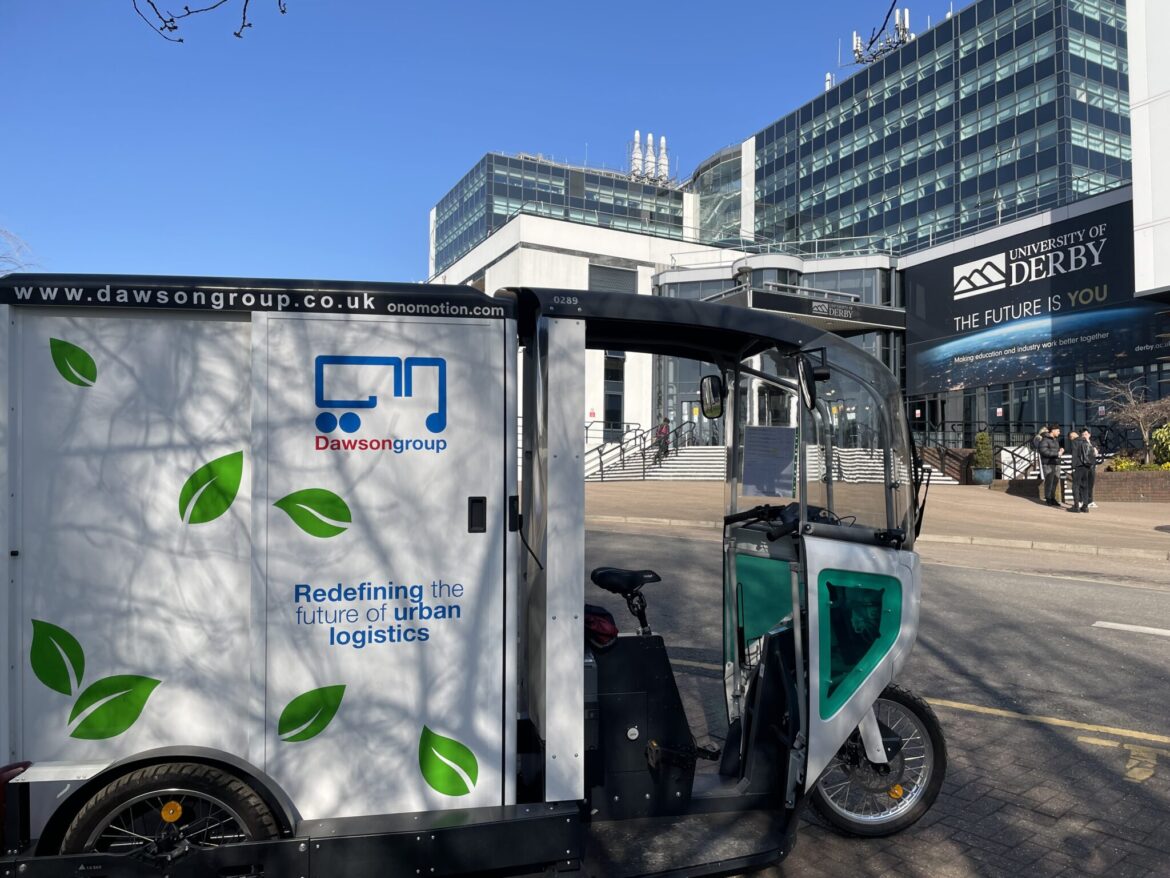
The event also saw a live electric vehicle demonstration from delivery firms DPD and EVRI outside the University’s Kedleston Road site, showcasing the latest innovations in last-mile delivery; the final step in the process of delivering goods to a customer.

Dr Livari added: “The logistics and supply chain management industry is undergoing massive expansion and graduates who can demonstrate both business management and logistics skills, will be in high demand.”

similar news

UK University Launches New Logistics Degree Course


Source link

0 comments
0 FacebookTwitterPinterestEmail
Services

Pioneering Logistics through EDI Digitalization

by
written by


Digitalization has emerged as a cornerstone of modern, responsible operations across all industries, and logistics is no exception. According to a McKinsey & Company report , fewer than 40% of companies worldwide have comprehensively digitized their processes, revealing a considerable opportunity for those willing to embrace new technologies. Companies like Girteka, treat digitalization not only as a means to optimize and accelerate services but also as a foundation for a commitment to responsible logistics. By integrating solutions such as Electronic Data Interchange (EDI) in practice, Girteka is bringing additional value to typical services of road transport.

What is EDI and why it matters

EDI (Electronic Data Interchange) is the structured transmission of data between organizations electronically, replacing paper documents such as invoices, orders, and shipment notifications. It ensures a standardized format – minimizing manual entry, reducing the risk of errors, and streamlining processes.

Key benefits of integrating EDI into operations are:

• Efficiency gains: Automating data transfer prevents time-consuming manual tasks and lowers the chance of human error.
• Scalability: EDI is well-suited to large-scale, repeated data transfers, as it is within the logistics.
• Transparency: EDI offers improved visibility, a critical factor in logistics where minute-by-minute tracking can significantly impact decisions.

Despite recent advancement in AI and API (Application Programming Interfaces) solutions, EDI still is the fundamental solutions for companies to cooperate effectively and efficiently.

“We can see that more and more customers are looking for automation solutions and simplifying their operational processes while working with carriers. Summarizing recent period, we grew 10 times on the usage of EDI from 2020,” explains Lina Lipske (pictured), EDI Solutions Team Lead, at Girteka.

According to Metastat , the global digital market, including solutions like EDI, is expected to expand substantially over the coming years, with CARG at level of 9.2%, largely driven by the manufacturing and retail sectors.

EDI in the logistics sector

Within Europe, EDI has long been an integral element of logistics, particularly among high-volume shippers and retailers who value dependable, cost-effective communication. From a sustainability perspective, EDI also aligns with the growing emphasis on responsible logistics – replacing paper-based processes, minimizing administrative overhead, and allowing for more accurate load planning to reduce emissions.

Benefits of EDI for Customers and Partners

1. Efficiency and Accuracy
By automating data exchange, EDI solutions drastically reduce the potential for errors. A Deloitte study on digital transformation found that organizations integrating end-to-end digital workflows can reduce manual errors by up to 80%.
2. Faster Processing
Real-time data transmissions allow for immediate processing of orders, invoices, and updates. In logistics, timely information can be the difference between an on-schedule delivery and costly delays.
3. Cost Reduction
Eliminating paper, postage, and manual labor decreases operational expenses. This also aligns with Girteka’s broader drive for environmental responsibility.
4. Strengthened Relationships
Faster responses and transparent communication bolster client trust and loyalty. Gartner research points out that businesses with robust digital collaboration see higher client retention rates.
5. Sustainability
Reducing reliance on paper and cutting down on errors supports Girteka’s mission of minimizing waste and emissions. This fosters a more responsible and environment-friendly logistics ecosystem.

Growth in EDI integration

Girteka has consistently focused on innovative and responsible digital solutions to optimize efficiency and reduce emissions. “Over the past year, we saved more than 32,000 hours of manual order updates, translating directly into both lower administrative costs and a smaller environmental footprint. Today, over 3,500 customers leverage our digital capabilities for real-time visibility, and an impressive 40% of all orders are processed through digital channels – up from just 4% in 2020. This is an outstanding results taking into account average in the sector,” -summarizes Lipske.

The Future of Data Exchange

Despite the rapid adoption of real-time data exchange methods, EDI remains a mainstay in logistics due to its reliability and compatibility with legacy systems. At the same time, APIs continue to gain traction among businesses that require instant data updates and advanced tracking capabilities. According to the World Economic Forum, fully digitizing supply chains could unlock billions of dollars in global value each year, suggesting that both traditional and emerging solutions play a valuable role.

Girteka, recognized for its progress in digitalizing logistics, is implementing the following initiatives to further support and expand customers’ operational requirements:

• AI/ML-Driven Document Reading: By converting Excel files, PDFs, and email text into structured data, this planned innovation aims to reduce manual tasks for customers and integrate information seamlessly into their own systems or platforms. This not only saves time but also minimizes the risk of errors, ultimately improving overall supply chain efficiency.
• Flexible Integration Options: Supporting multiple data exchange formats and methods allows partner businesses to avoid extensive system overhauls. This flexibility is intended to simplify onboarding for customers, enabling them to choose the most suitable integration method for their processes and technological setup.
• Customer Portal Self-Service: Girteka’s portal initiative seeks to offer greater visibility and autonomy for customers. By reducing reliance on manual communications, portals can lower the chance of errors and provide on-demand access to shipment statuses, documentation, and other critical information, enhancing transparency.

By combining established technologies like EDI with real-time APIs and advanced analytics, digital solutions can be designed to bring simplicity, error reduction, speed, and accuracy. As a result, all stakeholders can collaborate more effectively, co-creating optimized supply chain solutions that benefit the entire logistics ecosystem.

Charting the Path for Responsible Digital Logistics

“By harnessing EDI and APIs – alongside emerging technologies such as AI, machine learning, and customer self-service portals – a logistics ecosystem characterized by efficiency, transparency, and reduced environmental impact becomes increasingly attainable,” says Stasys Mikelionis, Chief Enterprise Architect at Girteka.

Digital tools in logistics, such as Electronic Data Interchange (EDI) and APIs, have already transformed operations by improving efficiency, accuracy, and transparency. Data shows that automation through these solutions significantly reduces manual errors and processing times, offering clear benefits for both large shippers and smaller partners.

similar news

Costa Coffee Selects Global EDI


Source link

0 comments
0 FacebookTwitterPinterestEmail
Services

New Forklifts at ProMat

by
written by


17th March 2025

Logistics BusinessNew Forklifts at ProMat

Bobcat Company is showcasing two new forklifts which offer industry-leading features at ProMat 2025, March 17-20 at McCormick Place in Chicago. The DV160S-9 and D45S-9 will be introduced along with several other cutting-edge Bobcat products.

Located at booth S4138 in South Building, Hall A, the Bobcat booth also features a wide selection of electric counterbalance forklifts, diesel pneumatic tyre forklifts and electric rider pallet jacks.

High-Capacity Diesel Pneumatic Tyre Forklift

The DV160S-9 is engineered for demanding applications that boost business productivity with a high-output diesel engine, increased control and enhanced reliability. The new forklift helps operators achieve optimal productivity with class-leading travel speeds and lift speeds along with having one of the tightest turning radiuses in the industry.

It is designed to reduce fatigue and elevate productivity with its fully adjustable suspension seat and redesigned floating cab supporting greater operator visibility. The pressurized cab supports lower noise levels, while the automatic heat and air conditioning system keeps operators comfortable in various work environments.

The D45S-9 expands Bobcat’s long tradition of delivering forklifts with reliable performance. With its powerful 3.4-liter D34 diesel engine, the midsize product has some of the lowest overall costs of ownership of any competitive forklift on the market.

Supporting a lower total cost of ownership is its fuel-efficient engine that allows the user to choose from either Standard Mode or Eco Mode, with Eco Mode saving on fuel costs. The engine and transmission are designed for fewer scheduled maintenances to save the operator time and money.

Electric Forklift Lineup

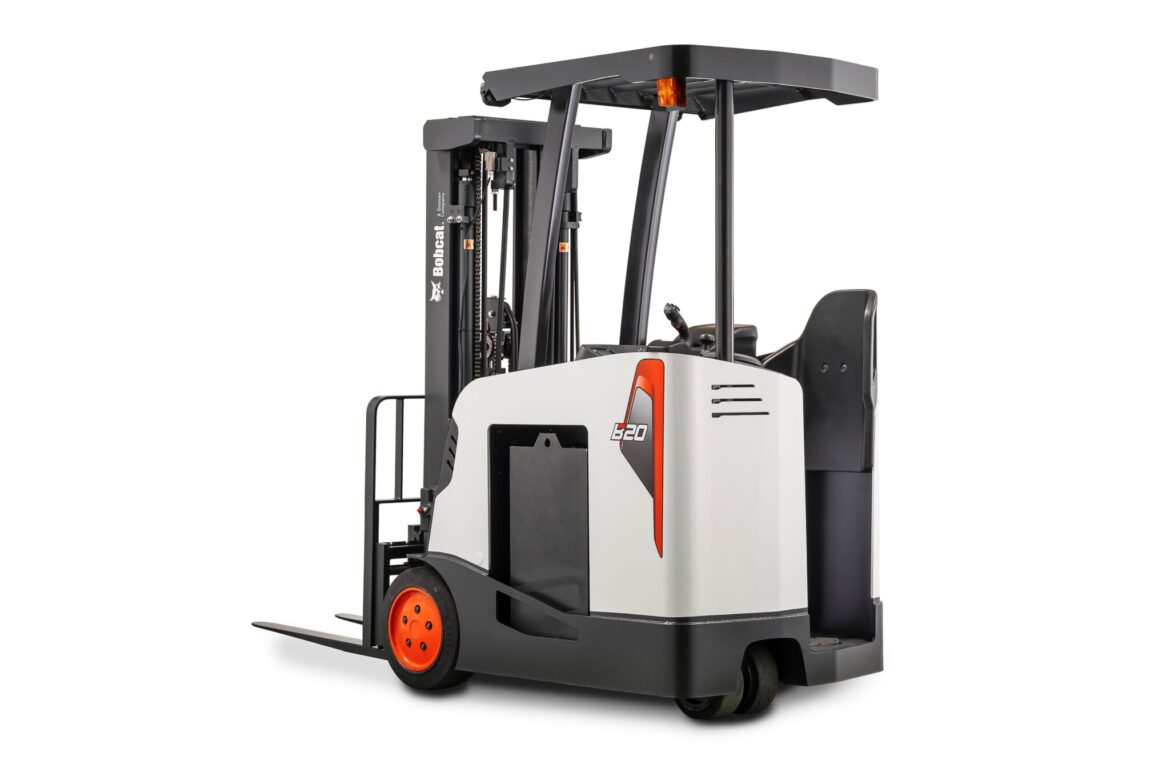
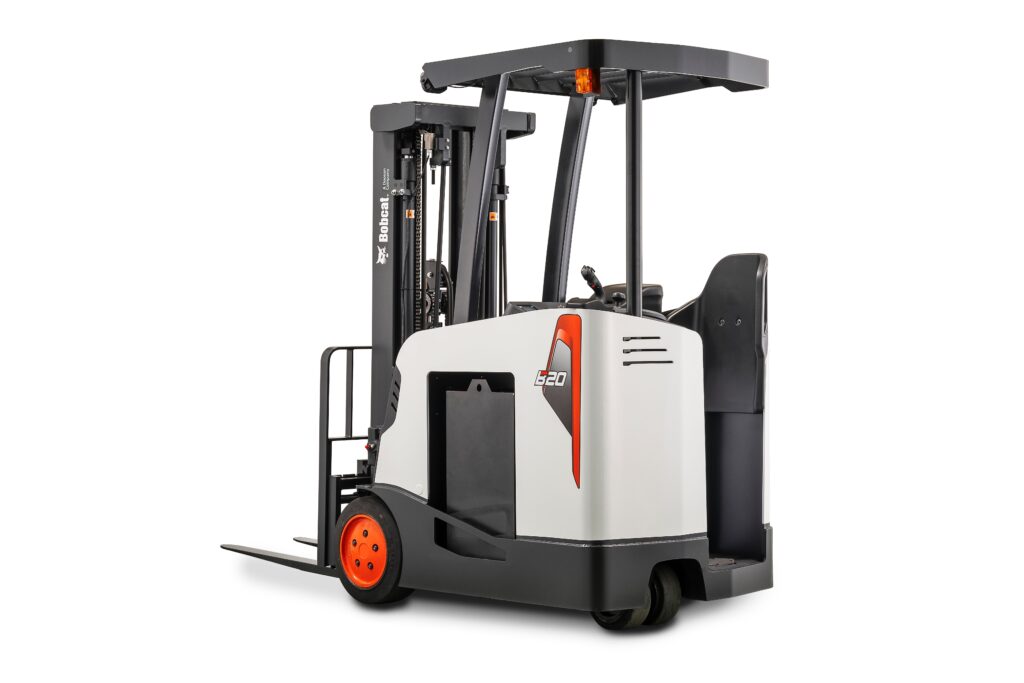
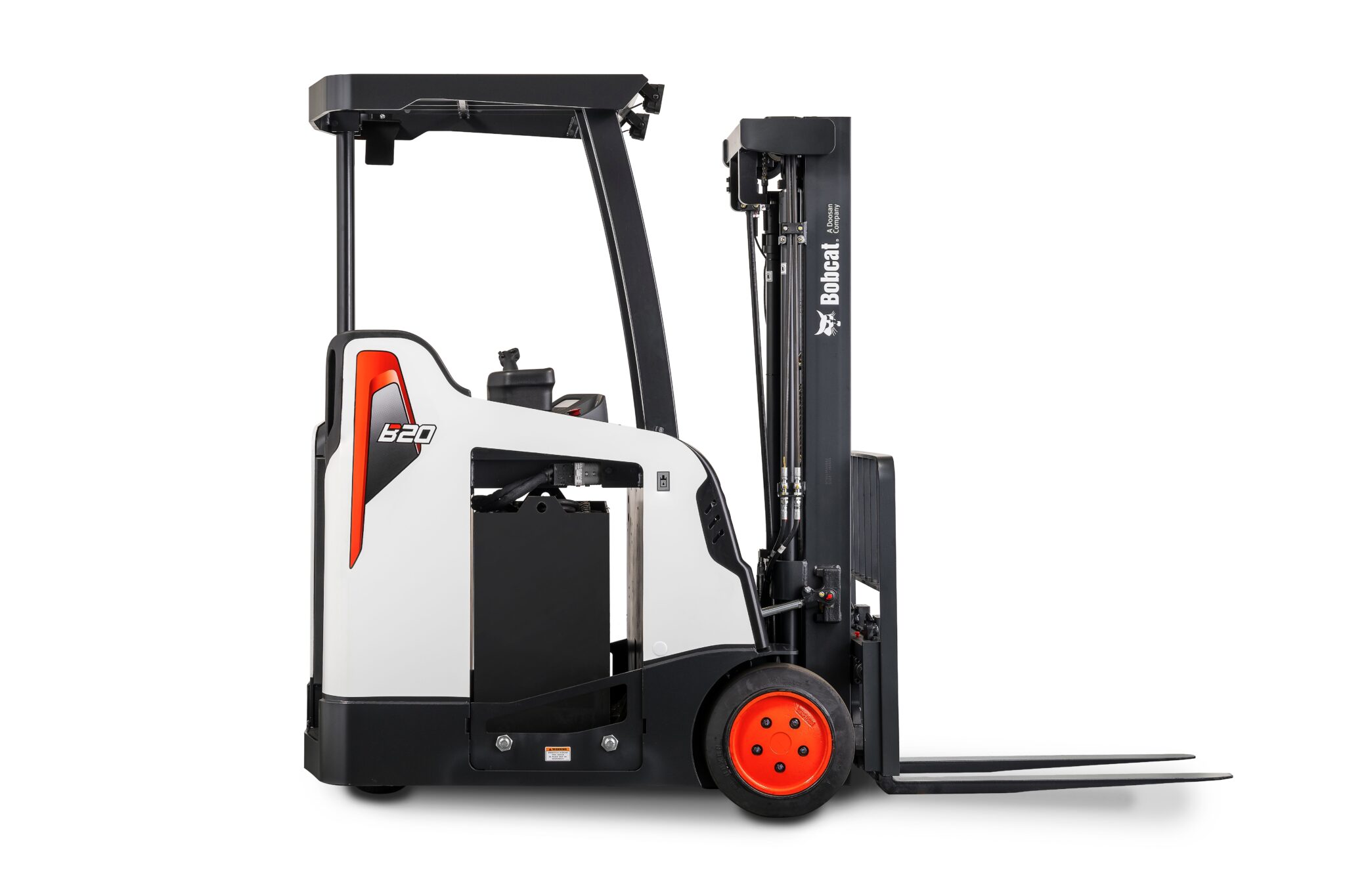
The exhibit will showcase select electric forklifts from Bobcat. The B20T-7 is a three-wheel electric counterbalance forklift, which is available in cushion/pneumatic tire. With a small chassis size that fits where others cannot, it is set to boost production, minimize stress and enhance visibility for the operator.

The B20SU-9 is an electric stand-up rider narrow aisle forklift that is designed to pack a whole lot of productivity into a small dynamic package. With reliable all-AC power, the 36-volt electric counterbalance makes it a favorite for users in any setting they find themselves in.


Source link

0 comments
0 FacebookTwitterPinterestEmail
Services

Contract Packing Digitalisation

by
written by


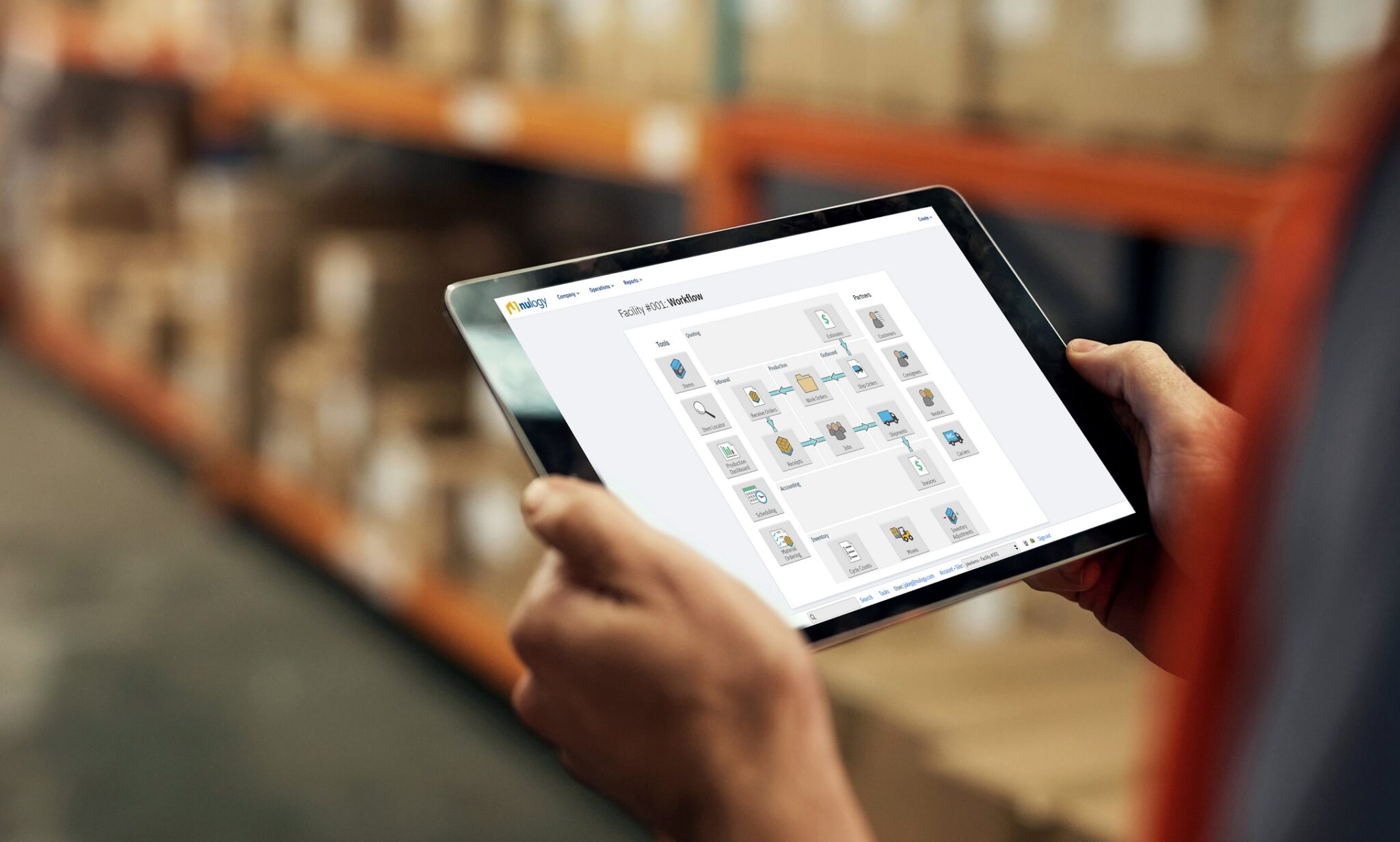
Food logistics proovder Nagel-Group is driving forward the digitalisation of its co-packing activities. With the implementation of Nulogy’s ‘Shop Floor Solution’ at over 50 locations in Europe, the company is optimising its processes and increasing both flexibility and responsiveness along the supply chain.

Following successful test installations at the Eschweiler and Deißlingen sites, Nagel-Group decided to establish Nulogy’s solution as the standard for its entire European co-packing network. The innovative software enables improved operational control over packaging and production processes and helps to increase efficiency throughout the supply chain.

Josephine Coombe, Nulogy’s Chief Commercial Officer for Europe, said: “We’re delighted to be selected by Nagel-Group as their system of record for contract packing, after the successful implementations at two trial sites. As brand customers increasingly seek collaborative and responsive partners to ensure a resilient external supply chain, digitalisation ensures that innovative logistics partners enjoy a significant competitive advantage in the market.”

Founded in 1935, Nagel-Group has a turnover of 2.2 billion euros and 11,000 employees. By standardising on Nulogy, Nagel-Group not only optimises its co-packing activities, but also improves flexibility and traceability – crucial elements in the food supply chain.

“Our partnership with Nulogy is an important step towards the further digitalisation of our service offering,” adds Jens Kleiner, Chief Operating Officer of Nagel-Group. “With its scalability and focus on operational excellence, Nulogy is the ideal partner to support our growth.”

Nulogy also sees the collaboration with Nagel-Group as a significant milestone. “Digitalisation is key to unlocking value added service opportunities across the supply chain and having one, unified platform ensures visibility and flexibility across multiple locations”, says Jason Tham, CEO of Nulogy. “We are thrilled that a leader such as Nagel-Group has chosen Nulogy as its software partner to power its co-packing and value-added services across Europe.”

Michael Lütjann, Chief Information Officer at Nagel-Group, adds: “Digitalisation is a key component of our strategy to provide our customers with excellent logistics solutions. The introduction of the Nulogy platform gives us real-time visibility into workflows, allowing us to make faster and more informed decisions.”

similar news

Digitalisation Enables Contract Packer to Streamline Operations


Source link

0 comments
0 FacebookTwitterPinterestEmail
Services

Consider all Forklift Fuel Types

by
written by


As government targets of net-zero carbon emissions approach, many companies are looking for ways to make their operations as sustainable and environmentally friendly as possible. But switching from IC engine counterbalance trucks to electric powered, might not be the correct solution for all applications.

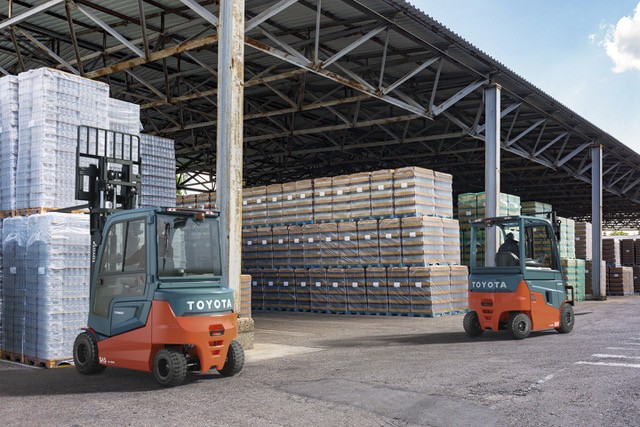
Forklift truck supplier Toyota Material Handling is encouraging any companies looking to renew their fleet, to make sure they have considered all fuel sources before making a purchasing decision, including exploring the use of biofuels to help reduce the carbon footprint of IC trucks.

“Europe’s forklift users have been migrating from IC engine trucks to battery electric machines on a huge scale for more than 20 years,” says Paul Bowers, Counterbalance Truck Specialist at Toyota Material Handling UK. “In fact, the decline in demand for engine trucks has been so dramatic, that some lift truck manufacturers have stopped producing diesel and LPG-powered forklifts completely,” he adds.

But with the surge in electricity prices that followed the Covid crisis, and the invasion of Ukraine, pushing up the cost of recharging a truck battery, the substantial long-term financial benefits associated with replacing gas or diesel trucks with electric models have reduced.

Forklift Fuel Types

Furthermore, there is growing concern that the continued reliance on fossil fuel in the generation process means electricity can be less environmentally friendly than many people think. In 2023, a third of the UK’s electricity supply still came from fossil fuel power.

Bowers says: “The emergence of these issues surrounding the financial and environmental benefits of running electric trucks has led some companies to question whether swapping engine trucks for electric models remains the best strategy for them. At Toyota we believe that despite higher electricity costs and the understandable frustration over the way electricity is produced, the business case for electric trucks can be compelling. But, while battery-powered trucks are still the optimum truck choice for many applications, they are not necessarily the best option for everyone.

“Toyota is at the forefront of the evolution in alternative forklift fuels, including biofuel and hydrogen, and we aim to ensure that each Toyota client receives the most appropriate handling solution powered by the engine type and fuel source that is best suited to the requirements of their application.

“For some clients ‘going green’ doesn’t automatically mean ‘going electric’. Because we offer, and service, a wide range of electric and engine-powered machines, Toyota truck users know they will receive expert advice to ensure that they receive the correct truck and fuel combination that meets their unique needs perfectly.”

similar news

Final Linde 392/393 IC Rolls Off Production Line


Source link

0 comments
0 FacebookTwitterPinterestEmail
Services

How to ensure Safety in Intralogistics

by
written by


15th March 2025

Logistics Business[Podcast] Safety First: How to ensure Safety in Intralogistics

Warehouse safety is a growing concern, with thousands of industrial truck accidents reported annually—many happening while reversing. In this episode of Logistics Business Conversations, experts Elke Karnarski and Fabian Zimmermann from Linde Material Handling break down the biggest safety risks in warehouses and Intralogistics and what can be done to prevent them.

From AI-powered cameras that detect pedestrians to speed control zones and real-time monitoring, we reveal the latest innovations designed to cut down on injuries and fatalities. Plus, why investing in safety now saves companies thousands in the long run. Tune in to find out what’s really happening behind warehouse doors—and how to stay ahead of the risks.

Fabian and Elke from Linde Material Handling - Intralogistics SafetyFabian and Elke from Linde Material Handling - Intralogistics Safety

One of the most shocking insights? Even food warehouses can be high-risk zones for explosions, requiring specialized, explosion-proof forklifts to prevent disaster. Meanwhile, AI-driven safety tech is making waves, with Reverse Assist Cameras and wearable pedestrian detection helping to reduce collisions in busy warehouse environments. As speed-related accidents rise, smart Speed Control Zones are balancing safety with productivity. And with major players like Nvidia stepping into warehouse safety, the future of logistics is getting smarter—and safer.

Are warehouses doing enough to prevent accidents? Listen now to find out what’s really happening behind the scenes—and how to stay ahead of the risks.

Click here to listen to this episode and more


Source link

0 comments
0 FacebookTwitterPinterestEmail
Services

Robotics Help Philips Factory Logistics

by
written by


14th March 2025

Logistics BusinessRobotics Help Philips Factory Logistics

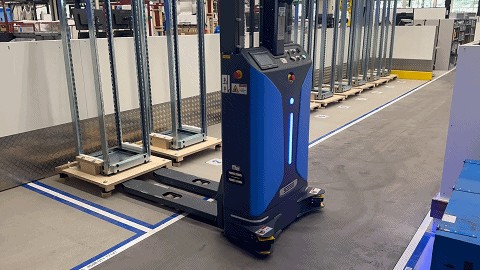
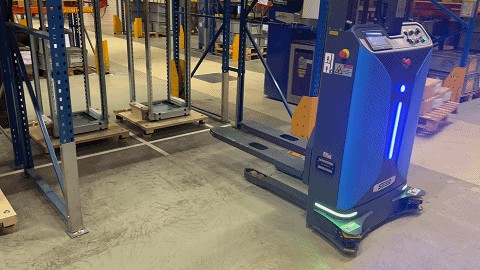
Recently, in order to accelerate the automation and digitization of warehouse racking transfer, and to reduce the manual handling workload, Philips Netherlands factory has introduced the CE-certified forklift SFL-CDD14-CE , which not only reduces the intensity of manual work but also eliminates the safety hazards in the operation area, and significantly improves the overall transfer efficiency of the warehouse.

Philips site needs and challenges

In Philips factory operations, the transfer of racks between the warehouse and the production area faces a number of challenges and needs:

– Automate and digitize the transfer: Traditional methods of transferring racks in the warehouse rely on manual handling, which is inefficient and error – prone. Philips wanted to introduce an automated solution to enhance logistics efficiency and management.
– Reduce manual handling workload: The shelves are high and heavy, making manual handling very intense. This can easily lead to employee fatigue and workplace accidents. Therefore, there was a need for equipment to replace manual handling.
– Ensure the safety of shelf transfer process: There are potential safety hazards during shelf transfer, such as tipping and collision. Effective safety measures are needed to ensure the safety of personnel and equipment.
– Flexible adaptation to production needs: Production plans may change at any time. The shelf transfer program needs to be able to quickly respond to production changes to achieve flexible scheduling and efficient operations.

Highlights of the Solution

  • – CE-Certified, Ideal for Overseas Markets
    SEER ROBOTICS offers various types of CE-certified autonomous forklifts. The products are internally equipped with SEER ROBOTICS’ Safety Controller for Autonomous Forklift SRC-3000FS. The SFL-CDD14-CE product selected by Philips has CE and UL certifications and has passed the ISO3691-4 certification, enabling worry-free export to the European market.

  • – Rotational Charging, More Flexible and Efficient
    According to the area division at the Philips site, the charging area for autonomous forklifts is relatively narrow. To solve this problem, SEER ROBOTICS has set up a ‘rotational charging’ mode. The forklifts operating on site are charged in sequence, achieving an even distribution of power and avoiding power depletion situations. Based on this, it not only improves the charging efficiency and extends the service life of forklifts but also reduces energy waste.
  • – Multiple Measures, Ensured Safety
    The SFL-CDD14-CE has extremely high safety attributes. The fuselage is equipped with 3D obstacle-avoidance cameras, distance sensors, etc., achieving 360-degree three-dimensional safety protection. According to the on-site environment, SEER ROBOTICS has set the optimal forklift operation routes, working hours, and pallet placement positions, and has finely adjusted the forklift identification parameters and safety parameters to achieve both safety and efficiency. In addition, a specific safety area is set up. In case of an unexpected situation, it supports a one-click arrangement for forklifts to go to the designated area.
  • similar news

Humans and Robots: How Collaboration is Shaping Logistics


Source link

0 comments
0 FacebookTwitterPinterestEmail
Services

Mezzanine Floors Up and Away

by
written by


Geoff Green of MiTek discusses all things mezzanine with editor Peter MacLeod, covering space optimisation, flexibility, installation and safety.

In the ever-evolving logistics industry, optimising warehouse space is crucial for operational efficiency. One effective solution gaining prominence is the implementation of mezzanine systems. In a recent episode of “Logistics Business Conversations,” host Peter MacLeod discussed this topic with Geoff Green, Sales Director at MiTek, shedding light on the benefits and considerations of
mezzanines in logistics.

Before we get into the meat of the conversation, MacLeod first asked Green for a generic definition of a mezzanine, as the term can sometimes be misunderstood. He described mezzanines as intermediate floors installed between the main floors of a building, effectively doubling or tripling usable space without the need for external expansion. In warehouses, they serve various purposes, including storage, office space, and production areas, allowing businesses to maximise vertical space and improve workflow efficiency.

There are several key reasons why logistics businesses choose to specify mezzanine systems, prime among them being the need to optimise available space. Mezzanines enable companies to utilise ‘spare’ vertical space, alleviating the need for building extensions or even relocation to larger premises. This is particularly beneficial in urban areas where real estate costs are highest.
Mezzanines are considered a cost-effective method to achieve this compared to the cost of constructing new facilities, providing additional space without significant capital investment.

Flexibility is another reason they are popular: mezzanine structures can be customised and reconfigured to meet changing operational needs, offering adaptability as businesses grow or diversify,
for example if a 3PL gains a contract that involves product that is significantly different in weight, size, volume or shape to its existing SKUs.

Furthermore, by designating specific functions to mezzanine levels, companies can streamline processes, reduce congestion on the main floor, and enhance overall productivity.

Addressing Installation Concerns

A common concern cited by customers when discussing a mezzanine installation is the potential disruption to the facility’s regular operations. However, Green was keen to dismiss this fear, emphasising that with proper planning and coordination, installations can be executed with minimal impact on daily operations. For example, scheduling work during off-peak hours and maintaining clear communication with all stakeholders are key strategies to ensure a smooth installation process.

With safety considerations paramount in any warehouse environment, mezzanines must comply with building regulations and safety standards to protect both personnel and equipment. This includes installing appropriate guardrails, ensuring load-bearing capacities are not exceeded, and providing safe access points such as stairs or lifts. Regular inspections and maintenance are also essential to uphold safety standards.

Green says that the long-term benefits of mezzanines can be guaranteed by designing layouts that can accommodate future changes, something at which he says MiTek is particularly skilled. By creating a futureproofed design, businesses are better able to accommodate expansion in volume, technological advancements, and evolving industry practices. Green advises involving experienced designers and engineers in the planning stages to create such flexible and scalable mezzanine solutions.

Case Study: Successful Mezzanine Implementation

A notable example of a successful mezzanine installation quoted by Green is a leading eCommerce company in the UK that faced challenges with limited warehouse space due to rapid growth. By installing a mezzanine system, it effectively doubled its storage capacity within the existing facility. This not only saved costs associated with building a new warehouse but also improved order fulfilment times by enhancing the organisation of inventory and streamlining picking processes.

In summary, mezzanine systems offer a practical and cost-effective solution for businesses seeking to optimise warehouse space and improve operational efficiency. By addressing installation
challenges, adhering to health and safety standards, and designing flexible layouts, companies can leverage mezzanines to support growth and adapt to the dynamic logistics landscape.

For a more in-depth discussion on mezzanines in logistics, visit the Logistics Business website and click on the ‘podcasts’ tab to listen to the full episode of “Unlocking the Levels: Exploring
Mezzanines in Logistics” featuring Geoff Green of MiTek.

similar news

How to get an Accurate Cost for Mezzanine


Source link

0 comments
0 FacebookTwitterPinterestEmail
Services

Alternative Fuel Developments

by
written by


For distribution operations on sea or land, by far the biggest daily cost is fuel. Added to this is the pressure to go green for very many reasons, writes Richard Shepherd-Barron.

The use of alternative fuels to fossil-derived products across a wide range of logistics applications continues to increase as companies move forward into more environmentally friendly operations with zero or low emissions – electricity, hydrogen, compressed natural gas (biomethane) or methanol.

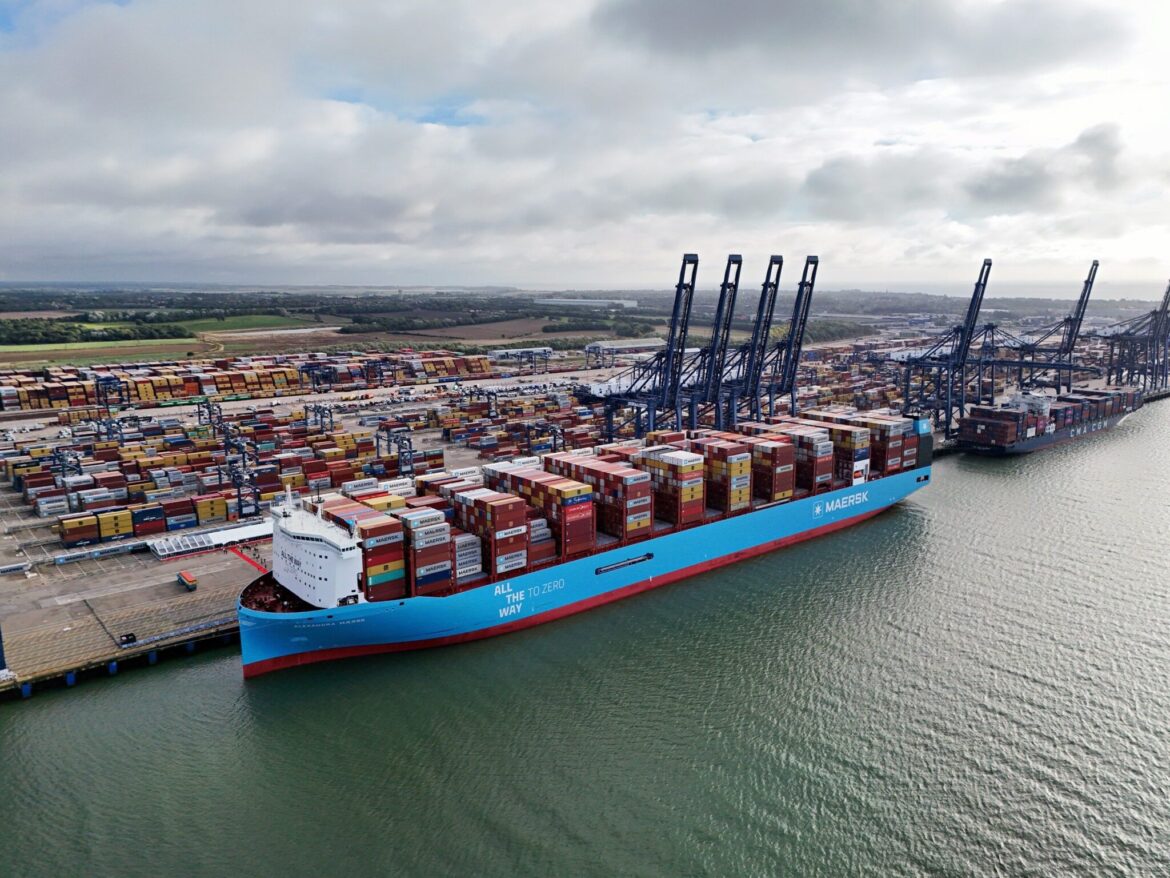
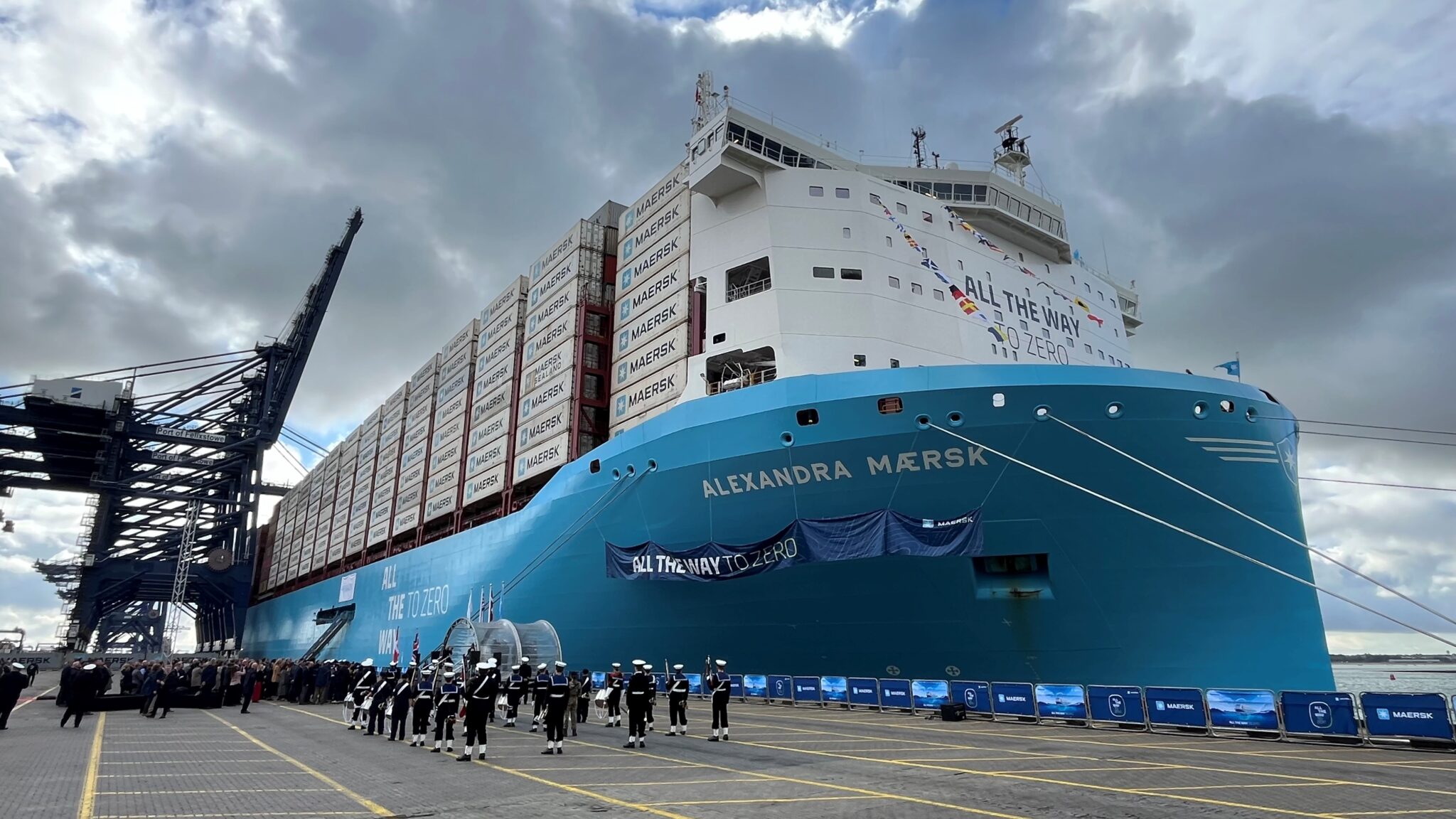
Now that many retailers have rigorous sustainability policies, this means that they will be seeking out and then favouring ‘green’ partner companies over their less sustainable competitors. An example this is the introduction by Maersk of the fifth ship in a series of 18 large dual-fuel methanol vessels scheduled for delivery from last Autumn through 2025. The ‘Alexandra Maersk’ (pictured) – 47,700 tonnes and 16,592 TEU – was named in a ceremony at Felixstowe last October. These new methanol-enabled ships are at the core of Maersk’s ambitious decarbonation plans as low emission methanol can reduce the greenhouse gas (GHGH) emissions by 65 to 90 per cent.

A major user of Maersk’s services is the well-known British and international retailer Primark, which employs more than 80,000 people across 17 countries. Their CEO, Paul Marchant, said during the naming ceremony: “We’re committed to reducing the impact we have on the environment across our entire operation, including our supply chain. Through our partnership with Maersk we’ve started to introduce green fuel alternatives when shipping our products by using Maersk’s ECO Delivery Ocean product and replacing fossil fuels with green fuel alternatives, we’re reducing our greenhouse gas (GHG) emissions in our ocean shipping.”

On a rather different scale, Carisbrooke Shipping, based in the Isle of Wight and Rotterdam, operate 26 vessels between 5,000 and 17,000 tonnes in European waters. Natalia Walker of Carisbrooke explained: “We’re part of a consortium, led by Carnot Ltd, which has been awarded £2.3 million to deploy its 70% efficient 50kW marine hydrogen engine to provide auxiliary power on a general cargo vessel. The project will explore how hydrogen can be used to generate electrical power on board cargo vessels. The demonstrator vessel – the ‘Kathy C’ (4,151 tonnes) – is a UK-flagged general cargo vessel designed to carry multiple types of dry cargo from grain to aggregates and is scheduled to undergo real-world testing this year.”

The Carnot 50-kW engine is a precursor to 200 to 400kW auxiliary engines, and eventually to 1 top 10MW main engines. The hydrogen fuel is supplied by Compass Syngas Solutions, based in Deeside, Wales, who secured almost £4 million in government funding to make its biomass and waste-to-hydrogen plants even greener by using carbon capture from its hydrogen production from waste wood and other selected non-recyclable materials.

Electric Vans

On land, many developments are taking place, very much dependent on operating requirements: Vauxhall has started customer trials with its Vivaro hydrogen van, involving some of the UK’S largest fleets. James Taylor, Vauxhall’s MD, said: “As the UK’s best-selling electric van manufacturer for the past three years, we’re already leading the way in electrifying Britain’s businesses.” To emphasise this, Royal Mail have just taken delivery of their 6,000th electric vehicle.

Marks and Spencer have introduced 85 lower emission vehicles to its fleet. Five of these are battery electric Renault 42-tonne units which will deliver to 30 M&S across London and the South East. In addition, 80 new trucks, fuelled by compressed natural gas (biomethane), will join the fleet, 50 of these being operated by Gist in its food supply chain system. Julian Bailey, Head of Group Transport at M&S, commented: “Adapting our logistics network is vital in achieving our Plan A Net Zero ambition. We’re committed to reducing carbon emissions from our transport.”

In Germany, Nippon Gas and the Hoyer Group have introduced the first hydrogen-powered truck to transport dry ice. The truck has short refuelling times and a long range, which is exactly where a battery electric truck reaches its limits. Watch this space for more fuel innovation.

similar news

Agility, Maersk Join to Slash CO2 Emissions


Source link

0 comments
0 FacebookTwitterPinterestEmail
Services

Versatile Rolling Container System

by
written by


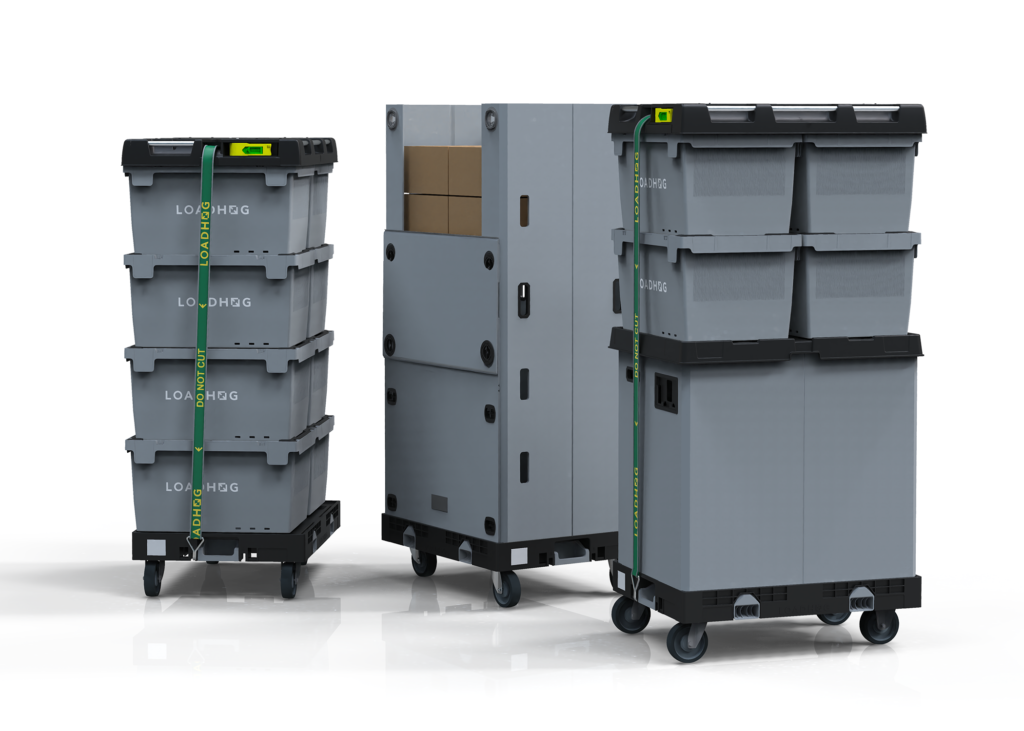
Returnable transport packaging (RTP) has moved on significantly since the emergence of that retail staple, the metal roll cage. Manufactured from durable plastic, Loadhog says its Dolly Max Rolling Container System delivers more versatility, a safer user experience, greater manoeuvrability and improved vehicle fill.

Many retailers are turning away from single-use packaging and looking to RTP to provide sustainable and costeffective transport of goods between their distribution centres and stores. While pallet loads are usually stretch wrapped on automated wrappers and ship from the DC, returning goods from the stores requires time-consuming manual wrapping or boxing up. Roll cages have helped overcome the drawbacks of pallets and boxes in the supply chain but they have their own disadvantages, being notoriously difficult to handle and often featuring sharp metal touchpoints.

The latest Dolly Max Rolling Container System from Loadhog takes the humble roll cage to a new level, according to its manufacturer. This modular system features the Dolly Max wheeled deck, which can be used in conjunction with containers (for segregated products), a foldable sleeve (for bulk items/uglies) or – with the addition of a shelf – a combination of the two in a hybrid solution for mixed goods. The sleeve is fixed to the Dolly Max by two foot-operated locks avoiding the need for staff to bend down to secure it in place. It also features a drop-down door for easy access with picking in warehouses and replenishing at store level.

With its mix-and-match design, Loadhog says it is the most versatile rolling container system on the market, giving users the flexibility to adapt to the fluctuating nature of goods within their supply chain. Loads can be secured with Loadhog’s reusable Half Euro Pallet Lid, which features retractable straps and an integrated tensioning mechanism. Other accessories include a quick-connect
pull handle, a sleeve tray for containers to be stacked on and a tow hitch to link dollies in a train for easy manoeuvrability around warehouses and stores.

One-Touch Brake

The lightweight Dolly Max is easy to manoeuvre and features an easyaccess, one-touch brake that is more ergonomic than the simple castor brakes found on roll cages. The ease of brake
application encourages use, enhancing safety for employees, and the innovative mechanism ensures the unit remains still even on a sloped tail lift.

Loadhog says the Dolly Max system offers 20% more vehicle fill compared to standard roll cages, reducing carbon footprint. In addition, the embodied carbon of the recycled polypropylene system is significantly less than that of roll cages manufactured from coated metals, securing further sustainability gains. Also, the tare weight and footprint of the Dolly Max system enable it to be utilised on all vehicle types, even smaller sprinter vans.

As well as avoiding the need for a forklift or pump truck, the system can also be attached to automated guided vehicles (AGVs) for easy manoeuvrability around the DC. The system has been designed for fast deconstruction to ensure efficient returns, with containers nesting, sleeves folding, and the Dolly Max frame featuring castor cups for stable stacking. The return ratio is typically
Loadhog also offers labelling, tracking and branding options for all elements of the system to safeguard both packaging assets and goods. Of course, branding enhances the in-store aesthetic,
especially if the packaging doubles up as a product display unit.

The versatility of the Dolly Max has resulted in a recent order for 10,000 units, which will be used for nationwide distribution of automotive products. Having supplied RTP solutions to many high-street brands – including Harvey Nichols, Pets at Home, Sky, TK Maxx and Dunelm – Loadhog says it has considerable expertise in meeting the logistics needs of today’s retailers.

similar news

Next Gen Rolling Container System


Source link

0 comments
0 FacebookTwitterPinterestEmail
Newer Posts
Older Posts

Recent Posts

  • New Sleeve Wrapper for Transport Packaging
  • LogiMAT 2026: Practical automation & AI define first 2 days
  • Pallet Transport Service Added – Logistics News
  • Automation is Transforming Logistics in India
  • Swarm AGVs for Multiple Flows & Pallet Types

Recent Comments

No comments to show.

Social Connect

Whatsapp

Recent Posts

  • New Sleeve Wrapper for Transport Packaging

  • LogiMAT 2026: Practical automation & AI define first 2 days

  • Pallet Transport Service Added – Logistics News

  • Automation is Transforming Logistics in India

  • Swarm AGVs for Multiple Flows & Pallet Types

Newsletter

Categories

  • Services (1,094)
  • Uncategorized (41)

@2024 - All Right Reserved. Designed and Developed by Sierraline Cargo services

Manage Consent
To provide the best experiences, we use technologies like cookies to store and/or access device information. Consenting to these technologies will allow us to process data such as browsing behavior or unique IDs on this site. Not consenting or withdrawing consent, may adversely affect certain features and functions.
Functional Always active
The technical storage or access is strictly necessary for the legitimate purpose of enabling the use of a specific service explicitly requested by the subscriber or user, or for the sole purpose of carrying out the transmission of a communication over an electronic communications network.
Preferences
The technical storage or access is necessary for the legitimate purpose of storing preferences that are not requested by the subscriber or user.
Statistics
The technical storage or access that is used exclusively for statistical purposes. The technical storage or access that is used exclusively for anonymous statistical purposes. Without a subpoena, voluntary compliance on the part of your Internet Service Provider, or additional records from a third party, information stored or retrieved for this purpose alone cannot usually be used to identify you.
Marketing
The technical storage or access is required to create user profiles to send advertising, or to track the user on a website or across several websites for similar marketing purposes.
  • Manage options
  • Manage services
  • Manage {vendor_count} vendors
  • Read more about these purposes
View preferences
  • {title}
  • {title}
  • {title}
Sierraline Cargo Services
  • HOME
  • Services
    • Trade With Us
  • About Us
  • Contact Us
  • private jet
    • BOOK YOUR JOURNEY
  • Track Packages
  • Insurance
  • safekeeping

WhatsApp us