Sierraline Cargo Services
  • HOME
  • Services
    • Trade With Us
  • About Us
  • Contact Us
  • private jet
    • BOOK YOUR JOURNEY
  • Track Packages
  • Insurance
  • safekeeping
Services

Sweet, Fast Industrial Doors

by
written by


The production of confectionery in Holešov, Czech Republic, has a long tradition dating back to 1863. At that time, Philip Kneisl started producing sugar whistles and sticks and became one of the first manufacturers of sweets in the Bohemian countries. And just as it was in the 19th century, today the Holešov plant is the most important confectionery manufacturer on the Czech market. While the delicacies are still produced according to traditional recipes, the operating equipment meets the most modern standards. Thirteen Efaflex high-speed doors provide key functions for securing the production area.

The fastest door with the fastest service

“Our company’s priorities are safety and quality. We place great value on the safety of our employees and, of course, that of our customers. That’s why we chose Efaflex high-speed doors. They meet these high requirements and function reliably even in continuous operation. Last but not least, Efaflex offers flexible customer service that resolves problems in the shortest possible time”, explains Radek Ponižil, industrial engineer at Nestle. The spare parts are produced in the Czech Republic and Efaflex can deliver most of them within 24 hours – an exceptional level of service.
Although production began in the 19th century, the Holešov plant now has cutting-edge equipment that meets all the requirements for modern food producers. Both raw materials and finished products pass through the high-speed Efaflex doors upon arrival and delivery.

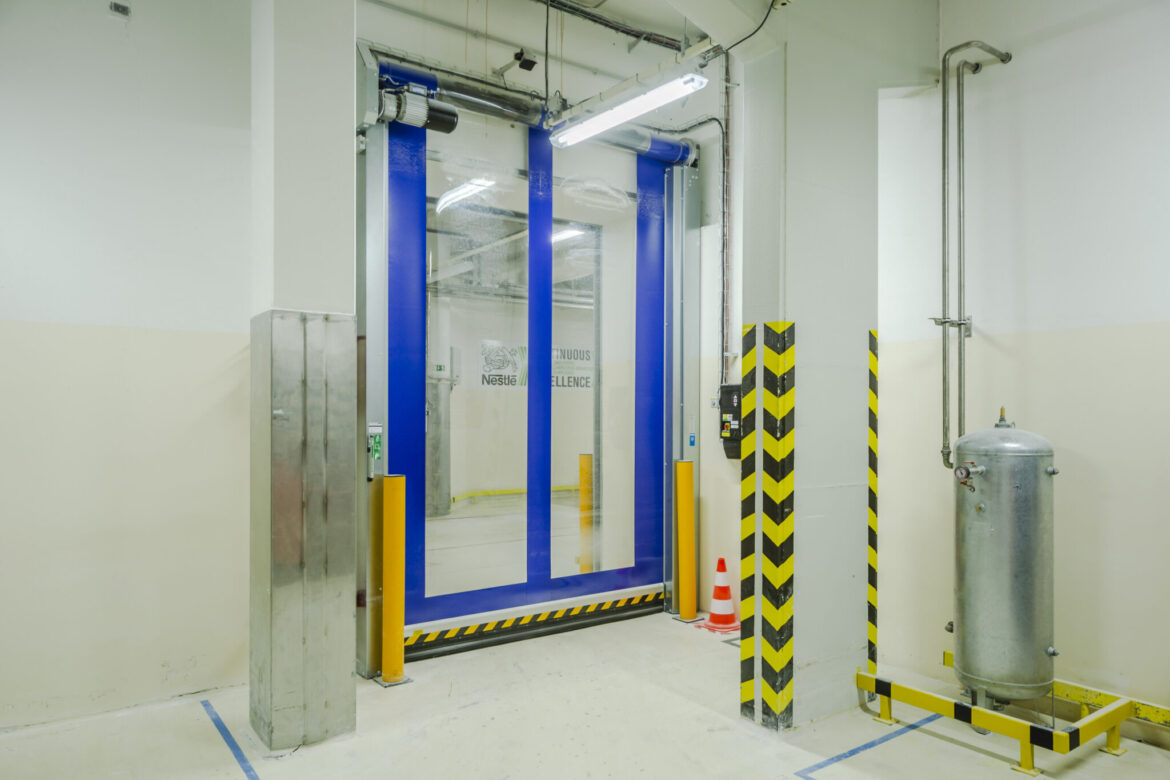
Most of the doors are the EFA-SRT® Premium model. The main reason the customer chose these doors was their fast opening speed, which reaches up to 2.5 m/s. This is particularly important in food processing plants: by opening and closing quickly and remaining open for as short a time as possible, the doors minimise the penetration of particles into the processing plants. This is important, for example, for the doors that separate the outdoor areas from the production areas.
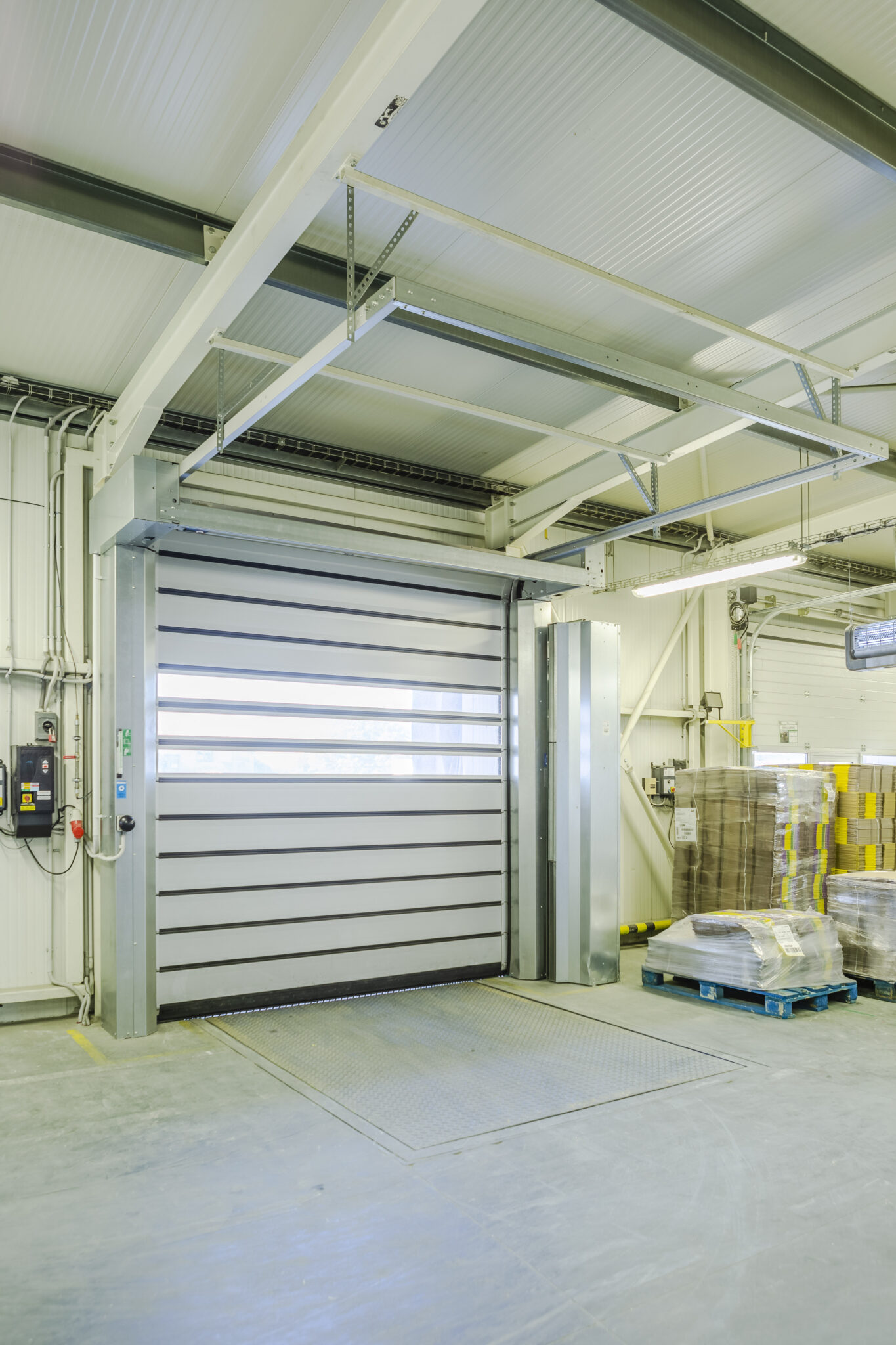
In addition, the doors help to accelerate logistics processes, save energy, and create a more pleasant climate for employees in the halls. Another advantage of Efaflex products is their long service life and reliable operation, as they can handle hundreds of load cycles every day without problems. For instance, the EFA-SRT® ECO can handle up to 150,000 load cycles per year. Another door with a special feature, the EFA-SST®-L, is mounted in the shipping area. Due to the limited space, a low lintel version was used instead of a classic installation. This solution is used where the ceiling is low and other door leaf guides cannot be used. This also allowed a door with insulation laths to be installed in this location.

World-famous sweets

The Holešov plant has been in operation since 1863. However, much has changed since its founding back in the days of Austria-Hungary. The company successfully weathered two world wars and the nationalisation in 1949. It is now part of the multinational Nestle corporation. The products are among the most widely sold brands of non-chocolate confectionery in the domestic market. The most famous are Linsen, BON PARI, JOJO jelly bonbons and Haslerky.

But it is not only locals who enjoy the sweets from Holešov: a significant portion of the products are shipped abroad. Another portion of the products bear the names of brands that are destined directly for the foreign market.

similar news
EFAFLEX high-speed doors help optimise workflow


Source link

0 comments
0 FacebookTwitterPinterestEmail
Services

Manage Fleets All Day Long

by
written by


Managers of road transport fleets can have influence not just at the departure and arrival from the depot hub, as David Priestman reports.

“Data and insights lead to action,” Samsara CEO Sanjit Biswas informed attendees at the company’s Go Beyond event in London. He visited 100 Samsara customers last year. By listening to them and understanding how they use the data obtained from the dashcams and sensor technology the company can continue rolling out updates and extensions to its ‘Connected Operations’ platform.

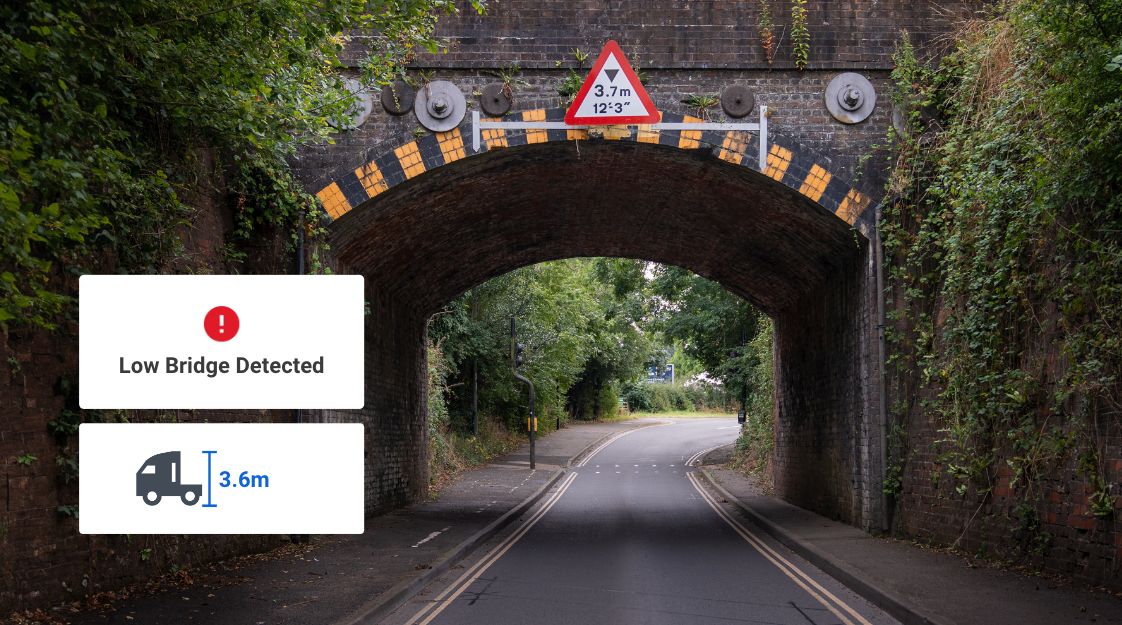
These include a strike alert for low bridges (particularly useful on old British roads); electronic brake performance monitoring; a privacy mode that stops the driver-facing camera monitoring (something that is resisted by some drivers and unions, or just not suitable for a minority of operations); and drowsy driver detection. “We have enough data now for drowsy driver detection,” Chief Product Officer Kiren Sekar told me, “based on a driver’s blank stare, nodding head, closed eyes and/or rubbing eyes.”

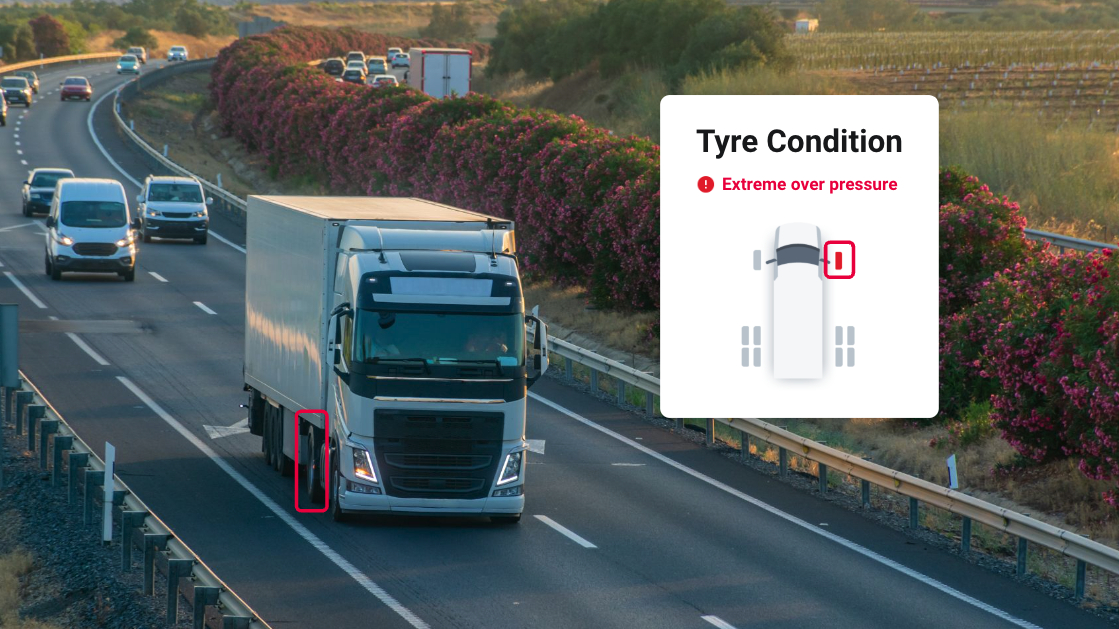
Lane departure warning and forward collision warning is being added to the platform too, as well as ‘smart trailers’ real-time GPS tracking, which also monitors trailer brakes and tyre pressures. “All the data is there in a single platform,” Sekar explains, “location, maintenance, charger insights. We can integrate with the trailer manufacturer’s sensors. How do you ensure the driver has the right trailer? We can do that, but if you’re using just the data from the trailer manufacturer you wouldn’t know that.”

Good Drivers Prevail

The ‘virtual coach’ shows the driver camera footage of all alert issues. This is powerful and is used as positive feedback and constructive advice to them. Only 20 per cent of drivers need extra help. 80 per cent are good drivers, but need to avoid any bad habits developing. ‘Connected training’ uses AI to write and create driving courses.

Samsara’s IoT and AI tech is well-suited to be used on electric vehicles as transport firms continue to switch from diesel and petrol commercial vehicles as the challenge of operations is greater with EVs. “Most of our customers are still using ICE trucks and vans,” says Sekar. “EV conversion is a business case, as is saving on fuel. Demand for EVs differs across locations. Safe driving is also more sustainable, of course.”

The platform provides data on everything from severity of speeding, idling to fuel usage and time-on-site, producing a trip summary for managers, who can select advanced custom reports, using up to 9 data points, on things like scope 3 emissions. Samsara aims to have an impact on customer outcomes – running and insurance costs, accidents, emissions and more.

League Table

Paul Duncalf, Director of Safety for Sysco (which owns Brakes food distribution) talked about the roll-out of Samara in its CV fleet. “You need a compelling story to persuade the team to adopt technology. Ours was to reduce serious traffic accidents. Do you want to work for a company that doesn’t want to do that and have that on your conscience?”

What about getting driver buy-in for the introduction of cameras? Sysco had an amnesty for driver misbehaviour for the first few months, except for phone usage. Sysco managers use the tech themselves. “We showed drivers how it works and some footage so they knew why we were introducing it.” Best driver competitions and incentives, all data driven, help with acceptance. “League tables work well psychologically,” he points out. “Start with the alert settings bar set high, rather than for everything. Then lower it to make things tougher,” he advises.

Boardroom Decision

Fraikin’s Chief Digital Officer, Edward Breedveld, describes working with Samara as a ‘partnership’. “It’s open, collaborative and transparent,” he says. “We’re pushy to break boundaries and get things solved and we wanted to get it right first time.” Fraikin has 60,000 commercial vehicles in 10 countries in Europe, providing a full-service rental fleet to its customers, from delivery to maintenance and replacement. The company is still retrofitting its entire fleet with Samsara tech and deploying it on all new vehicles. A boardroom-level decision, with what Breedveld describes as almost ‘military level planning’.

“We need the driver to be happy and they’re in short supply, so we want feedback,” Breedveld states. “Information is key. We show people in real time how Samsara works. Data is needed because decarbonisation is coming.” As fleets switch over the financing and usages of EVs brings concerns around charging, battery degradation and resistance to change. Data from Samsara’s platform provides actionable information to improve user experience and reduce the environmental impact of road freight transport.

France is a challenging market to deploy Samara in Fraikin vehicles. There are legal obstacles around privacy so union backing is required. ”Each market is different,” Breedveld informs. “But in Europe the journey to net zero in road transport and to zero emissions in urban areas is irreversible.”

Samsara’s customers like the fact that the platform keeps moving forward, offering more for them to use it for and learn from. “When one of Fraikin’s fleet customers understand what data can be provided they see the potential,” Breedveld concludes. “The system tells the customer what they didn’t know before. Customers use Samsara for positive reasons, not for ‘big brother’ negative ones. It helps everyone, for example with plummeting mobile phone use. Companies using Samsara can benchmark themselves verses their competitors, favourably.”

similar news

Samsara Launches Sustainable Fleet Management Solution


Source link

0 comments
0 FacebookTwitterPinterestEmail
Services

Enhancing Goods-To-Person with Pouch Technology

by
written by


The explosion of e-commerce has fundamentally changed the operations within warehousing and distribution, and fulfillment centers. Previously, these facilities handled large, bulk orders destined for retail stores, a process that was predictable and could be planned. However, the rise of online shopping has introduced a more complex sortation scenario. Goods to Person (GtP) involves the distribution and fulfillment of orders to numerous individual consumers who may order just one or two items at a time.

The shift to GtP has created significant challenges, including the need for sortation facilities to perform tasks traditionally managed by retailers, such as distinguishing between item sizes and colors for B2C orders. Another area that has become more challenging is the management of returns. Return rates can reach as high as 60% in the e-commerce sector. Handling these returns (reverse logistics) involves multiple steps, including quality checks, relabeling, and repacking, all of which add to the complexity and cost of operations.

A basic GtP system can be configured as an inventory buffer, or a pick system, or both. No matter what the setup, most of the system’s capacity will still be allocated for basic warehousing needs like receiving, storing and picking. Post picking processes like ship order consolidation, sortation, sequencing and shipping require advanced configuration of the GtP or an additional high-capacity subsystem that can interface with the GtP. This is where a pouch system comes into play. It acts as a consolidation buffer system that will be complimentary to the existing GtP setup without any need for complicated reconfiguration.

Pouch system solutions

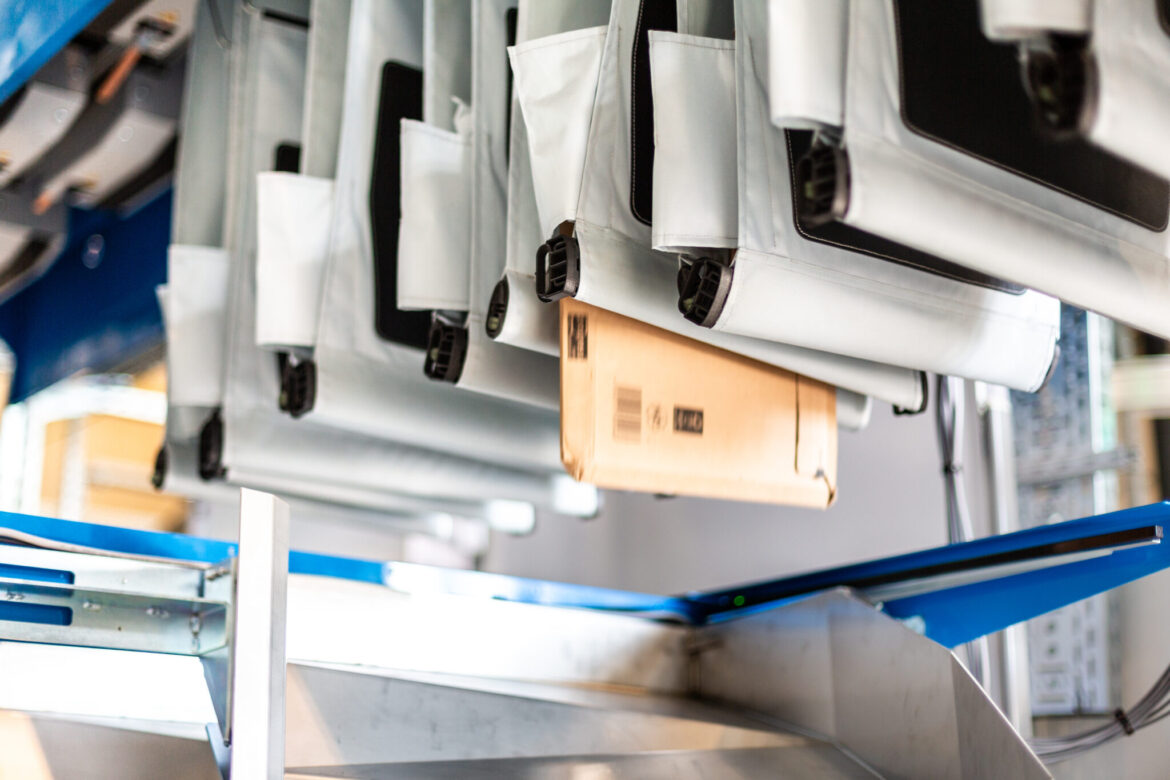
Essentially, a pouch sorter comprises a conveyance system of hanging pouches that carry products along a rail. Pouch systems are designed to transport a wide range of items, including garments, shoes, books, and other merchandise, offering high flexibility. Pouch technology is very scalable, modular and can be installed in unused overhead space offering the ability to buffer, sort, and sequence; automating the order handling and returns processes.

Pouch sortation systems facilitate processes such as post picking sortation, order batching & sortation, and intermediate storage handling of returned items. A typical application of pouch systems would be to efficiently handle throughput, temporary inventory buffer and order consolidation regardless of whether an order consists of two items or ten. Various sequencing challenges can be easily tackled by a pouch system. For example, ensuring that the most fragile or delicate items are sorted last, so that they are packed last in order to avoid damage. Thus, a pouch system can play a pivotal role in simplifying the returns process by reducing costly touchpoints and streamlining the overall process by establishing traceability and control to improve overall process efficiency.

Reducing touch points

Pouch system technology is constantly evolving. Beumer Group has recently added an innovative AutoDrop feature to its BG Pouch System to enable flexible and reliable automatic packing lines. In this system, pouches are unloaded from the bottom using a pioneering nickel-titanium alloy first used in the medical industry. This metal alloy has shape memory and will contract substantially when electric power is applied. When the power is withdrawn, the alloy returns to its original shape. Each mechanism has the capability for one million opening cycles without any deviation.

AutoDrop uses these characteristics to open the pouch automatically at the unloading point, enabling GtP operations to eliminate manual handling during unloading. This saves time at the unloading stations and reduces order lead time. The BEUMER Group Pouch System with AutoDrop can process approximately 10,000 pieces per line per hour. Combining multiple, adjustable drop point positions in one single drop line enhances flexibility to accommodate different unloading needs, while significantly reducing the physical footprint within the distribution facility.

This AutoDrop feature enables reduced touch operation for the entire pouch handling process, as well as offering customers substantial benefits in terms of reducing order lead time and saving valuable floor space.

Delivering digitization

As the GtP industry continues to innovate, the adoption of data-driven and software-based solutions will be key to creating the warehouse of the future.

Acting as the cornerstone of the Pouch System is the warehouse management software (WMS). The Pouch WMS supports digitization of the warehousing process from inventory management to ship order consolidation. This digital footprint provides the user with enhanced tracking, traceability and control at each step of the process. Digitization options such as this create the possibility of process optimization for efficiency and thus, enhancement of the entire fulfillment experience.

Pouch as an enhancement to GtP

Making a business case for deploying a new materials handling system will be different for each GtP operation, depending on your priorities and business needs. Factors include the type of building and available footprint, the type of products or items and their sizes, and the level of returns to be managed, along with your labor requirements and CAPEX and OPEX considerations.

However, the reasons to deploy a pouch system are compelling. Pouch systems are easily retrofitted into existing base GtP operations. They provide mid- to short-term storage, acting as a ship buffer with automated sortation and sequencing capabilities. Pouch systems can also help optimize the reverse logistics process. Scalable and modular pouch systems can grow as the e-commerce market expands. Their ability to integrate with other systems facilitates digitization, giving GtP businesses greater data insights that will further enhance productivity.

similar news

Goods-to-Person Calculator Helps Automation Investment


Source link

0 comments
0 FacebookTwitterPinterestEmail
Services

Enthusiastic About Plastic Pallets

by
written by


Dan Starnes, Sales Director, goplasticpallets.com, argues that plastic pallets are the smarter choice for logistics managers.

For supply chain managers and logistics professionals, the ‘plastic pallets versus wooden pallets’ debate is the modern-day logistics dilemma. Although wooden pallets have traditionally been the go-to, plastic pallets have well and truly emerged as a superior alternative offering many benefits.

“Why should I switch from wooden to plastic pallets?” is the most common question our team is asked on any given week, so we are well-versed on the advantages when it comes to making that change.

Firstly, plastic pallets offer supreme strength and reliability over their wooden counterparts and have a proven track record in all types of automated handling scenarios. They are robust, consistent, and offer an ideal solution for heavy loads and complex tasks, supporting a higher load capacity than wooden pallets. They are also safe and easy to handle. Unlike wooden pallets, there are no nails, sharp edges or splinters, which also helps to minimise damage to products that are being stored or shipped. Plastic pallets are easier to wash and keep clean, whilst they are
impervious to moisture, weak acids and alkalis, which is a common problem for wooden alternatives.

Lower Freight Rates

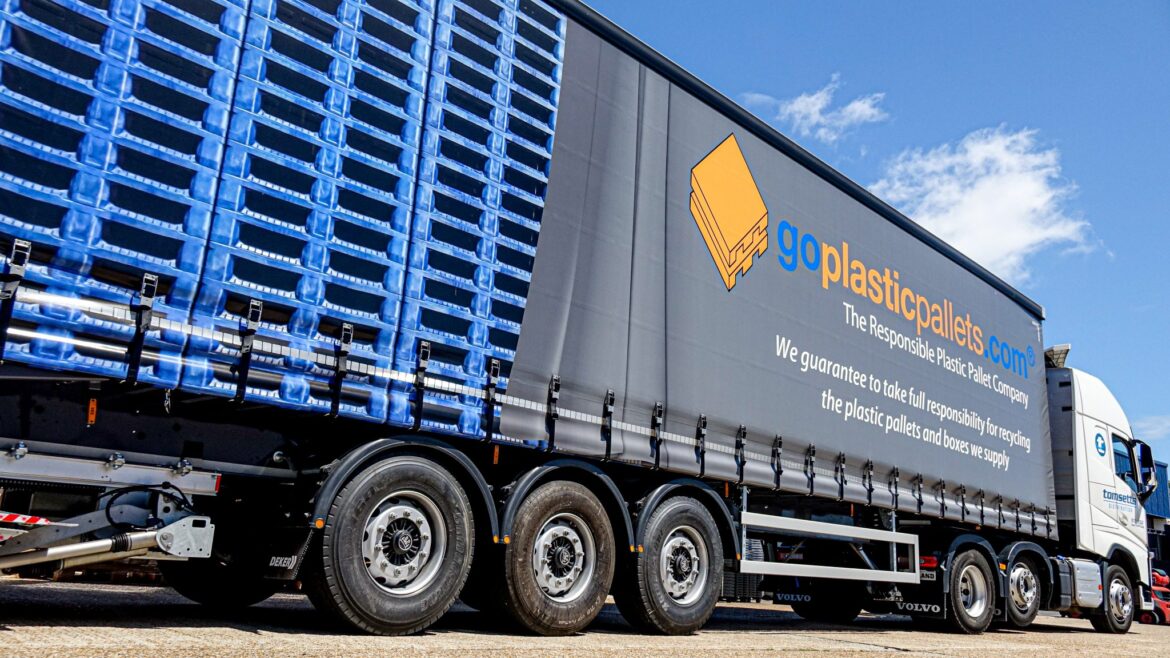
Plastic pallets are lighter than wooden units (they tend to be about 30% lighter than wooden pallets of the same size and design), so freight rates are generally lower, whether by road, rail, sea or air, making them ideal for exports. They are also exempt from the ISPM15 rules for heat-treated wooden packaging, which minimises the risk of valuable consignments being held up during the customs process. Additionally, nestable plastic pallets are helping our customers to save valuable space when they are not in use or during return journeys, helping to save both money and carbon emissions.

There are now a huge variety of plastic pallets available to logistics managers. Through our network of exclusive partnerships with leading manufacturers, we offer the UK’s most comprehensive range of plastic pallets, allowing our team to find the perfect fit for any application or type of business – whether that comes down to size, weight, load capacity, an open or closed deck, or whether they are made from recycled or virgin-grade plastic. For example, we work with several major food manufacturers who use our hygienic pallets during the production process, whilst opting for recycled, lighter pallets for distribution once the finished products have been packaged.

Sustainable Credentials

Finally, and the most important consideration for our business, plastic pallets are far more sustainable. The pallets we supply will often last 10 to 15 years within the supply chain, offering an eco-friendly alternative to traditional wooden pallets, which are often discarded after a few supply chain cycles and contribute to deforestation.

At the end of a plastic pallet’s lifespan, it can be recycled into a new pallet. Through our own industry-leading recycling scheme (we’ve now recycled more than 1,800 tonnes of plastic), we are helping our customers to play their part in the circular economy.

Cost Benefits

At this point of the conversation, we are normally asked, “but plastic pallets are more expensive, aren’t they?”. There is no denying they are more expensive than their wooden counterparts,
although the gap is tightening due to rises in global timber prices. If you are choosing pallets for multiple deliveries over many years, then plastic pallets will offer significant savings.

For example, and I’ll keep this relatively simple, if you purchase 5,000 plastic pallets at £40 each, you’ll have spent £200,000, twice the cost of 5,000 new wooden pallets at £20 each. However,
you are likely to replace around 35% of the wooden pallets each year due to breakages, compared to just 10% of the plastic pallets over five years. Therefore, at the end of the five-year period, the total cost of the plastic pallets would be £220,000, less £20,000, which is their recycling value at the end of their life. Meanwhile, the total cost of the wooden ones would be £275,000. After 10 years, the savings are even more substantial. When it comes to operational efficiency, safety, and total cost of ownership, plastic pallets win hands down.

similar news

Wooden pallet industry sets sustainability goals


Source link

0 comments
0 FacebookTwitterPinterestEmail
Services

Asset and Rack Protection

by
written by


Peter MacLeod caught up with James Ryan, founder of Sentry Protection Products, to learn more about rack protection and what visitors to the Sentry booths at this Spring’s trade shows can expect.

In recent years, we’ve taken great interest in the products brought to market by Sentry, who are expert at identifying areas of danger and coming up with seemingly simple solutions to reduce or eliminate warehouse accidents. But after many conversations with James Ryan, the founder of Sentry Protection Products, only now do I fully comprehend the design and manufacture challenges
that lie behind ‘simple’ solutions such as its Column Sentry rack protectors, and the lead time it takes to conceive, test, trial and manufacture, and then bring to market such a solution. Not to mention the various international standards to which it has to conform.

Given enough time, anyone could come up with a complicated solution to solve a problem. But real genius lies in the ability to develop a solution that is both brilliantly effective and brilliantly simple, the “why didn’t I think of that” type of product.

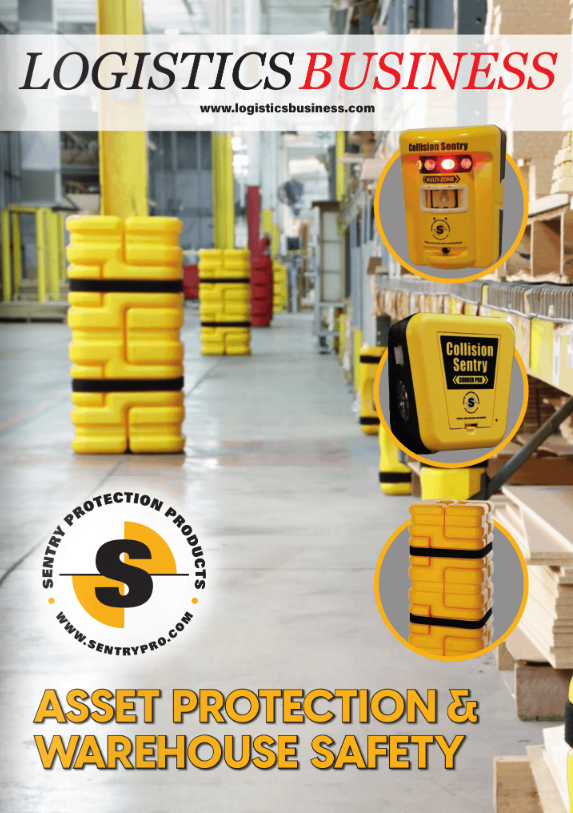
A year ago, Ryan showed me a prototype of the Collision Sentry Multi-Zone product, a development of an existing collision warning device that operates around internal and external warehouse doors. This is now fully introduced to the market, and Sentry will be promoting this at the forthcoming LogiMAT trade show from its booth in Hall 1. “It’s starting to solve some problems in high-traffic areas that we just could not in the past,” says Ryan. “We never expected it to be the high volume product that we see with our corner products, but it’s really nice to create a warning system for those other difficult areas where people can have accidents.”

Modularity Rules

Again, this time last year, Ryan was trialling an enhancement to its Column Sentry range, the adjustable Column Sentry FIT, which is designed to protect columns of virtually any dimension
thanks to its modular manufacture. “We’ve just introduced a redesigned medium product that allows us to create a protection system from just three pieces. They are now fully compatible with each other, so we have virtually hundreds of different sizes available using just those three pieces.”

This is an important development, as in order to try to eliminate the problem of having columns in the middle of a warehouse, they are now being built with fewer but thicker columns spanning greater distances. Further benefits include greater ease of shipping, and a reduced volume of stockholding required to cover a larger variety of column sizes.

Seeking European Stockists

Given the additional attractiveness of these enhancements, Sentry will be looking to secure further stockists and installers at LogiMAT. “Because of the modularity of these products, we are
hoping to encourage our stockists to take more stock to keep products close to the markets while not having to commit huge amounts of inventory. In markets such as southern and eastern Europe where we are hoping to grow, it saves us a week of trying to get something in someone’s hands. We have a combination of products that are easy to understand and easy to install, and we are looking to work with partners who can promote our products alongside their existing range. For the most part they are easy to install and put in, so adding them to whatever else you’re selling is very simple to do.”

With ‘simple’, effective solutions such as those that Sentry has invented and developed, I put it to Ryan that there’s always a danger that an unscrupulous company could duplicate and bring copy product to the market. “We patent our products, and we defend those patents vigorously,” he replies with a wry smile. “However, we love to see the development of more and more products, because it’s good for the consumer and it forces us to be better.

“Someone in South America sent us a product that looks very much like our Collision Sentry Corner Pro. We took the battery door off the copy and put it onto ours and – this is how close the copy
was – it fitted! It looked very much like ours, but when we tested it, sometimes it worked, other times it didn’t. When someone brings out a product that looks like yours but they’ve cut corners, that’s
where it gets dangerous. If it works only sometimes, then they stop believing in that overall and that just kills that whole idea for us and for any other products that come behind us.”

similar news

Protect the Rack


Source link

0 comments
0 FacebookTwitterPinterestEmail
Services

Frictionless Supply Chain Future

by
written by


Navigating uncertainty and driving growth for European trade – an exclusive Logistics Business article by Rashid Abdulla, Europe CEO & MD at DP World.

The past year marked a positive trajectory for Europe’s trade landscape. Data from Eurostat reveals in 2024, European Union trade volumes reached unprecedented levels, driven by increased global demand and strengthened intra-regional supply chains. Projections from the European Commission indicate a 3% growth for 2025 in goods trade within the EU, up from 2.5% in 2024.

However, unprecedented challenges await just around the corner. Shifting geopolitical dynamics, the energy crisis, and the ongoing implications of inflationary pressures pose significant risks to trade stability. The pressing question remains: are Europe’s supply chains agile and resilient enough to weather these disruptions?

Frictionless Supply Chains

According to the Trade in Transition 2025 report, launched by DP World and Economist Impact, overall Europe is more secure than other regions in terms of trade. Its strong internal trade network – accounting for around 70% of exports and imports – acts as a buffer against disruptions, as it is less exposed to sectors dominated by adversarial trading partners. Still, vulnerabilities persist.

Weathering escalating trade tensions and global fragmentation requires flexibility and agility that can be achieved through new digital solutions and modernised infrastructure. Europe’s progressive customs policies, such as the Single Window for Trade, have already made inroads towards a more streamlined imports and exports process, but we must also secure the right physical and digital assets to protect against future disruption.

We need look no further than Europe’s automotive sector to understand the significant changes impacting supply chains. This is an industry ripe for transformation.

Lessons from Europe

The automotive industry is a crucial driver of growth within Europe, providing jobs to around 13.8 million people and generating €101.9 billion trade surplus. However, overcapacity in European
production and a slowdown in growth are causing many original equipment manufacturers (OEMs) to downsize their workforce, while spiralling costs and global economic stagnation further
exacerbates the situation. Historically an export hub, Europe has now become a net importer of vehicles. Many of these imported vehicles have been piling up in European ports as OEMs try to find logistics providers capable of end-to-end supply chain solutions.

As Europe’s leading provider of supply chain solutions, responsible for transporting goods across more than 30 countries on the continent, DP World continues to invest in world-class infrastructure to support frictionless trade in Europe. We operate 14 multimodal inland terminals and 90 marine service sites across the continent. Many of these locations support automotive capabilities, from inbound transport, production and assembly to finished vehicles, battery and electric vehicle handling. On top of this, DP World is a key partner to the motorsports sector, working together with McLaren Racing to reimagine what is possible for European automotive supply chains.

Our Roll-On-Roll-Off (Ro-Ro) terminals at Constanta (Romania), Zeebrugge (Belgium), Limassol (Cyprus), and Yarimca (Türkiye), for instance, have become the gold standard for automotive handling, helping to unlock trade across Europe and East Asia. Meanwhile, when Turkish ports became congested due to skyrocketing automotive import demand last year, we introduced an innovative new ‘cars in containers’ solution to address the problem. The solution allows vehicles to be offloaded using traditional cranes at lift-on-lift-off (LoLo) ports, without requiring a specialised Ro-Ro port or berth, making it a far more efficient and resilient route to market.

In addition to physical infrastructure, we continue to upgrade our digital platforms and technologies to provide greater supply chain visibility and efficiency for car manufacturers. From using blockchain to track and trace shipments to advanced software capable of optimising routes – by combining our physical assets with digital solutions, we’re delivering smarter logistics solutions at every turn for customers across Europe.

Adapting to Thrive

The year ahead remains uncertain, however we can expect ongoing change in supply chain strategies and plans to keep the goods moving. Here in Europe, we must continue to adapt to evolving compliance standards, particularly those relating to the EU’s ambitious climate agenda, such as the EU Deforestation Regulation (EUDR) and Carbon Border Adjustment Mechanism (CBAM), among others. Supply chain modernisation is a necessity to navigate these complexities and keep trade flowing through the region.

Strategic partnerships are vital for driving innovation and unlocking mutual benefits. McLaren Racing, with its relentless pursuit of excellence in F1, demonstrates the power of precision, agility, and teamwork – qualities that are equally critical in logistics. By bringing together expertise from two distinct industries, we can identify parallels and apply cross-sector learnings to tackle shared challenges more effectively.

For example, McLaren’s use of datadriven decision-making and real-time analysis in races offers valuable insights into optimising supply chain operations. Similarly, the logistics sector’s expertise in scalability and global operations provides McLaren with opportunities to refine its own processes. This exchange of ideas fosters innovation that benefits both organisations – whether it’s improving operational efficiency, enhancing resilience, or staying ahead in competitive markets.

This concept was exemplified at ‘At Every Turn Live’, a seminar we hosted with McLaren at their headquarters in November 2024 for key players within the logistics industry. The event explored how applying an F1 mindset can address logistics challenges, featuring expert speakers on topics such as the potential impact of AI, the implications of the new US presidency on global trade, and strategies to strengthen supply chains.

Through partnerships like these, we can break silos, adapt best practices, and jointly invest in solutions that drive measurable progress for both industries. By aligning on shared goals and leveraging our respective strengths, we create value that neither could achieve alone.

The journey towards a frictionless future in European trade depends on our ability to adapt and innovate. By investing in strategic partnerships, modern infrastructure, and embracing digital solutions, we can navigate the uncertainties ahead and drive sustainable growth. Together we can build resilient supply chains that not only withstand disruptions but also thrive in an ever-evolving landscape.

similar news

Logistics At Every Turn, Live


Source link

0 comments
0 FacebookTwitterPinterestEmail
Services

AI for Real-time Control of Industrial Trucks

by
written by


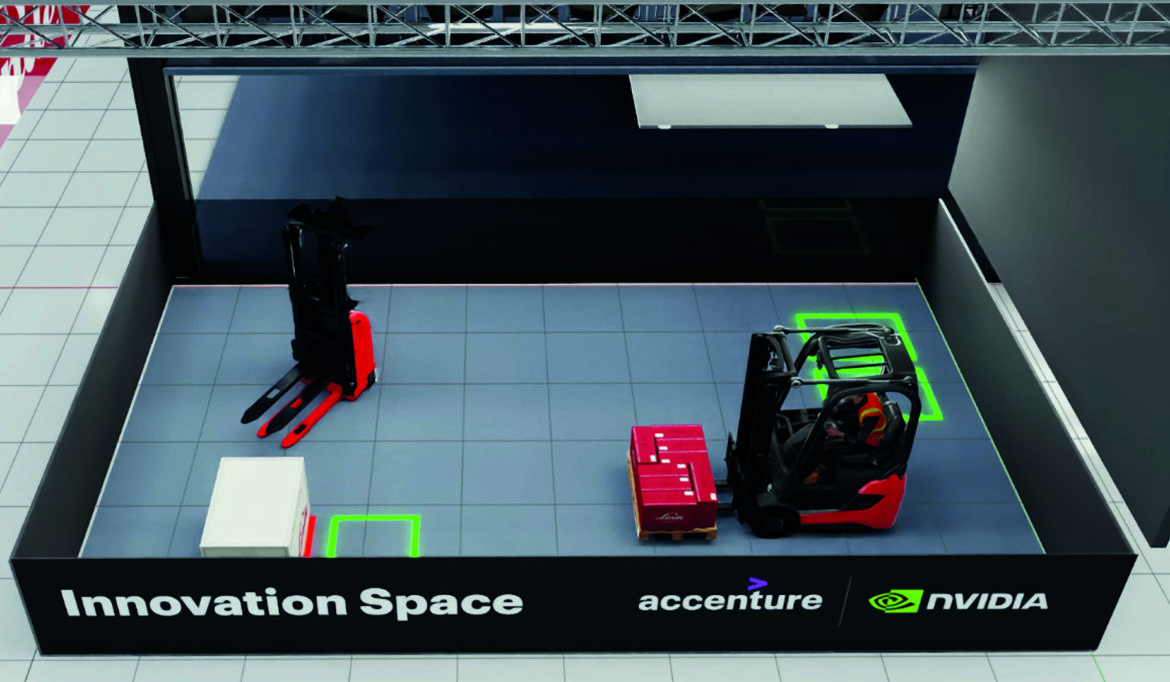
In the future, warehouse managers will increasingly be able to rely on artificial intelligence (AI) when it comes to optimizing material flow processes, incluidng real-time contraol of industrial trucks. At its tech showcase at the LogiMAT trade fair in Stuttgart, Linde Material Handling (MH) will demonstrate how this product vision works and is gradually becoming reality. The solution is based on NVIDIA’s powerful Omniverse AI platform, which uses a digital twin to collect, process and analyze vast amounts of data from warehouse operations in real time. This initiative aligns with Linde MH’s parent company, the KION Group, which recently announced a large-scale collaboration with NVIDIA, a leader in AI, and Accenture, an expert in digitalization, to take industrial automation to a new level.

In an area adjacent to Linde MH’s exhibition stand, a scenario will be staged that could be typical of the warehouse of the future – manual and automated industrial trucks working side by side in perfect harmony with the help of innovative AI technology. This development will be particularly advantageous for operators of large fleets. The integration of intelligent hardware and software, combined with substantial computing power, will guarantee transparency of every process within the warehouse, ensuring more efficient, reliable and flexible order processing through continuous simulation. “Machine learning and neural networks will enhance warehouse efficiency. Throughput will increase, both manual and automated fleets can be optimized and staff can be deployed more efficiently. This will lead to significant cost savings for companies,” says Ulrike Just, Member of the Management Board responsible for Linde MH Sales & Service EMEA. “As a technology and innovation leader in our industry, we are at the forefront of developing AI-based solutions. These solutions represent a significant breakthrough, aiming to enhance our customers’ competitiveness and ensure the long-term efficiency of their material flows. We are planning initial pilot projects with major customers, for whom the return on the investments involved will be particularly high.”

Real-time localization creates transparency

The first step in Linde MH’s strategy is to network manual industrial trucks. To this end, the intralogistics specialist is currently developing a real-time localization system that works both inside and outside the warehouse. It enables seamless tracking of each vehicle’s location using innovative, low-infrastructure ultra-wideband technology. An intelligent display provides drivers with navigation instructions and new or updated transport orders, with the system combining location data with vehicle data such as the steering angle. This allows routes to be adjusted in real time if, for example, there is too much traffic on a route, causing delays.

At some point, AI becomes indispensable

As warehouse operations become more complex, the optimization of routes and coordination of manual and automated industrial trucks places much higher demands on computing power. “When there are 100 or more vehicles to coordinate, it’s essential to utilize higher-level intelligence and hardware capable of handling such extensive data volumes,” explains Ron Winkler, Managing Director of the Digital Business Unit at Linde MH. “This is where the NVIDIA Omniverse platform’s AI comes in. It creates a digital twin of the warehouse, a virtual 1:1 replica of the physical environment.” In this digital twin, simulations can be run in fractions of a second – either to optimize routes and optimally coordinate AMRs and manual forklifts, or to achieve optimizations in existing warehouse layouts.

The key advantage is that solutions to changing warehouse conditions, such as new orders or inventory fluctuations, traffic congestion in certain warehouse areas, obstacles or overhanging loads, can be identified in real time, simulated in the digital twin and communicated back to the vehicle control system. For instance, if a truck arrives late, the system can automatically assign the nearest forklift equipped for unloading. To achieve this, the NVIDIA Omniverse platform digitally stores all physical data on industrial trucks (e.g., engine power, steering angle) and infrastructure (e.g., rack locations, routes, machine times). This virtual space then processes the constant stream of information coming from sensors, intelligent vehicle and infrastructure cameras, warehouse management software and vehicle control systems.

Simulation is the key

Intelligent camera systems, strategically installed throughout the warehouse infrastructure and on both manual and automated vehicles are used to track load carriers, AMRs and manual vehicles. They also provide real-time monitoring of loading and storage areas. The images captured by these systems are then interpreted and processed directly by the AI.

The showcase at Linde’s stand will demonstrate this in practice: A forklift driver transports goods to the receiving area using a Linde electric forklift. In the designated transfer area, a fully automated Linde pallet stacker then picks up the pallet for further transport into the warehouse. To seamlessly document and track materials and goods on the Omniverse platform, the manual truck’s mobile, intelligent camera automatically takes a picture of the load when the pallet is picked up and stores it in the system. Concurrently, the camera captures the entire environment, identifying people and obstacles and instantly adapting the vehicle’s behavior to the situation. The stationary cameras in the warehouse provide the system with information about the occupancy of the storage locations, while also detecting potential collisions with people, which would cause the trucks to reduce speed.

However, what if the forklift driver does not place the pallet precisely on the specified surface, as an AGV typically requires? Via the stationary cameras, the digital twin recognizes the pallet’s placement and directs the picking order to the Linde L-MATIC core. Thanks to the intelligent camera on the fully automated AGV, the AI detects the tilted pallet and determines a solution – in this case, the best approach to picking up the load. The cameras also identify problems such as cartons slipping or part of the load overhanging. In such cases, the AI concludes that the AGV should not pick up the load. The Linde L-MATIC core would halt and be reassigned to another transport order. Meanwhile, the AI calculates which manual guided vehicle is nearby to take over the transport task.

“By configuring a digital warehouse twin, any conceivable infrastructure and fleet configuration can be simulated in 3D and tested for efficiency,” explains Ron Winkler. “The AI can be continuously trained and refined. This sets the stage for a warehouse ecosystem that proactively solves challenges and keeps getting better and better.”

similar news

Innovative Vehicles, Automation and Software at LogiMAT


Source link

0 comments
0 FacebookTwitterPinterestEmail
Services

Jet Privati Rodi Dodecaneso Grecia

by
written by


If you have chosen to reach Rhodes in style and without stress, chartering a private jet through PrivateJetFinder is the perfect choice. The Greek island, famous for its golden beaches, spectacular sunsets and unique mix of culture and luxury, is one of the most popular destinations for elite travelers. And its airport, Rhodes-Diagoras (RHO), provides the ultimate in comfort for an exclusive flight.

Rhodes-Diagoras Airport, the right choice for private jets

Rhodes-Diagoras International Airport is a landmark for private jet travelers in the Mediterranean. Here are the main reasons why it is so popular:

  • Top VIP and FBO services: exclusive lounges, personalized assistance, fast-track security, and expedited customs.
  • Long runway operational h24: Perfect for accommodating both light jets and large models.
  • Easy access to nearby islands: Rhodes is a great starting point for exploring by private jet or helicopter other Dodecanese gems such as Kos, Patmos, and Symi.
  • Dedicated private jet parking: Airport operators ensure efficient aircraft handling, with hangars and technical support always available.

Most Popular Routes to and from Rhodes

Private jets to Rhodes and from Rhodes to the Dodecanese islands in Greece are in high demand, especially during the summer season. Some of the most popular destinations include:

  • Athens – Rhodes: About a 50-minute flight, perfect for those who want a quick connection to the Greek capital.
  • Rhodes –Mykonos/Santorini: 40-50 minute flight to two iconic destinations for those who love luxury and nightlife.
  • London – Rhodes: About a 4-hour flight, ideal for business travelers or a summer escape from the city.
  • Rhodes – Dubai: A flight of about 5 hours, increasingly in demand for those who want to move between two worlds of luxury.

Also read our article On private jets to Dubai

Private jets to the Dodecanese islands from Rhodes

Private Jets RhodesRhodes is the ideal starting point for exploring the wonderful Dodecanese archipelago, consisting of islands rich in history, breathtaking scenery and dreamy beaches. Here are some perfect destinations for private flights from Rhodes with their flight times:
  • Kos: Just a 25-minute flight away, an island with a vibrant nightlife and beautiful beaches.
  • Karpathos: About a 30-minute flight away, perfect for those seeking unspoiled scenery and absolute relaxation.
  • Leros: A 20-minute flight away, with a relaxed atmosphere and beautiful bays.
  • Astypalea: About a 35-minute flight to a Dodecanese gem ideal for romantic getaways.
  • Patmos, Symi, Halki: Without airports for private jets, but conveniently reachable by helicopter for an exclusive experience.

The ultimate in luxury in Rhodes for elite travelers

Landing in Rhodes by private jet is the best way to start an unforgettable luxury vacation. Here are some of the most exclusive ones:

  • Stay in dream resorts: Luxury hotels such as theAmathus Beach Hotel and Elite Suites by Rhodes Bay offer suites with private pools and breathtaking views.
  • Private dinners in exclusive locations: Sunset dinner at a seaside villa or aboard a yacht, with star chefs on hand.
  • Private Yacht Tour: Sail through the crystal clear waters of the Dodecanese, with stops at the most hidden bays accessible only from the sea.
  • Top class wellness and relaxation: Personalized treatments at the island’s best spas, with massages and holistic therapies in exclusive settings.
  • Tailor-made cultural experiences: Private tours of the Acropolis of Lindos or the Old Town of Rhodes with expert guides.

Book Private Jets to Rhodes with PrivateJetFinder

Private jet charter to Rhodes with PrivateJetFinder Turns a simple trip into a pure luxury experience. Forget airport waits, checkpoint lines, and rigid schedules: with a private jet you have the freedom to fly at your own pace and enjoy every moment of your vacation. Whether you are planning an exclusive weekend or a longer stay, Rhodes is ready to welcome you with the best the Mediterranean has to offer.

Book your private flight now on PrivateJetFinder and fly to Rhodes in the ultimate in luxury.


Source link

0 comments
0 FacebookTwitterPinterestEmail
Services

Mobile Weighing Without Waiting

by
written by


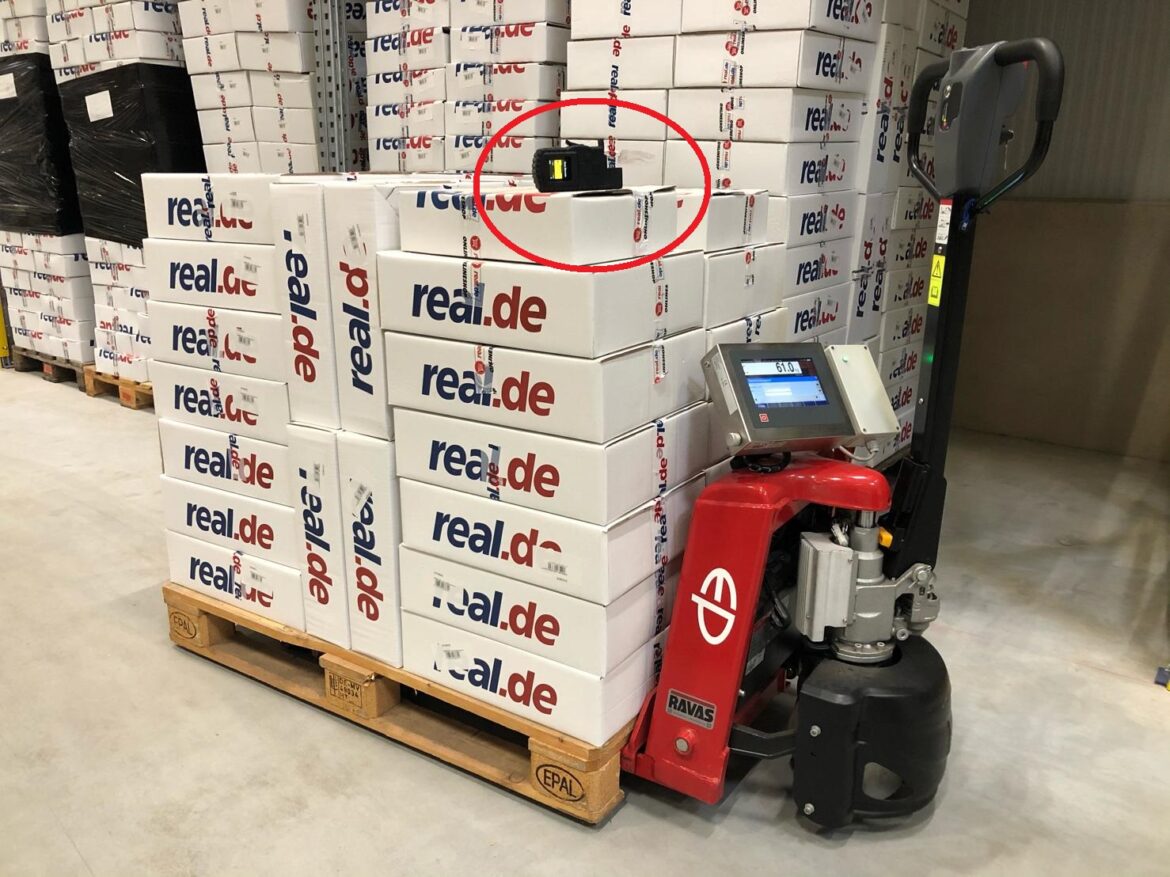
As the uptake of autonomous solutions increases in warehouses, integrated mobile weighing specialist Ravas is rolling out its existing tried-and-tested technologies to embrace this growth.

An established player for many decades in the intralogistics sector with its renowned, award-winning weighing solutions, the integration of Ravas’ mobile weighing systems with automated vehicles such as AGVs and AMRs is smooth and logical, as the technology it uses is very similar to that deployed around the world in manual forklifts and other MHE.

In-motion weighing has many advantages, most notably eliminating the need for a separate weighing station. As autonomous trucks are not able to travel at the speeds attained by their traditional manual equivalents, a diversion to a static weighing platform can be quite time consuming. By eliminating this leg of the journey, the Ravas AGV solution captures the data en route, allowing goods to take the most direct path to their destination elsewhere in the warehouse.

Accurate Inventory Control

As with manual trucks, the weighing information gathered by AGVs and AMRs in the warehouse can be used to provide more accurate inventory control and to optimise data collection for real-time
decision-making. “The data collected could be for invoicing, shipping, or for legal-for-trade purposes,” says Rob Ruijs, Sales Manager OEM for Ravas Europe BV. “But we also see it as a tool to give 100% accuracy with order picking. With the extra control, the system will only clear the order line if the right amount is picked. It will notify the user – whether it’s automated or human – that the right amount has been picked and you can move on to the next one.”

Integration of the technology is seamless, and the weighing data gathered can be either communicated directly to the WMS, ERP or TMS, or stored within the AGV. Data can be transmitted physically via RS232 or CAB-456 cables or wirelessly via Wi-Fi, 5G or Ravas’ own RIS software. “We have multiple options, whatever data flow is required by the customer,” says Ruijs. “With our own R&D department here in Zaltbommel (Netherlands), if a customer needs something special which we don’t have at the moment, we can figure it out together and make the required solution. For example, in the cargo business we combine the weighing data together with technology from one of our dimensioning partners to assist with loading and reporting.”

Ruijs says Ravas can deliver a complete package for both existing and newly-developed AGVs, and whilst he works at OEM level, he says the technology can also be retro-fitted at a customer
site. “With automation, it’s more of a solution-based sales than just a typical off-the-shelf product. Between the three of us – the OEM, Ravas and the end customer – together we can make a
solution. As the system we use for AGVs is, fundamentally, the same as we use for manual trucks, should a customer need, for example, ATEX protection, then we already have that technology in
our range and the implementations, it’s just a question of applying the solution to a different type of vehicle.”

Sector Growth

Driven by labour challenges, the AGV and AMR sector is undergoing considerable growth, particularly in those regions where hiring humans is most expensive. “We see a growth in the automation markets due to labour costs and shortages, but also in how it can reduce downtime,” says Ruijs. “After all, unlike a human an AGV can run 24/7 without any breaks. Because we are innovators within the weighing market, we have been targeting that market actively since August last year, and the ball is really starting to roll.”

Ravas is well placed to capitalise on this growth, given the brand’s strong reputation, especially in Europe. “We have over 65 years of experience and we already have a proven product, integrated with all the OEMs, so our base within the market is there,” concludes Ruijs. “Furthermore, we have service personnel all around Europe, and in those countries where we don’t have our own people, we partner up with specialists. Ravas is doing well is because we are fully service orientated, which in our sector is sometimes even more important than just the purchase itself.”

similar news

Ravas Launches Weigh in Motion Tech


Source link

0 comments
0 FacebookTwitterPinterestEmail
Services

Handle and Load Cargo with Care

by
written by


Loading and unloading trailers and containers is an important stage in the supply chain, requiring skill and the right equipment if it is to be completed quickly and correctly, writes Wouter Satijn (pictured), Chief Revenue Officer of Joloda Hydraroll. Many companies continue to rely on forklift trucks and manual processes for loading and unloading goods, but this can lead to high instances of product damage and result in delays and financial losses that add up to more than you might think.

Industry estimates suggest that, on average, 2% of unit loads arriving at a distribution centre have some level of case damage. In some instances, this figure can rise as high as 11%. As logistics operations become more complex and time-pressured, businesses must take proactive measures to ensure goods are handled with care, transported safely, and arrive at their destination in perfect condition.

Common loading mistakes that lead to product damage

There are several ways damage can occur when loading and unloading goods. For example:
• Forklifts that are not properly aligned with pallets when lifting them can puncture loads or push them off the racks.
• Some operators may double-stack pallets that aren’t designed to bear extra weight. This can crush the pallets underneath – and the products within – and cause them to become unstable during transportation.
• Old, rotten, or otherwise compromised pallets that have not been inspected before use may also collapse under weight or when moved.

How to reduce product damage when loading

A combination of the following best practices, employee training, and the right equipment can all but eliminate the risk of product damage during the loading process:
1. Improve loading practices
Pallets should be loaded uniformly, with weight evenly distributed to prevent crushing or instability. Pallets should be regularly inspected for weaknesses and not double-stacked. Liquids should always be placed below dry goods to minimise the risk of contamination in case of leaks, while dunnage can be used to fill up any empty spaces, provide cushioning and prevent goods from shifting.
2. Ensure pallets are secure
Using the right wrapping method can significantly reduce damage. Wrapping should be firmly secured at the pallet base, then spiral upwards to ensure stability. A 360-degree wrap is needed two to three times over to cover the stack and secure the stock.
3. Choose the right containers
It’s important to select the right sized container to match requirements and that doesn’t exceed weight or size limits at any stage of the shipping process. Climatic changes that could affect the cargo should also be considered to protect products such as perishables from spoiling or deteriorating.
4. Keep the facility clean and tidy. A clutter-free warehouse or loading dock is a non-negotiable so that forklift operators have a clear path to manoeuvre safely. Designated areas for storage or waste should be assigned and adhered to for an efficient and hazard-free environment.
5. Regularly inspect equipment and processes
Routinely checking for signs of equipment wear and tear can prevent accidents, while regularly reviewing loading procedures help ensure employees follow best practices and adhere to safety protocols. It’s important that time is taken to check the container/ trailer, too – for structural damage, but also residues that could go on to contaminate the next load of goods.
6. Prioritise employee training
The biggest risks come from workers who might not feel confident they know how to operate equipment or perform tasks correctly. An effective training programme is key to ensuring safety and minimising product damage. Employees should receive regular refresher courses to ensure they remain up to date on safety procedures and equipment use.
7. Invest in the right handling equipment
Finally, ensure all equipment is well-maintained and fit for purpose and consider automated loading solutions that minimise manual handling. These systems can make the loading process far more efficient and cost-effective, while greatly reducing the likelihood of human error and forklift mishaps.

Goods are at risk of all kinds of damage, depending on how they are stored, how they are loaded, and how they are secured during loading. By providing employees with frequent training, conducting regular inspections, and investing in the right equipment and automation for the job, businesses can ensure efficient loading and unloading processes that protect more than their cargo – they can protect their employees and their bottom lines, too.

similar news

Industry View: No More Delivery Van Floor Damage


Source link

0 comments
0 FacebookTwitterPinterestEmail
Newer Posts
Older Posts

Recent Posts

  • New Sleeve Wrapper for Transport Packaging
  • LogiMAT 2026: Practical automation & AI define first 2 days
  • Pallet Transport Service Added – Logistics News
  • Automation is Transforming Logistics in India
  • Swarm AGVs for Multiple Flows & Pallet Types

Recent Comments

No comments to show.

Social Connect

Whatsapp

Recent Posts

  • New Sleeve Wrapper for Transport Packaging

  • LogiMAT 2026: Practical automation & AI define first 2 days

  • Pallet Transport Service Added – Logistics News

  • Automation is Transforming Logistics in India

  • Swarm AGVs for Multiple Flows & Pallet Types

Newsletter

Categories

  • Services (1,094)
  • Uncategorized (41)

@2024 - All Right Reserved. Designed and Developed by Sierraline Cargo services

Manage Consent
To provide the best experiences, we use technologies like cookies to store and/or access device information. Consenting to these technologies will allow us to process data such as browsing behavior or unique IDs on this site. Not consenting or withdrawing consent, may adversely affect certain features and functions.
Functional Always active
The technical storage or access is strictly necessary for the legitimate purpose of enabling the use of a specific service explicitly requested by the subscriber or user, or for the sole purpose of carrying out the transmission of a communication over an electronic communications network.
Preferences
The technical storage or access is necessary for the legitimate purpose of storing preferences that are not requested by the subscriber or user.
Statistics
The technical storage or access that is used exclusively for statistical purposes. The technical storage or access that is used exclusively for anonymous statistical purposes. Without a subpoena, voluntary compliance on the part of your Internet Service Provider, or additional records from a third party, information stored or retrieved for this purpose alone cannot usually be used to identify you.
Marketing
The technical storage or access is required to create user profiles to send advertising, or to track the user on a website or across several websites for similar marketing purposes.
  • Manage options
  • Manage services
  • Manage {vendor_count} vendors
  • Read more about these purposes
View preferences
  • {title}
  • {title}
  • {title}
Sierraline Cargo Services
  • HOME
  • Services
    • Trade With Us
  • About Us
  • Contact Us
  • private jet
    • BOOK YOUR JOURNEY
  • Track Packages
  • Insurance
  • safekeeping

WhatsApp us