Sierraline Cargo Services
  • HOME
  • Services
    • Trade With Us
  • About Us
  • Contact Us
  • private jet
    • BOOK YOUR JOURNEY
  • Track Packages
  • Insurance
  • safekeeping
Services

Excellence in e-commerce Fulfilment Automation

by
written by


Coesia, a global supplier of industrial and packaging solutions, will present its latest automation technologies for logistics and e-commerce at LogiMAT 2025, taking place from March 11 to 13 in Stuttgart, Germany (Hall 8, Booth 8C31). As a go-to partner for any e-commerce fulfilment need, Coesia provides highly innovative and user-friendly technological solutions focused on agility, flexibility, and efficiency. The company’s booth will host experts from its companies ACMA, Emmeci, FlexLink, Atlantic Zeiser, and System Ceramics, presenting their range of e-commerce solutions. The exhibit will focus on advanced automation technologies that enhance operational efficiency, adaptability, and sustainability in warehouse and order fulfilment processes.

“Coesia is the go-to partner for e-commerce fulfilment needs,” says Alessandro Parimbelli, CEO of Coesia. “With deep expertise in automation, we help customers optimize their operations with solutions that simplify order fulfilment, reduce operational complexity, and enhance scalability. Our advanced technologies, from intelligent packaging to smart palletizing and warehouse automation, empower businesses to meet evolving consumer expectations while maintaining operational excellence and enhancing adaptability in their supply chain operations.”

Smart Palletizing by FlexLink – streamlined pallet handling

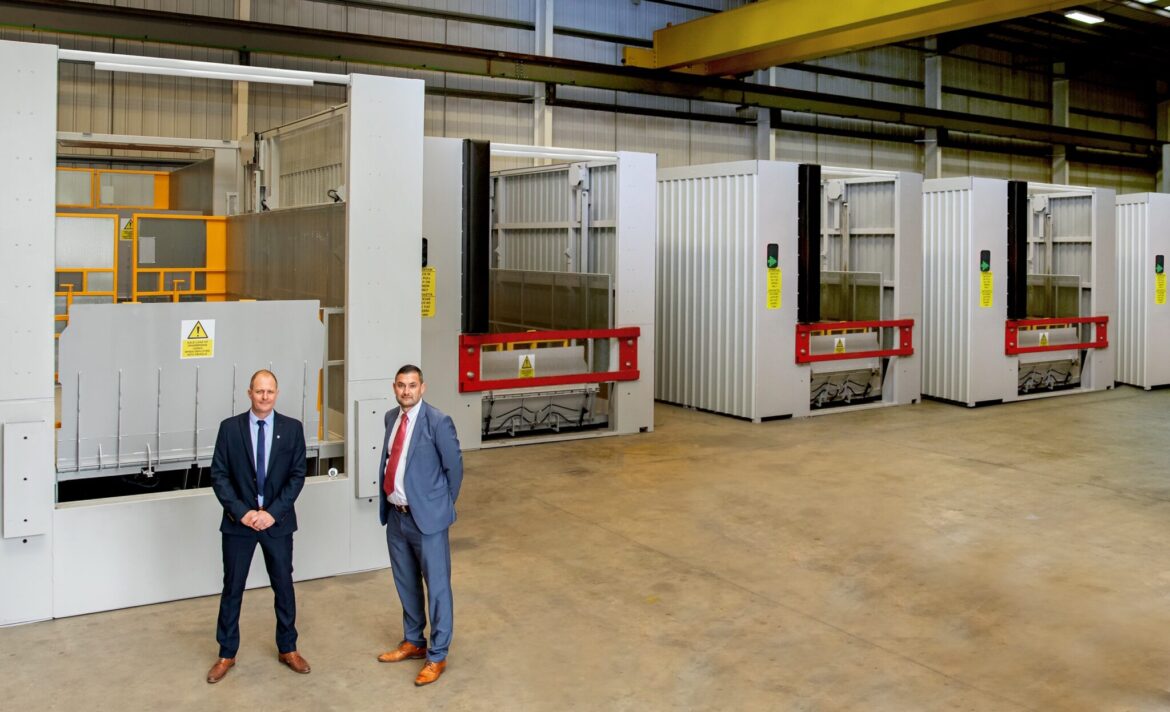
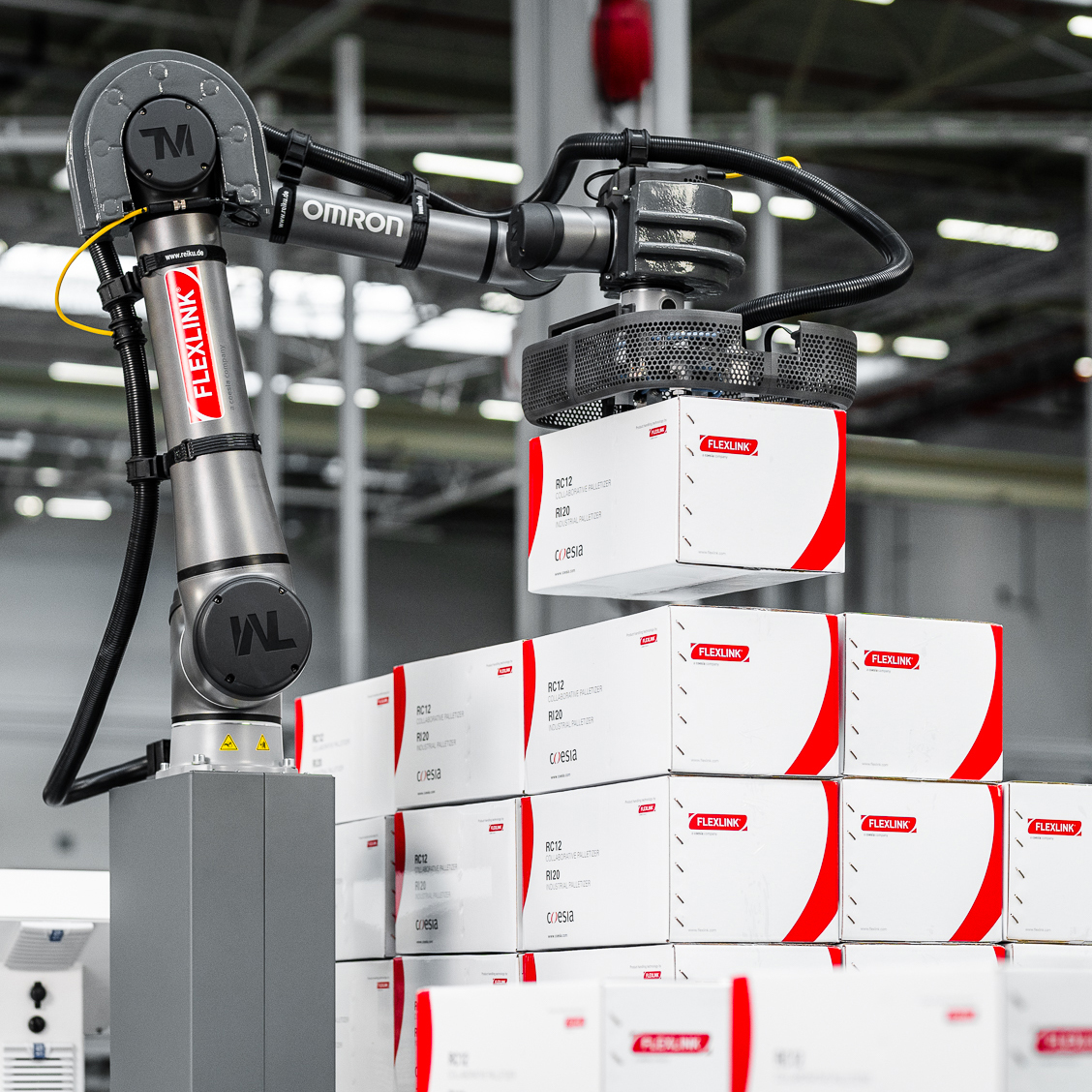
As the technology on display, Coesia will showcase the RC12 Re-Palletizing Line from FlexLink, an advanced system designed to streamline pallet handling operations in warehousing and co-packing. By integrating two RC12 collaborative robots to transfer products to another pallet, the system enables seamless automation of pallet size and pattern changes. This is particularly beneficial in e-commerce and distribution centers where orders must be repacked or adapted to different pallet configurations.
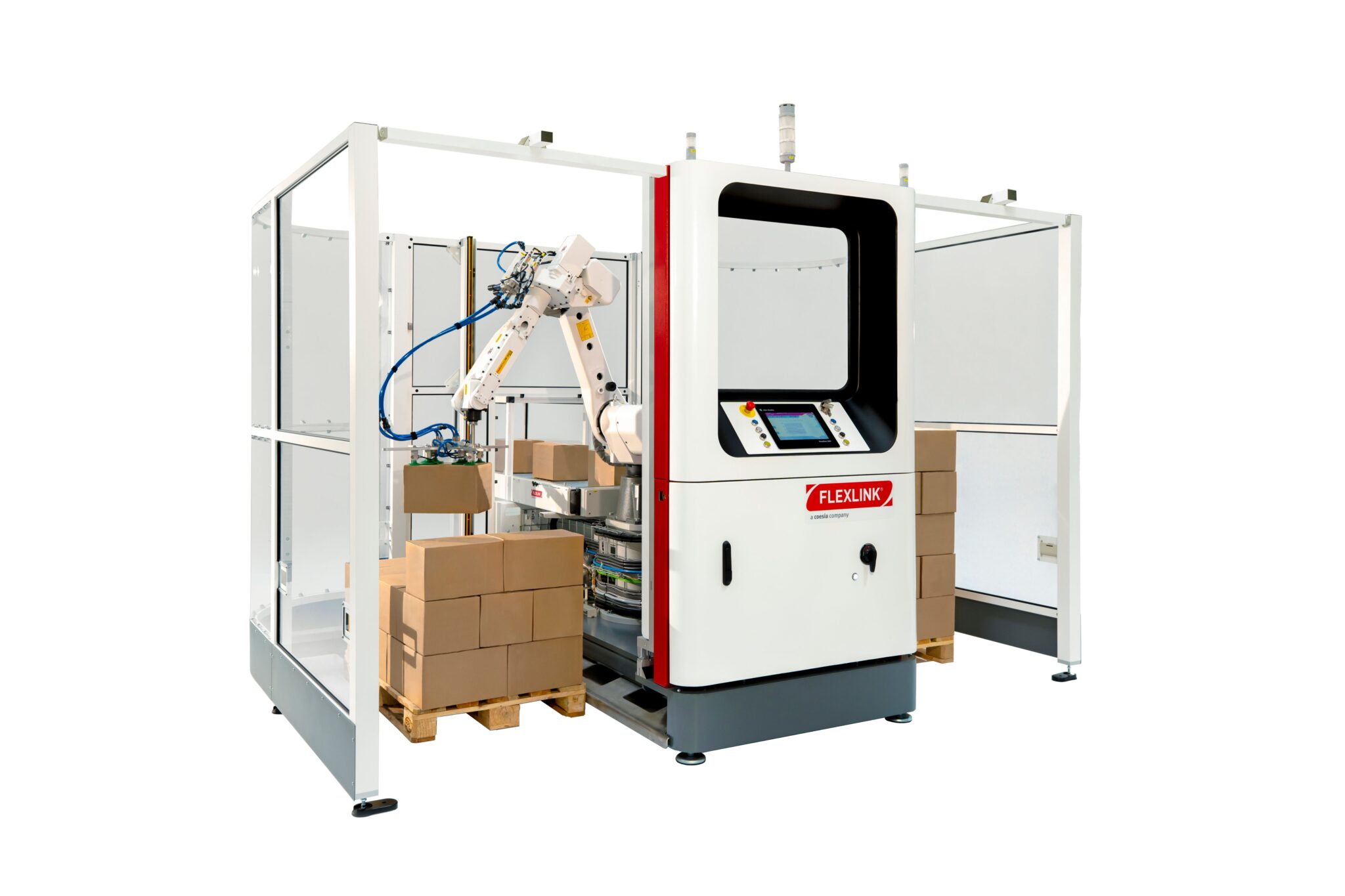
The RC12 Re-Palletizing Line features RobotConfig, an intuitive interface that simplifies palletization programming. It allows users to configure pallet patterns quickly without specialized robotics expertise. Additionally, its movable design, free from fixed floor attachments, offers great flexibility in dynamic warehouse environments. The solution enhances operational agility by supporting free-flow palletization and optimizing workflows without requiring major infrastructure modifications.

AI-driven mixed palletizing

In response to evolving e-commerce needs, the Mixed Palletizer is an innovative technology, optimizing stacking patterns for heterogeneous shipments. While not physically showcased at LogiMAT 2025, Coesia experts will be available to provide insights and discuss its benefits with interested customers looking to enhance their logistics operations.

E-BF by Emmeci – automated, customized packaging

Another highlight of Coesia’s presence at LogiMAT 2025 is the E-BF by Emmeci, a fully automated packaging solution that customizes box sizes on demand. Designed to accommodate both unstable multi-item orders and single-item shipments, it seamlessly integrates Box First and Box Last concepts to ensure precise fit-to-size packaging. The system automatically seals, tapes, and labels each package, optimizing material usage by up to 40%. By enhancing efficiency and sustainability, the E-BF improves productivity while ensuring high-quality packaging and optimized customer experience.

Visitors will also have the chance to learn more about:
• System Ceramic’s E-BFS machine, equipped with smart fulfillment technology and designed to wrap the product directly with a custom-fit package, creating a clamshell box in real time with the exact dimensions. This system enhances the customer experience with aesthetically refined and customizable packaging while supporting reverse logistics, simplifying returns, and reducing waste.
• ACMA’s E-SWL sleeve wrapping solution, designed for creating custom-sized shipping bags from paper-based or other materials on demand.
• Atlantic Zeiser’s Late-stage differentiation, which integrates with traditional printing for on-demand boxes personalization, reducing SKUs, waste, and storage costs.

With a continued presence at LogiMAT 2025, Coesia demonstrates its commitment to advancing automation in e-commerce logistics. By offering integrated solutions for packaging, palletizing and warehouse automation, the company helps companies achieve greater efficiency and adaptability in their supply chains.

similar news
e-commerce Box-making Solution


Source link

0 comments
0 FacebookTwitterPinterestEmail
Services

Navigating the Supply Chain Maze

by
written by


Aaron Geiger, Managing Director of Manufacturing and CPG/Retail for ORTEC, looks at Strategies businesses can deploy to optimize Last-Mile Deliveries.

Supply chain optimization has become a critical factor in maintaining a competitive edge. However, many companies still struggle to effectively implement AI-powered solutions for their supply chain. The disconnect often stems from a misalignment between C-level decision-makers and operational teams, leading to suboptimal results and missed opportunities for true optimization.

These are important decisions because a growing number of logistics professionals admit they aren’t optimized enough in their operations. Over half of respondents (52%) in a recent survey rated their organization’s current last-mile delivery planning effectiveness as below ‘excellent’ or ‘good.’ Additionally, the survey found that nearly 40% of respondents need to adjust delivery routes multiple times per day due to unexpected delays, emphasizing the pressing need for innovative solutions in logistics.

Understanding The Role of Software Optimization

One of the primary challenges in implementing AI and software solutions is the lack of a holistic view of the supply chain. Many companies focus solely on individual components, such as warehouse management or transportation logistics, without considering how these elements interact within the broader ecosystem. This siloed approach often leads to inefficiencies and missed opportunities for optimization across the entire supply chain.

Data quality and integration pose additional challenges. AI and machine learning algorithms rely heavily on accurate, comprehensive data to generate meaningful insights and recommendations. However, many companies struggle with data silos, inconsistent data formats, and outdated information, which undermine the effectiveness of even the most sophisticated software solutions.

Smarter Load Optimization

Moving beyond these implementation challenges, let’s examine the critical area of load optimization in warehouses and distribution centers. Many companies today are utilizing optimization software that focuses solely on downstream processes at the warehouse level. Even though the approach yields some benefits, it significantly limits flexibility and responsiveness to changing market conditions.

Forward-thinking companies are recognizing the need for more sophisticated software solutions that allow for upstream optimization. This strategy enables companies to make last-minute changes to orders, responding dynamically to shifts in demand or supply chain disruptions. By optimizing loading upstream, companies can better align their operations with real-time market conditions, improving efficiency and customer satisfaction while minimizing food waste.

A key component is the ability to perform dynamic builds, reconfiguring truck loads with proper ‘stackability’ to ensure each axle is weight-optimized while also considering the unique temperature control requirements of different products. These capabilities allow companies to maximize the number of pallets loaded onto trucks without risking fines during road checks or compromising product quality.

Many industries, including grocery as an example, face unique challenges in load optimization due to the various temperature control sections required in a truck. Traditional loading strategies based on the order of customer drops often result in inefficiencies, requiring the removal of several pallets at each stop to reach the varying temperature sections of the truck. These strategies not only increase delivery times but also risk compromising the temperature integrity of perishable goods.

Today’s more advanced load optimization software strategically orchestrates the loading of the trailer to address these challenges. These solutions consider product compatibility, determining which items should be safely stacked on top of each other in a pallet and within the truck. They also optimize the placement of goods in different temperature-controlled sections of the truck, minimizing the need to remove non-customer-specific pallets at each stop.

By implementing these advanced optimization techniques, companies reduce the number of pallets that need to be moved at each delivery point. Industry observers believe this not only improves efficiency but also reduces the risk of temperature fluctuations for sensitive products. The result is a more streamlined delivery process that maintains product quality and freshness while reducing operational costs.

Is Your Routing Truly Dynamic?

The final piece of the puzzle in supply chain optimization is dynamic routing. Many companies still rely on static routing methods, which lack the flexibility and agility required in today’s fast-paced business environment. The limitations of static routing become particularly apparent in the face of unexpected events, such as traffic disruptions, weather conditions, or last-minute order changes, all of which significantly impact the delivery of goods.

Dynamic routing offers a solution to these challenges by continuously optimizing delivery routes based on real-time data and changing conditions. This is particularly crucial in industries, where factors such as traffic, weather, and product freshness impact delivery schedules. Dynamic route optimization leverages advanced algorithms and real-time data to create the most efficient delivery routes, considering factors such as traffic patterns, delivery time windows, vehicle capacities, road conditions, and the specific temperature requirements of different product categories.

However, simply investing in dynamic routing software is not enough for companies. They need to build the right strategy to adopt and implement the technology effectively, which is where the disconnect between C-level executives and operational teams often becomes most apparent. While C-suite leaders may be eager to invest in cutting-edge routing software, operational teams need support in refining their processes before the software is truly effective.

By combining AI-driven insights with human expertise, companies will be positioned to make more informed decisions about customer service levels. Sometimes, this might mean adjusting delivery frequencies based on a comprehensive analysis of costs and benefits. For example, a company might decide to reduce deliveries to certain customers from four or five times a week to three, based on factors such as order volume, product mix, and delivery costs. The strategic approach to routing optimization leads to greater cost savings and improved overall efficiency without compromising product quality or customer satisfaction.

The logistics industry faces unique challenges in supply chain optimization, particularly in areas such as temperature-controlled logistics and product freshness. However, by leveraging advanced technologies and strategic thinking, companies can overcome these challenges and achieve significant improvements in their operations.

As the logistics industry continues to evolve, companies that successfully implement these advanced optimization strategies will be best positioned to thrive in an increasingly competitive and complex marketplace.

similar news

Route Planning Optimization Cuts Delivery Distance


Source link

0 comments
0 FacebookTwitterPinterestEmail
Services

Biscuit Manufacturer gets Double Deck Trailers

by
written by


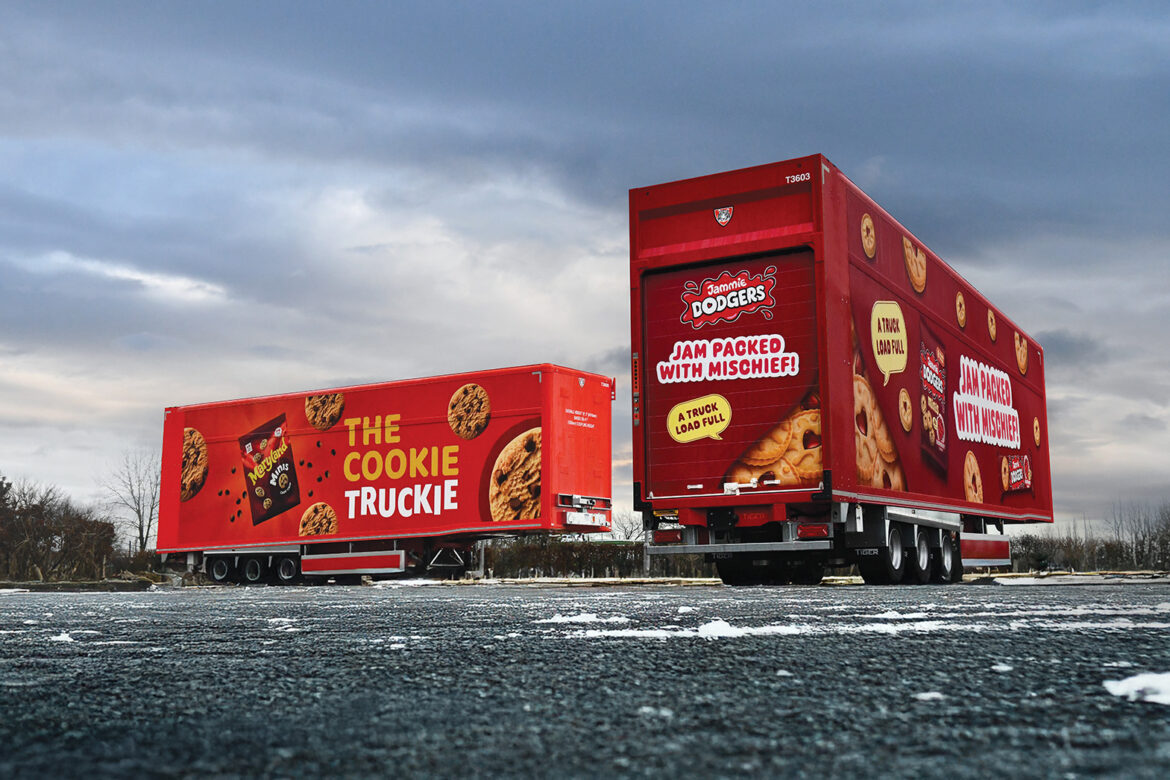
A fleet introduction debut that was four years in the baking, Fox’s Burton’s Companies (FBC) UK Limited has welcomed the first Tiger Trailers-manufactured vehicles to its fleet in the form of nineteen moving deck double decks and two single deck box vans, boasting mouth-watering full-wrap Maryland Cookies, Jammie Dodgers, and Party Rings liveries.

The biscuit manufacturer’s new double decks are powered by Tiger’s own four-ram hydraulic lifting system and have been designed and engineered in a wedge iteration to enable them to transport a capacity of fifty-two UK pallets. This maximises utilisation efficiency and reduces both carbon dioxide emissions and fuel spend.

Danny Hobkirk, Fleet Transport Operations Manager for Fox’s Burton’s Companies, says: “Everyone from across our business is excited to see these first Tiger trailers join our fleet. They look stunning with some of the nation’s most-loved biscuit brands on them. Tom and Tiger colleagues have visited our sites on many occasions throughout this project’s development, during which time we have utilised a number of double decks from Tiger Rentals and also visited Tiger’s site for 3D reviews, all giving us full confidence in the new vehicles’ ability to fulfil our requirements.”

Safety for its operatives and also other road users was at the forefront of the delivered specification for the customer’s new articulated trailers, which incorporate the Safe Parking systems from both Haldex and Maple, along with a ground-level sliding coupling, upgraded tow-guard with an over-centre locking handle to protect against finger injuries, a wanderlead for remote deck operation, Anchorlock to mitigate trailer runaways, and a wide range of additional lighting both externally and internally. A flashing warning lamp to warn cyclists of the trailers’ danger zones and to inform them when the vehicle is turning left has also been fitted.

Thomas Stott, Key Account Manager at Tiger Trailers, remarks: “It’s been a pleasure collaborating closely with the Logistics team from FBC while working on these exciting new trailers. Our businesses share a desire for high quality, and it’s great to see a customer taking safety so seriously as seen in the specification of their new trailers. It’s great each time we see one of FBC’s new Tiger trailers out there delivering confectionaries everyone is familiar with, and we look forward to continuing to support their operations over the coming months and years”.

The treat-maker’s new Tiger trailers will operate out of FBC’s sites in Batley, West Yorkshire, and Kirkham in Lancashire, delivering its iconic biscuits throughout the UK.

similar news

United Biscuits Signs Three-Year Contract Renewal With Chep In Europe


Source link

0 comments
0 FacebookTwitterPinterestEmail
Services

Everyone Can Automate Warehouse Trucks

by
written by


Oranges are not the only fruit, and in the world of warehouse vehicles brand differentiation is significant. Still Materials Handling, the ‘orange truck’, is automating its product line, as David Priestman reports from a press event in Antwerp.

In the charge towards warehouse automation materials handling OEMs want to avoid being typecast as just a forklift supplier or racking provider. Still’s new pitch is to be a systems integrator, while continuing to offer manually-driven warehouse vehicles. “We’re a one-stop-shop,” declares Managing Director Dr Florian Heydenreich (pictured). “70% of customers want to automate. We want them to think smart from the start and we’re providing customer-optimised products, robotics, hardware and software.”

The former factory of Egemin, the Belgian automated guided vehicle (AGV) pioneer, on the outskirts of Antwerp, is now Still’s automation competence centre, with 400 staff here. Since Egemin joined the KION group in 2015 (for a reputed €72m), expertise in AGVs has permeated to the rest of the group’s companies. The AGV market is forecast to grow by 18% per annum, driven by a need for process efficiency, cost control and the shortage of labour. Still, understandably, wants to rapidly gain market share. “Our aim is to advise and offer the best fit solutions, regardless of customer size and experience in automation,” Heydenreich adds, describing a holistic strategy.

“Automation is a hype, with five myths,” he explains:
1. Automation only works in new build facilities with high investment. This is not true as automation does not always replace manual operations, can be scaled-up and is therefore suitable for existing, ‘brownfield’ DCs
2. Automation solutions lack reliability. Automating cannot turn a bad operation into a good one without collaboration. 98% reliability is achievable
3. Immature technology. The biggest risk is the human factor. Companies must define standards, expectations and processes, for example regarding peak performance
4. Traditional materials handling providers are not innovative enough. We need to set standards for automation. Still has 600 employees working on simulation and project design
5. Automation is a purely contractual arrangement – the customer orders it and the integrator just implements. No – it is a joint approach, including change on the customer’s side, that needs time and consideration. Success requires close co-operation.

No forklift accidents without humans

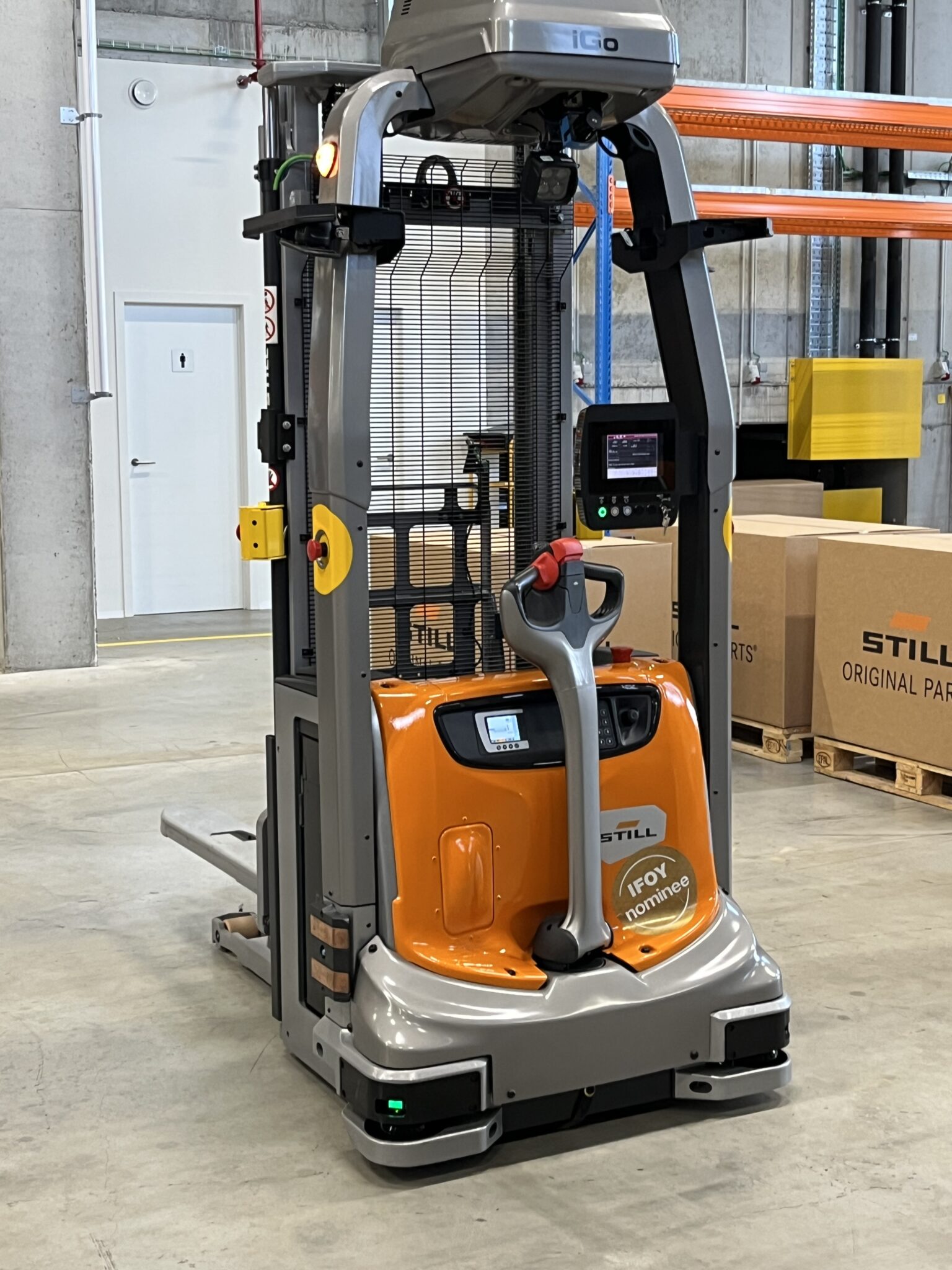
Automation-as-a-service is what Still propose. An AGV is essentially a set of computers and sensors with forks and wheels. ‘Service readiness’ is key. Data is provided by every vehicle to the customer and to Still technicians for predictive maintenance. There no longer needs to be two different types of engineer – one for hardware and one for software as every technician can do all the work an AGV needs, using diagnostics and system updates. The machines have been ‘industrialised’, being built on the same production lines as manual trucks, making them cheaper and more highly available. For a three-shift, 24/7 operation, automation is the answer.

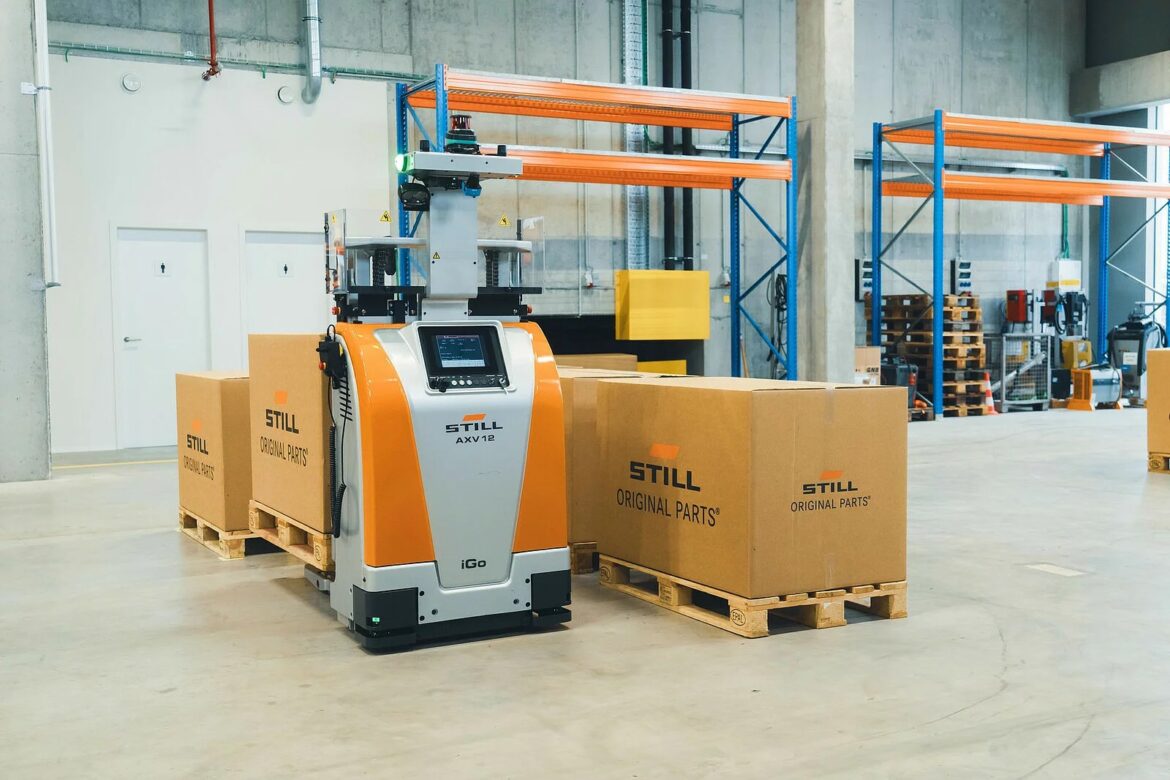
With two fleet management systems, ‘iGo Easy’ and ‘iGo Systems’, users can choose between standard or high-performance AGV fleets, with models such as the EXV 16 and AXV 12. iGo Easy does not require ERP or WMS and the user interface is any mobile device, with a lean project team. iGo Systems integrates AGVs into the customer’s WMS, with intelligent order allocation and storage location selection, to maximise throughput based on priority, weight of load etc. Data is stored on which AGV stores which load, where and when.

Reaching up, not out

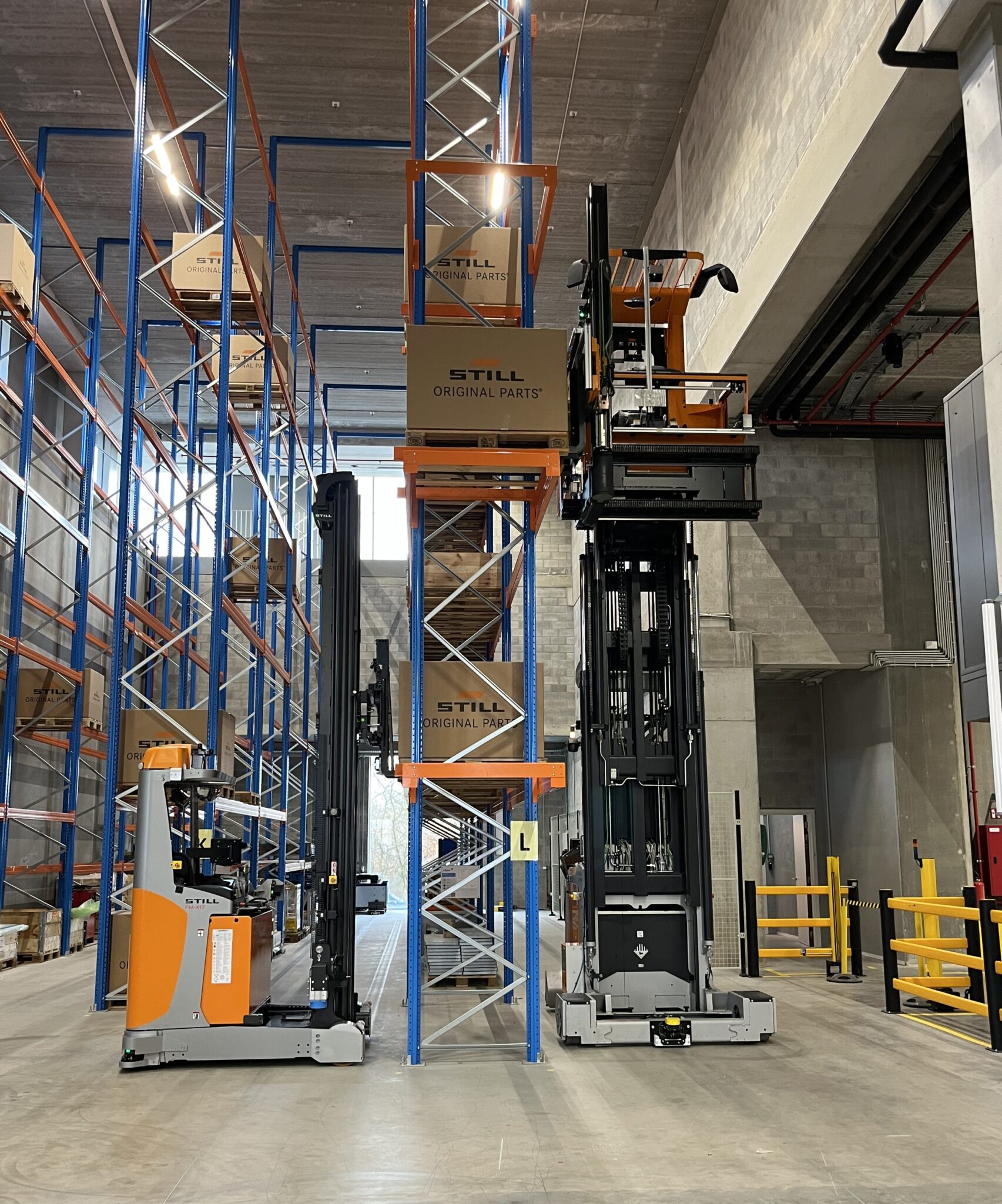
The entire warehouse is mapped, creating a digital twin, for navigation, with precision to the nearest centimetre. The EXV has a lead time of just 8 weeks, from order to delivery. AGVs can be customised too. The company has many years of reach truck expertise and is putting that to good use with automated reach trucks, offering high-bay operations up to 7m and beyond. These AGVs can work in VNA warehouses with aisle widths as narrow as 2950mm.

Other automation solutions include AMRs, which learn from changes in the warehouse without re-programming, and the ‘iGo Cube’ for high-density storage, using AMRs. This is a pallet shuttle with WCS – a fully-automated ‘black box’. It takes six months to order and install a standard iGo Cube system, which can used in cold stores. All automation installations envisage a 12-year lifespan, with return-on-investment typically 3 years. Installation challenges often include the floor quality for AGVs to be able to drive at full speed and up to the maximum height, as well as when there are both pallets and totes being utilised.

Driverless installation

Third party logistics (3PL) provider Yusen Benelux’s Project Manager for Contract Logistics, Gitte Daelemans, talked me through the recent automation solution by Still for a 40,000 m2 greenfield hub, fully-automated warehouse. The DC is run exclusively for one large pharmaceutical company and features temperature-controlled zones (including vaccine storage for 11000 pallets), as well as quality control, packing and despatch and a secure area of 1440 pallets for hazardous products. Commenced in 2022, it went live last summer, undertaking 160 pallet transport per hour.

“This was a chance to automate,” says Daelemans. “The longer the 3PL contract the bigger the investment in automation. We defined the process implementation and what needed improving.” The DC is managed in a single integrated system, using Manhattan Associates’ WMS and provides smart integration of inbound and putaway processes. “It’s hard to find drivers with reach truck skills. But we still need staff for picking,” she points out.

The AGV vehicles operate in ambient conditions (35000 pallets) as well as in cool storage environments. The narrow aisle racking system has 10 automated VNA trucks – MX-X iGo, and 18 automated high lift pallet trucks – EXV iGo with sensor-based positioning. The EXV iGos deliver pallets to designated aisle drop-off points, where the automated VNA trucks pick them up and store them in the narrow aisle racks. This ensures high pallet throughput with minimal human intervention.

A full ‘day-in-the-life’ test prior to implementation helps to resolve any outstanding issues. “Volume testing is really important,” adds Daelemans. “Not just 1 or 2 machines but with inbound and outbound running to detect bottlenecks. This is difficult without the customer’s pallets being there before go-live.” She advises appointing a dedicated person to oversee the automated solution, along with implementing a contour scanner check for weight and measurement with an adjustable tolerance range that maximises acceptance, reducing rejection rates and the need for manual intervention. “We learned some lessons after go-live to be able to optimise things in the subsequent months and hit our KPIs,” Daelemans concludes, citing reject lanes and barcode readability.

Pragmatic approach

Still’s corporate culture is to be pragmatic. The company is not pursuing the highest-tech products for the sake of it, but rather the right technology and solution, sensibly. There has been a change in philosophy to ‘think automation’, instead of ‘building forklifts’. The company has the distinct advantage of having many customers already familiar with the brand, rather than being a new entrant to this space and Still is re-asserting its brand distinctiveness within KION.

I concluded my insightful visit by spending time with Frank Heptner, VP of Automation. An enthusiast, the former BMW executive embodies the upbeat Still attitude. “What is Still’s USP now?” I asked him. “Our local footprint, for installation and service is key, but we’re also a global partner; we’re everywhere, in every vertical market. We have a long history and our own DNA: Experience, stability and innovation,” he emphasises. And the competitors? “We have good coverage. There are lots of AMR suppliers, but few companies are automating larger AGVs,” he states.

What is the impact of automation on existing manual trucks? “There are 2 types of customer,” Heptner tells me. “Those that needed to automate years ago and those new to it. They’re all looking for automation. The speed of replacement of manual, driven trucks with ‘plug & play’ AGVs will accelerate. Perhaps a third of trucks will be automated in the foreseeable future.” Instead of training forklift drivers, managers will run a fleet of bots. For petrolheads like Heptner and myself that inevitability is sad, but true.

similar news

STILL OPX iGo Neo Triumphs


Source link

0 comments
0 FacebookTwitterPinterestEmail
Services

Uruguay Launches Deposit Return System

by
written by


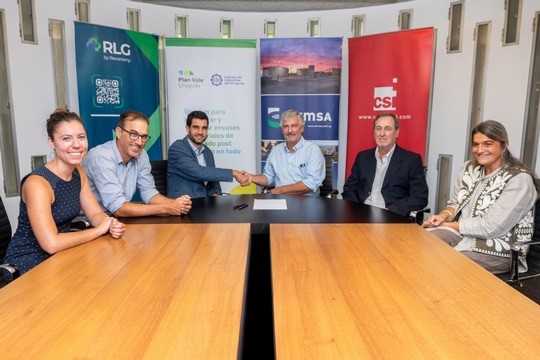
In a step towards a more sustainable Latin America, Uruguay’s national packaging recovery initiative, Plan Vale, agreed to the terms with the consortium of CIEMSA, CSI, and Reverse Logistics Group (RLG) to implement the country’s first Deposit Return and Refund System (DRS) for single-use beverage containers. This pioneering project positions Uruguay as the first Latin American nation to adopt such a system, setting a precedent for efficient recycling and waste management in the region.

The consortium has been entrusted with the system’s design, implementation, and operation under Plan Vale’s stewardship. The program, which is designed to incentivize the return of recyclable materials, will cover a wide array of packaging types, including PET plastics, aluminum cans, glass bottles, and carton beverages. Including these materials is expected to amplify the program’s environmental impact significantly.

To facilitate this ambitious effort, RLG has partnered with CIEMSA and CSI, two long-established and highly experienced local firms, to support operations in Uruguay, which include material collection and transportation, as well as the construction and operation of counting and sorting centres. This collaboration will allow the transfer of RLG’s extensive global experience to DRS, which will ensure the system’s efficiency and reliability.

RLG will act as the project’s primary technology provider. The company will deploy an End-to-End DRS IT solution that integrates all system stakeholders and ensures the secure management of data and financial flows. Additionally, RLG’s operations and logistics management solution will support the Consortium in optimizing collection routes and tracking materials from collection to their final processing destinations.

The establishment of a local entity by RLG to manage the project underscores the company’s commitment to the success of the DRS in Uruguay. The local team, already in place, is expected to grow as the project progresses, further embedding RLG’s expertise within the country. RLG’s involvement in Uruguay’s DRS is a testament to the company’s leadership in environmental logistics solutions. With a strong track record of DRS implementations globally, RLG brings best practices and cutting-edge technology to support Uruguay in achieving its environmental goals.

This partnership marks a milestone for Uruguay and serves as a model for other Latin American countries considering similar initiatives. This initiative advances Uruguay’s sustainability efforts and serves as a scalable model for Latin America.

similar news

Global Cold Chain Alliance in Latin America


Source link

0 comments
0 FacebookTwitterPinterestEmail
Services

Smart Landbridge Connect to Speed Irish Exports

by
written by


27th February 2025

Logistics BusinessSmart Landbridge Connect to Speed Irish Exports

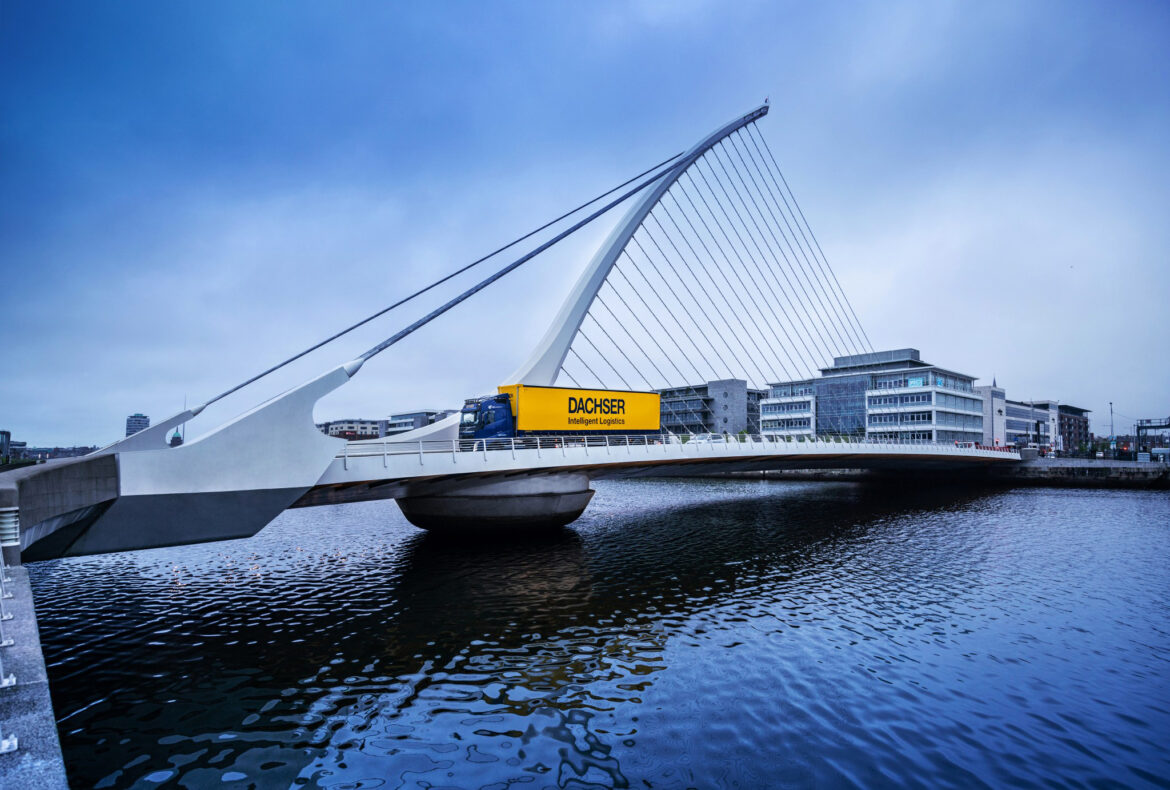
As part of ongoing efforts, Dachser remains committed to re-establishing the smooth and efficient trade connections across Europe that were impacted by Brexit. The limitation of direct ferry services between Irish ports and mainland Europe, along with capacity constraints, limited sailings, and weather-related disruptions, has posed significant competitive challenges for Irish exporters in European markets.

“By restoring a fast and efficient UK Landbridge option, Dachser is creating a competitive advantage for Irish exporters,” says John Van Den Berg, Managing Director of Dachser Ireland. “By utilising a simple T2 transit procedure, Irish trade can move seamlessly through the UK for onward connection through the Channel Tunnel, allowing Irish trade to reach European destinations more quickly and efficiently,” he adds.

High-quality-network

Irish customers will benefit from Dachser’s high-quality, market-leading European groupage network, which annually handles over 77 million shipments through the logistics provider’s 220 own-operated branches across the continent. The reliability, transparency, and security of Dachser’s in-house IT-systems and eLogistics platform offer peace of mind, particularly for Irish pharmaceutical and hazardous cargo shippers, as well as exporters in general.

“Ultimately, it is our own network of offices in Ireland, the UK, and across continental Europe that enables us to provide the highest level of reassurance — something that is paramount to our customers,” concludes Van Den Berg. With Smart Landbridge Connect, Dachser continues to deliver exceptional performance alongside innovative service enhancements.

similar news

Freight Solutions across the Irish Sea


Source link

0 comments
0 FacebookTwitterPinterestEmail
Services

Loading Bay Double Vision

by
written by


With a double-deck un/loading solution set to revolutionise European transport loading bay operations in its portfolio, Transdek is on the march, as Peter MacLeod discovers.

Have you ever seen a double-deck HGV on the motorway and wondered how challenging it must be to load or unload it at a standard warehouse dock? Leon Butler, Managing Director of Hörmann Transdek UK Ltd – and a champion of industrial safety and loading bay efficiency throughout his career – certainly has, for he has grown his business on the back of it. The double-deck modular loading lift designed and pioneered by Transdek some 20 years ago, before its merger with German industrial doors expert Hörmann, has been the UK’s de facto solution for the difficult challenge of non-compatibility between the standard warehouse dock height and the two levels of the vehicle’s double deck.

Whilst a double-deck trailer chassis is more complicated, expensive and heavier than its fixed-deck counterpart, the fact that it offers up to 60% additional capacity – 53 Euro pallets versus 33 – is a compelling argument in its favour. No wonder its use is growing, especially given the drive to eliminate carbon from the supply chain. But this growth is slowed in mainland Europe because the challenge is approached differently on the continent, addressing the issue with a vehicle-mounted tail lift that in comparison to Transdek’s pod is a clumsy, inefficient, expensive – around 15 to 20 % of the trailer’s capital cost – and potentially less safe solution.

Transdek solves the challenge at the warehouse, with a module that fits in front of the warehouse door and rises or falls smoothly and safely, matching the height of the vehicle deck and thus allowing MHE unhindered access to the interior of the trailer. The continental solution, on the other hand, has to be deployed as the vehicle abuts the dock, and rises up or down in a similar way to a tail lift on a light van. The significant disadvantages are in the fact that the steel lift and its multiple hydraulics are transported by the vehicle, taking up valuable space and weight capacity. Furthermore, it takes considerably longer to un/load than the Transdek solution. If that’s not compelling enough, the practicalities of trying to load a trailer with the tail lift married to a conventional loading dock leveller presents many hazards, a practise not accepted in the UK.

When I ask Butler about Transdek’s plans to roll the solution out across mainland Europe, he says: “The product itself unlocks the use of the double-deck trailer to make it more attractive. The installation of it as a retrofit takes just two days on site, because we don’t need any civil works such as bunded pits, as you would do with a normal scissor lift. With prime development land becoming less available and encroaching on flood plains, any surface or flood water will simply flow under the structure and drain away, allowing operations to resume faster following adverse weather events.”

Furthermore, the double-deck lift can be financed via regular equipment leasing arrangements, and it can be easily either removed or relocated to another site or bay when necessary. Safety-wise, it features side barriers up to 2.2m in height. With only a single hydraulic cylinder (versus the vehicle-mounted alternative’s four, eight or 16) lifting up to 20 tonnes, the Transdek pod only requires servicing every 12 months. “We can make the loading platform much more robust than a tail lift, because a tail lift has to be as light as possible to be put on the back of a trailer. With a fixed asset bolted onto a building, you can make it as robust as you want, because you’re not paying for fuel to take it up and down the roads.”

Buoyant Year

Looking at the bigger picture, Transdek enjoyed a strong 2024 within the UK market, with new customer engagement increased by 20% across all the company’s product portfolio, whilst maintaining strong relationships with existing clients. It anticipates the market for double-deck trailers to rise in the coming year due to a number of factors, principal among them being the labour shortage, with the EU, Norway and the UK together missing over 233,000 commercial drivers.

Butler says Transdek has long-standing relationships with retailers in the UK such as Boots, Superdrug, BM Home Bargains, Sainsbury’s, Tesco, and Iceland. With such a to-die-for customer list, expansion into new markets should accelerate once European retailers understand the benefits. With a focus on the Benelux region and Central Europe, Transdek will be displaying its demo unit at the BAU and the transport and logistic 2025 exhibitions, both in Munich.

It seems only a matter of time before the scales fall from the eyes of European operators and vehicle-mounted unloading systems and all their inherent disadvantages become a thing of the past.

similar news

Tiger supplies DPD with 250 trailers


Source link

0 comments
0 FacebookTwitterPinterestEmail
Services

EVs Taking Charge

by
written by


Shell Commercial Road Transport’s Aleid van der Wiel discusses how the ‘chicken and egg’ scenario surrounding the future uptake of electric trucks can be solved with effective charging infrastructure.

Europe needs its commercial road transport (CRT) fleets to invest in electrification. And, to make the case for investment, fleet managers need to know they can continue to operate across their existing routes as cost competitively as possible with electric vehicles (EVs).

However, this is where they often come up against a ‘chicken and egg’ scenario: On the one hand, EV trucks are available, but customers are reluctant to invest because the charging infrastructure needed to support them is not fully in place yet and at scale; on the other, energy suppliers are hesitant to invest in the charging infrastructure required because there are not yet enough EV trucks in use to make it commercially viable.

So, how do we resolve this? We talked to Aleid van der Wiel, Head of Public eMobility & Power for Shell Commercial Road Transport, about the importance of effective charging infrastructure and how CRT businesses can access the solutions that meet their unique operational needs.

Logistics Business (LB): How is a lack of charging infrastructure preventing the acceleration of electrification?

Aleid van der Wiel (AvdW): Our research highlights that nearly two-thirds (64%) of CRT fleets believe the energy infrastructure needed for emissions reduction is currently not robust or reliable enough to support their operations. This undermines the business case for electric truck adoption while making it more difficult to justify the investment in charging infrastructure at scale. Conversely, having the right strategic infrastructure in place can help fleets to reduce their total cost of ownership (TCO) by increasing efficiency and managing energy usage (enabling them to charge at times when electricity prices are lower).

LB: How can CRT fleets access the charging infrastructure they need?

AvdW: It’s critical for them to work closely with expert providers to develop an effective charging strategy, supported by tailored solutions that meet their specific operational needs – now and in the future. At Shell, we’re working with CRT fleets to identify the right charging set-up for their needs – giving them peace of mind that they’re investing in resilient operations that drive efficiency today while supporting the ongoing growth of their EV fleet. This includes eDepot solutions that deliver seamless private charging for trucks – covering high-quality charge point hardware, software that enables fleets to manage their charging needs efficiently at scale, and on-site energy solutions.

We also have a growing on-the-go public charging network for CRT fleets that will build on our first heavy-duty public truck charging site, opened in 2023 at Eindhoven Acht in the Netherlands. Giving fleets access to 300kW charging bays, parking facilities and the ability to book guaranteed charger availability, the site aimed to show how fleets can operate their routes efficiently using EV trucks.

LB: How important is collaboration between Original Equipment Manufacturers (OEMs) and energy suppliers?

AvdW: It’s hugely important for us to collaborate with OEMs to drive the adoption of electric trucks. In terms of developing charging solutions, we’re working closely with OEMs to make sure our customers have the best user experience at the charge site.

For example, we’re collaborating to make sure our hardware connects seamlessly, allowing customers to recharge quickly, reliably and at the expected power levels so they can keep to their schedules. This includes investing in charge point technology designed to deliver interoperability and quality, as we have done through our acquisition of SBRS in 2022. It also includes testing the connection between charge points and trucks at our Hamburg lab to help us and OEMs develop better solutions.

LB: What is your vision for the future of CRT electrification?

AvdW: We see high-quality, high-speed and flexible charging as the future. But that’s not all about the infrastructure or the hardware. To make sure fleet TCO remains low, businesses need to
integrate those elements with fleet and energy management to drive efficient and cost-effective operations. Software (including AI systems) has a crucial role to play in this, linking fleet schedules to energy markets to help fleet managers develop routes that provide the cheapest and most reliable charging options – out on the roads or back at the depot.

It’s also important to show fleets what this level of integration looks like. That’s why we’ve developed our first Megawatt (MW) dual charger for commercial road transport and marine applications as a proof of concept at the Energy Transition Campus Amsterdam (ETCA). The aim is to show both industries how a fully integrated system for sustainable energy management (featuring its own microgrid and standardised connectors) can support their decarbonisation ambitions while helping businesses to remain cost competitive by operating efficiently.

similar news

Adopting EV Fleets Presents Challenges


Source link

0 comments
0 FacebookTwitterPinterestEmail
Services

Experience the Future of Smart Logistics

by
written by


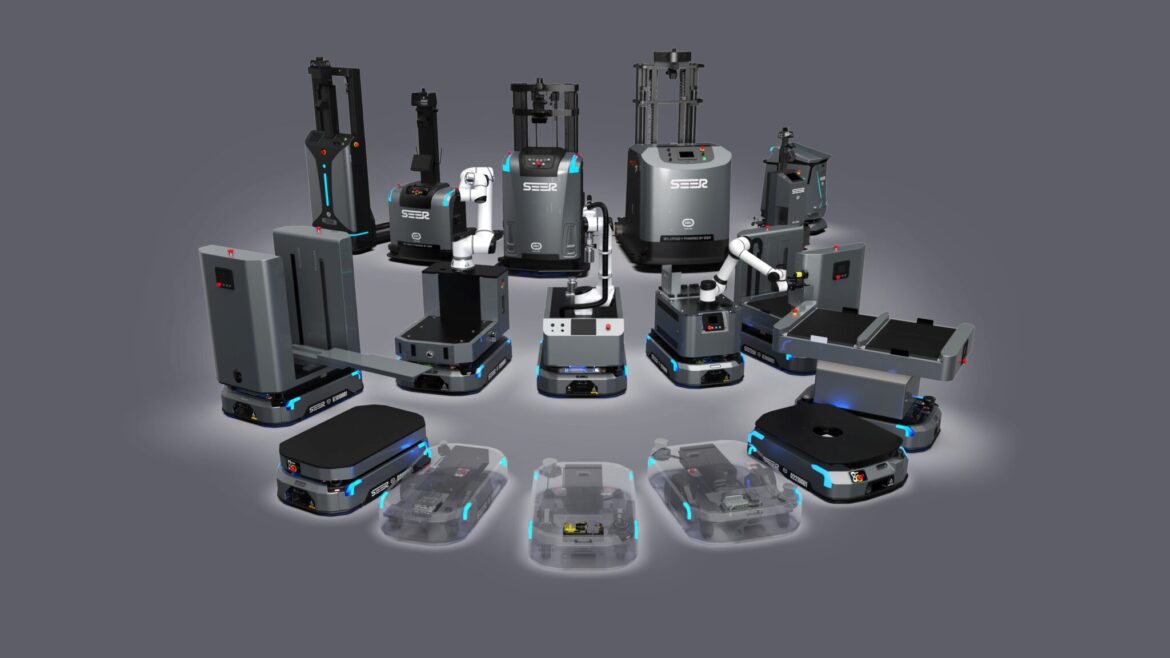
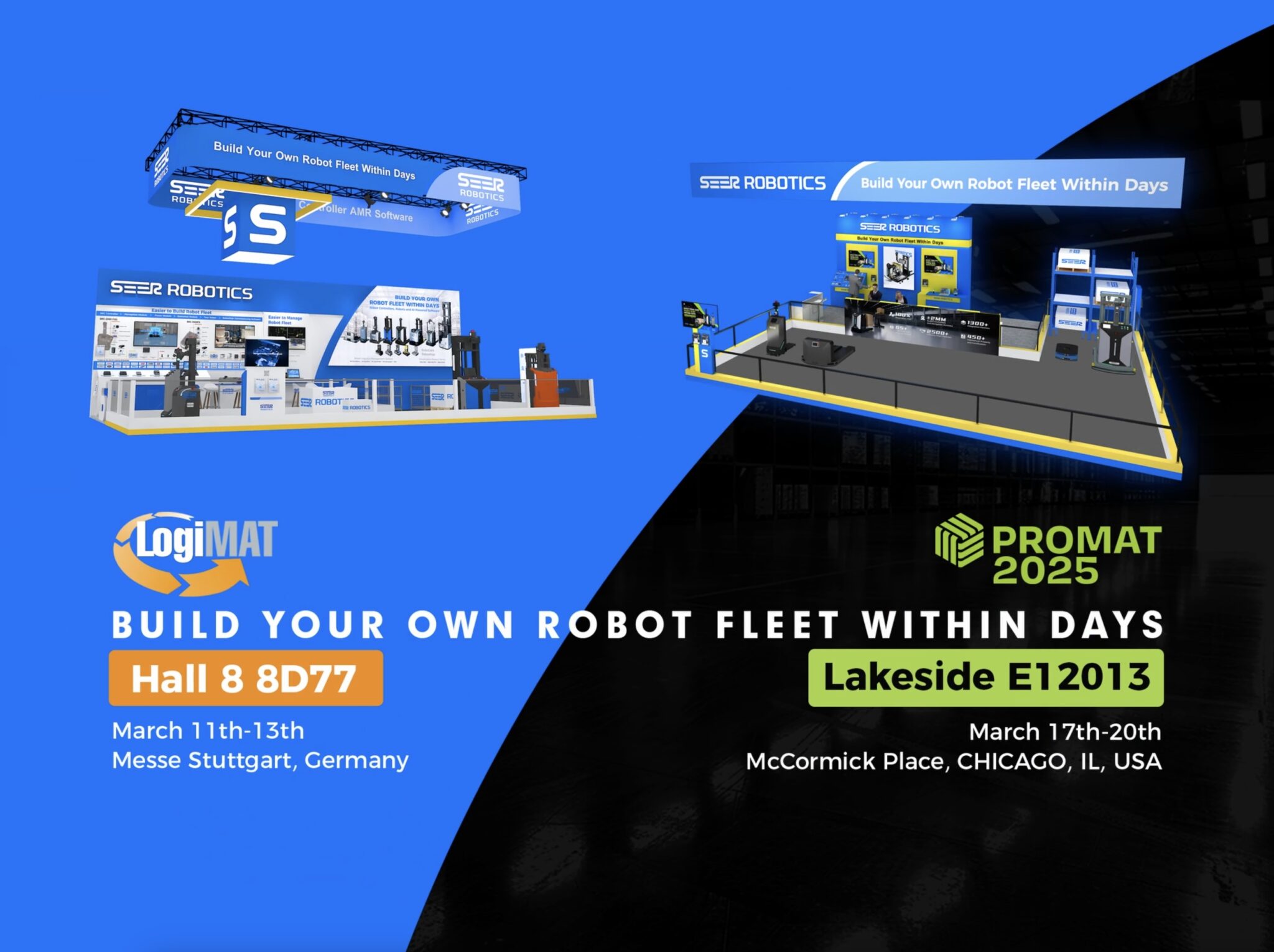
March marks a major milestone for SEER Robotics, as the smart logistics company gears up to showcase its latest intelligent robotics solutions at two of the world’s most influential logistics exhibitions—LogiMAT Stuttgart and ProMat Chicago.

As a global supplier of intelligent robotics controllers, SEER Robotics will present a comprehensive line-up of hardware and software solutions built around its industry-leading SRC series controllers, highlighting its cutting-edge automation technologies and innovation-driven capabilities.

Where to Find SEER Robotics

LogiMAT 2025 | March 11-13 | Stuttgart, Germany | Hall 8, Booth 8D77
Showcasing: SRC controllers, intelligent stacker forklifts (SFL-CDD14-CE & SFL-CDD15-CE), pallet trucks (SFL-CBD15-CE), single-arm forklifts (SOF-300EU), RDS resource scheduling system, and visualization products.

ProMat 2025 | March 17-20 | Chicago, USA | Lakeside Hall, Booth E12013
Showcasing: SRC controllers, rotary lifting AMRs (SJV-SW600), single-arm forklifts (SOF-300EU), reach trucks (SSR-1400), RDS resource scheduling system, M4 QuickGo application, and visualization products.

Localized Innovation for a Global Market

With a commitment to localization and adaptability, SEER Robotics tailors its solutions to meet the unique needs of different markets, driving the intelligent transformation of global logistics. Visitors to LogiMAT and ProMat will witness region-specific solutions that have already been deployed by world-renowned enterprises, including Schneider Electric, Philips, Hisense, Haier, Gree, Bosch, Volkswagen, ABB, Walmart, and many more.

Philips Case Study

One standout example of SEER Robotics’ impact is its intelligent warehouse automation solution for Philips, designed in collaboration with local partners to optimize warehouse management and logistics efficiency. Watch the video here.

CE-Certified for the EU Market
• The SFL-CDD14-CE intelligent stacker forklift is equipped with SRC-3000FS safety controllers, meeting CE, UL, and ISO 3691-4 certifications—ensuring compliance with European safety standards for industrial applications.

Enhanced Safety & Human-Robot Interaction
• Given the frequent interaction between forklifts and personnel, SEER Robotics implemented a multi-layered safety strategy, integrating 3D obstacle detection, distance sensors, and 360° protection.
• Smart navigation optimizes forklift routes, pallet positioning, and operational timing, minimizing risk while maximizing efficiency.
• Dedicated safety zones enable instant response mechanisms in case of emergencies.

Compact Design for Narrow Aisles
• With a body width under 1m and a turning radius of just 1.2m, the SFL-CDD14-CE forklift is engineered for high-density storage environments, seamlessly maneuvering through tight warehouse spaces.

User-Centric Customization
• To improve operational efficiency, SEER Robotics customized a PDA-based interface for Philips, aligning with local user habits and simplifying order management.
• Comprehensive technical support and training ensure seamless adoption and ease of use.

Smart Power Management with Rotational Charging
• Limited charging space posed a challenge for Philips’ warehouse operations. SEER Robotics implemented a rotational charging system, ensuring an optimal charging sequence for all forklifts, balancing energy consumption, and extending battery life—ultimately enhancing efficiency and reducing energy waste.

Driving Efficiency & Safety at Scale

By integrating SEER Robotics’ SFL-CDD14-CE intelligent stacker forklifts, warehouse operations at Philips are now fully automated — from material transfers to fleet coordination. Employees can simply issue tasks via PDA, while the RDS resource scheduling system orchestrates autonomous fleet operations, charging cycles, and collaborative workflows. The result? Significantly improved warehouse efficiency, enhanced safety standards, and seamless adaptability to Philips’ production needs.

On Display at LogiMAT & ProMat

With a growing portfolio of proven real-world deployments, SEER Robotics aims to reshape the landscape of autonomous logistics — delivering next-level robotic intelligence, safety, and operational efficiency. At LogiMAT and ProMat, visitors will experience firsthand how SEER Robotics is breaking barriers in automation and accelerating the global adoption of intelligent robotics solutions.

similar news

ASTI AGV Solution Ensures Smooth Traffic at Philips Valladolid


Source link

0 comments
0 FacebookTwitterPinterestEmail
Services

Last Mile Parcel Locker Collaboration

by
written by


With a strong ambition to grow its existing footprint, smart locker network Bloq.it has a product portfolio and company culture to fuel that growth. Peter MacLeod caught up with its founder.

Portuguese smart locker company Bloq.it is catching the eye with its leading-edge smart locker solutions and enlightened approach to the market. As it enters a year when it is aiming to strengthen its position in the unattended delivery solutions sector, its Founder & CEO Miha Jagodic spoke with Logistics Business’s Editor Peter MacLeod to tell him more about the company and what looks like an exciting future.

Logistics Business (LB): Miha, please tell me more about Bloq.it, its background, capabilities, growth, and its offerings.

Miha Jagodic (MJ): Bloq.it was born from a simple beach smart locker concept and evolved into a logistics powerhouse by seizing opportunities created by the Covid pandemic and the eCommerce surge that followed. Founded in 2019, our mission is to reshape the eCommerce parcel delivery experience through smart locker technology. Our end-to-end solutions modernise and enhance last-mile logistics, making parcel deliveries more efficient, cost-effective, and convenient.

Over the past year, we have experienced exponential growth, with deployments skyrocketing from 1,289 in 2023 to 4,789 in 2024, representing a 279% increase. Our locker network expanded from 2,300 locations to 6,700, reflecting a 290% growth. This rapid expansion is also supported by our flagship product, Bloq.it NEXT, which has set a new benchmark in the industry with its
advanced off-grid, battery-powered, and uncompromised capabilities. NEXT offers unprecedented flexibility with its autonomous functions, featuring advanced elements such as 10” colour touch screens, QR and barcode scanners, and label printers, making it a game-changer for deployment in areas without complex infrastructure needs. With revenue growth of over 101% year over-year, Bloq.it has established itself, in such a short time, as the backbone of this industry.

LB: Where has that growth come from?

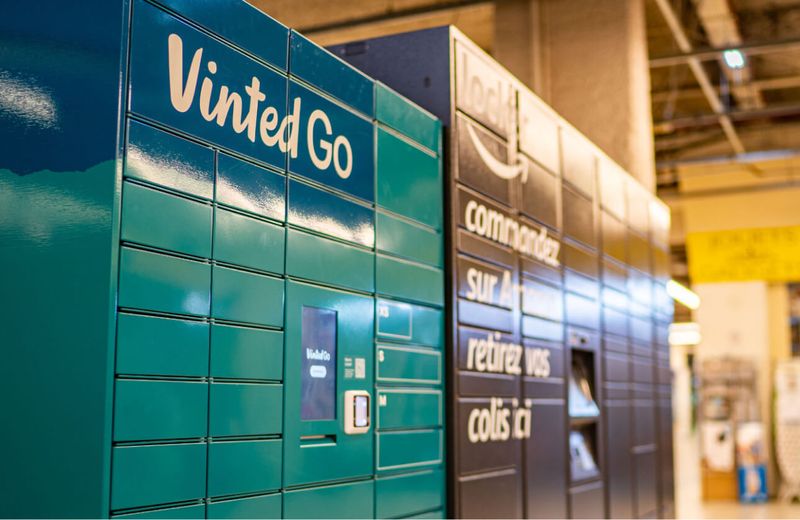
MJ: Our growth is fuelled by our ability to innovate and adapt to market shifts, such as transitioning from beach lockers to logistics solutions in response to the eCommerce boom during the pandemic. A significant milestone in our journey was the Vinted Go partnership, which started with installations in Paris in 2022 and has now expanded to over 4,000 lockers across France. The pilot in France has been so successful that an expansion to other countries is in the works for 2025. Additionally, the rise in consumer demand for convenient and sustainable delivery options has
accelerated the adoption of smart lockers, positioning us as a key enabler of eCommerce logistics.

LB: Who are your customers, and how do you work with them to achieve success?

MJ: We began working with leading global logistics providers early on. Heavy hitters such as DHL eCommerce and Vinted Go have been in our portfolio since 2022, and we have recently announced our partnership with GLS, one of the major parcel services providers operating in Europe. Our approach is deeply collaborative – we work closely with our partners to design customised solutions that optimise their delivery networks and enhance the end-user experience. By leveraging real-time data analytics, AI-driven routing, and seamless API integrations, we empower our customers to reduce costs, improve efficiency, and achieve sustainability goals.

We have been active also in the postal sector, working with operators such as PPL in the Czech Republic, and LockerItalia, in Italy. This year, we are also launching our entry into the Open
Network segment, with DeinFach (formerly known as OneStopBox), in Germany. While our customers initially choose Bloq.it for our industry-leading smart locker solutions, our ultimate goal is being met with them choosing us also for our company culture, collaborative attitude, and forwardthinking philosophy.

LB: How do you collaborate with your partners, and to what effect?

MJ: At Bloq.it, collaboration is at the core of our success. We believe that working alongside industry players, including those traditionally considered competitors, drives mutual growth and
innovation. A good example is when a major operator in Europe wanted some very customised lockers to be deployed in rural areas. Where most might go to look for solutions elsewhere, here at Bloq.it we are confident to dive in no matter the circumstances, and our customers are well aware already. Our partnerships are built on trust, flexibility, and shared goals. Whether it’s developing
customised locker solutions for Vinted Go or integrating with DHL eCommerce existing logistics operations, we ensure that our technology seamlessly complements their existing infrastructure, delivering tangible benefits such as faster deliveries, quicker diagnostics, and growing customer satisfaction.

LB: How does Bloq.it balance working with competitors while maintaining a unique value proposition?

MJ: We recognise that the logistics industry is an interconnected ecosystem where collaboration can drive overall efficiency. And that is crucial in our mind on the end-goal of bettering urban logistics and bringing it to the 21st century. Our technology is designed to integrate seamlessly with various logistics providers without compromising our competitive edge. Our focus on neutrality, scalability, and data-driven insights allows us to support all players in achieving their goals while maintaining our distinct market position.

LB: Can you share an example of how Bloq.it has successfully collaborated without compromising another client working within the same segment?

MJ: A great example is our partnership with multiple logistics providers in key European markets. Despite competing interests, we’ve implemented shared locker networks that allow multiple
carriers to benefit from our technology. This form of cooperation has led to increased operational efficiency, cost savings, and generated more interest for all stakeholders involved.

LB: What are the key challenges in collaborating with multiple clients from the same segment, and how does Bloq.it address them?

MJ: One of the biggest challenges is ensuring a level playing field where all partners feel they benefit equally. Bloq.it addresses this by providing transparent, data-driven insights and a modular approach that allows partners to scale operations independently while leveraging shared infrastructure. Our commitment to neutrality and technological flexibility ensures that collaboration is mutually beneficial.

LB: What geographic territories do you service?

MJ: Our smart locker solutions are deployed across multiple European markets, present in countries such as France, Czech Republic, Italy, and Portugal. We are now entering the Open Network segment by launching with DeinFach in Germany, starting in Berlin. Our most recent partnership with GLS will enable our presence in Spain, with plans also for a wider footprint in Italy. Our partnership with Vinted Go will also be expanding to other markets very soon. With our expanding partnerships and increasing demand, we are continuously growing our footprint to new regions, ensuring our solutions are accessible to a wider audience.

LB: What is Bloq.it NEXT’s differentiator, and how has its launch been received?

MJ: Bloq.it NEXT, announced last year at Deliver Europe and showcased in Parcel+Post Expo, represents the pinnacle of off-grid smart locker technology, offering enhanced security, modularity, and seamless scalability. It features state-of-the-art IoT capabilities, a user-friendly interface, and advanced reporting tools, making it the preferred choice for major logistics providers. Since its launch, NEXT has seen widespread adoption; even though coming in relatively late in the market, it managed to garner the interest of major logistics operators who were waiting patiently for a better solution to arise. This was the case of Vinted, which opted for NEXT although other locker providers had their autonomous solutions in the market for over a few years already. With over 12,000 NEXT lockers planned for deployment in 2025, this will contribute significantly to our overall market expansion.

LB: What stands Bloq.it as a company apart from other operators in the space?

MJ: What truly sets us apart is our end-to-end approach, combining cutting-edge technology with a deep understanding of logistics operations. Our rapid deployment capabilities, data-driven insights, and commitment to always go beyond the norm make us a trusted partner for logistics companies worldwide. By offering superior technology, our unique approach ensures that customers resonate with Miha Jagodic showcased Bloq.it NEXT at the Parcel+Post Expo our values, attitude, and philosophy. We really do work hard to create long-term relationships based on trust, innovation, and our standard of excellence. Another differentiator that definitely impacts our leads is our flexible production network, with manufacturing units across Europe, allowing us to rapidly scale production based on market demand while maintaining quality and efficiency.

LB: Finally, what are your ambitions for 2025?

MJ: What a year it was in 2024! But that is already in the past and all of our attention is on the next few years. Looking ahead to 2025, of course we aim to consolidate our position as the world’s largest provider of unattended delivery solutions. Our focus will be on expanding our network further in Europe, enhancing our technology stack, and forging new strategic partnerships. As we continue our exponential growth trajectory, we want to ensure that customers not only recognise us for our products, but also embrace Bloq.it for our mindset, adaptability, and dedication to shaping the future of last-mile, thus becoming the backbone of the whole industry.

With exciting projects in the pipeline that we can’t name just yet, and with already planned launches with GLS and DeinFach, and the expansion of the Vinted Go network powered by Bloq.it, we are confident in our ability to continue growing and impacting more and more the development of urban logistics in Europe, and soon worldwide.

LB: Thank you, Miha, and good luck for the future.

similar news

Smart Locker startup at Parcel + Post Expo


Source link

0 comments
0 FacebookTwitterPinterestEmail
Newer Posts
Older Posts

Recent Posts

  • New Sleeve Wrapper for Transport Packaging
  • LogiMAT 2026: Practical automation & AI define first 2 days
  • Pallet Transport Service Added – Logistics News
  • Automation is Transforming Logistics in India
  • Swarm AGVs for Multiple Flows & Pallet Types

Recent Comments

No comments to show.

Social Connect

Whatsapp

Recent Posts

  • New Sleeve Wrapper for Transport Packaging

  • LogiMAT 2026: Practical automation & AI define first 2 days

  • Pallet Transport Service Added – Logistics News

  • Automation is Transforming Logistics in India

  • Swarm AGVs for Multiple Flows & Pallet Types

Newsletter

Categories

  • Services (1,094)
  • Uncategorized (41)

@2024 - All Right Reserved. Designed and Developed by Sierraline Cargo services

Manage Consent
To provide the best experiences, we use technologies like cookies to store and/or access device information. Consenting to these technologies will allow us to process data such as browsing behavior or unique IDs on this site. Not consenting or withdrawing consent, may adversely affect certain features and functions.
Functional Always active
The technical storage or access is strictly necessary for the legitimate purpose of enabling the use of a specific service explicitly requested by the subscriber or user, or for the sole purpose of carrying out the transmission of a communication over an electronic communications network.
Preferences
The technical storage or access is necessary for the legitimate purpose of storing preferences that are not requested by the subscriber or user.
Statistics
The technical storage or access that is used exclusively for statistical purposes. The technical storage or access that is used exclusively for anonymous statistical purposes. Without a subpoena, voluntary compliance on the part of your Internet Service Provider, or additional records from a third party, information stored or retrieved for this purpose alone cannot usually be used to identify you.
Marketing
The technical storage or access is required to create user profiles to send advertising, or to track the user on a website or across several websites for similar marketing purposes.
  • Manage options
  • Manage services
  • Manage {vendor_count} vendors
  • Read more about these purposes
View preferences
  • {title}
  • {title}
  • {title}
Sierraline Cargo Services
  • HOME
  • Services
    • Trade With Us
  • About Us
  • Contact Us
  • private jet
    • BOOK YOUR JOURNEY
  • Track Packages
  • Insurance
  • safekeeping

WhatsApp us