Sierraline Cargo Services
  • HOME
  • Services
    • Trade With Us
  • About Us
  • Contact Us
  • private jet
    • BOOK YOUR JOURNEY
  • Track Packages
  • Insurance
  • safekeeping
Services

WMS Boosts Palletised Freight Efficiency

by
written by


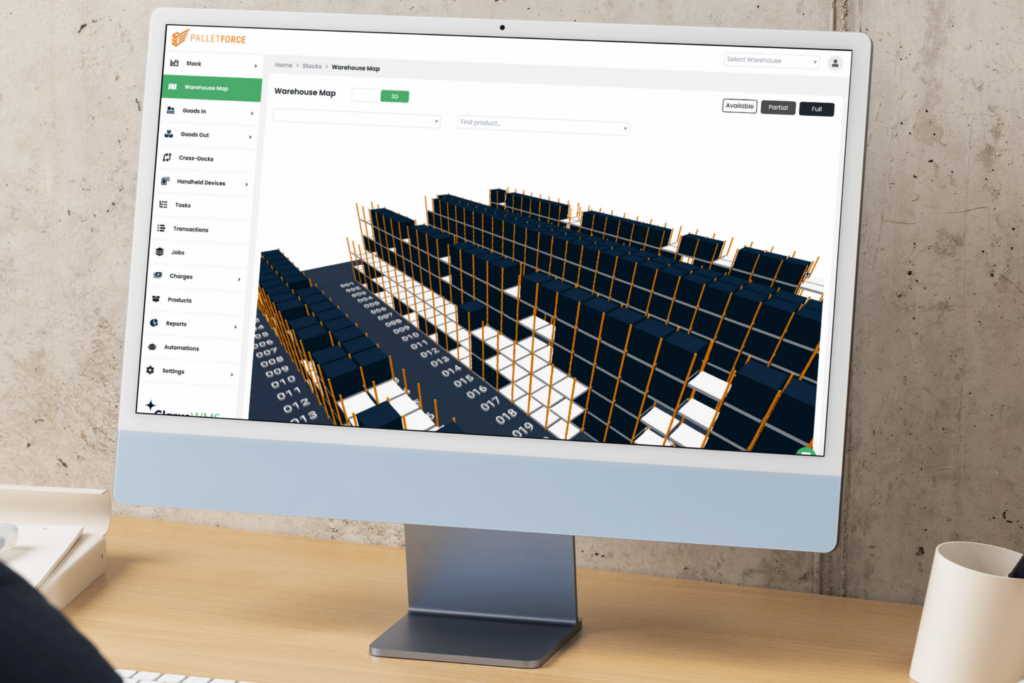
Palletforce, a British specialist in express palletised freight distribution, has partnered with Clarus WMS to further enhance its logistics operations. This strategic collaboration demonstrates Palletforce’s commitment to cutting-edge technology and operational excellence, as it integrates Clarus WMS to automate traditionally manual tasks such as invoicing, while offering enhanced real-time visibility for both operations and customer deliveries.

Kate Lovatt, IT Director at Palletforce, commented on the partnership: “At Palletforce, we’ve always embraced technology to drive operational efficiencies. As a leader in express freight distribution, our SuperHub and live tracking systems are industry standards, and with Clarus WMS, we’re excited to push the boundaries even further. This partnership will bring valuable efficiencies, benefiting our operations and providing our customers with even better service.”

Leveraging Automation for Scalable Growth

When Palletforce began exploring automation options, the objective was clear: to streamline operations by reducing manual tasks, enabling the company to scale efficiently without compromising service quality. After a thorough evaluation of available solutions, Clarus WMS was chosen for its innovative capabilities and its ability to seamlessly integrate with Palletforce’s existing infrastructure.
Lovatt added: “We’ve always been leaders in adopting new technology. When we reviewed other WMS solutions, Clarus WMS stood out in terms of flexibility and innovation. This partnership will not only improve our internal processes but also unlock new possibilities for our customers.”

Driving Continuous Improvement

Since the start of the partnership, Palletforce has seen immediate benefits, including the automation of invoicing, which has reduced administrative time and improved accuracy. Customers are also benefiting from real-time tracking and updates, which provide full visibility throughout the delivery process. As the company continues to embrace automation, the Clarus WMS solution is enabling more scalable workflows that support the company’s long-term growth plans. The partnership marks a key milestone in Palletforce’s ongoing drive to transform the freight experience and provide enhanced value to its customers.

Glen Wilkinson, Head of Sales at Clarus WMS, said: “We’re excited to be working with Palletforce to raise the bar in logistics. This partnership represents a significant step forward in creating a faster, smarter, and more flexible freight experience for both Palletforce and its customers.”

With a shared commitment to continuous improvement, both companies are looking to the future, with plans for further collaboration to drive innovation and success in the logistics sector.

similar news
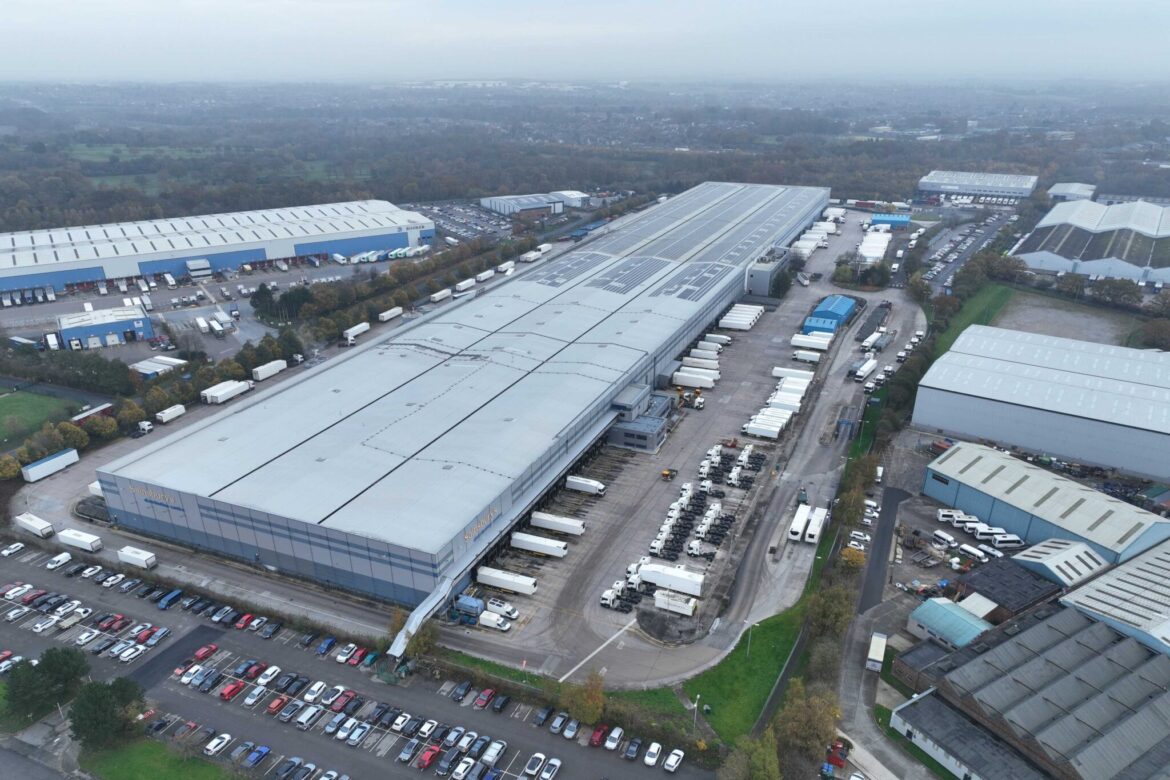
30 million pounds Palletforce sale completes


Source link

0 comments
0 FacebookTwitterPinterestEmail
Services

Professional Big Box

by
written by


Peter MacLeod asks directors of Tritax Big Box about some of the specific challenges facing the UK industrial property development sector.

Tritax Big Box Developments is making waves in the warehouse development sector. It describes itself at the UK’s largest logistics development platform with around 40 million square feet of
developable space, over 100 assets across the UK, and the UK’s largest portfolio of logistics investment assets. I fired questions at a few of Tritax’s senior directors to find out more about the challenges and opportunities that lie ahead for the company, focusing initially on sustainability.

I asked Alan Sommerville, ESG Director, Tritax Management, what denotes a sustainable warehouse, and what are Tritax’s customers seeking. He replied that the definition of a sustainable
warehouse is one that is energy efficient, low carbon, has a resilient power supply, features onsite renewables such as solar, has internal and external infrastructure for staff wellbeing, and one which is effectively connected by different forms of transport.

“Our customers are seeking buildings which are fit for their operations both today and tomorrow,” said Sommerville. “Buildings which are cost effective, efficient, aligned to their own corporate
sustainability ambitions and the best possible workplace for staff.”

Accommodating Automation

Turning to Mark Fergusson, head of client engagement, Tritax Big Box REIT, I asked what considerations have to be taken into account to ensure a warehouse can handle today’s levels of automation. “There are a number of considerations we as a leading developer landlord are incorporating into our solutions for clients, recognising the increasing role automation is playing in their operations,” he replied.

“Specification – Automation requires a high-quality floor, whether that is for the additional load bearing to accommodate high bay cranes or facilitate the smooth movement of autonomous robots
supporting picking operations. We are also seeing clients demanding higher minimum eaves heights to either support high bay automated ASRS cranes or install mezzanine floors and conveyors
for co-pack and picking operations.

“Power – The increased levels of automation is also resulting in clients needing access to greater levels of power (ideally from sustainable sources) both to fulfil their existing requirements as well as catering for the likelihood of further automation and the additional power required in the future. This is accelerating the deployment of solar PV on our existing assets as well as it being a standard feature of all of new units to reduce the reliance on the grid.

“People – It is important that those warehouse operators deploying automation have access to skilled labour like engineers who can support the technology. We are seeing a number of clients partnering with local colleges and offering apprenticeships to increase the numbers of engineers with the right skills in the labour force.

“Flexibility – The types of operation and activities being automated is accelerating and the return on investment for the deployment of these solutions is looking increasingly attractive. It is therefore key we ensure the assets we develop and own provide our clients with the spec, power and access to people. This should ensure operations have the flexibility to accommodate new innovative
automated solutions deployed in the medium to longer term which will undoubtedly end up being a common feature in the warehouse of the future.”

Finally, with greenfield sites becoming harder to obtain due to both legislation and physical availability, I asked Jonathan Dawes, head of planning at Tritax Big Box Developments, how difficult this has actually become. He responded by saying: “Despite a continued Government focus on ‘brownfield first’, there are not enough brownfield sites to accommodate all development requirements and meet the Government’s growth agenda. As such, there will be a need for greenfield development for all use types. The current planning environment reform maintains a strong focus on residential development. We would like to see industrial and logistics development addressed in the same way as it’s essential that there is sufficient infrastructure in place to support these new homes.

“Local Authorities and statutory bodies are increasingly stretched and underresourced. The planning system is also increasingly being asked to consider more: Biodiversity Net Gain; Climate
Change; Energy; Sustainability. It is a very complex and challenging landscape to navigate, and the system as a whole is still not aligned with the Government’s pro-growth agenda.

“The devolution agenda adds a further layer of complexity/uncertainty, albeit for logistics, will hopefully address the ‘larger than local’ needs of the sector, with Spatial Development Strategies
recognising and meeting this – the key ask remains for a standard employment need methodology.

“It is not becoming harder to develop on greenfield sites per se: the challenges and timescales of achieving planning permission remain, such that an experienced development partner is essential to navigate this process, and in the short term at least, it is not going to get any easier as the planning reforms/devolution play out.”

Given its market position, Tritax is well-placed to comment on the sector. It remains a challenging yet ultimately worthwhile business to be a part of, as consumers continue to seek greater flexibility and availability of goods.

similar news

Tritax Symmetry delivers Doncaster speculative DC


The post Professional Big Box appeared first on Logistics Business.


Source link

0 comments
0 FacebookTwitterPinterestEmail
Services

Superconnector Hub Under Pressure

by
written by


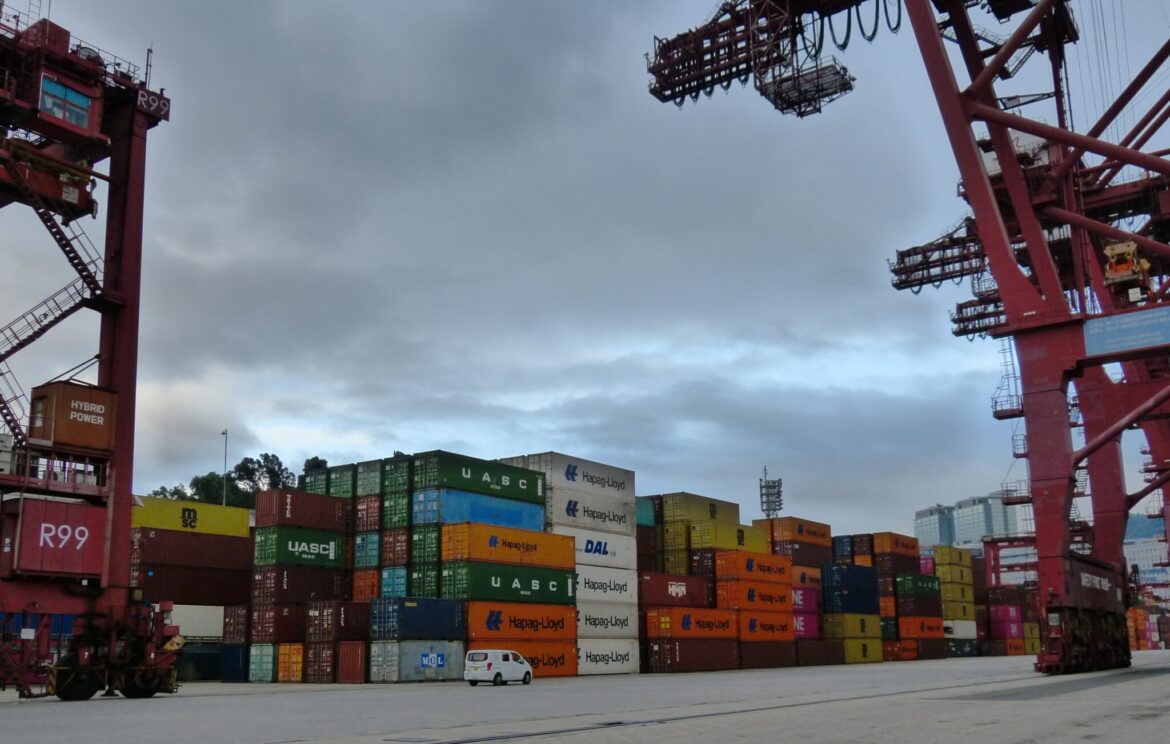
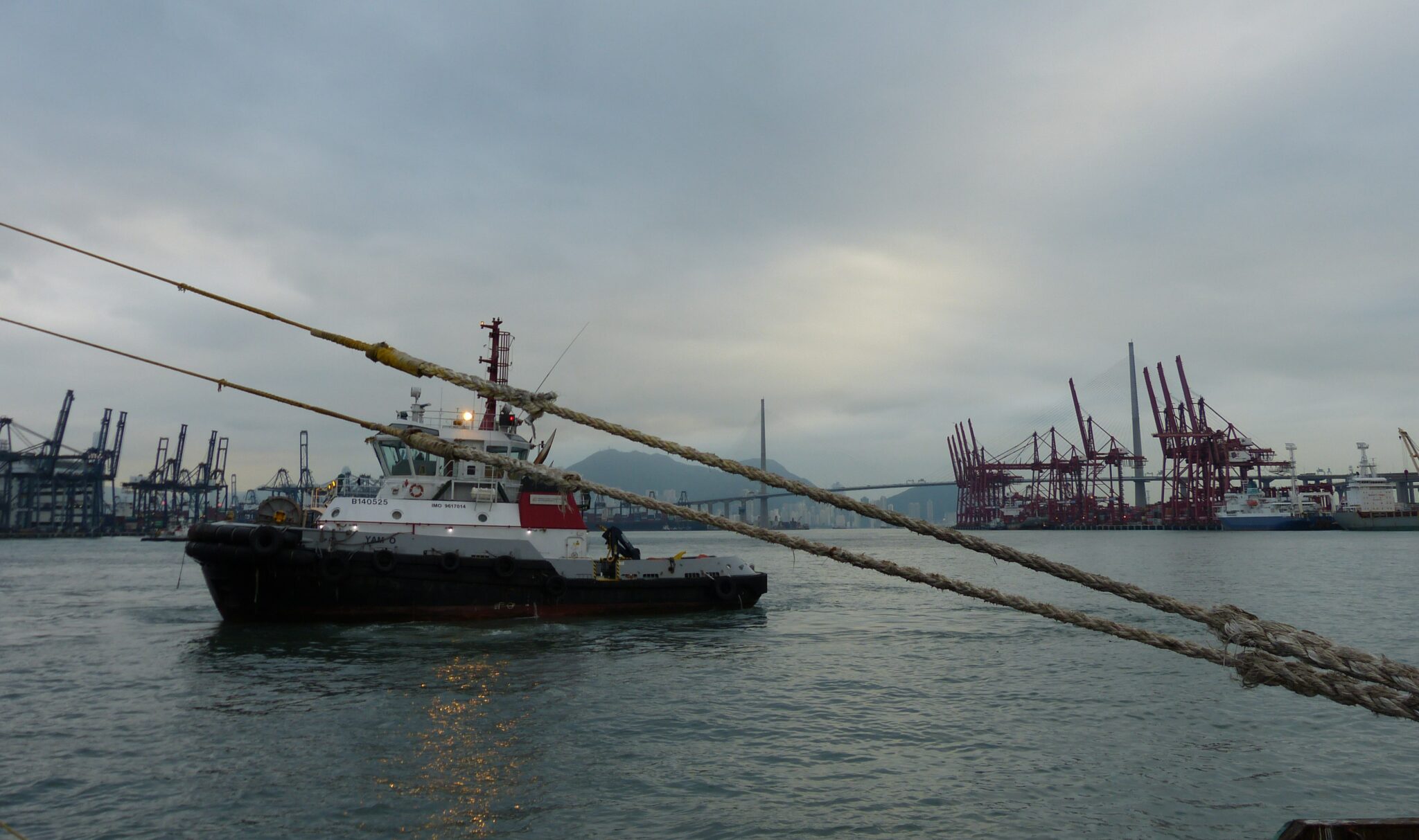
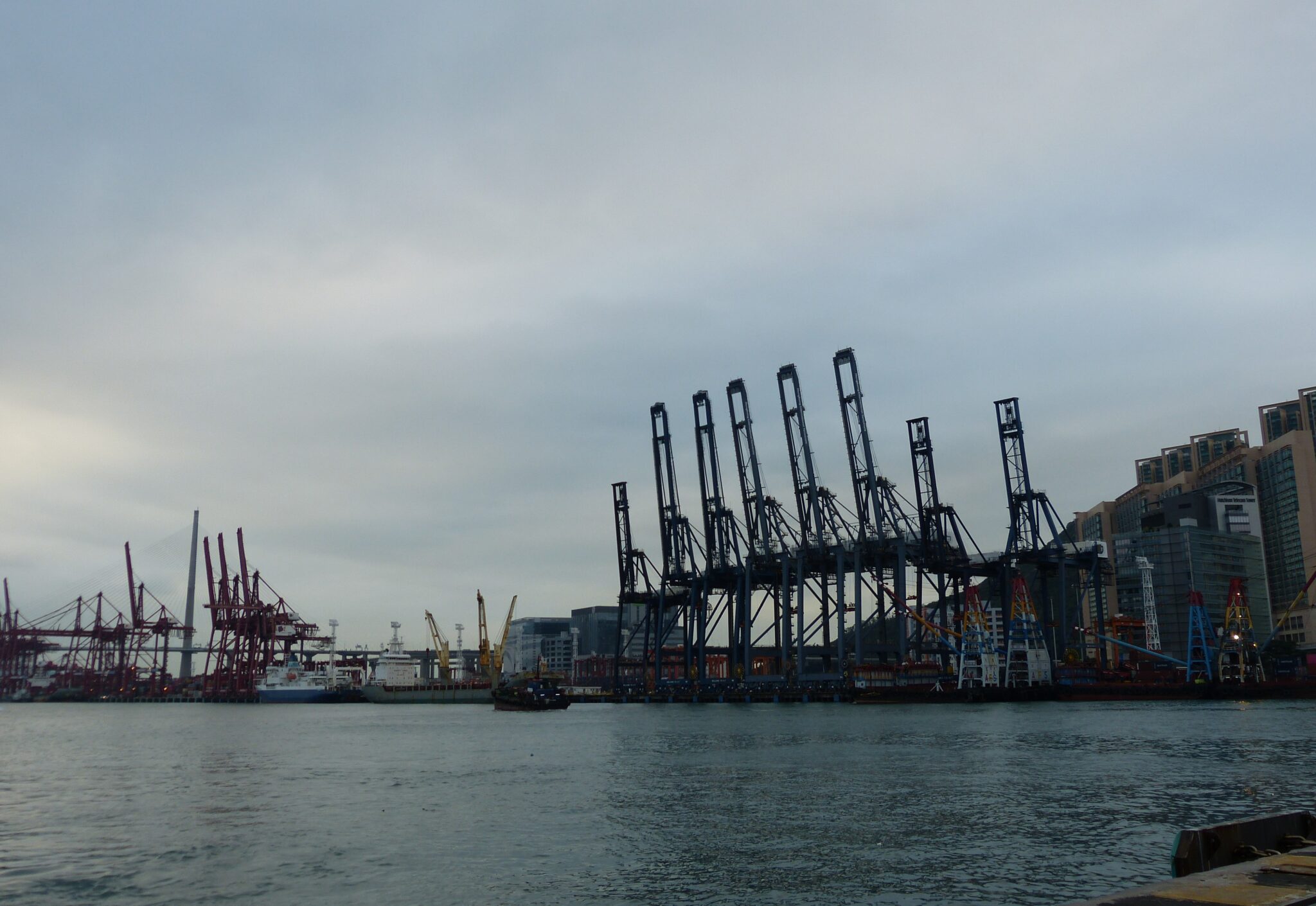
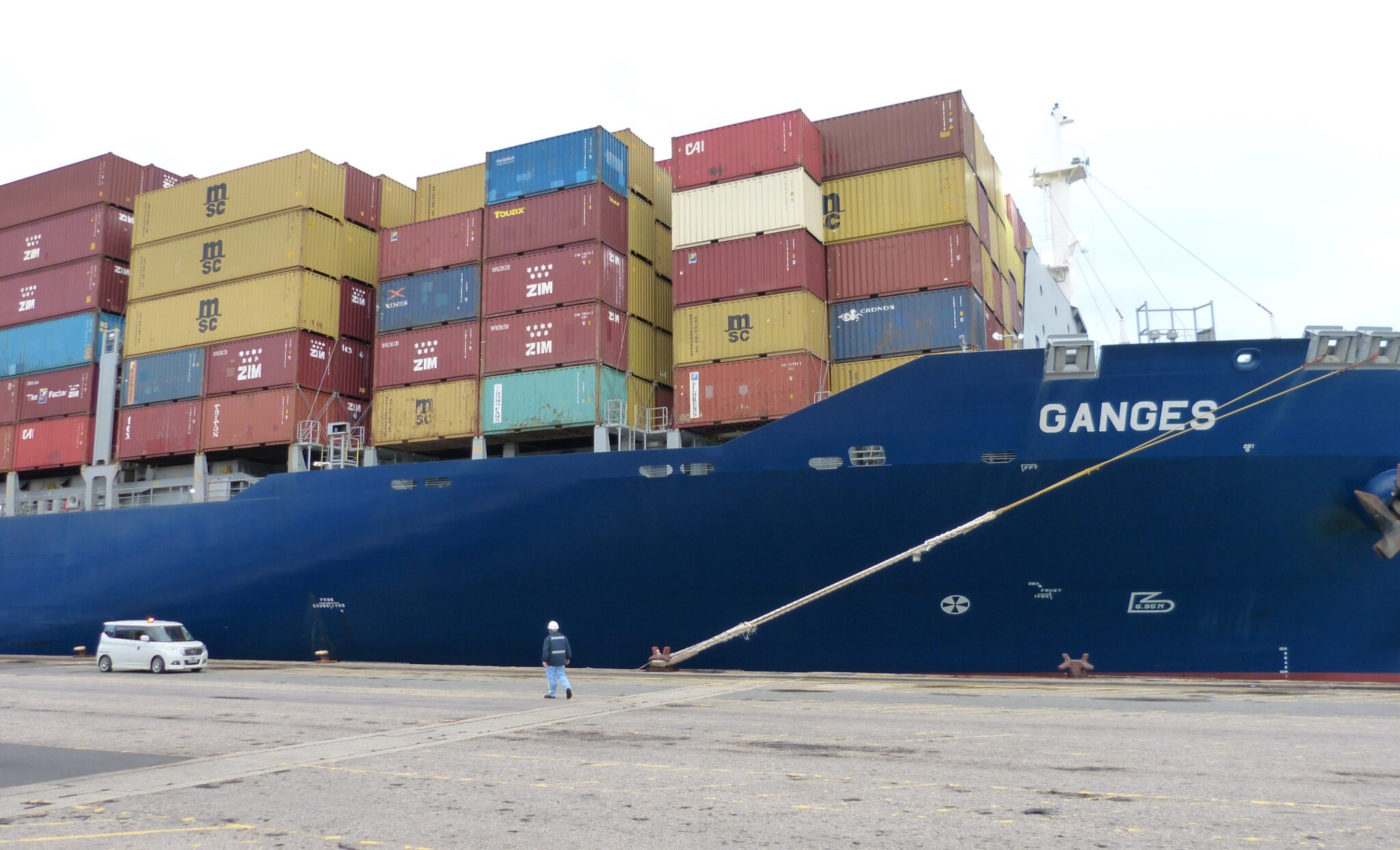
Hong Kong’s name derives from ‘fragrant harbour’. Strategically located, yes, but does it still hold key supply chain advantages? David Priestman took an extensive tour, conducting a series of interviews.

Comprising just 1100 square kilometres of land, with over seven million people (the 4th densest population in the world) Hong Kong’s islands and peninsula territory have been a superhub for shipping, air freight (see pages 16-17) and logistics for decades. The city still buzzes and sparkles, for certain. GDP per capita is 17th in the world and the city still ranks 3rd as a global financial centre, with more ultra-high net worth individuals than any other city.

But competition has ramped-up, both from mainland China’s ports and megacities, plus other ‘superconnector’ hubs such as Singapore, Dubai and Busan (Korea). Hong Kong’s ranking as a container port has steadily slipped to tenth (of 700 worldwide), even though its total throughput TEU volume is returning to pre-covid levels. Over 6% of Hong Kong’s GDP comes from the port and logistics, employing 5% of the labour force – 175,000 jobs.

Talk here, at the various conferences I attended, is of the ‘Greater Bay Area’ (GBA) superhub of the Pearl River Delta; Shenzhen (4th largest port), Guangzhou (8th largest and a big manufacturing and ship-building centre), Macau and Hong Kong. Combined, it is the biggest shipping hub in the world and now all connected by bridges such as the HZMB (HK-Zhuhai-Macao). Hong Kong’s container port has been operating for over fifty years and the city itself, of course, grew over 150 years of British rule from rural fishing villages into a high-tech metropolis. The GBA helps re-position Hong Kong as a key location but acknowledges the end of a unipolar approach and the further integration of the territory into China proper. The question is whether Hong Kong still has unique selling points?

Navigating the Fierce Competition

Victoria Harbour has natural advantages. It is iconic and was the foundation of the phenomenal success story. Container ships are turned around at the efficient port in less than one day here, to any of 300 onward destinations. A few years back Hong Kong was considered an obvious gateway to China, being designated a ‘special administrative region’ (SAR) since 1997. More than 9000 international companies with headquarters elsewhere have an office here. The market fundamentals remain strong, according to the Hong Kong Trade Development Council (HKTDC), based upon experience in trading, commercial law and business rules, bilingual use of English and the large hinterland of 1100 port-related service companies, such as insurance brokers. Significantly, Hong Kong has an international maritime legal and arbitration centre for dispute resolution.

Hong Kong was a founding member of the World Trade Organization in 1995, and its government remains a staunch defender of free trade. It offers significant tax incentives to the shipping sector to operate here, which may be enhanced soon, and commodity traders are being sought after. The SAR’s Secretary for Transport and Logistics told me that the advantages of Hong Kong remain the competitiveness of the port, which has freeport status, and the high-value services of finance, law, leasing, insurance and ship ownership that are so well-provided and established here.
There is an action plan to increase inward investment, expand the local maritime network, promote maritime services and strengthen collaboration in the GBA, making good use of the HZMB. The plan includes releasing four new logistics development sites near the container ports, with high levels of warehouse automation deployed. Warehouse occupancy is currently at 90%. Hong Kong International Airport is having a third runway constructed, plus a new terminal and support facilities, increasing capacity there by 50% from 2035.

HKTDC Deputy Executive Director, Dr Patrick Lau, told me that the emphasis is on newly regional trade lanes, supply chain diversification and multi-lateral co-operation. “Climate change really is true, and Hong Kong is committed to our net zero targets.” The mainland China market is the main target for inward investment in the SAR. “Hong Kong remains a gateway,” he added, “now we have more corridors. We know China the best because we’re part of it.” Recent events here have certainly demonstrated that. The focus used to be on getting products and cargo out of China, now it is also on importing goods as and when the mainland’s market is further liberalised.

Risk and Resilience in an Age of Disruption

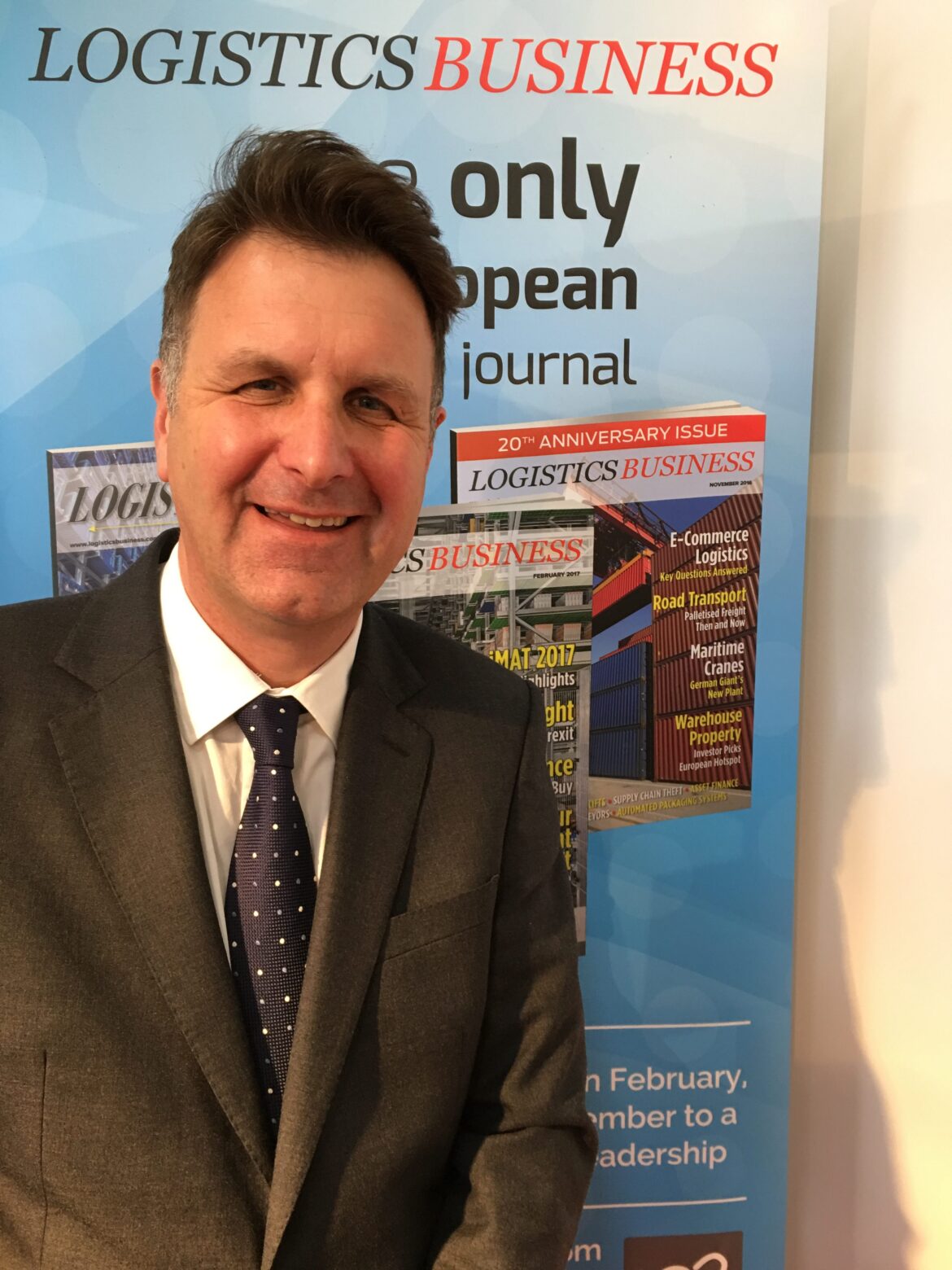
Benjamin Wong (pictured), Head of Transport and Logistics for InvestHK, is responsible for encouraging inward investment in this sector. InvestHK helps with the onboarding of companies setting-up here with planning, advice, licenses, visas, IP and more. “We’re four hours by plane from Asia’s key markets and five hours from half the world’s population, so business day trips are normal,” he said. ‘One country, two systems’ was the motto for Hong Kong upon its return to Chinese rule, but I am not persuaded that this is still the case in practice. Wong says that it is an ideal business base, and that is true from a purely commercial point of view. Over 1300 companies have their regional headquarters here. “We’re efficient,” Wong emphasises. “Being just one city means there is only one layer of government, so bureaucracy is low and corruption very low.”

What of Hong Kong’s ranking as a business location? “There may be fluctuations but we’re still up where we have been,” Wong argues. For ship operators, income derived from the international operation of ships registered here are exempt from profits tax. The same applies for profits derived by qualifying ship lessors from leasing activities. For ship leasing management activities, the corporation tax is just 8.25%. Profits derived by direct insurers underwriting marine-related risk are also taxed at this low rate, as are profits for ship agents, brokers and managers. No wonder the shipping registry here is ranked fourth in the world.

Geopolitical Bifurcation

The International Chamber of Shipping (ICS) is committed to the decarbonization journey. The drought in Panama last year, which restricted use of the canal, together with various port closures due to extreme weather, served to remind the shipping industry of the pressing need to get to net zero as soon as possible, according to ICS chairman Emanuele Grimaldi, speaking at a conference here. Dual fuel and green fuel ships present a challenge that can be overcome. Green hydrogen, methanol, ethanol and ammonia fuels are all being developed to add to LNG and the goal is to adopt a pricing mechanism for all fuels as they become available in greater quantities. Hong Kong is pitching itself as a ‘green shipping corridor’ due to its firm commitment to green bunkering – the supply of cleaner fuels to ships – though it is thankfully not alone in this provision.

Protectionism and unilateralism are re-emerging challenges. Geopolitical tensions and piracy in the Red Sea compound that as maritime issues become trade issues. Would new USA import tariffs on Chinese containers affect Hong Kong? Dialogue and partnership are required to protect the multilateral, rules-based global shipping sector. However, according to the International Maritime Organisation’s Secretary-General Arsenio Dominguez, “shipping is resilient and adaptable. There’s no complacency. Net zero by 2050 is difficult to achieve, we need to focus first on 2030 and all options must be considered. We want to be greener, safer, more secure, as well as to digitize the industry.” There are currently around 2600 new ships on order, with 50% of them being dual-fuel ready.

Maritime Cluster

Sandy Chan is Managing Director of the Hong Kong Shipowners Association (HKSA). It has 200 corporate members who collectively own over 2500 ships. HKSA has input to shipping regulations, as well as doing promotional work. The number of shipowners here helps attract more, plus insurers and other service providers.
“We have an edge in Hong Kong to being a bunkering hub,” Chan says. “China is becoming a major supplier of green fuels. Big progress in technology is required, though, because for all the new fuels you need greater quantities than for current ones. Only 1% of the world’s fleet can use green fuels today. Buyers should choose ‘ammonia-ready’ new ships. Crews will need re-training too as storage and usage is complex.”

No Shipping, no Shopping

Shipping volumes rose 2% last year and are forecast to climb by an average of 2.4% per year for the rest of the decade. But the attractions of a life at sea are not what they once were. Seafarers must be considered and their free movement permitted. Shipping gets it done, but headwinds make it tougher.

All supply chain companies need talent. More education and training are needed to be able to staff the sector sufficiently. Hong Kong has earmarked a marine and aviation training fund (MATF) to assist. MATF subsidizes internships and existing professionals in logistics can access additional training course funding. Nearby Shenzhen is one of many port cities that has a maritime university – the College of Life Sciences and Oceanography. But will it attract enough budding merchant navy officers? “Getting new talent into our industry is important, not just for seafaring,” Chan told me. “There is cadet training at the maritime school here and a student exchange programme.”

Quayside View

My tour was made complete by visiting Modern Terminals, based at berths 1, 2, 5 and 9 of the Kwai Tsing Container Terminal in Victoria Harbour. The privately-owned company was established in 1969 and built Hong Kong’s first purpose-built container terminal in 1972. Wharf Holdings, which owns the famous Star Ferry Company here, is the majority shareholder. It is one of five operators at Kwai Tsing, along with DP World, Cosco, Hong Kong International Terminals and Asia Container Terminals.

Elin Wong, Head of Corporate Affairs for Modern Terminals, provided the tour and told me that the terminal can accommodate the world’s largest vessels. “We have invested in berth deepening, gantry crane heightening and boom extending,” she informed. “Chinese manufacturers send export goods by barge across the bay to us, and vice-versa, so we’re now a transhipment hub.” The hope is that China will relax cabotage rules, which would enable international shipping carriers to operate between mainland Chinese ports, rather than this being restricted to just Chinese shipping lines.

Impressively, electric remote-controlled gantry cranes are now used here, and the company has an annual throughput capacity of seven million TEUs. It is also a shareholder in Shenzhen port. Modern Terminals describes itself as a progressive company, with a proud heritage. Wong explained that it has a strong emphasis on the cultural values of its employees, work-life balance and fulfilment. Trust, accountability and teamwork go hand-in-hand as the company is committed to operational excellence.

The formation of the Hong Kong Seaport Alliance by Modern Terminals and three neighbouring terminal operators in 2019, to jointly operate the berths at Kwai Tsing port, has been providing enhanced services to shipping line customers and delivering greater utilization efficiency through operational upgrades and the inter-terminal trucking of containers. “We aim to have no GHG emissions by 2030,” Wong stated.

Continuity, with Blurred Lines

The challenge for Hong Kong’s government and business community is, of course, as it has been since the 1997 handover: to maintain confidence and stability; for there to be no loss of nerve, even as the territory is haemorrhaging emigrants to live free in the west. Compared to living and doing business in Shanghai, for example, the contrasts are still visible, though increasingly less so. Given the choice, I know where I would choose to be based. The level of enterprise, enthusiasm and determination from the shipping and logistics community here is infectious. This place has always been the underdog. Don’t write Hong Kong off just yet.

similar news

15 Years in Hong Kong for cargo-partner


Source link

0 comments
0 FacebookTwitterPinterestEmail
Services

Noleggiare jet privato Firenze – Private Jet Finder BLOG

by
written by


Flying by private jet to Florence is the ideal choice for those who want comfort, speed and exclusive service. Florence Peretola Airport (FLR) offers a dedicated terminal for private aviation, providing maximum privacy and quick access to the city center. Here’s everything you need to know about flight times and prices for the most popular routes to charter a private jet to Florence.

Why choose a Private Jet to Florence?

Getting to Florence by private jet means traveling with the utmost comfort, avoiding long waits and complex airport procedures. With a tailor-made flight, you can depart and arrive at the times that best suit your needs, without compromise. In addition, Florence Peretola Airport is fully equipped to accommodate private aviation, so that the flying experience is even more enjoyable.

  • Direct access: Peretola Airport is only 15 minutes from the center.
  • Maximum flexibility: Tailored schedules and zero waiting at security checkpoints.
  • Comfort and luxury: On board personalized services, gourmet catering and total privacy.

These advantages make private flying not only a prestigious option, but also a practical alternative for those who need to travel for business or pleasure without losing precious time.

Rent Private Jet FlorencePrices of renting a Private Jet to Florence
Florence is one of the most popular destinations for private jet travelers, thanks to its strategic location and the city’s unique charm. The most popular routes connect Florence to the main economic and cultural centers of Europe, guaranteeing quick and exclusive solutions for those who want to optimize their travel time. Whether staying for fashion events, business or simply to discover the city’s artistic heritage, here are the most popular routes:

The price to charter a Private Jet to Florence depends on several factors, such as the type of aircraft and the time of year. Here is a rough estimate for some of the most popular routes:

Please note: prices are approximate and should be considered inclusive of airport taxes, however, extra services should be added to them. For a customized quote contact PrivateJetFinder, a 24/7 operations staff will provide all details and final prices.

Flight times of the most popular routes to Florence by Private Jet

Florence’s location in Tuscany, central Italy makes it a convenient destination to reach from major cities in Europe. In less than a two-hour flight you can land in Florence and enjoy the beauty of one of the most beautiful places in the world

  • London – Florence: Approximately 2 hours. Ideal for business travel and tourism.
  • Paris – Florence: Approximately 1 hour and 45 minutes. Popular route for fashion and art events.
  • Geneva – Florence: Approximately 1 hour and 30 minutes. Highly demanded by luxury travelers.
  • Munich – Florence: Approximately 1 hour and 20 minutes. Frequently chosen by entrepreneurs and VIPs.

Thanks to the flexibility of private flights, these routes make it possible to reach Florence in less time and without the limitations of commercial flights, making each trip more comfortable and exclusive.

How to book a private flight to Florence

Book your private flight to Florence with PrivateJetFinder and enjoy an exclusive, stress-free travel experience. With a wide choice of jets and personalized service, you’ll find the perfect solution for your every need

  1. Choose the route and jet best suited to your needs.
  2. Request a custom quote on PrivateJetFinder
  3. Confirms flight and makes travel arrangements, with additional services on request (catering, VIP transfers, etc.).

Traveling by private jet in Florence means turning your trip into an exclusive and stress-free experience. Discover the best solutions for your private flight and experience the luxury of a tailor-made trip!

  • Also read our article On private flights from Florence to Zurich.


Source link

0 comments
0 FacebookTwitterPinterestEmail
Services

Logistics Business Welcomes Back Paul Hamblin

by
written by


24th February 2025

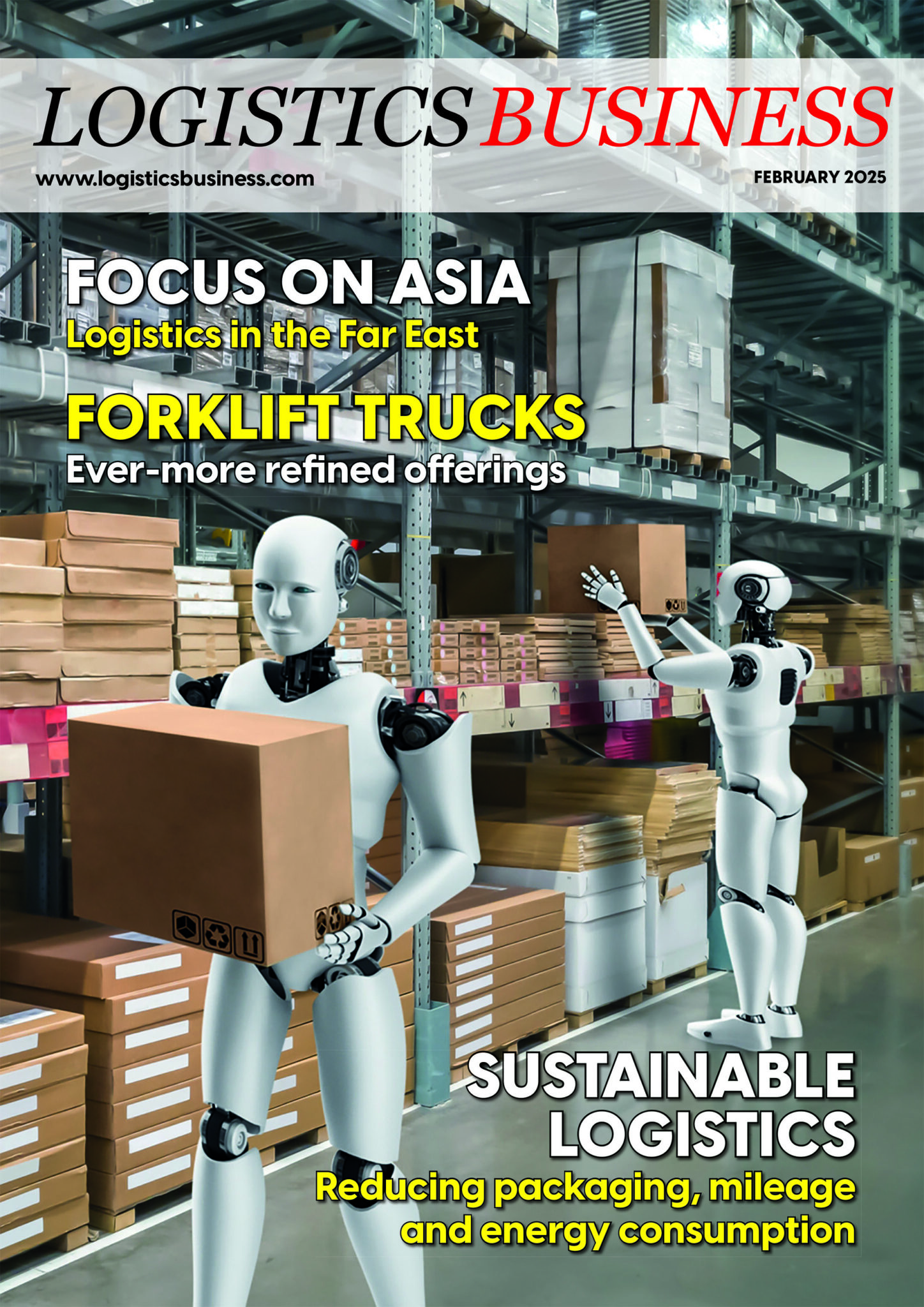
Logistics BusinessLogistics Business Welcomes Back Paul Hamblin

Logistics Business is delighted to announce the return of a familiar name to our editorial team.

Former editor Paul Hamblin is to rejoin as Features Editor, and will assist editor Peter Macleod in sourcing and writing the original interviews and features that give Logistics Business such a unique voice across the international logistics space.

A versatile editor and journalist for over 25 years, Paul was editor of Logistics Business from 2016 to 2021, becoming well-known to both our established clients and to new voices in the industry before launching his freelancing career sourcing, developing, writing and editing first-rate content for a range of software clients in the UK, Germany, Sweden and North America. He will continue to grow this business in parallel with his contributions to Logistics Business.

“I’m delighted to be back with David, Peter and the rest of the team,” says Paul. “Logistics Business is a such a well-respected brand across Europe and does a brilliant job reflecting the dizzying rate of change in the supply chain and logistics sector. I’m looking forward to meeting and talking to the industry innovators at the forefront of that change.”

February 2025February 2025

February 2025

Paul will be in Stuttgart for LogiMAT on March 11 and already has a near-full diary of interviews lined up. Please get in touch if you’d like to be considered for any slots remaining.

similar news

Logistics Business Editor in Chief Appointed to IFOY Jury


Source link

0 comments
0 FacebookTwitterPinterestEmail
Services

Electric Truck with Fuel-powered Range Extender Tested

by
written by


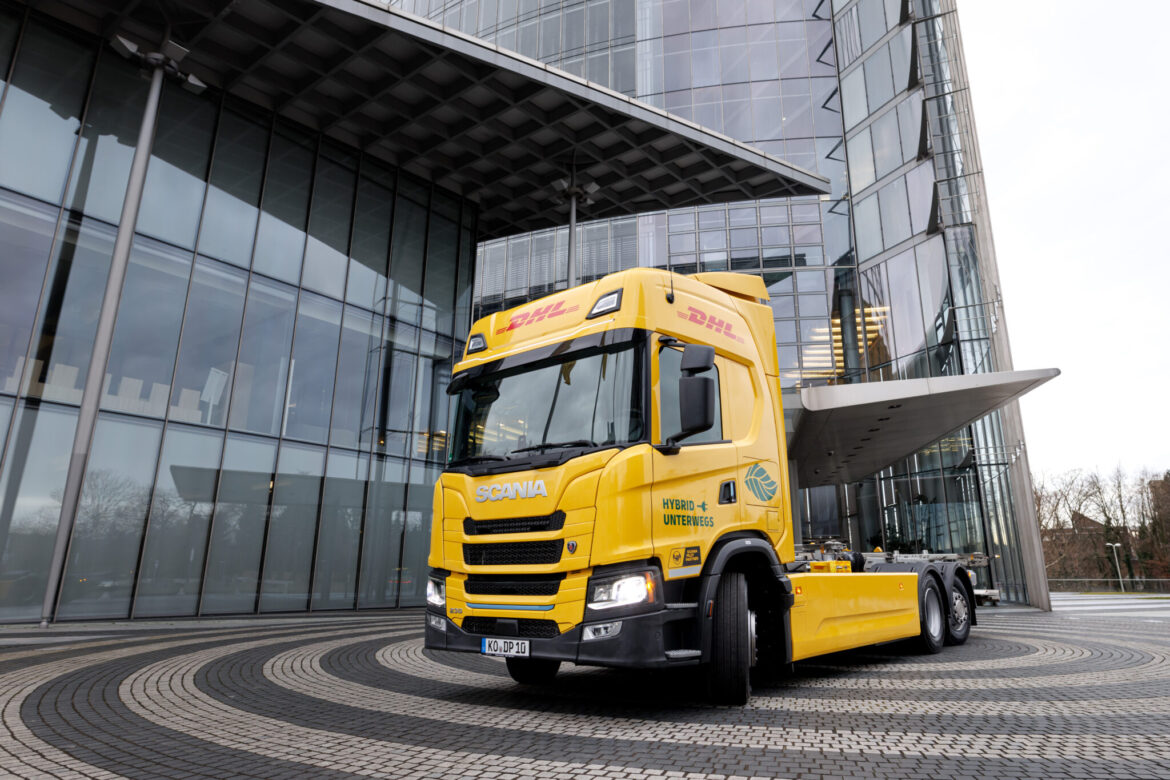
DHL Group and heavy goods vehicle manufacturer Scania have jointly developed an electric truck with a fuel-powered generator, making it possible to shift to battery-electric road transport without having to wait for a complete charging network. Fully electric vehicles are the ultimate solution in a sustainable transport system, and the shift to electric needs to accelerate now. There are, however, hurdles such as the lack of charging points, the high costs of ensuring enough charging capacity at the depots during seasonal peaks, and the strain on the grid and high spot prices for electricity on for instance calm winter days. This is where DHL’s and Scania’s Extended Range Electric Vehicle (EREV) comes into the picture. The vehicle helps to overcome these hurdles while enabling DHL to drive 80 – 90% on renewable electricity.

The new e-truck will be deployed by the Post & Parcel Germany division in February for parcel transport between Berlin and Hamburg to test its performance in day-to-day operations, before additional vehicles are added to DHL’s fleet. The fuel-powered generator replaces one of the battery packs in a fully electric truck not needed for the majority of the transport routes, thus reducing the range coming from the batteries, but providing back-up energy for the mentioned scenarios. The vehicle has a possible range of 650 to 800 kilometers (subject to the findings from the test in Berlin) and can be refueled at any conventional petrol station, if needed. This compares with the 550 kilometers of Scania’s most modern and industry-leading 100 percent electric trucks with an equivalent maximum weight.

DHL Group CEO Tobias Meyer said: “It is going to take some time before renewable electricity, the grid and charging infrastructure are available and robust enough to rely fully on battery-electric trucks, especially for a large-scale system like the German parcel network of DHL. Instead of waiting for this day to come, DHL and Scania are collaborating on a pragmatic solution for making logistics more sustainable and reduce CO2 emissions by more than 80%. This vehicle is a sensible, practical solution that can make an immediate contribution to reducing greenhouse gas emissions in freight transport short-term. Such reductions should be proportionally reflected in the road toll pricing and EU fleet emission scheme. We see this collaboration as a successful innovation project of two companies committed to battle climate change.”

The EREV has been developed by Scania Pilot Partner, exploring new technologies and solutions, in this case together with the strategic partner DHL. Range-extended electric vehicles offer a promising interim solution for significant CO₂e reductions, especially where infrastructure and other conditions for fully electric transport are lacking. EU and national policies should recognize and incentivize this concept through adequate recognition of the realistic emission intensity in and proportional road toll reductions.

Christian Levin, CEO, Scania, said: “The future is electric, but perfect must not be the enemy of good as we are getting there. The vehicle we have developed together with DHL is an example of interim solutions that can enhance the scaling of decarbonised heavy transport before the transport system eventually becomes 100 percent electrified. An effective climate transition requires that policymakers accept such solutions, while ramping up their investments in public infrastructure and other enabling conditions.”

The EREV is a 10.5 meter long truck with a maximum weight of 40 metric tons, powered by a 230kW electric engine (295 kW peak). Energy is delivered by a 416 kWh battery and a 120 kW gasoline powered generator. With the aid of the onboard generator – initially powered by petrol and later by diesel fuel/HVO – the truck’s range extends up to 800 kilometers. EREVs can be equipped with a software limiting the usage of the fuel-powered generator, thereby allowing CO2 emissions to be reduced and limited to a specified level. Its maximum speed is 89 km/h, with a cargo capacity of approx. 1,000 parcels (volume of a swap body). The truck can also pull a trailer with an additional swap body. The vehicle is to be deployed for “main carriage” transport between the cities of Berlin and Hamburg.

Deutsche Post AG and Scania CV AB filed a patent application for the technology with the German Patent and Trade Mark Office (DPMA) in Munich on September 19, 2024.

similar news

Electric Trucks used for Container Transport


Source link

0 comments
0 FacebookTwitterPinterestEmail
Services

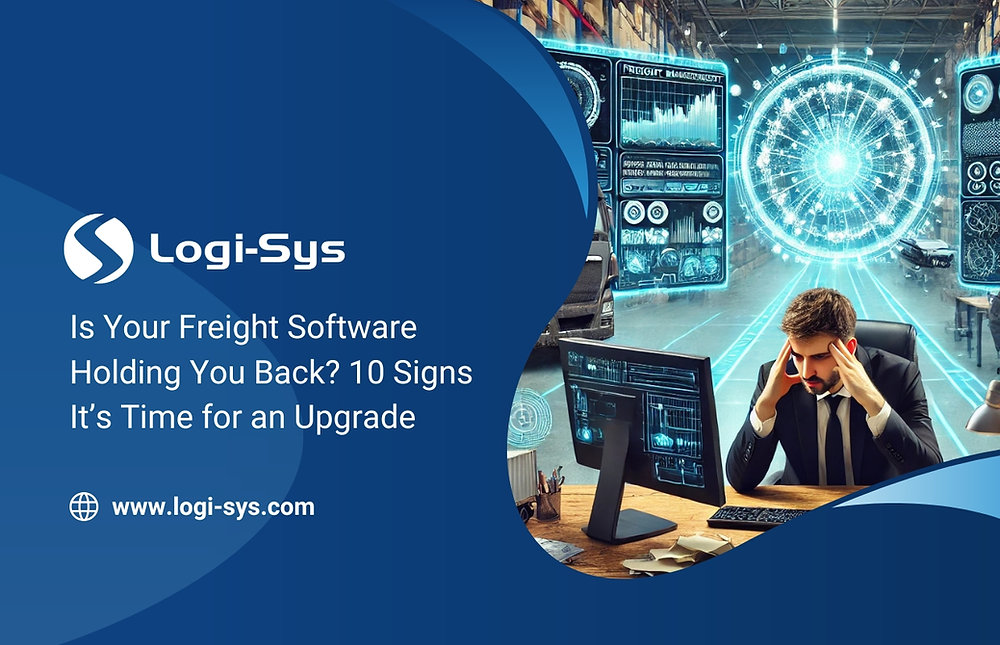
Is Your Freight Software Holding You Back? 10 Signs It’s Time for an Upgrade

by
written by


Technology plays a crucial role in how freight forwarders operate today. If your current freight forwarding software is causing inefficiencies, missing key functionalities, or failing to keep up with industry demands, it may be time for an upgrade. 

Here’s a detailed breakdown of the warning signs and how Logi-Sys, the Intelligent Cloud ERP System, can help.

  1. Operational Bottlenecks and Slow Processing

If routine tasks—like booking shipments, generating invoices, or managing documentation—are taking too long, your software may be outdated. Many older software for freight lacks automation and requires manual inputs, leading to wasted time and errors.

How Logi-Sys Helps:

  • Automated Workflows with One-Time Setup: Get rid of repetitive tasks with fully automated operations.

  • Custom Milestone Assigning: Define shipment progress steps to fit your business model.

  • Live Tracking Updates: Ensure real-time shipment visibility for you and your customers.

  • Automated Reminders: Never miss a critical update or deadline.

  • Easy-to-Use Interface: Train your team quickly and simplify operations.

  • With these automation features, Logi-Sys minimizes delays and enhances overall efficiency.

  1. Lack of Cloud-Based Accessibility

Modern freight operations demand remote accessibility and real-time updates. If your current freight forwarding software India is still restricted to on-premise systems, it limits flexibility and business growth.

How Logi-Sys Helps:

  • A cloud-based solution offering anytime, anywhere access

  • Real-time tracking of shipments, invoices, and customer interactions

  • Multi-location accessibility for seamless collaboration

  • Mobile app access for on-the-go management

  1. Poor Financial Accounting and Compliance Handling

Freight forwarders deal with complex financial transactions, multiple currencies, and compliance regulations. If your software doesn’t integrate financial accounting or lacks compliance features, you’re exposing your business to financial mismanagement and legal risks.

How Logi-Sys Helps:

  • Automated Cost Allocation: Assign expenses directly to shipments, routes, and customers.

  • Integrated Financial Accounting: Manage payables, receivables, and profit & loss reports in real-time.

  • Multi-Currency Support: Seamlessly handle global transactions with automated currency conversions.

  • Compliance & Audit Support: Ensure tax and regulatory compliance with built-in financial tracking.

  • Faster Invoicing: Automate invoice generation and prevent billing delays.

  • An efficient financial accounting system can significantly improve cash flow management.

  1. Lack of a Dedicated Sales & CRM System

Managing customer interactions manually or across multiple disconnected platforms leads to missed opportunities, poor follow-ups, and ineffective customer service.

How Logi-Sys Helps:

  • 360-Degree Customer Visibility: Track every customer interaction, from inquiry to contract renewal.

  • Lead & Opportunity Management: Automate follow-ups and categorize leads based on potential value.

  • Integrated Shipment Tracking: Provide real-time updates to customers without switching platforms.

  • Data-Driven Sales Strategy: Generate reports on sales performance, customer trends, and conversion rates.

A seamless sales & CRM system ensures stronger client relationships and better sales conversions.

  1. Inefficiencies in Purchase Order Management

If your team is still handling purchase orders (POs) manually, errors, delays, and compliance risks are inevitable.

How Logi-Sys Helps:

  • Automated PO Processing: Create, approve, and track POs in real-time.

  • Real-Time Visibility: Monitor supplier transactions and order status from a single dashboard.

  • Error-Free Transactions: Prevent double orders, incorrect invoicing, and manual entry mistakes.

  • Integrated Financials: Sync PO data with accounting for streamlined expense management.

  1. Warehouse & Inventory Integration

Many forwarders manage bonded and non-bonded warehouses as part of their operations. A lack of integration between freight and warehousing leads to inventory mismatches and delays.

How Logi-Sys Helps:

  • Integrated Freight & Warehouse Management – Track cargo from shipment to storage.

  • Inventory Control & Auto-Updates – Ensure accurate stock levels and real-time availability.

  • Barcode & RFID Support – Improve accuracy and efficiency in warehouse operations.

Without a synchronized system, warehouse inefficiencies lead to increased storage costs and shipment delays.

  1. Inability to Scale with Your Business

As your business grows, so do the complexities of managing shipments, customers, and finances. If your current best freight forwarding software cannot scale with your expanding operations, it’s holding you back.

How Logi-Sys Helps:

  • Scalable architecture to support businesses of all sizes

  • Multi-branch and multi-country operations handling

  • Seamless integration with partners, airlines, and shipping lines

  1. Lack of Business Intelligence & Analytics

Without real-time data insights, making informed business decisions is difficult. If your software doesn’t offer advanced analytics, you’re missing opportunities for growth.

How Logi-Sys Helps:

  • LogiBRAIN, the advanced decision-making tool within Logi-Sys, offers 40+ customizable dashboards tailored for logistics businesses. It helps freight forwarders move beyond intuition, delivering precise insights to optimize operations, improve profitability, and streamline decision-making.

  • Sales Analysis – Identify top-performing customers, track inactive clients, and assess sales team performance.

  • Growth Opportunities – Visualize your sales funnel, pinpoint customer drop-offs, and enhance conversion rates.

  • Operational Analysis – Track shipment trends, optimize turnaround times, and monitor profit margins.

  • Activity Tracking – Monitor team performance and fine-tune customer engagement efforts.

  • Comparative & Agent Analysis – Benchmark revenue, shipment volumes, and agent productivity across different geographies and timeframes.

With real-time data processing and interactive analytics, LogiBRAIN equips forwarders with actionable insights, making decision-making faster and more accurate.

  1. Customer Service & Shipment Visibility Issues

Today’s customers expect real-time shipment updates and seamless communication. If your software lacks tracking visibility, your customer satisfaction could suffer.

How Logi-Sys Helps:

  • Customer visibility portal LogiTRACK for real-time shipment tracking 

  • Automated notifications for shipment status updates

  • CRM integration for better customer interactions

  1. Inefficiencies in Shipment Coordination & Customer Communication

Managing high volumes of shipments and customer interactions can be overwhelming without the right tools. If your software lacks automation in tracking, communication, and decision-making, it’s adding unnecessary delays and inefficiencies.

How Logi-Sys Helps:

AI-Driven Operational Assistance with BoxyAI

BoxyAI, built into Logi-Sys, introduces AI-powered efficiency into freight forwarding operations:

  • Instant Shipment Insights – Provides real-time shipment status updates, ETAs, and customer-specific tracking details.

  • Smart Decision Support – Analyzes historical data and suggests optimized routes, pricing strategies, and alternative carrier options.

  • Automated Customer Communication – Handles routine queries, allowing your team to focus on high-value interactions.

  • Proactive Alerts & Anomaly Detection – Detects delays, suggests corrective actions, and ensures smooth shipment execution.

By combining intelligent automation with real-time insights, Logi-Sys and BoxyAI help freight forwarders deliver faster, communicate better, and make smarter decisions—all while reducing manual workload.

Conclusion

The logistics industry moves fast, and outdated software is a roadblock to efficiency, growth, and profitability. Every delayed shipment, manual data entry, and missed business opportunity impacts your bottom line. If your current system is holding you back, it’s time to take a proactive step forward. Logi-Sys is designed to handle the needs of modern freight forwarders, providing automation, scalability, compliance, and business intelligence—all in a single platform.

Don’t let outdated software slow you down. Upgrade to Logi-Sys today and take control of your freight forwarding business.

Would you like assistance in evaluating your current system? Write to our experts at business@softlinkglobal.com to explore the best-fit solution for your needs.


Source link

0 comments
0 FacebookTwitterPinterestEmail
Services

Route optimisation: Human vs AI

by
written by


The digital transformation of the transport sector and route optimisation shows no sign of slowing down. Software has changed the logistics landscape, from lot tracking to PODs, the power of the computer chip can be felt everywhere.

Automation offers the promise of efficiency at scale. A streamlined workforce armed with the latest technology has the potential to increase productivity across many aspects of warehousing and distribution. One area that has benefited from innovation is route optimisation. Route planning programs create the most efficient routes based on data such as delivery addresses, fleet details, timings and load capacity.

Optimisation software boosts supply chain efficiency

Route planning software can save businesses a lot of time, as Invo Fulfilment’s Supply Chain Co-ordinator Richard Bainbridge explains. “It used to take us four hours a day to plan routes manually, and collections and deliveries were managed completely separately. The software provides a great start point and it groups the runs very well.”

However, Bainbridge highlights the importance of human experience when it comes to programming the system. “It’s all to do with how you configure your set-up, so it’s important to make sure it’s set up accurately and fairly for timings. It does it generally on averages and you can get better data over time and if it’s not providing long enough to unload then we can adjust that. There’s so much data going into it from our side that it needs to be right to utilise it to the maximum. I do like an element of control and we will change our inputs over time depending on how much automation we require and need.”

Technology provides live visibility

One of the big benefits of integrating route optimisation software with GPS technology is that vehicles can be tracked in real time. Knowledge is power, and knowing the location of every load gives teams the power to act at speed. This means that drivers can be diverted if a route is blocked, customers can be kept updated on etas and office staff have instant visibility of their whole fleet.

Integrated I.T systems offer oversight at speed and in detail, which was not possible before the digital era, as Bainbridge explains: “It gives us really good visibility. It means we can see everything we need to straight away. The sales guys know where the goods are immediately, rather than having to do it manually or by e-mail like we used to do back in the day.”

Dashboards allow teams to compare historic data, so they can track patterns. This is useful for resource planning and targeting any weaknesses in the supply chain. “Dashboards give us our history, it’s good for the tracking and visibility side. It is a 2-way data stream, so that information comes in and out of the system, allowing us to plan responsively,” he adds.

The benefits of a hybrid system

A hybrid system, that empowers the planning staff to work in sync with technology is an approach which works well for Bainbridge and the Invo Fulfilment team. “For us at the minute I can plan functionally and efficiently with a bit of a hybrid, which is automation and manual intervention. The automation side can be flawed. How it processes the data, reads it and plans with it can require a little bit of common sense – it can over-commit with parameters, so we must always check things over.”

And when it comes to employee engagement, the human touch can make all the difference. “It can’t factor in driver preferences – yes you can be as efficient and automated as possible to improve the way of working, but we will always have human oversight. The software can work out the timings, and then I can identify the best person to do that job, whether it be the personal side of it – who wants to be home every night vs who wants to be out all week, and other things which aren’t factored into the automation.”

The future of AI route optimisation software

When it comes to the future of route optimisation it’s a question of how, not if AI will be used. The big differentiator will come down to how quickly businesses adapt and upskill their workforce so that they can adapt and maximise the potential of the technology. Combining real-world logistics experience with the processing power of AI means that distribution businesses can operate faster, leaner and with a higher degree of accuracy and visibility than ever before.


Source link

0 comments
0 FacebookTwitterPinterestEmail
Services

eBook on Asset Protection and Warehouse Safety

by
written by


Logistics Business magazine, in association with Sentry Protection Products, have produced a new digital issue / eBook about asset protection and warehouse safety. In this 6-page special, Editor Peter MacLeod interviews Sentry’s CEO and Founder Jim Ryan and details the company’s products and applications, including the Collision Sentry Multi-Zone warning system.

Read the eBook here now

Innovative safety solutions are transforming warehouses. Discover how collision warning systems and modular protectors enhance safety and efficiency, including the Column Sentry FIT System and Collision Sentry Multi-Zone for high-traffic areas.

In recent years, we’ve taken great interest in the products brought to market by Sentry, who are expert at identifying areas of danger and coming up with seemingly simple solutions to reduce or eliminate warehouse accidents. But after many conversations with James Ryan only now do I fully comprehend the design and manufacture challenges that lie behind ‘simple’ solutions such as its Column Sentry rack protectors, and the lead time it takes to conceive, test, trial and manufacture, and then bring to market such a solution. Not to mention the various international standards to which it has to conform.

Given enough time, anyone could come up with a complicated solution to solve a problem. But real genius lies in the ability to develop a solution that is both brilliantly effective and brilliantly simple, the “why didn’t I think of that” type of product.

A year ago, Ryan showed me a prototype of the Collision Sentry Multi-Zone product, a development of an existing collision warning device that operates around internal and external warehouse doors. This is now fully introduced to the market, and Sentry will be promoting this at the forthcoming LogiMAT trade show from its booth in Hall 1. “It’s starting to solve some problems in high-traffic areas that we just could not in the past,” says Ryan. “We never expected it to be the high volume product that we see with our corner products, but it’s really nice to create a warning system for those
other difficult areas where people can have accidents.”

Asset Protection and Warehouse Safety

Sentry Protection Products is a leading provider of innovative, impact resistant products for industrial applications. Manufactured in the United States and Europe and sold worldwide, the award winning, patented product line includes Column Sentry®, Rack Sentry®, Concrete Wrap™, Park Sentry®, Corner Sentry™ and Collision Sentry®. Sentry is headquartered in Lakewood, Ohio, USA.

Read a previous eBook here:

eBook on Warehouse Impact Protection


Source link

0 comments
0 FacebookTwitterPinterestEmail
Services

New Battery Energy Storage System, Next Gen Charger

by
written by


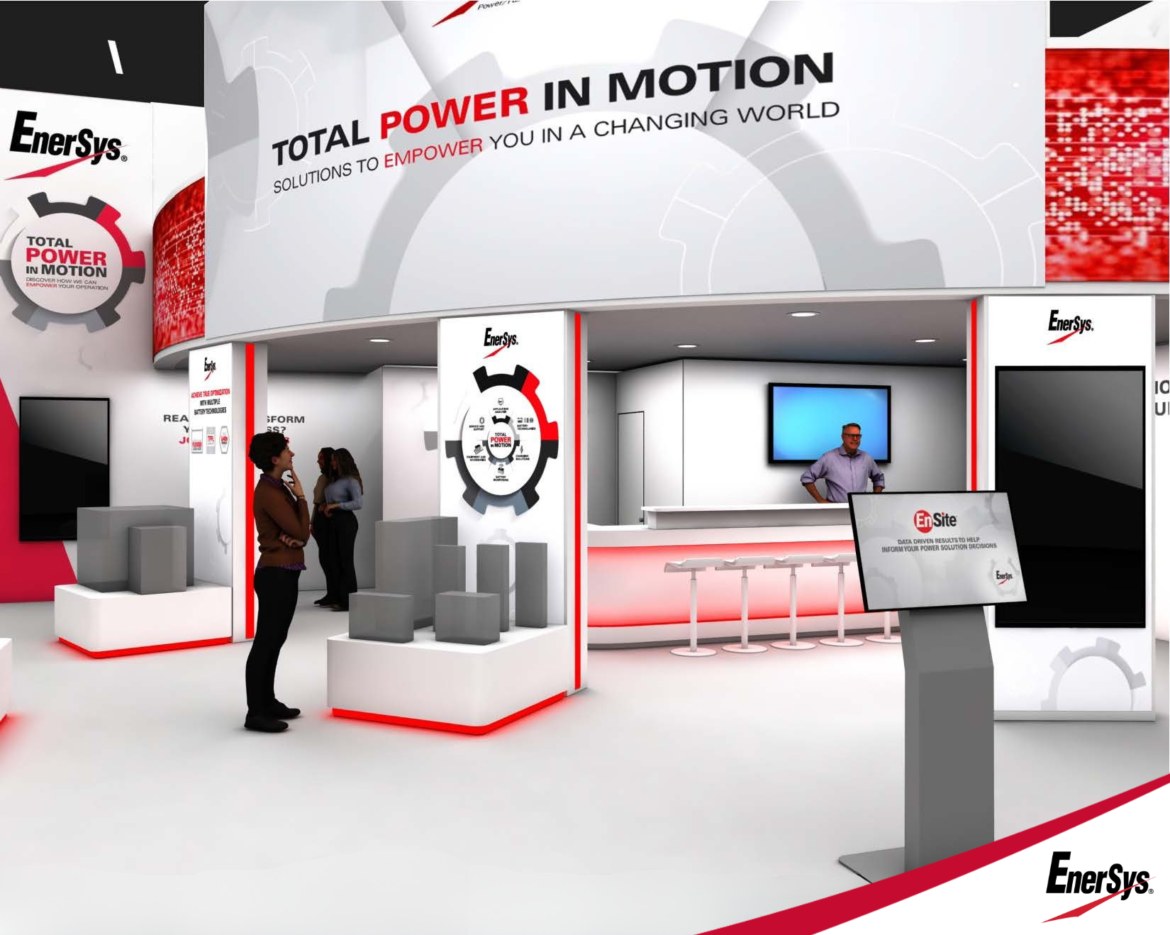
EnerSys, a global supplier of stored energy solutions for industrial applications, will preview their new NexSys™ BESS energy storage system and Synova™ Sync charger concepts at upcoming LogiMAT and ProMat trade shows. These advanced technologies will help operations better manage energy supply and costs – enhancing operational resilience amidst the global energy transition.

These new innovations enable organizations to more efficiently store and utilize energy from time- and condition-dependent renewable sources such as wind and solar. The NexSys™ BESS energy storage system also enables operations to better manage energy costs via ‘peak shaving’ from the traditional electric grid – storing energy during periods with lower utility rates for use during periods with higher rates.

The advanced Synova™ Sync charger delivers exceptional efficiency and charging performance, featuring two-way data and energy flow capabilities that allow operations to pull energy from equipment back into centralized storage if needed. Both the NexSys™ BESS energy storage system and Synova™ Sync charger also provide cloud-based data reporting for enhanced energy and operational management.

“These new products enhance our customers’ management of energy, especially those facing possible shortages and high peak hour rates. Whether drawing from the electrical grid or renewables like solar and wind, our new energy storage solutions enable customers to control their energy supply and costs more directly, which is becoming increasingly important in our marketplace,” said Kerry Philips, Vice President of Global Product Management for Motive Power at EnerSys.

These advanced, next-generation products enable businesses to minimize utility costs while helping stabilize energy for their operations to make them more resilient. When combined, the NexSys™ BESS energy storage system and Synova™ Sync charger form a reliable foundation for on-site microgrids – efficiently storing, managing, and utilizing energy from the traditional grid and various on-site generation sources.

“As the world transitions to a new energy paradigm, these innovations greatly expand the operational benefits of our current product portfolio – enabling customers to better control energy costs and leverage their investment for on-site generation projects,” stated Christina Warn, Global Director of Marketing for Motive Power at EnerSys. “When combined with our fleet data modeling capabilities and unparalleled portfolio of battery technologies, these new offerings help customers truly optimize and manage energy across their entire operation.”

The new NexSys™ BESS energy storage system and next generation Synova™ Sync charger, along with the Company’s portfolio of turnkey power solutions, will be showcased to visitors at the EnerSys trade show stands at LogiMat (Stand 10B09) in Stuttgart, Germany, from March 11–13, 2025, and the following week at ProMat (Booth S612) in Chicago, Illinois, USA, from March 17–20, 2025.

similar news

Latest EnerSys Modular Chargers Support Very Heavy Duty Vehicle Applications


Source link

0 comments
0 FacebookTwitterPinterestEmail
Newer Posts
Older Posts

Recent Posts

  • New Sleeve Wrapper for Transport Packaging
  • LogiMAT 2026: Practical automation & AI define first 2 days
  • Pallet Transport Service Added – Logistics News
  • Automation is Transforming Logistics in India
  • Swarm AGVs for Multiple Flows & Pallet Types

Recent Comments

No comments to show.

Social Connect

Whatsapp

Recent Posts

  • New Sleeve Wrapper for Transport Packaging

  • LogiMAT 2026: Practical automation & AI define first 2 days

  • Pallet Transport Service Added – Logistics News

  • Automation is Transforming Logistics in India

  • Swarm AGVs for Multiple Flows & Pallet Types

Newsletter

Categories

  • Services (1,094)
  • Uncategorized (41)

@2024 - All Right Reserved. Designed and Developed by Sierraline Cargo services

Manage Consent
To provide the best experiences, we use technologies like cookies to store and/or access device information. Consenting to these technologies will allow us to process data such as browsing behavior or unique IDs on this site. Not consenting or withdrawing consent, may adversely affect certain features and functions.
Functional Always active
The technical storage or access is strictly necessary for the legitimate purpose of enabling the use of a specific service explicitly requested by the subscriber or user, or for the sole purpose of carrying out the transmission of a communication over an electronic communications network.
Preferences
The technical storage or access is necessary for the legitimate purpose of storing preferences that are not requested by the subscriber or user.
Statistics
The technical storage or access that is used exclusively for statistical purposes. The technical storage or access that is used exclusively for anonymous statistical purposes. Without a subpoena, voluntary compliance on the part of your Internet Service Provider, or additional records from a third party, information stored or retrieved for this purpose alone cannot usually be used to identify you.
Marketing
The technical storage or access is required to create user profiles to send advertising, or to track the user on a website or across several websites for similar marketing purposes.
  • Manage options
  • Manage services
  • Manage {vendor_count} vendors
  • Read more about these purposes
View preferences
  • {title}
  • {title}
  • {title}
Sierraline Cargo Services
  • HOME
  • Services
    • Trade With Us
  • About Us
  • Contact Us
  • private jet
    • BOOK YOUR JOURNEY
  • Track Packages
  • Insurance
  • safekeeping

WhatsApp us