Sierraline Cargo Services
  • HOME
  • Services
    • Trade With Us
  • About Us
  • Contact Us
  • private jet
    • BOOK YOUR JOURNEY
  • Track Packages
  • Insurance
  • safekeeping
Services

Drive Solutions Experience and Expertise

by
written by


At the international specialist trade fair for intralogistics solutions and process management LogiMAT, NORD DRIVESYSTEMS will present its product portfolio from 11 to 13 March 2025. In Hall 3, Stand 3C41, visitors can find out more about the efficient, reliable and flexible drive solutions from the system supplier’s modular products as well as about further services – while benefitting from the expertise of the drive expert.

Reliable drives with sufficient power are required in intralogistics. The LogiDrive solution space from NORD offers user-friendly and easy-to-integrate drive systems for the post & parcel, airport and warehouse sectors, which are characterised by their low weight and compact installation space. They have all international certifications and can therefore be used worldwide.

LogiDrive variants– Advanced and Basic

LogiDrive Advanced consists of the high-efficiency IE5+ synchronous motor, the NORDAC ON+ and a gear unit from NORD, and was optimised in terms of energy efficiency. The high efficiency over a large speed and load range enables variant reduction for more streamlined processes and reduced administration and warehousing costs, which is particularly of advantage for large systems with numerous drives and which furthermore reduces downtimes.

LogiDrive Basic consists of an IE3 asynchronous motor, the NORDAC ON and a gear unit from NORD. The components are optimally matched and impress with a large adjustment range. This solution mainly focuses on the acquisition costs.

NORDAC ON/ON+ decentralised drive electronics

The decentralised NORDAC ON/ON+ frequency inverters are characterised by their compact design, full plug-in capability and high reliability. They also offer PLC functionality for drive-related functions (PLC onboard) and an integrated multi-protocol Ethernet interface. PROFINET, EtherCAT and EtherNet/IP can be set via parameters. The inverters are designed for power ranges from 0.37 kW to 3.7 kW. With their plug-and-play function, they provide a maintenance-friendly and economical solution for modern production environments. The NORDAC ON is also intended for integration into PROFIsafe and FSoE environments.

High-efficiency drive solutions

The IE5+ synchronous motors with efficiencies of up to 95 % over a wide torque range also provide optimum efficiency in partial load and partial speed ranges. They surpass the highest defined efficiency class and are characterised by their compact, hygienic design in a very small installation space. Available versions are TENV smooth motor, TEFC motor with cooling fins and integrated DuoDrive geared motor with a power range from 0.35 kW to 4 kW. In the second quarter of 2025, NORD will expand its product portfolio with an additional size.

NORD not only supports its customer with energy-efficient and tailor-made drive systems to reduce the total cost of ownership (TCO) but also with services such as the NORD ECO service to analyse existing systems and reveal potential for saving energy.

Keeping an eye on the drive

In addition, NORD released the third version of its Windows parameterisation software. The software tool is the ideal supplementation to the NORDCON MOBILE-APP for smartphones or tablets.
It offers additional functions for setting up and monitoring drives. A customisable dashboard, a context-sensitive help function and a revised oscilloscope support application-specific control of the drive technology.

similar news

Nord Drivesystems Develops Frequency inverters from 0.25 to 160 kW


Source link

0 comments
0 FacebookTwitterPinterestEmail
Services

Recyclable Thermal Pallet for Temperature-sensitive Shipping

by
written by


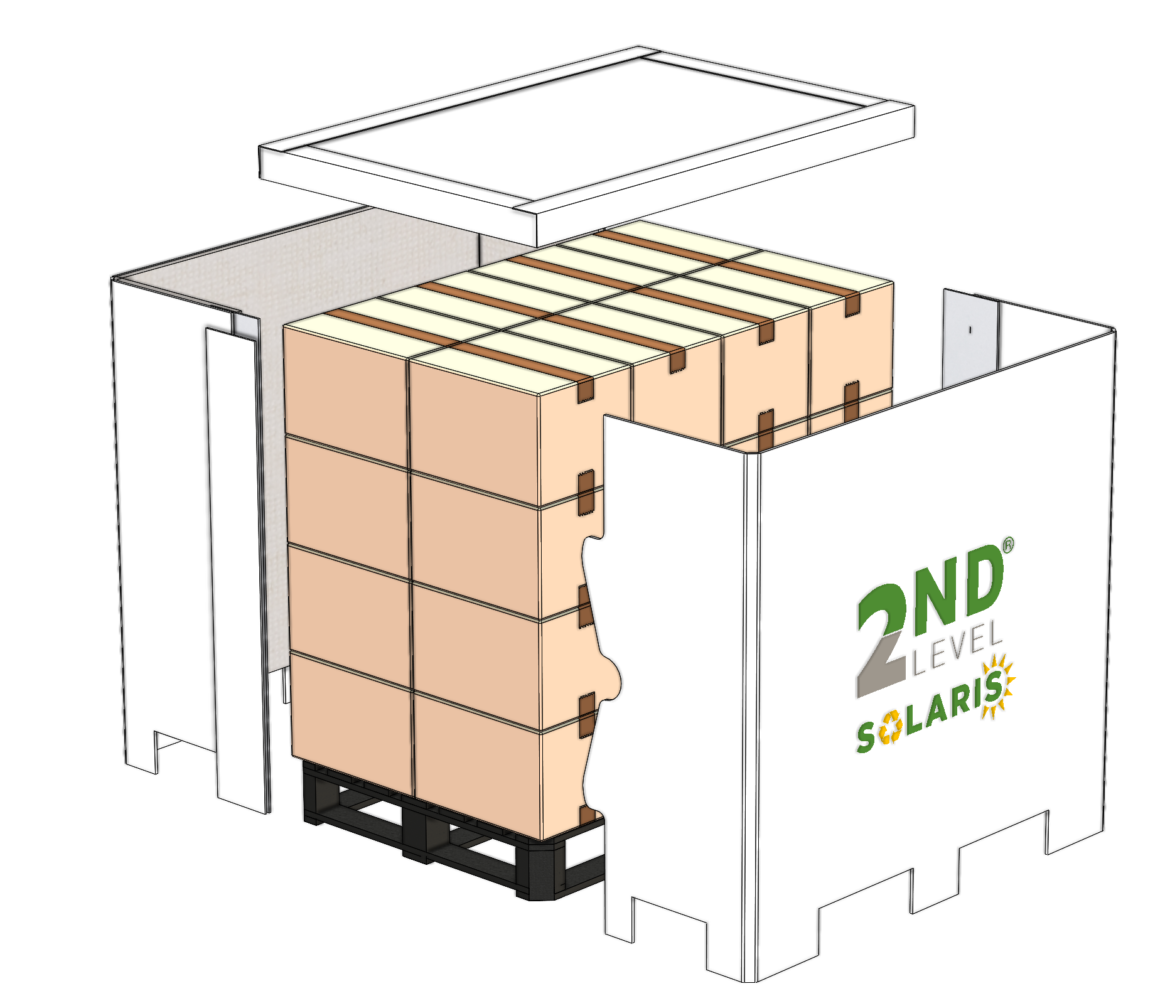
2nd Level Global Solutions is proud to announce the launch of Solaris, an innovative 100% paper, recyclable and water-resistant thermal pallet cover designed to provide robust temperature protection for palletised goods during transit.

Solaris offers a sustainable alternative to conventional plastic thermal covers, addressing the growing concern over the environmental impact of plastic waste in the global logistics industry.

Mark Hammond, Commercial Director of 2nd Level Global Solutions, explains: “Plastic thermal covers, commonly used in global shipping, generate significant waste, with a large proportion ending up in landfills. These covers often fail to be recycled due to the complexity of their composite silver foil and plastic material composition. Solaris, on the other hand, is constructed entirely from paper and is 100% recyclable, providing a greener solution without compromising the integrity of temperature-sensitive cargo.

“With Solaris, we offer companies a sustainable way to protect their products while reducing their carbon footprint. Solaris pallet covers come with an independently calculated Product Carbon Footprint (PCF) figure based on ‘cradle-to-customer plus end of life’. The logistics industry desperately needs solutions that help reduce plastic waste, so Solaris is a game-changer.”

Solaris is engineered from an advanced fusion of paper, featuring a white reflective coating for superior thermal performance and an innovative micro-convective air pocket for additional insulation. Rigorous testing has proven Solaris to match the performance of conventional plastic thermal covers, ensuring the cargo remains safe from temperature fluctuations.

As well as safeguarding against temperature excursions, Solaris is tear and water-resistant and protects against damage and other hazards.

The Solaris range includes four products tailored to different needs:
• Solaris 5: Offers reliable thermal protection with six layers of tear-resistant, water-resistant speciality paper, providing up to 7.5 hours of protection at 40°C.
• Solaris 10: A more robust version with 12 insulation layers, extending temperature protection to 9 hours.
• Solaris 25: Our thickest free-standing cover with 20 insulation layers, extending temperature protection to 10 hours.
• Solaris S20: Made from structural corrugated cardboard and designed to enable loads of up to 500kg stacked on top – doubling freight capacity while reducing transportation costs and carbon emissions.
Solaris S20 is therefore also highly efficient, allowing more goods to be transported in one trip, saving fuel and reducing carbon emissions. This product builds on 2nd Level’s innovative Pallet Porter range, which also maximises cube while lowering environmental impact.

Solaris presents an eco-friendly, high-performance solution for pharmaceuticals and any industry requiring temperature-sensitive goods to be transported. With this cutting-edge product, 2nd Level Global Solutions continues to drive sustainability within global logistics.

similar news

Kite releases affordable eco-friendly chilled packaging


Source link

0 comments
0 FacebookTwitterPinterestEmail
Services

How to Optimise your Shipper TMS Implementation

by
written by


In any software selection process, costs are a key consideration. In the case of a shipper Transport Management System (TMS), there are two sets of costs: recurring costs, which typically relate to the number of shipments flowing through the system; and one-off implementation costs. While recurring costs are more likely to correlate to volume, value and return-on-investment (ROI), it’s important for any shipper to understand, evaluate and minimise their one-time costs, while optimising their software for long-term value.

Elmer Spruijt (pictured), VP, Global Sales, Descartes, explains what shippers need to know about TMS implementation costs.

Investigate your needs

Any shipper looking to acquire a transport management system (TMS) will be looking at how the various solutions on the market can optimise their operations. However, with the cost of a TMS anything from 30,000 EUR to 900,000 EUR (£25,000 and £750,000), it is key to have a clear understanding of the value and benefits you need your new TMS to deliver – and look at the costs in relation to the value created. Based on capabilities, related costs, and expected value you can make the right choice for your business, streamlining implementation and set up, and ensuring longevity of the system.

The main influencers of TMS implementation costs to consider, include:

1. Connectivity with carriers/forwarders

Automation is the key driver of operational benefits. Particularly for high-volume shippers an efficient and effective operation is essential. However, automation not only requires the setup of connections with internal systems like your ERP, but also with external carriers/forwarders for the booking/tendering of shipments; exchanging instructions; status messages and alerts; and invoicing. All of these factors should be included in any TMS you select. Yet, setting up these connections requires effort and cost, and if you work with several carriers/forwarders this can be significant.

Some TMS solutions have a published API which allows any external carrier/forwarder to connect their systems to the TMS. However, many carriers/forwarders are not willing or able to create the connection, and even if they are, they will most likely want to charge the integration cost to you. This makes having a TMS provider with a large, connected network and the ability to easily add new carriers/forwarders crucial to keeping connectivity costs under control.

2. Complexity of business rules

The more advanced shipper TMS solutions can handle many different scenarios (transport modes, different freight types, regional differences, etc.) which typically require configuration, while the more basic solutions often only allow for one process flow and set of rules with minimum deviations. If your current process for working with suppliers and carriers/forwarders is not supported by the TMS, you may struggle to use it effectively and fail to achieve the desired results.

The word here is caution, as many shippers can be inclined to choose a sleek, modern, and inexpensive solution, only to discover it doesn’t align with their workflow. The consequences are likely to include manual workarounds and even termination of the contract with the TMS vendor after a few months.

Almost all shippers need the ability to define advanced business rules in their TMS to automatically consolidate shipments, select the optimal transport mode, build multi-stop loads, follow routing guide logic, and automatically select the best carrier. Securing expert support during the initial implementation is essential for maximising the benefits of your TMS, although it does involve effort and expense. While companies want to keep costs to a minimum, implementation costs that configure and connect the TMS correctly will allow you to reap the benefits from the TMS for the next 10+ years.

3. Third-party solutions and involvement

A modern and complete TMS should handle all modes of transport; connect with all involved carriers/forwarders; automate the information exchange; and provide real-time visibility. However, some TMS providers still rely on third-party solutions to provide some capabilities, for example real-time visibility and parcel rate shopping/shipping. The need to involve third-party solutions and often third-party resources during the implementation adds complexity and requires building/configuring interfaces to facilitate data model alignment and data exchange. These will obviously not only impact the initial setup effort and costs, but also impact the future maintenance effort.

4. Project team expertise with the selected TMS

Some large ERP vendors, who also provide a transport management component, may rely on external partners to implement their TM solutions. With the complexity and different types and levels of functionality involved in a TM implementation, it may be the case that the project is staffed with individuals inexperienced in your specific requirements. Not only is this likely to take more time (and cost) to complete the implementation, there is also risk of a sub-optimal TMS configuration.

A project team experienced with your selected TM solution, and with demonstrable understanding of your business needs, will – in contrast – bring best practices and standards that can greatly reduce the effort and cost of setting up the TMS, while ensuring system configuration that will maximise your savings potential. How to save money on a TMS implementation before you start?

There are three fundamental ways to save costs:

1. Take the opportunity to consolidate the number of carriers/forwarders you are working with, or let smaller providers connect via a carrier portal rather than a direct API or EDI connection. This means they will need to manually accept shipments/loads while you receive automated updates in your TMS. Automated real-time visibility may still be available with those carriers through a separate connection to an integrated visibility platform like Descartes MacroPoint™.

2. Limit the number of solution vendors involved in your overall TMS. This will have the most impact in terms of implementation time, cost, and the required implementation team expertise. Having one team of true experts overseeing your complete solution will result in optimised process handling and a reduced risk of unexpected implementation complications and costs.

3. Beyond these external factors, the active involvement of your own team is essential. Having the right stakeholders (including key users) participate and reach consensus on the optimal processes, along with reliable IT support and a project manager from your side, will significantly influence project costs, timeline, and overall success.

Conclusion

Shippers that have implemented a TMS have indicated that the analysis and design phase is crucial to the overall project. Make sure that the right people allocate sufficient time to deliver a robust solution design document, as well as participate in acceptance testing which will minimise change requests, and timing delays due to bugs throughout the project. Optimising your TMS implementation by understanding and scoping your needs up front, examining ways to consolidate the complexity of the project, and ensuring the right stakeholders are involved in each step of the process will help ensure that both your one-time costs are limited, and you are setting yourself up for long-term value.

similar news

How TMS has evolved and what it can do for you


Source link

0 comments
0 FacebookTwitterPinterestEmail
Services

Urban Logistics Space gets Planning Permission

by
written by


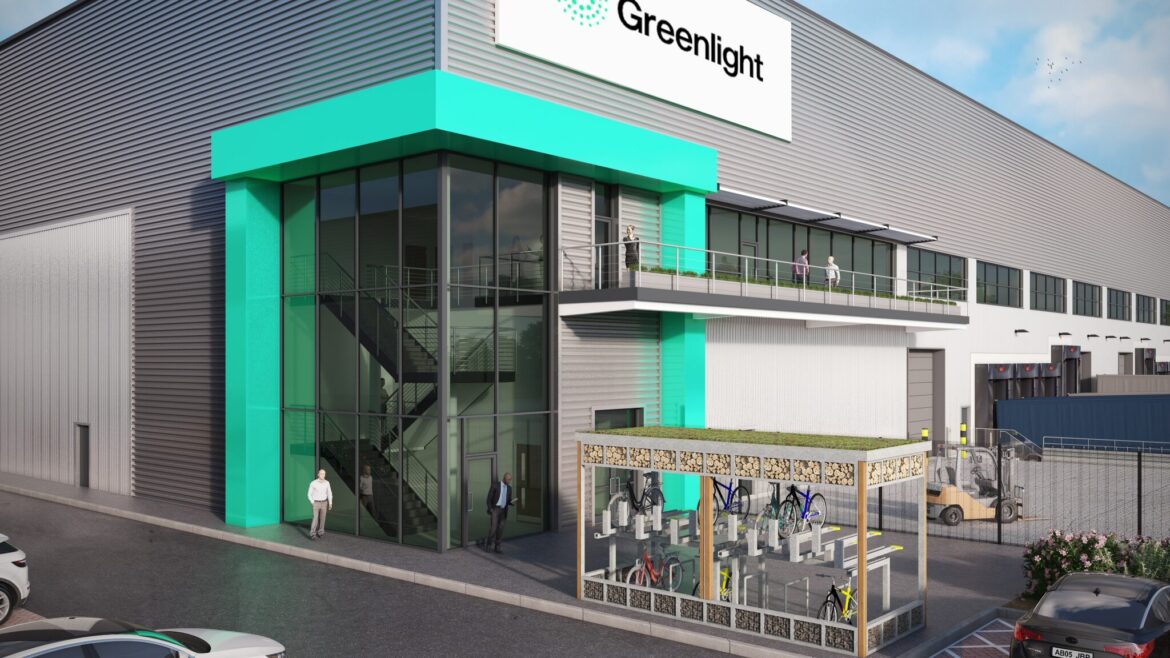
Greenlight Urban has obtained full planning permission from Milton Keynes City Council, Buckinghamshire, UK, to develop 176,392 sq ft of state-of-the-art urban logistics space whilst also securing a first pre-let with a green-tech manufacturing business.

Development has also now commenced on site with GMI being appointed as contractor. The scheme which consists of three units ranging from 51,062 sq ft to 124,007 sq ft, is a 15-minute walk from Milton Keynes Central station and the city centre, allowing occupiers to benefit from its excellent amenities and connectivity.

Planning approval for Greenlight Milton Keynes coincides with the news that a manufacturer specialising in green technology has agreed to take 52,385 sq ft of space. It marks the first pre-let at Greenlight Milton Keynes with the international business set to occupy its new unit in Q3 2025.

Designed to optimise operational efficiency and reduce occupiers’ energy costs, the units will be targeting the highest BREEAM rating of Outstanding and an EPC rating of A+, offering up to £48,000 of energy cost saving per annum. The warehouses will also include EV charging points, PV solar panels, 10% roof lights, up to 700 kVa of power, and up to 15m to the underside of eaves.

Alongside benefitting from strong sustainability credentials, the scheme will also prioritise employee wellbeing. Occupiers will have access to breakout areas from their modern office space with a balcony, cycling facilities, and a wellness garden.

Mark Enderby, Director of Development at Delancey, commented: “As we begin construction of Greenlight Milton Keynes, we are delighted to have already secured our first pre-let. This letting demonstrates strong demand for best-in-class warehouse space from international occupiers, and with good interest in the remaining two units, we hope to announce more occupiers soon.”

Mark Snow, Senior Development Director at Coltham, added: “We are passionate about developing this scheme to create fantastic space for occupiers to thrive. Being a short walk from the units into the centre of Milton Keynes is an attractive benefit of the location.”

Dan Dawe, Director of Investment at Delancey, said: “We have recently secured a series of lettings to blue chip businesses across our portfolio who have been attracted by the leading specification, ESG credentials and strategic location of the schemes. Our customers are increasingly demanding high quality, well specified sustainable space, but have limited options in our chosen markets. We are looking to commence development works on all our current projects over the next 6 months”

Greenlight Milton Keynes is advised by Colliers, Logix Property and Louch Shacklock.

similar news

Gazeley Acquires New Site at Magna Park, Milton Keynes


Source link

0 comments
0 FacebookTwitterPinterestEmail
Services

Ecommerce and Retail Packaging Requirements Explained

by
written by


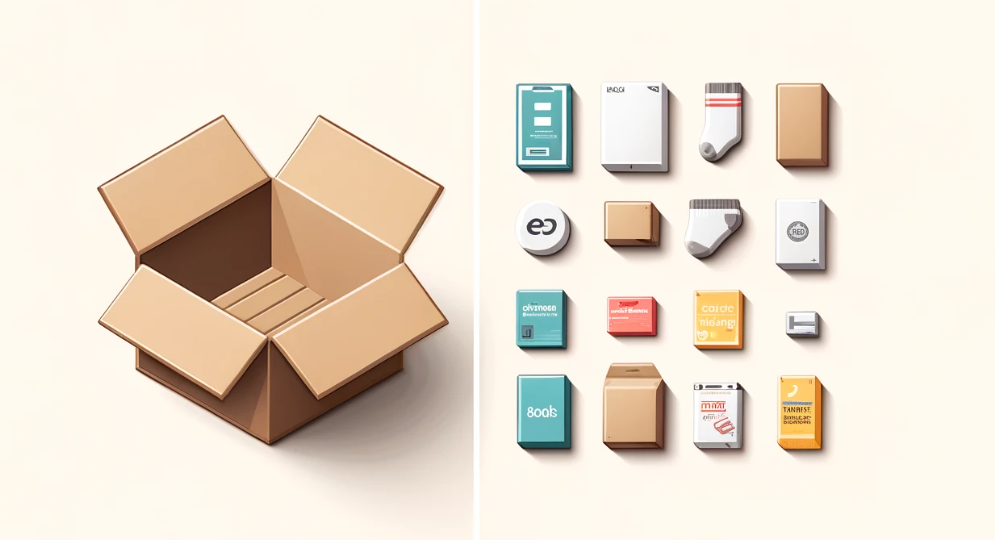
Packaging is a critical element in the delivery process, serving not only as a protective layer for products but also as a key touchpoint for branding and customer satisfaction. However, the requirements for e-commerce and retail packaging differ significantly due to the distinct challenges each channel presents. From safeguarding products to creating memorable customer experiences, businesses must navigate these differences to stay competitive. Here’s how. 

Balancing Protection and Practicality 

One of the most significant distinctions between e-commerce and retail packaging lies in product protection. E-commerce packages must endure extensive handling, long-distance transportation and exposure to various environmental conditions. To address these challenges, businesses often rely on sturdy corrugated boxes, impact-resistant inserts and void fillers like air cushions or paper stuffing to shield items from damage during transit. The focus is on durability and functionality so that products arrive intact regardless of the journey. 

In contrast, retail packaging prioritizes visual appeal and ease of handling within a store environment. While it still provides basic protection, it’s designed to stand out on shelves and capture consumer attention. Lightweight materials and sleek designs are common, allowing packaging to emphasize branding while maintaining practicality for in-store displays. For example, an elegant cardboard box with bold visuals works well for retail shelves but would not withstand the physical demands of e-commerce shipping. 

The Role of Branding and Presentation 

Branding plays a crucial role in both channels but manifests differently based on customer interactions. In e-commerce, packaging is often the first physical connection a customer has with the brand, making the unboxing experience an essential marketing tool. Custom mailer boxes, personalized thank-you notes and branded tissue paper can be used to elevate this interaction, turning it into a memorable moment that can lead to social media shares and increased brand loyalty. 

For retail, packaging must catch the eye amidst a sea of competitors. Bold colors, unique structural designs and clear product information are prioritized to help customers make quick purchasing decisions. Retail packaging often conveys the product’s benefits at a glance, standing out on crowded shelves. 

Efficiency in Fulfillment and Delivery 

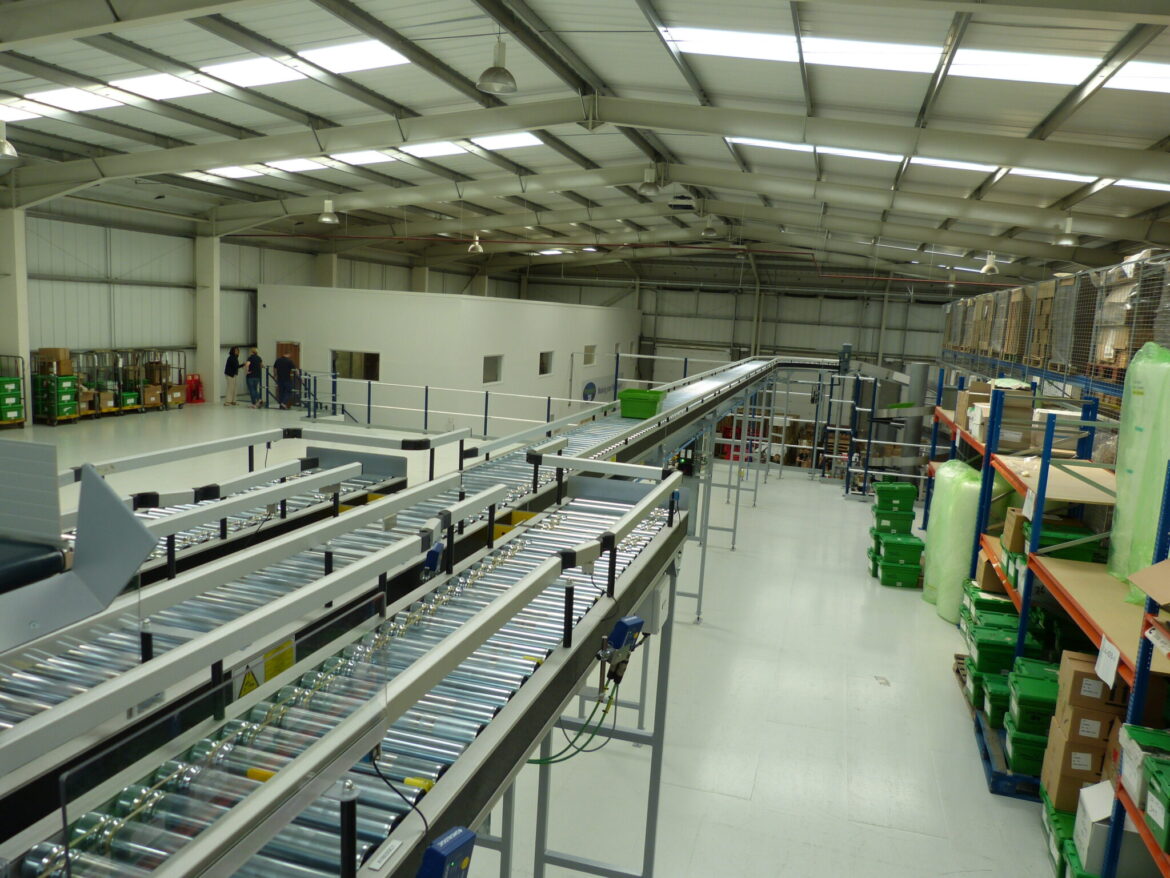
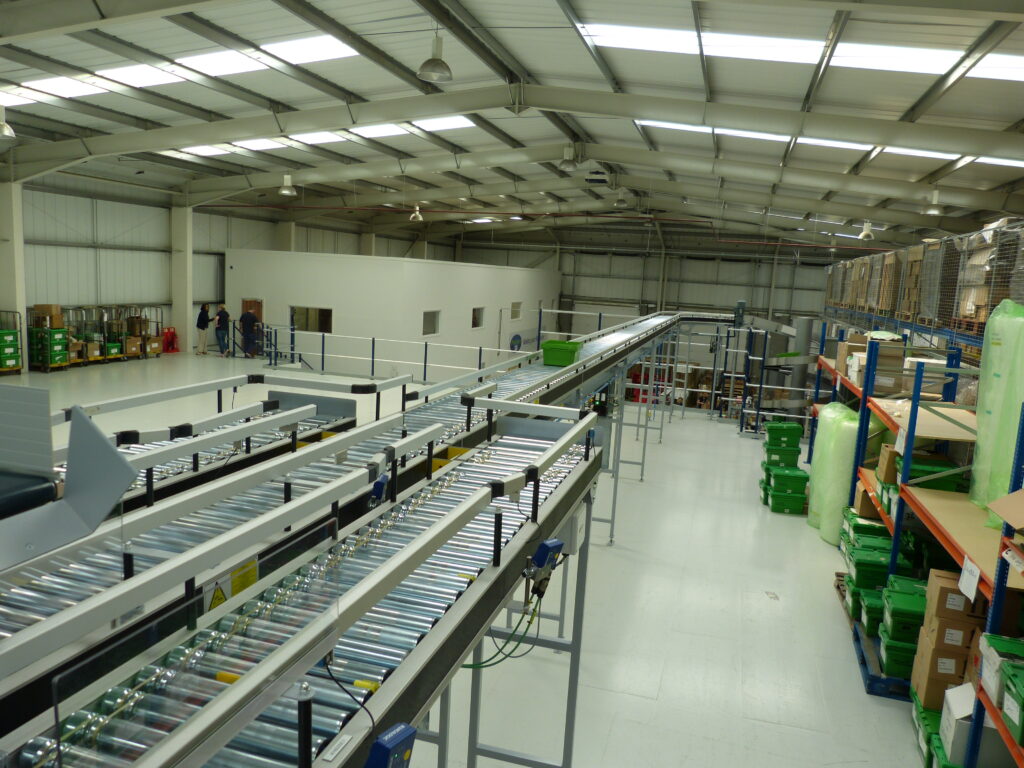
Efficiency is vital in both e-commerce and retail packaging as well, but the focus varies depending on the channel. E-commerce packaging must prioritize space optimization to reduce shipping costs and maximize the number of packages transported per shipment. Lightweight, right-sized boxes or padded mailers are commonly used to streamline logistics while maintaining protection. Automating processes with tools like automatic conveyors can further enhance efficiency, allowing fulfillment centers to handle high volumes of orders quickly and accurately. 

Retail packaging, on the other hand, focuses on storage and display optimization. Products need to be shelf-ready and easy to handle for store staff. Packaging must balance durability for bulk shipping with the ability to be displayed attractively upon arrival. Tamper-evident features and stackable designs often play a key role in retail packaging strategies. 

Addressing Customer Expectations 

Consumer expectations are a driving force in packaging decisions. E-commerce customers demand their products arrive in perfect condition with minimal waste. Sustainable packaging options, such as recyclable materials and biodegradable mailers, have become increasingly important.  

Conversely, retail customers are drawn to packaging that reflects quality and innovation. Reusable or multifunctional packaging designs can add value, enhancing the perceived worth of the product. 

Why Understanding Packaging Differences Matters 

For logistics and supply chain professionals, understanding the distinct demands of e-commerce and retail packaging is essential for reducing costs, safeguarding products and enhancing customer satisfaction. By tailoring strategies to the unique needs of each channel, businesses can streamline fulfillment processes and maintain operational efficiency. 

When done right, thoughtful packaging design can transform a functional necessity into a powerful tool for success, enabling businesses to thrive in today’s fast-paced and competitive marketplace. 

Read Similar

Sustainabile e-commerce Packaging at LogiMAT 2025


Source link

0 comments
0 FacebookTwitterPinterestEmail
Services

New Forklifts and Warehouse Equipment at LogiMAT

by
written by


Bobcat will be presenting two major new developments at LogiMAT 2025 as part of a comprehensive display of the company’s material handling product lines, including diesel and electric forklifts, reach trucks and warehouse equipment such as pallet trucks and stackers.

Bobcat will be showing two new developments in the range including:

• New Class 3 warehouse equipment range
• New series of Li-ION 3-wheel counterbalance forklifts

New Class 3 Warehouse Equipment

At LogiMAT 2025, Bobcat is adding to its warehouse equipment portfolio with three new product series. In addition, the company’s current LSM12N-7 and BSL12/16N-7 stackers are now available in initial lift versions. The new warehouse products will also be available with Li-ION batteries from production.

New warehouse product series:

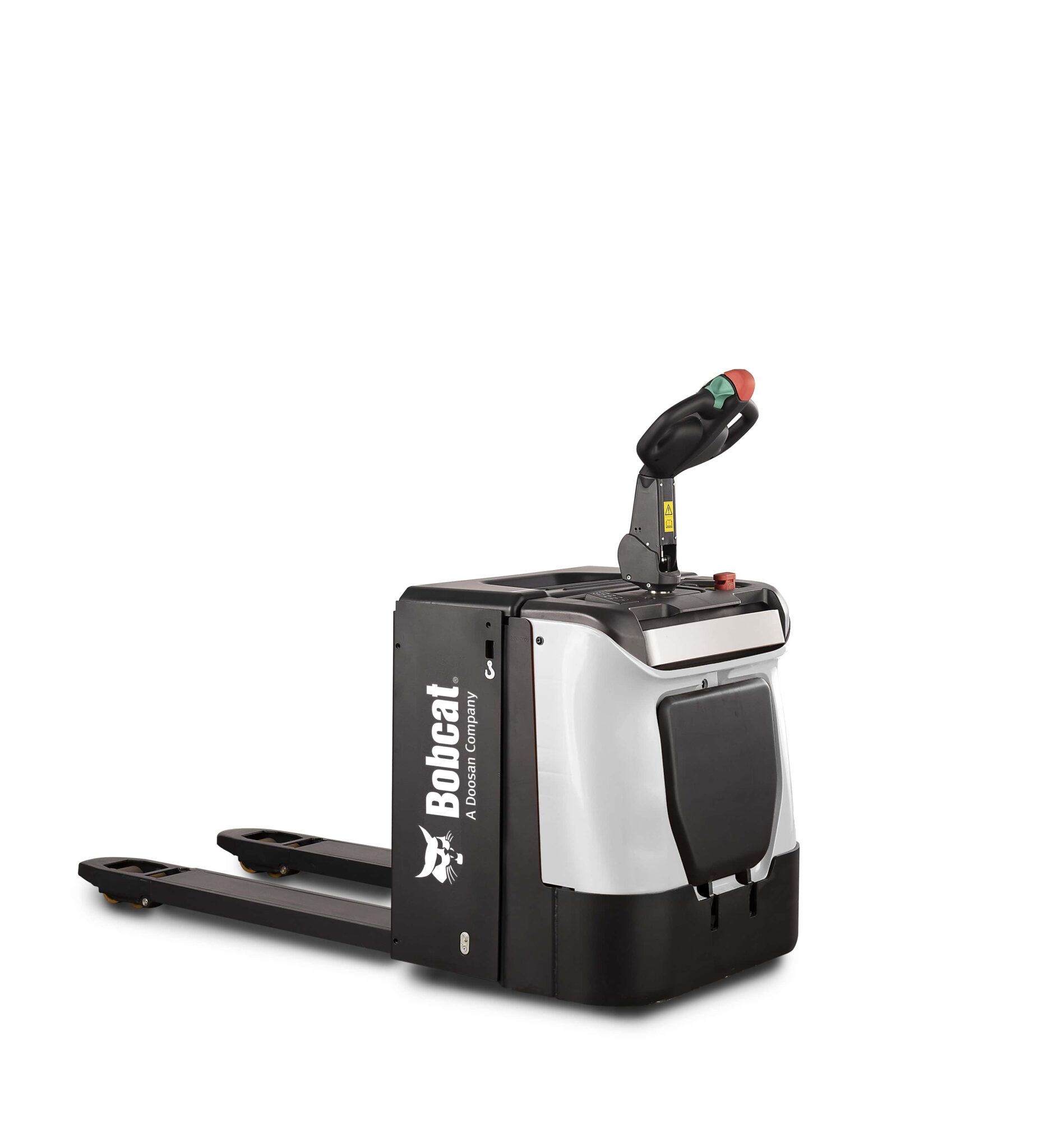
• BPM16/20N-7: pedestrian powered pallet trucks: 1.6 & 2 t capacity
• BPR20/25N-7: powered pallet trucks with platform: 2 & 2.5 t capacity
• BSR12/16N-7: powered platform stacker trucks: 1.2 & 1.6 t capacity
• BSR16N-7i: powered platform stacker truck with initial lift: 1.6 t capacity

The new BPM16/20N-7 pallet trucks are the perfect match for all kinds of applications in and around SMEs, manufacturing and warehousing. The long tiller arm provides optimal, highly ergonomic operation. It requires less effort, and the operator maintains an optimal distance from the truck. Top-quality components, robust construction, a travel speed up to 6 km/h, and simplified maintenance make the pallet trucks in this series reliable partners for every task.

Bobcat BPR20.25N-7 powered pallet trucks with platform

The BPR20/25N-7 platform pallet trucks features a travel speed of up to 8 km/h, ensuring the trucks are built for optimal horizontal transportation over extended distances. Equipped with Electric Power Steering (EPS), these trucks offer ergonomic and safe operation. The suspension flip-down platform minimizes body vibrations, and the sideways protective arms provide additional stability and protect the operator during turns. In walking operation mode, the platform and arms are folded compactly within the truck’s outline, conserving space.

The 1.2 and 1.6 t capacity BSR12/16N-7 platform stacker trucks are designed for high efficiency, excelling in storage and picking operations involving heavy weights. The ergonomic, suspension flip-down platform – paired with protective arms – greatly enhances operational efficiency. These trucks are capable of reaching lift heights up to 5.5 m and they are also perfect for tasks over extended distances.

Thanks to the robust 8 mm metal skirt, strong chassis, durable mast and metal battery cover – along with premium components from leading suppliers – these models lower service costs and ensure constant readiness for professional use. The EPS system, coupled with the proportional lifting function, enables smooth and effortless stacking operations.

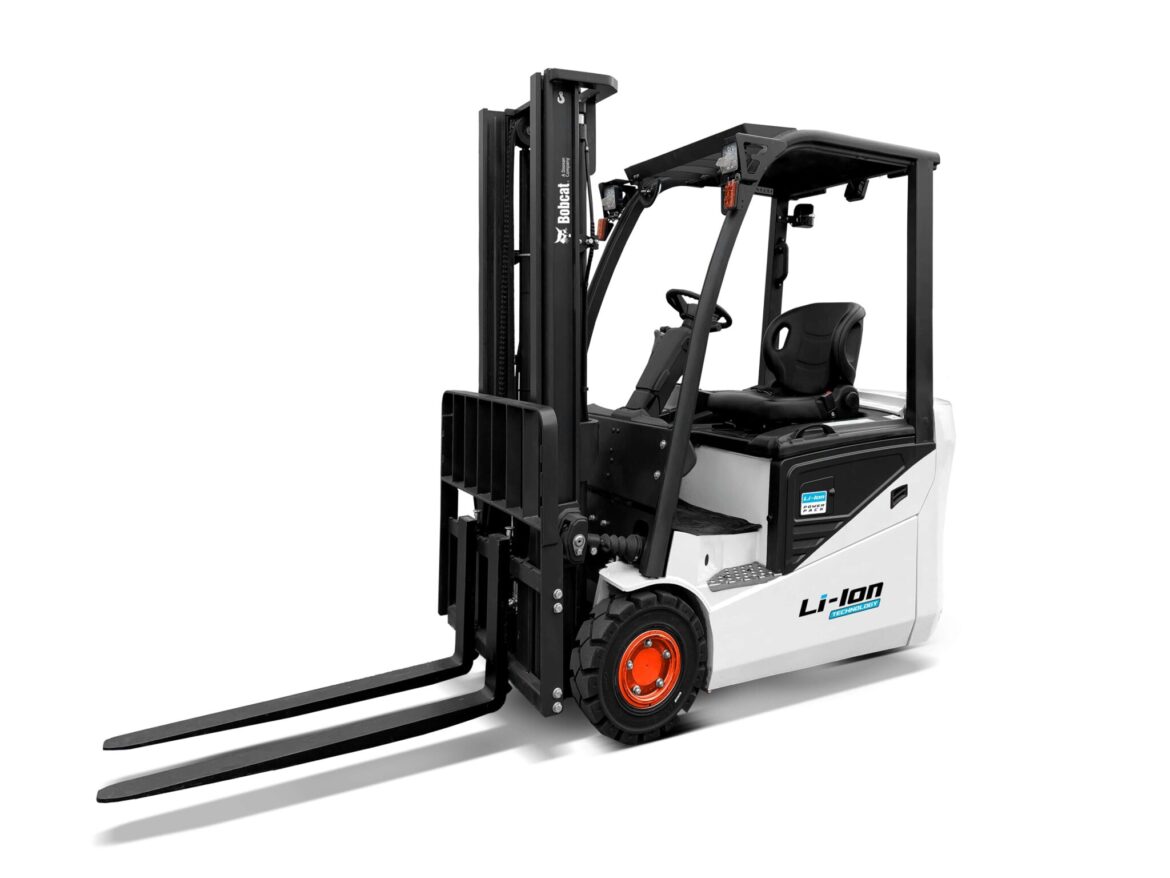
Bobcat’s first Li-ION 3-wheel forklifts

The company is introducing the BNT series, Bobcat’s first Li-ION 3-wheel forklifts, designed for light to medium-duty applications. These models — the B16NT, B18NT and B20NT — offer a cost-effective, eco-friendly solution tailored to the growing CL1 market. The new range extends Bobcat’s electric counterbalanced line-up.

Manoeuvrability is the key aspect in the design of these forklifts, making them ideal for use in tight environments. Despite their compact size, these forklifts boast an ergonomic design that ensures large leg room and exceptional operating comfort for the operator. Setting a new standard in confined space material handling, these forklifts provide a smooth ride and high stability in every job.

3 different load capacity models are available:

• B16NT – 1.6 t load capacity at 500 mm
• B18NT – 1.8 t load capacity at 500 mm
• B20NT – 2.0 t load capacity at 500 mm

Key Highlights

• Dual Drive: equipped with 4.5 kW dual-drive motors to boost productivity
• Maintenance-free 51.2V 300 Ah Li-ION (LFP) battery and 150A charger (380V)
• Electric parking brake: ease of use and increased safety levels
• Comfortable dimensions: designed for compact environments, while still offering comfortable spacious dimensions for the operator

similar news

Forklift Trucks Hanging Tough


Source link

0 comments
0 FacebookTwitterPinterestEmail
Services

Warehouse Secures AA Standard Accreditation

by
written by


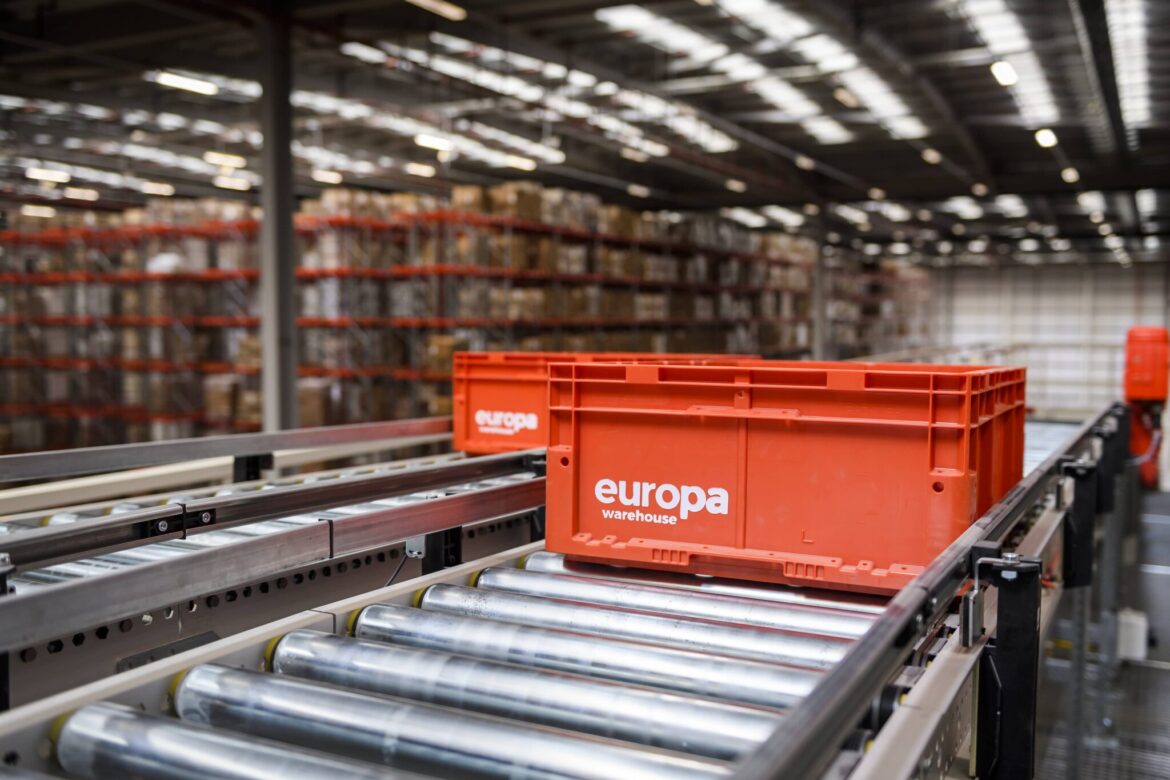
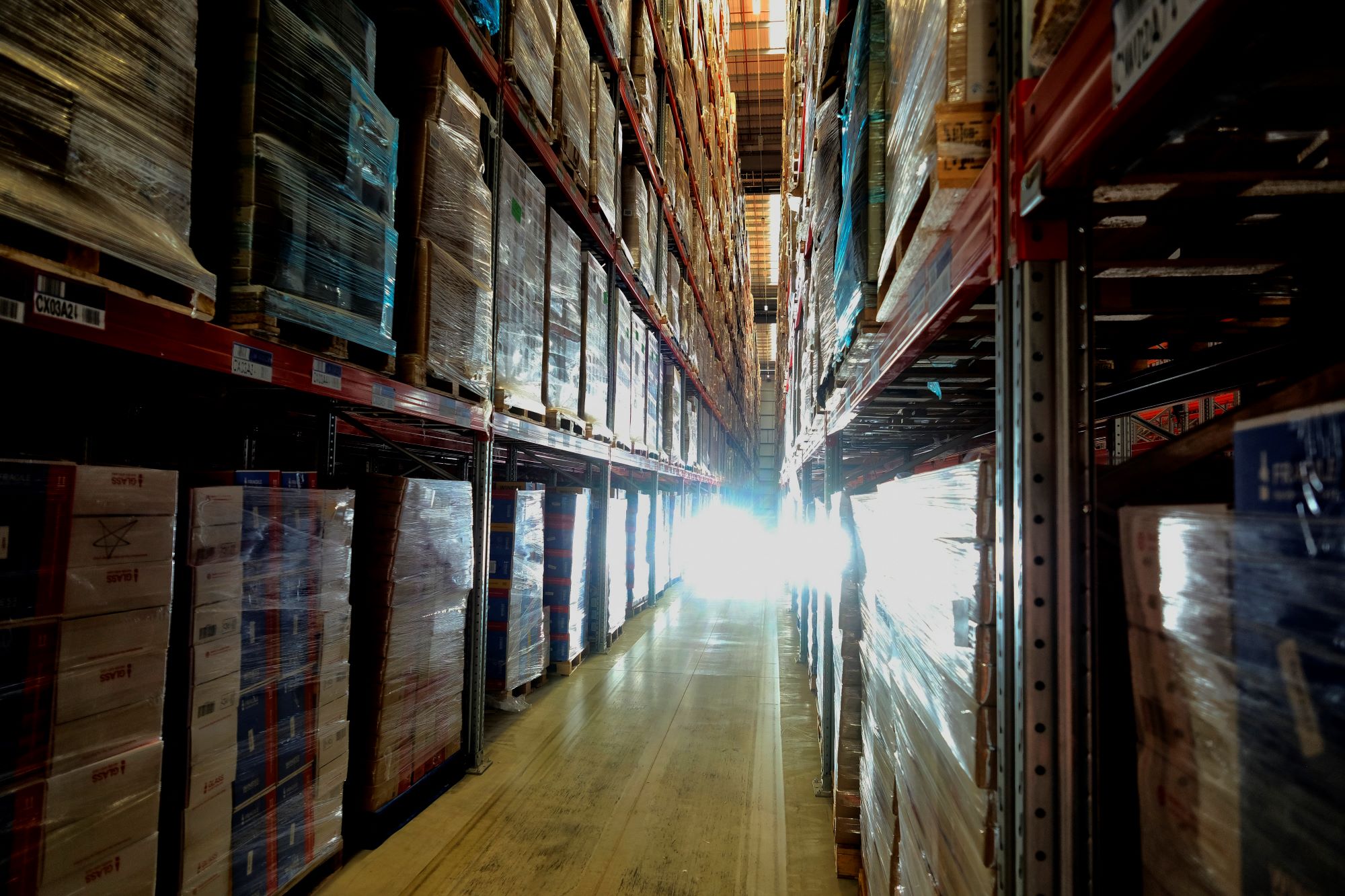
3PL fulfilment specialist Europa Warehouse, in Corby, UK, has boosted its credentials having been awarded AA accreditation, the highest rating, from the Brand Reputation Compliance Global Standard (BRCGS). This accreditation covers the storage of food and non-food packaging, packaging materials, and consumer products.

The globally recognised accreditation, (part of the British Retail Consortium, the go-to trade association for all UK retailers), marks the latest step in Europa’s warehouse investment programme, ensuring compliance for its retail, e-commerce, and wholesale customers.

This gold standard AA accreditation is a mark of assurance, demonstrating to customers that the highest standards are adhered to in the storage and distribution across the supply chain, providing peace of mind for customers who entrust their goods with Europa Warehouse. It is one of the most prestigious accolades in logistics, providing a framework for managing product safety, integrity, quality, and operational controls.

Dionne Redpath, Chief Operating Officer and Warehouse Divisional Director at Europa Worldwide Group, comments: “The latest accreditation reflects our determination to provide our customers with a complete supply chain management solution that delivers business objectives. Having undergone the rigorous audit process required we are delighted to join an elite group of certified global suppliers. This accreditation covers the storage of food and non-food packaging, packaging materials and consumer products – demonstrating our commitment to creating and manufacturing a process of well-designed risk-based product safety management systems.”

The BRCGS is one of the most important industry accreditations, providing the most effective way of showcasing the high standards enforced by the Europa Warehouse team in Corby, and the dedication the senior team has to improve and train their workforce.

Redpath continued: “This shows we meet the highest standards required and that we work to support customers, continually investing in the development of our services to deliver the highest quality.”

Jon Margetts, Head of Facilities & Health & Safety at Europa Warehouse added. “We are pleased to have received the highest British Retail Consortium certification for our Corby warehouse which reflects our continued commitment to customers.”

Europa Warehouse’s £60m Corby facility is capable of storing up to 100,000 pallets and processing up to 50,000 units of goods per day through its £11m automation system. Europa’s total combined portfolio in Dartford, Birmingham, and Corby, offers over 1 million sq. ft of dedicated warehouse and logistics space and are now fully authorised customs warehouses for both wet and dry goods.

similar news

New Head of Sales Appointed at Europa’s Largest Facility


Source link

0 comments
0 FacebookTwitterPinterestEmail
Services

Right to Repair needs Right-size Approach

by
written by


‘Right to Repair’ legislation is having an impact on consumer goods manufacturers and spare parts stockists in at least four States in the US, and those waves are being felt too, by OEMs in Europe and the UK, writes Jo Bradley, Business Development Manager at Sparck Technologies.

Perhaps not before time, the backlash against the ‘disposable society’ is in full swing. This is great news for the environment – not so great for the many companies who will face some serious packaging problems.

For many decades, ‘spares and repairs’ has been an industrial orphan – across a wide range of consumer goods, and indeed commercial equipment, it has been cheaper to send a broken item to landfill and buy a replacement rather than to have it repaired. In many cases the design and manufacture renders even simple repairs not just economically prohibitive but physically impossible. But under pressure from both consumers and regulators, this is changing.

In the US, at least four States have brought in versions of ‘Right to Repair’ legislation. In the European Union, the European Parliament early last year adopted a Directive extending existing laws to require manufacturers, initially of common household goods from washing machines to smartphones, either to repair damaged items, or to make spare parts, tools and instructions available to consumers and third party repair shops ‘at reasonable prices’. In the UK, major retailers including Currys (electricals/electronics) and the department store John Lewis are making a big thing of their repair services. This is in addition to the usual service of ‘consumable’ spares such as replacement filters.

But this will mean a big increase in the number of packages moving through different lanes. OEMs, or their parts stockists, will have to supply individual items, or ‘kits’ of parts and tools, both to repair specialists and direct to consumers, while the repair shops have to pack and despatch renovated products back to their owners. In the industrial and commercial sectors, suppliers to MRO (Maintenance, Repairs, Operations) activities – not just spare parts but also tools and consumables such as drill bits – already face similar challenges.

The range of items involved is intimidating. A washing machine repair might involve a new drum, or just a new microswitch. Under some of the new laws products have to be supported for many years so the number of different parts is vast. In automotive, where of course ‘spares and repairs’ never went away, we know a US client with 1.3 million part numbers in their catalogue – and that is just to support their niche market of imported German cars! Clearly, packing everything into the same narrow range of ‘standard’ boxes or cartons is a non-starter.

And many or perhaps, given the advance of electronics, most spare parts are small both in size and in value. Small items generally require proportionately more packaging material – coupled with labour costs it is no surprise that packing can cost more than the value of the goods. In many cases, supporting repairs is inherently uneconomic; the more so if spares are required to be supplied ‘at reasonable prices’. And shipping costs too can be disproportionate for small boxes, especially if the box is larger than it needs to be.

So OEMs, stockists and repair shops need to bear down heavily on the costs of pick, pack and dispatch. Smart automation of these operations will be critical, and luckily, ‘right-sizing’ boxes for dispatch can now be a fast, automatic process that can produce over 1000 boxes an hour.

Sparck Technologies’ automated boxing systems not only replace most of the labour required in manual operations – one or two operators on a machine can achieve the same throughput as up to 20 manual stations – but for individual items or ‘kits of parts’ can create boxes that are ‘fitted to size’ for each order. The item or assemblage is 3D scanned, the optimum size and shape of box calculated, board is cut, creased, erected, sealed, weighed and labelled. If required, the machine can keep producing ‘standard’ (not necessarily the carton industry’s standard) boxes until a ‘special’ is needed. There is also the option to split operations so that a ‘tray’ is produced into which items can be picked, and which is then united with its ‘lid’ elsewhere. Sparck’s CVP machines can handle weights of up to 30kg, and at the other end of the scale create boxes as shallow as 28mm.

The CVP Impack range can pack at up to 500 orders an hour, or one every seven seconds, while the CVP Everest range achieves an impressive 1,100 per hour – one box every three seconds, and unlike with manual packing, this performance doesn’t tail off towards the end of the shift.

Besides these labour savings and productivity gains, there are many other benefits. Savings in the use of board of typically 30% are commonplace, while void fill – typically non-recyclable – can be greatly reduced or even eliminated. Right-size boxes economise on postage or courier rates, particularly when these are based on ‘volumetric weight’, and make more efficient use of transport. Creating boxes at the point of use means that there is no need to store large numbers of pre-forms or erected boxes. With one machine you’ve got more than 40 million box sizes at your disposal. And packaging that fits the items snugly reduces the risk of transit damage. This all saves money, pleases the customer and is good for the planet.

Retailers and manufacturers are getting to grips with the Returns cycle – now they have to contemplate Repairs as well. But with ‘right-size’ auto-boxing technology, at least the pack and despatch side is more manageable.

similar news

TSC Printronix Auto ID Adds UK Repairs


Source link

0 comments
0 FacebookTwitterPinterestEmail
Services

Rich Analytics Tool to Optimize Fulfillment Performance

by
written by


14th January 2025

Logistics BusinessRich Analytics Tool to Optimize Fulfillment PerformanceLogistics BusinessRich Analytics Tool to Optimize Fulfillment Performance

Manhattan Associates (NASDAQ: MANH), a global leader in supply chain commerce, today announced the availability of Postgame Spotlight, a capability brought to life through a real-time dashboard, that highlights inventory allocation and placement decisions that limit order fulfillment performance. The solution provides real-time scenario analytics and actionable recommendations that can be shared with inventory planners to eliminate inventory deployment mistakes and reduce order fulfillment costs.

Recent advancements in online commerce and the introduction of new omnichannel fulfillment options are straining traditional supply chains. Modern order management systems strive to overcome the additional complexity and optimize order fulfillment with advanced sourcing logic, but physical constraints, such as poor initial inventory placement, often result in suboptimal routing choices and increased fulfillment costs.

Part of Manhattan Active® Order Management, Postgame Spotlight works by calculating the percentage of orders fulfilled from the best locations and identifies the factors that forced the system to divert orders to alternate locations. The solution examines the factors that negatively influence fulfillment efficacy — including the placement and levels of the required inventory, store resource capacity, and discrepancies in store service levels – to uncover improvement opportunities.

“Postgame Spotlight is a great companion to the Fulfillment Insights capability Manhattan introduced last year. While Fulfilment Insights helps retailers compare their performance to their peers, Postgame Spotlight helps look inward to quickly pinpoint opportunities to enhance inventory performance and profitability,” said Amy Tennent, senior director of Product Management for Manhattan.

similar news

Fulfillment Experience Insights Dashboard


Source link

0 comments
0 FacebookTwitterPinterestEmail
Services

New and Proven Solutions from the META World

by
written by


Once again this year, visitors to the META-Regalbau stand in hall 1 – Stand H01 and H05 will be able to discover some new and proven highlights from the extensive world of storage technology. The focus will be on the new main catalogue, with which META will be presenting a number of new products and innovations at the upcoming LogiMAT. In addition, storage solutions in conjunction with conveyor technology and the tried and tested standard shelving systems will be central elements of the trade fair presentation.

After META successfully presented the new brand layout at last year’s LogiMAT and introduced it to the market, this year the spotlight is on new and proven warehouse technology solutions.

New main catalogue – innovations and news

This year, the Stuttgart trade fair will be the starting signal for the new main catalogue, as it will be presented to customers on 11th March. The catalogue is a reference work, manual and work tool all in one, and META has incorporated a lot of feedback through constant customer dialogue. Visitors and customers can look forward to the new catalogue, because in addition to the new layout, the focus will be on new products and optimisations to the range.

360° conveyor technology solutions

Under the name META-ILS (ILS = Innovative Logistic Solutions), META offers customised solutions for complex tasks in the field of warehouse automation with conveyor technology. Customers worldwide benefit sustainably from efficient conveyor technology in combination with high-quality warehouse technology. At LogiMAT, visitors can use 360° glasses to travel through impressive reference shots and thus fully experience the dimensions of complex international projects.

Innovative and proven – an insight into the META world

On over 130 square metres, the quality supplier of warehouse technology will be presenting the extensive META world in its new layout to visitors in Hall 1 – Stand H01 and H05. The team from the warehouse technology experts will be happy to answer any questions about the new products and tried-and-tested solutions – such as warehouse technology, steel construction, factory equipment, services or the META Calc online configurator.

similar news

New Developments from META at LogiMAT


Source link

0 comments
0 FacebookTwitterPinterestEmail
Newer Posts
Older Posts

Recent Posts

  • New Sleeve Wrapper for Transport Packaging
  • LogiMAT 2026: Practical automation & AI define first 2 days
  • Pallet Transport Service Added – Logistics News
  • Automation is Transforming Logistics in India
  • Swarm AGVs for Multiple Flows & Pallet Types

Recent Comments

No comments to show.

Social Connect

Whatsapp

Recent Posts

  • New Sleeve Wrapper for Transport Packaging

  • LogiMAT 2026: Practical automation & AI define first 2 days

  • Pallet Transport Service Added – Logistics News

  • Automation is Transforming Logistics in India

  • Swarm AGVs for Multiple Flows & Pallet Types

Newsletter

Categories

  • Services (1,094)
  • Uncategorized (41)

@2024 - All Right Reserved. Designed and Developed by Sierraline Cargo services

Manage Consent
To provide the best experiences, we use technologies like cookies to store and/or access device information. Consenting to these technologies will allow us to process data such as browsing behavior or unique IDs on this site. Not consenting or withdrawing consent, may adversely affect certain features and functions.
Functional Always active
The technical storage or access is strictly necessary for the legitimate purpose of enabling the use of a specific service explicitly requested by the subscriber or user, or for the sole purpose of carrying out the transmission of a communication over an electronic communications network.
Preferences
The technical storage or access is necessary for the legitimate purpose of storing preferences that are not requested by the subscriber or user.
Statistics
The technical storage or access that is used exclusively for statistical purposes. The technical storage or access that is used exclusively for anonymous statistical purposes. Without a subpoena, voluntary compliance on the part of your Internet Service Provider, or additional records from a third party, information stored or retrieved for this purpose alone cannot usually be used to identify you.
Marketing
The technical storage or access is required to create user profiles to send advertising, or to track the user on a website or across several websites for similar marketing purposes.
  • Manage options
  • Manage services
  • Manage {vendor_count} vendors
  • Read more about these purposes
View preferences
  • {title}
  • {title}
  • {title}
Sierraline Cargo Services
  • HOME
  • Services
    • Trade With Us
  • About Us
  • Contact Us
  • private jet
    • BOOK YOUR JOURNEY
  • Track Packages
  • Insurance
  • safekeeping

WhatsApp us