Sierraline Cargo Services
  • HOME
  • Services
    • Trade With Us
  • About Us
  • Contact Us
  • private jet
    • BOOK YOUR JOURNEY
  • Track Packages
  • Insurance
  • safekeeping
Services

Reducing Downtime In Logistics With Preventive Maintenance 

by
written by


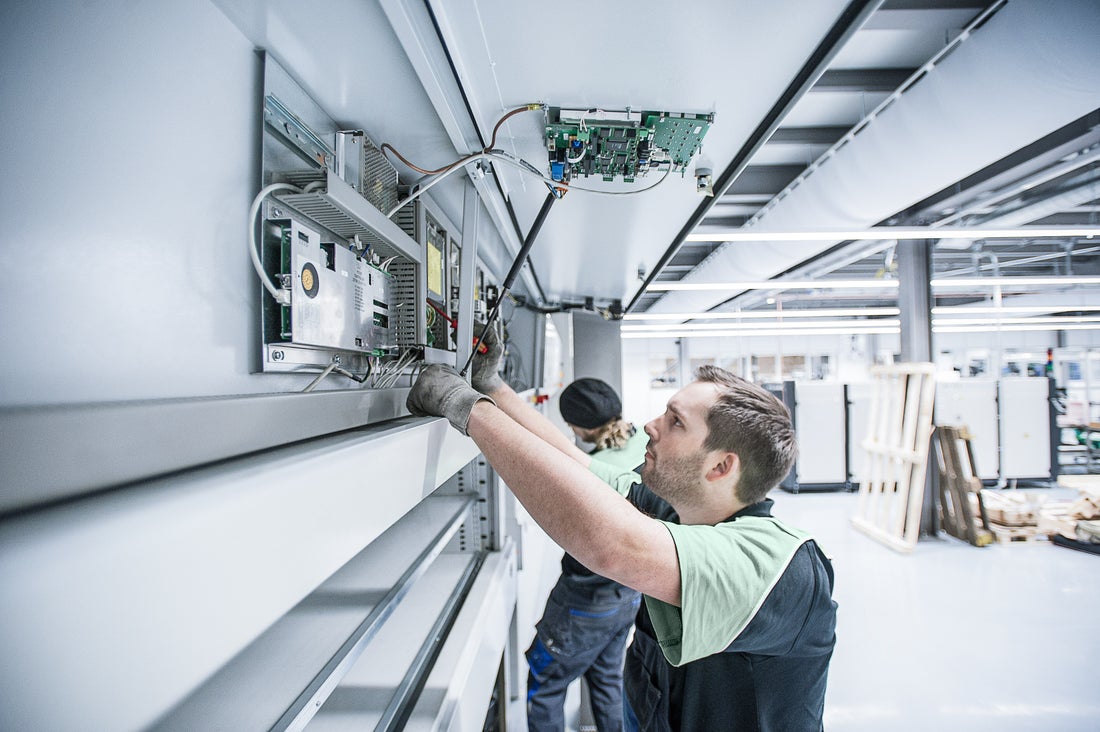
Professionals working in the logistics and supply chain industry understand how important it is to reduce downtime in logistics and avoid idling workers so you don’t miss deadlines and frustrate your customers. They realize the critical role of preventative maintenance in keeping their operations moving smoothly and predictably. Accordingly, logistics professionals will want their maintenance team to work more proactively, rather than merely reacting to problems that occur randomly. This is especially the case in transportation where you must ensure the reliable functioning of vital equipment such as diesel engines. 

Benefits of a Proactive Maintenance Approach 

Adopting a proactive approach to maintenance instead of reacting means you can keep your valuable diesel equipment working longer, reducing the cost of ownership. Planned preventative maintenance makes repairs less expensive than urgent repair jobs that occur after engine failure. 

Practical Tips on Developing Effective Maintenance Schedules 

Make sure you have sufficient replacement parts and tools to support maintenance 

Examine your records to verify you’re keeping enough items in stock to support routine maintenance. If a manufacturer designates a part as needing to be replaced once every nine months but you have been swapping it out twice a year, you are wasting resources that you’ll need to replenish more often. It also takes time to restock these expensive parts more often than needed, which is money better spent elsewhere. 

Take a data-driven approach 

Gather and analyze data from your preventative maintenance activities so you can make better decisions about when it’s best to repair diesel equipment or when it’s time to replace it. Such information helps you optimize your maintenance schedule as you lubricate parts according to schedule or replace items before they’re expected to fail. 

Use advanced technologies 

Researching the latest and most advanced technologies can help your maintenance team work more effectively. For example, using a TEXA diagnostic kit gives you the same capability as a diesel engine dealer so you can take better care of your equipment. An advanced diagnostic kit gives you all the relevant information for diesel vehicle maintenance and repairs to detect issues, such as in engines, ABS systems and transmissions. 

The software enables you to issue DPF and SCR commands and conduct injector programming and resets to ensure that equipment functions at its best. 

Train your staff 

Give your staff the tools they need for success during the onboarding process of new recruits as well as in your ongoing educational efforts. You’ll train them to identify and address potential issues before they escalate into major breakdowns that would cost much more time, resources and money. Catastrophic breakdowns that shut down your supply chain until you fix the problem will cut your bottom line as well as endanger your reputation for providing consistent, on-time deliveries. 

Outsource your preventative maintenance program 

If you have been experiencing local labor shortages or higher-than-usual turnover in your maintenance crew, it might be time to consider outsourcing your company’s preventative maintenance efforts. Doing so enables you to focus on your company’s core capabilities while gaining the peace of mind that comes from knowing dedicated diesel maintenance experts are looking after your equipment on an ongoing basis. 

Preventative Maintenance Helps You Avoid Unplanned Downtime of Essential Transportation Equipment 

Savvy logistics professionals will establish or improve their maintenance schedules so they can work proactively to prevent major issues developing in their diesel engines and other crucial pieces of equipment. To that end, it’s prudent to use modern diagnostic software and hardware systems to keep watch over the state of the diesel engines your organization relies on. 

Staying updated on industry best practices, being aware of the latest technologies and providing ongoing training to your maintenance team will help you avoid unplanned downtime. Not only does this prevent work stoppages, but also it helps improve your bottom line since catching problems earlier makes it less expensive to maintain or repair components instead of having to outright replace them. 
Read Similar…

How Data-Driven Maintenance Transforms Materials Handling


Source link

0 comments
0 FacebookTwitterPinterestEmail
Services

Detect Unstable Li-ion Batteries

by
written by


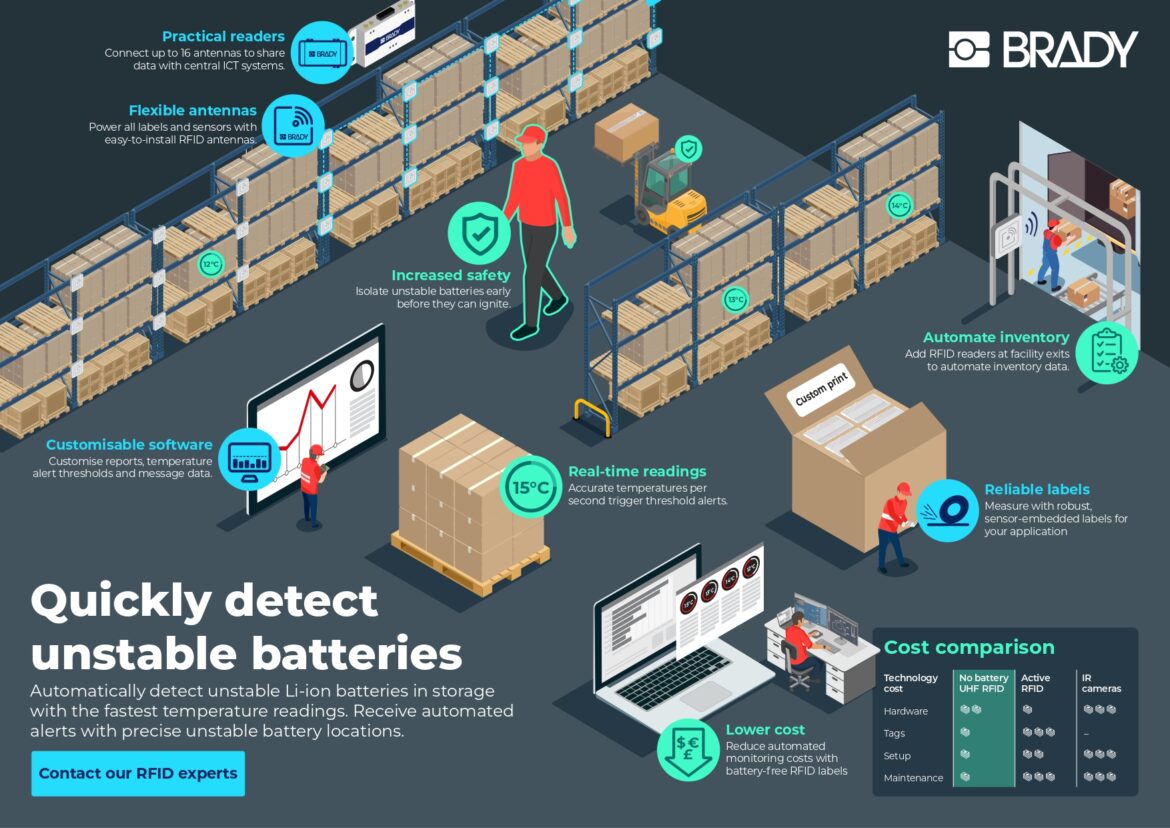
Brady Corporation offers a new, more cost-efficient solution to quickly detect unstable Li-ion batteries in storage. Able to automatically measure 0,5°C temperature differences per second, the solution provides the accuracy and speed needed to isolate unstable batteries before they become a safety risk.

Fast and accurate

Brady´s new battery temperature monitoring solution involves 3 components: self-adhesive battery-free UHF RFID labels with embedded temperature sensors, RFID readers with up to 16 antennas, and a customisable RFID software platform.

The self-adhesive UHF RFID-embedded labels can be applied inside battery cell boxes for fast temperature change detection. Alternatively, every battery cell can be labelled with Brady´s on-metal, printable UHF RFID labels to enable more elaborate advantages in Li-ion battery supply chains. Every second, the RFID antennas and readers automatically power all labels and sensors in range to collect temperature readings with 0,5°C accuracy. Every temperature reading, and matching battery storage location, is collected by the RFID software platform. When customisable temperature thresholds are reached, the software platform triggers 3rd party devices via standard API.

With almost continuous, automated and accurate temperature monitoring, warehouse stakeholders can receive early warnings via sms, email or even racking warning lights. They can be guided in time to specific warehouse locations for unstable Li-ion battery isolation. Alternatively, Brady´s software platform API can also trigger an autonomous vehicle to automatically remove an unstable battery.

Cost-effective

Battery-free UHF RFID labels with embedded sensors are a more cost-effective battery temperature monitoring solution than powered RFID tags or IR cameras. UHF RFID labels and their temperature sensors receive power wirelessly from RFID antennas and readers in range. They are available at significantly lower costs – up to 5 times less than battery-powered RFID tags – and do not require maintenance.

The number of RFID readers needed to completely cover storage locations in a warehouse heavily depends on warehouse setup, racking height and storage volume per racking compartment. Brady can connect up to 16 antennas to a single RFID reader that provides high accuracy, high speed temperature monitoring for all storage locations in 12 metre wide and 4 metre high racking.

The automated, and almost continuous, nature of the temperature monitoring solution enables Li-ion battery manufacturers and logistics companies to significantly increase safety and reduce risk at advantageous costs.

Automated inventories

By adding an RFID reader gate at designated warehouse exits, Brady´s solution can also enable automated, real-time warehouse inventories. RFID labelled items are read by Brady´s RFID readers the moment their label enters reader range. When they pass through a designated RFID reader gate, these items can easily be subtracted from the inventory by the RFID software platform.

When used in this way, the solution can provide cost-effective battery track & trace inside the warehouse from entry to exit, complete with battery cell box or battery cell temperature fluctuation in between.

similar news

DENSO: Why RFID is the future


Source link

0 comments
0 FacebookTwitterPinterestEmail
Services

Customer Focus is missing piece in Sustainability

by
written by


Customer focus obsession drives business growth, writes Erik Stadigh, co-founder and CEO of carbon credit innovators, Lune. Businesses exist to solve their customers’ problems and, by doing so better than their competition, they win. We build a deep understanding of our customers, their behaviours, their needs, and their pain points. And we get out of bed in the morning to solve these pain points through innovative products and services.

Yet, when it comes to sustainability, we immediately turn inward. The focus becomes all about internal metrics: our own carbon footprint, our own net zero targets, our own ESG scores. While these are of course crucial, they’re one component of a much bigger equation. We are staring at the forest so intently, that we are completely blind to the trees.

Here’s why: the most powerful climate actions aren’t found by looking inward – they’re found by looking outward, at your customers.

Harnessing The Multiplier Effect

When a business helps its customers reduce their carbon footprint, the impact multiplies exponentially. A single logistics company might help thousands of businesses optimise their supply chains to drastically reduce emissions. A business spend management platform might help thousands of businesses optimise procurement and business spend to slash emissions.

This is the multiplier effect in action. Instead of focusing solely on reducing your own emissions – which might be in the thousands of tonnes CO2 – you can help reduce millions of tonnes CO2 by enabling your customers’ climate journey.

From Net Zero to Net Positive

Our goal is to reach global net zero (and eventually go beyond). There are many paths to get there but for companies to only focus on internal net zero targets is definitely not the fastest path.

The math is simple but powerful. Let’s say your business emits 50,000 tCO2 annually. You could spend years trying to reduce this to 25,000 tCO2 or potentially even to 10,000 tCO2. Or, you could do both: work on your internal reductions while helping your customers avoid or reduce hundreds of thousands tCO2, potentially even millions tCO2!

This isn’t about choosing one over the other. It’s about recognising where your impact can be greatest.
The Business Case is Clear

As with solving any customer problems better than your competition, it’s just good business. Companies that help their customers achieve their sustainability goals aren’t just doing good – they’re building competitive advantages:

– New revenue streams emerge from sustainability-focused products and services
– Customer loyalty increases when you help solve their sustainability challenges
– Brand value grows as you become known as a sustainability leader
– Market share expands as sustainability becomes a key differentiator

This is not some fairy tale, it’s already a reality. JAS Worldwide, a leading freight forwarder, has won several large RFPs thanks to their Green Solutions. They help their customers reduce their carbon footprint through consulting, monitoring, and implementing emission reduction solutions.

By taking a consultative approach and tailoring sustainability to their customers needs, the sustainable choice becomes the easy choice. For example, JAS Worldwide chose Lune as their carbon offsetting partner so their customers could fund the projects that aligned the most with their business goals, without compromising on quality. They can be confident their sustainable choices are having a positive impact on the planet.

How to put your customers at the centre of your sustainability strategy

Innovators know progress is never a straightforward process. But we can begin with a map:

1. Understand your customers’ pain points
Start by truly understanding your customers’ sustainability pain points. What are their emissions sources? What are their reduction targets? What’s holding them back? How much are they spending on expensive consultants today?

2. Innovate for impact
Develop products and services that directly address these challenges. This could mean adding carbon footprint insights to your existing products, helping your customers to make carbon-based decisions, or giving green rewards to customers.

3. Make sustainability the default
Use technology and automation to make sustainable choices easier, accessible, and the default. To maximise the positive impact, and allow them to “opt-out” if they don’t want it.

4. Measure and celebrate customer impact
Track not just your own emissions, but the emissions you help your customers avoid or reduce. This is your true climate impact and should be celebrated!

The Road after COP29

As we come out of COP29, it’s clear that business as usual won’t get us to global net zero. We need a fundamental shift in how we think about corporate climate action. The companies that lead this new era aren’t just those with the smallest carbon footprints. They’re the ones that help their entire ecosystem – customers, suppliers, and communities – accelerate toward a sustainable future.

The future of corporate sustainability isn’t about just getting to net zero individually – it’s about solving problems to get to a global net zero. By looking beyond our own operations and enabling our customers’ climate journey, we create the exponential change our planet needs. And capture the business benefits while we do so. Obsess about your customers and the planet will thank you!

similar news

Driver Shortage isn’t just Personnel Problem


Source link

0 comments
0 FacebookTwitterPinterestEmail
Services

Industrial Labelling Support for Warehousing and Logistics

by
written by


3rd January 2025

Logistics BusinessIndustrial Labelling Support for Warehousing and LogisticsLogistics BusinessIndustrial Labelling Support for Warehousing and Logistics

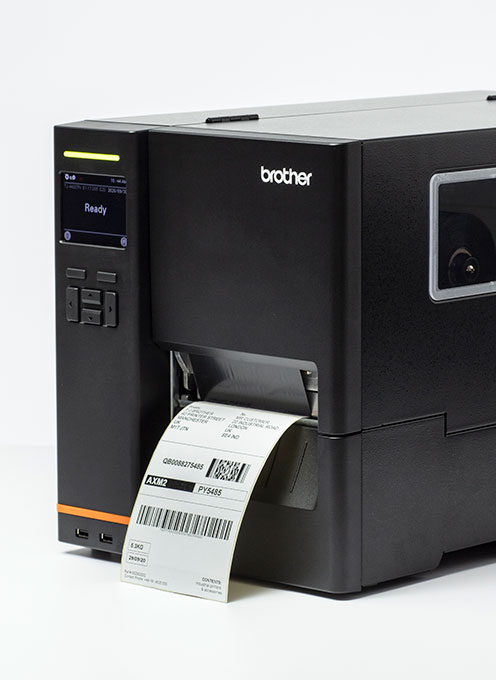
Business technology solutions provider Brother UK has introduced a warranty on its TJ industrial label printers, to enhance its support for warehousing and logistics firms with high-volume labelling requirements.

The vendor has updated the warranty that’s offered as standard on its TJ devices from three years to an industry-leading five years. The longer warranty is part of Brother’s efforts to minimise potential downtime, particularly in industries where it can have significant knock-on effects on the supply chain. A Brother survey of warehouse managers found more than half (51%) had to take time out of their schedule to arrange repairs, while three in 10 (28%) spent a whole day without a machine available.

Brother’s TJ series can produce thousands of labels a day at speeds of up to 14 inches per second. Machines print at up to 300dpi and for a range of label. The models also support various command languages, including ZPL2, making it easier to integrate devices into existing networks.

The TJ series’ compatibility has also been boosted after leading warehouse management software (WMS) providers Clarus and Mintsoft accredited Brother devices. The endorsement means that Brother’s specialist labelling devices, which also includes its RJ line-up of mobile printers and range of TD desktop models, can easily be implemented into operations for businesses already using their WMS offerings.

Simon Brennan, senior business manager – specialist printing solutions at Brother UK, said: “Labelling is a crucial part of picking, packing and delivering items, and as expectation for shorter delivery times grows, so does firms’ need for reliable and long-lasting devices.

“We live for the label, and this means providing extensive ongoing support for businesses long after they’ve purchased a device. Extending the warranty that comes as standard on our TJ models demonstrates our commitment to that. Importantly, it also gives warehouse and logistics managers greater certainty that they’ll minimise costly downtime and lapses in reliability, boosting their ability to provide the best service possible to their customers.

“Our growing partner network is also testament to how we’re bringing forward devices to be flexible to all firms’ needs. It’s essential that label printers integrate seamlessly with the existing WMS that day-to-day operations are built around, and this is another validation for us that we can deliver on warehouse, transportation and logistics businesses’ needs.”

similar news

New Mobile Printers From Brother


Source link

0 comments
0 FacebookTwitterPinterestEmail
Services

Jet Privati Dassault Falcon – Private Jet Finder BLOG

by
written by


Founded in 1929 by Marcel Bloch, a visionary aeronautical engineer. as Société des Avions Marcel Bloch, the company changed its name to Dassault Aviation in 1947, adopting the surname its founder had taken during the French Resistance. Today, Dassault Aviation is a pillar of the European aerospace industry and one of the world’s leading aircraft manufacturers, known and universally acclaimed for producing military jets and private jets such as the Falcons that represent excellence in the world of flight.

Also read our article on Cessna private jets, also among the most rented on PrivateJetFinder

Dassault Aviation aircraft.

Throughout its history, Dassault Aviation, has designed and built military aircraft, private jets, and experimental aircraft, including some models considered true milestones in the world of civil and military aviation. Among Dassault’s most important and iconic aircraft we should mention multi-role fighters such as the legendary Mirage and the modern Rafale, considered one of the best combat aircraft in the world. Among private jets it is impossible not to mention the Falcon family, which represents Dassault’s civil and private aviation sector.

Dassault Aviation’s Falcon private jets.

These jets are known for their innovative design, excellent performance, and attention to comfort. Each Falcon model is built for safety, efficiency and luxury, making them a preferred choice for executives and discerning travelers.

Dassault Aviation launched the first Falcon, the Mystère-Falcon 20, in 1963, revolutionizing the private jet market. Since then, the Dassault Falcon family has evolved to include models that cover a wide range of needs, from short-haul flights to long intercontinental trips. To date, the main Dassault Falcon models are the Falcon 6X, Falcon 8X and Falcon 10X private jets.

dassault falcon private jets
Photo from Photo from the official website https://www.dassaultfalcon.com/

Dassault Falcon 6X: Exceptional Width and Comfort.

The Falcon 6X is one of the most advanced private jets in its class. With a cabin width of 2.58 meters, it is designed to provide maximum comfort for passengers. Large panoramic windows illuminate the interior, while the air control system ensures a relaxing environment. With a range of 10,186 kilometers, the 6X is ideal for nonstop intercontinental flights.

Dassault Falcon 8X: Extraordinary Autonomy and Customization.

The Falcon 8X is distinguished by its 11,945-kilometer range, enabling direct flights between destinations such as Los Angeles and Beijing. Its customizable interior offers a wide range of configurations, allowing customers to create a tailored space for work or relaxation. Its fuel efficiency and aerodynamic design make it one of the most popular jets in its class.

Dassault Falcon 10X: The Future of Private Jets.

Planned for 2025, the Falcon 10X promises to redefine the private flight experience. With an even more spacious cabin and a range of 13,900 kilometers, it will be able to connect almost any city pair in the world nonstop. Equipped with state-of-the-art onboard technologies, the 10X offers fully customizable areas including private suites, meeting rooms and relaxation areas.

Dassault Falcon, excellence among private jets

As we have seen in this article, Dassault Aviation’s Falcon family of private jets is synonymous with excellence in private aviation. With models that combine luxury, technology, and sustainability, Dassault continues to redefine industry standards. Whether for business or pleasure, a Falcon jet offers a unique experience, turning every flight into u n moment of absolute comfort and refinement.

Book your Dassault Falcon private jet with PrivateJetFinder

Through the PrivateJetFinder service, you can choose from a wide range of aircraft perfect for meeting the needs of the most discerning travelers. Dassault Falcon private jets represent the highest standard for luxury travel and are consistently among the most popular with PrivateJetFinder customers. Contact us for a personalized quote, PrivateJetFinder staff is always operational and available to provide information and charter the best planes for any destination in the world.


Source link

0 comments
0 FacebookTwitterPinterestEmail
Services

Planning Consent Received for Modern Logistics Space

by
written by


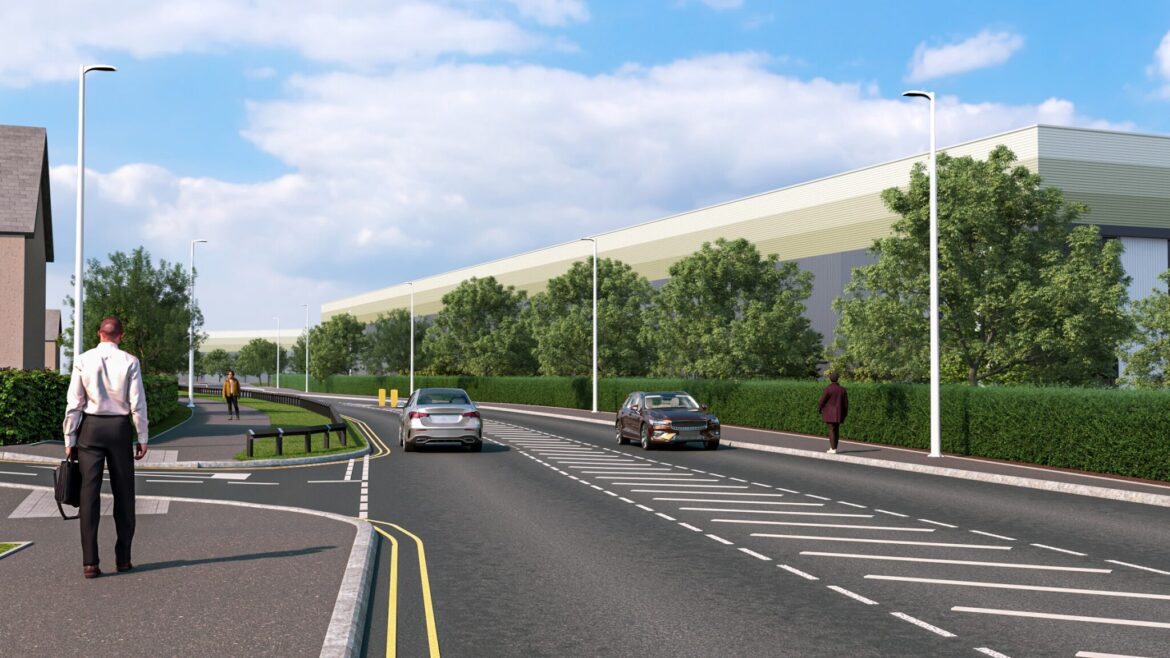
Indurent, a developer and operator of industrial and logistics space across the UK, has secured detailed planning approval to deliver c.385,000 sq ft of modern, sustainable industrial and logistics space across two units in Uttoxeter, Staffordshire, UK.

Indurent will deliver the two units, comprising c.300,000 sq ft and c.85,000 sq ft respectively, as part of the wider 127-acre mixed-use Uttoxeter SUE scheme. Each unit will be delivered to the ‘Indurent Code’ of sustainable development, targeting a minimum of BREEAM ‘Excellent’ and EPC A or A+ rating. Each building will provide high-specification office space alongside an adaptable industrial floorplate.

The wider site, which received outline planning consent in 2022, will deliver 4.6 hectares of employment space alongside up to 162 new homes and new landscaped areas for local residents and workers. Indurent Park Uttoxeter is expected to create 580 new full-time jobs once complete, as well as 160 construction roles during the development process.

Indurent Park Uttoxeter is located adjacent to the A50 and A522, providing a direct road connection to the northern bypass, which is situated between Stoke-on-Trent and Derby, and offering customers access to transport connections to the wider Midlands and north west of England. Uttoxeter’s prime location in the West Midlands also provides customers with access to Staffordshire’s strong local workforce. Its excellent regional and national road connections, combined with the sector’s favourable pay relative to other UK industries, make the park an attractive destination for talented local workers.

Jessica Evans, Senior Planning Manager at Indurent, commented: “Indurent Park Uttoxeter will provide a significant boost to Staffordshire’s economy, through the creation of over 700 jobs across a range of employment types in the construction and operational phases. The development will create high-quality, modern and sustainable workspaces suitable for businesses across industrial and distribution industries, as well as high-growth sectors that are expanding in the West Midlands, such as advanced manufacturing.”
This latest planning consent forms part of Indurent’s ambitious growth plans, with the company targeting portfolio growth through acquisitions and more than 2 million sq ft of development per year from its c.27 million sq ft consented landbank.

similar news

Indurent Launched as Warehouse Property Company


Source link

0 comments
0 FacebookTwitterPinterestEmail
Services

Modular Warehouse Storage

by
written by


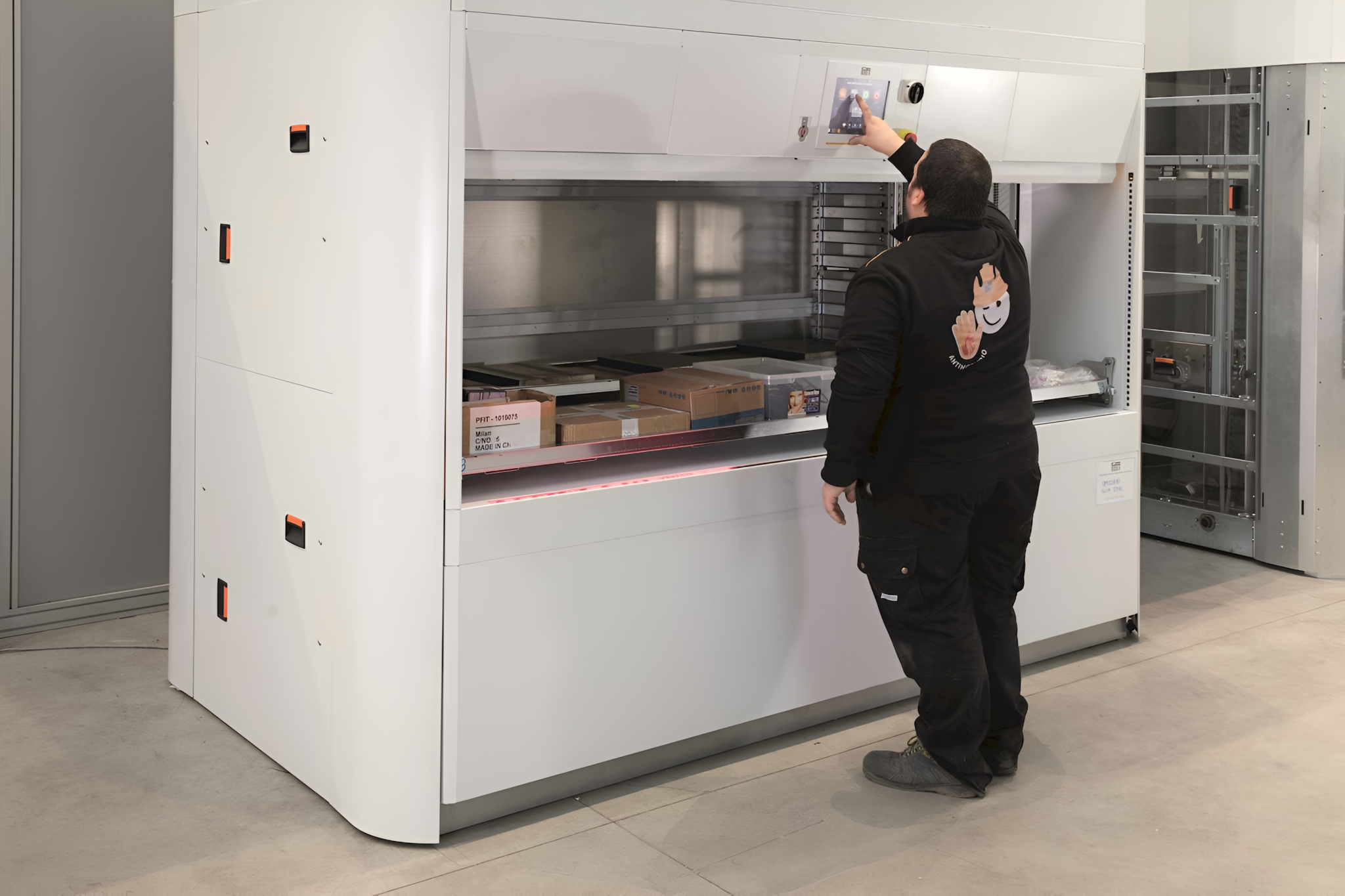
To help maximise space in the entire cube of the warehouse, vertical storage is extremely desirable. This is an area where Italian manufacturer Modula excels, as Peter MacLeod finds out.

In a traditional stores area in a typical factory where picking of small parts takes place at ground level by operatives walking up and down the pick faces, look up to the eaves and there’s likely to be plenty of unused space that can be potentially converted to storage. This air space is the primary area of focus for Modula, an Italian company that specialises in vertical storage lifts for the manufacturing and warehousing sectors.

Modula was founded in 1987 by Franco Stefani, the boss of System Ceramics, a successful manufacturer of machines for the ceramics industry. In order to boost manufacturing efficiency, he devised a new way to store spare parts rather than using traditional shelving. Drawing inspiration from existing rotating warehouse technology which used operators to rapidly and ergonomically pick up and drop off the required items, he set about designing what became the first Modula vertical lift. Initially deployed in-house at System’s Fiorano Modenese facility, word soon spread across the ceramics industry of Stefani’s devices, and they became widely adopted by the sector. Their use attracted the attention of the wider manufacturing hinterland, particularly in the Emilia Romagna region, and since 2000 a Modula sales network has been established and expanded to service growing demands.

Ever-Greater Efficiency

Whilst the fundamentals of the Modula system remain true to the original design, many variations have been developed, and refinements introduced to meet today’s needs. I recently caught up with John Farren, Sales Manager of Modula UK, to ask him about the company, its products, and the part they can play in helping manufacturers and warehouse operators achieve ever-greater levels of efficiency.

It wasn’t until 2016 that Modula Storage Solution Limited was established in the UK. At that time, they had sold 1,500 machines worldwide, a number which reached over 4,000 in 2023. “The growth has been spectacular,” Farren tells me. “We opened a plant in China in 2019 for the Asian market, and we have two facilities in the States, primarily for the US market, so we now have three manufacturing areas: China, Italy and the USA. We have several Modula companies throughout Europe and the world, and we cover pretty much anywhere else globally through a dealership network.”

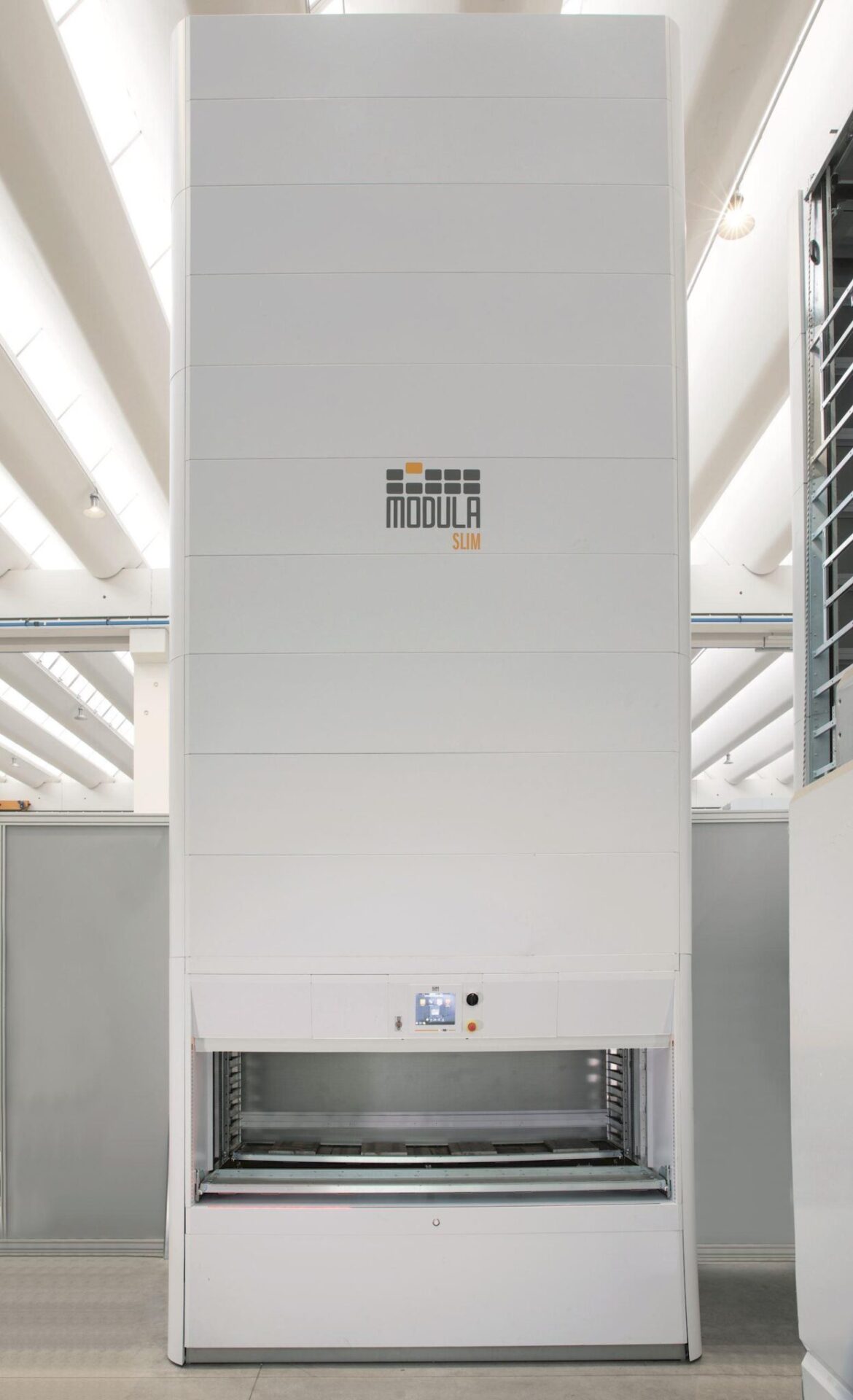
Farren describes Modula’s core product as a vertical lift module (VLM) designed to efficiently store – and offer fast and easy access to – a broad selection of products, “ranging from things like nuts and bolts, tooling, raw materials all the way up to pallets of products… and most things in between. We provide a wide variety of systems in this market, with Modulas with trays only 1,300mm wide, going up to 4.1 metres wide, and machines to suit any application in any area where there is a need to store goods.”

Growth Drivers

A key driver of growth in the market has been the need to optimise expensive factory floorspace. Standard racking and shelving takes up an area that could be better turned over to profit-generating activities such as assembly, and Modula showed it can rapidly to changing customer needs. “We brought out the Modula Slim a few years ago to fit into areas that are relatively small and that a standard VLM system won’t actually fit into. That has taken off very, very well. A lot of customers like the idea of having a small, automated storage system at point of use on a production factory floor, rather than having it in a store, where they can keep things like tooling that’s used at that particular location in the factory.”

In a marketplace where – let’s be honest – a customer’s viewpoint is very often that a VLM from in operational capability and design to one from Manufacturer B – they all store at the same incremental heights and will all potentially have similar features – Farren says Modula’s USP is its levels of service:

“I’ve been in this industry for almost 25 years now, 15 with another company, and I do think that Modula is very, very good, service-wise. USPs are difficult because as far as customers are concerned, it’s an automated, big steel storage box – ultimately, there’s not an awful lot to differentiate between one machine or another. So you’ve got to look outside the box itself for USPs, and a lot of it is how we partner with our customers. Rather than just sell them a product, we work with them to find a solution. That often involves integration with existing ERP systems, or other forms of automation, e.g. AGVs or anthropomorphic robot arms. I know this is the sort of sales spiel that you get all the time, but we do believe it! We integrate with their existing systems, we work to make sure that the integration goes smoothly, so that they get a solution that actually gives them more than just storage. We work to give them advantages in their marketplace – faster, more accurate picking – that make a difference. If you make mistakes when picking items, it can have a knock-on effect to a production line causing down time or to their customers if they don’t send the right product out. Our solutions also save a lot of labour time, because people can pick far more efficiently from Modula systems than they can from standard shelving and racking.”

Unique Systems

Pushed further in the question of USPs, Farren tells me about some of the solutions he says are unique to Modula. Rather than just small features of the standard Modula VLM, Modula has developed machines specifically designed to be used in areas and applications where a standard VLM doesn’t suit, such as a climate controlled VLM, which is ideal for pharmaceutical, electronic and some retail applications. In fact, any area where there is a need to manage the climate in which goods are stored. “We also have a machine which is designed to be used in cleanroom environments. This type of innovation gives us some advantage over the competitors, in that we supply a product that can suit some of the applications that maybe others couldn’t normally fulfill.”

Unsurprisingly, eCommerce is driving an increasingly growing proportion of Modula’s VLM sales, but high-street retailers are also starting to see the benefits in having a VLM storage system, whether for storing click-and-collect items or dry goods ordered by customers online. “Rather than having pickers walking up and down aisles in a supermarket, getting in the customers’ way, they can have a storage system in the back-of-store area and do a lot of the picking from that. But our biggest growth is coming from eCommerce, where people need to pick items, to package them, and to get them out the door very quickly. They can do that with greater efficiency, and far more accurately using a vertical storage system, and very often with less picking staff. An operator, working between a group of Modulas where items are brought straight down into the access opening, can quickly pick the component from each access opening. They scan a barcode to confirm it’s the correct item, then get it sent to be packaged and on its way to the customer. We’re saving 60-70% of the picker’s time, because they’re not having to walk up and down aisles of shelving to the item location. Goods are brought to the operator where they can be picked ergonomically at the correct height, without the need to bend or stretch to reach items on the higher or lower shelves.

Improving Margins

“Margins in eCommerce activities are often wafer-thin, so if they can reduce the number of people required to do the picking, then that helps improve their margins, and helps make them more competitive in the marketplace. And they also free up an awful lot of footprint so they don’t need as much warehouse area. If they need to bring in pickers on short-term contracts for peak periods, the beauty of our systems is somebody can be up-and-running and using it in 30 minutes. It’s not complicated, it’s very intuitive. There’s a lot of help for the users within the system – for example alphanumeric displays and laser pointers that point to the correct item and display the quantity to be picked – so it’s very difficult for an operator to make a mistake.”

With Sig. Stefani still at the helm as president today, Modula’s growth continues unabated. Finally, I ask Farren about security of stock – a big consideration in warehouses where high-value items stored on open shelving can sometimes find their way into the pocket of a passing visitor. “In a vertical storage system such as ours, it’s not an open store. You have to identify who you are before going on to the system to pick an item. That way, if you don’t have the correct identity, you don’t get access to the system. It means that stock is a lot more secure within a Modula system or a VLN-type system, and it is also far more accurate. Not only is it not open to prying fingers, but it means people can’t just take things from a shelf and not book it out.”

similar news

New Vertical Automated Warehouse Products


Source link

0 comments
0 FacebookTwitterPinterestEmail
Services

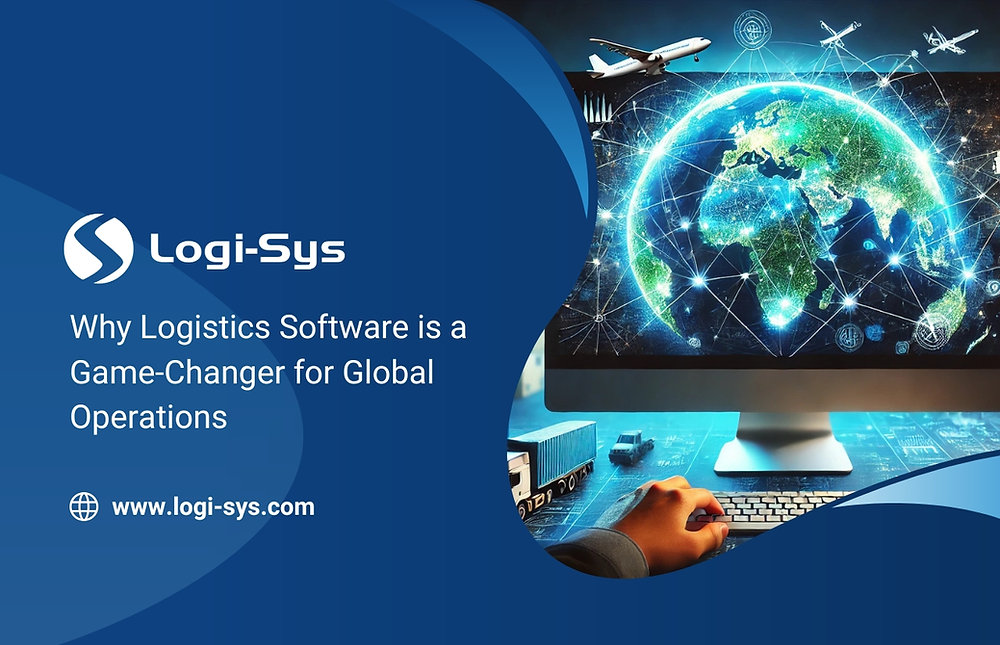
Why Logistics Software is a Game-Changer for Global Operations

by
written by


Traditional Software in Freight Forwarding

In the freight forwarding industry, many companies rely on a mix of software tools to manage their operations. These could include standalone systems for accounting, inventory management, shipment tracking, and customer relationship management (CRM). While these systems help to a certain extent, they often work in silos, meaning they don’t connect or share data smoothly. This leads to extra work, errors, and delays in decision-making.

Advantages of Using Logistics Software

Modern logistics software solves many of these issues by bringing all operations into a single platform. Here are some of the main benefits:

  • Streamlined Processes: With all tasks handled in one system, companies save time and effort.

  • Real-Time Updates: Businesses can track shipments and inventories instantly.

  • Error Reduction: Automation reduces manual tasks, minimizing mistakes.

  • Improved Customer Service: Faster responses and accurate information enhance customer satisfaction.

  • Cost Savings: Efficient systems cut down operational costs.

Enter Logi-Sys: A Complete Solution

Logi-Sys takes logistics software to the next level. Unlike traditional systems, it’s an all-in-one platform built specifically for freight forwarders, customs brokers, and logistics companies. Here’s how Logi-Sys stands out:

Logi-Sys combines everything—shipment management, invoicing, customs compliance, and CRM—into one system. This means no switching between tools, making the workflow seamless.

It provides up-to-date tracking of shipments, inventory, and finances. Managers can access reports and dashboards anytime, helping them make informed decisions quickly.

Automation and Compliance

Logi-Sys automates repetitive tasks like document generation, reminders, and compliance checks, ensuring operations are smooth and always follow regulations.

Customizable and Scalable

Every business is unique. Logi-Sys can be tailored to suit the specific needs of a company, whether it’s a small freight forwarder or a large logistics firm managing global operations.

Cloud-Based Accessibility

Being cloud-based, Logi-Sys lets users access the system from anywhere. This flexibility is vital in today’s fast-paced logistics world.

Conclusion

Logistics software has revolutionized how businesses manage their operations. By replacing outdated systems with advanced solutions like Logi-Sys, companies can achieve higher efficiency, cut costs, and provide better services. For freight forwarders looking to stay ahead in a competitive market, Logi-Sys is not just an option—it’s a necessity.


Source link

0 comments
0 FacebookTwitterPinterestEmail
Services

Forklift Trucks Hanging Tough

by
written by


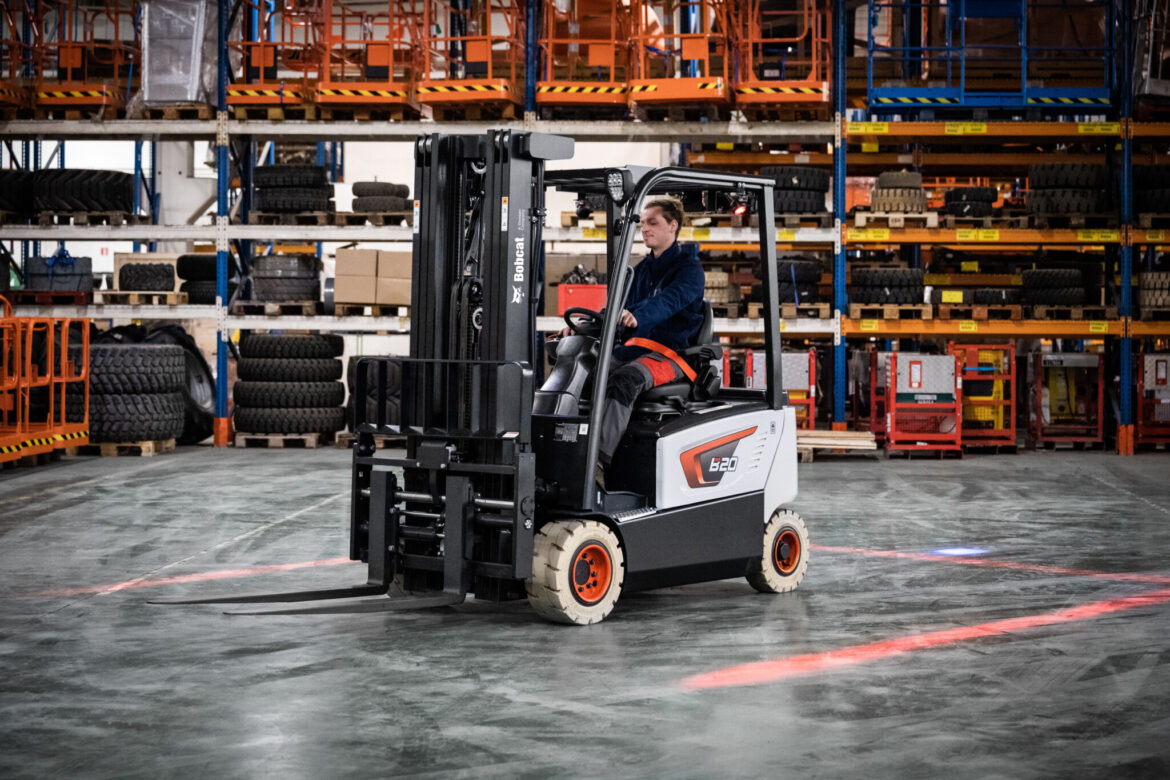
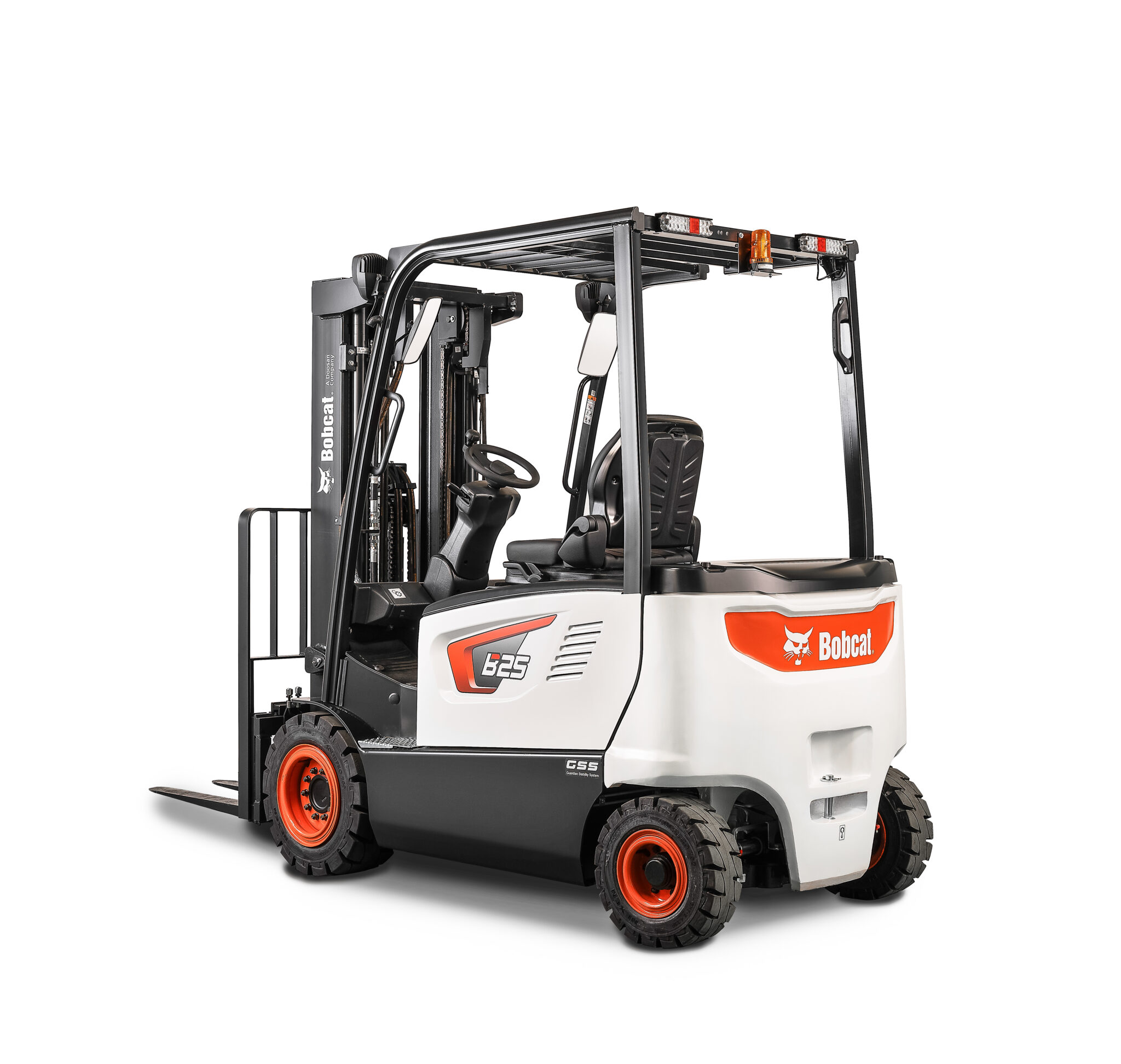
Peter MacLeod caught up with Bobcat’s Jan Droogendijk to hear about the progress the forklift truck company is making since rebranding from Doosan.

Earlier this year, I travelled to Seoul to visit the former Doosan factory that is now turning out shiny white-and-orange Bobcat forklifts. Accompanying me as part of the European delegation was Jan Droogendijk, Product Manager Material Handling at Bobcat EMEA. Almost a year on from Doosan’s rebrand to Bobcat, I caught up with him to discuss all things forklift.

Logistics Business (LB): At a time when the focus is less on traditional forklifts and more on automation, what solutions do your customers come to you for?
Jan Droogendijk (JD): We aim to fulfil the specific requirements of each customer. If they need a forklift for two hours a day for a light duty application without the bells and whistles, we offer a good value truck for their money. If they need additional options to protect against the immense heat of a foundry application, we’ll build them one as strong as a tank!
LB: How has the forklift evolved over the years to meet today’s challenges?
JD: At its core, the forklift is still doing the same task it has always done – lifting goods and moving them over short distances – but MHE manufacturers have gradually shifted focus to the operator. Today’s truck is equipped with luxury items like a heater, air conditioning, air suspension seat, and fingertip controls. You wouldn’t find any of those options on forklifts of decades ago, because it was all about its ability to do the work. Today we really try to make the operator’s life easier, starting with the basic design such as making the entry step lower, to fitting displays showing all the critical parameters and error codes.
LB: Where have the biggest gains in safety been made?
JD: Some safety features we have today were considered advanced a decade ago, such as a seat belt interlock. The biggest evolution here is offering safety systems which are integrated. For instance, our guardian stability system (GSS) is a whole set of features that enhance the total safety level and stability of a truck. GSS has some features that weren’t mandatory when we launched them 10 years ago, but are now. Other features include ramp hold, or an alarm that sounds or automatically decreases speed if the mast is tilted beyond a certain point. It’s about building in a whole set of safety checks to support the operator.

LB: You use the word ‘robust’ to describe your forklifts. What are the qualities that make Bobcats more robust than a competitor truck?
JD: Firstly, if you’re building your forklift with the best components on the market with the best reputation – transmission, engine, gearbox, etc. – it’s tricky to not make a robust forklift! Of course, you can still make mistakes dimensions-wise, but if your components are reliable your forklifts will be robust. Secondly, if you compare the specs of two forklifts with identical load capacities from rival manufacturers and one has a lower service weight, the chances are high that it uses thinner metal. In a sense that’s not wrong, because the lower the thickness of the metal, the cheaper it is to construct, and a lighter machine will travel faster and cover more distance in a day. But Bobcat chooses to make the truck heavier, because a heavier truck is a more stable and reliable truck. Also, if you divide the weight well over the machine, it will drive better. A lighter truck under load offers a shaky ride, whereas the ride is smoother with a heavier truck. It puts less stress on the components, meaning it will be more reliable.
LB: Does the forklift still have a part to play in logistics?
JD: In the automated warehouse, the role of the forklift is supportive, because there are still some tasks it’s just not possible to automate or you can’t justify the investment. Moving goods from A to Z in a fixed time slot is easy to automate. But how do you get the goods into the racking or unload the lorry? The pallet will always be the same but the dimension of the goods will be different, so as long as there are different circumstances, the forklift will always have a role because of its flexibility and versatility.
LB: Coming up to a year into the rebrand, what sort of progress is Bobcat making in the market?
JD: We’re starting to see Bobcat branded forklifts going out into the markets. You see them popping up at customer sites all over the place, which is really nice after all our hard work to reach this point. The feedback we’re getting from the market is positive and there is good synergy between the forklift and compact construction equipment divisions. They are different industries but there’s also an overlap, and we can learn from the other’s best practices and make progress.
LB: Thanks a lot, Jan.

similar news

Doosan Forklifts Transition to Bobcat Brand


Source link

0 comments
0 FacebookTwitterPinterestEmail
Services

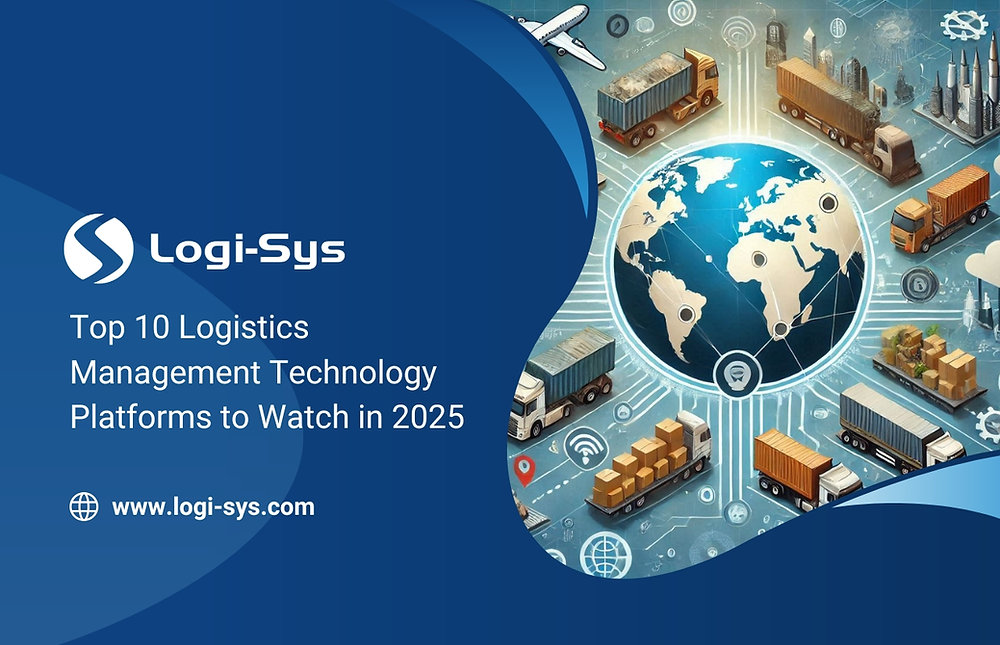
Top 10 Logistics Management Technology Platforms to Watch in 2025

by
written by


As logistics operations grow more complex, the demand for smarter, more integrated technology platforms continues to rise. In 2025, logistics businesses will rely on advanced tools that streamline workflows, improve visibility, and drive data-driven decision-making. This list highlights the Top 10 Logistics Management Technology Platforms you need to know—platforms that are setting new benchmarks in efficiency, compliance, and scalability. Let’s explore:

1. Logi-Sys by Softlink Global

Logi-Sys is a game-changer for freight forwarders and logistics service providers, offering a comprehensive cloud-based platform that integrates logistics, finance, and operational functions.

  • A complete, all-in-one Intelligent cloud platform for businesses of all sizes.

  • Built-in financial accounting, Sales & CRM, Purchase Order Management and more.

  • User-friendly interface designed for seamless adoption.

  • Integration with major shipping lines and airlines for rates, schedules and bookings

  • Real-time shipment visibility portals, advanced analytics tools for data-driven decision-making.

  • Automated documentation and streamlined workflows to boost productivity.

  • Unmatched 24×7 inhouse customer support team, with localized teams, such as Tagalog-speaking experts in the Philippines.

  • Logi-Sys has also incorporated AI-based solutions, such as LogiTALK, Ai Co-Pilot

Its ability to handle complex logistics operations while remaining easy to use ensures Logi-Sys stands at the forefront of the logistics technology landscape in 2025.

2. CargoWise by WiseTech Global

CargoWise is a well-established name in logistics technology, offering a robust solution for freight forwarding and customs compliance. 

  • Customizable workflows tailored to large-scale operations.

  • Integration across air, sea, and road logistics.

  • Strong compliance modules for international trade regulations.

  • While powerful, its complexity often requires additional training for teams.

3. Kale Logistics Solutions

An Indian pioneer in logistics IT solutions, Kale Logistics caters to air cargo and multi-modal logistics.

  • Advanced air cargo community system (ACS) widely adopted in airports.

  • Customs-specific solutions tailored to regional requirements.

  • Collaborative tools to connect stakeholders across the supply chain.

  • Kale is especially valued in markets where air cargo and regulatory compliance are key.

4. NewAge Logistics Solutions by NewAge Global

NewAge Global offers cloud-based freight forwarding software designed for scalability and adaptability.

  • Robust shipment tracking for real-time visibility.

  • Scalable tools for growing freight forwarding businesses.

  • Region-specific compliance and documentation capabilities.

  • NewAge Global’s cost-effectiveness makes it a strong contender for mid-sized logistics firms.

5. Magaya Supply Chain Solutions by Magaya Corporation

Magaya is widely recognized for its versatile platform covering freight, warehouse, and trade management.

  • Comprehensive freight management system.

  • Robust warehouse management tools integrated into its suite.

  • End-to-end shipment tracking with intuitive dashboards.

  • Its appeal lies in its modular structure, allowing businesses to scale as needed.

6. Descartes Logistics Technology by Descartes Systems Group

Descartes focuses on compliance and automation in logistics.

  • Specialization in customs and compliance management.

  • Advanced tools for route optimization and shipment scheduling.

  • Integration with broader supply chain ecosystems.

7. BluJay Solutions by E2open

BluJay offers collaborative tools for logistics planning and execution.

  • Extensive global trade network to streamline operations.

  • Real-time carrier and partner collaboration.

  • Emphasis on sustainability, such as emission tracking and eco-friendly logistics planning.

8. Oracle Transportation Management (OTM) by Oracle

Oracle’s TMS caters to enterprises with large-scale logistics operations.

  • AI-driven predictive analytics for improved decision-making.

  • Seamless integration with Oracle’s ERP systems.

  • Multi-modal transportation support for diverse logistics needs.

9. SAP Transportation Management by SAP

SAP TM is ideal for organizations already using SAP’s ERP ecosystem.

  • Real-time shipment tracking and cost analysis.

  • Seamless integration with SAP’s broader tools.

  • Strong focus on logistics efficiency and cost optimization.

10. FreightBazaar by FreightBazaar Technologies (India)

FreightBazaar is an emerging logistics technology provider in India focused on transportation.

  • Digital freight matching platform connecting shippers and transporters.

  • Cost-effective solution for road logistics in India.

  • Simplifies route optimization and freight tracking for smaller players.

Why These Platforms Stand Out

Each of these platforms brings unique strengths to the table, catering to various aspects of logistics management, from transportation and warehousing to customs and finance. Whether you’re looking for an all-in-one solution like Logi-Sys or a specialized tool like Oracle TM, these platforms are setting the benchmark for 2025.

By staying informed about these industry leaders, logistics companies can make better decisions for efficiency, compliance, and growth.


Source link

0 comments
0 FacebookTwitterPinterestEmail
Newer Posts
Older Posts

Recent Posts

  • New Sleeve Wrapper for Transport Packaging
  • LogiMAT 2026: Practical automation & AI define first 2 days
  • Pallet Transport Service Added – Logistics News
  • Automation is Transforming Logistics in India
  • Swarm AGVs for Multiple Flows & Pallet Types

Recent Comments

No comments to show.

Social Connect

Whatsapp

Recent Posts

  • New Sleeve Wrapper for Transport Packaging

  • LogiMAT 2026: Practical automation & AI define first 2 days

  • Pallet Transport Service Added – Logistics News

  • Automation is Transforming Logistics in India

  • Swarm AGVs for Multiple Flows & Pallet Types

Newsletter

Categories

  • Services (1,094)
  • Uncategorized (41)

@2024 - All Right Reserved. Designed and Developed by Sierraline Cargo services

Manage Consent
To provide the best experiences, we use technologies like cookies to store and/or access device information. Consenting to these technologies will allow us to process data such as browsing behavior or unique IDs on this site. Not consenting or withdrawing consent, may adversely affect certain features and functions.
Functional Always active
The technical storage or access is strictly necessary for the legitimate purpose of enabling the use of a specific service explicitly requested by the subscriber or user, or for the sole purpose of carrying out the transmission of a communication over an electronic communications network.
Preferences
The technical storage or access is necessary for the legitimate purpose of storing preferences that are not requested by the subscriber or user.
Statistics
The technical storage or access that is used exclusively for statistical purposes. The technical storage or access that is used exclusively for anonymous statistical purposes. Without a subpoena, voluntary compliance on the part of your Internet Service Provider, or additional records from a third party, information stored or retrieved for this purpose alone cannot usually be used to identify you.
Marketing
The technical storage or access is required to create user profiles to send advertising, or to track the user on a website or across several websites for similar marketing purposes.
  • Manage options
  • Manage services
  • Manage {vendor_count} vendors
  • Read more about these purposes
View preferences
  • {title}
  • {title}
  • {title}
Sierraline Cargo Services
  • HOME
  • Services
    • Trade With Us
  • About Us
  • Contact Us
  • private jet
    • BOOK YOUR JOURNEY
  • Track Packages
  • Insurance
  • safekeeping

WhatsApp us