Sierraline Cargo Services
  • HOME
  • Services
    • Trade With Us
  • About Us
  • Contact Us
  • private jet
    • BOOK YOUR JOURNEY
  • Track Packages
  • Insurance
  • safekeeping
Services

Modular Warehouse Storage

by
written by


To help maximise space in the entire cube of the warehouse, vertical storage is extremely desirable. This is an area where Italian manufacturer Modula excels, as Peter MacLeod finds out.

In a traditional stores area in a typical factory where picking of small parts takes place at ground level by operatives walking up and down the pick faces, look up to the eaves and there’s likely to be plenty of unused space that can be potentially converted to storage. This air space is the primary area of focus for Modula, an Italian company that specialises in vertical storage lifts for the manufacturing and warehousing sectors.

Modula was founded in 1987 by Franco Stefani, the boss of System Ceramics, a successful manufacturer of machines for the ceramics industry. In order to boost manufacturing efficiency, he devised a new way to store spare parts rather than using traditional shelving. Drawing inspiration from existing rotating warehouse technology which used operators to rapidly and ergonomically pick up and drop off the required items, he set about designing what became the first Modula vertical lift. Initially deployed in-house at System’s Fiorano Modenese facility, word soon spread across the ceramics industry of Stefani’s devices, and they became widely adopted by the sector. Their use attracted the attention of the wider manufacturing hinterland, particularly in the Emilia Romagna region, and since 2000 a Modula sales network has been established and expanded to service growing demands.

Ever-Greater Efficiency

Whilst the fundamentals of the Modula system remain true to the original design, many variations have been developed, and refinements introduced to meet today’s needs. I recently caught up with John Farren, Sales Manager of Modula UK, to ask him about the company, its products, and the part they can play in helping manufacturers and warehouse operators achieve ever-greater levels of efficiency.

It wasn’t until 2016 that Modula Storage Solution Limited was established in the UK. At that time, they had sold 1,500 machines worldwide, a number which reached over 4,000 in 2023. “The growth has been spectacular,” Farren tells me. “We opened a plant in China in 2019 for the Asian market, and we have two facilities in the States, primarily for the US market, so we now have three manufacturing areas: China, Italy and the USA. We have several Modula companies throughout Europe and the world, and we cover pretty much anywhere else globally through a dealership network.”

Farren describes Modula’s core product as a vertical lift module (VLM) designed to efficiently store – and offer fast and easy access to – a broad selection of products, “ranging from things like nuts and bolts, tooling, raw materials all the way up to pallets of products… and most things in between. We provide a wide variety of systems in this market, with Modulas with trays only 1,300mm wide, going up to 4.1 metres wide, and machines to suit any application in any area where there is a need to store goods.”

Growth Drivers

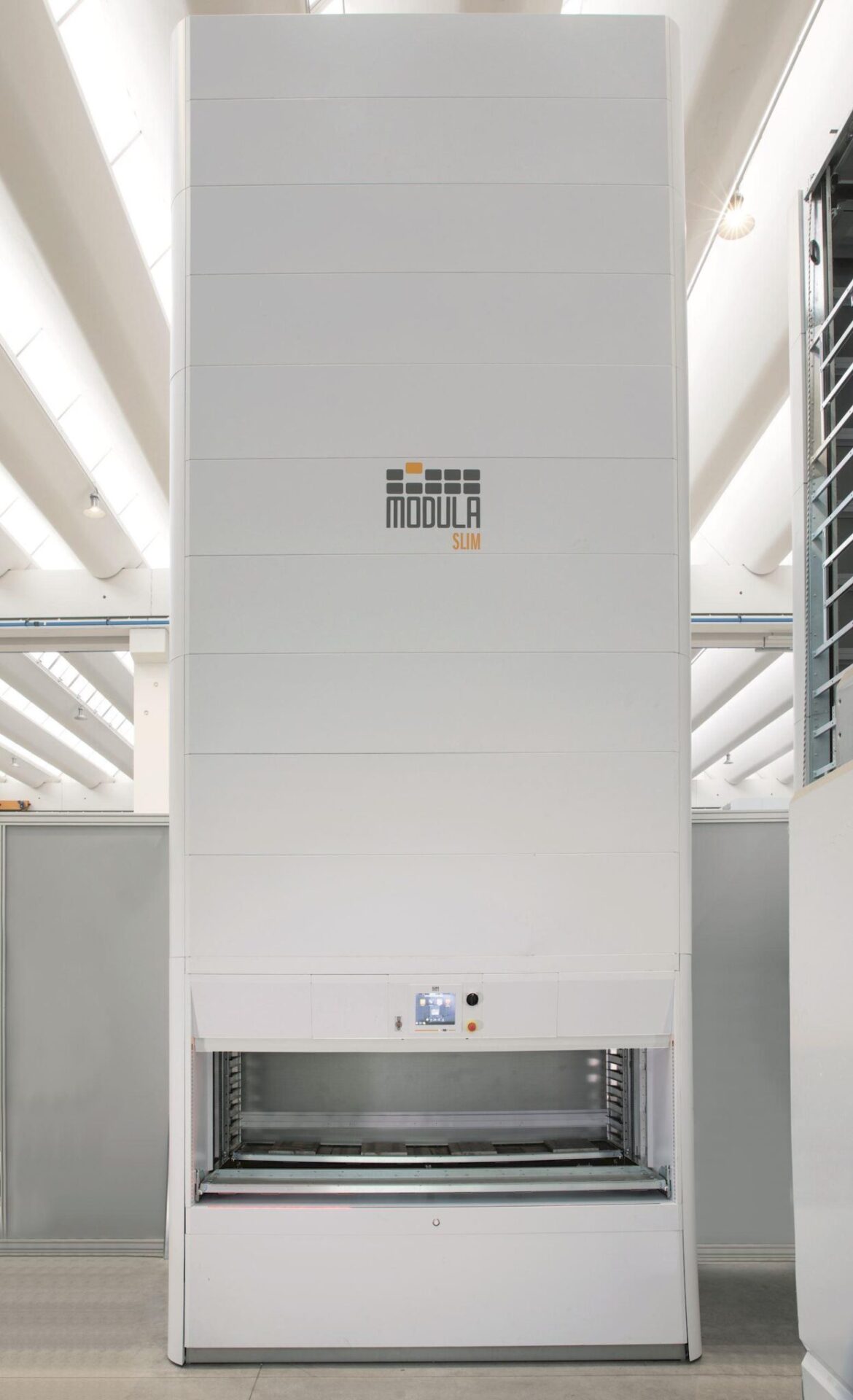
A key driver of growth in the market has been the need to optimise expensive factory floorspace. Standard racking and shelving takes up an area that could be better turned over to profit-generating activities such as assembly, and Modula showed it can rapidly to changing customer needs. “We brought out the Modula Slim a few years ago to fit into areas that are relatively small and that a standard VLM system won’t actually fit into. That has taken off very, very well. A lot of customers like the idea of having a small, automated storage system at point of use on a production factory floor, rather than having it in a store, where they can keep things like tooling that’s used at that particular location in the factory.”
In a marketplace where – let’s be honest – a customer’s viewpoint is very often that a VLM from in operational capability and design to one from Manufacturer B – they all store at the same incremental heights and will all potentially have similar features – Farren says Modula’s USP is its levels of service:

“I’ve been in this industry for almost 25 years now, 15 with another company, and I do think that Modula is very, very good, service-wise. USPs are difficult because as far as customers are concerned, it’s an automated, big steel storage box – ultimately, there’s not an awful lot to differentiate between one machine or another. So you’ve got to look outside the box itself for USPs, and a lot of it is how we partner with our customers. Rather than just sell them a product, we work with them to find a solution. That often involves integration with existing ERP systems, or other forms of automation, e.g. AGVs or anthropomorphic robot arms. I know this is the sort of sales spiel that you get all the time, but we do believe it! We integrate with their existing systems, we work to make sure that the integration goes smoothly, so that they get a solution that actually gives them more than just storage. We work to give them advantages in their marketplace – faster, more accurate picking – that make a difference. If you make mistakes when picking items, it can have a knock-on effect to a production line causing down time or to their customers if they don’t send the right product out. Our solutions also save a lot of labour time, because people can pick far more efficiently from Modula systems than they can from standard shelving and racking.”

Unique Systems

Pushed further in the question of USPs, Farren tells me about some of the solutions he says are unique to Modula. Rather than just small features of the standard Modula VLM, Modula has developed machines specifically designed to be used in areas and applications where a standard VLM doesn’t suit, such as a climate controlled VLM, which is ideal for pharmaceutical, electronic and some retail applications. In fact, any area where there is a need to manage the climate in which goods are stored. “We also have a machine which is designed to be used in cleanroom environments. This type of innovation gives us some advantage over the competitors, in that we supply a product that can suit some of the applications that maybe others couldn’t normally fulfill.”

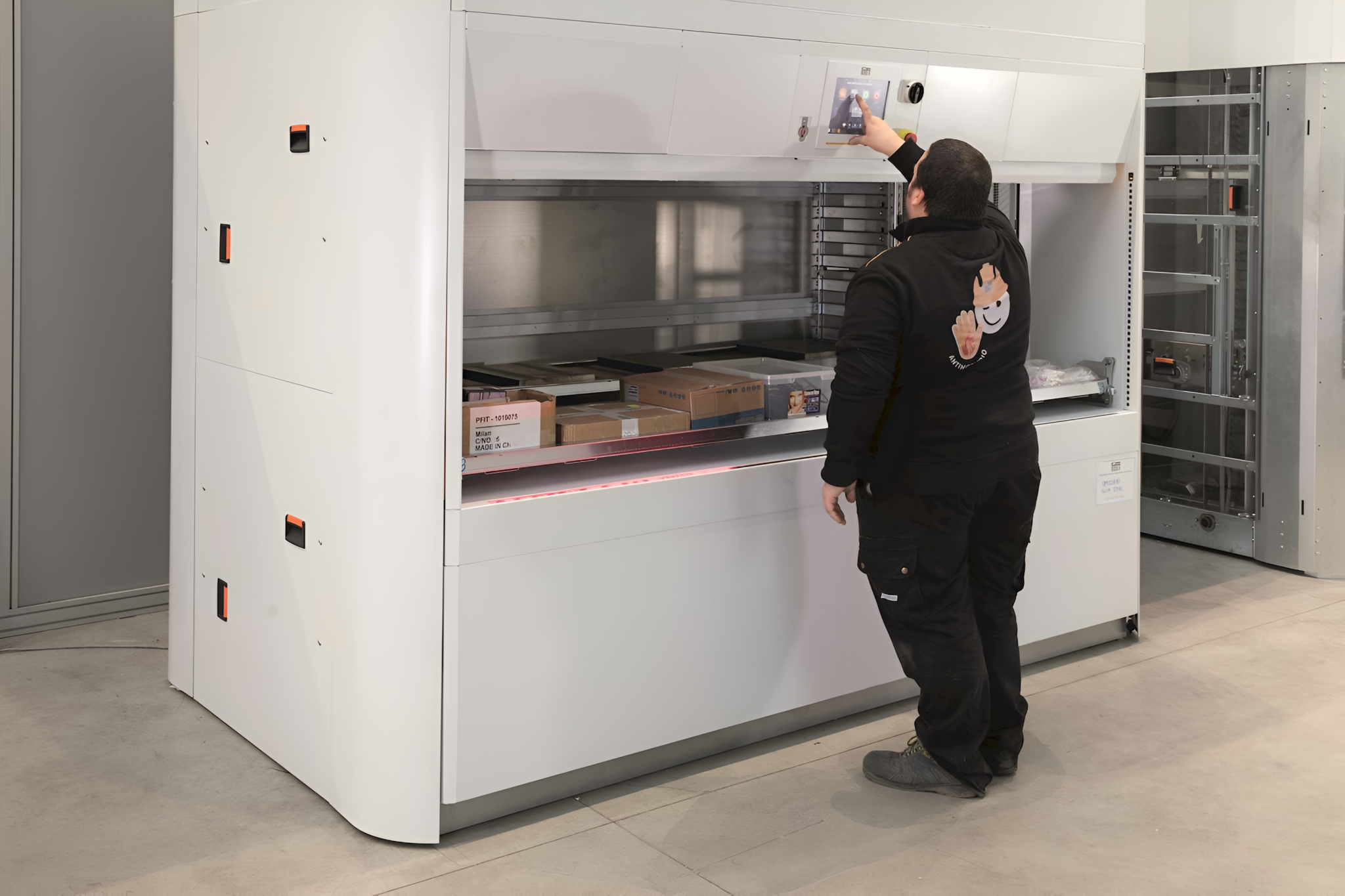
Unsurprisingly, eCommerce is driving an increasingly growing proportion of Modula’s VLM sales, but high-street retailers are also starting to see the benefits in having a VLM storage system, whether for storing click-and-collect items or dry goods ordered by customers online. “Rather than having pickers walking up and down aisles in a supermarket, getting in the customers’ way, they can have a storage system in the back-of-store area and do a lot of the picking from that. But our biggest growth is coming from eCommerce, where people need to pick items, to package them, and to get them out the door very quickly. They can do that with greater efficiency, and far more accurately using a vertical storage system, and very often with less picking staff. An operator, working between a group of Modulas where items are brought straight down into the access opening, can quickly pick the component from each access opening. They scan a barcode to confirm it’s the correct item, then get it sent to be packaged and on its way to the customer. We’re saving 60-70% of the picker’s time, because they’re not having to walk up and down aisles of shelving to the item location. Goods are brought to the operator where they can be picked ergonomically at the correct height, without the need to bend or stretch to reach items on the higher or lower shelves.

Improving Margins

“Margins in eCommerce activities are often wafer-thin, so if they can reduce the number of people required to do the picking, then that helps improve their margins, and helps make them more competitive in the marketplace. And they also free up an awful lot of footprint so they don’t need as much warehouse area. If they need to bring in pickers on short-term contracts for peak periods, the beauty of our systems is somebody can be up-and-running and using it in 30 minutes. It’s not complicated, it’s very intuitive. There’s a lot of help for the users within the system – for example alphanumeric displays and laser pointers that point to the correct item and display the quantity to be picked – so it’s very difficult for an operator to make a mistake.”

With Sig. Stefani still at the helm as president today, Modula’s growth continues unabated. Finally, I ask Farren about security of stock – a big consideration in warehouses where high-value items stored on open shelving can sometimes find their way into the pocket of a passing visitor. “In a vertical storage system such as ours, it’s not an open store. You have to identify who you are before going on to the system to pick an item. That way, if you don’t have the correct identity, you don’t get access to the system. It means that stock is a lot more secure within a Modula system or a VLN-type system, and it is also far more accurate. Not only is it not open to prying fingers, but it means people can’t just take things from a shelf and not book it out.”

similar news
New Vertical Automated Warehouse Products


Source link

0 comments
0 FacebookTwitterPinterestEmail
Services

Why Logistics Software is a Game-Changer for Global Operations

by
written by


Traditional Software in Freight Forwarding

In the freight forwarding industry, many companies rely on a mix of software tools to manage their operations. These could include standalone systems for accounting, inventory management, shipment tracking, and customer relationship management (CRM). While these systems help to a certain extent, they often work in silos, meaning they don’t connect or share data smoothly. This leads to extra work, errors, and delays in decision-making.

Advantages of Using Logistics Software

Modern logistics software solves many of these issues by bringing all operations into a single platform. Here are some of the main benefits:

  • Streamlined Processes: With all tasks handled in one system, companies save time and effort.

  • Real-Time Updates: Businesses can track shipments and inventories instantly.

  • Error Reduction: Automation reduces manual tasks, minimizing mistakes.

  • Improved Customer Service: Faster responses and accurate information enhance customer satisfaction.

  • Cost Savings: Efficient systems cut down operational costs.

Enter Logi-Sys: A Complete Solution

Logi-Sys takes logistics software to the next level. Unlike traditional systems, it’s an all-in-one platform built specifically for freight forwarders, customs brokers, and logistics companies. Here’s how Logi-Sys stands out:

Logi-Sys combines everything—shipment management, invoicing, customs compliance, and CRM—into one system. This means no switching between tools, making the workflow seamless.

It provides up-to-date tracking of shipments, inventory, and finances. Managers can access reports and dashboards anytime, helping them make informed decisions quickly.

Automation and Compliance

Logi-Sys automates repetitive tasks like document generation, reminders, and compliance checks, ensuring operations are smooth and always follow regulations.

Customizable and Scalable

Every business is unique. Logi-Sys can be tailored to suit the specific needs of a company, whether it’s a small freight forwarder or a large logistics firm managing global operations.

Cloud-Based Accessibility

Being cloud-based, Logi-Sys lets users access the system from anywhere. This flexibility is vital in today’s fast-paced logistics world.

Conclusion

Logistics software has revolutionized how businesses manage their operations. By replacing outdated systems with advanced solutions like Logi-Sys, companies can achieve higher efficiency, cut costs, and provide better services. For freight forwarders looking to stay ahead in a competitive market, Logi-Sys is not just an option—it’s a necessity.


Source link

0 comments
0 FacebookTwitterPinterestEmail
Services

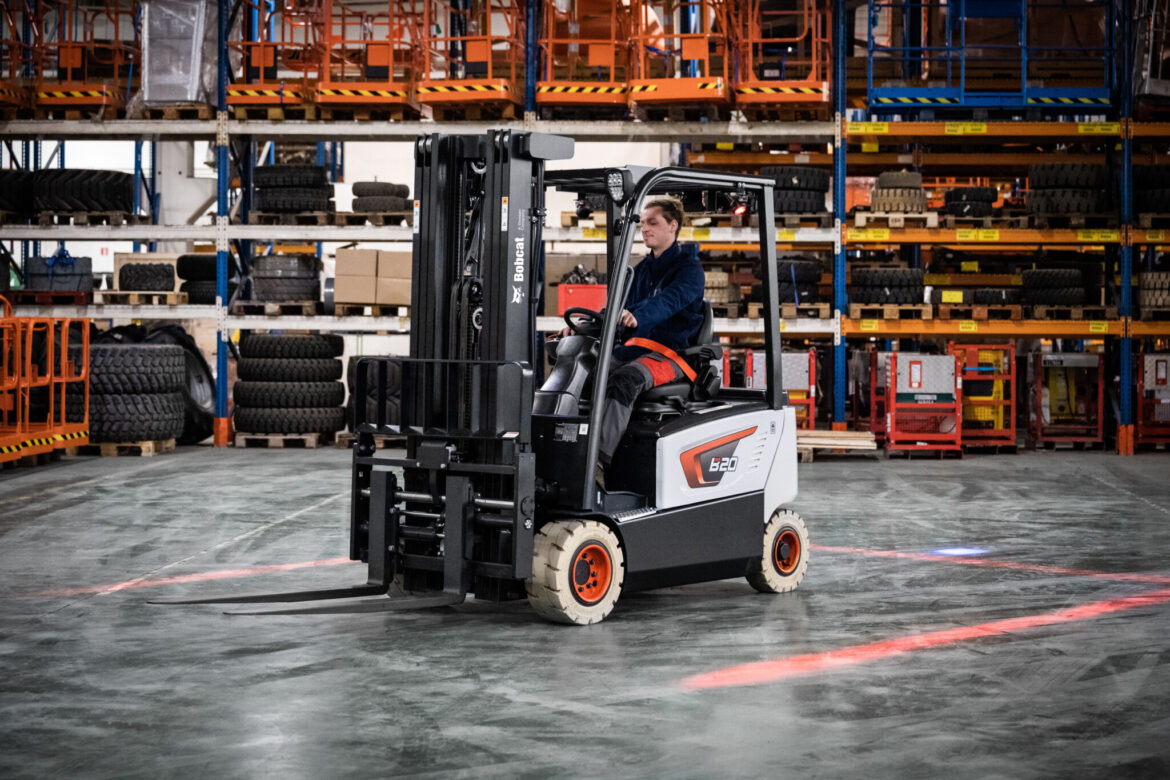
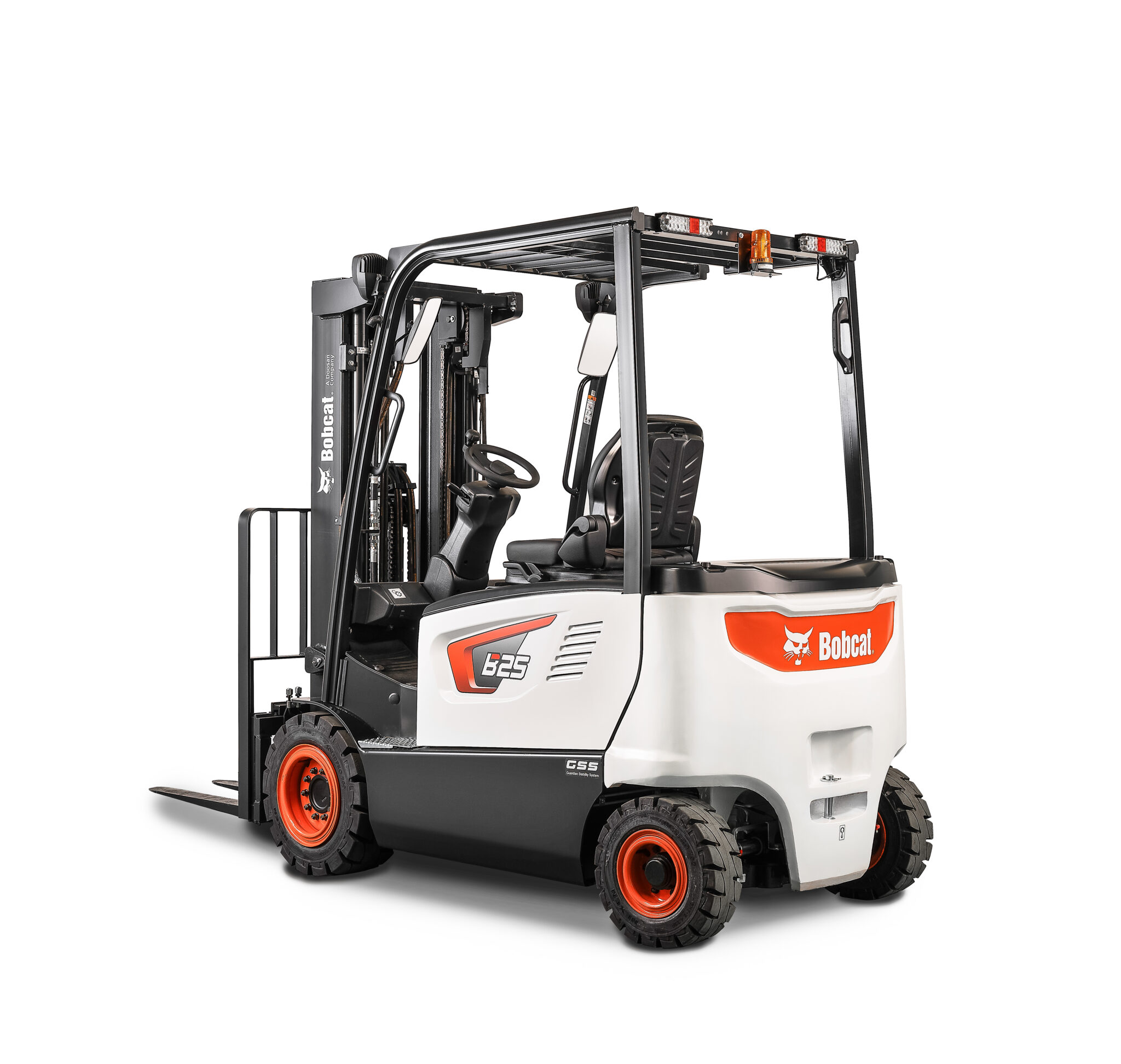
Forklift Trucks Hanging Tough

by
written by


Peter MacLeod caught up with Bobcat’s Jan Droogendijk to hear about the progress the forklift truck company is making since rebranding from Doosan.

Earlier this year, I travelled to Seoul to visit the former Doosan factory that is now turning out shiny white-and-orange Bobcat forklifts. Accompanying me as part of the European delegation was Jan Droogendijk, Product Manager Material Handling at Bobcat EMEA. Almost a year on from Doosan’s rebrand to Bobcat, I caught up with him to discuss all things forklift.

Logistics Business (LB): At a time when the focus is less on traditional forklifts and more on automation, what solutions do your customers come to you for?
Jan Droogendijk (JD): We aim to fulfil the specific requirements of each customer. If they need a forklift for two hours a day for a light duty application without the bells and whistles, we offer a good value truck for their money. If they need additional options to protect against the immense heat of a foundry application, we’ll build them one as strong as a tank!
LB: How has the forklift evolved over the years to meet today’s challenges?
JD: At its core, the forklift is still doing the same task it has always done – lifting goods and moving them over short distances – but MHE manufacturers have gradually shifted focus to the operator. Today’s truck is equipped with luxury items like a heater, air conditioning, air suspension seat, and fingertip controls. You wouldn’t find any of those options on forklifts of decades ago, because it was all about its ability to do the work. Today we really try to make the operator’s life easier, starting with the basic design such as making the entry step lower, to fitting displays showing all the critical parameters and error codes.
LB: Where have the biggest gains in safety been made?
JD: Some safety features we have today were considered advanced a decade ago, such as a seat belt interlock. The biggest evolution here is offering safety systems which are integrated. For instance, our guardian stability system (GSS) is a whole set of features that enhance the total safety level and stability of a truck. GSS has some features that weren’t mandatory when we launched them 10 years ago, but are now. Other features include ramp hold, or an alarm that sounds or automatically decreases speed if the mast is tilted beyond a certain point. It’s about building in a whole set of safety checks to support the operator.

LB: You use the word ‘robust’ to describe your forklifts. What are the qualities that make Bobcats more robust than a competitor truck?
JD: Firstly, if you’re building your forklift with the best components on the market with the best reputation – transmission, engine, gearbox, etc. – it’s tricky to not make a robust forklift! Of course, you can still make mistakes dimensions-wise, but if your components are reliable your forklifts will be robust. Secondly, if you compare the specs of two forklifts with identical load capacities from rival manufacturers and one has a lower service weight, the chances are high that it uses thinner metal. In a sense that’s not wrong, because the lower the thickness of the metal, the cheaper it is to construct, and a lighter machine will travel faster and cover more distance in a day. But Bobcat chooses to make the truck heavier, because a heavier truck is a more stable and reliable truck. Also, if you divide the weight well over the machine, it will drive better. A lighter truck under load offers a shaky ride, whereas the ride is smoother with a heavier truck. It puts less stress on the components, meaning it will be more reliable.
LB: Does the forklift still have a part to play in logistics?
JD: In the automated warehouse, the role of the forklift is supportive, because there are still some tasks it’s just not possible to automate or you can’t justify the investment. Moving goods from A to Z in a fixed time slot is easy to automate. But how do you get the goods into the racking or unload the lorry? The pallet will always be the same but the dimension of the goods will be different, so as long as there are different circumstances, the forklift will always have a role because of its flexibility and versatility.
LB: Coming up to a year into the rebrand, what sort of progress is Bobcat making in the market?
JD: We’re starting to see Bobcat branded forklifts going out into the markets. You see them popping up at customer sites all over the place, which is really nice after all our hard work to reach this point. The feedback we’re getting from the market is positive and there is good synergy between the forklift and compact construction equipment divisions. They are different industries but there’s also an overlap, and we can learn from the other’s best practices and make progress.
LB: Thanks a lot, Jan.

similar news

Doosan Forklifts Transition to Bobcat Brand


Source link

0 comments
0 FacebookTwitterPinterestEmail
Services

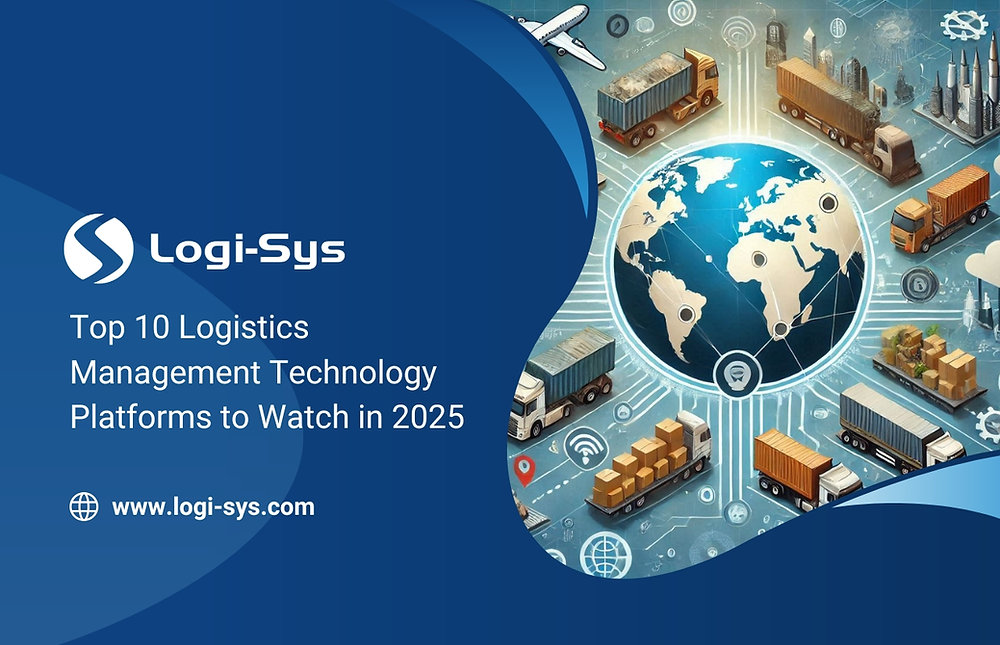
Top 10 Logistics Management Technology Platforms to Watch in 2025

by
written by


As logistics operations grow more complex, the demand for smarter, more integrated technology platforms continues to rise. In 2025, logistics businesses will rely on advanced tools that streamline workflows, improve visibility, and drive data-driven decision-making. This list highlights the Top 10 Logistics Management Technology Platforms you need to know—platforms that are setting new benchmarks in efficiency, compliance, and scalability. Let’s explore:

1. Logi-Sys by Softlink Global

Logi-Sys is a game-changer for freight forwarders and logistics service providers, offering a comprehensive cloud-based platform that integrates logistics, finance, and operational functions.

  • A complete, all-in-one Intelligent cloud platform for businesses of all sizes.

  • Built-in financial accounting, Sales & CRM, Purchase Order Management and more.

  • User-friendly interface designed for seamless adoption.

  • Integration with major shipping lines and airlines for rates, schedules and bookings

  • Real-time shipment visibility portals, advanced analytics tools for data-driven decision-making.

  • Automated documentation and streamlined workflows to boost productivity.

  • Unmatched 24×7 inhouse customer support team, with localized teams, such as Tagalog-speaking experts in the Philippines.

  • Logi-Sys has also incorporated AI-based solutions, such as LogiTALK, Ai Co-Pilot

Its ability to handle complex logistics operations while remaining easy to use ensures Logi-Sys stands at the forefront of the logistics technology landscape in 2025.

2. CargoWise by WiseTech Global

CargoWise is a well-established name in logistics technology, offering a robust solution for freight forwarding and customs compliance. 

  • Customizable workflows tailored to large-scale operations.

  • Integration across air, sea, and road logistics.

  • Strong compliance modules for international trade regulations.

  • While powerful, its complexity often requires additional training for teams.

3. Kale Logistics Solutions

An Indian pioneer in logistics IT solutions, Kale Logistics caters to air cargo and multi-modal logistics.

  • Advanced air cargo community system (ACS) widely adopted in airports.

  • Customs-specific solutions tailored to regional requirements.

  • Collaborative tools to connect stakeholders across the supply chain.

  • Kale is especially valued in markets where air cargo and regulatory compliance are key.

4. NewAge Logistics Solutions by NewAge Global

NewAge Global offers cloud-based freight forwarding software designed for scalability and adaptability.

  • Robust shipment tracking for real-time visibility.

  • Scalable tools for growing freight forwarding businesses.

  • Region-specific compliance and documentation capabilities.

  • NewAge Global’s cost-effectiveness makes it a strong contender for mid-sized logistics firms.

5. Magaya Supply Chain Solutions by Magaya Corporation

Magaya is widely recognized for its versatile platform covering freight, warehouse, and trade management.

  • Comprehensive freight management system.

  • Robust warehouse management tools integrated into its suite.

  • End-to-end shipment tracking with intuitive dashboards.

  • Its appeal lies in its modular structure, allowing businesses to scale as needed.

6. Descartes Logistics Technology by Descartes Systems Group

Descartes focuses on compliance and automation in logistics.

  • Specialization in customs and compliance management.

  • Advanced tools for route optimization and shipment scheduling.

  • Integration with broader supply chain ecosystems.

7. BluJay Solutions by E2open

BluJay offers collaborative tools for logistics planning and execution.

  • Extensive global trade network to streamline operations.

  • Real-time carrier and partner collaboration.

  • Emphasis on sustainability, such as emission tracking and eco-friendly logistics planning.

8. Oracle Transportation Management (OTM) by Oracle

Oracle’s TMS caters to enterprises with large-scale logistics operations.

  • AI-driven predictive analytics for improved decision-making.

  • Seamless integration with Oracle’s ERP systems.

  • Multi-modal transportation support for diverse logistics needs.

9. SAP Transportation Management by SAP

SAP TM is ideal for organizations already using SAP’s ERP ecosystem.

  • Real-time shipment tracking and cost analysis.

  • Seamless integration with SAP’s broader tools.

  • Strong focus on logistics efficiency and cost optimization.

10. FreightBazaar by FreightBazaar Technologies (India)

FreightBazaar is an emerging logistics technology provider in India focused on transportation.

  • Digital freight matching platform connecting shippers and transporters.

  • Cost-effective solution for road logistics in India.

  • Simplifies route optimization and freight tracking for smaller players.

Why These Platforms Stand Out

Each of these platforms brings unique strengths to the table, catering to various aspects of logistics management, from transportation and warehousing to customs and finance. Whether you’re looking for an all-in-one solution like Logi-Sys or a specialized tool like Oracle TM, these platforms are setting the benchmark for 2025.

By staying informed about these industry leaders, logistics companies can make better decisions for efficiency, compliance, and growth.


Source link

0 comments
0 FacebookTwitterPinterestEmail
Services

Heightened Lifting Success

by
written by


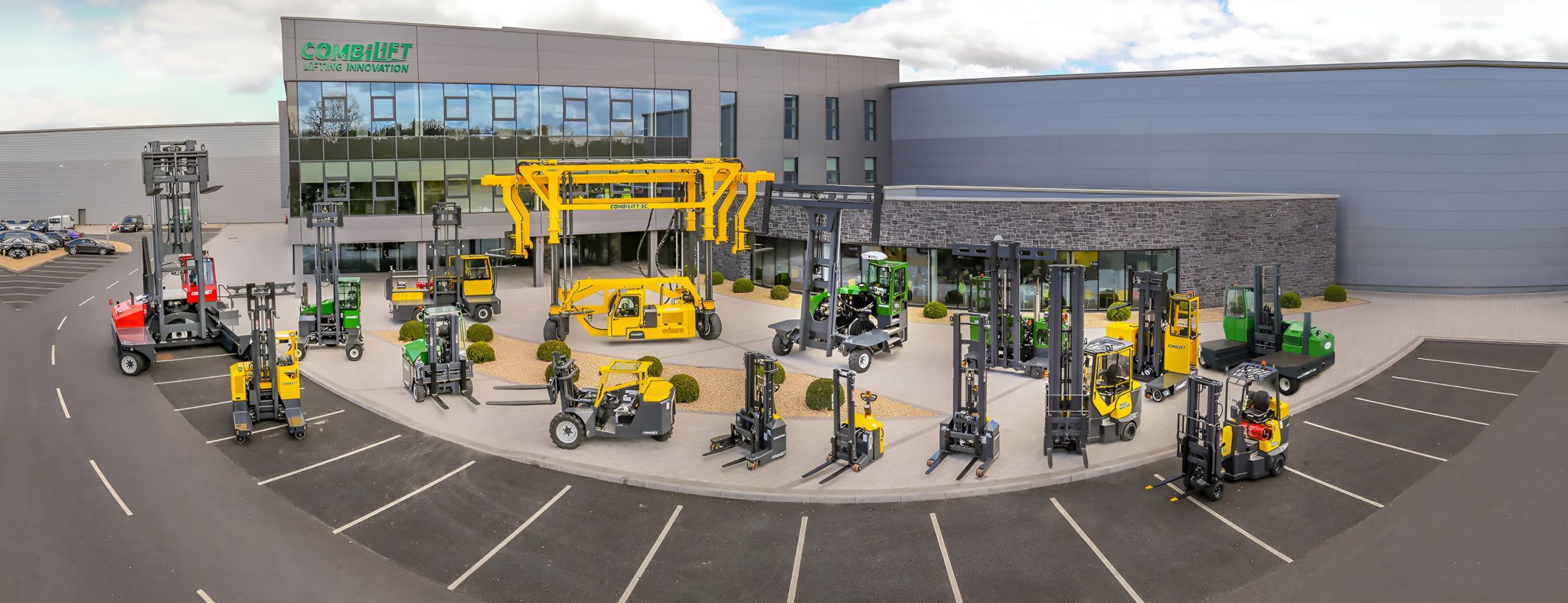
Combilift co-founder Martin McVicar found some spare time in his busy schedule to chat with Peter MacLeod about another bumper year for the multidirectional forklift maker.

A year ago, I was supping Guinness alongside several hundred other invited guests to toast the 25th anniversary of Combilift. Founded by Martin McVicar and the inventor of the multidirectional forklift, Robert Moffett, the Irish manufacturer has gone from strength to strength. Following the launch of five new products to mark its silver jubilee, Combilift has been reaping the fruit of these new lines over the past 12 months.

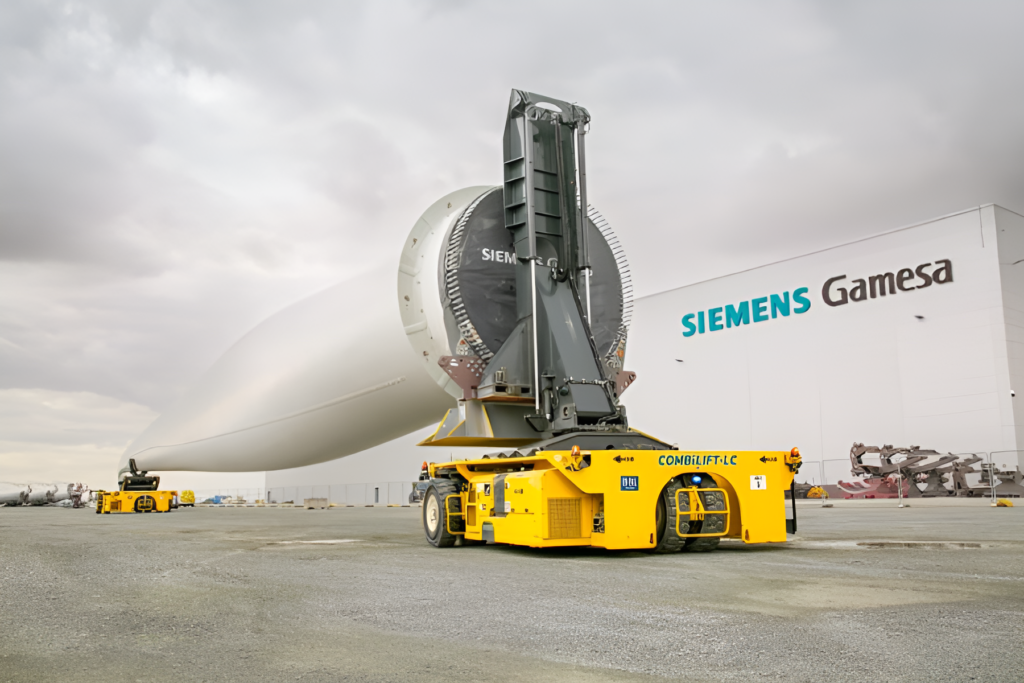
For example, following the launch of the Combi AGT autonomous guided truck, it now has 21 pieces of equipment operating autonomously in a Chicago steel service centre. Also highlighted last year’s celebration event was Combilift’s ambition to enter the offshore wind energy sector with the Combilift LC blade handler. ”Not only have we won considerable amount of business for that product, but it has generated a number of accolades and awards for our business this year,” McVicar tells me. Indeed, it has been another successful year for the Irish manufacturer in terms of awards, capped by winning the Irish Exporter of the Year for an unprecedented third time in 20 years.

Service Enhancement

As editor, my head is constantly being filled with AI this and AI that, but McVicar somewhat refreshingly downplays the part the technology plays within his business. “What does it really mean in a business sense? I know we all are looking at driverless cars with AI, but there’s so many more ways we can use it to solve many other challenges. For example, with close to 90,000 Combilifts operating worldwide, spare parts is an important aspect of service our customers. So we’ve developed an AI solution for spare parts ordering, and when someone now orders spare parts from us, we use AI to alert the customer and suggest components they may need with it.”

Heightened Lifting

With labour shortages affecting all areas of business, Combilift is making its equipment safer and more comfortable for the operator. “While customers originally bought our product for what it could do for their business, our current level of innovation is very much focused around operator comfort and safety around the operator,” McVicar tells me. “Unlike with cranes in the construction sector, in the regular forklift industry it’s not mandatory to have overload devices on a forklift truck. We all expect forklift operators to know the weight or the load centre of the load just by looking at it. That’s asking a lot from an operator. So we developed a very simple system called the Combilift Safe-Lift. It’s a strain gauge – a tool to measure the stress in the steel – fixed to the back of the mast. It detects when the mast is being put under too much stress and will trigger a warning or an interlock. In the palletised goods market, customers tend to know the weight of a pallet, but we work extensively in sectors with long and awkward loads where it’s very hard for a customer to know exactly what’s the weight or the load centre.”

Comfortable Position

Regarding ergonomics, McVicar says the Combi-CB 70E brought to market last year has earned Combilift a growing share in port applications, a market where Combilift haven’t been involved traditionally. “Our key markets are distribution centres, manufacturing plants, DIY stores… But a lot of ports are unionised, so operator comfort maybe plays even more of a part than in a facility that’s non-unionised. The comfort that we’ve brought with the 70E – a spacious cabin and 15° seat swivel – has really brought value in some industries we previously weren’t really involved in.”

Talking of growth markets, the traditional forklift market is quite challenged thanks to high interest rates.
But for Combilift, 2024 is going to be another record year. “We’re not seeing growth in every market, but in certain industries and certain markets,” says McVicar with a well-deserved smile. “The biggest growth is in developing countries such as Brazil, India, and some of the Eastern European markets like Poland, even Scandinavia. There’s also certain verticals where we’re getting substantial growth, such as the offshore industry and the poultry industry – our Combi-RT model carries chicken crates that are going to the processing factory.”

Heightened Lifting

Elsewhere, significant growth has come where there’s heavy investment in major infrastructure such as bridges and datacentres, where there’s opportunity for Combilift’s straddle carriers to move the bulky components and finished goods.

With continued investment in R&D – accounting for 6% of its revenue – McVicar says a number of new products will be coming to market during 2025, some of them for new industries and others within its core industries. With a growing international footprint, he signs off by urging me to write that Combilift is actively recruiting customer-facing managers in multiple markets worldwide, and to urge readers of this article to send in their CVs! Going by the last 26 years or so, successful applicants will be in for a long and fulfilling career.

similar news

25 Years of Materials Handling Innovation


Source link

0 comments
0 FacebookTwitterPinterestEmail
Services

Is Reshoring the Right Thing to do?

by
written by


Is reshoring right, asks Paul Cooper, director and industrial manufacturing specialist at management consultancy Vendigital.

Reshoring has become a key focus for many businesses as they aim to mitigate the effects of disruptive supply chain and geopolitical shocks – but is it the right thing to do? Before taking action, they should re-evaluate the factors that informed their current operational footprint and consider whether anything has changed.

The UK Government’s industrial strategy calls for local supply chain ecosystems to be established to help boost the economy by creating jobs and supporting the development of businesses in fast-growth sectors such as advanced manufacturing, clean energy and life sciences. Localising supply chains will also help to reduce carbon emissions from transportation, aligning with broader sustainability objectives.

A significant number of manufacturers are actively looking to reshore their production and bring supply chains back to the UK. A survey by Medius has revealed that 58% of UK manufacturing firms are moving operations from overseas and among these, 90% reported positive outcomes, including cost reductions, and improved operational security and value. However, reshoring is not a one-size-fits-all solution – it presents both advantages and challenges that should be weighed up carefully.

Reshoring can bring benefits by shortening and simplifying supply chains. For example, it can improve operational resilience and streamline transportation costs due to fewer logistical steps and shorter distances travelled. Advances in automation and AI capabilities can also bring efficiencies, making UK-based production more economically viable and helping to offset higher labour costs. Proximity to market can improve quality control and allow for greater responsiveness to customer demands.

Before localising supply chains, businesses must carefully evaluate whether reshoring would be beneficial. They need to assess the end-to-end supply chain considering key factors such as input costs, location costs, inventory, carbon footprint and customer service and consider how these would change. Reshoring can bring strategic advantages such as improved resilience and simplified supply chains, but it could also bring higher labour costs and capital expenditure (capex) will increase due to the need to invest in local facilities, infrastructure, and technology.

Reshoring involves more than just relocating operations; businesses must ensure that local suppliers and production capabilities can achieve the required scale and quality to satisfy market demand. In some sectors, such as battery production, for example, the absence of an established domestic supply chain combined with higher energy costs makes it more challenging to build a business case for reshoring. The need for raw materials such as lithium, which is mined and processed in countries such as Australia, China and parts of South America, also make reshoring less feasible and battery recycling capacity in the UK is still years away from meeting domestic demand.

Shortening supply chains can simplify logistics, reduce errors, and improve response times to market demands. However, reshoring requires businesses to ensure that local suppliers can meet the required standards in terms of quality, cost and compliance. While logistics may become simpler, sourcing local material suppliers could present new challenges. It’s crucial to assess whether local suppliers would have the capacity to meet current demand immediately, as otherwise businesses would have to allow them time to ramp up.

Customer perception of a UK-sourced supply chain can be a strong selling point for some businesses, especially those looking to capitalise on growing demand for locally produced consumer goods. However, this benefit in terms of brand perception should be weighed against potential pricing impacts, as customers may be reluctant to accept the higher costs associated with UK manufacture.

Finally, businesses involved in innovation should also consider the benefits of basing their operations close to their R&D teams. This can help to accelerate the route to market, enabling faster scaling and close collaboration, particularly in technology and AI-driven sectors. By leveraging the UK’s strengths in automation and AI, businesses can offset higher labour costs typically associated with reshoring, enhancing both innovation and operational efficiency.

While reshoring can enhance supply chain resilience, simplify logistics, and reduce complexity, it often comes with higher costs and infrastructure challenges. Businesses must evaluate their operational models, weighing up factors like cost, resilience, and environmental impact carefully. A balanced approach, supported by government incentives, will be crucial to making reshoring a beneficial strategy for more businesses.

similar news

Businesses Accelerate Reshoring amid Uncertainties


Source link

0 comments
0 FacebookTwitterPinterestEmail
Services

Building Resilience in the 2025 Supply Chain

by
written by


Cyber threats, physical disruptions and global geopolitical challenges. Supply chains world-wide have been shaken over the last few years. As we welcome in the new year, three industry experts look to 2025 and what lies in store.

1. Revolutionising retail strategies

Supply chain disruptions have been a cold shower for retailers this year. From the Red Sea crisis to the recent US port strikes, these events have been a shock to the system. “Retailers didn’t realise how big of an impact it could have on their operations. They’ve been bitten, and now they’re shy,” explains Rob Shaw, GM EMEA at Fluent Commerce. “As a result, CFOs will be nervous about over-exposing themselves.”

For Shaw, it is vital that retailers learn from these disruptions, as well as taking lessons from previous industry upheavals like the COVID-19 pandemic. “Learning from these events, retailers will change the way they source goods. More near-shore supply chains could emerge as companies look to reduce reliance on the Far East.

Rob Shaw, Fluent Commerce

“The introduction of export taxes in the US may also have a significant impact on overseas trade, possibly leading to shifts in market strategies for European brands as they reconsider their expansion plans. Retailers will also be looking closer at how they orchestrate and manage their inventory to ensure they can fulfil the customer promise,” Shaw adds. “With real-time inventory data that shows what stock is available now and in back order transit, retailers can know for certain what they can promise to their consumers – and provide timely updates if disruptions occur.”

2. Preparing for cyber threats

Supply chains in 2024 witnessed their fair share of cyber threats. Dan Bridges, Technical Director – International at Cyware, explains, “as we look toward 2025, it is more crucial than ever to remember the importance of securing our supply chains against the ever-growing threat of cyber-attacks and the harm these can cause.”

Bridges goes on to explain that, “with increasing interconnectivity and supply chain complexity, breaches in one part of the ecosystem can quickly ripple through to other areas, making collective defence strategies more vital than ever to maintain business resilience. Organisations must stay vigilant and acknowledge the need to assess, monitor, and review their own cybersecurity practices as well as those of their third-party vendors. This shift will likely push companies to not only improve their own security postures but also to collaborate more effectively across industries.

Dan Bridges, Cyware

“2025 will likely see a shift toward a more interconnected, regulation-driven cybersecurity landscape, where organisations of all sizes work together to protect not only their own systems but also the broader supply chain ecosystem,” he adds. “This collective approach, driven by legislation and bolstered by technology, promises a more resilient and secure future for businesses worldwide.”

3. Optimising data management

As we move into 2025, factors such as geopolitical volatility, consumer unpredictability and climate change will continue to impact the consumer products value chain. “Therefore, the sector will need to work towards greater efficiency and agility, while also responding to sustainability demands,” notes Ted Combs, Industry Principal for Consumer Products at AVEVA. “Looking ahead, operational data management tools will be indispensable for long-term resilience. Integration with AI capabilities will help drive greater cost and operational advantages. Amid continued global supply chain volatility, companies without real-time demand awareness will risk falling behind.”

As many experts agree, AI will be prevalent throughout 2025. This is echoed by Combs, who believes, “AI is beginning to deliver significant and fast returns on investment, through enhancing data analysis which leads to better decision-making. Companies are becoming laser focused on cost and waste management, using advanced analytics and automation to optimise resource use and reduce waste. This helps firms counter inflationary pressures without sacrificing product quality. Over the next 12 months, operational data management is likely to see widespread adoption as consumer products brands strive to agnostically capture, share and visualise data from the edge to cloud, enhancing decision-making and scalability. Investing in a strong, flexible data infrastructure is crucial for future-proofing assets and maximising returns on new data-sharing technologies.”

Ted Combs, AVEVA

As we look ahead to 2025, the global supply chain landscape will continue to be shaped by the lessons of recent disruptions. Retailers are reevaluating their strategies to build more resilient, efficient and flexible supply chains. Together, these trends highlight a future where innovation, collaboration, and adaptability will be key.

similar news

Improve Supply Chain Resilience in Infrastructure Project Delivery


Source link

0 comments
0 FacebookTwitterPinterestEmail
Services

Total Supply Chain Summit

by
written by


20th December 2024

Logistics BusinessTotal Supply Chain SummitLogistics BusinessTotal Supply Chain Summit

The Total Supply Chain Summit provides an invaluable opportunity for supply chain professionals and forward-thinking suppliers.

28th & 29th April 2025 – Radisson Blu Hotel, London Stansted
13th & 14th October – Radisson Blu Hotel Manchester Airport

For supply chain buyers, attendance is complimentary and includes a range of benefits:
• A personalised itinerary of one-on-one meetings with solution providers
• Access to expert-led seminars on the latest supply chain trends
• Ample networking opportunities throughout the day
• Complimentary meals and refreshments
• Invitation to the 3-course networking dinner
• Overnight accommodation

This Summit is an ideal platform to form new business relationships, enhance your supply chain strategies, and stay up to date with key industry developments. Space is limited, so make sure to secure your spot today. For further information, contact Kerry Naumburger at k.naumburger@forumevents.co.uk or call 01992 374100.

For suppliers, the Summit offers a unique chance to engage directly with senior supply chain professionals.

You’ll have access to pre-scheduled, one-on-one meetings in a hassle-free, pre-built meeting stand, offering a convenient environment to showcase your solutions and build meaningful relationships with decision-makers. Additionally, you can showcase your products in our dedicated demo area, providing further opportunities to engage with attendees. If you’re interested in participating as a supplier, reach out to Matthew Bell at m.bell@forumevents.co.uk or call 01992 374100 for more information on event partner packages. Alternatively, request more information here.


Source link

0 comments
0 FacebookTwitterPinterestEmail
Services

Sendcloud acquires Lox to resolve Delivery Issues

by
written by


Sendcloud, a shipping platform for e-commerce, today announced the acquisition of Lox, an innovator in delivery issue management. This strategic move strengthens Sendcloud’s mission to solve shipping globally by addressing one of the most critical challenges faced by online businesses: the cost and complexity of managing delivery issues.

Managing delivery issues, such as lost, delayed, or damaged parcels, has long been a pain point for e-commerce businesses. In the EU alone, 19 billion parcels are shipped annually, with delivery issues costing businesses significant time and resources. Each claim takes an average of 25 minutes to process, and unresolved issues can inflate shipping costs by 5–10%.

Lox has transformed this process, streamlining the delivery issue process across multiple carriers at one place, enabling businesses to save time, reduce costs, and boost customer satisfaction. Trusted by major brands like Vestiaire Collective, Fairphone and Dafy Moto, it automates both the detection and resolution of delivery issues, cutting claim processing times by up to 80%. This makes it a perfect addition to Sendcloud’s shipping platform, which already empowers 25,000+ businesses to streamline and scale their delivery processes.

“Shipping remains one of the most complex and costly aspects of e-commerce, especially for small and medium-sized businesses striving to compete with industry giants like Amazon,” said Rob van den Heuvel, CEO and Co-founder of Sendcloud. “With Lox on board, we’re equipping businesses to resolve delivery challenges faster and more effectively while reducing cost, ultimately transforming the entire delivery experience for both e-commerce businesses and consumers alike.”

Since its founding in 2020, Lox has helped businesses level the playing field by introducing scalable and efficient delivery issue management. “Joining Sendcloud is a natural evolution of our shared mission to solve shipping globally,” said Dylan Hirsch, Co-founder of Lox. “Combining our expertise in delivery issue management with Sendcloud’s robust shipping platform allows us to amplify our impact, helping online businesses around the world navigate delivery challenges with ease.”

similar news

“NO Plastic Pallet Supply Issues Post-Brexit” says UK Specialist


Source link

0 comments
0 FacebookTwitterPinterestEmail
Services

Lifting Deck Trailers Transform Automotive Logistics

by
written by


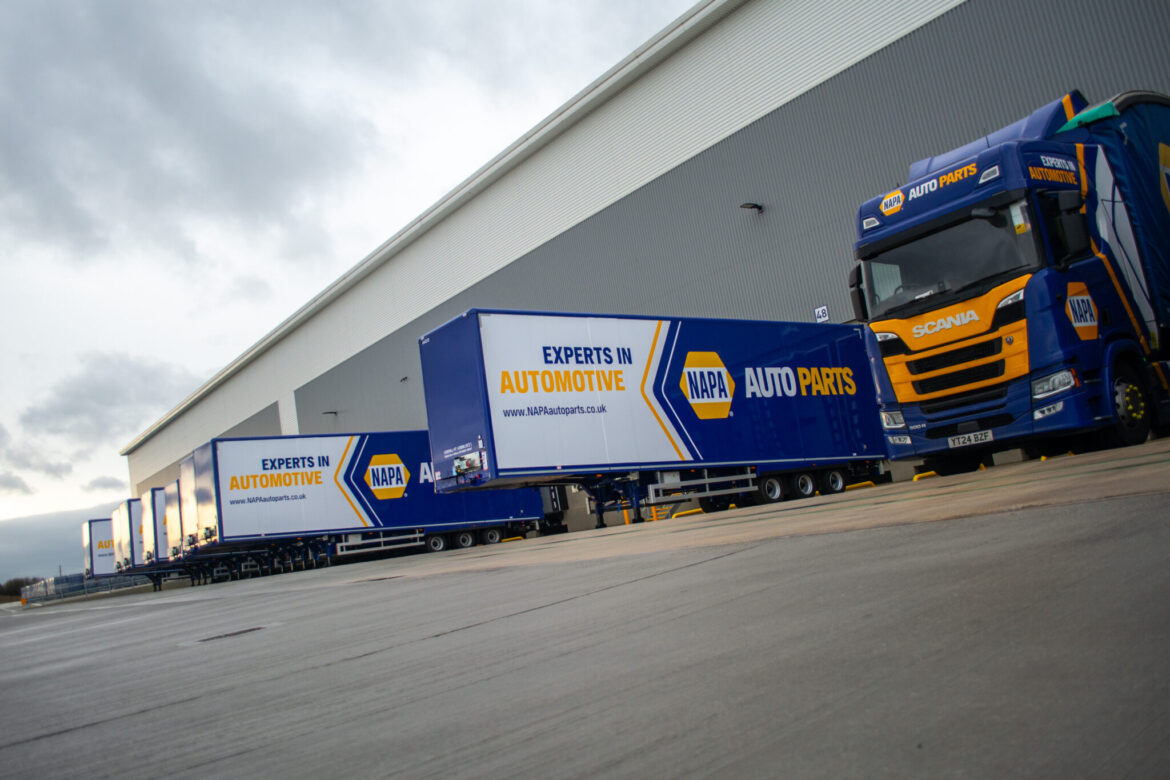
Don-Bur, British supplier of commercial vehicle bodywork, has delivered 16 newly designed 13.6m long Box Van Lifting Deck trailers to Alliance Automotive in ‘NAPA Auto Parts’ livery. As a new client for Don-Bur, Alliance Automotive chose the company based on its established reputation for delivering exceptional reliability, durability and engineering quality.

This initial order introduces a tailored solution to meet the evolving logistical demands of Alliance Automotive, developed through numerous client discussions and visits to customer sites. It represents a significant evolution from their previous curtainsided double-deck design.

Precision-Engineered for Maximum Performance

Built to accommodate Alliance Automotive’s diverse payload — including parts for cars, light commercial vehicles, and trucks — the new 4.95m high trailers feature a robust ‘Wedge’ box van double deck design including a full-length 10 tonne capacity lifting deck platform.

The trailers feature Don-Bur’s time-tested single ram + rope and pulley lifting deck system. This proven design delivers a smooth, balanced lift while ensuring operational efficiency and ease of use, a key reason why Alliance Automotive chose Don-Bur.

Inclusion of an 1800mm platform two-tier column tail-lift with a 1500kg capacity enables the flexibility to deliver direct to store. The final design allows for quick loading of both decks at a loading bay while enabling easy offloading at stores using the tail-lift.

Innovative Features for Operational Efficiency

These trailers include several advanced features designed to optimise their functionality:
• Wedge Chassis Design: A gently sloping chassis on 445/45 R19.5 mini single wheels provides two uninterrupted deck lengths ideal for wheeled dolly trays.
• Generous Deck Apertures: Clearances starting at 1.74m per deck at the front, increasing to 2.06m at the rear, maximise load volume and usability. The trailers can carry an impressive 120 dollies and a total capacity of 960 totes.
• Durable Side Panels: Constructed with Don-Bur’s proprietary ‘Blade’ panels, a lightweight and durable 7.5mm composite material, ensuring high impact resistance and extended service life.
• LowGlide Safe Ground Coupling: Don-Bur’s patented coupling system allows drivers to couple from the side of the vehicle and eliminates the need to access the catwalk; a practice known for its potential hazards.

Enhancing Logistics for Alliance Automotive

This bespoke design caters for Alliance Automotive’s operational requirements, streamlining their logistics operations while improving the safety and efficiency of loading and offloading processes. The compatibility with their new tote and dolly systems ensures faster, more efficient transportation.

Daniel Challinor, Commercial Director at Don-Bur, stated: “Partnering with Alliance Automotive on this project is a testament to Don-Bur’s engineering expertise and adaptability. These tailored Box Van Lifting Deck Trailers are built to enhance their logistical operations, and we’re confident they will deliver outstanding performance.”

The delivery of these Lifting Deck Trailers marks the start of a dynamic partnership between Don-Bur and Alliance Automotive. This collaboration highlights Don-Bur’s ability to create innovative solutions that meet and exceed the demands of modern logistics.

similar news

DHL Parcel in Major Volvo Truck and Don-Bur Trailer Upgrade


Source link

0 comments
0 FacebookTwitterPinterestEmail
Newer Posts
Older Posts

Recent Posts

  • Blend of Solutions in Contract Logistics
  • Middle East Conflict Drives Surge in Spot Freight
  • On Another Level – Logistics News
  • Interroll to Acquire Royal Apollo Group
  • Warehouse Property – Essential Partnership

Recent Comments

No comments to show.

Social Connect

Whatsapp

Recent Posts

  • Blend of Solutions in Contract Logistics

  • Middle East Conflict Drives Surge in Spot Freight

  • On Another Level – Logistics News

  • Interroll to Acquire Royal Apollo Group

  • Warehouse Property – Essential Partnership

Newsletter

Categories

  • Services (1,108)
  • Uncategorized (41)

@2024 - All Right Reserved. Designed and Developed by Sierraline Cargo services

Manage Consent
To provide the best experiences, we use technologies like cookies to store and/or access device information. Consenting to these technologies will allow us to process data such as browsing behavior or unique IDs on this site. Not consenting or withdrawing consent, may adversely affect certain features and functions.
Functional Always active
The technical storage or access is strictly necessary for the legitimate purpose of enabling the use of a specific service explicitly requested by the subscriber or user, or for the sole purpose of carrying out the transmission of a communication over an electronic communications network.
Preferences
The technical storage or access is necessary for the legitimate purpose of storing preferences that are not requested by the subscriber or user.
Statistics
The technical storage or access that is used exclusively for statistical purposes. The technical storage or access that is used exclusively for anonymous statistical purposes. Without a subpoena, voluntary compliance on the part of your Internet Service Provider, or additional records from a third party, information stored or retrieved for this purpose alone cannot usually be used to identify you.
Marketing
The technical storage or access is required to create user profiles to send advertising, or to track the user on a website or across several websites for similar marketing purposes.
  • Manage options
  • Manage services
  • Manage {vendor_count} vendors
  • Read more about these purposes
View preferences
  • {title}
  • {title}
  • {title}
Sierraline Cargo Services
  • HOME
  • Services
    • Trade With Us
  • About Us
  • Contact Us
  • private jet
    • BOOK YOUR JOURNEY
  • Track Packages
  • Insurance
  • safekeeping

WhatsApp us