Sierraline Cargo Services
  • HOME
  • Services
    • Trade With Us
  • About Us
  • Contact Us
  • private jet
    • BOOK YOUR JOURNEY
  • Track Packages
  • Insurance
  • safekeeping
Services

Digital Tools Are Transforming the Role of HGV Drivers

by
written by


In today’s logistics landscape, digitalization has become essential for keeping up with industry demands. For HGV drivers, digital tools aren’t just about efficiency; they’re about making work safer, more manageable, more sustainable, and more comfortable. But what’s possible with digital support, and how is it working in practice?

Addressing the Critical Driver Shortage with Digital Solutions

The logistics sector faces an escalating driver shortage crisis. The International Road Transport Union (IRU) reports a global shortage of over three million truck drivers, with shortages in Europe expected to triple by 2026, potentially leaving hundreds of thousands of positions unfilled. This shortage, driven by an aging workforce and a lack of new entrants, presents a critical need for solutions that make the job more attractive and manageable. Digital tools that simplify daily tasks, improve safety, and streamline operations are proving essential in drawing in new drivers and supporting the existing workforce.

Improving Driver Experience through Digitalization

HGV drivers today face complex tasks, including not only delivering goods and managing loading and unloading but also handling documentation and ensuring compliance with regulations on working hours, border crossings, tachographs, and electronic consignment notes. Digital solutions are simplifying these responsibilities with integrated cloud-based tools and mobile apps, making drivers’ daily tasks more manageable and less stressful.

Streamlining Toll Purchases Through Smart Telematics

Managing tolls across multiple countries is a significant part of long-haul transport, often requiring drivers to stop and purchase vignettes or toll passes. Girteka’s digital toll system allows drivers to purchase and validate tolls through mobile devices, reducing travel time by approximately 10 minutes per trip.

“For instance, our drivers can save up to 20-30 minutes when moving from Estonia to the Netherlands or the UK by purchasing necessary permissions and tolls through a mobile app. Across our fleet of 6,000 trucks, this results in substantial time savings that help us deliver goods faster and maintain a competitive edge,” comments Darius Olechnovič, Telematics Team Lead at Girteka.

Enhancing Parking Efficiency and Safety

Parking solutions have also improved with digitalization. Transport managers can pre-book secure parking for high-value cargo, ensuring both driver and cargo safety, which is automatically implemented in route planning and directions for drivers.

“We continually update information on parking spaces across Europe, organized by predefined safety categories. Currently, our database includes approximately 600 secure parking locations, easily accessible by drivers via GPS. The app also warns drivers when they approach ‘blacklisted’ parking areas, enabling them to avoid risks and safeguard cargo and assets,” adds Dainius Augutis, Transport Function Support Department Manager at Girteka.

Fuel Management Made Easy with Digital Payments

Fuel management has also evolved. Instead of relying on physical fuel cards, drivers at Girteka conduct approximately 60% of fuel transactions digitally, reducing risks related to lost cards or PINs. For drivers facing issues like a broken phone, an SOS support line allows them to access fuel codes, ensuring continuous service.

Document Management and Cargo Verification

Digital document management simplifies administrative tasks, allowing drivers to instantly capture and submit documents via mobile apps. A brief cargo status survey initiates the document submission process, ensuring all necessary paperwork is accurately recorded:
• Instant Processing: Once photos of documents are uploaded by drivers (today 99% of documents are processed this way), they’re processed automatically through robotic process automation and human support.
• Time Savings: This approach significantly reduces the time drivers spend on administrative tasks compared to handling physical paperwork.
• Customer Collaboration: The digital process creates a more efficient workflow with customers, improving coordination and saving time.
Contributing to Decarbonization Efforts through Eco-Driving Tools

With the logistics industry increasingly focused on reducing emissions, digital tools are playing a critical role in meeting sustainability goals. Girteka’s eco-driving features offer drivers real-time feedback on fuel consumption and efficiency tips, helping them adopt more eco-friendly driving habits. By focusing on eco-driving, Girteka has seen improvements in fuel efficiency across the fleet, contributing to a reduction of 2% of total fleet CO2 emissions.

Uladzislau Piatrychyts, a Girteka driver and recent ECO League challenge winner, shares, “The telematics system makes eco-driving simple. I can check my performance every day and make adjustments to improve fuel efficiency.”

Real-Life Impact: What Drivers Are Saying

Feedback from drivers across the industry has been positive. Many report that digital tools reduce stress and improve overall efficiency. Route optimization features have made it easier to manage time, leading to more predictable schedules and reduced fatigue.
“We’re seeing how digital tools make drivers feel more supported. Today, over 95% of our fleet utilizes the driver mobile app, allowing them to focus on driving safely and efficiently while minimizing errors,” summarizes Augutis.

Girteka’s adoption of digital tools aligns with a broader industry trend, where logistics companies are increasingly integrating digital solutions to support drivers and improve operational efficiency. However, Girteka stands out by combining telematics, mobile app functionalities, and sustainability-focused initiatives at scale, setting a benchmark for digital transformation in logistics.

similar news
eBook: Decarbonisation of Transport Operations


Source link

0 comments
0 FacebookTwitterPinterestEmail
Services

Get ready to Compete for Connected Networks

by
written by


As confidence returns to the European distribution centre property market there will be competition for connected networks, writes Ben Segelman, Head of Portfolio Management – European Logistics, at Brookfield.

The tail end of 2024 has brought promise to the logistics real estate market in Europe. With inflation on the turn and interest rates cooling off, we have seen several large asset portfolios come to market. Within our own portfolio, occupancy rates are growing, largely driven by built-to-suit projects with large corporates. Tenants are reimagining supply chains for a modern world and are hungry for high-quality spaces that will meet longer-term needs across key themes of automation, digitisation and sustainability.

All in all, 2025 is looking to be an exciting and transformative year for the European logistics market as previously eroded confidence returns. This will bring challenges and opportunities that businesses need to be aware of to ensure they secure a robust future for their supply networks.

Confidence brings competition

Perceptions of supply chains have shifted from a basic necessity to a strategic asset. Confidence and more favourable economic conditions returning to the sector means more businesses are looking to refresh their logistics strategy and as such, competition for warehousing and logistics space on the continent is fierce. This is also being driven by the rush for data centre space to support the artificial intelligence explosion.

As so-called ‘connected land’ becomes even more scarce and demand outpaces supply, rental prices are going to continue to be pushed up. Not only that, but businesses will find themselves in competition for labour. As a result, organisations need to be making decisions in 2025 that future-proof their operations for the next 10 to 20-years. These plans need to be adaptable to business needs and macro trends which are rapidly evolving.

Abandoned plans will regain momentum

With inflation starting to tumble down from high peaks, projects that were put on hold due to high costs in countries such as Poland have been picked back up. This could mean that trends that have been widely discussed but never quite come to fruition in the way the industry expected, such as nearshoring, will gather momentum again. However, the complexities of a quickly evolving industry need to be navigated. I expect that this will be achieved by companies across the supply chain, from sourcing to fulfilment, prioritising automation, digitisation and sustainability in their supply chain premise acquisition plans.

From landlord to strategic partner

Scarce space, intense talent competition and a landscape changing at breakneck speed will make advantageous partnerships more important than ever in 2025. Landlords will not simply be the owner of the space a business happens to occupy, but a strategic partner to warehousing and logistics plans. Asset managers who can leverage the power of ‘connected networks’ and unlock access to land banks and the grid will be vital in achieving maximum operationality from spaces.

Campus locations will reign

We are already seeing a renewed focus on strategic, best-in-town locations that offer access to efficient and low-carbon transportation routes. For example, sites based on highways that connect two or more major distribution hubs, rail or water networks and airports. In addition to this, spaces which attract talent through good commuting links and extra amenities are going to be crucial to addressing talent competition. As a result, I expect a move to campus locations, such as multi-functional logistics parks, will be an emerging trend. This also supports sustainability strategies as neighbouring premises can share green resources such as electric vehicle charging and solar panels.

2025’s decisions drive 2035’s success

The logistics asset market on the continent is poised for activity in 2025, but getting it right next year is going to be crucial for businesses that want to obtain long-term security in their supply chain strategy on the continent. Those who are ready for competition, strategising with developing trends in mind and working closely with partners in the sector will set themselves up for success.

similar news

Competition intensifies in the UK logistics sector


Source link

0 comments
0 FacebookTwitterPinterestEmail
Services

The Ever-changing Landscape of Sanctioned Ownership

by
written by


In May 2023, data obtained by Pinsent Masons revealed that 127 UK companies have voluntarily disclosed that they have breached financial sanctions against Russia since its invasion of Ukraine in February 2022. Due to opaque ownership structures, businesses lacking vigorous due diligence may inadvertently engage with sanctioned individuals in international trade. Here, Thomas Lobert, solutions consultant at Descartes Systems Group, explains how companies can stay ahead in an evolving regulatory environment and avoid trading with those owned by a sanctioned entity, to remain compliant.

Firstly, sanctioned lists are compilations of individuals, entities or countries that are subject to sanctions imposed by governments, international organisations or coalitions. These can vary depending on several factors, including geopolitical events, as we’ve seen many trade compliance changes in relation to war in Ukraine. From this, we are currently seeing a change in sanctioned lists on a frequent basis, even as regularly as every day. These rapid changes, which can be additions and updates to trade compliance, make it difficult to track and verify the ownership structure of such sanctioned entities.

As a result, compliance teams face challenges in keeping up with daily changes to sanctioned lists. Be it through limited resources, or reduced capacity, it is becoming more difficult for these teams to verify ownership structures, increasing the risk of overlooking crucial amendments and potentially violating trade compliance regulations.

Transparency

To remain compliant, as well as staying ahead in this ever-evolving regulatory environment, transparency is required. This involves providing businesses with access to accurate and up-to-date corporate data, including information about ownership structures and financial transactions.

Having access to reliable data is crucial for compliance teams to make informed decisions and to ensure that the organisation is not inadvertently engaging in activities that could lead to sanctions. For instance, understanding the control structures within an organisation allows companies to go merely beyond the name of the owner. Instead, beneficial ownership, corporate hierarchies and relationships among entities can all be identified for further scrutiny.

Understanding these structures is essential for mitigating the risk of potential sanctions. On the flip side, a lack of transparency can create an environment where hidden ownership or control structures may go unnoticed, leading to compliance failures. In fact, this serves as one of the major red flags for compliance teams. What information is being hidden? Why is it being hidden? If information is not readily available, or if there are deliberate efforts to obscure ownership and control structures, it raises concerns about potential non-compliance.

Always remember — businesses that are transparent and proactive in providing necessary data demonstrate a commitment to compliance. Otherwise, opacity may be viewed as an attempt to hide non-compliant activities.

Indirect ownership

In terms of ownership, there are two types — direct and indirect. As for the former, direct ownership occurs when an individual or entity has a clear and immediate legal right to control and benefit from an asset or an entity. Here, there are no intermediary entities or layers, as the owner has a visible and immediate connection to the owned asset or entity.

Indirect ownership, on the other hand, involves added complexity. This comes as an individual or entity holds an interest or control over another entity through intermediary ownership structures. This is because there are one or more layers of ownership entities between the ultimate owner and the controlled entity, hence the more complex structure which may involve various legal entities.

In terms of compliance, this is of particular concern due to the need of understanding such web of ownership structure. Unlike direct ownership, where it’s a sole owner, indirect ownership requires transparency across affiliates and potentially additional entities. Failure to identify this ownership structure increases the risk of engaging with sanctioned individuals and entities, leading to non-compliance and probable penalties.

Risk-based approach

To prioritise compliance efforts, a risk-based approach is essential. By prioritising efforts based on an assessment of potential risks associated with various aspects of business operations, this approach helps compliance teams to allocate resources efficiently. In the first instance, focus must be on the high-risk areas. A thorough evaluation of potential risks associated with different elements of business operations, such as business relationships, financial transactions and engagement with specific jurisdictions, should be conducted.

Returning to our aforementioned example, in the context of geopolitical events, consider the risks associated with business dealings in countries like Russia and Ukraine, given the dynamic nature of their political and economic landscapes.

A way in which companies can implement such risk-based approach is by using software for continuous monitoring screening. Using a robust monitoring system, like our Denied Party Screening option, ensures regular screening on organisations, updates the constantly changing rules and provides information on an entities’ ownership structure in real time.

This comes as regulatory bodies, such as the European External Action Service (EEAS), that contributes to EU trade compliance by coordinating sanctions and policies, and Office of Foreign Assets Control (OFAC), which administers economic sanctions in the United States, do not provide all the insights needed. Regarding the latter, OFAC only publishes the names of sanctioned companies and does not state those that are owned by a sanctioned entity. In fact, its 50 Percent Rule states that if a blocked person owns 50 per cent or more of an entity, it is considered automatically blocked and may be added to OFAC’s Specially Designated Nationals and Blocked Persons list (SDN).

By not merely publishing the name of entities that are under the ownership of a sanctioned party, it is crucial that compliance teams rely on software to gain the information necessary to stay ahead in an evolving regulatory environment, to remain compliant.

similar news

Iran is open for business with Davies Turner


Source link

0 comments
0 FacebookTwitterPinterestEmail
Services

Logistics At Every Turn Live

by
written by


As logistics partner of the McLaren Formula 1 Team, DP World recently held an exclusive event for its customers and stakeholders at the McLaren Technology Centre in Woking. Under the banner of ‘At Every Turn Live’, the conference featured a stellar line-up of speakers from the worlds of F1 and logistics, and discussed a wide range of topics including the implications for global trade of the US Election, the impact of AI on transport and logistics, supply chain resilience, and how adopting a ‘pit stop mentality’ can help businesses can take strategic pauses to reset and go again in unpredictable times.

The event, which was compered by Nicki Shields, well-known to motorsport fans as the presenter for Formula E’s TV coverage, got underway with opening remarks from Beat Simon, DP World Group Chief Operating Officer for Logistics, followed by an enlightening conversation between Beat and Andrea Stella, Team Principal of McLaren F1 Team.

Beat believes the synergy between DP World and McLaren lies in an aspiration to propel and to be leading, as well aspassion and precision. “If you look at what happens in F1 or logistics, it’s about things having to work and an entire team working together to make things happen.”

The pair then handed over to innovation guru Dr Chris Brauer, who walked the captivated audience through how AI is shaping today’s business landscape. “It’s a time when collaborations between humans and technology will reshape the world in ways we can only begin to imagine.” He described AI as “one of the most remarkable innovations in the history of civilisation,” going on to highlight areas where it can play a significant role, such as sustainability, and used an example of how the NHS has used AI to optimise its supply chain for short-life blood products, helping to reduce waste, overstocking and guaranteeing supply.

Independent Trade Economist Dr. Rebecca Harding then took the audience on an interactive journey, encouraging them to participate in real-time decision-making as a means to illustrate how global challenges are affecting today’s business landscape and how these may be overcome. With a focus on maritime trade, she workshopped a scenario using real-world examples of the threats supply chains are coming under and concluded with the line: “This was not fiction. Everything we have seen and said today is actually happening.”

Pit Stop Mentality

Peter MacLeod, Editor of Logistics Business Magazine, hosted a panel of three under the ‘Pit Stop Mentality’ title, featuring retail and consumer trends guru Mary Portas, OBE, economist John Ferguson and Hans van der Eijk, Senior Vice President Sales & Account Management Contract Logistics at DP World Europe. The discussion focused on the evolution of logistics and retail, emphasising the shift from physical stores to online efficiency and the impact of COVID-19 on consumer behaviour. Key points included the rise of “beautiful businesses” which prioritise societal roles, the importance of community connection, and the shift from just-in-time to just-in-case inventory management. The conversation also highlighted the significance of sustainability, with businesses integrating recycling and local sourcing.

Additionally, this session touched on the psychological aspects of staying ahead, drawing parallels between motorsport and business leadership, emphasising resilience, motivation, and decision-making under pressure.

Interviewed by BBC chief presenter Maryam Moshiri as part of another panel under the heading ‘Global Race, Global Reach’, Beat Simon summed up DP World’s view on a changing geopolitical landscape by saying logistics is like water: “We are always looking for the easiest way to flow.” Addressing supply chain visibility, he described eloquently how the term can now be applied all the way down to SKU level, giving freight forwarders unprecedented knowledge of the status of a particular shipment. In today’s geopolitical landscape, building resilient supply chains may imply additional costs. Scenario planning is key in planning ahead, remaining agile and ensuring competitiveness.

Cyber Attack Protection

Sir John Sawers, former chief of the UK Secret Intelligence Service MI6, talked about cybercrime, expressing surprise at how the fear of 10 years ago – of some kind of digital Armageddon – has not happened, but that the threat has instead moved into the world of denial of service attacks of businesses, many of which are happy to pay a ransom rather than risk business disruption. His experience of global affairs led to a fascinating look at how countries are putting mechanisms in place to prevent similar attacks affecting governmental systems.

Matthew Griffin, a leading futurist, said the proceeds from digital/cyber crime is generating revenues of $1.2 trillion, growing at 125% each year. “As we see the levels of cybercrime increase dramatically, your cyber budgets will increase by two-to-three per cent each year.” He described how GPT4 agents have been used to hack into 53% of military systems within two minutes, and how autonomous, adaptable, multi-sensory smart cyber defence systems are now being developed in an attempt to counter this threat.

Sir John said businesses should prepare for events they may not have thought about before, and to consider how they are going to survive if a crucial supply line is threatened. Beat Simon agreed, adding: “Plan for the unexpected.”

Beat Simon welcomed the fact that DP Word’s customers are starting to take climate change very seriously, citing events such as the reduction in capacity of the Panama Canal as a very obvious impact of the crisis, but Sir John said a reversal of US policy may threaten global targets set by the Paris Agreement. Griffin, responding to a question from the audience about the cost of sustainability, said the ultimate target for a business is to be sustainable as well as offering products at a competitive cost. With growing energy costs, this seems challenging at first sight, but renewable energy costs are decreasing, and nearshoring can both cut transport costs and reduce carbon consumption. Taking fast fashion as an example, referencing Mary Portas’ earlier contribution, he cited lab-grown cotton as a way to make this consumer habit more sustainable.

Lessons from McLaren

Formula 1 fans in the audience had plenty of content to keep them engaged; as well as a tour of the McLaren F1 Team factory and a close-up look at some of the brand’s most iconic racing machinery, Zak Brown, CEO of McLaren Racing addressed the audience alongside two-time F1 World Champion Mika Häkkinen. The pair covered considerable ground, dating from their starts in motorsport as young boys all the way up to the latest Grand Prix. Häkkinen spoke passionately about his recovery from a potentially career-ending injury, and the resilience he showed to get back behind the wheel. He also talked about the mentality of going seven years before his first F1 victory, and how he fine-tuned his life – his routines and close team – to achieve his ultimate goals.

Brown’s insight was fascinating, particularly when discussing real-time decision-making and how clear commands and predetermined responsibilities – whilst also allowing space for individual decisions – has helped bring his team back up to championship leaders.

Summarising the day, Rashid Abdulla, CEO and Managing Director, Europe, DP World, said: “It is truly inspiring to be here at the McLaren Technology Centre. The day has been incredibly insightful, with contributions from panellists representing diverse backgrounds, industries, and perspectives. What stands out from McLaren’s example is that while any company can have the best vision and strategy, it is clarity that drives true engagement.

“At DP World, our goal is to build a strong and sustainable business model that delivers value to our customers while ultimately enabling consumers to access better products at lower costs. Events like this are crucial for fostering collaboration and driving innovative solutions for our industry.”

similar news

DP World Teams up with Renault F1 in Major Partnership Deal


Source link

0 comments
0 FacebookTwitterPinterestEmail
Services

AI Unleashed in Florida

by
written by


Peter MacLeod reports from IFS Unleashed, the software giant’s biennial partner summit in Orlando, where AI and sustainability dominated the conversations.

Taking place in Orlando, Florida, IFS Unleashed is billed as a premier event for IFS partners and customers to connect and exchange insights based mainly on the use of AI in the industrial ecosystem. It’s impossible to attend a two-day conference with multiple sessions starting at breakfast and running through to each evening and then constrain my thoughts to two pages of this esteemed organ. So, let me fly through some of the key takeaways.

CEO Mark Moffett started proceedings by describing the part AI is playing in industry and why it is important to jump on the bandwagon. He says $4tr will be added to the global economy by AI over the next 10 years, describing it as “the fourth industrial revolution”. He adds that you can either “watch it happen and wait and wonder whether it will work, or run towards it and grab the opportunity with both hands”. He threw to a specially recorded conversation between him and Microsoft CEO Satya Nadella, who described AI as “the dawn of a new computing era”.

A series of presentations covered a wide variety of AI-related topics, including how it can be embraced to manage asset lifecycle, plus a motivational talk by Peter Weill, of the MIT Sloan School of Management in which he discussed the merits of becoming a “real-time business” whereby decisions are made instantaneously using trusted data assisted, obvs, by AI tools.

Unsurprisingly, the topic of sustainability was widely addressed across the conference. We heard how embracing it as part of holistic decision-making processes leads to better outcomes, but that the acceleration towards net zero is stuttering. Instead of pushing back against compliance, Deliotte’s John O’Brien urged businesses to not waste all that work just on compliance, but to use it as a competitive advantage, especially for those businesses targeting younger consumers. Oh, and the one and only Usain Bolt spoke eloquently for an hour about his life, career and post-sprinting activities. All fascinating stuff, and recorded for posterity on the High Performance podcast.

AI & Supply Chain

With so much activity happening on-stage and in the various breakouts during IFS Unleashed, I was ushered into a quiet corner with Christian Pedersen, IFS Chief Product Officer, to help distil some of the information being shared across the event. I wanted to explore more about what IFS is doing in transport and logistics and how businesses can start to embrace AI to stay competitive.

Logistics Business (LB): How does IFS define supply chain?

Christian Pederson (CP): We refer to it as supply chain rather than logistics, and it really is the heart of most of the solution we provide. For the manufacturer, warehousing and logistics are critical, especially for large, high volume businesses for whom shipment and logistics is super-critical. So, from our perspective our logistics solution is both for manufacturers and for service providers.

LB: How can IFS help a business to take emission control into account during procurement?

CP: We integrate emission characteristics into our procurement process, allowing for supplier evaluations based on carbon footprints. This is done through software like Climatic, which helps track emissions whether you’re producing or shipping tyres or clothes. You can actually affect the type of footprint that they have.

LB: What role does AI play in transportation and logistics?

CP: We focus on optimising loading processes to ensure trucks are as full as possible. This reduces the carbon footprint by minimising empty trips, which is of course also crucial for operational efficiency. AI is integral in improving market approaches for businesses with extensive transport operations. For example, our demand planning solution uses advanced algorithms, including Google’s time-series forecast models, to enhance forecast accuracy and optimise fleet needs.

LB: Can you explain the benefits of these AI forecasts?

CP: AI can lead to significant improvements – an 8% increase in forecast accuracy, which translates to an 11% reduction in safety stock while maintaining the same service levels. This not only cuts costs but also reduces emissions, giving companies a competitive advantage.

LB: What advice would you give to a logistics business which is hesitant to adopt AI?

CP: I’d say, “Think big, but start small.” It’s essential to make AI understandable and explainable to build trust. We talk about explainable AI, meaning what is this AI model actually doing? There is always a risk of feeling that the AI is doing something I don’t understand – that the AI is a black box and something is happening in it and I don’t trust the black box because I can’t see what’s in it. We try to do specific AI capabilities that are understandable and explainable.

LB: It’s is not something you can just switch on, so how can businesses gradually embrace AI?

CP: We have what can be described as a smorgasbord with different AI elements. You don’t have to take the whole meal – maybe you’ll start with the dessert. We try to explain to customers to start with smaller, manageable projects, like automating specific tasks, before scaling up. This approach allows them to appreciate the benefits without feeling overwhelmed.

Leveraging Advanced Technology

Grabbing 15 minutes with senior IFS personnel at Unleashed was a challenge, given how many customers were also seeking their time. However, I was fortunate to be able to divert Max Roberts, the COO of IFS, away from the main event for a few minutes to discuss leveraging advanced technology to improve asset management, enhance decision-making, and drive operational efficiency.

LB: What industries do you focus on, and how does technology play a role in them?

Max Roberts (MR): We work with various asset-intensive industries, particularly transportation, manufacturing, and utilities. Technology is crucial in managing assets, enabling predictive maintenance, and ensuring that operations run smoothly, as downtime can have a significant impact. I think what we have is completely relevant for transportation. The digital thread connecting project management, asset lifecycle management, and then the service of that asset is quite unique to us. We do that thread better than anybody else. It allows for a seamless flow of information, ensuring that organisations can manage their assets more effectively throughout their lifecycle.

LB: How important is dynamic planning in these industries?

MR: It’s incredibly important. If an organisation can adapt its capital investment plans dynamically, the flexibility it gains will help it respond to changing conditions and optimise resource allocation effectively. If you look at a fleet of trucks, for example, and think about the maintenance cycles of those, and whether you’re going to buy 10 more diesels or five more hybrids… That’s where tools like Copperleaf can really empower you to make a logical decision. You’ve got a track record of it, and can say you made this decision because this is what we balanced and these were our strategic objectives. Regulated industries love this technology, because they can see the decision making process and the logic. But that logic is just good business.

LB: What role does environmental responsibility play in your work?

MR: Reducing carbon footprints is becoming a priority for many companies. Our technology helps organisations align with ESG goals, allowing them to track and improve their environmental impact. With our modules and the focus that give to that, you are able to see the tangible costs of making a decision, or embracing a regulation, or process, or making a change in the business model. It requires us to move investment cycles, but the return is clear and that’s really impactful, especially when managing huge capital investments and projects.

LB: How do you address concerns about integrating AI into the workforce?

MR: History shows that technological advancements often lead to higher-value job opportunities, even if there’s initial resistance. It’s crucial to communicate the benefits of AI and how it can enhance the working environment. I remember there was a lot of concern a few years ago when we were talking about IoT and how an earlier version of AI was going to disrupt and change the job market. Twenty years before that, the concerns were the same, but the technologies have been adopted and moved on. Moving people up scale is a good thing, but it takes time to get there.

LB: Can you give an example of AI technology improving operational efficiency?

MR: In logistics, we optimise fleet maintenance by scheduling around electric vehicle charging capabilities. This not only improves efficiency but also helps organisations make informed decisions about their fleet investments. A lot of large organisations are probably ignoring at the moment the fact that there’s a massive cost for the time vehicles spend charging. So scheduling routes around where you stop and charge is a big part of what we can do for those large fleets. At the bigger picture level, we help select a technology before you buy that new fleet of trucks, for example looking at the positive impacts of the decision from an environmental perspective versus the cost.

LB: What do you see as the future for AI in asset-intensive industries?

MR: I believe the future will see even greater integration of advanced technologies, allowing for better asset management, enhanced decision-making, and improved operational efficiency across various sectors.

You’ll be glad to hear I wasn’t just sitting in a conference room for two solid days; an excellent exhibition by some of IFS’s partners was a welcome opportunity to see how AI technology is being applied across multiple sectors. And, more importantly, I had a personalised baseball cap stitched for me and I got to see close-up just how ugly today’s IndyCars have become. You may also be interested to hear that your editor’s week was ruined by an ill-fated decision to ride on the Jurassic World VelociCoaster, an experience that served to remind me I broke a promise I made to never go near such a ride after a similar stomach-emptying experience at the Great Yarmouth Pleasure Beach in 1974. Maybe one day, AI will spare me from such horrors!

similar news

IFS releases Autumn update of IFS Cloud


Source link

0 comments
0 FacebookTwitterPinterestEmail
Services

Sustainabile e-commerce Packaging at LogiMAT 2025

by
written by


28th November 2024

Logistics BusinessSustainabile e-commerce Packaging at LogiMAT 2025Logistics BusinessSustainabile e-commerce Packaging at LogiMAT 2025

A shortage of skilled workers and rising customer expectations pose challenges for e-commerce. Creative solutions are needed – this is also reflected in the motto of the international trade fair LogiMAT 2025. From the 11th to 13th March, companies from the intralogistics sector will be presenting their ‘Passion for Solutions’ in Stuttgart, Germany. For Henkel Adhesive Technologies, this passion takes clear forms: With its versatile adhesive innovations from the Technomelt E-COM portfolio, the company enables automated, right-sized packaging technology as part of an efficient value chain.

Against the backdrop of growing sustainability awareness, oversized shipping packages with lots of filling material are no longer up to date. Right-sized packaging offers a solution to this problem: with automated packaging technology, the size of the products to be packaged is recorded by a scanner and the shipping carton or envelope is precisely matched to it. The subsequent gluing with a hot melt adhesive from Henkel saves additional packaging material in the form of adhesive tape and enables subsequent recycling. The elimination of filling material also results in significantly less waste. Since the packaging is folded precisely around the product, there is hardly any wasted space. At the same time, the transport volume is reduced, allowing more parcels to fit into a single transport unit. In addition to the cost savings from reduced material consumption, the CO2 emissions per parcel are also reduced – a sustainable packaging solution that, thanks to automation, offers flexibility in the face of fluctuating staffing levels.

Designed for sustainable e-commerce packaging

With the introduction of its latest adhesive innovation, Henkel is making the proven packaging automation even more sustainable. Technomelt E-COM G5 Eco Cool has been developed specifically for e-commerce and contains a high proportion of bio-based materials. In addition, a lower application temperature means less energy is required in the packaging process. Henkel’s product highlight at LogiMAT 2025 thus enables companies to optimize the sustainability of their packaging at two points in the value chain and reduce their carbon footprint. The adhesive is compatible with the paper recycling process and is certified as such by cyclos-HTP.

The fact that a solution can only be as successful as the cooperation network behind it is a clear advantage in this case. Henkel is networked with all machine, substrate and tank equipment manufacturers worldwide. For Henkel adhesives, this means that they are put through their paces. In this way, the company ensures that it has the right hot melt for every type of paper and board in its extensive product portfolio. “Our customers don’t just buy an adhesive, they buy a complete package,” says Eike Dominiak, Business Development Manager E-Commerce Packaging. “Thanks to our extensive cooperations, companies don’t have to put up with long qualification phases and possible incompatibilities. Our adhesives are optimized for all packaging substrates and can be easily applied with all standard dispensing equipment.”

similar news

Industry View: Where’s Secondary Packaging Going?


Source link

0 comments
0 FacebookTwitterPinterestEmail
Services

Intralogistica Italia, Milan

by
written by


27th November 2024

Logistics BusinessIntralogistica Italia, MilanLogistics BusinessIntralogistica Italia, Milan

INTRALOGISTICA ITALIA is Italy’s premier B2B event, exclusively focused on showcasing cutting-edge solutions and automated systems for materials handling, warehouse management, storage, sorting, and lifting.

Organized by the Italian branch of Deutsche Messe AG, one of the world’s foremost trade fair organizers with a history dating back to 1947, INTRALOGISTICA ITALIA is a key event for industry professionals seeking to explore the latest innovations in logistics and automation.

Since 2018, the exhibition has been part of The Innovation Alliance, a collaborative platform that unites leading international trade fairs, such as Ipack-Ima (packaging & processing), Plast and Green Plast (plastics & rubber), and Print4All (industrial printing & converting).

This synergy creates a dynamic environment where companies from various sectors can connect and generate new business opportunities.

Held every three years in Milan, one of Europe’s top business hubs, INTRALOGISTICA ITALIA takes place at the FieraMilano-Rho exhibition centre, just 15 minutes from the city centre, offering an ideal location for global industry players to meet and engage.

The next edition will be held from May 27th to 30th, 2025.

In the coming months, the link to download visitor entry tickets will be available on the official event website: www.intralogistica-italia.com

similar news

Intralogistica Italia Goes Above and Beyond with New Exhibitor Services


Source link

0 comments
0 FacebookTwitterPinterestEmail
Services

LogiPharma Lyon

by
written by


27th November 2024

Logistics BusinessLogiPharma LyonLogistics BusinessLogiPharma Lyon

LogiPharma 2025: The World’s Leading Life Sciences Supply Chain Event
Dates: 08-10 April 2025
Location: Centre de Congrès de Lyon, France

Celebrating 25 years as the voice of the life sciences supply chain industry, LogiPharma brings together over 2,000 pharma and med tech leaders to explore innovations and address the evolving challenges of today’s supply chains.

Find out how to navigate this evolving landscape by joining the world’s largest life sciences supply chain event. Benchmark with supply chain, operations, logistics, distribution and digital transformation leaders, from leading pharmaceutical and medical device firms and gain practical insights on:

Leveraging AI and digital capabilities to enable end-to-end supply chain connectivity, visibility and automation

Driving data integration and real-time analytics to enhance responsive decision making

Harnessing people, process and technology to meet global supply chain sustainability goals

Navigating the impact and managing the risk of ever-changing geopolitical and economic conditions on your operations

Mastering digitisation and real-time tracking to deliver a next generation patient-centricity

Enhancing collaboration across the end-to-end value chain to boost resilience

Preparing a diverse, equitable and inclusive workforce for the supply chain of the future

To register, click here and claim 10% off your ticket using code: LB10


similar news

Food Distribution Pallet Admired at Lyon Trade Fair


Source link

0 comments
0 FacebookTwitterPinterestEmail
Services

Can Retail’s Biggest Sale ever go Green?

by
written by


As retailers face mounting pressures to meet ambitious environmental, social, and governance (ESG) targets while balancing costs and profitability, Ben Whitby, UK Operation Director at Staci UK raises a pressing question: can Black Friday – one of retail’s most significant contributors to the environment – ever be genuinely sustainable.

Black Friday 2023 saw record-breaking numbers in the UK, with retailers generating £13.3 billion in sales and engaging 53% of consumers. Yet, not all records are cause for celebration. The event also reached unprecedented levels of environmental impact, with deliveries alone estimated to have generated 429,000 metric tonnes of greenhouse gas emissions, the equivalent of 435 round-trip flights between London and New York.

The data makes for grim reading, and with over half of consumers voicing concerns over Black Friday’s environmental costs, is it time to reimagine this shopping phenomenon through a green tinted lens? And what steps can brands take to make sure peak-season operations don’t impact long-term ESG objectives?

“To put it bluntly, unless we find more sustainable ways of delivering fulfilment for eCommerce, retailers simply don’t stand a chance of meeting environmental goals, while still delivering on customer demands.” That’s the view of Ben Whitby, Staci UK’s operations director, who is working with retail partners to “minimise retailers’ impact on the planet” while keeping up with their customers’ needs in a fast-evolving digital world.

Ahead of the return of the UK’s biggest shopping event for 2024, he delves into the strategies of the retailers making tangible progress and offers his expert insights into how others can strike the perfect balance between sustainability and profitability.

1. Perfecting packaging processes

With advances in eco-friendly materials, tech-enabled design, and optimised supply chain strategies, retailers now have more sustainable options than ever to package their products responsibly. But the expertise of a specialist partner can help take that to the next level. Whitby highlights the importance of a “collaborative, adaptable approach” in helping brands align their packaging processes with ambitious environmental goals; “Packaging presents one of the most immediate opportunities to cut carbon emissions,” he explains. “While a full overhaul may not be feasible for every item, especially given the surge in deliveries during events like Black Friday, retailers can make smart choices about shipping methods to improve efficiency, reduce waste, and limit emissions.”

Whitby claims that by analysing key metrics such as average order volumes, item turnover rates, and raw material usage, retailers can find ways to optimise their packaging. “Reducing not only the quantity but also the size of boxes, or shifting smaller items to letterbox-friendly packaging for smaller items, can lead to fewer delivery vehicles needed per order. This, in turn, lowers road mileage and significantly reduces associated emissions,” he adds.

2. Reducing warehouse-based emissions

Online retail warehouse occupation has surged by 813% over the past decade, growing from as little as 8 million sq ft to 69 million sq ft in the UK alone since 2015.

“The growth of warehouses and distribution centres comes as no surprise given their importance in today’s retail landscape,” says Whitby. “However, the rapid expansion of online shopping has significantly impacted the size and operational demands of these facilities, resulting in higher energy consumption and environmental impacts. From inefficient lighting, heating, and cooling to suboptimal fulfilment processes, these warehouses can be a major source of Scope 2 emissions.”

It’s a no-brainer that retailers tackle “unbridled” energy wastage, waste reduction, and greener delivery methods, and each should be a key part of any brand’s sustainability strategy. He adds: “By considering switching to renewable electricity, implementing more efficient inventory and warehouse management, sustainable returns management, and even implementing recycling and waste management programmes, brands can make significant strides in reducing emissions and achieving Net Zero goals.”

3. Considering greener Black Friday deliveries

Online shopping during Black Friday causes a significant spike in carbon emissions, with delivery trucks releasing 94% more CO2 than during a typical week. This surge is driven not only by the demand for next-day delivery – often resulting in half-filled trucks – but also by the shift from what was once a single day of frantic bargain hunting to a multi-day, and in some cases weeks-long, shopping frenzy. As a result, the environmental impact grows with each passing day.

Whitby says that this, paired with the rise of the “eco-conscious consumer” is pushing brands to rethink how they fulfil the surge in orders during Black Friday and Cyber Monday. Recent studies show that 37% of retailers report a noticeable shift: consumers are increasingly mindful of their environmental impact when deciding how much to buy, with 32% even reducing the volume of items they order out of concern for sustainability.

“The growing shift toward environmentally-conscious shopping is certainly a challenge for retailers looking to maximise profits, yet it also offers a real chance to connect with customers who care about sustainability,” says Whitby. “As shoppers become more intentional in their purchasing habits, many retailers are recognising an opportunity to build lasting loyalty and set themselves up for long-term success by adopting practices that reflect these changing values.

“Fully electric or hybrid vehicles are one of the most effective ways to reduce carbon emissions, while for short distances and urban deliveries, pedal powered cargo bikes or e-scooters offer zero-emission solutions that are agile in traffic and suitable for congested city areas,” says Whitby. “While not all vehicles can be immediately replaced by electric alternatives – especially when considering factors like payload, capacity, and range for logistics fleets – retailers should consider scaling their transition to greener transportation options.”

Supply chain sustainability progress requires all stakeholders to be brought into the journey, not just retailers, but also their 3pl logistics partners, warehouse operations, and more.

similar news

Navigating Black Friday Logistics


Source link

0 comments
0 FacebookTwitterPinterestEmail
Services

Reshaping the Global Supply Chain with ASRS

by
written by


The global supply chain can be re-shaped by the greater usage of ASRS, writes Danilo Potocnik, Head of Sales, Stoecklin Logistics.

As today’s supply chain continues to become more complicated and consumer demands climb, warehouses and distribution centers (DCs) are under increasing pressure to streamline operations and improve accuracy without compromising on workplace safety. Luckily, automated storage and retrieval systems (ASRS), are here to help. Although some have already adopted ASRS technology in their operations, studies have found that the global ASRS market is expected to grow from approximately $9 billion USD in 2023 to $15 billion by 2032. Factors driving this rapid adoption include:

1. Streamlined operations for enhanced efficiency

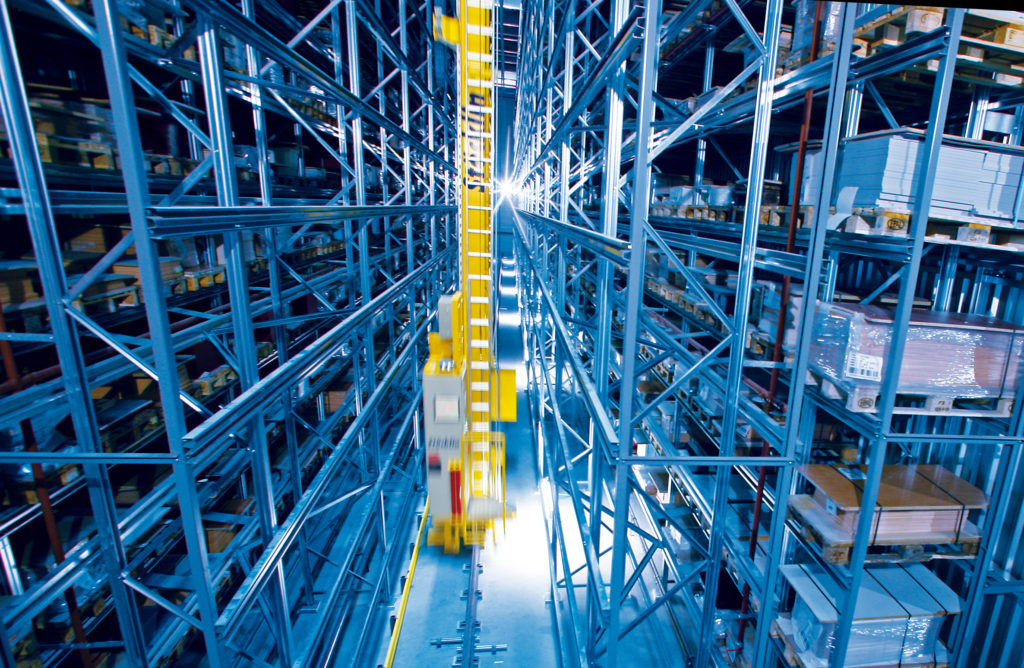
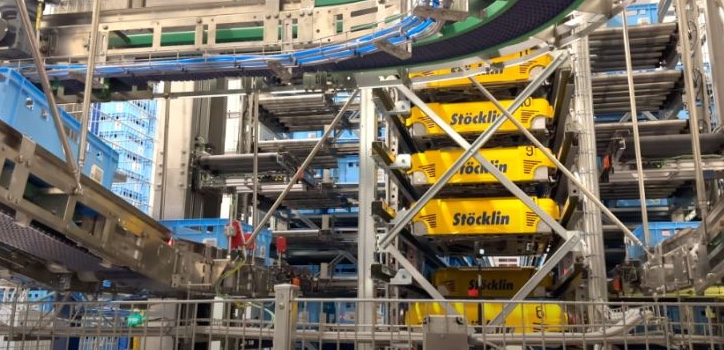
Many turn to an ASRS for its ability to drastically improve operational efficiency. Traditional warehouses can be labor intensive, requiring manual picking, packing, and storing goods. However an ASRS handles these tasks seemingly effortlessly, without the need for human intervention. Automated cranes and shuttles rapidly move the items to and from storage, significantly reducing the time it takes to fulfill orders. In high-density storage, ASRS solutions help optimize space utilization by storing goods in compact, densely packed areas—maximizing storage capacity, and eliminating the time it takes to search for items. Because automated systems can handle repetitive tasks with precision and speed, they enable faster turnaround times and fewer fulfillment errors.

2. Increased accuracy and reduced errors

Accuracy is essential in the supply chain and automated systems are equipped with advanced technology like sensors, cameras, and real-time processing capabilities to ensure precise tracking and inventory retrieval. By eliminating the risk for human error, an ASRS ensures stock levels are always accurate and only the intended goods are being picked from storage. An ASRS can automatically sort and route items, reducing the chance of misplaced inventory. This level of precision improves customer satisfaction by ensuring orders are accurately fulfilled and reduces costs associated with potential returns and rerouted goods.

3. Scalability for growing demands

Because of the unpredictability of the supply chain, having a solution that is scalable with demand is critical. Thankfully, an ASRS is flexible and can adjust to shifting needs without requiring major changes to the structure of the warehouse. The modularity of the solutions allow for easy reconfiguration to handle varying inventory levels and changing order volumes. In peak seasons for example, an ASRS can be quickly reconfigured to handle increased throughput. Having a scalable solution is essential for companies looking to remain competitive, allowing them to manage larger volumes of inventory and fulfill orders more efficiently without compromising on quality.

4. Addressing labour challenges and safety concerns

Additionally, labour shortages remain a pressing challenge in warehouses and DCs. Driven by demographic shifts, mass retirements, and evolving job market expectations, labor shortages can cause significant delays. However, an ASRS reduces the reliance on manual labor and is able to work around the clock to fulfill orders. Relying on an ASRS allows human workers to focus on more valuable activities. Additionally, ASRS solutions enhance workplace safety by handling hazardous tasks and heavy lifting, reducing the risk of injuries. By minimizing human intervention, warehouses and DCs can create safer working environments and improve overall operational safety.

5. Promoting sustainability and reducing environmental impacts

With a growing awareness about environmental impacts, sustainability has become a leading priority for businesses around the world. ASRS solutions play a key role in promoting eco-conscious supply chain practices like making better use of space. By cutting down the need for big warehouse facilities, automated systems help save energy, environmental habitats, and shrink carbon footprint linked to large-scale operations. And, with maximum precision, automated systems reduce the risk for wasted goods and materials. Additionally, many ASRS solutions are designed with energy-saving features like regenerative braking and efficient power management to further improve sustainability.

6. Integrating with advanced technologies

The benefits of an ASRS solution only get better when combined with other advanced technologies. When you integrate these systems, you can predict when maintenance will be needed, keep an eye on operations in real time, and make smarter decisions — all of which boost the overall effectiveness of automated systems. For example, integrated advanced AI algorithms can help analyze data from an ASRS to help predict potential issues before they occur, allowing for proactive maintenance and reducing downtime.

Forward-thinking

It’s clear that automation is transforming warehousing and distribution. By enhancing efficiency, accuracy, scalability, and sustainability, ASRS are not only optimizing operations but are setting new industry standards. As technology continues to advance, automation will continue to reshape the future of supply chain management — -driving innovation and fostering greater resilience in an increasingly complex global marketplace.

similar news

Rethinking ASRS and Robots


Source link

0 comments
0 FacebookTwitterPinterestEmail
Newer Posts
Older Posts

Recent Posts

  • Blend of Solutions in Contract Logistics
  • Middle East Conflict Drives Surge in Spot Freight
  • On Another Level – Logistics News
  • Interroll to Acquire Royal Apollo Group
  • Warehouse Property – Essential Partnership

Recent Comments

No comments to show.

Social Connect

Whatsapp

Recent Posts

  • Blend of Solutions in Contract Logistics

  • Middle East Conflict Drives Surge in Spot Freight

  • On Another Level – Logistics News

  • Interroll to Acquire Royal Apollo Group

  • Warehouse Property – Essential Partnership

Newsletter

Categories

  • Services (1,108)
  • Uncategorized (41)

@2024 - All Right Reserved. Designed and Developed by Sierraline Cargo services

Manage Consent
To provide the best experiences, we use technologies like cookies to store and/or access device information. Consenting to these technologies will allow us to process data such as browsing behavior or unique IDs on this site. Not consenting or withdrawing consent, may adversely affect certain features and functions.
Functional Always active
The technical storage or access is strictly necessary for the legitimate purpose of enabling the use of a specific service explicitly requested by the subscriber or user, or for the sole purpose of carrying out the transmission of a communication over an electronic communications network.
Preferences
The technical storage or access is necessary for the legitimate purpose of storing preferences that are not requested by the subscriber or user.
Statistics
The technical storage or access that is used exclusively for statistical purposes. The technical storage or access that is used exclusively for anonymous statistical purposes. Without a subpoena, voluntary compliance on the part of your Internet Service Provider, or additional records from a third party, information stored or retrieved for this purpose alone cannot usually be used to identify you.
Marketing
The technical storage or access is required to create user profiles to send advertising, or to track the user on a website or across several websites for similar marketing purposes.
  • Manage options
  • Manage services
  • Manage {vendor_count} vendors
  • Read more about these purposes
View preferences
  • {title}
  • {title}
  • {title}
Sierraline Cargo Services
  • HOME
  • Services
    • Trade With Us
  • About Us
  • Contact Us
  • private jet
    • BOOK YOUR JOURNEY
  • Track Packages
  • Insurance
  • safekeeping

WhatsApp us