Sierraline Cargo Services
  • HOME
  • Services
    • Trade With Us
  • About Us
  • Contact Us
  • private jet
    • BOOK YOUR JOURNEY
  • Track Packages
  • Insurance
  • safekeeping
Services

The Benefits to Trailer Side Skirts

by
written by


25th November 2024

Logistics BusinessThe Benefits to Trailer Side SkirtsLogistics BusinessThe Benefits to Trailer Side Skirts

As the European Union tightens its regulations on trailer aerodynamics, Ewals Cargo Care are taking proactive steps to meet and exceed these standards. The upcoming Vecto-rules, mandating a 10% reduction in CO₂ emissions for new trailers by 2030, represent a forward-looking approach to addressing climate change. Although trailers themselves do not directly emit CO₂, their design plays a critical role in the fuel efficiency of the trucks towing them. Improving the aerodynamic performance of trailers can lead to significant reductions in fuel consumption, which in turn lowers overall CO₂ emissions.

Consider a conventional box-shaped trailer, which creates significant air resistance when hauled by a truck. Adding features like side skirts, rear trailer tails, and smooth underbody panels can streamline airflow and reduce drag. For instance, a study by the North American Council for Freight Efficiency (NACFE) showed that adding side skirts to trailers can improve fuel efficiency by up to 7%, while trailer tails can contribute another 4-5%. These modifications collectively reduce the energy the truck needs to maintain speed, leading to lower fuel consumption and a corresponding decrease in emissions.

Ewals’ approach to innovation

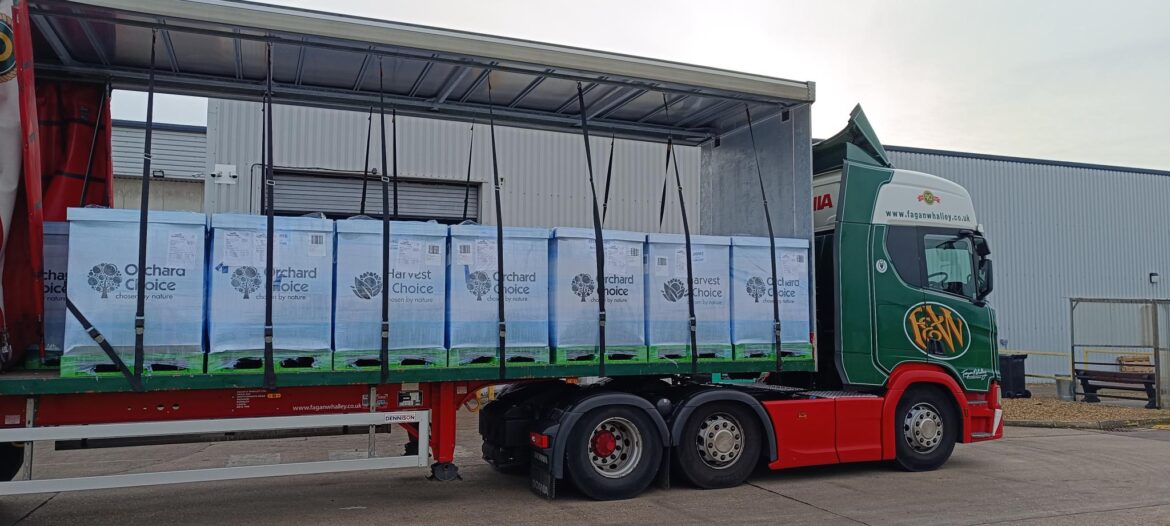
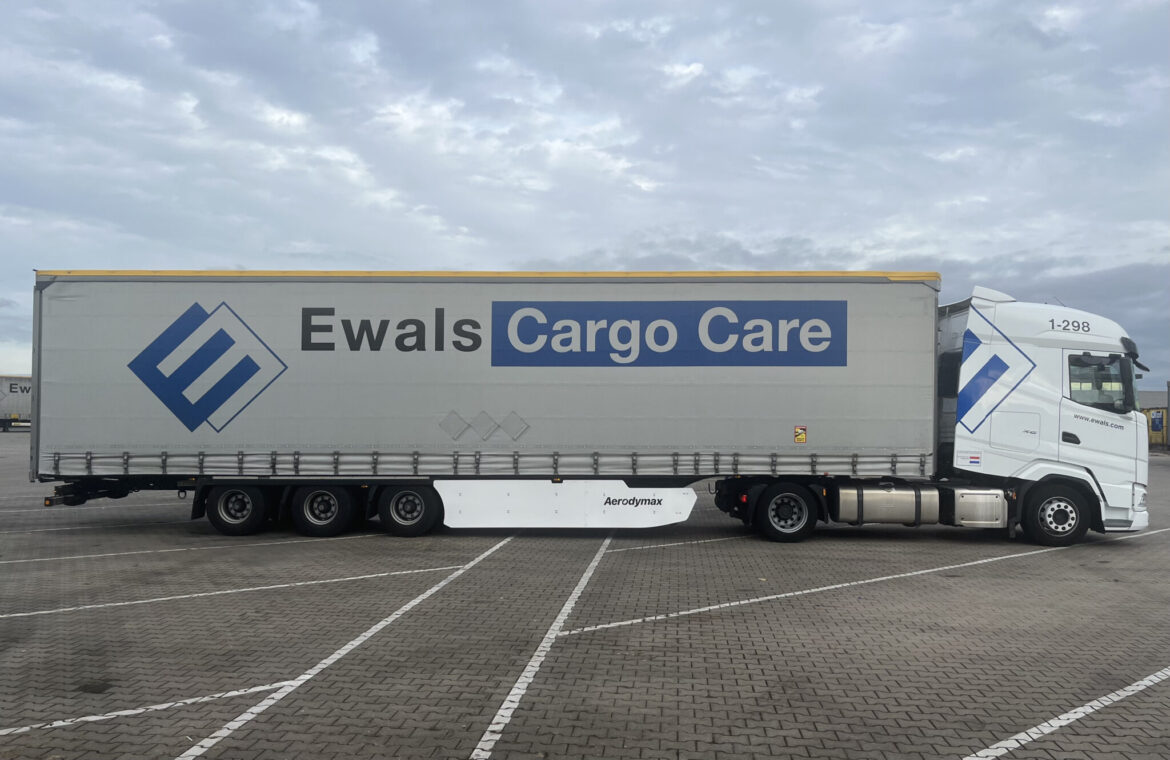
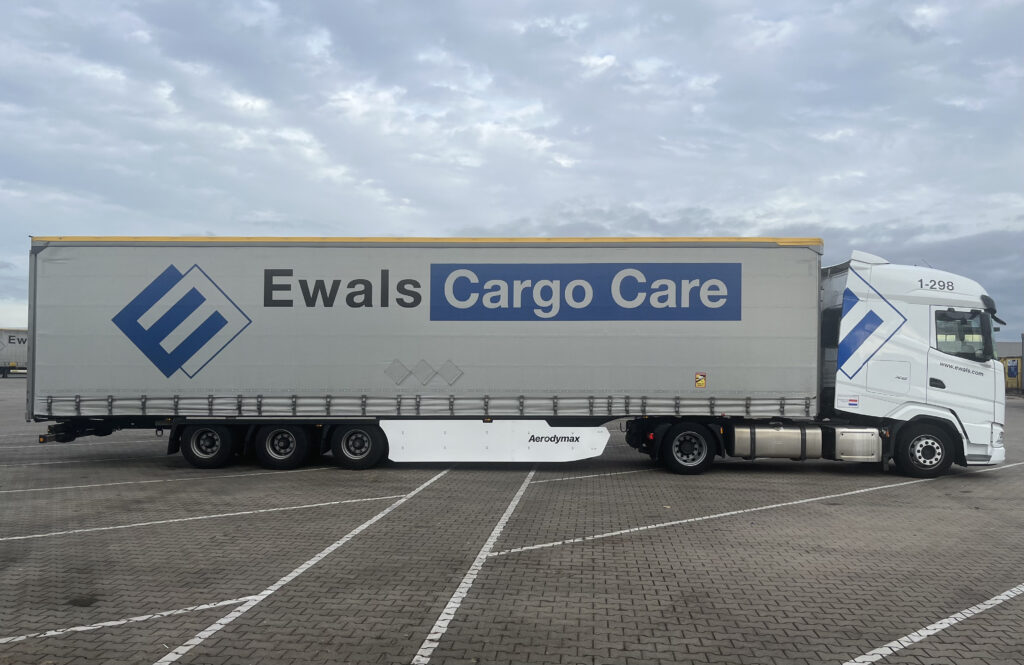
Ewals Cargo Care are starting with a pilot program to test a single trailer equipped with Aerodymax’s side skirts. This innovation can reduce fuel consumption and emissions by up to 5%. This pilot will allow Ewals to evaluate their performance in various transport modes, including ferry and rail. Lashing trailers on ferry ships and positioning trailers with side skirts into train wagons will require monitoring for potential damage or wear and tear. However, they hope for a positive result from the pilot. By embracing innovative solutions like aerodynamic skirts, Ewals are not only complying with regulations but also innovating in sustainable way.

Read Similar…

Survey Finds 70% of Fleets Impacted by Distracted Driving


Source link

0 comments
0 FacebookTwitterPinterestEmail
Services

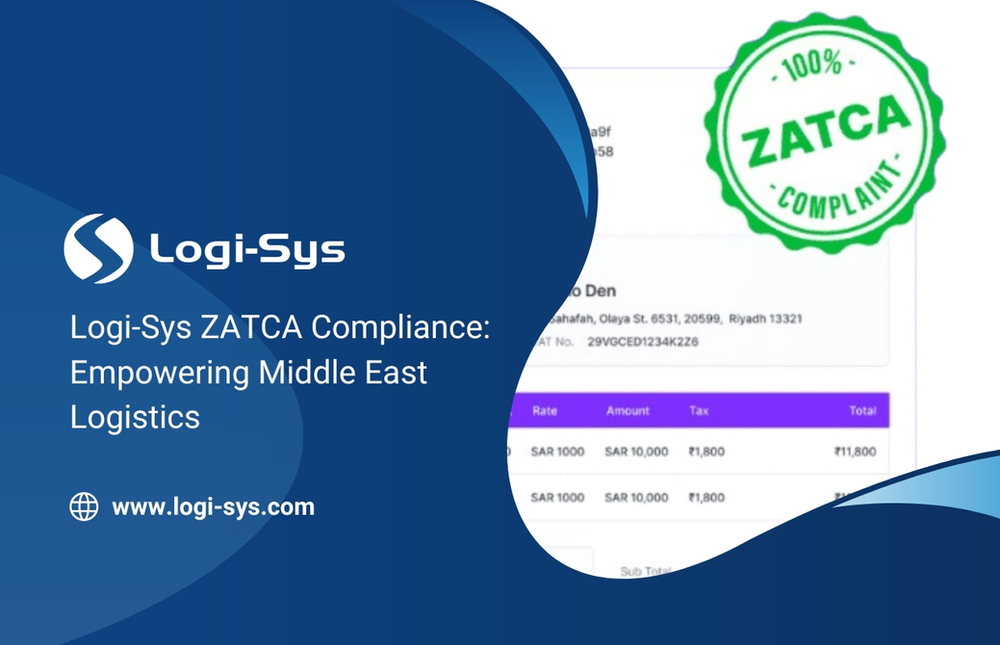
Logi-Sys ZATCA Compliance: Empowering Middle East Logistics

by
written by


The Middle East logistics market is booming, driven by growth in international trade and strategic infrastructure investments. With its central position, Saudi Arabia is fast becoming a logistics hub, but it also faces rigorous regulatory standards. Meeting ZATCA (Zakat, Tax, and Customs Authority) requirements is now a priority for companies operating in the Kingdom, impacting how logistics providers manage invoicing and reporting. Here’s a closer look at how ZATCA compliance is reshaping logistics in the region and how technologies like Logi-Sys are helping businesses stay ahead.

Why ZATCA Compliance Matters

ZATCA compliance mandates that businesses across sectors—whether B2B, B2C, or B2G—adhere to standardized e-invoicing and reporting formats to improve tax transparency and accuracy. Freight forwarders and logistics providers in Saudi Arabia need to issue bilingual invoices, incorporate QR codes, and report transactions through specified digital channels, covering all transaction types. This shift is more than administrative; it influences daily operations and requires logistics providers to adopt solutions that automate these compliance steps.

How Logi-Sys Supports ZATCA Requirements

Logi-Sys has been updated to support freight forwarders in navigating the new ZATCA e-invoicing requirements with ease. The system now enables users to generate compliant invoices in both Arabic and English, complete with ZATCA-approved QR codes, and submit transaction details as mandated. This functionality simplifies the compliance process and reduces the risk of manual errors, allowing logistics companies to meet ZATCA standards seamlessly and accurately.

For companies looking to improve operational efficiency while ensuring compliance, Logi-Sys presents an integrated approach to logistics management, covering everything from shipment tracking to invoicing and regulatory reporting—all in one platform.

Technology-Driven Compliance Beyond ZATCA

The move toward digital compliance in Saudi Arabia is part of a larger trend in the Middle East and globally. Logistics providers across regions are leveraging technologies that not only streamline operations but also automate adherence to local and international regulatory standards. For example, in India, Softlink Global—creator of Logi-Sys—has integrated with ICEGATE (Indian Customs Electronic Commerce/Electronic Data interchange Gateway), ensuring compliance with India’s digital customs requirements. This alignment reflects Softlink’s commitment to regulatory ease for its clients worldwide.

In addition to ICEGATE, Softlink’s applications support various international standards such as AMS, AES, ISF, ACI, and JP24 (AFR) for customs clearance, security, and other compliance needs. The software also facilitates customs permit filings in several countries, including Singapore, the Philippines, Fiji, Bangladesh, and Jamaica, among others. By enabling compliance across these different frameworks, Softlink empowers logistics companies to expand globally with minimal friction.

Key Benefits of ZATCA-Ready Solutions

Automated bilingual invoicing, QR code integration, and streamlined reporting directly address ZATCA requirements, eliminating the need for manual processes

By integrating compliance within the logistics management system, Logi-Sys allows freight forwarders to focus on core activities, minimizing time spent on regulatory administration

Automation helps avoid common compliance errors, reducing the risk of penalties and improving the accuracy of tax submissions

Navigating the Future of Logistics in the Middle East

As ZATCA continues to drive change in Saudi Arabia’s logistics sector, businesses are adapting to an era where technology is essential for compliance and operational efficiency. With Logi-Sys, freight forwarders are well-equipped to tackle ZATCA requirements while benefiting from a comprehensive logistics management solution. The demand for similar systems is expected to rise as other Middle Eastern countries consider implementing digital compliance mandates, ensuring the region’s position as a competitive and transparent logistics powerhouse.


Source link

0 comments
0 FacebookTwitterPinterestEmail
Services

The Driving Force Behind the Logistics Industry

by
written by


Data is the key driver of the logistics industry. Organisations require information about the time they need to process an order, get the shipment ready, arrange for transport, put the item on a transport vehicle and make a timely delivery. Without data, companies may not know how to address inefficiencies or protect themselves from disruptions in transportation routes. Fortunately, data tools for logistics are abundant. Businesses can integrate technology into existing systems to optimise routes, find problems in order processing and cut costs. By implementing these technologies, logistics professionals can guide effective decision-making that improves efficiency and accuracy.

Gain Insights About Transportation Patterns

Logistics professionals have to remain current on the latest transportation patterns, which they can achieve with data. Descriptive analytics uses past data to identify changes in preferences over time. Predictive analytics can take this data to highlight changes to transportation patterns and potential disruptions to movement. With this information, logistics companies can be certain they have the most accurate information for forecasting and order management.

Optimise Routes

The choice of shipping route affects costs, delivery time and overall efficiency, highlighting opportunities for technology to optimise the route. Companies select shipping routes based on a variety of factors, including traffic, cost of fuel and the potential for lengthy delays. Optimising the route helps to reduce costs and time spent making a delivery, particularly in the last few kilometres of a journey. Prescriptive analytics can provide detailed information based on historical and current trends, automatically highlighting routes that improve performance.

Improve Efficiency

Data can provide the tools to increase efficiency at all points in the process, from forecasting demand and increasing the robustness of the supply chain to improving the order process. Companies need to know how demand is changing for a particular product, so they can maintain an ideal inventory to handle it. Predictive analytics can also highlight weaknesses in the supply chain, so that businesses can identify alternatives. AI can automate various aspects of the order management process, to minimise bottlenecks and complete order processing more accurately.

Reduce Excess Costs

Cognitive analytics, as part of a comprehensive package of data analysis, can reduce excess costs at every stage. Companies spend more to have a human perform tasks that AI can do autonomously. Implementing an AI system allows a business to verify inventory and process an order quickly, highlighting any problems for prompt review. The system can also use past data

to identify existing problems with various processes, so that professionals can address them. These improvements increase the accuracy of each order, decreasing the financial impact of returns or lost clients.

Increase Customer Satisfaction

Ultimately, the incorporation of data into a transport management system leads to better outcomes in customer satisfaction. Customers expect orders to be processed efficiently, calling for an accurate and sensitive inventory management system. They also want deliveries to occur quickly and accurately, with tracking that provides relevant information and does not compromise their personal security. Integrating analytics into all systems can ensure that customers get everything they need during each step of the process.

Data integration is transforming the efficiency and accuracy of many worldwide industries, transportation and logistics in particular. With technology’s ability to handle massive amounts of data in record time, the benefits are obvious. Recording and processing data provides crucial information for businesses to improve their processes to meet the needs of the future. Using data analytics to analyse past problems, evaluate the potential for solutions and create a plan to weather future changes can save companies significant time, money and effort.

Read Similar…

Research Highlights Untapped Potential of AI to Boost Fleet Safety


Source link

0 comments
0 FacebookTwitterPinterestEmail
Services

Common Entry Point in Warehouse Cyberattacks

by
written by


Ivanti, a tech company that breaks down barriers between IT and security so that ‘everywhere work’ can thrive, released its latest report on Supply Chain and Warehouse Trends in 2024 and Beyond, which reveals the state of the industry, key insights from insiders and trends to watch.

According to Ivanti research, 32% of warehouse respondents report that social engineering is one of the most-used entry points in warehouse cyberattacks – tied with software vulnerabilities (32%) and followed by devices (19%). As the backbone of the supply chain, a cyberattack on a warehouse can result in major consequences such as significant operational downtime, damage to a company’s reputation and financial losses. Given the vast amount of data warehouses possess, hackers may also obtain access to sensitive customer information, impacting trust and loyalty. Despite these risks, according to supply chain managers, cybersecurity is a top concern for only 58% of warehouses, while 13% do not view it as a concern at all.

“The supply chain industry has been slow to adapt to the evolving cybersecurity landscape. With the rise of warehouse modernization, the proliferation of IoT devices and the growing rate of cybercriminals targeting this industry, the risk of damaging cyberattacks has significantly increased. Without adaptation, the supply chain industry won’t have the resilience needed to address looming threats,” said Daren Goeson, SVP Product Management, Unified Endpoint Management at Ivanti. “Warehouse and supply chain managers must adopt a multilayered approach, utilizing advanced training and unified endpoint management (UEM) solutions to help mitigate or prevent human error.”

Key findings from the report include the following:

• Budget Priorities & Strategies:

The top budget priorities for supply chain managers are sourcing and procurement (41%), workforce productivity (40%), automation technologies (39%), and lowering operating costs (39%). However, none of these priorities will function properly in the event of a significant cyberattack. This emphasizes the urgent need for supply chain managers to prioritize cybersecurity in their overall strategies.

• Modern Warehouses: A Recruitment and Retention Tool:

Warehouse workers are drawn to modern warehouses equipped with robots and AI that can automate mundane tasks and help them achieve KPI targets efficiently. While only 39% of managers recognize the significant impact of new technology and modern devices on recruiting and retaining employees, almost all (94%) supply chain workers who use technology like automation, AMRs and AI believe that these tools enhance their productivity and efficiency. Additionally, 35% view robotic automation as a promising solution to address worker shortages in warehouses.

Ivanti conducted a survey in 2024, with 800 supply chain professionals from multiple countries, including the US, UK, France and Germany. Respondents had to work in a supply chain, manufacturing and/or warehouse setting.

similar news

Shipping Industry Remains Easy Cyber Target


Source link

0 comments
0 FacebookTwitterPinterestEmail
Services

Top Five Myths About Working in Cold Temperatures

by
written by


With the colder months now upon us, average temperatures in the UK are expected to drop well below 10˚c. For those working in the logistics industry and other jobs where the work is predominately based outdoors, this means measures must be taken to ensure their safety and well-being. That’s why experts at bespoke material and handling equipment manufacturers, BlueTrolley have debunked five common myths around working outdoors in cold temperatures and what preventative measures employers should be implementing.

Myth 1: There’s a Minimum Legal Temperature for Work

Despite it being widely believed, there is no legally mandated minimum temperature at which work must cease in the UK. However, employers have a duty of care to ensure the health and safety of their employees, which includes providing a comfortable working environment.

This responsibility is enshrined in health and safety regulations, which stipulate that employers must take action to reduce the risks associated with working in extreme cold. Measures such as providing insulated clothing, ensuring regular breaks, and offering hot drinks are all expected as standard from employers to protect their workforce.

Myth 2: Layering is Always the Best Way to Stay Warm

While layering clothing is an effective way to stay warm, there’s a misconception that more layers automatically provide better insulation. The key is wearing the right type of layers – moisture-wicking fabrics close to the skin, insulating layers in the middle, and waterproof or windproof outer layers.
Employers should provide or advise on appropriate work attire for cold weather, ensuring workers stay warm without sacrificing mobility or safety.

Myth 3: Cold Weather Burns More Calories

It’s a common belief that working in cold temperatures causes the body to burn more calories. While your body does use energy to maintain warmth, the difference in calorie burn is minimal unless you’re shivering or in extremely cold conditions. Instead, focus on maintaining energy levels by eating nutritious meals and staying hydrated with warm, non-caffeinated beverages to keep your body fuelled and ready to handle cold environments.

Myth 4: It’s Best to Avoid Drinking Water in Cold Weather

Because you may not feel as thirsty in cold weather, many people assume that they don’t need to drink as much water. However, staying hydrated is just as important in cold weather as it is in hot conditions, as dehydration can still occur, especially with physical labour. To stay properly hydrated, drink water regularly, and consider warm beverages that can help maintain your body’s temperature without depleting your hydration.

Myth 5: Frostbite is Rare and Easy to Spot

Frostbite may seem like an extreme condition that only happens in the most severe cold, but it can occur quicker than many people realise, especially when skin is exposed to freezing temperatures. Additionally, frostbite can be difficult to detect in the early stages, as the affected areas may become numb. To prevent frostbite, wear insulated gloves, hats, and boots, and check your skin regularly for signs of cold damage, like redness or tingling.

Commenting on the myths, a spokesperson for BlueTrolley said: “The colder months bring several challenges for employees and employers, so we thought debunking a few common misconceptions on the subject, as well as advice on what measures need to be taken, could help overcome them. It is imperative that all possible measures are taken to keep those working outdoors during winter safe. Things like providing PPE with the appropriate amount of warmth and free hot drinks are easy implementations that can make a huge difference to employees braving the cold on a daily basis.”

similar news

Staying ahead of unpredictable weather


Source link

0 comments
0 FacebookTwitterPinterestEmail
Services

Red Sea Disruption Continues to Effect Shipping

by
written by


The Red Sea shipping crisis has hit headlines again recently, following a series of Houthi attacks on the 163,759-deadweight tonnage M/V Sounion tanker. 

Occurring late in the summer, the attack and subsequent disruption of shipping operations in the Red Sea has the potential to have more of an economic impact across the globe at a time when retailers are doubling down in the run-up to Christmas.

Understanding how much the red sea disruption has already affected shipping 

There was estimated to have been 21,344 ships which crossed the Red Sea during 2023. This works out at around 59 ships using the shipping route each day, with these making up 12 per cent of global trade throughout that year.

However, defence and security think tank the Royal United Services Institute reports that just 905 cargo-carrying vessels sailed in the Red Sea in July 2024 – which is about 30 ships per day.

This is just one startling fact about the impact that the Red Sea tensions has had on the shipping industry. Integrated container logistics and supply chain services specialist Maersk has stated that the crisis has resulted in the following challenges:

  • Cargo travel distances has increased by an average of nine per cent, due to vessels needing to go around Africa via the Cape of Good Hope to avoid the Red Sea route. This has resulted in a rise in transit times, as well as more ships being required to transport the same amount of cargo.
  • Due to increased transit times and additional ships being needed, this has also caused the number of vessels being available to transport cargo to reduce considerably.
  • Another knock-on effect of ships taking a longer route to avoid the Red Sea route is that both carriers and businesses are subjected to increased costs.These costs are to cover the additional time, fuel and resources required to complete an extended journey.

The Insights Unit of the British Chambers of Commerce has also shed light on how the Red Sea disruption has impacted businesses across the UK. According to their research, over 55 per cent of UK exporters believe they’d been impacted by the crisis. More than 53 per cent of business-to-consumer service firms and manufacturers felt the same way.

Firms surveyed pointed out that they’ve noticed increased costs – some have seen rises of 300 per cent for container hire, for example – as well as logistical delays, whereby up to three or four weeks have been added to delivery times.

Andrew Thompson is the Chief Executive Officer of the Cleveland Group. The Group consists of Cleveland Hire, Cleveland Modular and Cleveland Containers, the latter of which offers the widest selection of containers in the UK, including 20ft containers. He commented on the disruption experienced earlier this year by saying: “It’s difficult to ignore the ongoing impact of the Red Sea crisis on our shipping operations.

“In response to these terrible ongoing attacks, shipping lines are understandably acting on their heightened security concerns and are continuing to reroute as a precautionary measure. We are anticipating a 2-3 week delay in container deliveries into the UK, which creates a knock-on effect for our customers.”

Ways that retailers can reduce delays in the lead up to Christmas

Insights by INVERTO, which is the specialist supply chain management arm of the Boston Consulting Group, has suggested that retailers across the UK have already had to alter their procurement strategies significantly in the lead up to the Christmas trading period.

INVERTO’s Principal Patrick Lepperhoff commented: “The prolonged impact of Red Sea disruptions is having knock-on effects across supply chains. Usually, the summer is a quiet time for shipping and warehousing. However, at present, the shipping industry is remarkably busy, as the complex process of getting shops stocked for the key Christmas period is moved forward by two months.

“This has put pressure on the retailers themselves as they take in more stock early, for which they may not have warehouse space. Instead, retailers will need to seek short-term storage back-up space, which can be very costly.”

Block-space agreements, whereby retailers and carriers can negotiate a price for a fixed weight or volume of cargo in the future, has been recommended by INVERTO to ensure retailers have absolute clarity on available stock and upfront costs.

The company also advises retailers to:

1.      Set up a logistics taskforce, which will work to monitor freight rates and lead times with the aim of optimising costs.

2.      Look into AI solutions, which can analyse real-time rate fluctuations and conditions to identify optimal shipping routes.

3.      Strike up stronger relationships between suppliers and procurement, with the aim of looking into options for nearshoring so that supply chains become more resilient to risks in the future.

Maersk has echoed these recommendations, stating that businesses should invest more in data analytics and build solid partnerships in the supply chain sphere when learning from the Red Sea disruption.

They also advise retailers to look into supply chain diversification, as a business having numerous material suppliers covering various regions can help them to reduce the impact felt on any supply chain disruptions.

Read Similar…

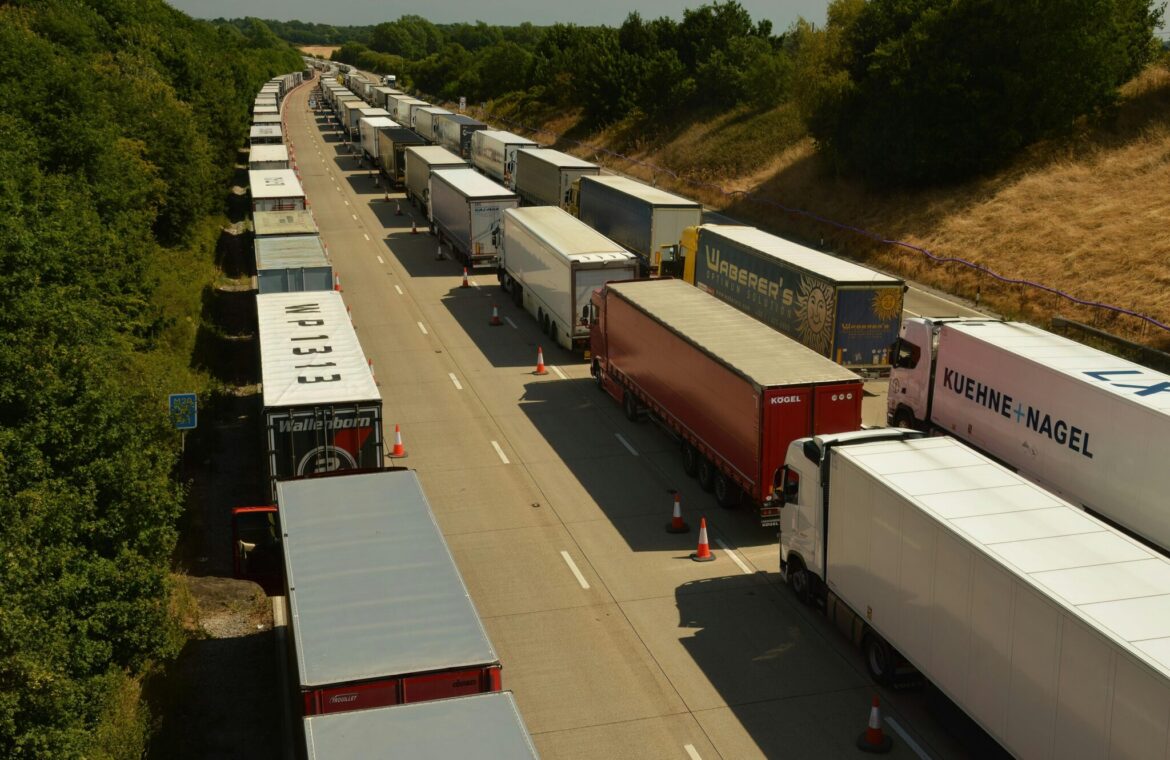
English Channel Supply Chain Delays threaten Christmas


Source link

0 comments
0 FacebookTwitterPinterestEmail
Services

Food Manufacturer Transforms their Pallet Management

by
written by


Chelmer Foods, a leading supplier of dried fruits, nuts, seeds, and pulses for industries including cereal manufacturing, bakeries, snack foods, and food service suppliers, has partnered with Tosca to streamline its pallet management operations. By switching to Tosca’s pooled plastic pallets, Chelmer Foods significantly reduced complexity, achieved quality consistency, and bolstered customer satisfaction.

Addressing Operational Challenges with Innovative Pallet Management

Due to its business growth, Chelmer Foods faced mounting challenges associated with managing thousands of pallets across four internal locations. With a global sourcing network spanning over 20 countries, Chelmer Foods was managing around 6,000 second-hand plastic pallets, whose inconsistent quality led to ongoing issues with durability and reliability, creating operational inefficiencies. Breakages and repairs not only took up valuable resources but also impacted customer satisfaction. Additionally, Chelmer Foods needed a reliable, efficient solution to meet its customers’ fast-growing demand for food-grade plastic pallets.

Chelmer Foods recognised that a more sustainable, efficient approach was essential to meeting both operational needs and customer expectations. Simon Heather, Director at Chelmer Foods, reflects on their initial situation and the search for a dependable partner: “Since the initial discussions with Tosca began, the process has been extremely straightforward and has genuinely reduced the noise surrounding plastic pallets & associated issues.”

Tosca’s Solution: Reliable, Cost-Effective, and Customer-Centric

Chelmer Foods switched to Tosca’s MP3/DIC 1210 pooled reusable plastic pallets, immediately experiencing the benefits of this solution. Tosca’s food-grade MP3/DIC 1210 pallets offered consistently high quality, immediately eliminating the issue of broken pallets that had previously complicated Chelmer Foods’ operations. The seamless transition not only improved customer satisfaction but also built on existing relationships, as many of Chelmer Foods’ customers were already familiar with Tosca’s reliable service.

Tosca’s pooling system also relieved Chelmer Foods of the burdens associated with pallet maintenance, repairs, and logistics. No longer needing to worry about pallet tracking or breakages, Chelmer Foods was able to refocus efforts on its core business. With Tosca handling all aspects of pallet management, the efficiency gains also extended to significant savings, as the time and effort Chelmer Foods previously spent on pallet repairs and collections were drastically reduced.

The switch to Tosca’s pooled reusable plastic pallets enabled Chelmer Foods to meet the growing demand for plastic pallets and strengthened its customer relationships, as well as improving supply chain reliability. Additionally, Tosca’s established connections with many of Chelmer Foods’ customers, ensured a seamless and trusted process.

Simon Heather, Director at Chelmer Foods, is impressed with the smooth transition to Tosca’s solution: “Tosca’s pre-existing relationships with our customers have certainly made for a smooth transition, and it has gone exactly as planned.”

Collaborating for a Sustainable and Forward-Looking Supply Chain

Looking ahead, Chelmer Foods is actively collaborating with Tosca on several initiatives supporting its efficiency and sustainability goals. The two companies are exploring the potential use of Tosca pallets for inbound overseas deliveries, an initiative that would further streamline the supply chain. Chelmer Foods is also considering the introduction of Tosca’s foldable bins, aligning with industry trends that increasingly favour plastic for regulatory compliance.

Heather speaks to the value of Tosca’s adaptability and long-term collaboration, sharing, “Looking forward is always slightly tricky with demand from our customers ever-changing, but in Tosca, I know that we have a partner that is flexible and has a willingness to try to solve those demands alongside us.”

Through its partnership with Tosca, Chelmer Foods has redefined its pallet management approach, achieving operational efficiencies, enhancing customer satisfaction, and embracing a sustainable future. This successful collaboration showcases how a tailored, high-quality pooling solution can address complex supply chain needs, empowering businesses to meet evolving market demands while reducing operational burdens.

Read Similar…

Navigating Black Friday Logistics


Source link

0 comments
0 FacebookTwitterPinterestEmail
Services

Survey Finds 70% of Fleets Impacted by Distracted Driving

by
written by


According to a recent survey conducted by Teletrac Navman, 70% of businesses have experienced the effects of distracted driving incidents. Notably, 68% of survey respondents identified mobile phone use as the primary cause of these distractions.

Distracted driving remains a pressing issue for businesses operating in today’s fast-paced environment. As the reliance on mobile devices grows, so does the potential for distraction behind the wheel. Teletrac Navman’s survey revealed that nearly 49% of respondents said that distracted driving had a direct financial cost on their business; 40% said it caused operational disruptions; 28% said it led to safety & compliance breaches; and 25% experienced reputational damage. According to the Department for Transport’s 2023 report on Road Accidents & Safety Statistics, there was a staggering 14,121 accidents involving light to heavy goods vehicles, including buses and coaches.

“This is a statistic that underscores the need for urgent action, and this report documents how fleet operators around the world are looking to make a significant change,” said Alain Samaha, CEO, Teletrac Navman. “Safety and distracted driving jeopardizes the lives of drivers and the general public but also poses significant commercial risks. These risks can lead to increased insurance premiums and various direct costs associated with safety incidents, underscoring the critical importance of prioritizing safe driving practices within the industry.”

Technology, training, and developing a culture of safety are three tactics being employed by fleet operators to reduce the number of incidents. Among the array of technologies employed, 78% of respondents are using advanced telematics solutions. This includes various tools such as forward-facing cameras, driver-facing dash cams and digital coaching apps, which collectively enhance visibility into driver behavior and operational safety.

70% of respondents are using technology in conjunction with coaching programs to reinforce safe driving practices. This combination is proving effective, particularly with driver and forward-facing cameras, where an impressive 80% of users reported a positive impact. This shows a clear correlation between the overall effectiveness of interventions and the variety of solutions deployed and that the most substantial impact is achieved through the implementation of multiple, complementary solutions. In fact, 73% of respondents believe their solutions for reducing distracted driving were effective, with the data providing insights into the perceived impact of these solutions.

“Our customers seek effective solutions that not only enhance driver well-being but also ensure operational efficiency and sustainability, but prioritizing safety is paramount,” added Samaha. “Our commitment is to empower fleet operators with the tools they need to create safer work environments.”

Read Similar…

UK Parcel Delivery to Lead Europe This Festive Season


Source link

0 comments
0 FacebookTwitterPinterestEmail
Services

Supply Chain Predictions for 2025

by
written by


21st November 2024

Logistics BusinessSupply Chain Predictions for 2025Logistics BusinessSupply Chain Predictions for 2025

Looking ahead to 2025, Supplyframe shares its predictions on the electronics supply chain industry, including AI, resilience, and other industry thoughts, by its CMO, Richard Barnett.

1. Resilience will rise in 2025

Electronics supply chains will focus on resilience, AI integration, and sustainability in the coming year as companies seek to gain the visibility and capabilities to stay ahead of numerous challenges and forms of risk.

In terms of resilience, supply chains will continue to seek ways to identify components that pose lower levels of risk, cost, availability, or general ease of sourcing. Part of this effort will also be driven by the continued process of nearshoring as organizations seek to localize their supply base to reduce risk.

2. AI gets white hot in supply chain

The buzz surrounding AI continues as supply chains seek novel ways to integrate the technology. In 2025, organizations will focus on new applications for the technology that allows them to quickly parse supply chain intelligence or automate manual tasks in design, sourcing, and procurement.

3. A new focus on sustainability

Sustainability has continued to grow in terms of overall focus. In 2025, organizations will look for ways to address scope-3 emissions in their supply chains (supplier and logistics emissions), accounting for roughly 40% of a product’s carbon footprint. New forms of intelligence allow for a deeper understanding of an individual component’s CO2 emissions, providing teams with insights that allow them to consider sustainability earlier in the design process than ever.

4. Challenges will continue throughout the industry

Global chip shortages have improved overall, but demand continues to outpace supply in many categories as new capacity takes years to come online. Semiconductors, of course, also have notoriously long manufacturing lead times.

similar news

Supply Chain 2024 Predictions


Source link

0 comments
0 FacebookTwitterPinterestEmail
Services

Solution To Decarbonise Transport & Logistics

by
written by


Digital Catapult, a deep tech innovation organisation, has announced the results of a pilot programme it delivered to address the environmental impact of empty trucks on roads across the UK. The initiative trialled a new solution to decarbonise the transport-logistics sector, demonstrating a potential to cut CO2e emissions by 15-30%.

UK logistics play a critical role in driving economic growth, contributing £163 billion to the economy, and serving as a vital link between the UK and the global market. UK freight however accounts for 31% of all UK transport CO2 emissions, and statistics from the Department for Transport (DfT) show that 30% of trucks on UK roads are running with empty loads. The sector is under pressure to decarbonise without compromising on efficiency, and the pilot programme proved that deep tech can achieve this.

The pilot scheme was delivered by Digital Catapult in partnership with AF Blakemore & Son Ltd to explore how a shared digital infrastructure could establish more intelligent vehicle slot filling, routing, and tracking. Scaling of the solution would allow competing logistics providers to safely share information on available truck space across their collective fleets, without the need for a single party to have full control or visibility of the entire system.

The solution was trialled in a real-world industrial environment, and saw distributed ledger technology (DLT) and the internet of things (IoT) combined with an algorithm developed by project partner Fuuse, to optimise route planning and truck use. It achieved this by matching vehicle transport capacity with shipment needs across multiple UK organisations, and saw a 37% decrease in overall transport costs and a 9% improvement in vehicle fill rate for AF Blakemore & Son Ltd, one of the UK’s most successful family owned businesses.

The project, titled the Logistics Living Lab, is a UK Research and Innovation (UKRI) backed project, led by Digital Catapult and delivered as part of the Made Smarter Innovation | Digital Supply Chain Hub, which has so far helped over 40 startups and SMEs to secure more than £3 million in funding. This latest success is testament to the value of convening capabilities to strengthen supply chains in the UK, drawing on the expertise of partners and funders including Incept Consulting, Microsoft UK, Pairpoint, and Parity Technologies.

Tim Lawrence, Director of the Digital Supply Chain Hub at Digital Catapult said: – “When we launched the Made Smarter Innovation Digital Supply Chain Hub three years ago, we knew the potential of deep technologies for UK supply chains, but as we begin to see the results of the flagship projects like the Logistics Living Lab, we can start to realise potential into impact. The solutions built through this unique industry collaboration deliver a triple benefit to the UK logistics sector by empowering the organisations that make up our complex supply chains, to become more efficient, reduce costs to improve their bottom line and make a lasting environmental difference to positively contribute to the future of the planet.”

Phil Roe, President at Logistics UK said: – “Decarbonisation is the biggest challenge of the age and the pressure on the logistics sector to play our part is significant. We must deliver this in line with our efforts to overcome challenges in trade, insufficient infrastructure and a shortage of skills. What the Logistics Living Lab project has demonstrated is that digital technologies and close industry collaboration can play a crucial role in accelerating the journey to net zero, allowing UK logistics businesses to focus on optimising their operations to contribute to boosting growth for the UK economy.”

The project’s activities and outcomes are now detailed in a newly published report, accessible through the Digital Supply Chain Hub. Digital Catapult and its partners plan to scale this solution to further decarbonise the UK logistics sector. Companies interested in collaborating can contact Digital Catapult for more information.

similar news

Digital Catapult Platform to Solve Supply Chain Setbacks


Source link

0 comments
0 FacebookTwitterPinterestEmail
Newer Posts
Older Posts

Recent Posts

  • One eHGV Could Save 1000 Tonnes of Carbon
  • Libiao Robotics Demonstrates AirRob PRO
  • New Sleeve Wrapper for Transport Packaging
  • LogiMAT 2026: Practical automation & AI define first 2 days
  • Pallet Transport Service Added – Logistics News

Recent Comments

No comments to show.

Social Connect

Whatsapp

Recent Posts

  • One eHGV Could Save 1000 Tonnes of Carbon

  • Libiao Robotics Demonstrates AirRob PRO

  • New Sleeve Wrapper for Transport Packaging

  • LogiMAT 2026: Practical automation & AI define first 2 days

  • Pallet Transport Service Added – Logistics News

Newsletter

Categories

  • Services (1,096)
  • Uncategorized (41)

@2024 - All Right Reserved. Designed and Developed by Sierraline Cargo services

Manage Consent
To provide the best experiences, we use technologies like cookies to store and/or access device information. Consenting to these technologies will allow us to process data such as browsing behavior or unique IDs on this site. Not consenting or withdrawing consent, may adversely affect certain features and functions.
Functional Always active
The technical storage or access is strictly necessary for the legitimate purpose of enabling the use of a specific service explicitly requested by the subscriber or user, or for the sole purpose of carrying out the transmission of a communication over an electronic communications network.
Preferences
The technical storage or access is necessary for the legitimate purpose of storing preferences that are not requested by the subscriber or user.
Statistics
The technical storage or access that is used exclusively for statistical purposes. The technical storage or access that is used exclusively for anonymous statistical purposes. Without a subpoena, voluntary compliance on the part of your Internet Service Provider, or additional records from a third party, information stored or retrieved for this purpose alone cannot usually be used to identify you.
Marketing
The technical storage or access is required to create user profiles to send advertising, or to track the user on a website or across several websites for similar marketing purposes.
  • Manage options
  • Manage services
  • Manage {vendor_count} vendors
  • Read more about these purposes
View preferences
  • {title}
  • {title}
  • {title}
Sierraline Cargo Services
  • HOME
  • Services
    • Trade With Us
  • About Us
  • Contact Us
  • private jet
    • BOOK YOUR JOURNEY
  • Track Packages
  • Insurance
  • safekeeping

WhatsApp us