Sierraline Cargo Services
  • HOME
  • Services
    • Trade With Us
  • About Us
  • Contact Us
  • private jet
    • BOOK YOUR JOURNEY
  • Track Packages
  • Insurance
  • safekeeping
Services

Reading’s New Logistics Hub Nears Completion

by
written by


A major new logistics development in Reading, UK is approaching completion, set to transform the town’s supply-chain landscape. The hub, part of the Reading International Business Park, comprises four high-specification warehouses covering 8.5 acres, designed to meet rising demand for modern logistics space in one of the UK’s tightest industrial markets.

Situated at Reading International Logistics Park, near Junction 11 of the M4 motorway, the site offers strategic access for regional distribution and last-mile delivery. The scheme is being delivered by Graftongate in a joint venture with JP Morgan Asset Management, with Magrock appointed as principal contractor for the design and construction of the units.

Construction has progressed steadily, and the hub is expected to provide modern facilities for third-party logistics operators, retail distribution centres, and other supply-chain users. Local authorities have highlighted the project as a key development to support business growth and strengthen supply-chain resilience in the South East.

Beyond boosting operational capacity, the development is expected to generate jobs in warehousing, transport, and related services. Planning records indicate the scheme progressed smoothly, aligning with the council’s strategy to enhance regional logistics infrastructure. Once operational, the hub will reinforce Reading’s role as a vital node in the UK’s supply-chain network, bringing lasting economic and community benefits.



Source link

0 comments
0 FacebookTwitterPinterestEmail
Services

Chancellor Rachel Reeves Meets Midlands Haulage Leaders

by
written by


Chancellor Rachel Reeves met haulage and logistics leaders in the Midlands last week – aiming to map out “routes to growth” for a sector at the heart of the UK economy. The roundtable took place at LTS Global Solutions, Coleshill – bringing together senior industry figures and Treasury representatives. Key focus: tackling cost pressures – fuel, labour, and investment hurdles. Sector stakes: millions of jobs and critical supply chains nationwide. Industry voice: Logistics UK warns fuel duty hikes could stifle growth – urges targeted government support.

The meeting covered investment, efficiency, and future growth. Official details are limited – but the talks form part of Reeves’ wider outreach on regional economic strategy. Industry priorities include cost certainty, regulatory clarity, and greener logistics solutions.

The session is part of a bigger government push – Chancellor Reeves emphasizes no region locked out of investment. This was reinforced at the Regional Investment Summit in Birmingham. In the West Midlands, a £2.4bn transport boost aims to expand trams, improve infrastructure, and unlock private investment. Multi-billion-pound local transport packages target better connectivity, economic growth, and new jobs.

Industry reaction is cautious but positive. Haulage firms welcome the dialogue but stress that challenges remain. Fuel costs, post-Brexit adjustments, and global competition continue to pressure the sector. Businesses are calling for strategic support – infrastructure, tax incentives, and investment in green technologies.

Looking ahead, Reeves’ Plan for Change focuses on boosting private and public investment across UK regions. Businesses will watch closely – will these high-level discussions translate into real action? Midlands logistics hubs could be a key test of the government’s regional growth strategy.


Source link

0 comments
0 FacebookTwitterPinterestEmail
Services

Milan-Cortina 2026 Olympics: controversy over Jutta Leerdam’s private jet

by
written by


Among the most followed faces of the Milan-Cortina 2026 Winter Olympics is undoubtedly Jutta Leerdam. Dutch speed skating champion and pure talent on short and medium-short distances, Leerdam has already wongold in the 1,000 meters and a silver medal in the 500 meters, an explosive race where every penny can make a difference.

What sets her apart, in addition to her athletic achievements, is her public image: very strong presence on social media, modern visual language, and a narrative that goes far beyond the ice. Her career perfectly represents the new generation of female athletes capable of combining top-level competitive performance and global personal branding.

His media profile is also intertwined with that of his partner, Jake Paul, a youtuber entrepreneur and boxer known for turning personal communication into a viral phenomenon of spectacular events, provocations, and high-impact storytelling.

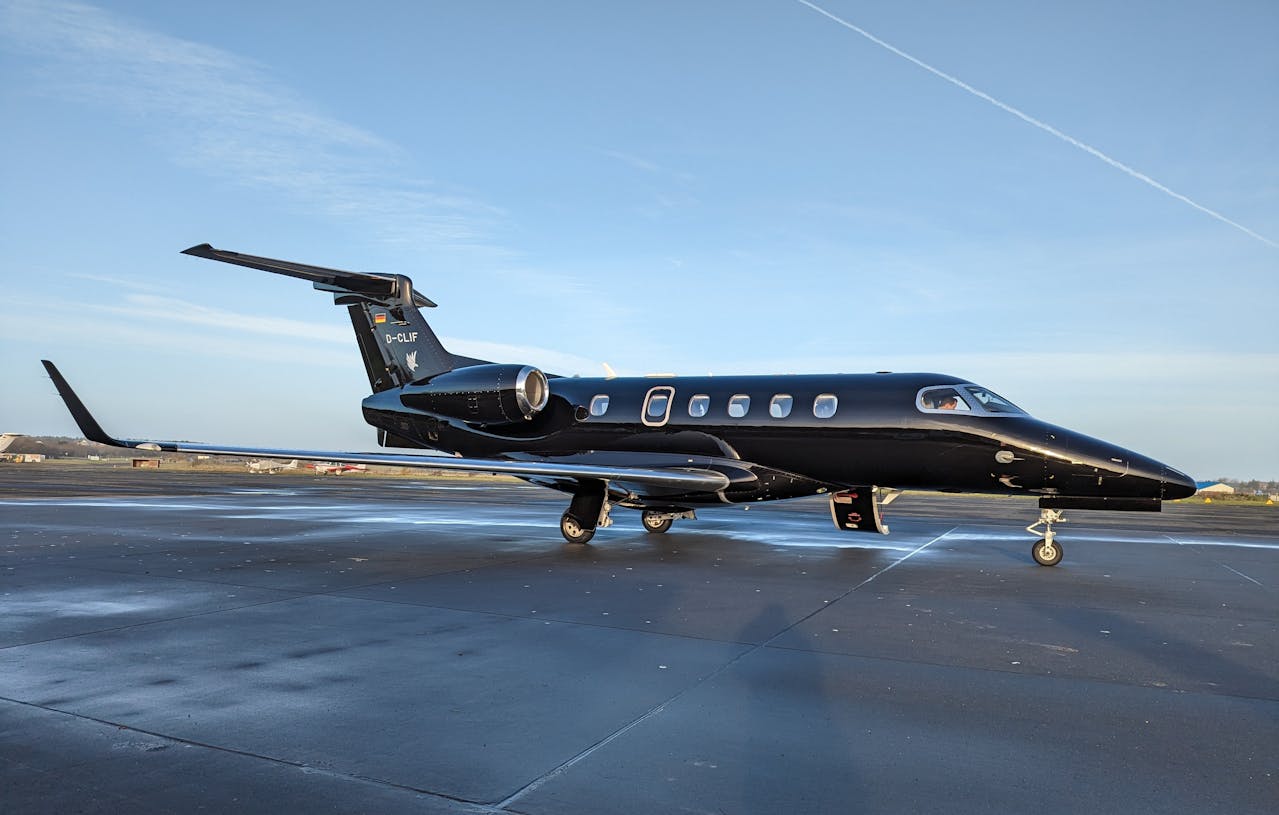
When Jutta Leerdam landed in Venice to participate in the Milan – Cortina 2026 Olympics aboard a private jet, the news quickly overtook the sports plane. The trip – along the Amsterdam-Schiphol route – Venice Marco Polo – has been transformed from a simple logistical move to a topic of debate and a ground for confrontation between sports, public image and social values.

Jutta: to the Olympics by private jet

In itself, transferring by private jet is as good a logistical solution as any. In the Olympic context, however, it inevitably takes on symbolic value. The moment images of the flight and arrival are shared on a profile followed by millions, such as Jutta ‘s, the journey is no longer just a displacement: it becomes an integral part of the athlete’s public narrative.

Moving by private jet is not just a matter of luxury. For an elite athlete like Jutta Leerdam, it is a strategic and professional choice to reduce travel stress and optimize time. However, in Jutta‘s case, the strength of the media persona-amplified in part by her relationship with Jake Paul-has meant that the focus is on travel rather than challenges on the track.

Where the controversy involving the Olympic skating champion stems from.

Reactions focused mainly on a few points:

  1. Perception of poor adherence to team spirit
  2. environmental impact of private flight
  3. social exposure of the experience
  4. Association with a public image perceived as provocative

Interestingly, the discussion quickly shifted from sports performance, to lifestyle narrative.

Jutta Leerdam Private Jet Olympics

Jutta’s private jet: luxury or super professionalism?

In the modern sports world, performance and energy management are central.
A private flight allows:

  • total control of departure time
  • Simplify complex airport procedures
  • configure the aircraft cabin To minimize travel fatigue and stress
  • greater privacy confidentiality
  • ideal environment for recovery and mental preparation

Of course, private jet travel is not a solution designed for mass tourism, nor could it be. Private aviation is a niche service designed for specific business, safety, and even sports performance needs.

Sports, branding and public perception

The case of Olympic champion Jutta Leerdam highlights a broader phenomenon: in contemporary sports, the athlete is no longer just a performer, but a brand.

Every choice-from the business partner to the means of transportation-contributes to the construction of public identity.

In this context, the private jet becomes part of an interweaving narrative:

  • sporting excellence
  • personal branding
  • lifestyle
  • digital communication

Whether it is a conscious strategy or simply a consequence of one’s status, the story shows how today even a move to a competition can turn into a global debate.

But while the Web discusses lifestyle, a medal is being decided on the ice against some of the fastest athletes on the planet. And that’s where, in the end, it’s all measured.

Jutta Leerdam Private Jet Olympics

The sporty side of Jutta Leerdam: gold medals in the 1,000 meters and silver in the 500

Beyond the media controversy, Jutta Leerdam remains first and foremost one of the most solid and spectacular performers in modern speed skating.

A specialist in short and medium-short distances, he has built his career mainly in the 1,000 meters, a race in which he has shown his ability to handle power and progression to the fullest. At the Milan-Cortina Games he confirmed his status in his preferred distance, establishing himself as a technical and athletic reference.

She did not disappoint in the 500 meters either, where she won the silver medal after an even more explosive and unpredictable event, where margins and times are decided by hundredths of a second. And it is there, on the ice, that the media narrative gives way to the reality of the sport: Chronometer, technique, power. Everything else stays off the track.


Source link

0 comments
0 FacebookTwitterPinterestEmail
Services

Building Supply Chain Resilience – Logistics News

by
written by


Pro-risk; fail fast; do more with less – all mottos of behemoth Amazon. But what does that mean for one of the world’s largest supply chain organisations? David Priestman attended the Amazon Business Reshape conference in Seattle.

Global upheavals in recent times, which are too numerous and obvious as to not need reminding you of, have caused logisticians to urgently re-wire and re-think strategies. The IMF’s ‘world uncertainty index’ is at its peak. How do supply chains gain more resilience and thus reduce inherent risk? Answers have included nearshoring, increasing stock levels and utilising technology platforms to boost flexibility.

These are four supply chain priorities:

  • Strengthening Resilience – requires using real-time analytics to have true visibility
  • Technological Transformation – being brought about by automation and more integration
  • Retain Talent – improve the worker experience and raising their productivity
  • Net Zero – goals are essential for both sustainability and affordability. Sourcing local and diverse suppliers is therefore green and responsible

Everything, Everywhere all at once

We know what IQ and EQ are. Shelley Salomon, VP of Amazon Business, speaks of the ‘Adaptability Quotient’ – AQ. “We’re in the age of adaptation,” she told me. “Generative AI is automating processes, including guided buying.” Amazon Business offers corporate accounts for procurement of anything and everything.

Amazon has access to millions of sellers, with multiple supplier options and JIT delivery goals. The organization aims to build-in ‘supplier redundancy’ to reduce the risk from having a single source for items. The product lines available on its platforms run to the hundreds of millions. Amazon is able to consolidate personal and business purchases for delivery to major customers, such as a University.

Customers are beautifully, wonderfully dissatisfied…they want something better…we invent on their behalf.

Jeff Bezos, Amazon Founder and Executive Chairman.

Amazon’s business sprawls from the ultimate B2C platform, Amazon Business (B2B), MGM and Prime (entertainment), Twitch, AWS (web services), Alexa, Ring (doorbells), Audible, Amazon Fresh, Whole Foods and Zappos. The robotics division keeps the company at the forefront of warehouse automation technology.

Agile, Nimble, Automated

But how should enormous supply chains such as Amazon’s meet its stated priorities? Four ambitions were outlined at Reshape:

  • Predict supply chain challenges before commencing manufacture by using AI analytics
  • Implement same day delivery capability
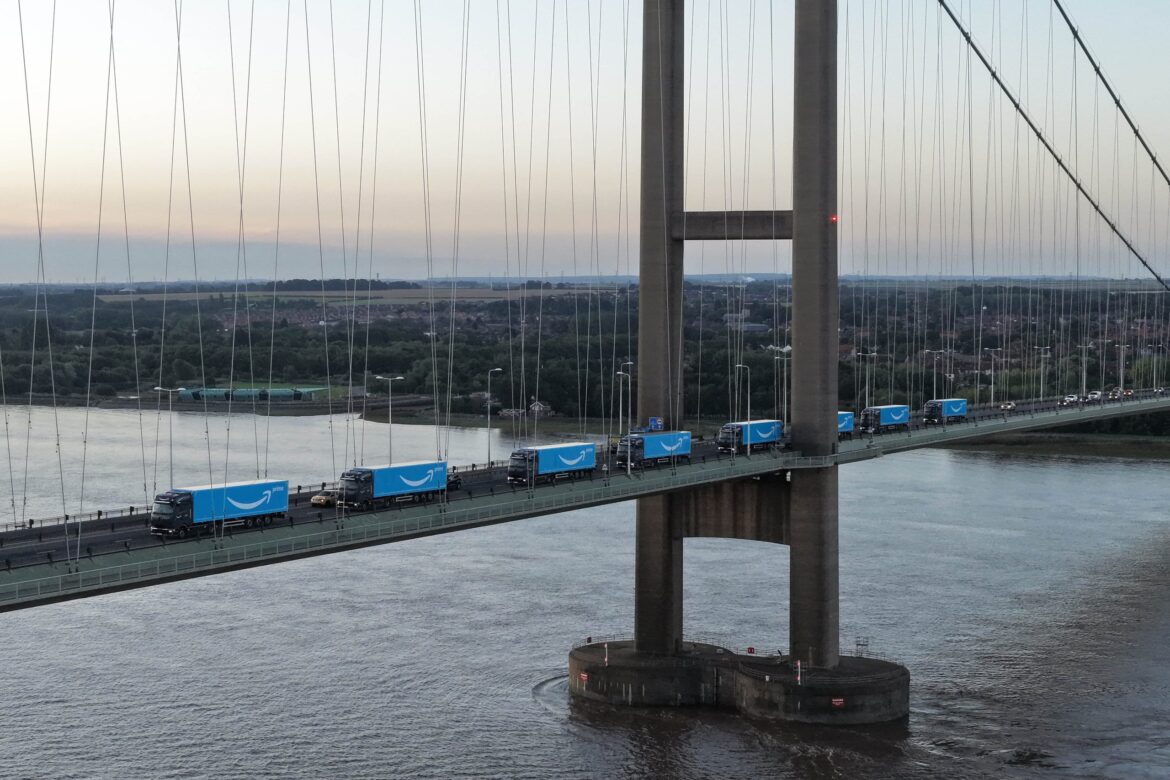
  • Dedicated Amazon Business truck fleet
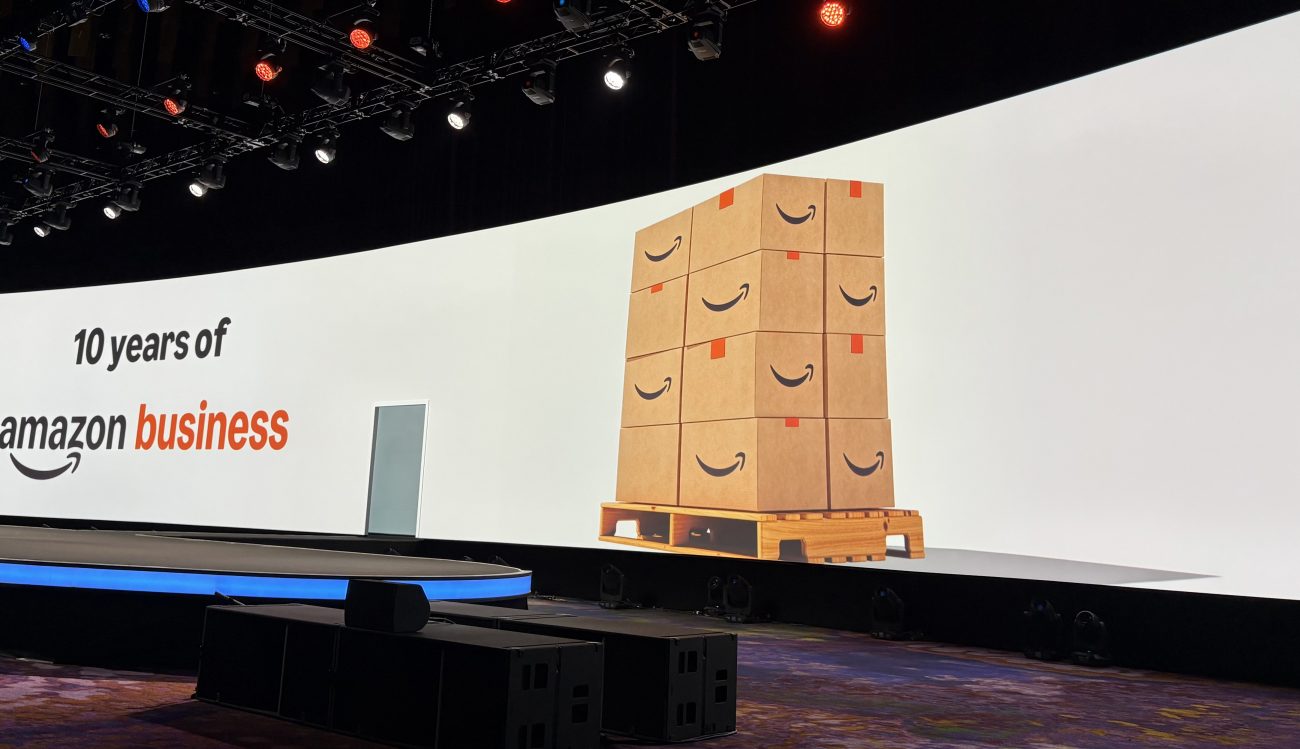
  • Multi-product pallet delivery to customers

Be agile. What is the speed of your supply chain’s response to maintaining inventory levels? Start by understanding the current conditions. How durable are they? How competitive are your suppliers, in terms of quality and quantity?

Be nimble. AI can help sift through data more quickly and to dive deeper. It can also end the drudgery of human admin tasks.

Get automated, efficiency is key. AI is a real-time asset in risk management, fraud detection and for spotting anomalies. Take paper-based data and use AI to analyse it. Supplier vetting can be done by AI.

Phrase the Prompts

Luddites look away now, for the message is to embrace new technology. Interrogate the AI agent and use your curiosity. Find the truth and then do something about it when faced with supply chain challenges.
A supply chain can be a strategic advantage for a business if you have a strong team of logisticians, negotiate well and build alliances and partnerships. Agile sourcing makes for supply chain security. Sermon over.


Source link

0 comments
0 FacebookTwitterPinterestEmail
Services

Cycling for Change: Ian’s Ride for Transaid

by
written by


Join Ian Wright, Peter MacLeod, and Caroline Barber in our latest episode as they discuss the incredible impact of TransAid’s work in Africa. Ian’s upcoming cycling challenge from Kilimanjaro to the coast aims to raise vital funds for TransAid, a charity that leverages transport solutions to save lives and improve road safety across the continent.

TransAid’s innovative programs, such as providing bicycle ambulances and improving driver training, have dramatically reduced child mortality and enhanced healthcare access. These initiatives are made possible through the generous support of industry partners and individual donors. By supporting Ian’s ride, you contribute directly to these life-changing efforts.

You can make a difference by donating to Ian’s JustGiving page. Your contribution will help fund essential programs that deliver healthcare and safety to remote communities. Visit Ian’s JustGiving page to support his ride and be part of this transformative journey.

Listen to the full episode to learn more about how you can get involved and support TransAid’s mission. Together, we can drive positive change and create a safer, healthier future for communities in need.


Source link

0 comments
0 FacebookTwitterPinterestEmail
Services

Redefining the Last Mile with OOH Network

by
written by


Brits collectively send and receive millions of parcels daily. But while parcel volumes continue to grow, consumer behaviour around how those parcels are delivered and collected is shifting rapidly, with new research revealing that 115 million retail parcels were sent via lockers in the UK between June 2024 and 2025.

Courier and provider of out-of-home delivery service, InPost, has recently expanded its network by partnering with big retailers like ASOS, while Evri is now available at over has over 10,000 lockers and ParcelShops. It’s clear there is a demand for mass adoption and a need to embed these options as a standard.

Demand is being driven by converging pressures – rising expectations for quality services and accelerated by the need for ultimate convenience.

Operational risks

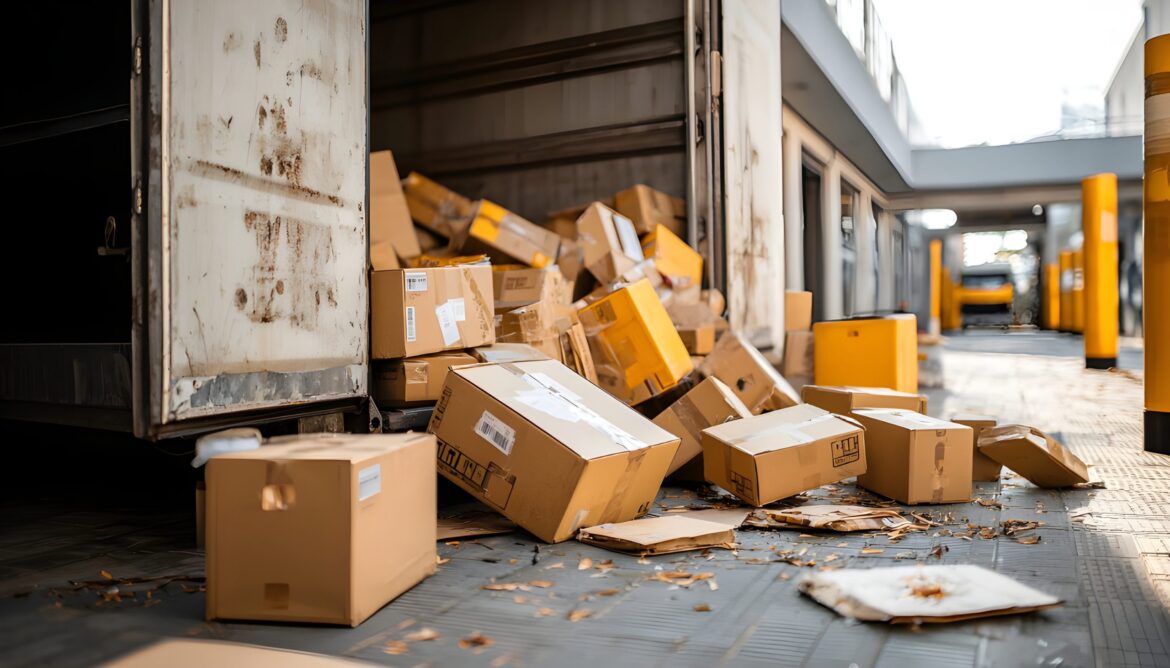
To understand why people are opting for out-of-home over doorstep deliveries, we must explore the key issues faced in recent years. Recent research conducted by Citizens Advice highlights consumer issues like rising security concerns and failed deliveries. Around a quarter of Brits are either receiving them late, not in the safe place they requested, or being left without them altogether.

Meanwhile, couriers face multiple challenges in the last mile. Soaring operating costs can prove to be the most expensive part of the supply chain, and operational inefficiencies coupled with time pressures and increased volume can inevitably lead to unhappy customers and damaged reputations. Additionally, where speed was once the primary requirement, modern lifestyle and working habits mean that being at home for delivery is far less predictable, resulting in a need for efficiency and flexibility.

OOH as network infrastructure

Out-of-home delivery is no longer a ‘backup option’, but a strategic lever for improving customer experience and efficiency. It’s the convenient option that gives consumers a sense of control. In fact, over a quarter of shoppers are making purchase decisions based on the availability of OOH options. Many prefer those with 24/7 access and are willing to travel up to 1km to pick up their package. As e-commerce continues to grow in popularity and consumers face issues with the last mile, it’s a strategic imperative to ease cost pressures and operational efficiencies by offering a solution that consolidates delivery and reduces issues such as ‘porch piracy’. This inevitably leads to happier customers, and a better reputation, which attracts new business.

Here’s how couriers can operationalise OOH at scale:

  1. Redesign routes around density, not dispersion. Consolidate drop points to increase stop density, reduce vehicle emissions, and reduce time spent on repeated visits.
  2. Integrate lockers into first-time delivery plans. Don’t think of it as a solution that absorbs failed deliveries. Embed lockers and ParcelShops into primary routing to improve predictability, reduce redelivery costs, and strengthen service reliability.
  3. Use data to drive network expansion. Research demand for lockers by postcode, commuter flows, and retail footfall. Smarter positioning will drive higher adoption and better ROI. The last mile is no longer defined by the doorstep. For couriers, out-of-home networks represent not just an addition to their service, but a structural shift in how delivery capacity is built, scaled, and optimised. Those who embed it into core network strategy – rather than treating it as an accessory – will define the next phase of parcel logistics.


Source link

0 comments
0 FacebookTwitterPinterestEmail
Services

Materials Handling Showcase at LogiMAT

by
written by


At LogiMAT Stuttgart, Irish manufacturer Combilift will showcase its latest material handling solutions designed to help companies move, store, and manage loads more safely, efficiently, and sustainably. – all while optimising valuable warehouse space.

Visitors can explore a comprehensive overview of Combilift’s wide range of innovative handling solutions. With a strong focus on greener technologies, 98% of Combilift’s R&D investment is dedicated to energy-efficient and electric equipment, now making up over 70% of production.

Combilift’s CEO and Co-Founder Martin McVicar explains: “Sustainability is at our core – we’re highly focused on making our vehicles more environmentally friendly and helping our customers maximise their warehouse efficiency.”

Warehousing range

A key highlight of the stand will be the live demo area, where visitors can see Combilift’s warehousing range in action. The Aisle Master articulated forklift range is engineered to operate safely in aisles as narrow as 1,6m and with lift heights of up to 15m. Their exceptional versatility allows them to work on any floor surface, indoors or outdoors, eliminating the need for separate reach and counterbalance machines.

Also on display will be Combilift’s electric pedestrian range, offering compact, highly manoeuvrable solutions that enhance operator safety and efficiency in confined spaces.

The pedestrian range includes Combilift’s unique, patented multi-position tiller arm. This enables the operator to stand at the side of the unit rather than at the rear (as is the case with other walk behind brands), giving excellent visibility of even the bulkiest loads and their surroundings. This position also eliminates any possibility of crush risk when working in confined areas and prevents product damage.

Multidirectional forklifts for handling long loads

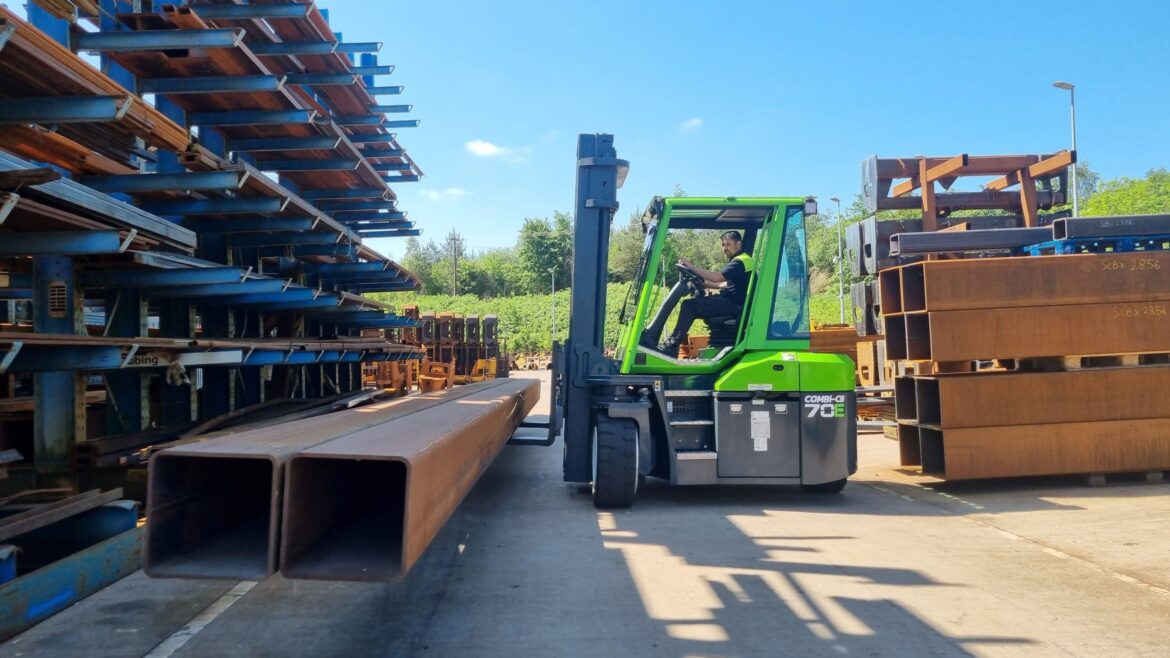
Another focal point will be Combilift’s multidirectional forklift range: the C-Series and Combi-CB, which allows long and bulky loads to be handled with ease in confined spaces, both indoors and outdoors.
A particular emphasis will be on the Red Dot and UKWHA Archies award-winning Combi-CB70E : the most compact 7t capacity counterbalance forklift in the market.

This multidirectional model combines zero-emission operation with the ability to handle long and bulky loads safely, demonstrating how electrification can deliver high performance while supporting sustainability goals.

McVicar said: “Almost every model in our extensive range of products is now available with electric power. The ever-increasing lift capacities will answer the demand for more powerful products, which at the same time help companies to achieve their aims for more sustainable operations.”

Beyond Manufacturing: Optimising Space and Software

Combilift will also showcase Combi-Connect, its smart cloud-based telematics system, which provides real-time insights into truck performance, utilisation, and operator behaviour—helping customers improve safety, reduce downtime, and optimise fleet management.

In addition, Combilift experts will be available to discuss how businesses can increase storage capacity and enhance workflow efficiency using Combilift’s versatile material handling solutions. Combilift’s dedicated in-house team of design engineers and layout consultants also offers a free, no-obligation warehouse and yard optimisation service. This service illustrates how warehouse space can be configured around the capabilities of Combilift’s products — in some cases doubling available storage capacity.

With nearly three decades of expertise and over 100,000 machines in operation worldwide, Combilift continues to drive lifting Innovation, helping businesses make their material handling operations safer and more efficient while optimising their existing facilities.


Source link

0 comments
0 FacebookTwitterPinterestEmail
Services

Advancing Right-Sized Packaging Automation – Logistics News

by
written by


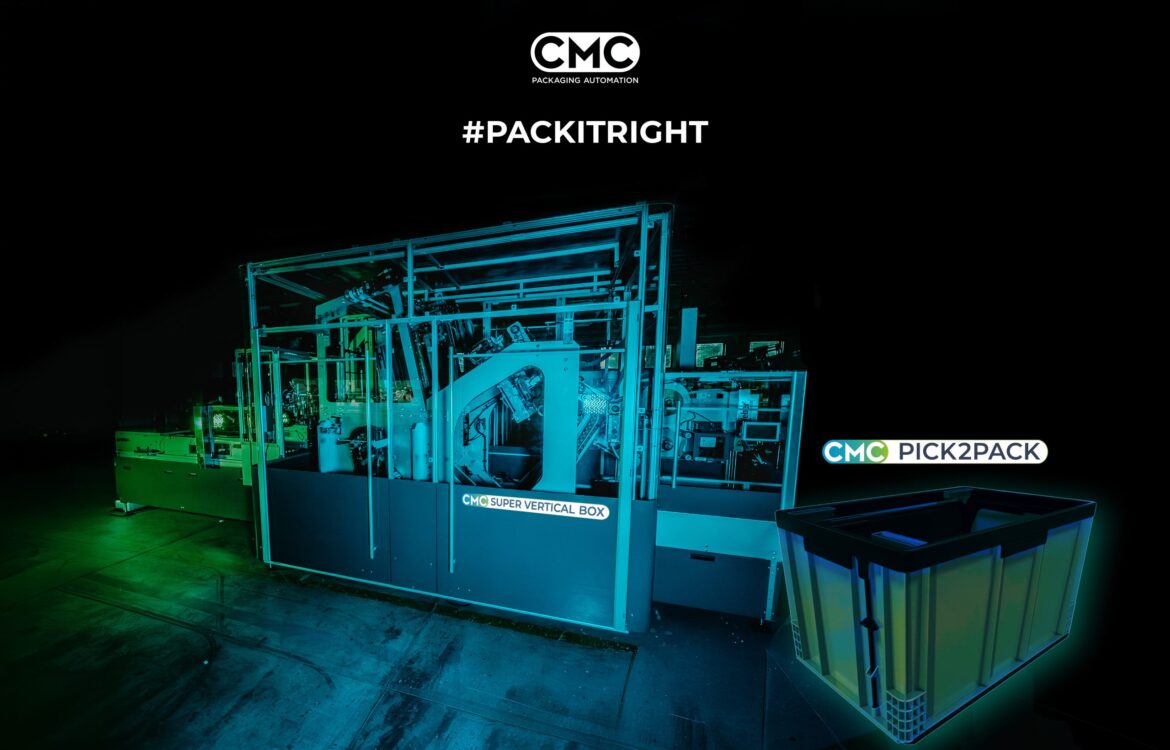
Advanced, sustainable and integrated packaging for modern intralogistics will be on display at CMC Packaging Automation’s stands at LogiMAT 2026, and at MODEX Atlanta. The events will mark another important milestone as the company anticipates the unveiling of the new CMC Super Vertical Box (CMC SV-Box) and an innovative showcase for a fully integrated Pick2Pack process.

The new CMC SV-Box represents a significant evolution in automated packaging. Designed specifically for e-commerce and omnichannel fulfillment, the CMC SV-Box is the first and only fully automated, box-last, right-sized vertical packer. Unlike traditional box-first systems that rely on predefined carton sizes and WMS data to estimate box dimensions, the CMC SV-Box builds each box only after the actual products are measured in real time.

Using high-resolution cameras and advanced cubic-read technology, the system captures the true dimensions of each order directly from the physical items.

With an output of up to 500 perfectly right-sized boxes per hour and an ultra-compact footprint of just 10 m²/ 110 sq. ft. – compared to the more than 100 m²/ 1000 sq. ft. typically required by conventional right-sized packaging machines – the CMC SV-Box redefines compact automation, fitting seamlessly into brownfield environments and space-constrained facilities.

Conceived as an entry-level automation solution for SMEs yet fully scalable for complex intralogistics systems, it embodies CMC’s commitment to performance, flexibility, and customer-centric packaging while delivering a typical ROI of under two years. Through a cut-to-size process from an innovative single-wall corrugated reel, the solution reduces corrugated consumption and packaging waste by up to ~60% improving transport efficiency and supporting compliance with the EU Packaging and Packaging Waste Regulation (PPWR) and other emerging global sustainability standards.

At LogiMAT in March and MODEX in April, the company will also showcase a fully integrated Pick2Pack process, demonstrating how e-fulfilment centres can achieve higher efficiency, accuracy, and scalability through end-to-end automation. Pick2Pack has become a critical capability for modern e-commerce and omni-channel fulfilment operations, enabling orders to move seamlessly from storage to right-sized packaging with minimal or zero manual handling. By eliminating intermediate handling steps, Pick2Pack processes reduce labour dependency, increase throughput, improve order accuracy, and support faster order cycle times, key requirements in today’s high-volume, high-variability fulfilment environments.

This approach also aligns with the growing industry trend toward dark factories, where highly automated systems operate with minimal human intervention. Dark warehouses not only address labour availability challenges but also enable 24/7 operations, consistent performance, and improved workplace safety.
The core of CMC’s Pick2Pack showcase is the CMC Genesys with Vary-Tote solution. This technology enables seamless integration with any AS/RS, supporting true one-touch and zero-touch processes from picking to right-sized packaging. Orders can be automatically inducted, consolidated, and packed with minimal/zero manual input, ensuring optimal box sizing, no void fill and lower shipping costs.

Tania Torcolacci, Head of Global Strategic Partnerships commented: “This unique showcase will be supported by leading industry technology partners. True automation is no longer about individual technologies performing well in isolation, it’s about how seamlessly they work together to create a continuous pick-to-pack flow”.

Francesco Ponti, CEO at CMC Packaging Automation says: “Through its presence at these events, CMC Packaging Solutions reinforces its role as a technology partner for companies seeking to transform packaging from a manual cost center into a strategic, automated, and sustainable component of their logistics operations.”


Source link

0 comments
0 FacebookTwitterPinterestEmail
Services

Multi-Country, Multi-Currency ERP for Freight Forwarders

by
written by


Global freight does not break because cargo travels across oceans. It breaks when financial visibility stops at national borders. As freight forwarders expand into new markets, operational complexity increases rapidly. Each country brings its own currency, tax structure, statutory reporting rules, and compliance requirements. Branches may perform well individually, but once the group tries to consolidate numbers, inconsistencies appear. Foreign exchange (FX) impact distorts margins. Intercompany transactions don’t align cleanly. Finance teams end up reconciling spreadsheets instead of managing performance.

For freight forwarders building a regional or global footprint, multi-country and multi-currency capabilities are not software add-on. It is an operational infrastructure. Every branch must function in its local currency, follow local tax rules, and generate statutory reports without friction. At the same time, the headquarters needs consolidated visibility in a base currency to understand true profitability, working capital exposure, and risk. Without structured consolidation, profits look healthy locally but weaken at the group level. Currency volatility becomes a surprise instead of a managed variable.

Logi-Sys is designed for freight businesses that operate across borders, not just across offices. It runs on a single centralized database supporting multiple countries and currencies simultaneously. Local branches remain compliant and independent in execution. Group leadership sees real-time, FX-adjusted financials across revenue, costs, receivables, and payables. Consolidation is automated. Currency conversion is structured. Financial data remains consistent across the enterprise. Growth does not create fragmentation.

What This Means in Practice

  • One centralized database for all countries and branches

  • Multi-currency accounting with automated exchange rate conversion

  • Real-time consolidation into a base currency

  • Local compliance handling for GST, VAT, and statutory reporting

  • Structured intercompany accounting across branches

  • Unified receivables and payables visibility globally

  • Clear group-level profitability and margin analysis

  • Reduced manual intervention during month-end closing

  • Measurable and trackable FX exposure

  • Financial architecture built to scale with international expansion

Expansion is a milestone, but controlled expansion is a competitive advantage. In an industry where margins are thin and volatility is the only constant, you cannot afford to fly blind across borders. Transitioning to a multi-country, multi-currency ERP isn’t just about upgrading your software; it’s about fortifying your financial architecture so that every new branch adds value instead of complexity. With Logi-Sys, you gain the freedom to grow anywhere in the world while maintaining the granular control you had on day one. Stop reconciling the past and start engineering your future.

If your freight business is expanding across borders, it may be time to evaluate whether your systems are built to scale with it.


Source link

0 comments
0 FacebookTwitterPinterestEmail
Services

Sorting Transfer Robots at LogiMAT

by
written by


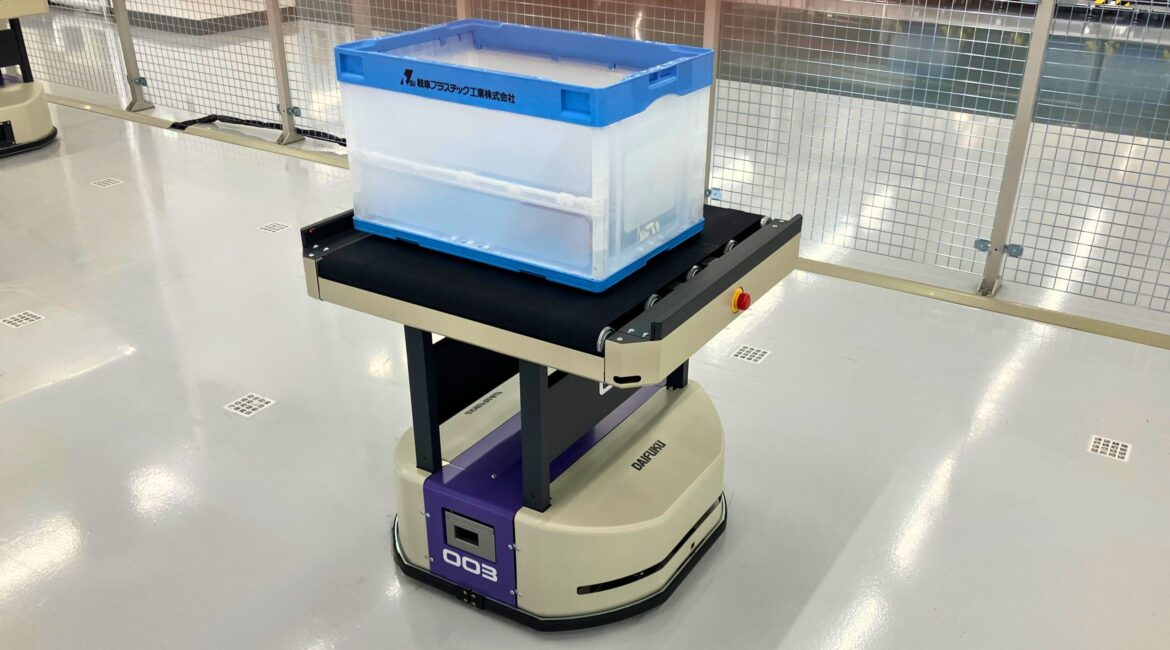
Daifuku has confirmed that LogiMAT 2026 will be the first European outing of its new Sorting Transfer Robot series, the SOTR-S, SOTR-L and SOTR-M. While the SOTR-M system will be in full demo mode at the Stuttgart event, its sister solutions, the SOTR-S and SOTR-L will also be on stand (1J67, Hall 1). While the SOTR-M manages totes and the SOTR-L handles pallets, the SOTR-S handles piece items, bringing total flexibility to a warehouse.

Designed, manufactured, and tested in Japan, the new trio of Sorting Transfer Robots are now being introduced across the UK and Europe. Setting new standards in productivity, scalability and automation simplicity, the latest robot system from Daifuku is aimed primarily at businesses in the e-commerce, retail and parcel sector facing complex sortation challenges.

The SOTR-S is of particular interest to the European and UK automation markets, given its remarkable speed and flexibility. Travelling at up to 180m per minute – it is capable of handling 10,000 lines per hour, driving new levels of capacity and productivity. The system’s two-tier structure also ensures smooth traffic flow and unfettered efficiency. Thanks to its narrow aisle structure (enabled by tilting trays), the SOTR-S is under half the footprint of more conventional sorting systems. Compared to conventional sorting systems, the SOTR-S is rapid to install and simple to expand as required with the addition of vehicles or chutes.

Commenting on the new SOTR-S, Russell Hutchinson, manager of business development at Daifuku’s Europe branch, said:

“In the face of rising order volumes and the increasing complexity of product types, traditional sorting methods often struggle with accuracy and efficiency. Manual processes lead to higher costs and slower throughput, creating significant warehousing and distribution challenges for businesses. Our new SOTR-S offers a solution designed to overcome these hurdles.”

Daifuku’s advanced technology ensures precise sorting of diverse items, enhances operational efficiency and adapts effortlessly to growing demands. By automating and optimising business’ sorting operations, the SOTR-S reduces labour costs and boosts productivity, delivering a rapid return on investment.


Source link

0 comments
0 FacebookTwitterPinterestEmail
Newer Posts
Older Posts

Recent Posts

  • Milano Linate l’aeroporto ideale per i jet privati
  • Software Migration for Automated Warehouse
  • Yard Management for Smaller Logistics Facilities
  • Order Picking with Intelligent Robotics
  • Pallet Pooler helps Flowers for Mothers Day

Recent Comments

No comments to show.

Social Connect

Whatsapp

Recent Posts

  • Milano Linate l’aeroporto ideale per i jet privati

  • Software Migration for Automated Warehouse

  • Yard Management for Smaller Logistics Facilities

  • Order Picking with Intelligent Robotics

  • Pallet Pooler helps Flowers for Mothers Day

Newsletter

Categories

  • Services (1,085)
  • Uncategorized (41)

@2024 - All Right Reserved. Designed and Developed by Sierraline Cargo services

Manage Consent
To provide the best experiences, we use technologies like cookies to store and/or access device information. Consenting to these technologies will allow us to process data such as browsing behavior or unique IDs on this site. Not consenting or withdrawing consent, may adversely affect certain features and functions.
Functional Always active
The technical storage or access is strictly necessary for the legitimate purpose of enabling the use of a specific service explicitly requested by the subscriber or user, or for the sole purpose of carrying out the transmission of a communication over an electronic communications network.
Preferences
The technical storage or access is necessary for the legitimate purpose of storing preferences that are not requested by the subscriber or user.
Statistics
The technical storage or access that is used exclusively for statistical purposes. The technical storage or access that is used exclusively for anonymous statistical purposes. Without a subpoena, voluntary compliance on the part of your Internet Service Provider, or additional records from a third party, information stored or retrieved for this purpose alone cannot usually be used to identify you.
Marketing
The technical storage or access is required to create user profiles to send advertising, or to track the user on a website or across several websites for similar marketing purposes.
  • Manage options
  • Manage services
  • Manage {vendor_count} vendors
  • Read more about these purposes
View preferences
  • {title}
  • {title}
  • {title}
Sierraline Cargo Services
  • HOME
  • Services
    • Trade With Us
  • About Us
  • Contact Us
  • private jet
    • BOOK YOUR JOURNEY
  • Track Packages
  • Insurance
  • safekeeping

WhatsApp us