Sierraline Cargo Services
  • HOME
  • Services
    • Trade With Us
  • About Us
  • Contact Us
  • private jet
    • BOOK YOUR JOURNEY
  • Track Packages
  • Insurance
  • safekeeping
Services

Fit for Fulfilment – Logistics News

by
written by


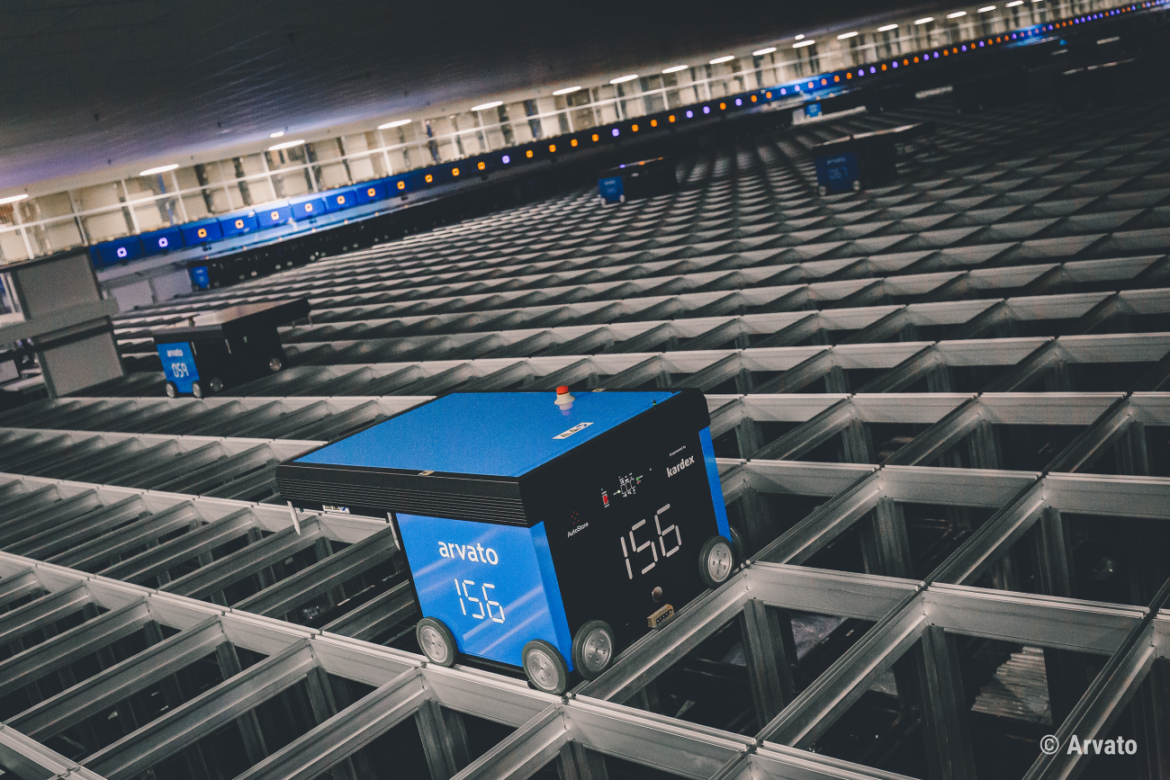
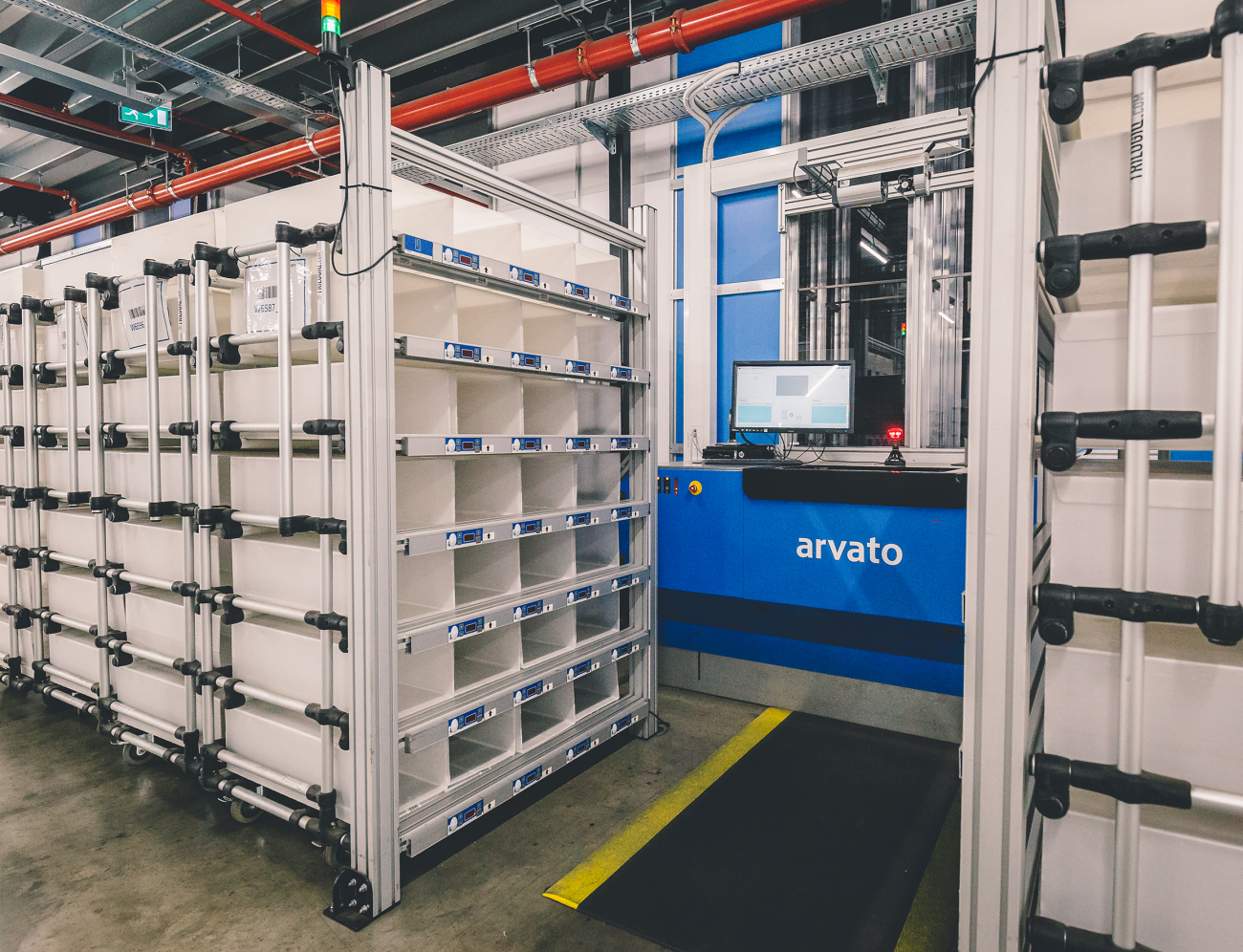
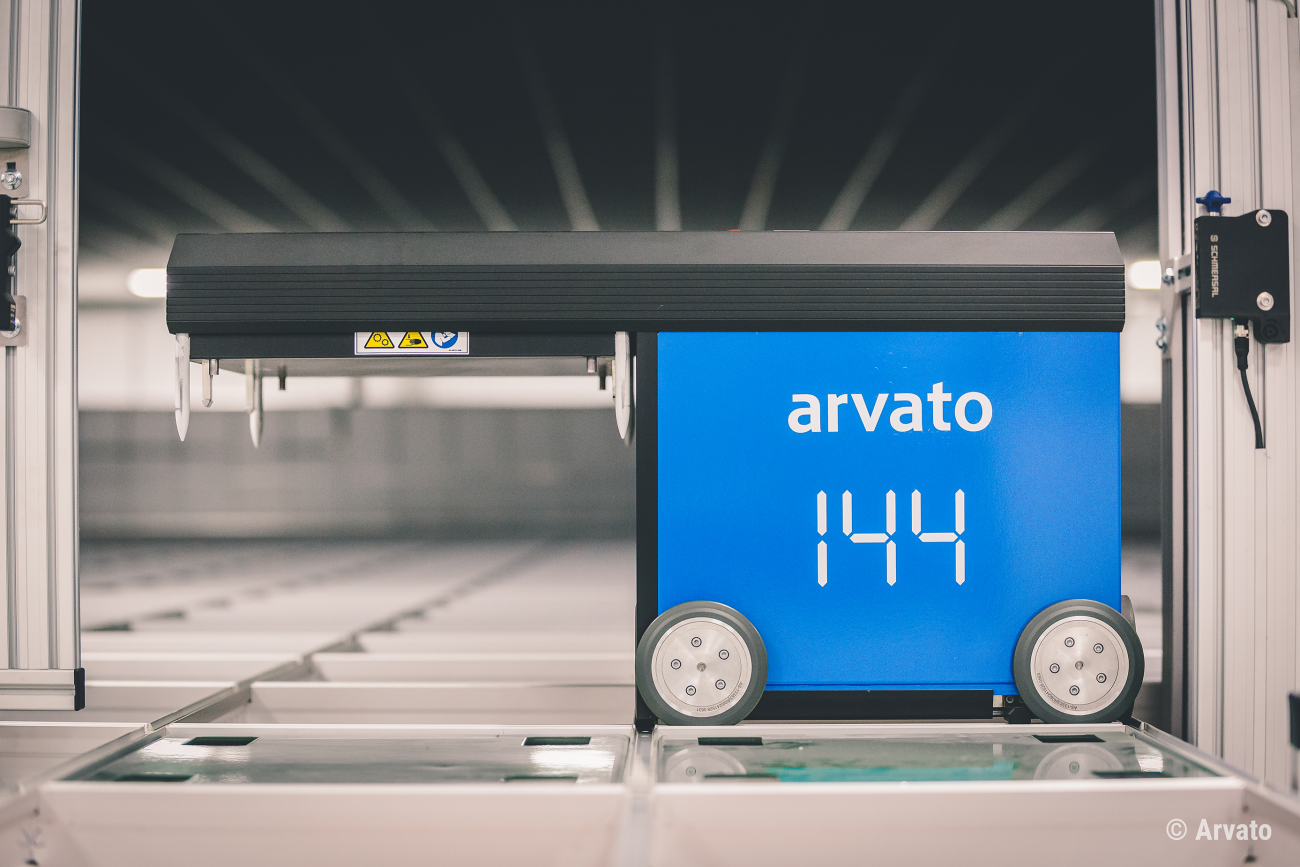
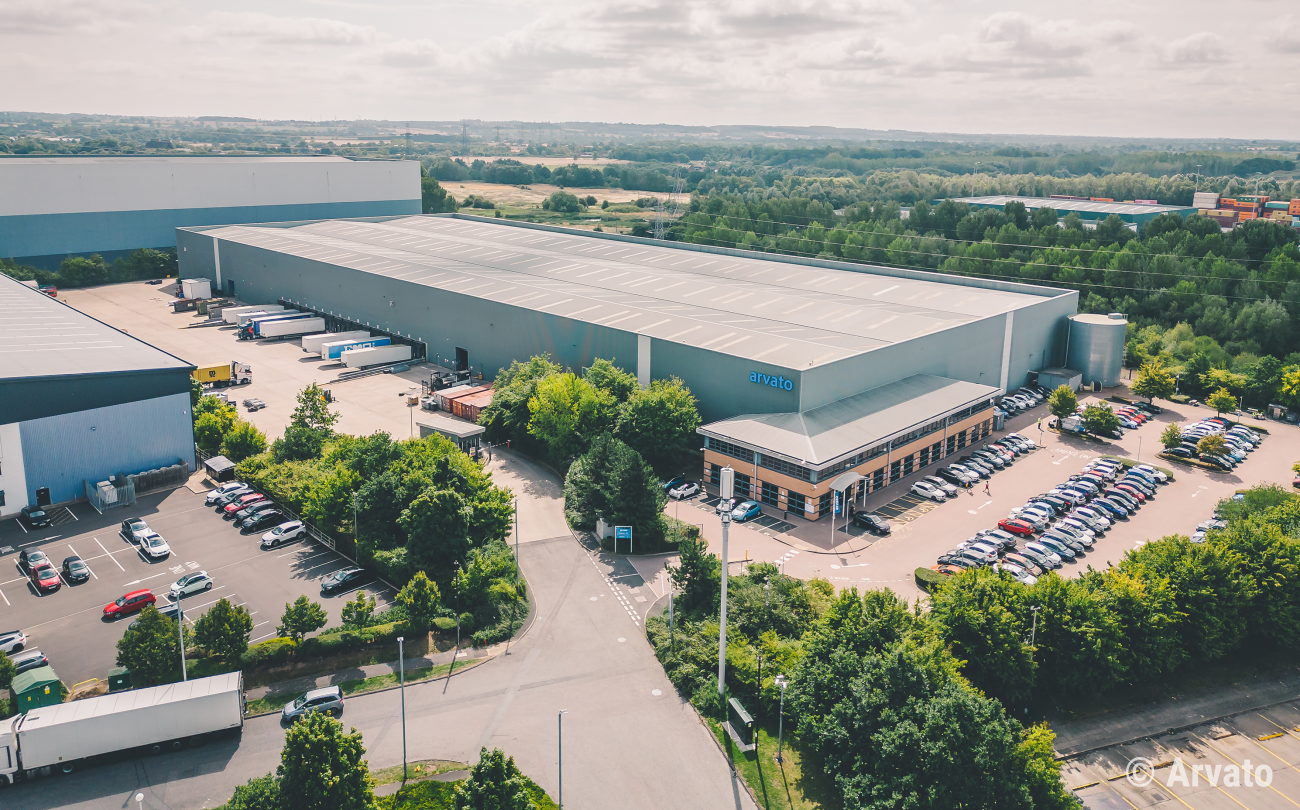
AutoStore automation has enabled greater flexibility and faster upscaling opportunities for Arvato clients in the UK. Logistics Business visited the 3PL’s Hams Hall site, where a new extension to the existing AutoStore has dramatically increased fulfilment rates for multiple clients.

If we can agree that the case for automation in logistics is proven – faster execution, better reliability, optimised allocation of human resource, improved cost and time efficiencies – then the discussion moves to the available automation choices. What type of automation is the most appropriate for your business’s future requirements?

Specifically, what are the factors that turn good automation into outstanding automation? For David Bailey, Director Consumer Products Arvato in the UK, the best automation comfortably delivers flexibility, scale and ease of operation.

“It’s about picking the right tool for the right job, and scaling in the best way to suit the customer’s needs and wishes,” he says. “And for us, AutoStore delivers those needs extremely effectively.”

Partnership trust and commitment

Arvato is the ambitious German-founded omnichannel logistics provider with a fast-growing global operation and particularly high momentum in the UK, where existing focus is on fashion, tech and healthcare customers. David Bailey is speaking at the company’s impressive – and immaculate – state-of-the-art site at Ham Halls, Birmingham, where it has just opened an extension to its existing AutoStore system, implemented in 2023. This adds to the 15 AutoStore systems already in place at Arvato sites in Germany, the Netherlands, Austria and the USA.

As a technology-focused 3PL, Arvato’s trust and commitment to AutoStore is a notable endorsement for the Norwegian-founded global leader in intelligent order fulfilment solutions. The latter’s stated vision is simple to claim but harder to achieve: “To store and move things for everyone, everywhere.” They seem to be succeeding: AutoStore order orchestration and fulfilment systems are now established at over 1,850 sites in over 60 countries.

What’s the secret?

“The consumer products market in logistics is about reacting quickly to fast-changing needs,” explains Bailey. “If, for instance, a customer wants to resize, AutoStore gives us a wealth of options in which to meet those needs – tote size, number of bots, optimisation of the grid. Consumer logistics is about finding the right tool and the right design for the job you’re looking to do. And if you project manage it well, the process is extremely smooth. Our strong and long-established relationship with AutoStore and their integrator partners such as Kardex, who built and extended the system at Hams Hall, enables that smoothness for us.”

As if to serve as a neat example of his point, Hams Hall – which is a multi-client site – has recently onboarded a new international retailer, a leading brand in technical athletic apparel requiring exactly those flexible, fast-paced operations. “The scalability options with AutoStore make it much easier for us,” agrees Steven Pitt, Head of Operations. “Once the infrastructure is in place, the opportunity for customers with an aggressive growth cycle is very strong.”

Superfast implementation

Hence the AutoStore extension, completed in just over three months, the fastest implementation in Arvato’s history and a testament to the relationship between client, OEM and integrator. The upgraded system now supports 87,600 bins (from 65,000) and supports nearly 1.2 million stored units in a 16-row deep grid. Peak season picking rates top 26,000 per day, a 53% increase on manual picking solutions. Picking data at random from his laptop, Matt Harling, Kardex Sales Manager UK and Ireland reveals that 54,000 bin presentations were made on December 9th, 2025, with a total of over three million bin presentations in the previous 90 days log. “Remember that each tote contains more than one item, too,” he points out.

It’s worth taking a moment to visualise the human resource and warehouse footprint that would be required to attempt to match those numbers in a fully manual operation, and to reflect how far automation has come in delivering lightning-fast service for customers and consumers.

Should we assume that AutoStore is always presented to clients as Arvato’s automation system of choice? “Absolutely not,” says Bailey. “We won’t necessarily discuss specific systems with clients, it’s about what their needs are and how we will work together to deliver them, what’s right for their needs and then what is the best way to deliver on that – it definitely won’t be imposed by us. We have an excellent solution design process. We explore what the data tells us and where it is leading us. So, let’s say we’re looking at an AutoStore; it’s also likely we’ll be considering an open-rack shuttle system, an AMR, a shelving system, maybe. But AutoStore is very effective in terms of cost, flexibility, and speed.”

The Arvato project team works with both AutoStore and its integration partner, in this case, Kardex (other AutoStore partners in the UK include Swisslog, Element Logic and StrongPoint). The integration partner is best placed to source and deliver those parts of the automation package required by the customer above and beyond storing and moving, such as auto-bagging and RFID systems.

The process is quick, partly because the partners know each other so well. “The days of heavy automation and long implementation, with extended lead times before you even hit the site are gone with AutoStore,” says Morgan McNee, Kardex Project Manager. “We’ve gone from point of order to go-live in months.”

The Hams Hall operation has RFID in place at several points in the process, including inbound and packing. As a bonded warehouse, it needs to satisfy UK government and customs regulations as well as client needs. In addition, it provides faster services for customers in addition to extra layers of stock integrity confirmation – Steven Pitt describes how a recent stock count enabled by the RFID tunnel processed 500,000 units for a customer in 48 hours.

Value-added sizzle

The extras at Hams Hall add the sizzle. “Logistics is about adding value – anyone can pick and pack,” says Bailey. Value-added services provided at the multi-client service include manual picking for smaller customers, a comprehensive returns operation including full check of goods returned, and an Alterations section where individual clothing units ordered online may be altered by professionals to individual consumer specifications.

In a territory such as the UK, where agile, fluid retailing is a watchword and consumer expectations on e-commerce delivery times are more demanding than elsewhere in Europe, selecting the right automation is vital to effective competitive advantage.

Weather patterns, buying habits, customer behaviours – systems intelligence enables confident planning and decision-making for 3PLs, all in close partnership with the customer. Bailey summarises: “Businesses that move are those that pivot and act with the market – or even ahead of it.”


Source link

0 comments
0 FacebookTwitterPinterestEmail
Services

Fleet Upgrade Adds Side Skirts to Cut Truck Emissions

by
written by


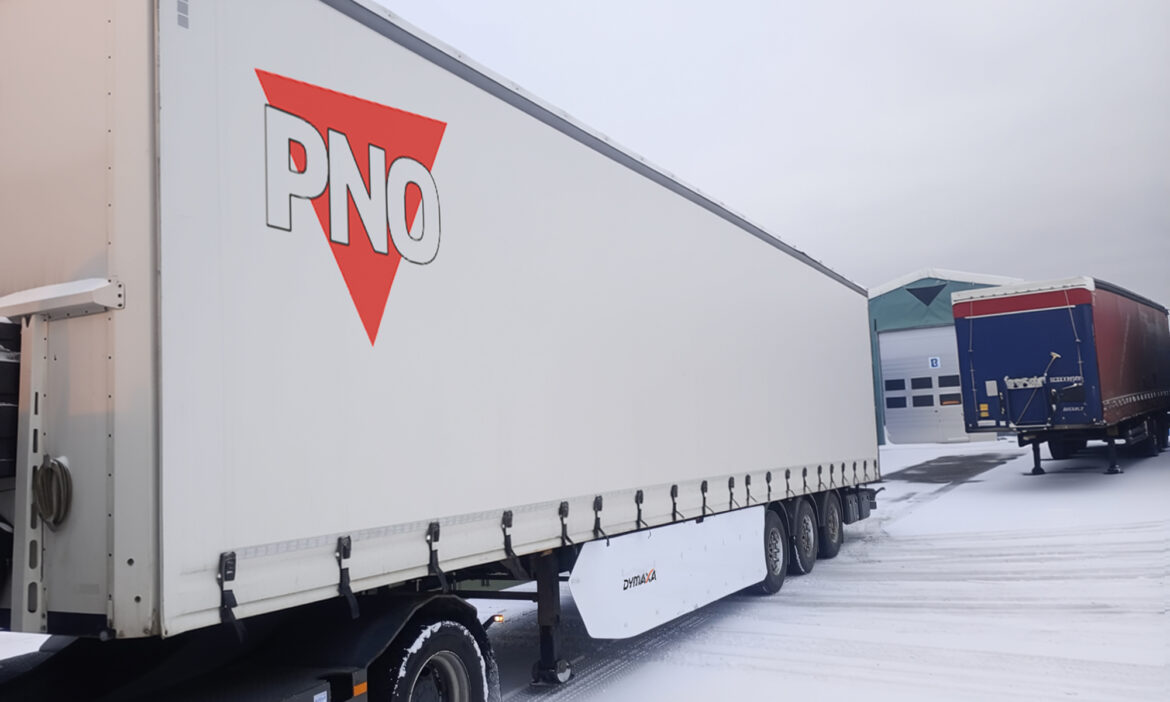
PNO Trailer Rental and Begoma Spedition have equipped a selection of semi-trailers with Dymaxa side skirts. PNO is one of Europe’s largest trailer rental providers and operates 11,000+ semi-trailers. Begoma, one of the most progressive fleets in Sweden, will be operating the trailers. The upgrade supports Begoma’s Agenda 2030 sustainability ambitions.  

Dymaxa side-skirts are designed to boost fuel efficiency for diesel trucks and extend the ranges of electric trucks. PNO expects that Dymaxa side skirts will help reduce fuel consumption and CO₂ emissions. 

With this initiative, customers of PNO can potentially benefit from more energy-efficient state-of-the-art semi-trailers and a greener footprint.

Jan Eriksen, Head of Fleet at PNO: 

By investing in smarter equipment, and optimising our fleet, we actively aim to reduce CO₂ emissions or extend the range on EV trucks pulling a trailer. Sustainability is not driven by a single action, but by continuous improvement – every step, big or small, is a priority for us.

Introducing trailer skirts is one of several important steps in our sustainability strategy and part of our
commitment to reduce our CO₂ emissions by 50 percent by 2030. By lowering aerodynamic drag, we reduce fuel consumption and strengthen both our environmental performance and operational efficiency,

says Henrik Malmberg, Managing Director at Begoma

This retrofit programme forms part of a broader push within the road freight sector to enhance vehicle aerodynamics and reduce operating costs. By minimising drag along the trailer’s underside, side skirts can deliver consistent fuel savings across long-haul operations, particularly at motorway speeds where aerodynamic resistance is highest.

Almaz Ayupov, CEO of Dymaxa adds:

We’re seeing a substantial increase in demand for our side skirts. Many leading European fleets are realizing the efficiency gains are significant, while the solution is easy to implement, requires no training or maintenance, and is relatively low-risk. The North American market has benefited from trailer side skirts for more than a decade, with adoption rate reaching 80%. We are now seeing signs that the European market will follow suit to reduce costs and emissions.

As fleets balance commercial pressures with environmental targets, incremental technologies like this are increasingly viewed as practical, cost-effective steps toward lower-carbon transport. Industry-wide adoption of such measures is expected to play a meaningful role in improving overall fleet efficiency in the years ahead.


Source link

0 comments
0 FacebookTwitterPinterestEmail
Services

BIFA meets Rachel Reeves to champion logistics priorities

by
written by


The British International Freight Association (BIFA) policy and compliance director, Pawel Jarza, met with Right Hon Rachel Reeves, Chancellor of the Exchequer, alongside Rachel Taylor MP, to discuss the key challenges and opportunities facing the UK freight forwarding and logistics sector.

Representing BIFA and its members, Jarza highlighted several critical issues impacting the industry. Central to the discussion was the ongoing challenge of attracting and retaining talent within the sector, ensuring the industry remains equipped with the skilled workforce needed to support UK trade and economic growth.

Jarza also raised concerns around freight forwarders’ access to finance, particularly for small and medium-sized enterprises navigating an increasingly complex economic landscape. Ensuring that logistics businesses can secure appropriate funding is vital to maintaining resilience, investment, and competitiveness across the supply chain.

In addition, the meeting addressed the importance of continued improvements to border processes. Efficient, transparent, and streamlined border operations are essential to facilitating trade and minimising disruption for businesses and consumers alike.

The discussion further underscored the need for greater clarity around the road to Net Zero, with BIFA calling for clear, practical guidance to help the industry plan and invest with confidence in sustainable solutions.

BIFA’s points were positively received by all participants. The Chancellor acknowledged the significant contribution the freight forwarding and logistics sector makes to national economic growth, recognising its essential role in keeping UK trade moving.

Commenting on the meeting, Jarza said:

We welcomed the opportunity to engage directly with the Chancellor and Rachel Taylor MP on some of the issues that really matter to our members. Freight forwarders play a critical role in supporting UK businesses and international trade. By addressing challenges around skills, finance, border efficiency, and Net Zero clarity, we can ensure the sector continues to drive economic growth and remain globally competitive.

BIFA looks forward to continuing its constructive engagement with government to help shape policies that support a thriving, efficient, and sustainable freight forwarding and logistics industry.


Source link

0 comments
0 FacebookTwitterPinterestEmail
Services

Powering Competitive Advantage in Energy

by
written by


Peter MacLeod speaks to Nick Hay of Wattstor, who describes how logistics businesses can go from energy risk to competitive advantage in one fell swoop.

Energy sometimes flies under the radar of logistics operators, yet rising electricity prices, grid constraints and electrification are pushing it firmly into the operational spotlight. For Wattstor, a next-generation energy company supplying commercial and industrial customers with locally produced, smartly managed renewable electricity, that shift represents both challenge and opportunity.

Nick Hay (pictured, below) joined Wattstor last summer as an industry advisor, bringing his decades of logistics experience from senior leadership roles at Fowler Welch and Gist with him. His decision to get involved was rooted in a long-standing interest in efficiency and sustainability, combined with a belief that Wattstor offers something genuinely practical for logistics businesses.

“I have always been close to energy efficiency,” Hay tells me. “From early adoption of telematics through to ESG leadership, I have seen how technology can drive real change. What attracted me to Wattstor was not just the ambition, but the fact that the solution is viable and delivers tangible benefits.”

Operational Realities

At the heart of Wattstor’s proposition is the idea that energy systems should be designed around the operational realities of each site. Warehouses face growing pressure from automation, temperature control and electrification, while grid connectivity is increasingly a limiting factor. As Hay points out, energy availability has already forced some developers to walk away from otherwise attractive logistics locations.

Grid constraints are only part of the challenge. Demand profiles across logistics operations can fluctuate sharply throughout the day, particularly where electric vehicles or handling equipment are involved. Charging fleets simultaneously can create short but significant peaks in demand, driving up costs and network charges.

This is where Wattstor’s combination of onsite renewables, battery energy storage and intelligent energy management comes into play. By balancing grid supply with solar generation and battery capacity, Wattstor helps operators manage peak demand while reducing exposure to rising grid charges.
“The clever part is how you balance those elements,” says Hay. “You reduce the maximum draw from the grid, which lowers fixed charges, while still ensuring the power is there when you need it. When electricity is cheap, you charge the battery. When it is expensive, you avoid buying or export back to the grid.”

That approach underpins Wattstor’s Price Protect tariff, refined with direct input from Hay’s logistics background. Designed to guarantee electricity prices below market levels while providing an absolute price cap, Price Protect also allows customers to benefit when wholesale prices fall. Recent financing of up to £50 million will support the rollout of more than 15 projects over the next two years in both the UK and large parts of mainland Europe, signalling confidence in the model.

Energy Price Hike

With an electricity price hike expected in the UK this April, many logistics operators are already feeling exposed. Amy Wilson, Chief Marketing Officer at Wattstor (pictured, below), says early engagement is critical. “The businesses most affected already know they have an issue,” she explains. “The earlier we assess a customer’s energy profile, the quicker we can identify how to reduce cost, carbon and risk.”

Wattstor’s ability to model a site quickly using existing consumption data allows operators to see potential benefits within days, reflecting the reality that no two logistics operations consume energy in the same way.

A good example is pharmaceutical distributor Mawdsleys, which worked with Wattstor to optimise solar generation across its warehouse estate. The project enabled Mawdsleys to move closer to net zero while overcoming grid limitations and improving long-term cost certainty, without disrupting daily operations.

Longer-Term Prize

Beyond immediate savings, electrification offers a longer-term prize for logistics. Hay argues that predictable electricity pricing could remove one of the sector’s biggest historic variables: “If you can combine electrified fleets with long-term electricity price certainty, you suddenly have far more control over fuel costs. That stability is hugely attractive in a sector built on tight margins.”

Looking ahead, Hay sees energy strategy becoming a competitive differentiator. Operators that understand their energy profiles and act early will be better placed to expand, electrify and absorb future shocks. “Early adopters will do really well,” he concludes. “In a world full of variables, removing uncertainty around energy cost and supply can become a real advantage.”


Source link

0 comments
0 FacebookTwitterPinterestEmail
Services

New Developments in 4-Way Pallet Shuttle Automation

by
written by


At LogiMAT 2026, taking place at Messe Stuttgart from 24–26 March 2026, Movu Robotics, part of the stow Group, will showcase how it is driving the shift toward 4-way pallet shuttle automation. From FMCG and Food & Beverage to cold storage and leading 3PLs, Movu continues to redefine high-density pallet ASRS across Europe and North America. Visitors can meet the team at Hall 3, Booth 3B77.

Central to Movu’s presence is Movu atlas, its flagship 4-way pallet shuttle solution. Designed for maximum storage density, high throughput, and long-term scalability, atlas is increasingly the reference for modern pallet ASRS. With nearly 200 systems deployed or underway, Movu has proven the maturity, robustness, and industrial readiness of this technology at scale.

The logistics industry is moving away from crane-based ASRS toward flexible, modular solutions. Movu atlas supports deep-lane, high-density storage with shuttles capable of handling standard pallets at high speed and precision, operating reliably in ambient and cold storage down to –25°C. Its modular architecture allows incremental expansion of capacity and throughput without disrupting operations.

Movu atlas is already delivering measurable value across FMCG, Food & Beverage, cold storage, and 3PLs, with reference installations including Clarebout Potatoes, Westhof Bio, GXO, and UPS Healthcare. At LogiMAT, visitors can explore real-world reference cases, see atlas in action, and discuss system design and optimization directly with Movu experts.

A key differentiator is Movu’s fully integrated approach, combining robotics, software, and structural racking into a single system sourced from the stow Group supply chain. Proprietary warehouse execution software ensures intelligent shuttle orchestration, real-time system visibility, and smooth integration with higher-level warehouse management systems.

With nearly 200 systems in operation, Movu atlas enables warehouse operators to confidently adopt next-generation pallet ASRS, combining density, speed, scalability, and operational resilience.


Source link

0 comments
0 FacebookTwitterPinterestEmail
Services

Shipping Firm Aims to Halve Electricity Costs with Solar

by
written by


Lombard Shipping, a domestic and international logistics provider, is targeting a 50% reduction in electricity costs at its flagship logistics hub in Ipswich by implementing a clean energy ecosystem that integrates rooftop solar power, battery storage and EV charging infrastructure.

The newly installed SolarEdge system is projected to generate around 118MWh of electricity each year, with lifetime savings estimated at £1 million over 20 years and a payback period of roughly 5.3 years.

Strategically located near the Port of Felixstowe, the Ipswich site is home to Lombard Shipping’s headquarters and is the largest of the company’s five sites. As part of its long-term decarbonisation strategy, the company recently added two electric HGVs to its fleet. While these vehicles represent a significant step toward reducing transport emissions, they have also increased energy demand at the Ipswich site, prompting Lombard Shipping to take decisive action.

Peter Fraser, Director at Lombard Shipping, says: 

Rising energy demand across our operations made it essential for us to take a more strategic approach to managing our power use. With our EV chargers alone consuming around 7MWh of electricity each month, we needed a solution that could maximise clean energy generation on site and ensure it is used as efficiently as possible, and this system delivers exactly that.

To meet Lombard Shipping’s energy requirements, installation partner Insight Energy deployed a complete SolarEdge ecosystem comprising DC-optimised solar inverters, on-site energy storage and six EV chargers. The system is managed via the SolarEdge ONE for C&I energy optimisation platform and its on-site gateway, the SolarEdge ONE Controller, enabling intelligent coordination of solar generation, energy storage and EV charging across the site. This integrated approach is expected to enable Lombard Shipping to use around 83% of the solar energy it produces, maximising both the financial and environmental benefits of its investment.

On the roof, 226 solar panels fitted with SolarEdge Power Optimizers maximise generation by allowing each pair of panels to operate independently, reducing losses from shading, soiling and module mismatch that are common in conventional non-optimised systems. Their output is managed by two 50kW SolarEdge DC-optimised Synergy inverters, which support system oversizing of up to 175% to enable greater energy capture during peak production periods.

The installation also includes a 102.4kWh SolarEdge CSS-OD commercial battery, which stores excess energy for use during periods of peak demand or high grid prices. It is managed by the SolarEdge ONE for C&I platform, which continuously monitors and optimises the battery’s performance using dynamic algorithms that analyse real-time data and user preferences to maximise on-site energy use.

The battery’s modular design also allows for future scalability, giving Lombard Shipping the opportunity to expand storage capacity as its operation grows. Peace of mind is provided by a suite of robust safety features and system-wide cybersecurity protections delivered through the SolarEdge ONE Controller, which serves as a single, secure gateway for inspecting and analysing system communications to prevent unauthorised access.

Excess solar energy can also be used to power the company’s newly installed bank of six SolarEdge EV chargers, all intelligently controlled by EV management capabilities within the SolarEdge ONE for C&I platform. This includes coordinating fleet charging using customer-defined schedules, solar forecasts and real-time electricity prices to determine the most cost-effective energy source to charge the EV fleet at any given time – whether from solar, battery, or grid. It also supports tiered charging modes, allowing priority vehicles, such as the eHGVs, to access grid energy when needed, while non-priority vehicles, such as staff vehicles, are charged only with surplus solar energy.

Kristian Day, Managing Director at Insight Energy, comments: 

By leveraging SolarEdge’s unified technology platform, we have delivered a smart, scalable clean energy solution that enables Lombard Shipping to use almost all of the energy generated on site, which is a key factor in achieving a rapid return on investment.


Source link

0 comments
0 FacebookTwitterPinterestEmail
Services

Cold Chain Fulfilment: Reduce Spoilage, Speed Up Delivery

by
written by


Cold chain fulfillment must meet all the requirements of traditional delivery operations, with enhanced care to keep the product within a target temperature zone. In the past, reliance on refrigerated trucks and a mounted thermostat was all that offered any insight into how cold products were. 

Today, companies are investing in new strategies to reduce costs, improve efficiency, and alleviate compliance risks. It’s done through integrated real-time IoT monitoring. From startups to large providers, cold chain logistics services can now do more than ever to speed delivery, reduce costs, and enhance asset safety. Here’s how. 

The Key Ingredients in Optimized Cold Chain Fulfillment 

True optimization comes from creating a cohesive system that works together. Cold chain logistics services that incorporate the following components offer the greatest advantage for businesses looking to improve operations across the board. 

Real-Time Environmental and Conditioning Monitoring 

At the heart of successful cold chain fulfillment is ensuring conditions remain within the target zone. Numerous strategies exist to do this, such as using smart sensors and Bluetooth Low-Energy (BLE) beacons. RFID tags are also used in this way in some supply chains. These technologies allow for continuous monitoring, avoiding the risk of what can go wrong between spot checks. 

Elements critical to success include: 

  • An active monitoring parameter setup: It must track key factors important to the product, including temperature, humidity, light exposure, and shock. 
  • Instant alerts or automated actions: Proper alignment of triggers to send off an SMS or email alert is essential. Some of the most advanced systems will initiate available correction actions. This could include rerouting trucks or adjusting internal temperature settings. 
  • Predictive maintenance upkeep: Specifically for reefers, predictive maintenance has proven to be a key driver for the success of continuous monitoring. 

Real-time monitoring with automated inventory management provides a clear strategy to reduce spoilage of perishables. 

Integrate Automated Inventory Management 

Also known as AIM (automated inventory management), it links IoT data from smart sensors to Warehouse Management Systems (WMS) and Enterprise Resource Planning (ERP) tools. This ensures that inventory’s static records become far more dynamic, data-filled, and actionable. 

Automating First Expired, First Out (FEFO), for example, using IoT sensors, ensures the longest possible shelf life on a product. This can be adjusted based on temperature exposure. Automation allows systems to prioritize shipping out products at higher risk of expiration. 

Dynamic inventory allocation allows the system to downgrade at-risk inventory or reassign its delivery to a market that is much closer. This can reduce waste. 

Localizing Micro-Fulfillment Centers 

Localizing micro-fulfillment centers accelerates the delivery process, but it also reduces the delivery time. This allows for better management of highly strict temperature controls. Localized locations, which have high-tech tools built into them, are typically located within 5 to 10 miles of the largest urban populations. The result means same-day and even under two-hour deliveries become possible, the critical risk zone for perishables. 

Advanced Thermal Packaging 

Another core component of success in cold logistics is the use of advanced thermal packaging. This includes insulated container liners or phase change materials (PCMs), for example. There are several core benefits to these products. The first is the creation of an unbroken chain of custody. Materials like vacuum insulation panels and PCMs allow for very accurate temperature management for up to 72 hours. Products such as insulated box liners and foam containers can minimize product risk when it comes to changes in external temperature. 

The Solution to Cold Chain Fulfillment: Data and Its Use 

Implementing a data-driven approach is a necessary step for all cold chain logistics providers. Doing so maintains the highest level of safety while also working to meet increasing consumer demand, even as delivery timeframes continue to shrink. 

It is the combination of all these factors working together that makes this possible. With IoT, real-time monitoring, smart inventory management, and advanced thermal packaging, along with localized fulfillment centers, enables businesses to maintain compliance, reduce waste, and meet rising consumer expectations for faster delivery. When these systems work together, companies significantly increase the likelihood of higher profit margins and improved customer satisfaction — while reducing the product losses associated with outdated logistics models. 

For many companies today, this transformation is essential. 


Source link

0 comments
0 FacebookTwitterPinterestEmail
Services

Unity from End to End

by
written by


Blue Yonder describes itself ‘the AI company for supply chain’. It’s a bold claim. Paul Hamblin spoke to Ann Marie Jonkman (pictured, below), VP Industry Advisory for the global provider.

Let’s start with the success. Tell us about the ethos behind Blue Yonder, and the reasons for its fabulous growth.

“Blue Yonder is the AI company for supply chain. As the world leader in end-to-end digital supply chain transformation, Blue Yonder offers a unified, AI-driven platform and multi-tier network that empowers businesses to operate sustainably, scale profitably, and delight their customers – all at machine speed. A pioneer in applying AI solutions to the most complicated supply chain challenges, Blue Yonder’s modern innovations and unmatched industry expertise help more than 3,000 retailers, manufacturers, and logistics service providers confidently navigate supply chain complexity and disruption. We have over two decades of experience implementing real-world AI solutions.”

What makes you different? How would you describe Blue Yonder’s USP versus its main competitors in supply chain optimisation?

“Our core differentiation is true end to end orchestration; rather than isolated optimisation. Planning vs individual warehousing vs commerce vs transportation puts decisions into silos and produces failed performance. Blue Yonder AI is designed to do more than analyse – it is designed to act, rebalance resources, automate workflows and flag issues but also to intelligently resource across the supply chain. Blue Yonder AI is native to the platform with full network point of view: customers, suppliers, carriers, distributors are all part of the supply chain.”

In which markets are you most active, offering which specific capabilities?

“As the world leader in digital supply chain transformation, Blue Yonder enables retailers, manufacturers, and logistics service providers globally to optimise and accelerate their supply chains from planning through fulfilment, delivery, and returns. Blue Yonder’s AI-driven supply chain platform and multi-enterprise, multi-tier network enable more accurate forecasting and dynamic management of capacity, inventory, and transport.

“Our synchronised, end-to-end supply chain management solutions provide companies with the knowledge and tools they need to optimise business decisions, create more profitable supply chains, and deliver superior customer experiences. We are passionate about what we do, and our extensive experience, expertise, and scale in supply chain transformation have enabled us to deliver nearly 40 years of successful customer engagements.

“We empower customers worldwide to overcome critical supply chain challenges with unparalleled speed and certainty, enabling profitable growth, waste reduction, and sustainable development. We take pride in our commitment to achieving outstanding business outcomes, accelerating time-to-value, and maximising return on investment.”

Let’s look at logistics and warehousing specifics. What are your relevant products and how do they make a difference to customers?

“Warehouses are no longer static fulfilment engines; they’re environments of dynamic decisions, constantly in flux amid real time complexity. Our products are a competitive advantage because they control systems and execution. AI uncovers constraints, continuously identifying the real bottle necks via the WMS, the Intelligent Ops Agent and Logistics Ops Agent. The considerations are instantly brought to light for the best course of action across those teams.

“Blue Yonder Warehouse Management Solution, one of the company’s Cognitive Solutions, empowers retailers, manufacturers and logistics service providers with a step-change in capability to run leaner, faster and more accurately. The enhanced solution transcends traditional warehouse management offerings, delivering predictive planning, transformational agentic AI, adaptive execution, and unified labour and automation for improved operational outcomes.

“The solution is built on the Blue Yonder Platform with a modern and true cloud architecture for scale and access to advanced AI capabilities. It uses the AI data cloud to eliminate silos and enable end-to-end interoperability for unified and orchestrated decisioning across systems.”

Let’s delve into the language a little – when you say the AI ‘uncovers constraints’, what does that mean in practice? How does it uncover constraints and how is that manifested to the user?

“Our solutions can view the whole system as once in real time, not one function at a time. System-wide pattern recognition is able to detect variability, amplified. AI can draw the correlation in real time throughout the entire supply chain for the best course of action.

“For example, a large inventory discrepancy at a node that causes multiple truckloads to an end line plant to be delayed; when that happens cost, service, and labour costs are all impacted. With AI, we can adjust where the inventory is sourced to ensure a better alternative throughout the network. Those late penalties, missed finished inventory and less then full trailer costs are never retrieved.”

You mention ‘accurate inventory counts’– but we had software already to provide accurate inventory, how are these innovations taking it further?

“Traditional systems provide static inventory snapshots; Blue Yonder delivers continuously reconciled, execution-aware inventory visibility. Inventory accuracy is enriched using real-time warehouse execution data, AI-powered simulations and what-if analysis, as well as continuous alignment between demand, supply and fulfilment decisions. Inventory Ops Agent proactively identifies mismatches between supply and demand and recommends corrective actions, rather than waiting for exceptions to escalate.”

When you say ‘planning and execution working together in tandem’, how will users see that manifested?

“As conditions change there is a continuous presence, comprising clear directives with full visibility according to organised goals, instead of plans being updated manually in silos or after the fact across multiple systems. Cost, first time quality, key performance indicators and labour are all considered together. Plans are based on lived execution signals and entail the full modern supply chain network.
In short, users will see fewer disruptions as plans are built around true constraints in real time.”


Source link

0 comments
0 FacebookTwitterPinterestEmail
Services

Corby Logistics Hub Showcases Innovation During VIP Visit

by
written by


When Lee Barron MP stepped inside Europa Warehouse’s flagship Corby facility recently, he wasn’t just touring another warehouse – he was gaining a unique insight into state-of-the-art logistics, which has become a vital part of UK supply chains.

Europa Warehouse is the 3PL division of independent operator Europa Worldwide Group. Its senior team welcomed the MP for Corby and East Northamptonshire to its award-winning site to showcase how continued investment in people, technology and infrastructure is driving growth for its customers.

Celebrating almost six years since opening its doors, Europa’s Corby warehouse now employs 170 local people and has become a benchmark operation within the UK 3PL landscape, with its award-winning facility and team. It sits at the heart of the UK’s ‘Golden Logistics Triangle’ and spans 715,000 sq. ft., the equivalent of seven Premier League football pitches and offers more than 100,000 pallet locations.

Designed to deliver the scalability and flexibility demanded by today’s supply chains, Europa Warehouse supports a growing number of national and international brands.

The facility has continued with sustained investments in new technology alongside flexible manual solutions, enabling it to meet changing customer requirements while maintaining service quality and operational efficiency.

Lee Barron MP joined Clare Bottle, Chief Executive of the UK Warehousing Association (UKWA), for a tour of the warehouse, gaining a first-hand look at how the unit operates.

Europa Warehouse is an active member of UKWA, which facilitated the visit and is Britain’s leading trade organisation dedicated to the warehousing sector. Most recently, Europa has been supporting key initiatives such as UKWA’s Young People Advisory Board as well as professional training, with its team undertaking brand-new UKWA-developed qualifications.

These are set to become industry-recognised standards, helping to drive professionalism across the sector.

During the tour, Europa highlighted the role of continued advanced technology in modern warehousing, including the use of autonomous inventory solutions.

Most recently, Europa has taken delivery of the latest technology from British robotics specialist Dexory. A new fully autonomous, AI-powered robot, manufactured in Oxfordshire, which is capable of scanning warehouse environments up to 46 feet high, capturing real-time inventory and operational data far faster than a manual process. The technology is designed to simplify storage management, improve accuracy and keep supply chains moving, while supporting the creation of skilled operational roles in the warehouse.

Commenting on the visit, Lee Barron MP said:

It was a pleasure to meet the team at Europa Warehouse and gain valuable insight into how their operation works. It was particularly encouraging to meet the next generation of professionals looking to build careers in the logistics sector, including those attending the UKWA Young People Advisory Board, and, as someone who took the apprenticeship route into work, it is exciting to see how well the apprentices are doing at Europa Corby. I was also impressed by Europa’s commitment to creating an environment where its team can thrive and continue driving a successful, modern logistics operation.

Sally Watson, Head of Sales and Customer Care at Europa Warehouse, said

We were delighted to welcome Lee to the site and demonstrate the role our people and operations play in supporting customers. We’re proud to have created such a flagship logistics hub and demonstrate how we are investing in our people as well as new technology to continue to enhance performance for our customers.

Clare Bottle, Chief Executive of UKWA, added:

We work closely with Europa, and I would like to thank the team for hosting this visit at the company’s state-of-the-art warehouse in Corby. We look forward to our continued working partnership with Europa in driving forward industry initiatives to support improved training and the work of our Young People Advisory Board.

Europa Warehouse offers a comprehensive range of value-added services, including ecommerce fulfilment, inventory management, packing and labelling.

Across its three sites, Europa’s combined warehousing portfolio exceeds one million sq. ft. and includes fully authorised bonded customs warehousing for both wet and dry goods, and the coveted AA British Retail Consortium accreditation.

As part of Europa Worldwide Group, warehouse customers also benefit from direct access to the company’s road, air and sea freight divisions, enabling true end-to-end supply chain management – a capability that continues to set the business apart in an increasingly complex logistics environment.

As part of Europa Worldwide Group, warehouse customers also benefit from direct access to the company’s road, air and sea freight divisions, enabling true end-to-end supply chain management – a capability that continues to set the business apart in an increasingly complex logistics environment.


Source link

0 comments
0 FacebookTwitterPinterestEmail
Services

Packaging Facility Upgrades to Real-Time Digital Platform

by
written by


Contract packing, storage and fulfilment business Complete Co‑packing, has announced its partnership with Nulogy at Packaging Innovations 2026. The Welsh firm has chosen Nulogy’s Shop Floor Solution to power the digitalisation of its production environment and strengthen agility, visibility, and service levels for its brand partners and growing business.

With over 30 years’ experience meeting customers’ outsourcing demands across food, drink, household and specialist markets, Complete Co‑packing recognised the need for a modern, purpose‑built digital platform to replace manual and legacy systems to unlock real‑time operational transparency at its site in Abercynon, Wales.

Nulogy’s Shop Floor software, designed specifically for contract packers and manufacturers, was chosen for its ability to optimise operations across production, labour, materials and inventory. Nulogy’s real‑time visibility, paperless quality control, inventory accuracy, and dynamic production planning, are helping teams “ditch the spreadsheets and automate workflows” to strengthen performance, throughput, and traceability.

Complete Co‑packing offers an extensive portfolio of services including contract manufacturing within segregated clean rooms and open packing areas. Services include mixing and blending of powders and liquids for a wide range of products and pack formats. In addition, the business provides after-packing services for food and non-food items for sectors such as personal care, cosmetic, pet care and more.

As customers increasingly demand rapid turnaround, improved traceability and robust audit trails, the move to Nulogy will provide a scalable solution to support the company’s continued expansion.

Stephen Nicholls, MD at Complete Co‑packing, said:

Digitalisation is essential to deliver the speed, quality, and accuracy our customers expect and to manage increasing volumes and SKU complexity. Nulogy’s Shop Floor platform will give us real‑time control of our production processes and inventory, enabling us to respond faster, minimise risk, and support our next stage of growth.

Nulogy’s solution will replace a legacy stock management system and spreadsheets with digitalised workflows that capture production in real time, from material scanning

and labour tracking to quality checks and job throughput across both manufacturing and packing projects. Supervisors and management will be able to use live dashboards and information to improve job status visibility, enable rapid identification of issues, and strengthen decision‑making.

The implementation project will begin in early 2026, with full deployment planned across Complete Co‑packing’s Abercynon facilities.

Josephine Coombe, Chief Commercial Officer for Nulogy Europe, commented:

We are delighted to welcome Complete Co‑packing to the growing community of UK contract packers powered by Nulogy. As brands demand higher levels of quality, traceability, and responsiveness, digitalisation is a key competitive advantage. Nulogy’s purpose-built platform ensures co-packers can operate with the speed, accuracy, and efficiency required in today’s market.


Source link

0 comments
0 FacebookTwitterPinterestEmail
Newer Posts
Older Posts

Recent Posts

  • Blend of Solutions in Contract Logistics
  • Middle East Conflict Drives Surge in Spot Freight
  • On Another Level – Logistics News
  • Interroll to Acquire Royal Apollo Group
  • Warehouse Property – Essential Partnership

Recent Comments

No comments to show.

Social Connect

Whatsapp

Recent Posts

  • Blend of Solutions in Contract Logistics

  • Middle East Conflict Drives Surge in Spot Freight

  • On Another Level – Logistics News

  • Interroll to Acquire Royal Apollo Group

  • Warehouse Property – Essential Partnership

Newsletter

Categories

  • Services (1,108)
  • Uncategorized (41)

@2024 - All Right Reserved. Designed and Developed by Sierraline Cargo services

Manage Consent
To provide the best experiences, we use technologies like cookies to store and/or access device information. Consenting to these technologies will allow us to process data such as browsing behavior or unique IDs on this site. Not consenting or withdrawing consent, may adversely affect certain features and functions.
Functional Always active
The technical storage or access is strictly necessary for the legitimate purpose of enabling the use of a specific service explicitly requested by the subscriber or user, or for the sole purpose of carrying out the transmission of a communication over an electronic communications network.
Preferences
The technical storage or access is necessary for the legitimate purpose of storing preferences that are not requested by the subscriber or user.
Statistics
The technical storage or access that is used exclusively for statistical purposes. The technical storage or access that is used exclusively for anonymous statistical purposes. Without a subpoena, voluntary compliance on the part of your Internet Service Provider, or additional records from a third party, information stored or retrieved for this purpose alone cannot usually be used to identify you.
Marketing
The technical storage or access is required to create user profiles to send advertising, or to track the user on a website or across several websites for similar marketing purposes.
  • Manage options
  • Manage services
  • Manage {vendor_count} vendors
  • Read more about these purposes
View preferences
  • {title}
  • {title}
  • {title}
Sierraline Cargo Services
  • HOME
  • Services
    • Trade With Us
  • About Us
  • Contact Us
  • private jet
    • BOOK YOUR JOURNEY
  • Track Packages
  • Insurance
  • safekeeping

WhatsApp us