Sierraline Cargo Services
  • HOME
  • Services
    • Trade With Us
  • About Us
  • Contact Us
  • private jet
    • BOOK YOUR JOURNEY
  • Track Packages
  • Insurance
  • safekeeping
Services

LogiMAT 2026: Practical automation & AI define first 2 days

by
written by


As LogiMAT 2026 enters its final day at Messe Stuttgart, the first two days have highlighted a sector focused on making automation more practical, flexible and financially accessible.

Across the exhibition halls, the dominant theme has been a shift away from large, capital-heavy projects towards scalable solutions that can be deployed in stages. Exhibitors are responding to tighter budgets and economic uncertainty by prioritising faster return on investment, without slowing the pace of innovation.

More than 100 product launches have been showcased so far, with a clear emphasis on refinement rather than disruption. Many of the new systems focus on improving efficiency, usability and integration within existing operations, reflecting a maturing market where incremental gains are delivering measurable value.

Artificial intelligence is central to much of what is on display, particularly in combination with machine vision and advanced sensor technologies. From vision-guided robotics to real-time inspection tools, these systems are enabling higher levels of automation while reducing the need for manual intervention. The growing importance of data capture and interpretation is becoming as critical as the physical movement of goods.

Robotics continues to attract strong attention, but the focus has shifted towards flexible, mobile solutions that can be deployed quickly and adapted to different environments. This is opening the door to wider adoption, particularly among smaller operations looking for lower-risk entry points into automation.

Integration is another key trend, with suppliers demonstrating how forklifts, robots and warehouse software can operate within connected ecosystems. The ability to synchronise manual and automated processes in real time is becoming a defining feature of next-generation intralogistics.

Alongside technology, there is a continued emphasis on supporting the workforce. Ergonomic tools, wearables and assistive systems are designed to enhance productivity and safety, underlining the ongoing role of human operators in increasingly automated environments.

With one day remaining, the direction of travel is already clear. LogiMAT 2026 is showcasing an industry that is balancing innovation with realism, focusing on solutions that are not only advanced, but also adaptable, scalable and economically viable.

Come and visit us at stand 6A06 to discuss the latest trends shaping the intralogistics sector and share your insights with our editorial team. If you miss us at LogiMAT, you’ll also find us at MODEX Atlanta in a couple of weeks at stand BL2-27.


Source link

0 comments
0 FacebookTwitterPinterestEmail
Services

Pallet Transport Service Added – Logistics News

by
written by


CtrlChain, a transportation management company specialised in road freight across Europe and the US, is strengthening its logistics services with a new pallet transport service. With the Netherlands as a central hub, businesses can now ship pallets across Europe and beyond or receive goods through the same reliable network.

Efficient and Scalable Shipping

The service is designed for businesses of all sizes. It offers clear and trustworthy options from any load, from standard euro pallets to industrial and half pallets. The service scales to meet specific needs, providing both Less than Truckload (LTL) and Full Truckload (FTL) capacity.

To ensure financial transparency, CtrlChain’s digital pallet calculator provides instant pricing by just entering pickup details, dimensions, and weight. Businesses receive an accurate quote before moving forward with the booking. see this pallet calculator here.

Oversight and Specialized Handling

Booking is fully integrated into the CtrlChain system. Customers can schedule shipments with complete oversight from start to finish, working with certified carriers and specialised transport options including:

• Timeslot deliveries: Precise scheduling to meet strict arrival windows.
• ADR shipments: Safe transport for hazardous materials in full compliance with regulations.
• High-care handling for sensitive goods: Enhanced protection for sensitive goods.

Although pallets are often less visible than other types of shipments, CtrlChain ensures they are monitored with the same reliability and attention as dedicated transport. This approach eliminates hidden fees and provides predictable, dependable delivery.

“Shipping a few pallets should not feel like a different job than shipping a full truckload. We integrated LTL and Pallet Service into CtrlChain system because our customers deserve the same ease and reliability regardless of what they are moving,” says Giovanni Gubbels, CEO at CtrlChain.

Ruud Broekhuizen, Senior Manager Transportation EMEA at Imgram Micro Netherlands, adds, “working with CtrlChain gives us peace of mind. Their pallet service is easy to use, transparent, and backed by their support team. It is exactly what businesses need for reliable transport.”


Source link

0 comments
0 FacebookTwitterPinterestEmail
Services

Automation is Transforming Logistics in India

by
written by


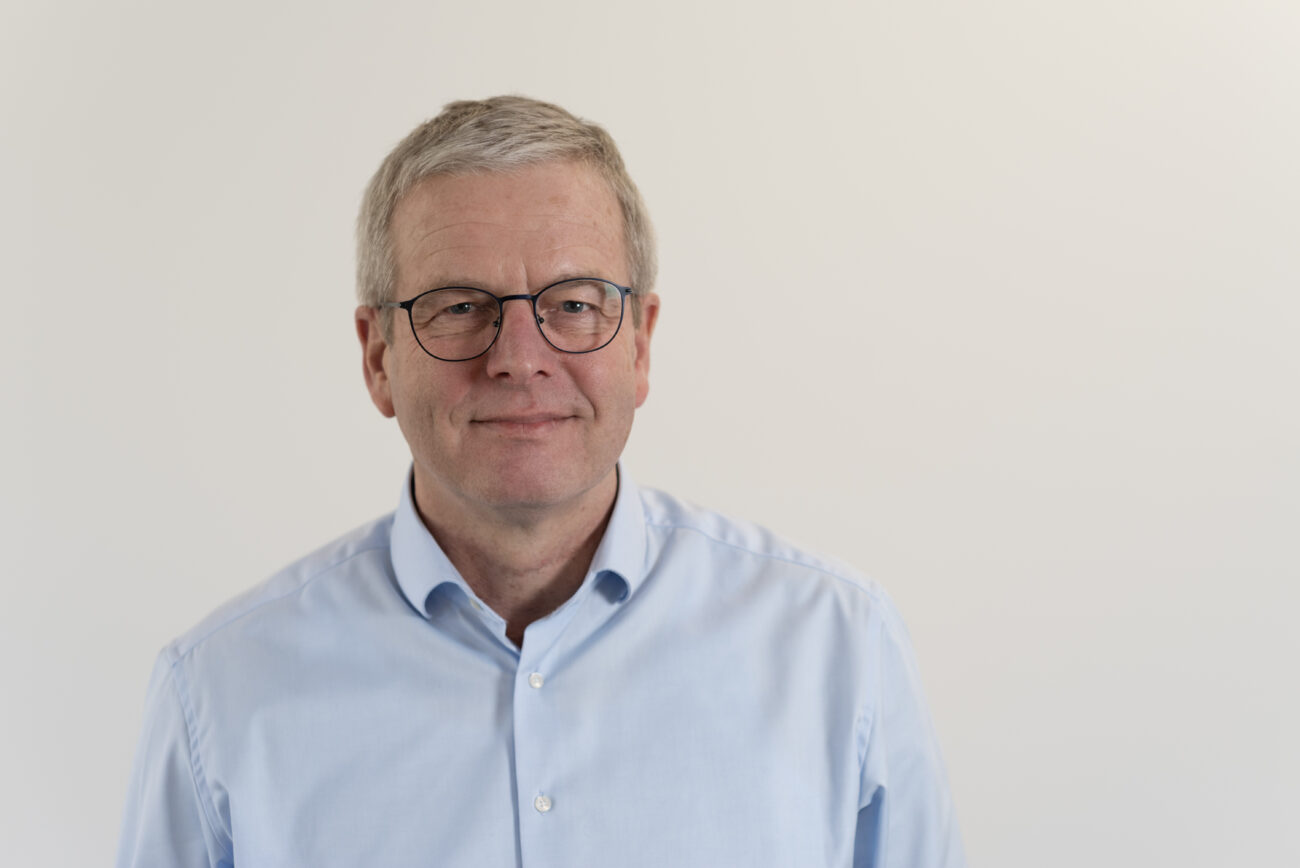
India’s logistics sector is at a decisive inflection point, with automation rapidly reshaping the way goods are stored, handled, and transported, writes Khursheed Alam (pictured, below), Founder, Atmos Systems.

What was once a fragmented, labour-intensive ecosystem is now evolving into a more integrated, technology-driven network. This shift is being driven by rising demand for speed, precision, and scalability in a consumption-led economy. Automation is no longer a future ambition it is becoming central to operational strategy, enabling logistics players to enhance efficiency while responding to increasingly complex supply chain requirements.

A key manifestation of this transformation is the rise of automated warehousing. Advanced systems such as robotics, automated storage and retrieval systems (AS/RS), and AI-led inventory management are redefining warehouse operations. These technologies are significantly improving picking accuracy, reducing turn around times, and optimizing space utilization critical advantages in a market where real estate costs are steadily increasing. More importantly, automation is enabling consistent, high-volume throughput, allowing companies to scale operations without a proportional increase in manpower.

Beyond warehousing, intelligent automation is streamlining end-to-end logistics operations. Technologies such as Autonomous Mobile Robots (AMRs) and drone-enabled inventory tracking are minimizing human intervention, reducing errors, and enabling round-the-clock operations. This transition is not merely about cost efficiency; it is about building resilience, agility, and reliability into supply chains. As India positions itself as a global manufacturing and consumption hub, automation will play a defining role in creating a logistics ecosystem that is faster, smarter, and globally competitive.

E-commerce: Catalysing Tech Revolution of India’s Logistics

The explosive growth of e-commerce is perhaps the single largest driver of this technological pivot. As platforms like Amazon, Flipkart, and quick-commerce disruptors like Zepto and Blinkit redefine consumer expectations, the ‘need for speed’ has become absolute. The Indian warehouse automation market is witnessing a massive surge as players race to trim minutes off their delivery timelines.

To handle millions of stock-keeping units (SKUs) and ensure ‘same-day’ or ‘ten-minute’ deliveries, logistics providers are investing heavily in automated sortation systems and AI-driven demand forecasting. Automation allows these companies to handle seasonal spikes, such as during festive sales, without the logistical nightmare of massive, temporary manual hiring. In this hyper-competitive landscape, the efficiency of a company’s automated backend is directly linked to its customer retention rate.

Building Smart Infrastructure

The transformation is not limited to private enterprises; it is being etched into the very geography of the country. India is seeing the birth of ‘Smart Logistics Parks’, designed to be hubs of interconnected technology. A landmark example is the development of the country’s first smart logistics park in Nagpur by XSIO.

These parks integrate Internet of Things (IoT) sensors, GPS tracking, and automated gate management to create a seamless flow of goods. By situating these high-tech hubs at strategic multimodal locations, India is reducing the logistics cost as a percentage of GDP, which has erstwhile been higher than in developed nations. These smart clusters ensure that once a package is sent out from an automated warehouse, it stays within a digitally tracked, high-efficiency ecosystem until it reaches the end consumer.

A Future-Ready Supply Chain

The integration of robotics, AI, and smart infrastructure is doing more than just moving boxes faster; it is providing end-to-end supply chain visibility. For businesses, this means better data, fewer losses, and leaner operations. For the Indian economy, it signals a transition from a labour-intensive sector to a technology-driven powerhouse.

As automation continues to mature, the challenges of the ‘last mile’ will diminish, and the reliability of Indian exports will rise. By modernising its logistics domain through automation, India is not just catching up with global standards but is building a future-ready infrastructure capable of supporting the world’s fastest-growing economy. The shift from manual to mechanical is well underway, ensuring that the future of Indian logistics is fast, fluid, and flawlessly automated.


Source link

0 comments
0 FacebookTwitterPinterestEmail
Services

Swarm AGVs for Multiple Flows & Pallet Types

by
written by


Designed to automate a wide range of warehouse operational flows, Swarm Automation Transport is a multifaceted automation solution that seamlessly integrates into mixed fleets, simplifying processes, reducing errors and protecting goods from damage. With its latest solution, Toyota Material Handling Europe offers a reliable and scalable automated warehouse transport system that can handle multiple pallet types and facilitates standard and turned pallet loading at low to mid-lift height.

Dynamic, scalable solution for modern warehouse automation

Toyota Material Handling Europe’s automated warehouse transport system combines the Toyota SAI125CB Automated Counterbalance Stacker with T-ONE Control System, intelligent automation software. Swarm Automation Transport easily fits into any major warehouse flow, supporting various warehouse activities and seamlessly integrates into any complex warehouse environment. This holistic solution is particularly valuable for businesses handling multiple pallet types, like euro pallets or bottom-deck pallets, or requiring specific handling procedures such as turned pallet loading.

In support of warehouse efficiency, this new dynamic solution can be deployed for fully automated performance, engineered to operate in sync with other AGVs including Toyota’s automated reach trucks. For businesses combining automation with manual handling, the system supports a hybrid, semi-automated functionality, optimising productivity through effortless coordination with conventional warehouse trucks.

This solution is perfectly suited to a wide range of industries, including warehouse logistics, industrial production and manufacturing, retail distribution and fast-moving consumer goods (FMCG), food retail, as well as other dynamic sectors such as parcel delivery, airport operations and e-commerce.

Transport and storage for conventional racking

Swarm Automation Transport offers a practical and cost-effective solution for businesses looking to start their automation journey. Ideal for stacking near conveyors or cells, this solution can also benefit existing automation users who aim to maximise their ROI, as it integrates easily with different fleet types. Pallet storage can be done up to 5 m in height, with a maximum of 12 m when paired with other Toyota automated reach trucks.

“Swarm Automation Transport marks a major step in our mission to make automation accessible to every warehouse,” says José Maria Gener, Vice President Sales & Marketing at Toyota Material Handling Europe, “By combining the strength of our automated counterbalanced stacker with the intelligence of our automation software T-ONE, we’re giving customers a scalable solution that elevates safety, efficiency and performance across their entire operation.”

Further reinforcing its commitment to responsible design, Toyota Material Handling equips its latest solution with high-efficiency lithium-ion batteries and automatic charging capabilities. The result is reduced overall energy consumption, smooth recharging and longer usage cycles. The 360° Personal Protection System integrates sensors, scanners and bumpers for an overall safer experience.

Automation at every level

Swarm Automation Transport is highly beneficial for generating streamlined fully automated and semi-automated workflows. It is also perfect for managing repetitive transport tasks, pallet handling in buffer areas and for optimising replenishment processes.

Their latest automated solution represents Toyota Material Handling Europe’s continued commitment to developing technologies that elevate safety, efficiency and scalability across every layer of the supply chain.


Source link

0 comments
0 FacebookTwitterPinterestEmail
Services

Contracts Manage Warehouse Construction Risk

by
written by


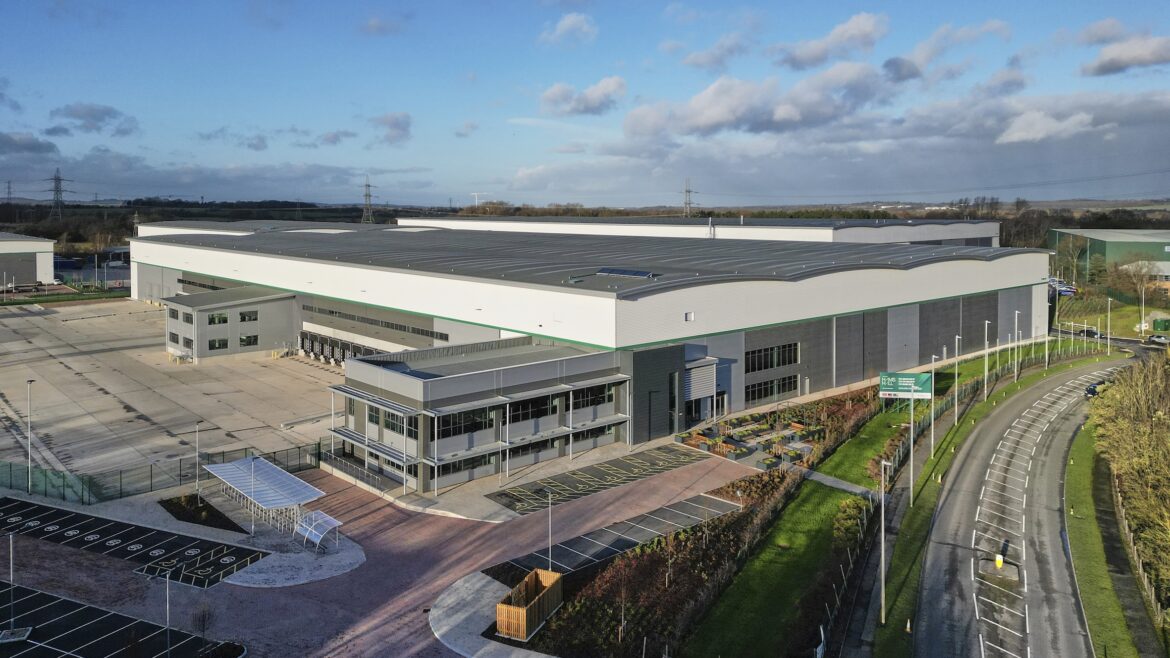
Industrial and logistics development has proved one of the most resilient segments of the property market, write Mark Macaulay and Tasmyn Brittlebank, construction partners in the Projects practice at law firm Dentons.

Demand for warehouse and distribution space, driven by ecommerce growth, supply chain restructuring and the expansion of last-mile delivery networks, continues to support new logistics parks across the UK. Yet the construction environment behind these developments has become increasingly complicated.

Logistics projects are frequently delivered on brownfield land, rely heavily on steel-intensive construction and often require substantial off-site infrastructure works.

As global supply chains remain volatile, with recent geopolitical tensions, including the conflict in Iran, affecting energy markets and shipping routes, these are contributing to renewed inflationary pressure on the cost of construction materials.

For developers and contractors, the challenge is no longer simply delivering warehouse space, but managing the legal risks associated with ground conditions, supply chain volatility and infrastructure obligations.

Ground risk and contaminated land

Many logistics developments are located on former industrial or manufacturing sites. While brownfield land can offer planning advantages, it often presents complex ground conditions and contamination risks that affect construction delivery.

Under the Environmental Protection Act 1990, local authorities have powers to require remediation of contaminated land where it presents a risk to human health or the environment. Where the original polluter cannot be identified, liability may ultimately fall on current landowners or occupiers.

From a construction law perspective, these risks frequently emerge during early site works. Even where Phase I and Phase II environmental investigations have been undertaken, unknown contamination or unstable ground conditions can still arise once excavation begins. The key legal question is how that risk is allocated under the construction contract.

Under some contracts ground risk generally remains with the employer unless expressly transferred. Alternative NEC Engineering and Construction Contracts address unexpected physical conditions through compensation event mechanisms that allow cost and programme adjustments where conditions differ materially from those anticipated.

English case law also underlines the importance of contractual risk allocation where site conditions are concerned, and the Court of Appeal has confirmed contractors cannot rely on unforeseen ground conditions where the contract places responsibility for investigating site conditions on them.

For large logistics schemes involving extensive earthworks or remediation works, the treatment of ground conditions within the building contract can therefore have a significant impact on both programme certainty and project cost.

Inflation, steel and supply chains

Modern distribution facilities depend heavily on structural steel frames, cladding systems and mechanical installations, meaning logistics developments are particularly sensitive to supply chain volatility.

Recent geopolitical instability has reinforced that exposure. The Iran conflict has raised concerns about disruption to global shipping routes and energy markets, increasing freight costs and placed upward pressure on construction materials such as steel.

winter-proofing warehouses

For developers procuring logistics schemes, the question quickly becomes one of contractual risk allocation, particularly who carries the risk of inflation. Traditional procurement models rely on fixed-price construction contracts that place cost escalation risk on contractors. However, sustained material price volatility has made contractors increasingly reluctant to absorb open-ended price exposure.

Standard form contracts offer different responses. JCT contracts include optional fluctuation provisions, although these are frequently excluded in commercial developments, while NEC contracts, particularly under target cost arrangements, allow greater flexibility in managing cost change.

Supply chain disruption can also translate directly into programme delay. Shortages of structural components, façade systems or mechanical plant may trigger extension of time claims and threaten completion dates — particularly problematic where logistics developments are pre-let to tenants with fixed operational timelines.

Again, English case law also illustrates the importance of clear contractual drafting in allocating delay risk, and the Court of Appeal has confirmed parties are free to allocate responsibility for delay through their contract, even where doing so alters the traditional operation of the prevention principle (the rule that a party cannot insist on contractual completion dates where its own actions have caused delay).

Highways and infrastructure interfaces

The high traffic volumes generated by distribution facilities, particularly heavy goods vehicle movements, often require mitigation works to surrounding transport infrastructure. These works are commonly delivered through Section 278 agreements under the Highways Act 1980, allowing developers to fund and construct works to the public highway.

Under Section 278 agreements, highway authorities must approve detailed designs and supervise works carried out within the highway network. Where access roads or junction improvements are linked to project completion, delays in highway approvals or construction can affect programme certainty and practical completion.

For large logistics parks, where vehicle access is central to operational viability, misalignment between highways obligations and construction programmes can create significant delivery risk.


Source link

0 comments
0 FacebookTwitterPinterestEmail
Services

Why Fragmented Freight Management Systems Are Killing Operational Efficiency

by
written by


Freight operations rarely collapse overnight. The damage builds quietly, inside disconnected logistics tech stacks that were never designed to work together. Freight CRM, operations, customs compliance, and finance sit in separate tools, each holding a piece of the truth. Teams rely on manual coordination to bridge the gaps, but that effort doesn’t scale. Over time, decisions slow down, errors increase, and supply chain visibility fades.

The Hidden Cost of Disconnected Freight Operations

Fragmentation doesn’t just create inconvenience. It directly impacts revenue, compliance, and execution. Data breaks between systems lead to revenue leakage, billing errors, missed charges, and delayed invoicing. Teams spend more time chasing information than moving shipments. Compliance risks increase because customs documentation isn’t consistent across workflows.

What this really means is slower decisions and reactive operations. You lose the ability to see issues early. Instead of running your business, you’re constantly fixing it. And in freight forwarding, where timing and accuracy define margins, that cost adds up faster than most realize.

Where Things Actually Start Slipping

When freight software systems don’t talk to each other, neither do decisions.

  • Sales commits rates without full freight cost visibility.

  • Operations executes shipments without context.

  • Finance chases mismatched invoices and struggles with freight accounting reconciliation.

  • Customs works with incomplete or outdated data.

Every team is doing its job. But the business as a whole starts losing control. You are no longer operating one business. You are running four disconnected ones.

The Shift From Disjointed Tools to a Unified Logistics ERP

Adding more tools doesn’t solve this. It amplifies it. Because the problem isn’t capability. It’s connection.

Global freight forwarding needs a system where:

  • Sales feeds directly into operations.

  • Operations flows into finance without manual data entry rework.

  • Customs aligns with every shipment.

  • Every action updates a single source of truth.

That’s where control returns.

Logi-Sys brings freight operations, customs compliance, finance, and customer management into one unified freight platform.

No duplication. No version conflicts. No chasing data. Everything runs on one database. So when something changes, it reflects everywhere.

One Platform. One View. One Business.

Freight is getting more complex. Margins are tighter. Compliance is stricter. You don’t need more effort. You need a better structure.

When your systems are unified:

  • Decisions are faster.

  • Errors reduce.

  • Teams align.

  • Visibility becomes real.

You stop reacting. You start operating with control. One platform. One database. One connected freight business.


Source link

0 comments
0 FacebookTwitterPinterestEmail
Services

Wheels for Steel – Logistics News

by
written by


Clark Materials Handling’s electric forklifts help ensure emission-free logistics at a door and gate factory in Germany.

In Großzöberitz, Saxony-Anhalt, door and gate manufacturer Teckentrup produces steel doors and frames on one of Europe’s longest production lines. Around 1,500 to 2,000 doors roll off the production line every week. This requires a logistical masterpiece every single day. A total of 30 Clark electric forklifts, which prove their worth in all areas of the factory, make a significant contribution to this. The Clark fleet is a prime example of how emission-free, low-maintenance handling can be successfully implemented in industrial door production.

Teckentrup GmbH & Co. KG, headquartered in Westphalia and with production facilities in Saxony-Anhalt, is one of the largest manufacturers of doors and gates in Europe. As an expert in customised door and gate solutions, Teckentrup offers high-quality, customer-focused products in the home (garage doors), professional (functional doors) and industrial (industrial doors) sectors. The company works with its partners to develop tailor-made solutions and enjoys both national and international success.

Industrial customers

Teckentrup currently has a high vertical range of manufacture of 90 per cent. With around 900 employees and a network of European subsidiaries and partners, the company has extensive market knowledge and develops doors that are precisely tailored to country-specific requirements. The focus is on the development and production of high-quality industrial doors and functional sheet steel doors, which are specially manufactured for use in fire, sound, burglary and smoke protection. Requirements have increased significantly in recent years due to stricter regulations and an increased need for security.

“As a medium-sized, owner-managed company, we are flexible, provide individual customer service and meet high requirements,” explains Peter Handrich, Head of Supply Chain Management at Teckentrup in Großzöberitz. “We are the market leader in terms of approval depth and technical specifications, especially when it comes to safety issues such as fire protection or special constructions.”

Digitalisation plays an important role in accelerating and streamlining work processes. “Teckentrup is driving forward digital solutions in all areas of the company, with a focus on sales and production,” explains Handrich. “Our online configurator TEO, for example, allows doors and gates to be configured quickly and in a user-friendly manner in accordance with standards, and construction projects to be planned efficiently,” he adds. “A new import function makes it possible to read, analyse and process service specifications at the touch of a button.”

High demands on functional doors

In Zörbig Teckentrup operates a factory built in 1990 and continuously modernised and expanded to produce steel doors – in particular fire doors, tubular frame doors, roller shutters and frames. “Here, industrial doors are manufactured largely automatically in two shifts,” explains Handrich. “Due to rising production figures of around 100,000 doors and 5,000 roller shutters per year, the capacity in the powder coating area at the Großzöberitz plant was expanded in 2023 with a new system and the manufacturing processes were restructured.”

Teckentrup is currently planning two new production lines for frames and a new mat hall for the manufacture of fire doors. Sustainability plays a major role: the roof of the production hall in Großzöberitz is equipped with a PV system with a total capacity of 1000 kWp for generating the company’s own electricity. When the decision was made to purchase new industrial trucks, it was clear that only environmentally friendly electric forklifts would be considered.

Sustainability and safety in the truck fleet

“We tested several competing vehicles, but I liked Clark’s ‘green’ one best and it won us over – not because of the colour,” laughs Handrich, “but because of its good performance data and high user-friendliness.” The close cooperation with Clark’s partner P&H Gabelstapler und Baumaschinen was also a decisive factor. “P&H had already provided us with good advice and support with the Clark gas forklifts,” says Handrich. Marcel Krämer, Head of Maintenance, can only agree: “The Clark forklifts and P&H have become indispensable in our factory.”

Currently, 30 Clark electric forklifts are in use in Großzöberitz – including 27 GEX 20-30 electric forklifts with a load capacity of 2 and 3 tonnes and one GEX 50 electric forklift with a load capacity of 5 tonnes and a special triplex mast with a lifting height of 8.50 metres. The vehicle is mainly used for maintenance work, for example on the PV system. Two new Clark SE20 (48 volt) and SE30 (80 volt) electric forklifts were recently purchased. With a load capacity of 2 and 3 tonnes, these forklifts offer the perfect combination of ergonomics, safety and high handling performance. The compact forklifts are very manoeuvrable and ideal for indoor and outdoor use. With a steering angle of 101° (zero steer turn axle), they prove particularly useful in narrow aisles or space-critical work areas, as they can turn almost on the spot.

Occupational health and safety are high priorities at Teckentrup. Management also listens to its employees. “Our forklift drivers should feel comfortable on their forklifts, because good ergonomics increase productivity,” says Peter Handrich. It was therefore important that the electric forklifts had an ergonomic driver’s seat and intuitive controls. Restraint systems from IWS provide additional safety. The IWS ‘Pilot Protector’ restraint system consists of gas-pressure-sprung swing doors that protect the driver in the event of the vehicle tipping over sideways.

Lead-acid instead of lithium-ion batteries

All Clark electric forklifts are equipped with lead-acid batteries. Teckentrup made a conscious decision against lithium-ion technology. “The use of Li-ion batteries is not cost-effective in our factory,” explains Krämer. “We have the time to charge batteries because our logistics operate on a single shift basis.” The site uses high-frequency charging technology so that vehicles are quickly ready for use when needed. “We have the space for the charging infrastructure. Lead-acid batteries have a long service life – often well over ten years – even with around 1,000 operating hours per year in single-shift operation,” adds Krämer.

Tailored to the task

Clark forklifts are used in all areas of the plant, from goods receipt and dispatch to truck loading and unloading. They distribute goods within the plant and supply the production lines with materials. Raw materials are delivered on coils or pallets and transported to the relevant consumption points. Larger coils are moved by crane; smaller coils and palletised goods are transported to their destination by forklift. The hydraulic fork adjustment ensures that the forks of the forklift can be adjusted from pallet to coil transport.

The material for current production is kept ready to hand at the workstations. Clark forklifts also ensure that supplies are replenished. The lead time from ordering a door solution to delivery is approximately 4-5 weeks for standard solutions. The finished doors are stored in a cantilever trolley in the warehouse or transported by forklift to the shipping department, where they are packaged. The forklifts responsible for picking the goods are equipped with a tablet so that picking can be carried out paperless via the merchandise management system.

“Our goal at our plant in Großzöberitz is to make industrial door and gate production as efficient and sustainable as possible – from resource-saving production and in-house power generation to emission-free and smooth logistics processes. Our partner Clark also makes an important contribution to this,” concludes Handrich.


Source link

0 comments
0 FacebookTwitterPinterestEmail
Services

Driving Efficiency and Innovation in Conveying

by
written by


Peter MacLeod spoke with Tatsuya Akashi, President of Itoh Denki Europe, to hear how his company meets the high demand placed on conveyors and rollers by the modern warehouse.

The intralogistics sector has faced its share of challenges in recent years, 2025 being no exception. Tatsuya Akashi, President of Itoh Denki Europe, described it as “a quite tough year for the industry. We had very sluggish market investment because of France had a problem with the government, and Germany was not doing so well due to energy issues. Overall, it was a tough year.”

Even the UK, he noted, had seen economic efficiency fall, with major Japanese companies relocating their European headquarters to the continent rather than remaining in England. Yet amidst the difficulties, Eastern Europe, particularly Poland, Czechia, and Hungary, had experienced a manufacturing boom. “Poland and some of the Eastern Europe has boomed a lot, kind of becoming the centre of manufacturing of Europe,” he told me. Akashi highlighted that, despite these challenges, Itoh Denki Europe had experienced growth.

“Luckily, we gained back quite a lot of large projects, and we did above 10%… all the other surrounding companies said ‘You’re so lucky that you have 10% growth!’ Industry was pretty bad.”

A major focus for the company is helping customers increase their profitability. Akashi explained: “First of all, increase the value for money for our products. There are a lot of very cheap Chinese brands of motor rollers coming in. But when we look at durability, and also how we are increasing our speed or torque or other specifications, we are selling a much higher quality product at the same price.” He added that the company’s modules, such as the Multi Angle Ball Sorter, had become a driving force in Europe. “Instead of spending huge money on a cross-belt sorter or slidechute sorter, they can make a very simple sorter based on our MABS module… the cost is around half or one-third of having a huge cross-belt sorter,” he said. Maintenance is simple and quick, often just five minutes of downtime, which delivers clear benefits to both integrators and end users.

Competing with Cheap Imports

Local presence and service are equally important in competing with cheaper imports. “In the case of MDR or a slave roller, the cost itself is just around €10 euro. If you buy from China, maybe it’s €7, but then if you have a shortage and have to bring it by air shipment, it costs €50. So with something very cheap and heavy, you shouldn’t do it in China. You should do it somewhere close to Europe,” Akashi explained. Quick delivery, he said, ensures that downtime is eliminated and operations remain smooth. One example he gave was a leading global e-tailer (yes, THAT one!) where a cheaper solution would have caused nearly two days of conveyor stoppage, equating to potential losses of around €2 million. “If they were using ours, they could come back on in 10 minutes,” he said.

Artificial intelligence is also being integrated into Itoh Denki’s operations. “When we design some control software nowadays, we partly use AI… when we want to do preventive maintenance or control the box moving style… we could use AI to better control our programme and make the programme faster,” Akashi said. While AI is currently an enhancer of automation, he sees substantial future potential as more end users shift from manual work to automated solutions.

Carbon Reduction

Sustainability is another priority. Akashi stressed the company’s strength in enabling carbon reduction, not only through more energy-efficient products but by optimising operations. “If they use our motorised roller, because we do the run-on-demand, it means… only three blocks are moving out of 100. Thanks to this run-on-demand technology, you can save up to 60% electricity… using Itoh Denki product, which is the enabler of the final carbon footprint. Here we are very strong pride in our company,” he said.

Akashi (pictured, below) also discussed the heritage of Japanese engineering. “One thing I can say is in the B2B area, especially if it is… common motor, there’s a lot of okay-level cheap Chinese motors. But we are making a dedicated motor for this industry, which is high torque but low speed… Japan is absolutely number one,” he said.

Looking ahead, the company continues to focus on innovation and customer engagement. Its Amsterdam technology centre allows northern European clients to test products with their own totes. Customisation is fast, with minor adjustments taking just two weeks. Akashi also highlighted new developments to be showcased at LogiMAT, including the flexible noise-arrest roller, which can carry smaller products and reduce maintenance demands.

Reflecting on success, Akashi summarised the company’s philosophy:

“We become smiling when our good technology is adopted and contribute to society. It means a big satisfaction of the end user, our OEM partners, but also we can make our business grow and certain level of high profitability can be kept.”


Source link

0 comments
0 FacebookTwitterPinterestEmail
Services

Milano Linate l’aeroporto ideale per i jet privati

by
written by


Milan Linate Airport is one of the most important airports in Italy for private aviation and luxury charter flights. Located only a few kilometers from the center of Milan, it represents a preferred choice for businessmen, managers and international travelers who want to reach the city quickly and with maximum comfort. Thanks to its strategic location and dedicated infrastructure for executive aviation, Milan Linate is now one of the most used airports for private jet charters in Northern Italy.

Milan Linate: a strategic airport for private aviation

One of the main advantages of Milan Linate is its location. The airport is about 7 kilometers from the city center, allowing quick access to financial districts, luxury hotels, and major business centers.

This is a great advantage for business travelers who need to maximize their travel time.

Reasons why many passengers choose this airport for charter flights include:

  • very short distance from the city center

  • quick access to business areas in Milan

  • services dedicated to private aviation

  • fast and confidential boarding procedures

For these reasons Linate is often used by entrepreneurs, business executives, and entertainment personalities. However, it is important to note that Milan Linate is not an airport dedicated exclusively to private jets. In fact, the airport hosts both scheduled commercial flights and general aviation and business aviation traffic. Airlines connect Milan with many Italian and European cities, while private jets use the same airport thanks to dedicated infrastructure.

Private jet Milan Linate

The Milan Prime Linate terminal for private jets.

An exclusive terminal dedicated to private aviation operated by SEA Prime operates within Milan Linate Airport.

The facility, known as Milan Prime Linate, is one of Europe’s leading business aviation terminals and offers dedicated services for private jet passengers. Here check-in, security and boarding operations take place in a separate environment from the commercial flight terminal, providing greater privacy and much reduced waiting times.

Available services include VIP lounges, meeting rooms, concierge assistance, personalized catering, and luxury car transfers directly from the plane. Thanks to this infrastructure, Milan Linate has become one of the most popular airports in Italy for charter flights and private jets bound for major European destinations.

The operational limitations of Milan Linate airport.

An important aspect to consider if choosing Milan Linate Airport concerns the airport’s operational limitations.

The length of the runway at Linate airport is perfect for small and medium-sized private jets, but can be more limiting for some large jets used on very long intercontinental routes. Despite this, Linate remains one of the most efficient airports for European charter flights.

Airport runways and the operation of private jets.

Linate has two runways:

  • 18L/36R main runway, approximately 2,440 meters long

  • Secondary runway 18R/36L, about 600 meters long, used mainly by lighter aircraft

The main runway is used by both commercial flights and private jets. Therefore, there are no separate runways dedicated exclusively to business jets. The length of the main runway allows the operation of most private jets used for European flights.

Milan Linate airport runways

How to charter a private jet to Milan Linate

Thanks to privatejetfinder.com chartering a private jet flight to or from Milan Linate Airport is now easier than ever before.

The first step is to request a customized quote indicating some key elements of the trip, including:

Based on this information, it is possible to identify the most suitable aircraft, choosing from different categories of business jets, from light models ideal for European flights to higher category aircraft for longer routes.

Thanks to the presence of the executive terminal operated by SEA Prime, passengers arriving or departing from Milan Linate can enjoy an exclusive travel experience with fast procedures and dedicated VIP services.

Renting a private jet on privatejetfinder.com in fact allows you to travel with maximum flexibility, comfort and privacy, avoiding the long waits typical of commercial flights and quickly reaching Italy’s economic capital.

For this reason, Milan Linate Airport continues to be a favorite choice for businesspeople, managers and international travelers who wish to reach Milan on a high-end charter flight.


Source link

0 comments
0 FacebookTwitterPinterestEmail
Services

Software Migration for Automated Warehouse

by
written by


Following the successful software migration of an automated high-bay pallet warehouse and manual warehouses, Klinkhammer Intralogistics has been awarded the contract to connect an additional warehouse location of Otto Lehmann GmbH to its Warehouse Management System (WMS). This involves connecting a manual pallet block storage facility in Geiselhöring as an additional location in a separate instance to the ‘KlinkWARE’ WMS for an external service provider.

Otto Lehmann GmbH, with around 400 employees, is a leading manufacturer of roofing products and drainage technology – from snow guard systems and roof module holders to gutter hooks. The product range comprises around 3,000 product variants. Around 10,000 tonnes of steel and around 3,000 tonnes of non-ferrous metals, primarily copper and zinc, are processed each year.

The company plans to set up an external storage facility in Geiselhöring. This warehouse will be managed using KlinkWARE WMS, but will be operated completely separately from the main warehouse in Neutraubling. The plan is to use independent software and system configuration on a separate server, which will exchange data with the main system via a shared host interface. The focus is on processing goods receipts and full picks for around 50 fast-moving items. In addition to goods receipt and dispatch of pallets – including tour approvals and packing station allocation – the new warehouse will also use the software to map stock transfers, stock corrections and inventory.

Due to the high degree of standardisation of the KlinkWARE software, the entire project will take only around eight weeks and includes testing, commissioning, training, system support and the user documentation. The warehouse will be set up as a separate address in the main system to ensure a systemic separation of the company’s own warehouse from the warehouse of the external service provider. At the same time, there will be a connection to the central WMS via the ERP system, which generates withdrawal notes.

Back in spring 2025, a four-aisle automatic high-bay warehouse with storage and retrieval cranes and picking stations, a manual long goods warehouse and a block storage facility at the Neutraubling site were converted to KlinkWARE. The reason for the migration was outdated servers and operating systems, which posed an increased security risk. In addition, the maintainability of the existing software was limited, making it necessary to adapt it to the current development environment.

By creating a new set of specifications, a comprehensive process optimisation was also carried out. This made it possible to eliminate functions that were no longer needed and, at the same time, to incorporate frequently missing requirements into the new solution. By connecting the external warehouse, Otto Lehmann is creating greater transparency through standardised systems and is consistently continuing the modernisation of its logistics IT.


Source link

0 comments
0 FacebookTwitterPinterestEmail
Newer Posts
Older Posts

Recent Posts

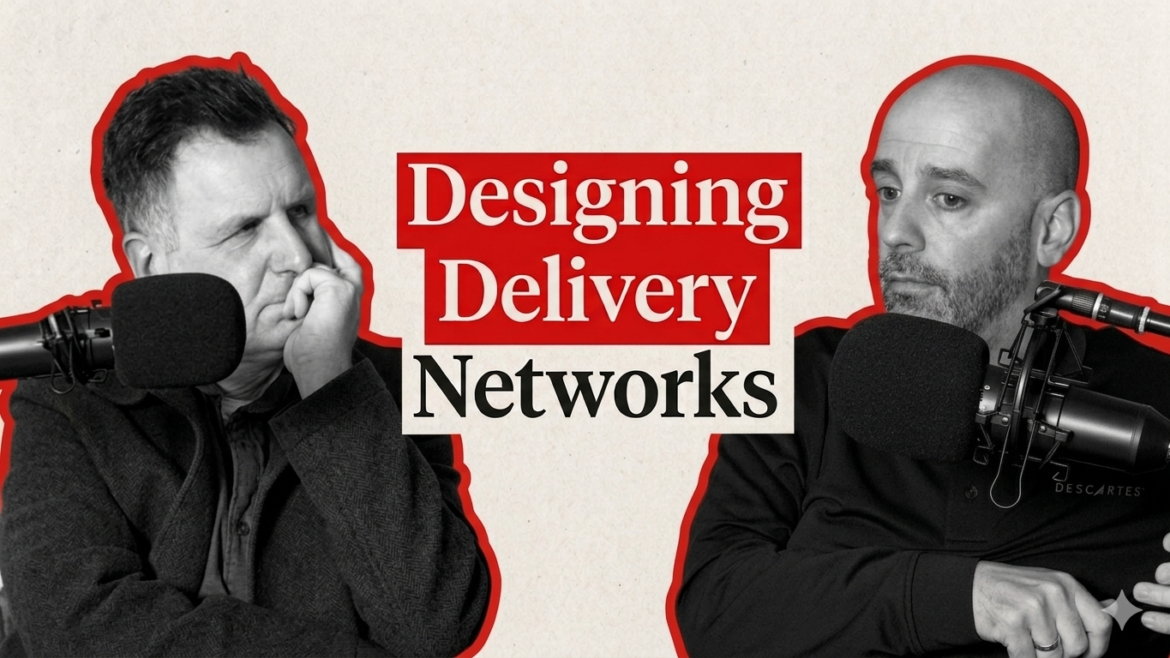
  • Logistics Business Conversations – Designing Delivery Networks
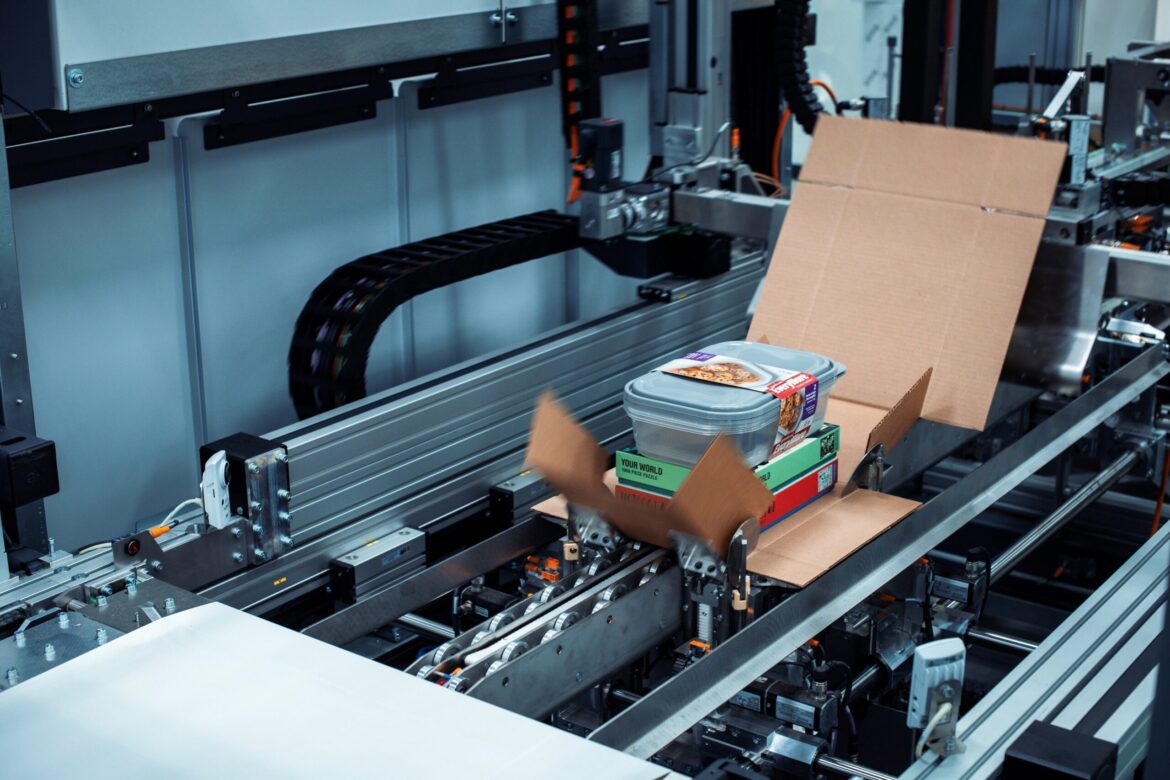
  • Battle to Control Packaging Costs
  • Flabelus Chooses UK Fulfilment Operations Hub
  • Cybersecurity in Logistics isn’t just IT Responsibility
  • Hydrogen Fuel Cell Powered Warehouse Trucks

Recent Comments

No comments to show.

Social Connect

Whatsapp

Recent Posts

  • Logistics Business Conversations – Designing Delivery Networks

  • Battle to Control Packaging Costs

  • Flabelus Chooses UK Fulfilment Operations Hub

  • Cybersecurity in Logistics isn’t just IT Responsibility

  • Hydrogen Fuel Cell Powered Warehouse Trucks

Newsletter

Categories

  • Services (1,103)
  • Uncategorized (41)

@2024 - All Right Reserved. Designed and Developed by Sierraline Cargo services

Manage Consent
To provide the best experiences, we use technologies like cookies to store and/or access device information. Consenting to these technologies will allow us to process data such as browsing behavior or unique IDs on this site. Not consenting or withdrawing consent, may adversely affect certain features and functions.
Functional Always active
The technical storage or access is strictly necessary for the legitimate purpose of enabling the use of a specific service explicitly requested by the subscriber or user, or for the sole purpose of carrying out the transmission of a communication over an electronic communications network.
Preferences
The technical storage or access is necessary for the legitimate purpose of storing preferences that are not requested by the subscriber or user.
Statistics
The technical storage or access that is used exclusively for statistical purposes. The technical storage or access that is used exclusively for anonymous statistical purposes. Without a subpoena, voluntary compliance on the part of your Internet Service Provider, or additional records from a third party, information stored or retrieved for this purpose alone cannot usually be used to identify you.
Marketing
The technical storage or access is required to create user profiles to send advertising, or to track the user on a website or across several websites for similar marketing purposes.
  • Manage options
  • Manage services
  • Manage {vendor_count} vendors
  • Read more about these purposes
View preferences
  • {title}
  • {title}
  • {title}
Sierraline Cargo Services
  • HOME
  • Services
    • Trade With Us
  • About Us
  • Contact Us
  • private jet
    • BOOK YOUR JOURNEY
  • Track Packages
  • Insurance
  • safekeeping

WhatsApp us