Sierraline Cargo Services
  • HOME
  • Services
    • Trade With Us
  • About Us
  • Contact Us
  • private jet
    • BOOK YOUR JOURNEY
  • Track Packages
  • Insurance
  • safekeeping
Services

Supply Chains Race to Modernize Amid Disruption

by
written by


A survey of 400+ supply chain professionals shows connected networks, cloud technology, and AI are central to resilience, cost savings, and efficiency.

Loftware, a global supplier of product identification equipement, today announced the release of its 2026 Top 5 Trends Report, revealing that businesses worldwide are moving urgently to modernize their supply chains in the face of unprecedented disruption, geopolitical uncertainty, and increasing regulatory demands.

Drawing on insights from more than 400 supply chain professionals across 55 countries, the report highlights a decisive shift toward connected supplier networks, real-time packaging intelligence, and AI-enabled automation as organizations work to strengthen resilience and stay competitive in an unpredictable global landscape.

“The future of supply chains will be defined by agility and intelligence,” said Jim Bureau, President & CEO of Loftware. “Our research shows that organizations adopting connected networks, cloud platforms, and AI-driven insights are not just surviving disruption but turning it into opportunity. By modernizing today, companies can anticipate challenges, act in real time, and create supply chains that are smarter, faster, and ready for whatever comes next.”

The research underscores how volatility has become the defining feature of today’s supply chains. Yet many organizations remain unprepared: according to Gartner data, only 29% of companies are ready to manage the next wave of supply chain challenges. At the same time, financial pressure is intensifying. Among companies surveyed with a revenue of $1 billion or more, 50% expect tariffs or trade restrictions to cost them over $1 million in the coming year, with nearly one in five anticipating an impact exceeding $10 million.

According to the report, companies are responding by accelerating investment in solutions that unify supplier ecosystems, ensure consistent and compliant product data, and reduce the operational friction caused by siloed processes. Nearly 70% of respondents believe that sharing label data and standards with trading partners would help them respond faster to disruptions; an indication that the industry is moving quickly toward more collaborative and connected networks. Organizations that have already adopted such models report measurable gains, including 48% citing faster problem resolution and 37% citing reduced operational costs.

The findings also reveal that geopolitical uncertainty is forcing businesses to rethink compliance strategies. Many organizations still struggle to adapt product data and labeling processes to new tariffs or regulatory changes, with 63% of $1B+ companies calling these adjustments “very” or “somewhat difficult.” As supply chains move through reshoring, nearshoring, and multi-sourcing, cloud-based labeling is essential for accuracy and compliance across shifting supplier networks, helping companies avoid costly delays, border holds, and penalties.

Consumer expectations are driving transformation as well. Smart packaging, powered by real-time label data, dynamic QR codes, and connected product information, is emerging as a critical tool for improving engagement, sustainability, and operational efficiency. According to the research, 91% of respondents believe real-time label data helps reduce waste, errors, and improves efficiency. Companies view enhanced traceability (64%) and improved consumer engagement (44%) as the top benefits of connected packaging, illustrating how brands are beginning to treat packaging not just as a regulatory requirement, but as a strategic channel for data, transparency, and customer experience.

Authenticity and traceability are now essential in modern supply chains, accelerated by initiatives like Digital Product Passports and next-generation 2D barcodes. With consumers, regulators, and trading partners demanding verifiable product information, 88% of respondents say cloud-based product identification platforms establish a single source of truth to ensure accurate tracking, traceability, and authenticity. The research illustrates that strengthened traceability improves compliance (43%), visibility (40%), audit readiness (34%), and counterfeiting protection (27%).

Loftware’s report shows that autonomous supply chain technologies are gaining traction. Powered by SaaS-based labeling platforms, AI analytics, and integrated data, these systems help detect disruptions earlier, optimize logistics in real time, and automate error-prone processes. Seventy-five percent of respondents use SaaS-based labeling for resilience, citing benefits like higher efficiency (41%), fewer errors (37%), lower waste (33%), and faster response (30%). As companies face greater complexity across supplier networks, these capabilities will play a central role in building supply chains that are not just connected, but intelligent and self-optimizing.


Source link

0 comments
0 FacebookTwitterPinterestEmail
Services

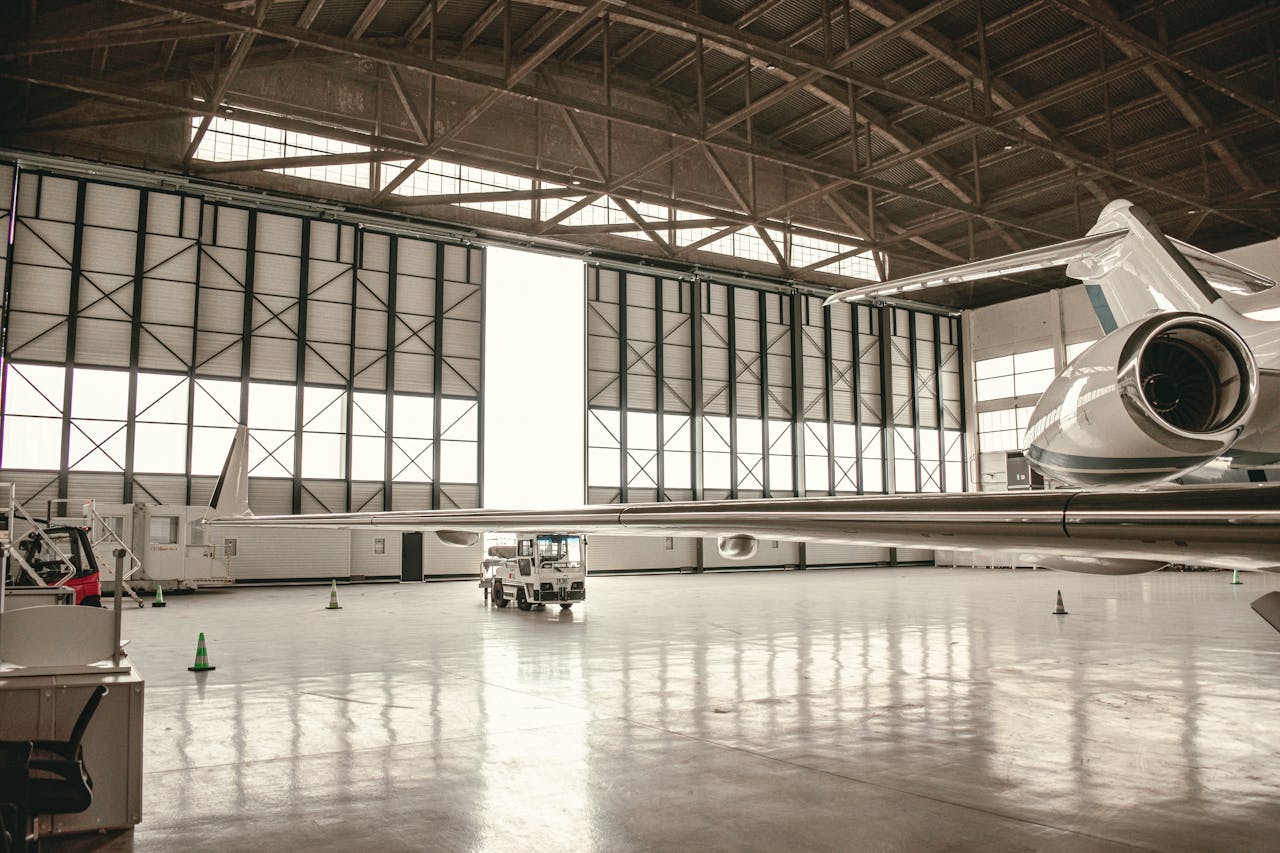
Lake Como by private jet: the ideal destination for those who choose absolute privacy

by
written by


Find out why Lake Como is one of Europe’s most reserved luxury destinations for private jet travelers landing in Lugano or Milan Linate from London and Barcelona.

Lake Como: the luxury of discretion and total privacy

Lake Como has long been one of the most popular destinations for high-end tourism, but in recent years it has especially become a hotspot for private jet travelers seeking discretion, confidentiality and privacy.

Unlike more media-exposed locations, Lake Como offers unostentatious luxury made up of private villas, select hotels and controlled access. An ideal setting for entrepreneurs, celebrities and discerning travelers who consider privacy to be the real added value of travel.

Why Lake Como is the perfect destination for those flying by private jet

Lake Como is not served by large commercial airports in the immediate vicinity; this element, far from being a limitation, is a strategic advantage due to:

  1. lower passenger traffic
  2. more controlled access
  3. availability of reserved FBOs
  4. Increased opportunities for rapid and discreet transfers

All this ensures a relaxing travel experience, away from prying eyes and totally personalized.

private jet lake como

Nearest airports to reach Lake Como by private jet

One of the most important aspects, for those chartering a private jet to Lake Como, concerns the actual airports of arrival: Milan Linate and Lugano

Lugano (LUG)

In most cases, for those flying by private jet to Lake Como, landing in Lugano is an excellent choice. It is only 30 km from the lake For those who favor the utmost discretion, Lugano airport is an extremely fine alternative:

  • Regional airport nestled in a natural setting
  • limited traffic and restricted atmosphere
  • ideal for light and medium jets
  • Quick transfer to the western shore of the lake

Lugano is often cited as the “quietest” gateway to Lake Como.

Milan Linate (LIN)

The airport of Milan is a favorite choice for those flying by private jet to Lake Como, due to its proximity and lower passenger transit than larger airports, and other related advantages:

  • FBOs dedicated to business aviation
  • rapid disembarkation and restart times
  • Direct connections to the lake via car or helicopter

Linate is particularly popular with those who want a balance between accessibility and privacy while avoiding large passenger flows.

London → Lake Como: discretion for weekends and exclusive stays

To charter a private jet from London to Lake Como, it is best to take off from London airports dedicated to business aviation, such as Bigghin Hills or Farnborough and land in Lugano or Milan. Upon arrival, the final transfer to the lake is by car, helicopter or private boat, allowing direct access to villas and resorts without public exposure. The routes London – Milan e London – Lugano are particularly popular solutions for private weekends, informal business meetings or relaxing stays on Lake Como.

Barcelona → Lake Como: from dynamic Mediterranean to quiet luxury

Taking off from Barcelona (Barcelona – El Prat or Sabadell) the routes to Lugano e Milan are quick as flight times: about 1 hour and 45 minutes in both cases. Once landed, the transfer to Lake Comodo is quick and relaxing. The airport of Lugano is only 30 km away, while Milan Linate about 70 km. Precisely because of the speed and convenience in transfers, the routes Barcelona – Milan e Barcelona – Lugano are among the favorites among those who choose Lake Como as a discreet luxury destination.

Is it possible to land directly on Lake Como?

As we have seen, the Lake Como destination is primarily served by Lugano and Milan Linate airports, so it does not have a stopover directly on the shores of the Lake. It is always possible to charter private helicopters to reach Lake Como from Milan, Turin, Zurich and other Central European airports, especially in good weather conditions. For departures from more distant cities, the most efficient solution remains the combination of private jet and last-mile helicopter transfer.

Where to land by helicopter on Lake Como:

Lake Como has several dedicated helicopter landing pads, such as the heliports of Como, Cernobbio and Tavernola, as well as other private ones scattered throughout the area.


Source link

0 comments
0 FacebookTwitterPinterestEmail
Services

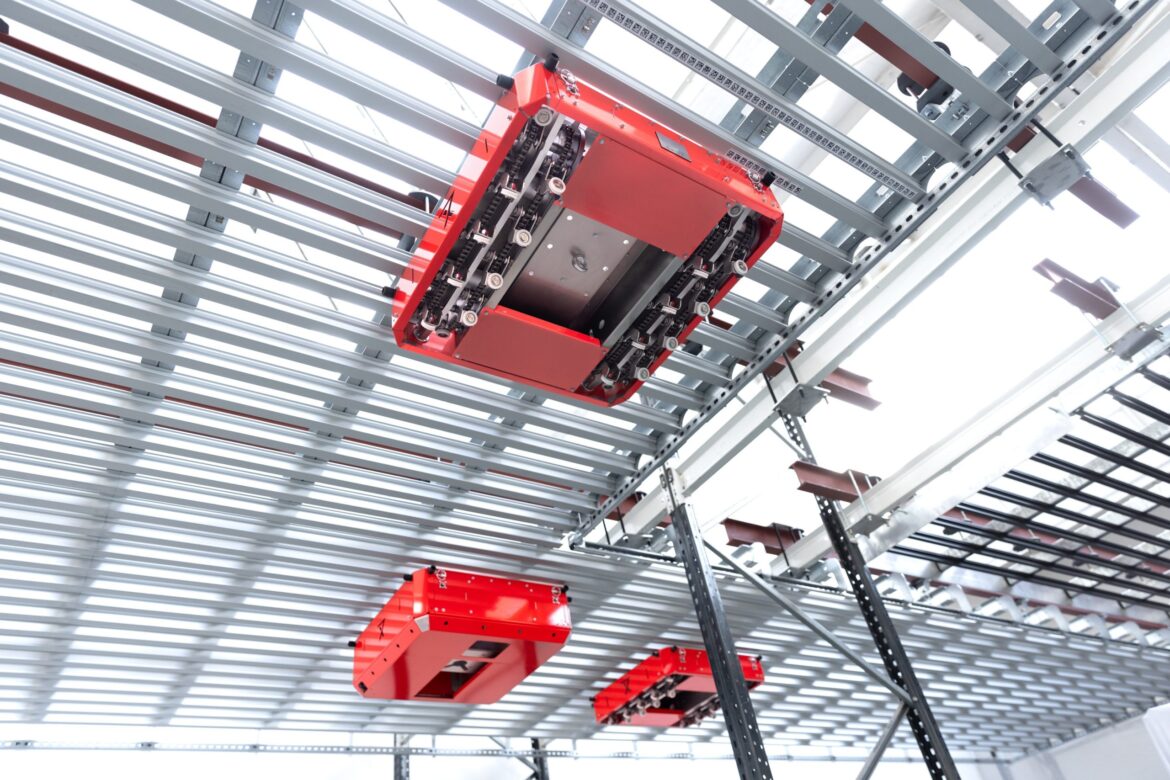
Container Tracking Device Launched – Logistics News

by
written by


Bloodhound Tracking Device (BTD) today announced the launch of Tracker 1™, a covert, next-generation security and tracking platform engineered specifically for global intermodal containers. Unlike adapted consumer-grade devices, Tracker 1 is purpose-built to eliminate the connectivity gaps and short battery life common in legacy systems.

“Tracker 1 was architected for the container, not just adapted for it,” said BTD Chief Technology Officer, Jason Soloff. “We’ve engineered a platform that prioritizes redundancy and survivability to ensure total cargo visibility in the most demanding environments.”

Advanced Engineering & Global Connectivity

The Tracker 1 platform integrates high-performance hardware with a multi-layered communications stack:

  • Discreet, Rugged Design: A patented, colour-matched enclosure, efficient installation without drilling, wiring, or external antennas, and long, useable battery life, all self-contained.
  • Global Coverage: Combines LTE (w fallback), Iridium® satellite communications and a Proprietary IoT Mesh network to ensure continuous reporting.
  • Integrated Intelligence Enabled: Features such as high-resolution accelerometers for impact detection, user level programmable geofencing, and a physical tamper switch.

    The BTD Tracker 1™ is available immediately for ocean carriers, leasing companies, and logistics providers worldwide, with flexible leasing or purchase options.

Tracker 1 addresses persistent industry challenges such as connectivity loss at sea, short battery life, and limited survivability. The platform combines LTE (with fallback), satellite communications, and a proprietary IoT mesh network to provide continuous visibility across ocean, rail, and inland transport. Installation requires no drilling, wiring, or external antennas.


Source link

0 comments
0 FacebookTwitterPinterestEmail
Services

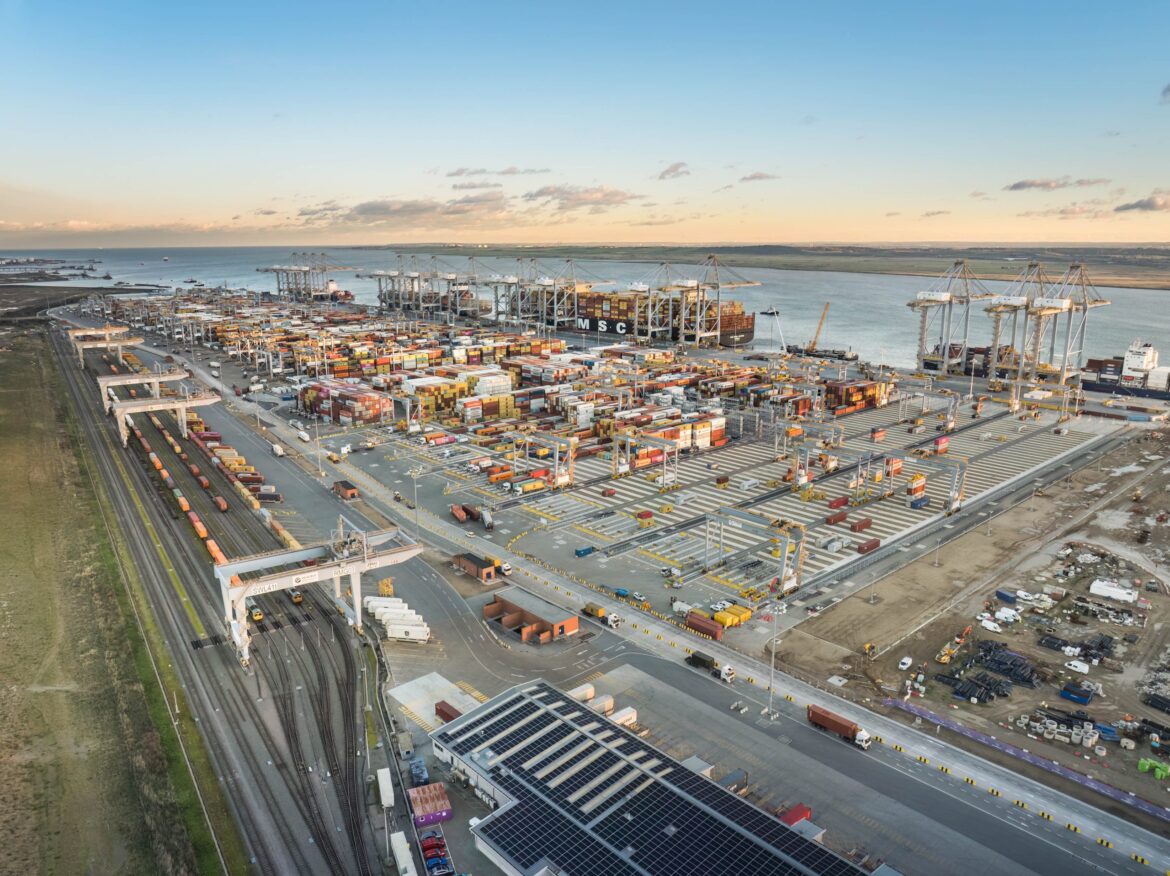
The Reconfiguration of Eurasian Logistics

by
written by


Strategic connectivity is required in order to reconfigure logistics across Europe and Asia, writes Ajay Choudhary (pictured, below) of Asiania Logistika.

Anyone who has spent time around ports or freight desks knows that trade routes do not disappear overnight. They fray first. Delays creep in, costs stop behaving, paperwork piles up. Only then do governments and companies start asking whether the paths they rely on are still fit for purpose. That is broadly where global logistics finds itself today, especially across Eurasia.

For years, shipping between Asia and Europe Russia moved along familiar lines. Those routes still matter, but recent disruptions have exposed how little room for manoeuvre they leave when something goes wrong. As a result, conversations between India and Russia have shifted. Logistics is no longer treated as a background utility. It has become part of the strategic discussion about how trade should function in an uncertain environment.

One idea that has entered that discussion is the proposed Eastern Maritime Corridor. In simple terms, it looks at strengthening direct sea links between India’s east coast and Russia’s Far East. Public references to the corridor describe it as a way to deepen connectivity between Chennai and Vladivostok and to support engagement with Russia’s eastern regions. It is generally referred to as a work in progress rather than a ready-made route, a distinction that underlines the measured way in which such proposals are being handled.

Its significance lies less in any promise of quick change and more in the shift in thinking it represents. Trade reporting on India–Russia economic cooperation increasingly places logistics alongside investment, industry, and finance. Transport links are being discussed as connective tissue that helps commercial relationships hold together when conditions become less predictable.

A similar logic applies to the International North–South Transport Corridor. The INSTC has been talked about for years, sometimes in broad and abstract terms. More recently, attention has shifted toward what the corridor represents in practice. It brings together sea, rail, and road connections across India, Iran, the Caspian region, and Russia, offering an additional framework for moving goods across a complex geography.

Progress along the INSTC has been steady rather than dramatic. References to trial cargo movements point to a careful, step-by-step approach rather than an accelerated rollout. While this may appear slow from the outside, it mirrors the practical reality that cross-border logistics tends to advance only once regulatory processes and operational coordination fall into place.

Developments beyond India’s borders are closely tied to priorities at home. Long-term initiatives such as Maritime Vision 2030 outline efforts to modernise ports, streamline procedures, and strengthen multimodal connectivity. The underlying logic is straightforward. International routes are only as effective as the domestic networks that feed into them.

At the political level, transport cooperation continues to feature in broader trade conversations. Summaries of the India–Russia annual summit reflect a shared understanding that connectivity plays an enabling role in longer-term economic engagement, even as specific outcomes evolve over time.

For companies moving goods across borders, none of this is abstract. Emerging corridors offer clear possibilities, but they also raise practical questions around documentation, reliability, and coordination across jurisdictions. Drawing a route is relatively straightforward. Keeping it functional on a daily basis is far more demanding.

Looking at corridors in this practical way, less as grand announcements and more as evolving systems, is the kind of analytical approach reflected in our work, which focuses on how changes in transport frameworks translate into real-world freight decisions.


Source link

0 comments
0 FacebookTwitterPinterestEmail
Services

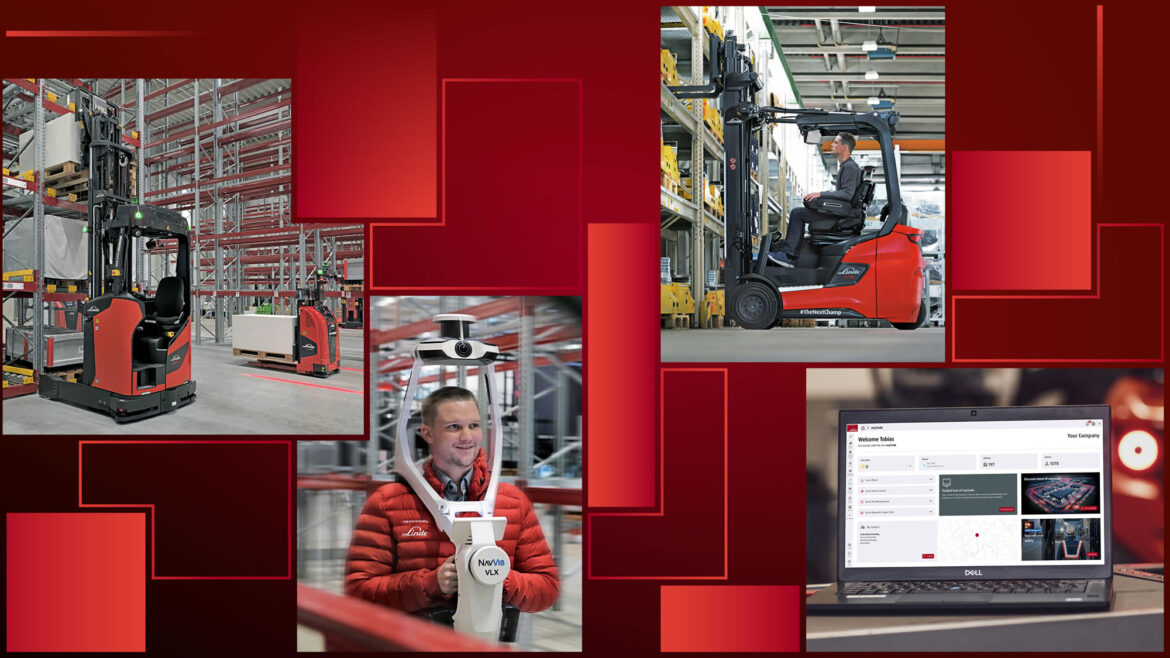
Narrow Aisle Collision Risk Assistance

by
written by


In narrow-aisle warehouses multidirectional forklifts often operate with minimal safety distances. Collisions with protruding loads pose a constant safety risk. To effectively minimise this risk, Hubtex has developed a patented ‘Clear Aisle Assist’: a system of laser sensors that identifies protruding loads early, alerts the driver, and automatically reduces speed.

Challenges in narrow aisles

Multidirectional sideloaders are frequently utilised in narrow-aisle warehouses. To maximise storage capacity, these vehicles operate within guidance systems with very limited safety clearance, often with less than 100 millimetres on each side. This increases space efficiency but restricts the driver’s visibility. It becomes particularly critical when long items are stored at an angle or when neighbouring loads are inadvertently moved during retrieval. Parts may protrude into the aisle and aren’t always visible in time from the cabin, especially on the engine side. This can lead to contact issues and costly damage to the chassis, battery, cabin or rack system. In the timber, metal and general industrial trade, with hundreds of moves per day, this scenario is commonplace.

Monitoring with laser-based sensors

The system utilises Lidar sensors to assess vertical planes in the vehicle’s environment. Sensors are mounted at suitable positions based on vehicle configuration and scan both forwards and in reverse. This ensures early detection of protruding loads, whether the forklift enters the aisle forwards or backwards. The monitored area dynamically adjusts to key parameters, with speed, lift height and configuration determining the size of the protective zones. This allows for precise, needs-based detection of potential collision zones without burdening the driver with additional tasks.

The Clear Aisle Assist does not replace personal protection technology but supplements it with collision protection for loads protruding from the rack system. If the system detects an obstacle, it issues a warning first. If necessary, the system automatically reduces speed to avoid contact or minimise its consequences. The goal is an assistance system that effectively enhances the driver’s focus and maintains material flow in tight layouts.

“Our aim was to develop an assistance system that actively supports the driver without adding extra burden”, states Michael Röbig, Head of Product Management at HUBTEX. “The Clear Aisle Assist recognises dangerous situations early and can, if needed, not only warn but also automatically reduce the vehicle’s speed.”

The system is now available for the PHOENIX series and complements existing personnel protection scanners by providing protection against goods protruding into the aisle.


Source link

0 comments
0 FacebookTwitterPinterestEmail
Services

Android Rugged Tablets for Field Operations

by
written by


Darveen of Taiwan has launched of two new Android rugged tablets — RTC M102 (pictured, above) (10.1-inch) and RTC M82 (8-inch) — designed for field workers who need mobility and reliable connectivity to stay productive in demanding environments. These tablets deliver the flexibility and performance required to handle everyday tasks efficiently.

Performance Built for the Field

The RTC-M102 and RTC-M82 (pictured, below) are powered by the MediaTek MT8781 octa-core processor, delivering strong computing performance and responsive multitasking while maintaining excellent power efficiency. Running Android 16 with 8GB of memory and 128GB of storage, the tablets ensure smooth operation for field workers managing complex workflows. Even in busy, connected environments, users can enjoy stable, fast, and reliable performance.

High-Brightness Touchscreen

Both tablets offer displays with up to 700 nits brightness, providing clear visibility and comfortable operation even under strong direct sunlight. The screens support capacitive multi-touch, delivering a smooth and intuitive user experience that allows field personnel to maintain accurate control in a wide range of challenging environments.

Versatile Data Collection and Connectivity

For data collection and connectivity, the devices provide versatile I/O and wireless options. They support optional 1D/2D barcode scanning, NFC, and RFID modules, and include RJ45 Ethernet and USB interfaces. Wireless connectivity features 4G LTE, Wi-Fi, and Bluetooth, allowing real-time data synchronization and remote communication for field personnel.

Rugged Design and Long Battery Life

Built to endure harsh environments, the RTC M102 and RTC M82 are IP67 rated and meet MIL STD 810H durability tests, ensuring stable operation on construction sites, in warehouses, or outdoors. Their 10,000 mAh battery provides all-day power, allowing users to complete inspections, maintenance, or data logging tasks without interruption.

Available in 8-inch and 10.1-inch displays, the RTC M82 and RTC M102 meet different user needs and are ideal for field mobility applications such as asset management, public safety, energy inspection, logistics and warehouse, and outdoor patrols.


Source link

0 comments
0 FacebookTwitterPinterestEmail
Services

New Data Shows Cost of Logistics Disruption

by
written by


New research shows recurring logistics disruption is stripping weeks or months of operational capacity from companies each year and driving billions of dollars in lost revenue across global supply chains.

More than half (52%) of companies worldwide lose more than one month of operational capacity in any year affected by logistics disruption according to new research from DP World. The findings show that recurring breakdowns across global supply chains are translating directly into lost productive time, increased costs and sustained pressure on growth and competitiveness.

Lost operational time is translating into significant and recurring financial losses across global supply chains. In multiple regions, a substantial share of companies report annual disruption costs of $1 million or more. In high-value sectors, the numbers are larger still. Automotive supply chains incur an estimated $13 billion in disruption costs each year. Technology firms face losses of around $16 billion. Industrial goods, chemicals and consumer sectors each incur multi-billion-dollar losses every year because of recurring supply chain failures. These estimates are based on modelling from reported cost ranges in the survey.

Beyond operational and financial loss, logistics disruption is increasingly driving commercial risk, with supply chain failures spilling directly into customer experience, contract retention and brand value. Across most regions and sectors, between 80% and 95% of companies report that logistics disruption has led to increased customer complaints. In some markets, the damage goes further: firms report lost contracts, weakened partner relationships and lasting brand impact. In other words, disruption is no longer contained within operations but is increasingly visible to customers.

Beat Simon, Chief Operating Officer – Logistics, DP World, said: “What this research makes clear is that disruption is no longer an exception that businesses recover from; it is a condition they are operating under. Companies are quietly absorbing the loss of weeks or months of productive time every year, with real consequences for growth, margins and customer trust. The question facing leaders now is not whether disruption will occur, but whether their supply chains are resilient enough to prevent it from becoming a competitive disadvantage.”

The pattern of disruption also varies sharply by sector. Retail, healthcare and perishables face near-constant disruption, each experiencing around 18,000 disruption events a year. Automotive and technology face fewer incidents, but each failure is significantly more expensive and slower to recover from, amplifying financial risk. This split means some sectors manage continuous volatility, while others face fewer but far more damaging shocks.

The research finds resilience is not driven by technology alone, but by the breadth of investment across the supply chain. Companies that strengthen multiple logistics capabilities, from factory logistics and inbound flows to warehousing and digital coordination, report dramatically lower disruption costs than peers with narrower investment strategies. In consumer goods, firms investing in four or more logistics areas report disruption costs around 76% lower than low-investment competitors.

While disruption is global, the response is diverging sharply by region. In several of the most exposed markets, businesses are among the most aggressive in building resilience, with the vast majority expecting to increase logistics investment this year. By contrast, parts of Europe show lower confidence in logistics partners and more muted investment expectations, despite high levels of disruption.

Despite these differences, the research finds a rare alignment across boardrooms and operations. More than 80% of respondents expect logistics to become a more strategic focus in board-level decision making, and nearly 90% agree that businesses with resilient supply chains will significantly outperform their peers in the years ahead.

The findings underline a growing divide in global trade between companies and regions that are building resilience to absorb recurring shocks and those that continue to lose time, revenue and customer confidence with each disruption. As a global supply chain solutions provider operating across logistics, ports and trade corridors, DP World has broad visibility into how disruption is evolving across markets and industries.

The research is drawn from DP World’s Without Logistics study, based on a global survey of 680 senior logistics and supply chain decision-makers across eight industries and nine regions.


Source link

0 comments
0 FacebookTwitterPinterestEmail
Services

Last Mile Platform Automates Delivery Network

by
written by


NGR, one of the most influential gastronomic groups, has deployed LogiNext’s AI-powered delivery automation platform across all six of its national brands – Bembos, Popeyes, Papa John’s, Dunkin’, China Wok, and Don Belisario, marking a significant modernization of the company’s nationwide delivery infrastructure.

With more than 400 locations across 14 provinces, NGR’s scale demands consistency, speed, and reliability, and the move to a unified orchestration engine sets a new baseline for how the group manages last-mile fulfillment across Latin America.

Through a streamlined implementation, LogiNext has helped NGR bring uniformity to delivery operations that were previously managed store by store. The new, consolidated platform enables faster dispatching, end-to-end visibility, and standardized last-mile execution across all brands. It also marks a structural shift: from manual and reactive processes to an AI-led model capable of automated order assignment, intelligent routing, multi-brand consolidation, exception handling, and real-time communication with customers.

This transition has helped NGR scale its delivery operations with consistency while ensuring each brand retains its unique service identity.

“Delivery defines our brands, and LogiNext has helped us scale that promise across Latin America with consistency and precision. Live in minutes, configured in days, and adopted by 1,000+ teams within a month, its AI-led routing and assignments now give us a faster, more reliable nationwide delivery network,” said Nikitza Ivankovich, Director of Operations at NGR.

One of the most consequential outcomes of the rollout is NGR’s ability to operate a unified, multi-brand delivery network. A single driver can now reliably deliver across all six brands within a zone, improving fleet productivity and reducing cost per delivery. Automated batching and optimized route planning have trimmed unnecessary detours and reduced the number of single-order trips, lowering fuel consumption while directly increasing driver earning potential. The added structure, through clearer routing, predictable schedules, and organized workflows, has strengthened motivation and loyalty among delivery partners, creating a healthier, more efficient, and more dependable delivery ecosystem.

“The biggest shift is operational predictability. Drivers now deliver faster and more accurately across all six brands, with lower cost per delivery. Multi-brand consolidation, real-time exception management, and analytics have completely transformed how we plan and execute deliveries,” said Roberto Gonzales, Central Delivery Manager at NGR.

Today, NGR’s delivery network operates on a single AI-orchestrated backbone, allowing the organization to manage high-volume demand with far greater control and predictability. Automated decisioning replaces manual interventions, improving handoffs between stores, controllers, and fleet partners while tightening SLAs across zones. The resulting operational discipline, faster order flow, cleaner exception handling, and more efficient route utilization have contributed to measurable reductions in wasteful mileage, idle time, and overall delivery costs, while strengthening the consistency of service that customers experience nationwide.

“NGR is setting a benchmark for what modern QSR delivery should look like,” said Dhruvil Sanghvi, Founder & CEO of LogiNext. “Their ability to unify six brands under a single AI-powered platform shows how the right orchestration of technology can transform speed, accuracy, and customer experience at scale. At LogiNext, our focus continues to be building intelligent, automation-led systems that help enterprises make smarter decisions in real time and achieve measurable operational efficiency.”


Source link

0 comments
0 FacebookTwitterPinterestEmail
Services

High-capacity AGVs for ULD Transport

by
written by


China Eastern Air Logistics Co., Ltd. (CEAL) has partnered with Lödige Industries to deploy the latest generation of high-capacity automated guided vehicles (AGVs) for the flexible and fully automated transportation of unit load devices (ULDs). Six 10ft AGVs have now been fully implemented in CEAL’s cargo terminal 4 at Shanghai Pudong International Airport. With testing and commissioning successfully completed and the system officially handed over to CEAL, the terminal is set to operate as a true next-generation smart cargo facility.

Each AGV is capable of transporting loads of up to 6.8 tonnes, establishing new benchmarks in automation, safety, stability and reliability for air cargo handling. The AGV system is fully integrated with Lödige’s proprietary Cargo Management System (CMS), the Cargo Professional Suite, an advanced terminal management system that streamlines cargo flow planning, guidance, and tracking. Leveraging real-time data analytics, the system provides visualized insights via mobile devices, enabling precise and efficient cargo management.

“Lödige’s system far exceeded our expectations, completely transforming our operational model. It has made our logistics processes more efficient and adaptable, while fully preparing us for sustained future growth. What impressed us most is how the system seamlessly integrates with existing workflows, delivering a quantum leap in operational capabilities,” says Weddy Pan, Senior Deputy Manager, Operations Quality Management Division, Cargo Terminal Business Development, at China Eastern Air Logistics Co., Ltd.

“Our AGV system is a powerful enabler of efficiency and automation in air cargo terminals,” said Nicholas Tripptree, Managing Director of Asia-Pacific at Lödige Industries. “We’re proud to partner with CEAL to deploy this cutting-edge technology, helping them enhance efficiency, increase flexibility, and set new standards for cargo operations and overall terminal performance.”

The AGVs enhance operational flexibility by reducing reliance on manual transport, optimizing routing, reducing dependence on fixed infrastructure, and enabling scalable, dynamic cargo flows. The data driven intelligence ensures precise control, minimizes the risk of ULD damage, supports 24/7 operations, and allows staff to focus on higher value tasks. All six AGVs were manufactured in Germany and underwent rigorous testing to ensure consistent quality and performance. The AGV fleet harmonizes with China’s first lift-and-run system, also supplied by Lödige Industries, further boosting throughput and operational intelligence at the terminal.

The partnership between the CEAL and Lödige Industries continues to grow, with previous collaborations including an Elevating Transfer Vehicle (ETV) system refurbishment, and a Transfer Vehicle (TV) system, underscoring their shared commitment to innovation in air cargo logistics.


Source link

0 comments
0 FacebookTwitterPinterestEmail
Services

Temperature Compliance Secured via API

by
written by


Microlise, a provider of innovative solutions for the transport sector, has completed an OEM fleet API integration with GAH Transport Refrigeration. The new integration will ensure continuous temperature compliance for the Group’s customers in partnership with the industry supplier.

With this addition, the Group’s product suite will enable mutual customers to adhere to temperature compliance regulations, providing absolute confidence that temperature-sensitive goods will arrive at customer locations in perfect condition.

Should the temperature in any customer assets increase or decrease, transport managers will be alerted, allowing the issue to be rectified quickly and efficiently. A similar alarm network will alert transport managers to the impact of door openings on temperatures.

The integration allows customers to gather real-time data directly from GAH installed products back into the Microlise product, removing the need for specific installations or additional hardware such as temperature probes. It also reduces compliance costs by removing the need to take vehicles out of service to fit standardised solutions and configurations.

Microlise’s Product Director, Stephen Watson, said: “This integration marks the first step in a truly global transformation. No longer do engineers around the world need to install bespoke solutions tied to specific vehicle manufacturers. Instead, we can deliver seamless, manufacturer-agnostic integrations that enable temperature-controlled deliveries to begin immediately, wherever they are and whatever they drive.

“When goods like pharmaceuticals arrive compromised, they’re rendered unusable, which results in significant financial loss. Our solution eliminates that risk by continuously recording temperatures throughout the journey, providing verified compliance with critical standards such as the European EN12830 directive.”

Jon Hill, Applications Manager at GAH, added “This integration with Microlise represents a significant milestone in our mission to simplify temperature compliance for our customers. By delivering real-time refrigeration data seamlessly into the Microlise platform, we’re removing complexity and cost, while giving operators the visibility and confidence they need to protect temperature-sensitive loads every mile of the journey.”


Source link

0 comments
0 FacebookTwitterPinterestEmail
Newer Posts
Older Posts

Recent Posts

  • Logistics Business Conversations – Designing Delivery Networks
  • Battle to Control Packaging Costs
  • Flabelus Chooses UK Fulfilment Operations Hub
  • Cybersecurity in Logistics isn’t just IT Responsibility
  • Hydrogen Fuel Cell Powered Warehouse Trucks

Recent Comments

No comments to show.

Social Connect

Whatsapp

Recent Posts

  • Logistics Business Conversations – Designing Delivery Networks

  • Battle to Control Packaging Costs

  • Flabelus Chooses UK Fulfilment Operations Hub

  • Cybersecurity in Logistics isn’t just IT Responsibility

  • Hydrogen Fuel Cell Powered Warehouse Trucks

Newsletter

Categories

  • Services (1,103)
  • Uncategorized (41)

@2024 - All Right Reserved. Designed and Developed by Sierraline Cargo services

Manage Consent
To provide the best experiences, we use technologies like cookies to store and/or access device information. Consenting to these technologies will allow us to process data such as browsing behavior or unique IDs on this site. Not consenting or withdrawing consent, may adversely affect certain features and functions.
Functional Always active
The technical storage or access is strictly necessary for the legitimate purpose of enabling the use of a specific service explicitly requested by the subscriber or user, or for the sole purpose of carrying out the transmission of a communication over an electronic communications network.
Preferences
The technical storage or access is necessary for the legitimate purpose of storing preferences that are not requested by the subscriber or user.
Statistics
The technical storage or access that is used exclusively for statistical purposes. The technical storage or access that is used exclusively for anonymous statistical purposes. Without a subpoena, voluntary compliance on the part of your Internet Service Provider, or additional records from a third party, information stored or retrieved for this purpose alone cannot usually be used to identify you.
Marketing
The technical storage or access is required to create user profiles to send advertising, or to track the user on a website or across several websites for similar marketing purposes.
  • Manage options
  • Manage services
  • Manage {vendor_count} vendors
  • Read more about these purposes
View preferences
  • {title}
  • {title}
  • {title}
Sierraline Cargo Services
  • HOME
  • Services
    • Trade With Us
  • About Us
  • Contact Us
  • private jet
    • BOOK YOUR JOURNEY
  • Track Packages
  • Insurance
  • safekeeping

WhatsApp us