Sierraline Cargo Services
  • HOME
  • Services
    • Trade With Us
  • About Us
  • Contact Us
  • private jet
    • BOOK YOUR JOURNEY
  • Track Packages
  • Insurance
  • safekeeping
Services

Yard Management for Smaller Logistics Facilities

by
written by


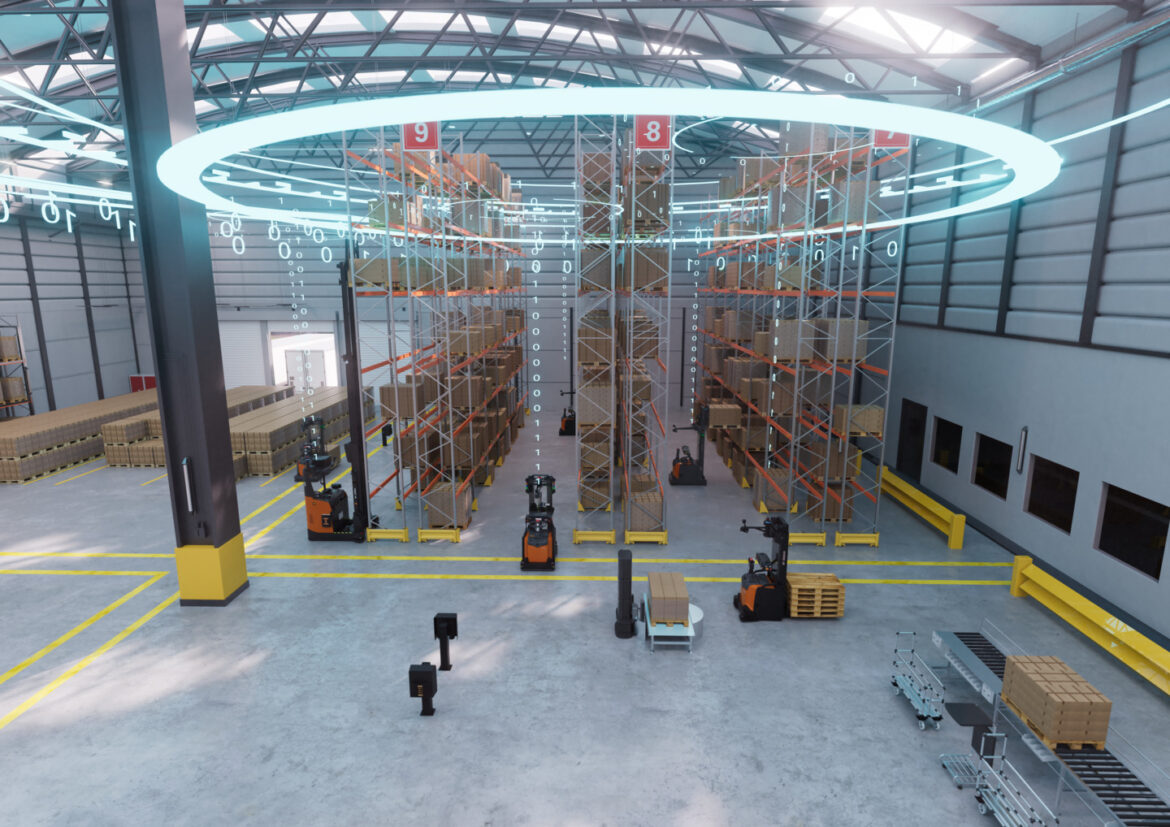
INFORM software has announced the launch of ‘YMSlite’, an entry-level yard, dock, and gate management solution for small to mid-sized warehouses, distribution centres, carrier and container yards, 3PLs, and manufacturing sites with yard operations. The easy-to-use software gives operators a straightforward way to organize and monitor yard operations in real time.

In many smaller facilities, yard operations remain one of the least digitized areas in the supply chain. Trucks wait at the gate, dock doors are occupied longer than necessary, and teams rely on phone calls, radios, and manual lists to keep track of trailers and containers. This leads to unnecessary dwell times, higher detention and demurrage costs, and a constant risk of miscommunication between warehouse staff, transport partners, and gate personnel.

“In Europe, a lot of everyday yard operations still run on clipboards, spreadsheets, and local knowledge,” says Gary Van Tassel, Director of Sales for Terminal & Distribution Center Logistics at INFORM. “At the same time, customers feel growing pressure from rising transportation costs, driver shortages, and increasing service expectations. YMSlite gives small and mid-sized facilities a practical way to gain control over their yards. With real-time visibility, better dock planning, and fewer surprises at the gate. Without the overhead of a big system implementation.”

Yard, dock, and gate in one platform

As a standalone system, YMSlite combines yard, dock, and gate operations in a single web-based application. Operations teams can configure their yard layout – including parking spots, docks, and bulk areas – and track trailers, containers, and chassis in real time. A live yard overview shows where each unit is located and for how long it has been there, allowing teams to reduce search times and act early when dwell times become critical.

Within the application, users can assign equipment to doors, block and unblock locations, and move trailers between parking slots and docks. Gate staff benefit from a clear overview of expected arrivals and departures and can mark check-in and check-out directly in the system, linking each truck to the relevant unit and yard location. A compact KPI view provides insights into yard occupancy, dock utilization, gate activity, and dwell times to support data-driven decisions.

Built for smaller facilities – fast start, low risk

YMSlite is tailored for small and mid-sized warehouses, distribution centres, carrier and container yards, 3PLs, and manufacturing sites that need professional yard management without the complexity of enterprise systems. The user interface is intentionally simple and immediately understandable for operational teams on the ground – so users can get started without extensive training. Setup is equally straightforward: new sites can be configured within 30 minutes, enabling teams to work with the software quickly and productively. Fully cloud-based, YMSlite can be implemented directly without dedicated IT projects or in-depth IT know-how.

YMSlite is offered with a transparent subscription model, with a flat monthly rate and no hidden fees or long-term commitments. A free trial of 15 days allows interested companies to test the solution with their own data and processes before making a decision.

“Over the past decades, INFORM has built a strong portfolio for complex logistics operations all over the world,” says Karsten Schumacher, Product Manager YMSlite, Terminal & Distribution Center Logistics at INFORM.

“With YMSlite, we are deliberately extending this portfolio to smaller logistics facilities. Many of these sites face the same visibility and efficiency challenges as large operations but have lacked a solution that fits their scale and resources. YMSlite closes exactly this gap and allows us to support customers from small businesses through to global enterprises with the right level of functionality in each case.”

Developed with and for smaller logistics facilities

During customer pilots of YMSlite, companies were able to replace paper-based yard lists and manual gate logs with a shared digital view of all trailers, docks, and appointments. Participants reported faster access to information, fewer misunderstandings between staff, and more predictable yard flows, particularly during peak periods.

“YMSlite has been a clear step up from working in Excel. The interface is clean, the system is easy to understand, and we were up and running in about five minutes. Cloud access means we can reach the same up-to-date information from anywhere and don’t have to worry about different file versions. If you’re looking for a straightforward, more structured alternative to spreadsheets, I’d recommend giving YMSlite a try,” says a Warehouse Manager for a leading regional 3PL and YMSlite Beta User.

Ongoing feedback from beta users continues to shape the product’s evolution. Upcoming enhancements in analytics and reporting will expand the system’s capabilities without compromising its intuitive, user-friendly design.


Source link

0 comments
0 FacebookTwitterPinterestEmail
Services

Order Picking with Intelligent Robotics

by
written by


A tightly scheduled picking process, an automated shuttle warehouse, and in the middle of it all, a manual step that slows everything down. OPO Oeschger was looking for a solution that would fit into existing structures without changing them. Sereact impressed with a robot-based solution that uses artificial intelligence and works immediately. The robotics integrate seamlessly into existing processes and ensure a noticeable increase in efficiency.

OPO Oeschger is a Swiss family-owned company headquartered in Kloten, founded in 1926 and now employing around 300 people. With a range of more than 70,000 items, OPO Oeschger is one of the leading suppliers of fittings and components for carpenters, wood, glass, and metal construction, as well as for schools and resellers. In addition to furniture and kitchen fittings, the range also includes door and building fittings, machines, and tools. In its logistics, OPO Oeschger consistently relies on highly automated processes to deliver not only quickly but also reliably. Order picking is also being specifically developed with new technologies to meet increasing demands.

When standard solutions don’t help

Many processes in logistics at OPO Oeschger are already automated. Nevertheless, the goal was to identify new potential. There was a particular need for action in the area of order picking. Although an automated small parts warehouse was in place, items were still being picked manually. Since the warehouse building offers only limited space and the processes are precisely coordinated with the conveyor technology, the new solution had to be implementable without major interventions.

Adjustments to the conveyor technology or upstream control processes were out of the question. The solution had to integrate seamlessly into an existing workplace without imposing new processes. This is precisely where other providers who offered only standardized systems failed. OPO Oeschger, on the other hand, was specifically looking for a solution that would fit into the existing system and could realistically replicate the behavior of a human picker.

The robot picks what fits

Sereact impressed OPO Oeschger with its willingness to consistently adapt to the existing framework conditions. “The Sereact team came to our site, took a close look at our processes, and very quickly understood how they work,” explains Daniel Schütz, Operations Manager Logistics at OPO Oeschger.

“While other providers proposed standard solutions, we were able to implement individual requirements together with Sereact.”

The picking robot was integrated into an existing picking workstation. Instead of adapting the environment, the robot was designed to perform the tasks of a human employee as realistically as possible: it picks up target cartons and places them in two target locations. If requested to pick up a destination container, the robot first removes the anti-slip mat from the container. The robot then removes items from a source container and places them in the prepared destination carton or container. These are then sent on to the conveyor system for further processing.

A prerequisite for commissioning was a targeted adaptation of the interface in the warehouse management system, which was implemented without any problems in cooperation with TGW Logistics. This meant that only orders suitable for automated picking could be forwarded to the robot. The selection of suitable items is carried out directly by OPO in the item master. The actual picking and placement logic — i.e., the decision on how to place and stack items in the box—is entirely controlled by Sereact’s AI-supported control system. No product training was necessary. The AI solution takes care of product recognition, selection, and picking independently. The precision of the solution is particularly evident with items for which the cardboard packaging has been calculated exactly. Targeted preselection is crucial for the stability of the process.

An employee who doesn’t need a break

With the use of the picking robot, OPO Oeschger has taken an important step toward future-oriented logistics processes. The robot reliably performs standardized picking tasks that were previously covered by manual labour, thus creating a noticeable reduction in the daily workload. It works stably and reliably, especially with items that meet clearly defined criteria. Technically, the robot would be capable of significantly higher performance. At OPO, however, the speed was deliberately throttled in order not to overload the existing structural structure. In its current configuration, its performance is roughly equivalent to that of half a full-time employee. This deliberate limitation is part of a strategic approach.

OPO is using the project to learn specifically how AI-based robotics can be integrated into existing processes and what conditions need to be created for later scaling. At the same time, the expertise of the employees remains central: they now focus more on complex picking processes that involve handling flexible or sensitive products, for example. The combination of robot-assisted automation and human experience increases overall efficiency and process quality. Items that are not suitable for the robot are specifically excluded in the warehouse management system. For OPO Oeschger, the use of this technology was not a measure to reduce staff. Rather, the focus is on gaining knowledge. The aim is to further develop the system in a targeted manner and make it scalable.

What works today will continue to grow tomorrow

The experience gained from the project forms the basis for future automation projects at OPO Oeschger. The company is already working with Sereact and TGW Logistics to further develop the interface logic. The aim is to control even more precisely which items the robot can handle in the future, even for more complex orders with mixed items. In the medium term, the picking robot will interact intelligently with manual workstations and automate where it makes economic and procedural sense.

“We deliberately viewed the project as an investment in know-how,” explains Schütz. “We also wanted to learn at an early stage how picking robots can be meaningfully integrated into our processes, with a view to today’s operations and future logistics strategies.”

The aim is also to increase the utilization of the existing robot. The use of additional units is also planned for the future. Based on the knowledge gained, a scalable solution is to be developed that fits seamlessly into future infrastructures and consistently exploits the potential for automation. With the knowledge gained, OPO Oeschger and Sereact are working together to further optimize logistics processes in order to reap the full benefits of automation in the long term.


Source link

0 comments
0 FacebookTwitterPinterestEmail
Services

Pallet Pooler helps Flowers for Mothers Day

by
written by


A fresh flowers business is blooming in time for Mother’s Day thanks to a supply chain partnership which helps it cope with a 100 per cent increase in demand. Global agribusiness Flamingo has its busiest time of the year in the first quarter of every year, with Valentine’s Day quickly followed by Mother’s Day.

It works with one of Europe’s leading pallet poolers, IPP, to ensure its blooms make it to the supermarket shelves in good time for key events in its peak season, while also reaching key efficiency and sustainability targets.

During this time, it will see the number of pallets transported by IPP increase by 100 per cent – a vital partnership for the business, which has seen a five per cent increase in overall demand for its products year-on-year.

Flamingo supplies hundreds of millions of stems of flowers, plants and produce to UK and European supermarkets and florists. It works with partner growers in 19 countries, with a goal of products reaching the shelves within 96 hours of being farmed.

It relies on IPP to keep its supply chain moving with a reliable supply of pallets, enabling it to move products efficiently from its sites to its retail customers.

Vanuza Machado, UK inbound logistics co-ordinator, said:

We’ve been working with IPP for more than 10 years, building a strong and collaborative partnership over that time. Key events like Mother’s Day bring a significant uplift in volume, so flexibility and responsiveness are crucial. IPP supports us by ensuring pallet supply keeps pace with increased demand, helping us manage peak volumes smoothly and maintain service levels during our busiest periods. This long-standing partnership is built on reliability, open communication and a shared focus on continuous improvement. As our business grows across the UK and Europe, having trusted partners who understand our operations is more important than ever.

Sustainability is a priority for Flamingo as it continues to grow, with its focus on reducing its carbon footprint through renewable energy investment, greater use of sea freight, improved water stewardship, lower chemical usage, biodiversity projects and stronger waste and recycling programmes.

IPP aims to bring innovation and added value to the partnership beyond simply providing pallets, as its use of Internet of Things technology and its advanced forecasting and planning capabilities helps optimise product flows during peak periods, reducing waste and unnecessary miles.

IPP commercial director Demi Crabbe said: “For more than a decade, our partnership with Flamingo has demonstrated the value of reliability and innovation during peak periods. We have a truly collaborative approach to resolving any challenges, which we achieve through open communication. Improving efficiencies and reducing environmental impact is at the forefront of both our agendas. By combining our robust pooling network with our circular approach, we help customers reduce waste, cut carbon and deliver products on time, every time. This Mother’s Day, we’re committed to ensuring Flamingo can meet demand seamlessly and continue delighting consumers across the UK.”


Source link

0 comments
0 FacebookTwitterPinterestEmail
Services

Terminal Operator Updates Port Equipment

by
written by


International terminal operator CoreX Ports & Terminals / Yilport Holding, Inc. has received 5 reach stackers, 5 empty container handlers and 9 forklifts to increase its container handling efficiency at terminals in Ghana, El Salvador, and Portugal. The trucks were ordered in batches throughout 2025 and are now in service.

CoreX Ports & Terminals / Yilport Holding operates 22 Marine and 5 inland terminals in 12 countries and relies on a fleet of container handling equipment to meet strict customer deadlines in a wide range of demanding environments. To keep up with demand, Yilport decided to replace older equipment at four of its terminals with 19 of the latest Konecranes lift trucks to ensure continued safe and efficient operations and maximum uptime.

“We appreciate Konecranes’ continued participation in our equipment purchase tenders and their responsiveness to our operational requirements. The addition of these reach stackers, empty container handlers, and forklifts further strengthens our equipment fleet across multiple regions, supporting higher productivity, operational resilience, and service reliability. As we continue to expand our global terminal network, investments in modern equipment remain a key driver in delivering efficient and competitive port services to our customers worldwide,” says Erhan Çiloğlu, Deputy CEO & CMO, Yilport Holding.

“This delivery reflects Yilport’s confidence in Konecranes. We’re proud to have delivered the right solution with our Turkish distribution partner Portunus playing a key role to make this happen, supported by our unmatched global after-sales service through our distribution partner network,” says John Elisson, Regional Director MEA, Lift Trucks, Konecranes.

The 5 reach stackers, 5 empty container handlers, and 9 forklifts meet a wide range of capacities and handling requirements at four terminals. For deeper insights, ‘TRUCONNECT Remote Monitoring’ will collect usage data and send it via secure mobile connection to the Konecranes customer portal, where Yilport can follow one truck, a group of trucks or its entire lift truck fleet around the world. With up-to-date information about truck performance, the port operator can analyze and optimize its operations.


Source link

0 comments
0 FacebookTwitterPinterestEmail
Services

Charging Challenges Stalling Fleet Electrification

by
written by


A commercial vehicle rental specialist has launched a new whitepaper looking at why charging infrastructure is holding back electric vehicle adoption across the light commercial vehicle (LCV) sector.

The ‘Charging Ahead’ whitepaper, based on data from Dawsongroup’s EV Readiness Survey of fleet operators across the UK, uncovers a disconnect between perceived readiness and actual implementation.
While 53% of respondents believe their premises are suitable for EV charging infrastructure, only 27% have actually installed chargers on site. Meanwhile, 47% remain either unsure of their suitability or consider their premises unsuitable altogether.

In the report driving range is identified as the most important factor in EV selection for fleet managers (42%). For micro fleets running between one and ten vehicles, a single van falling short on range can throw an entire day’s operations into disarray.

“For smaller fleets, every vehicle is a workhorse. If one can’t deliver the expected range, it disrupts the entire operation,” said Sarah Gray (pictured, below), Head of ZEV Strategy and Development at Dawsongroup vans. Charging speed is also highlighted as a day-to-day challenge. Unlike private EVs, commercial vans run to tight schedules where slow charging translates directly into lost productivity. The whitepaper maintains that faster charging infrastructure is key to keeping vehicles on the road, with drivers able to top up during breaks rather than waiting for a full charge.

The findings show that 59% of drivers take their vehicles home overnight, which can create challenges around charging consistency and cost control.

“When vehicles are dispersed overnight, businesses lose control over charging consistency and cost management. It becomes harder to monitor energy usage and ensure vehicles are ready for the next day,” says Gray.

Despite 41% of fleets parking vehicles at their business premises overnight, on-site charging adoption remains surprisingly low. The whitepaper suggests that many businesses underestimate what installation involves.

“Many businesses underestimate the complexity of installation,” says Simon Ridley, Managing Director at Dawsongroup vans. “From assessing electrical capacity to managing costs and planning for future scalability. It’s not just about buying chargers; it’s about integrating them into the business model.”

The whitepaper recommends a practical, phased approach, starting with temporary or mobile charging solutions, carrying out site assessments to understand power availability, and building an infrastructure that can grow with the fleet.

The experts at Dawsongroup vans encourage businesses to combine real world vehicle trials and telematics to test EV performance against actual route demands, rather than just relying on manufacturer figures.


Source link

0 comments
0 FacebookTwitterPinterestEmail
Services

Next-Generation Snow-Class Reefer Fleet – Logistics News

by
written by


One of the world’s largest operators of specialized reefer vessels, Cool Carriers, is set to operate seven new ‘Type Reefer Carriers’ from Kitanihon Shipbuilding in Japan, and took delivery of the first vessel, ‘Snow Flower’, on 4th March. Each vessel is designed to safely carry 5,000 high-cube pallets of perishable fruit, along with up to 168 reefer containers, at a service speed of 18 knots. Two vessels have capacities of over 630,000 cubic feet, while five have capacities of 660,000 cubic feet.

All vessels will share the same specifications and form a new series, with deliveries scheduled from March 2026 through to 2028. The names draw inspiration from the company’s original and highly regarded Snow-class vessels.

The vessels will feature modern hull and propulsion designs, including energy-efficient engines engineered to meet stringent IMO and EU environmental regulations through to 2030 and beyond.

This order forms part of Cool Carriers’ ongoing fleet renewal strategy, ensuring continued competitiveness in the specialized reefer segment. Following this order, the company will have a total of 7 vessels on order, with 2 scheduled for delivery in the remainder of 2026.

Cool Carriers is both an owner and a time-chartered fleet operator, which includes leasing vessels from Japanese owners. The company’s expanding fleet represents a significant increase in reefer capacity, with vessels capable of carrying up to 14,000 pallets under deck and in containers combined.

Cool Carriers serves key global trade routes, including New Zealand to Europe (Kiwi fruit), Chile to the United States, Ecuador’s banana exports, and growing volumes from South Africa and Argentina to Europe.

As global demand for year-round fresh produce continues to rise the company plays a vital – if often unseen – role in maintaining resilient food supply chains. The introduction of the Snow-class vessels will further improve both delivery reliability and environmental performance.

Glenn Selling, Chief Operating Officer at Cool Carriers, said, “Cool Carriers is proud to introduce the Snow class. With a 2.5-metre deck height, these vessels represent a major step forward for the specialized reefer industry. Exporters will no longer need to choose between standard and high-cube pallets – the new vessels are designed entirely for high-cube cargo, matching the internal height of modern reefer containers.”


Source link

0 comments
0 FacebookTwitterPinterestEmail
Services

Windsor Framework Freight Discussions – Logistics News

by
written by


The British International Freight Association (BIFA) recently met with representatives from the European Commission in Brussels to discuss the operation of the Windsor Framework and its impact on the movement of goods between Great Britain and Northern Ireland.

The meeting formed part of ongoing engagement between industry and policymakers to assess how the post-Brexit trading arrangements are functioning in practice and to identify areas where processes could be improved for freight forwarders and their customers.

Representing BIFA was Pawel Jarza from the association’s Policy and Compliance team, who highlighted the operational realities faced by members when moving goods across the Irish Sea. While the Windsor Framework has simplified certain procedures, such as removing the requirement for export declarations on goods moving from Great Britain to Northern Ireland, freight forwarders continue to navigate a complex trading environment.

Key challenges discussed included the need to operate between two tariff regimes and determine whether goods are considered ‘at risk’ of entering the EU market. Additional requirements, including safety and security declarations and the implementation of systems such as Import Control System 2 (ICS2), also contribute to the complexity of border processes.

The discussion also addressed issues surrounding the movement of small parcels and lower-value consignments, where the detailed provisions of the framework can create practical difficulties for operators.

BIFA used the meeting to relay feedback from its members and emphasised the importance of continued dialogue between industry and regulators to ensure the framework works as effectively as possible.
Commenting after the meeting, Jarza encouraged members that trade between Great Britain and Northern Ireland to continue sharing their experiences.

“Freight forwarders operate at this border every day and have first-hand knowledge of what works and what does not,” he said. “If members encounter systemic issues, it is important that they let us know so we can raise these with government departments and the European Commission, and where possible propose practical solutions.”

BIFA will continue to gather feedback through its regional engagement in Northern Ireland and ongoing discussions with members to support improvements to the operation of the Windsor Framework.


Source link

0 comments
0 FacebookTwitterPinterestEmail
Services

AI and the Future of Supply Chains

by
written by


How can we turn supply chain volatility into foresight? We are at an inflection point for AI, writes Jonathan Jackman, Kinaxis‘ VP EMEA, who discusses impacts on the future supply chain.

In today’s world, warfare, sanctions and climate instability are fracturing global supply chains and upending business plans with little warning. In fact, we must accept that volatility has shifted from being an exception to a defining feature of the operating environment.

In response, organisations are accelerating their adoption of AI, drawn by its promise to improve decision making and build resilience in an increasingly unstable world. Yet, as the enthusiasm for AI grows, so do the risks associated with how it’s being deployed.

Many businesses have already embraced early generative AI tools that operate alongside existing processes, though without fully embedding them. While these systems can speed up analysis, they often lack access to critical data and an understanding of wider business context, resulting in new forms of risk rather than increased protection.

Unlike earlier tools, agentic AI can not only analyse information but simultaneously take action, considerably expanding its potential impact. It also increases the consequences of getting it wrong, though.

When AI systems operate without full situational awareness or clear governance, the outcomes can be immediate and damaging, ranging from misdirected inventory and excess production to costly compliance failures.

This is a pivotal moment for AI adoption; agentic AI will play a central role in the future of supply chain decision making, but its success will depend less on the speed of adoption and more on how responsibly these systems are integrated in core processes.

A choice for leaders

As organisations begin to use AI to help them navigate disruption, they face a clear choice. On one side, generative AI tools and copilots are added onto existing processes, offering quick wins and impressive demonstrations. Yet because they sit outside of the workflows where decisions are made, they rely on fragmented data and produce outputs that lack context and accountability.

In complex supply chain environments, any shortcomings can escalate rapidly, with misaligned decisions leading to undermined trust and increased risk exposure.

On the opposite side, organisations can begin embedding intelligence directly into decision making workflows. At its most advanced, this involves agentic AI systems that operate on real-time data alongside the wider business context, allowing them to coordinate responses across the organisation.

When AI is embedded like this, organisations can move beyond reactive responses and gain the ability to anticipate disruption and act decisively before any issues can escalate.

Designed for human-in-the-loop

With all this, maintaining human oversight and accountability when using AI systems should remain a design requirement. While there are concerns that AI might replace people, agentic systems will only deliver the most value when they are designed to work alongside humans.

People are and will remain responsible for the most important decisions. They define objectives, approve actions with significant impact and remain accountable for outcomes.

Within these outlines, autonomous agents can monitor signals, coordinate activity across functions and generate response options. As a result, human decision makers can then focus on areas where judgement and morals, as well as regulatory understanding, are crucial.

More importantly, embedding agentic AI into decision workflows enables oversight to be applied from the beginning. Unsafe or non-compliant actions can be prevented automatically, rather than identified after the fact. As regulators, particularly in the EU, place greater emphasis on transparency and explainability, this level of control is becoming increasingly necessary.

Trust as the foundation

Supply chains are at risk due to a lack of systems that enable transparent, coordinated decision-making.
As uncertainty and instability continue to rise, advantage will come from adopting AI responsibly and embedding it into core decision processes with clear governance and human accountability.
Ultimately, trust is not the result of faster decisions. It is what makes them possible.


Source link

0 comments
0 FacebookTwitterPinterestEmail
Services

Innovative Belting Solutions at LogiMAT

by
written by


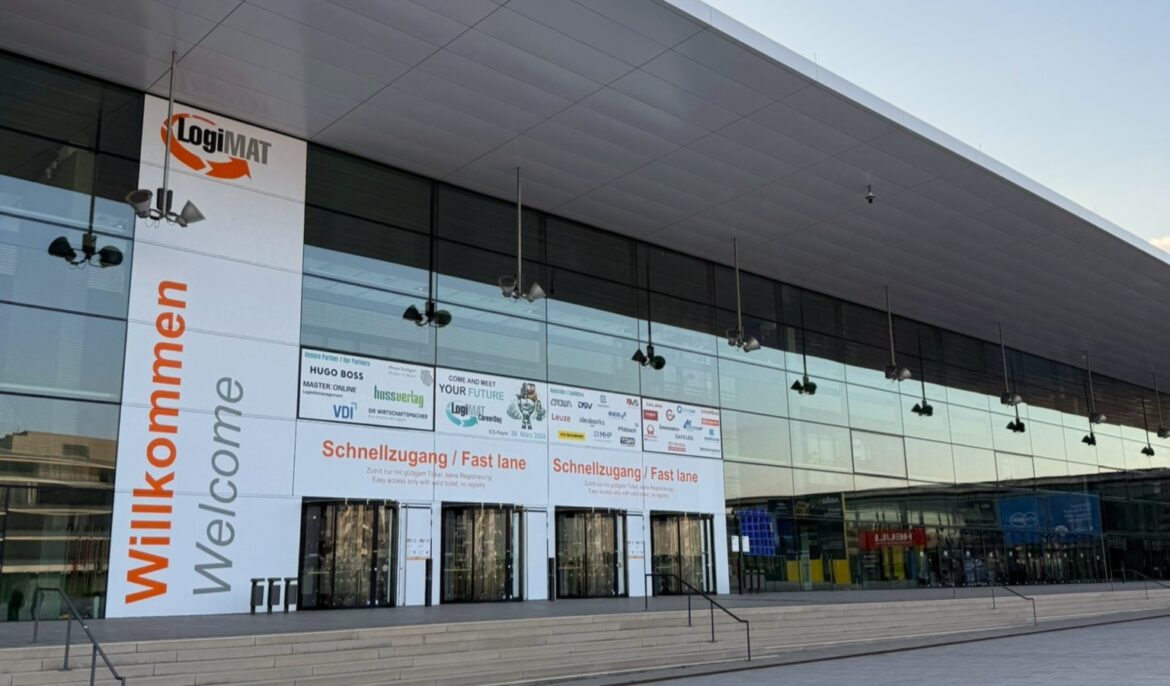
From March 24th to 26th, Ammeraal Beltech, a global manufacturer of conveying solutions, will be presenting the latest in its extensive range of high-performance belts at LogiMAT 2026, the European showcase for the logistics industry, to be held at the Messe Stuttgart Messe.

The theme of this year’s LogiMAT show, expected to draw 1600 exhibitors from 40 nations, is ‘Passion for details – discover the difference’, and the Ammeraal Beltech product range for the industry is an example of how a passion for perfection in design and manufacturing results in clear differentiation in efficiency and reliability.

Luca Zironda, Senior Global Key Account and Industry Manager, and Florian Kley, Global Key Account Manager, will be on hand at Hall 1, Booth G31 to explain how worker safety and satisfaction can be boosted by low-noise, anti-static and flame-retardant belting solutions that include industry standards such as the Rapplon, AMMdurance (made from recycled material) and Flexam belt lines, and why the impact-resistant and efficient-drive properties of these long-lifetime belts means lower overall energy use and costs as well as reduced downtime.

Founded in 1950 in the Netherlands, Ammeraal Beltech is a provider of premium conveyor belting solutions across a wide range of industries. A member of the Ammega Group, the company has a large selection of high-performance conveying solutions for every working environment.


Source link

0 comments
0 FacebookTwitterPinterestEmail
Services

High-performance Warehouse Automation – Logistics News

by
written by


Jumbo, the second-largest food retailer in the Netherlands, has been operating a highly automated fresh logistics centre that sets the pace for the entire supply chain without taking the lead role.

At its National Distribution Centre in Nieuwegein, Jumbo and WITRON unveil a concept that redefines the role of modern logistics hubs. The focus: speed, availability, and agility. Covering 40,000 square meters, the facility supplies over 725 stores in the Netherlands and Belgium with nearly 3,000 different fresh and ultra-fresh items, including dairy products, a wide selection of cheese, meat products, tapas, salads, chilled beverages, and much more. At an ambient temperature of +2 degrees Celsius, more than one million units can be picked daily using OPM (30 COM machines), AIO, and CPS modules. A fully automated shipping buffer ensures just-in-time dispatch of store-friendly stacked roll containers to the markets.

The fresh distribution centre marks the second successful collaboration between Jumbo and WITRON, following a high-performance dry goods facility. Equipped with OPM (31 COM machines), DPS, and CPS, this site can pick up to 565,000 cases on a peak day from a range of 14,300 items.

DC Heart of Supply Chain

The Dutch retail group faced a series of challenges that necessitated the construction of one of Europe’s most ambitious logistics platforms. These challenges included expected labour shortages in the future, expanding assortments in both the dry and fresh food sectors, rising consumer expectations – especially for fresh products – and growing demand for speed in both stores and online channels. Today, the highly automated fresh logistics centre in Nieuwegein, designed and implemented by WITRON as a lifetime partner, serves as the strategic centrepiece of a supply chain that is seamlessly orchestrated, adaptive, and more customer-focused than ever before. Because the consumer is the true pacesetter.

Mechanics and IT

The central distribution centre for fresh products (CDC) is designed for a daily peak capacity of 1.06 million picking units. A modular expansion for future growth has already been considered in the overall concept. All logistics areas are connected by a conveyor network that includes more than 670,000 pallet, tray, and tote storage locations, as well as 120 stacker cranes. Everything is controlled by a highly functional WITRON warehouse management system. All IT and mechanical components have been designed, manufactured, and put into operation by WITRON.

Labour, Range, Freshness

When Jumbo began shaping the future of its supply chain a few years ago, it became clear that existing structures could not meet the challenges ahead. “We expected to face challenges in the labour market, anticipated a growing number of SKUs, and set out to fundamentally redesign our fresh logistics with a clear focus on maximum customer service, freshness and sustainability,” recalls Karel de Jong, Supply Chain Director at Jumbo. The company aimed to broaden its SKU portfolio, sharpen assortment differentiation, and drive greater agility across its fresh logistics operations. At the same time, regional warehouse space became increasingly constrained as the product range continued to expand. The solution developed focused on centralizing, automating, and streamlining processes.

Precise time management is of critical importance, especially in the ultra-fresh segment. Temperature, daily operations, and weather conditions immediately impact volume.

“For us, agility means being able to respond very quickly to changing demands. A shift in weather means a shift in demand, and we need to be ready to respond,” says de Jong. “Freshness must reach the consumer’s table without delay – and not remain in the warehouse.”

The project marked a significant shift in WITRON’s internal approach. The warehouse has evolved from a standalone entity into a seamlessly integrated organ within the supply chain orchestra. Johannes Meissner, WITRON’s Technical Managing Director describes the development as follows: “The DC is no longer an isolated system, but an integral part of our customer’s organism. Only then can supply chains truly be optimized.” This transformation turns the warehouse from a pure consolidation and buffering point into a key control instrument. de Jong adds: “However, the DC does not lead the orchestra. The customer does.” Symbolically, he portrays the warehouse as the ‘first violin’ in a finely tuned supply chain orchestra – vital, leading, and setting the tone, but always part of a greater harmony.

Technology in XXL

The Nieuwegein logistics hub, featuring both dry goods and fresh food distribution centres, ranks among WITRON’s largest projects worldwide. It is equipped with more than 60 COM machines, over 1.1 million pallet, tray, and tote storage locations, approximately 200 stacker cranes, and is designed for a maximum capacity of 1.6 million picks per day. With OPM, AIO, CPS, and the automated shipping buffer, the Upper Palatinate team leverages proven technology. It guarantees peak availability, since the DC is the core of supply for Jumbo customers in the Netherlands and Belgium. An onsite service team ensures seamless operation of all IT and mechanical processes.

Both partners emphasize that success is not a matter of machine count, but of the specific requirements within each area of use. How can the system be balanced? Since all items are delivered to the stores on roll containers, seamless coordination between the subsystems is crucial to achieve maximum consolidation and space utilization. According to de Jong: “Success is not about the next machine. It’s about a perfectly tuned overall concept, with a vital role for the operators and control room team.”

Result in the Store

Automation delivers measurable benefits for the stores:
• More SKUs – with an upward trend
• Automated stacking of goods onto roll containers, tailored to the store’s shelf layout
• Consolidation of cases (picked in OPM and CPS) with pieces and totes (picked in AIO)
• Highly efficient, route-optimized truck loading enabled by advanced optimization processes within the automated shipping buffer

As a result, shelves in the store are replenished more efficiently, faster, and with less handling effort. In addition: processes previously managed via direct delivery – such as fresh fish – are now consolidated via Nieuwegein. And thanks to advanced forecast and replenishment processes, Jumbo delivers exactly what the stores truly need. The outcome for customers is enhanced freshness, a perfectly tailored assortment, and faster availability.

Packaging is a Core Competence

Automated processes require standardization, and this is reflected in the way various types of packaging are managed. “That’s why we have trained colleagues who have developed extensive expertise in this area,” says de Jong. Carton design, adhesive properties, stretch film, as well as cardboard and pallet quality are critical for material flow and load stability. WITRON and Jumbo took early action to identify critical packaging and deliver transparency to suppliers. The outcome is enhanced inbound control, resulting in more stable processes within the DC.

Employees at Jumbo were able to adapt effectively to their new tasks, moving from manual operations to an automated production process. Employees were able to gain detailed insights into future tasks within operated systems and engage in extensive exchanges with experienced users. “With a wealth of experience from projects implemented across Europe, North America, and Australia, we can offer customers comprehensive support in this vital field of change management,” emphasizes Meissner.

Technology can be purchased – culture cannot. Jumbo adopted lean principles with the Jumbo Production System (JPS), including shopfloor transparency, shift stand-ups, and a high degree of autonomous problem-solving by employees. Once a day, a central control meeting is held at the very centre of operations – not in an office, but in the work area. “Here, the colleagues analyse the previous day and review the tasks and goals for the upcoming shift. If this half hour goes well, it will be a good day,” says de Jong with a smile.

What measures can be expected next? Jumbo considers the supply chain to be an end-to-end network structure rather than a set of separate warehouses. Integrating stores, connecting with suppliers, optimizing transport routes, and automating processes – including in e-commerce, which is still handled manually today – are key pillars of the future strategy.

“Automation is not a standalone objective, but a tool applied where needed. Variety in our product range continues to define our corporate philosophy – driven by a clear focus on efficiency and economic viability,” states de Jong. Meissner gets straight to the point: “Automation built the foundation. The next chapter is all about end-to-end optimization.”


Source link

0 comments
0 FacebookTwitterPinterestEmail
Newer Posts
Older Posts

Recent Posts

  • Logistics Business Conversations – Designing Delivery Networks
  • Battle to Control Packaging Costs
  • Flabelus Chooses UK Fulfilment Operations Hub
  • Cybersecurity in Logistics isn’t just IT Responsibility
  • Hydrogen Fuel Cell Powered Warehouse Trucks

Recent Comments

No comments to show.

Social Connect

Whatsapp

Recent Posts

  • Logistics Business Conversations – Designing Delivery Networks

  • Battle to Control Packaging Costs

  • Flabelus Chooses UK Fulfilment Operations Hub

  • Cybersecurity in Logistics isn’t just IT Responsibility

  • Hydrogen Fuel Cell Powered Warehouse Trucks

Newsletter

Categories

  • Services (1,103)
  • Uncategorized (41)

@2024 - All Right Reserved. Designed and Developed by Sierraline Cargo services

Manage Consent
To provide the best experiences, we use technologies like cookies to store and/or access device information. Consenting to these technologies will allow us to process data such as browsing behavior or unique IDs on this site. Not consenting or withdrawing consent, may adversely affect certain features and functions.
Functional Always active
The technical storage or access is strictly necessary for the legitimate purpose of enabling the use of a specific service explicitly requested by the subscriber or user, or for the sole purpose of carrying out the transmission of a communication over an electronic communications network.
Preferences
The technical storage or access is necessary for the legitimate purpose of storing preferences that are not requested by the subscriber or user.
Statistics
The technical storage or access that is used exclusively for statistical purposes. The technical storage or access that is used exclusively for anonymous statistical purposes. Without a subpoena, voluntary compliance on the part of your Internet Service Provider, or additional records from a third party, information stored or retrieved for this purpose alone cannot usually be used to identify you.
Marketing
The technical storage or access is required to create user profiles to send advertising, or to track the user on a website or across several websites for similar marketing purposes.
  • Manage options
  • Manage services
  • Manage {vendor_count} vendors
  • Read more about these purposes
View preferences
  • {title}
  • {title}
  • {title}
Sierraline Cargo Services
  • HOME
  • Services
    • Trade With Us
  • About Us
  • Contact Us
  • private jet
    • BOOK YOUR JOURNEY
  • Track Packages
  • Insurance
  • safekeeping

WhatsApp us